impact
about
our story
explore our impact
careers and opportunities
join us
open science
sharing science to speed discovery
open science week
celebrating open science
team science
people & teams
discovery is a team effort
allenites
the people who make our work possible
advisors
their input shapes our science
board of directors
they help us fulfill our mission
shanahan foundation fellowship
at the interface of data and neuroscience
next generation leaders
fostering emerging leaders in bioscience
research
overview
our approach
science at the scale of greatest impact
publications
explore our publications
open science
sharing science to speed discovery
science accelerators
brain science
building a blueprint of the brain
cell science
understanding how cells become organs
neural dynamics
revealing the brain’s hidden algorithms
immunology
creating the ultimate immune system reference
synthetic biology
seattle hub for synthetic biology
education
overview
science education
science is for everyone
open science
sharing science speeds discovery
engagement
education resources
real science. real skills.
field trips
experience science where it happens
educator development
empowering educators
news
overview
all news
explore the latest news
podcast
the human stories behind discovery
sign up for our newsletter
stay connected to our science
events
overview
all events
public engagement, workshops, seminars and more
conferences
connect with us
science resources
science resources
allencell.org
allenimmunology.org
allenneuraldynamics.org
brain-bican.org
brain-map.org
microns-explorer.org
impact
back to menu
team science
our story
explore our impact
careers and opportunities
join us
open science
sharing science to speed discovery
open science week
celebrating open science
team science
people & teams
discovery is a team effort
allenites
the people who make our work possible
advisors
their input shapes our science
board of directors
they help us fulfill our mission
shanahan foundation fellowship
at the interface of data and neuroscience
next generation leaders
fostering emerging leaders in bioscience
research
back to menu
overview
our approach
science at the scale of greatest impact
publications
explore our publications
open science
sharing science to speed discovery
science accelerators
brain science
building a blueprint of the brain
cell science
understanding how cells become organs
neural dynamics
revealing the brain’s hidden algorithms
immunology
creating the ultimate immune system reference
synthetic biology
seattle hub for synthetic biology
education
back to menu
overview
science education
science is for everyone
open science
sharing science speeds discovery
engagement
education resources
real science. real skills.
field trips
experience science where it happens
educator development
empowering educators
news
back to menu
overview
all news
explore the latest news
podcast
the human stories behind discovery
newsletter
stay connected to our science
events
back to menu
overview
all events
public engagement, workshops, seminars and more
conferences
connect with us
science resources
back to menu
science resources
allencell.org
allenimmunology.org
allenneuraldynamics.org
brain-bican.org
brain-map.org
microns-explorer.org
search
events
Implementing Open Neuroscience Teaching Tools: Post-FUN Pedagogy Workshop

Presentations

This is some text inside of a div block.
location/ 
North Central College
dates / July 19, 2026
time / 8:00 am

presentations

Integrating Open Single-Cell Transcriptomic Data into the Undergraduate Neuroscience Classroom: A SEA-AD Lab Experience

Presentation Abstract:

Advances in neuroscience increasingly rely on large-scale, publicly available datasets, yet undergraduate curricula rarely provide students with hands-on experience exploring these resources. To address this gap, we developed a one-day laboratory activity for upper-level life science courses using the Seattle Alzheimer’s Disease (SEA-AD) Brain Cell Atlas and the Chan Zuckerberg CellxGene interface. This lab allows students to explore single-cell transcriptomic data from both healthy and Alzheimer’s disease brains, supporting data literacy, hypothesis-driven thinking, and familiarity with cutting-edge research tools. During the lab, students learn to navigate the SEA-AD database, query specific cell types, and compare gene expression through a differential expression analysis between normal and disease states. Students interpret their findings in the context of neurodegenerative disease mechanisms, enhancing their ability to connect molecular data with functional neuroscience concepts. In pilot implementations, students reported increased confidence in using open data, improved understanding of neurobiological diversity, and a deeper appreciation for translational research. This activity can be adapted to neurobiology, behavioral neuroscience, or molecular neuroscience courses and serves as a foundation for more advanced research experiences, including potential for Course-based Undergraduate Research Experiences (CUREs), where students generate and test their own hypotheses using SEA-AD data. Faculty attending this session will gain guidance on implementing this activity, as well as general practical strategies for integrating open neuroscience datasets into classroom laboratories.

Presenters:

Robert Calin-Jageman, Ph.D., Shveta Parekh, Ph.D.

Using the Aging, TBI and Dementia Dataset to deliver a CURE

Presentation Abstract:

The presenters will highlight the design and implementation of course-based undergraduate research experiences (CUREs) using the Aging, TBI, and Dementia dataset from the Allen Institute using a variety of approaches. One presenter will demonstrate how to use the CREATE method to help students critically read and process scientific papers related to the dataset. The second presenter will describe resources and scaffolded activities for a semester-long course to help students develop individual research projects from hypothesis creation to data analysis and presentation. The third presenter will showcase a “treasure hunt”-style CURE using RNAseq gene expression data patterns in memory-related brain regions, ultimately exploring novel hypotheses of Alzheimer’s Disease. Participants will learn strategies to overcome resource limitations, increase student engagement, and scaffold the development of a unique individual research experience using open access data.

Presenters:

William (Bill) Grisham, Dorothy Kozlowski Ph.D. , Shara Stough, Ph.D.

From Data to Decisions: Neuroethics in the Era of Open Science

Presentation Abstract:

As advances in neuroscience and the growth of open-access datasets reshape research practices, undergraduate students need opportunities to critically evaluate the scientific and ethical implications of open science. In this interactive session, participants will engage with a classroom-ready module in which students analyze metadata from real open datasets related to psychiatric conditions through structured prompts that support examination of the process of science and relationships between neuroscience and society. Attendees will experience the activity as learners while exploring implementation and adaptation strategies for diverse courses and contexts. Participants will receive ready-to-use instructional materials and will have the opportunity to contribute to ongoing refinement and evaluation of the module.

Presenters:

Nouran Amin, PhD, Christin Monroe, Ph.D., Aparna Shah, Ph.D.

Form Follows Function: Building Scalable, Data-Driven Neuroscience Modules for Every Classroom

Presentation Abstract:

This 90-minute session supports educators to construct personalized, viable prototypes of authentic data-driven exercises ready for immediate classroom deployment. These prototypes will mimic our exercises derived from the Allen Institute’s open-access morphological and electrophysiological Cell Types database. Using this data set, we engineered a suite of flexible modules anchored in Neuroscience Core Concepts to illuminate structure-function relationships across diverse collegiate settings. To calibrate these resources for varied institutional needs, our "Grid of Engagement" empowers educators to filter activities by specific constraints, including time on task and student conceptual maturity. The framework we engineered maintains pedagogical rigor through rubrics and success measures that enable consistent assessment and troubleshooting of implementation challenges while preserving alignment with core concept-derived learning outcomes.

Presenters:

Rachael Hannah Ph.D., Alexandra Nowlan, Ph.D., Lauren Rudolph, Ph.D.

guest speakers
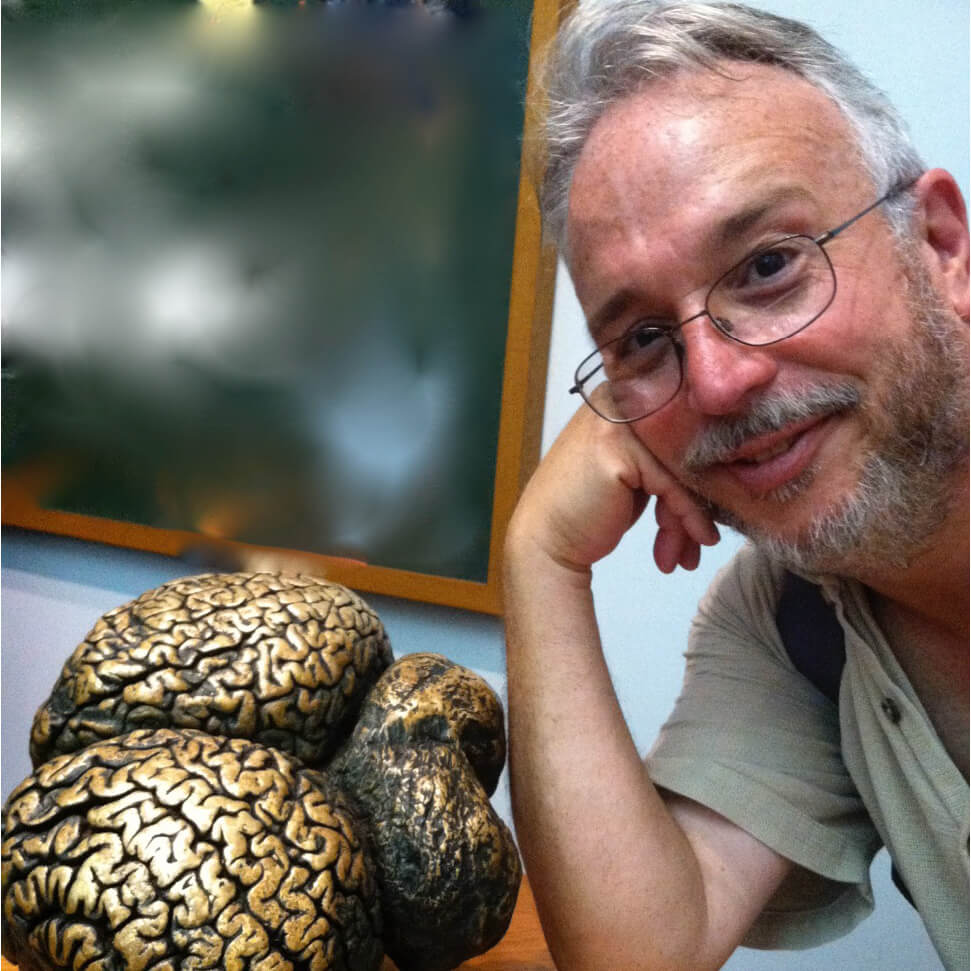
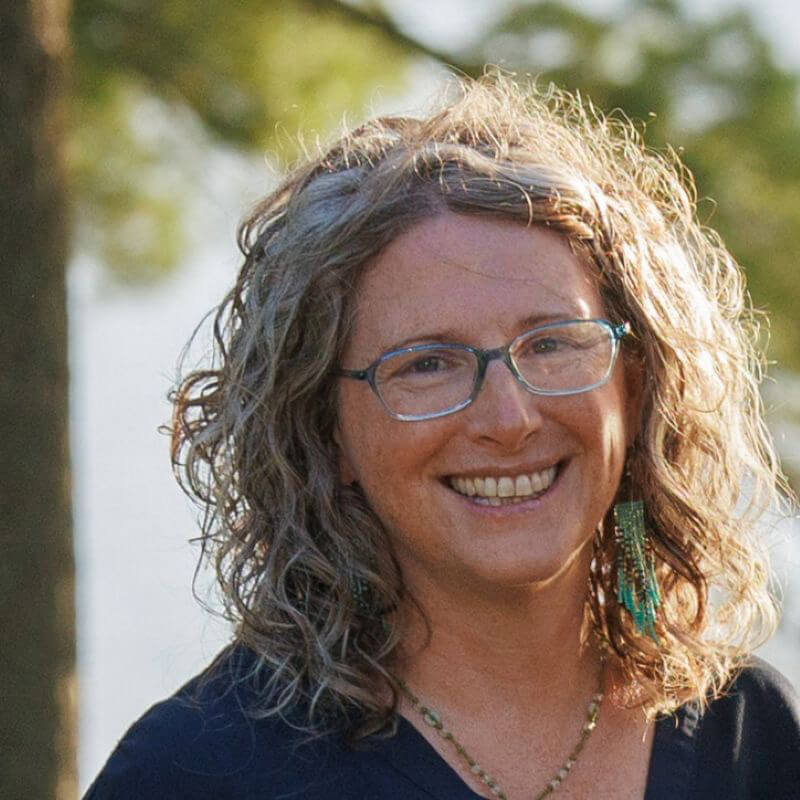
Robert Calin-Jageman
Professor of Psychology and Neuroscience Program Director at Dominican University
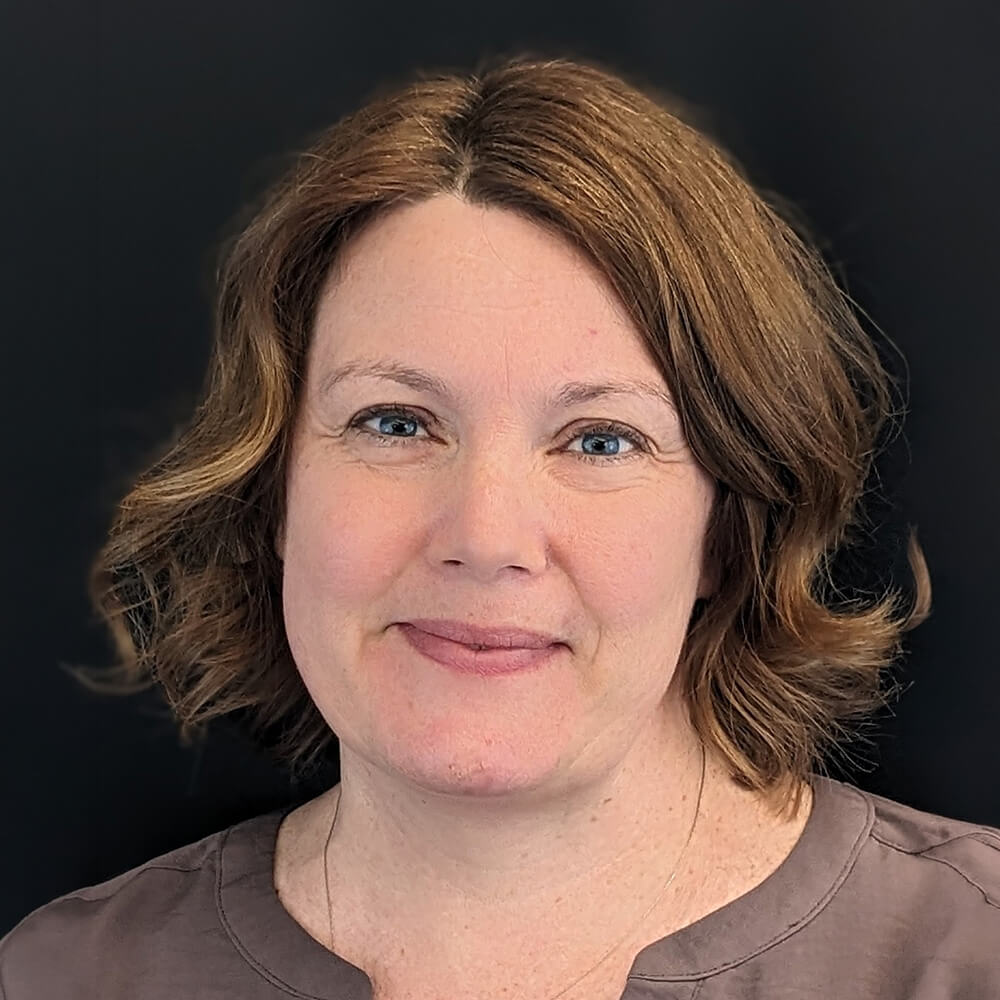
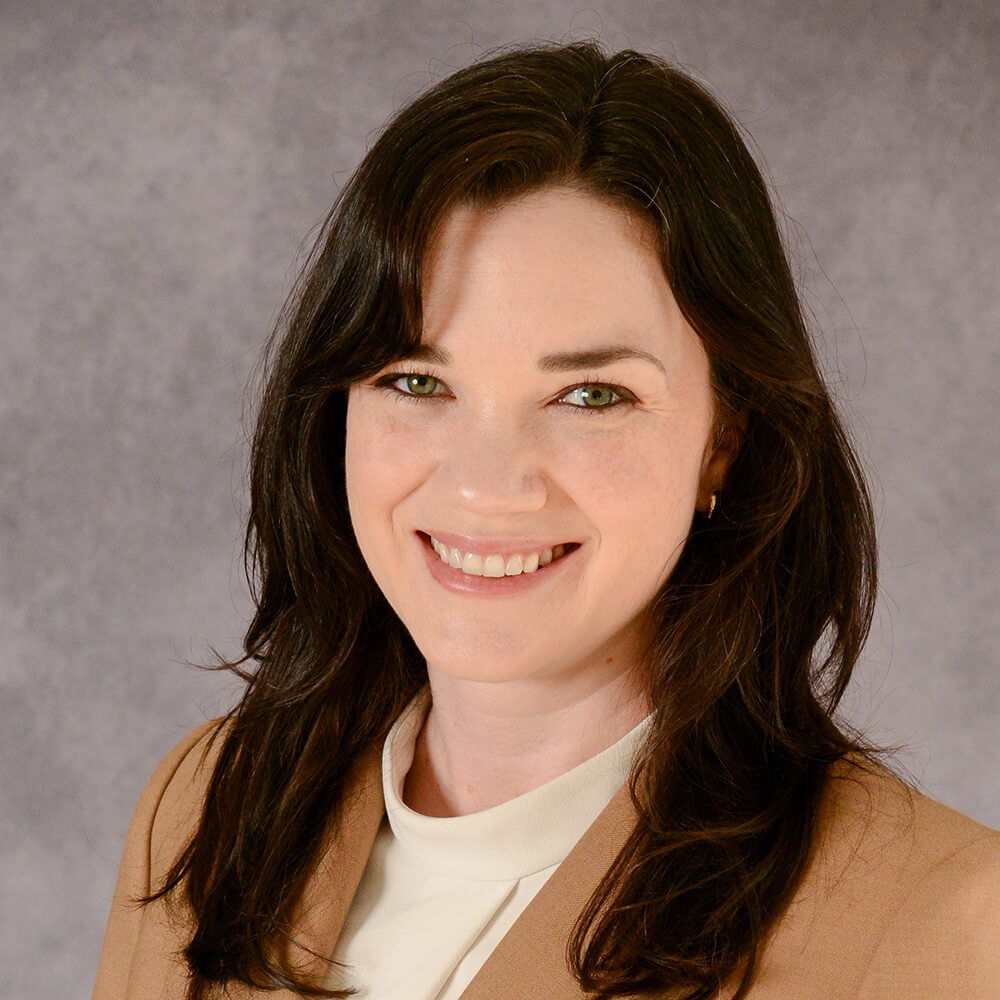
Shveta Parekh
Lecturer at Boston College
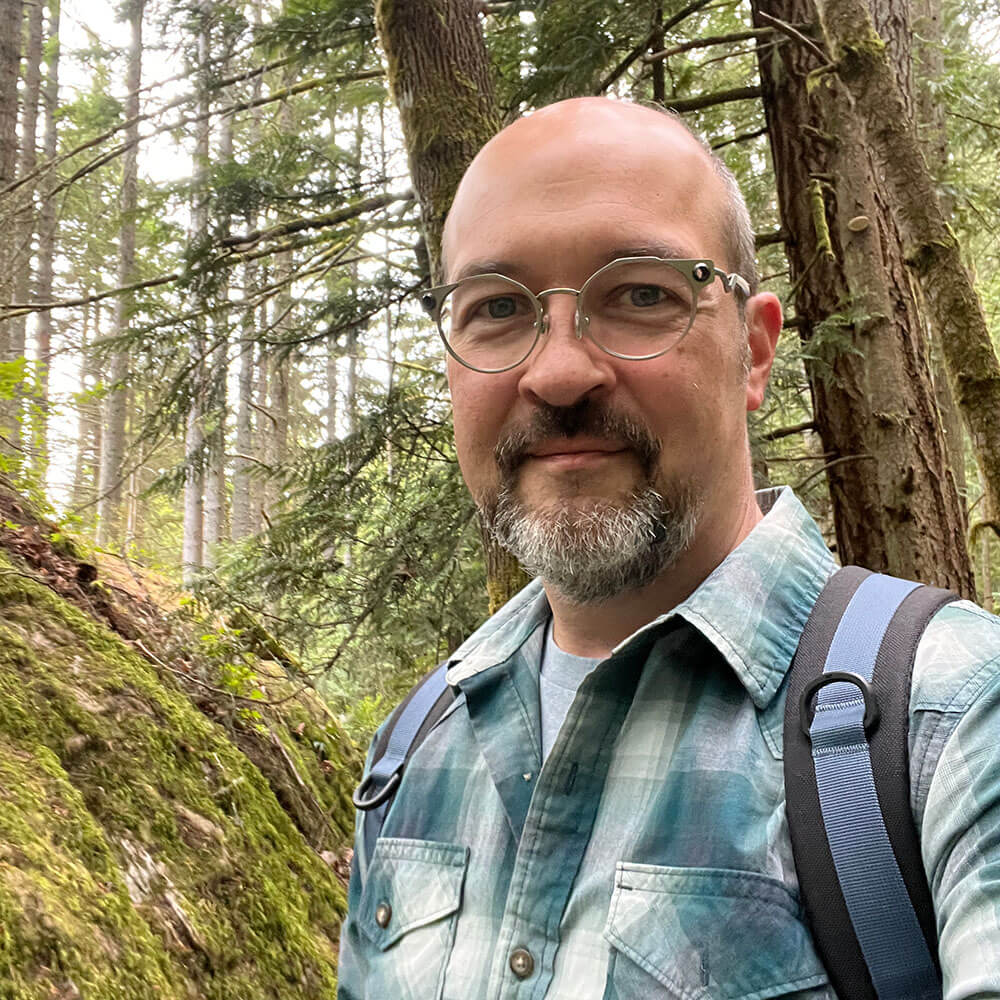
William Grisham
Adjunct Professor at UCLA
Dorothy Kozlowski
Professor and Chair, Department of Neuroscience at DePaul University
Shara Stough
Associate Professor at Augustana College
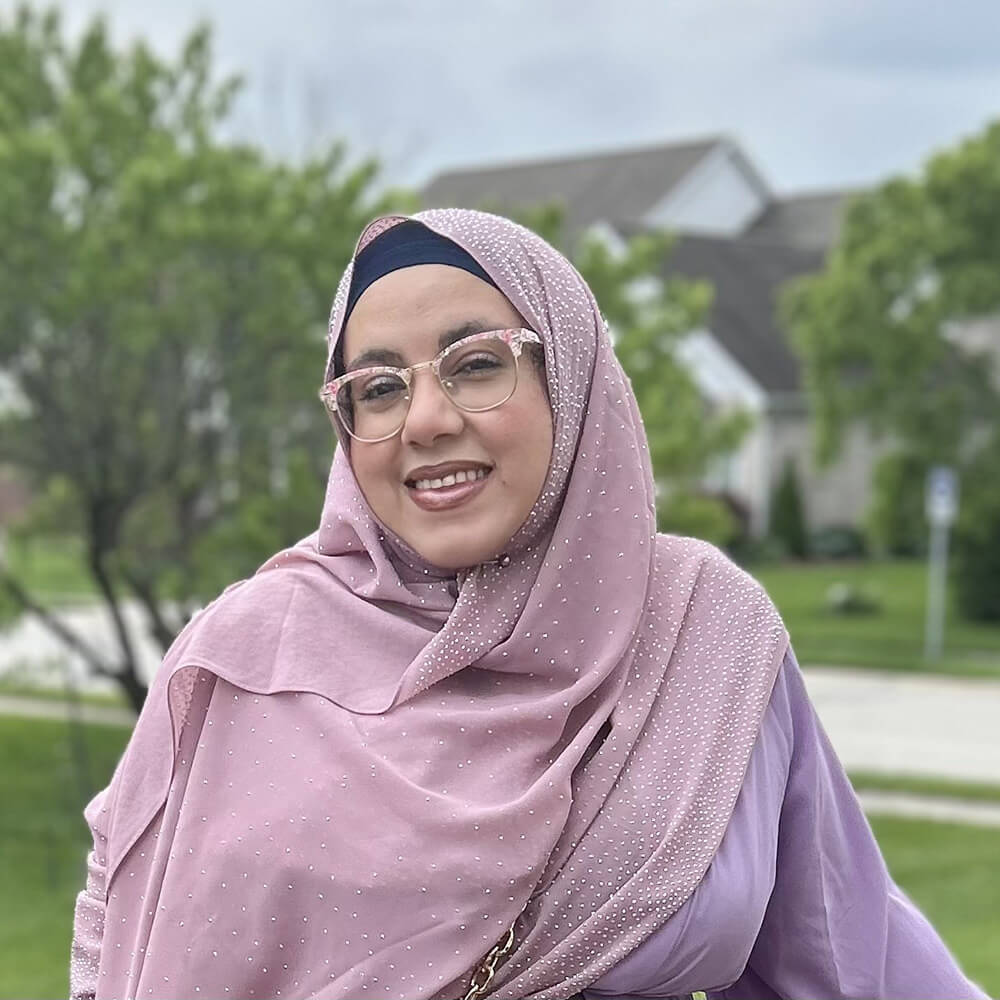
Nouran Amin
Assistant Professor at Ball State University
Christin Monroe
Educational Research Associate at University of Illinois Urbana Champaign
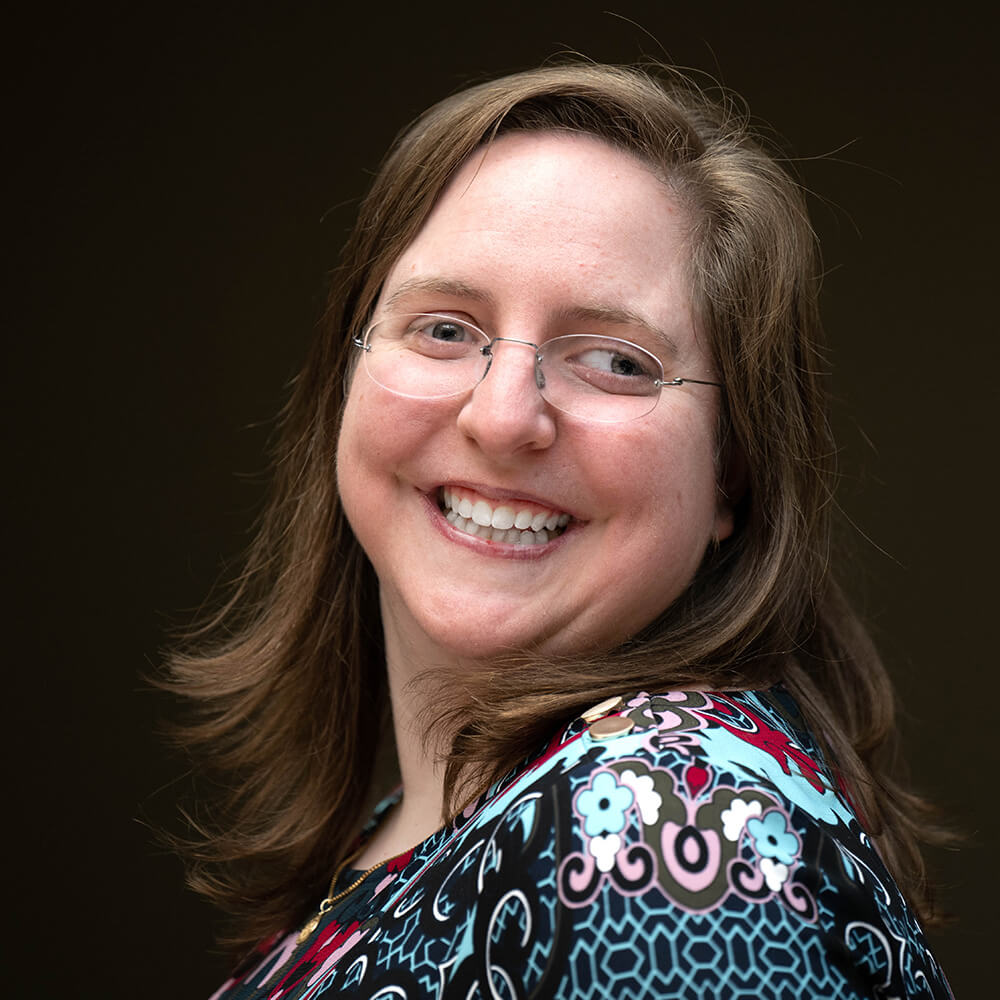
Aparna Shah
Collegiate Assistant Professor at the School of Neuroscience, Virginia Tech
Rachael Hannah
Associate Professor of Biological Sciences at University of Alaska Anchorage
Alexandra Nowlan
Teaching Assistant Professor at University of North Carolina, Chapel Hill
Lauren Rudolph
Assistant Professor at Kenyon College

event info

Join the Allen Institute for the "Implementing Open Neuroscience Teaching Tools" workshop at North Central College in Naperville, IL on July 19th, 2026.

‍

Implementing Open Neuroscience Teaching Tools: Post-FUN Pedagogy Workshop
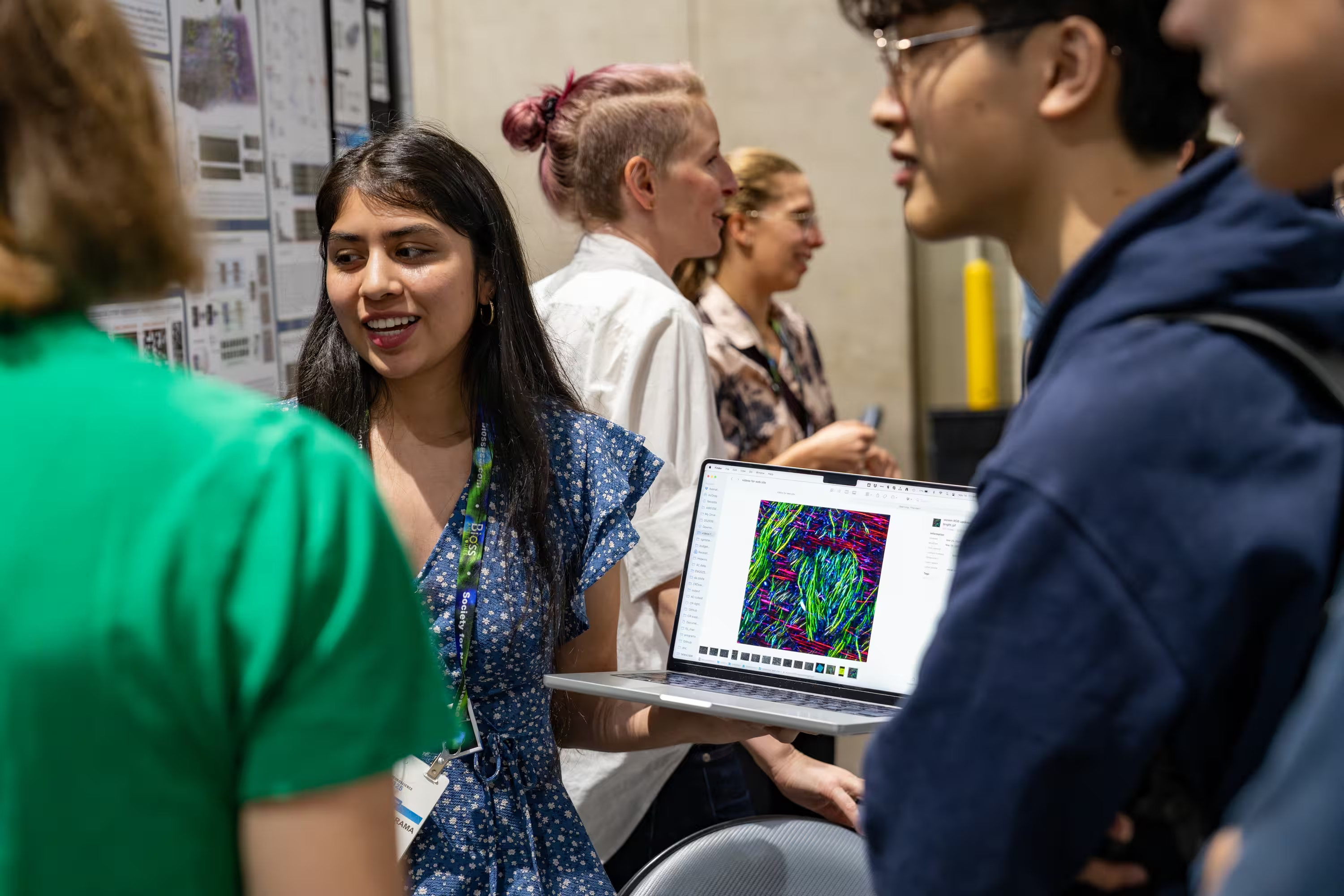
Scientists present colorful microscopy research data on laptop at academic conference poster session

safety, respect, inclusion: our event code of conduct

learn more
we acceleratedevelopcatalyzeimpact

science done differently. shared with the world.

explore our accelerators

brain science

Mapping every cell, connection, and circuit in the brain—openly shared with the world.

cell science

Decoding how cells become tissues, then programming that knowledge into powerful new research tools.

neural dynamics

Revealing the brain's hidden algorithms that transform neural activity into real-world behavior.

immunology

Creating the deepest open reference for the healthy human immune system ever built.

synthetic biology

Engineering cells to record their own histories, transforming how we understand disease over time.

research

Big questions, open answers, and science built to be shared.

education

Inspiring the next generation of scientists through open science resources.

impact

Our science is empowering researchers and advancing health worldwide.
advancing science through open, collaborative research
Get the allen institute newsletter
Stay informed on the latest breakthroughs in neuroscience, bioscience, and AI-driven research.
allen institute
impactpeople & teamscareers & opportunitiesalumnihistory & founder
science resources
allencell.orgallenimmunology.orgallenneuraldynamics.orgbrain-bican.orgbrain-map.orgmicrons-explorer.org
research
brain sciencecell scienceneural dynamicsimmunologysynthetic biologypublications
education
science educationfield tripsprofessional developmenteducation resources
quick links
newseventsopen sciencepodcastscience resourceshuman brain donationvisit uscontact
follow us/

allen institute, 615 Westlake Ave North, Seattle, WA 98109 +12065487055

© 0000 allen institute. all rights reserved.
privacy policyterms of usecitation policyemployee portalpolicy & compliance