impact
.nav--link
research
research
impact
open science
subheadline
careers and opportunities
subheadline
people & teams
people & teams
subheadline
allen institute advisors
subheadline
board of directors
subheadline
shanahan foundation fellowship
subheadline
next generation leaders
subheadline
research
overview
our approach
subheadline
publications
subheadline
open science
subheadline
accelerator
brain science
subheadline
cell science
subheadline
neural dynamics
subheadline
immunology
subheadline
synthetic biology
subheadline
education
education
science education
subheadline
teaching resources
subheadline
field trips
subheadline
open science
subheadline
open science quest
subheadline
news
news
stories
subheadline
podcast
subheadline
sign up for our newsletter
subheadline
events
events
all events
subheadline
conferences
subheadline
event code of conduct
subheadline
events
open science quest
subheadline
summer workshop on the dynamic brain
subheadline
open science week
subheadline
brain fest
subheadline
science resources
science resources
allencell.org
subheadline
allenimmunology.org
subheadline
allenneuraldynamics.org
subheadline
brain-bican.org
subheadline
brain-map.org
subheadline
microns-explorer.org
subheadline
impact
back to menu
impact
open science
subheading
careers and opportunities
subheading
people & teams
people & teams
subheading
allen institute advisors
subheading
board of directors
subheading
shanahan foundation fellowship
subheading
next generation leaders
subheading
research
back to menu
impact
Label
subheading
Label
subheading
people & teams
education
back to menu
research
Label
subheading
Label
subheading
Heading
news
back to menu
research
Label
subheading
Label
subheading
Heading
events
back to menu
research
Label
subheading
Label
subheading
Heading
science resources
back to menu
science resources
allencell.org
subheading
allenimmunology.org
subheading
allenneuraldynamics.org
subheading
brain-bican.org
subheading
brain-map.org
subheading
microns-explorer.org
subheading
search
brain donations
support science
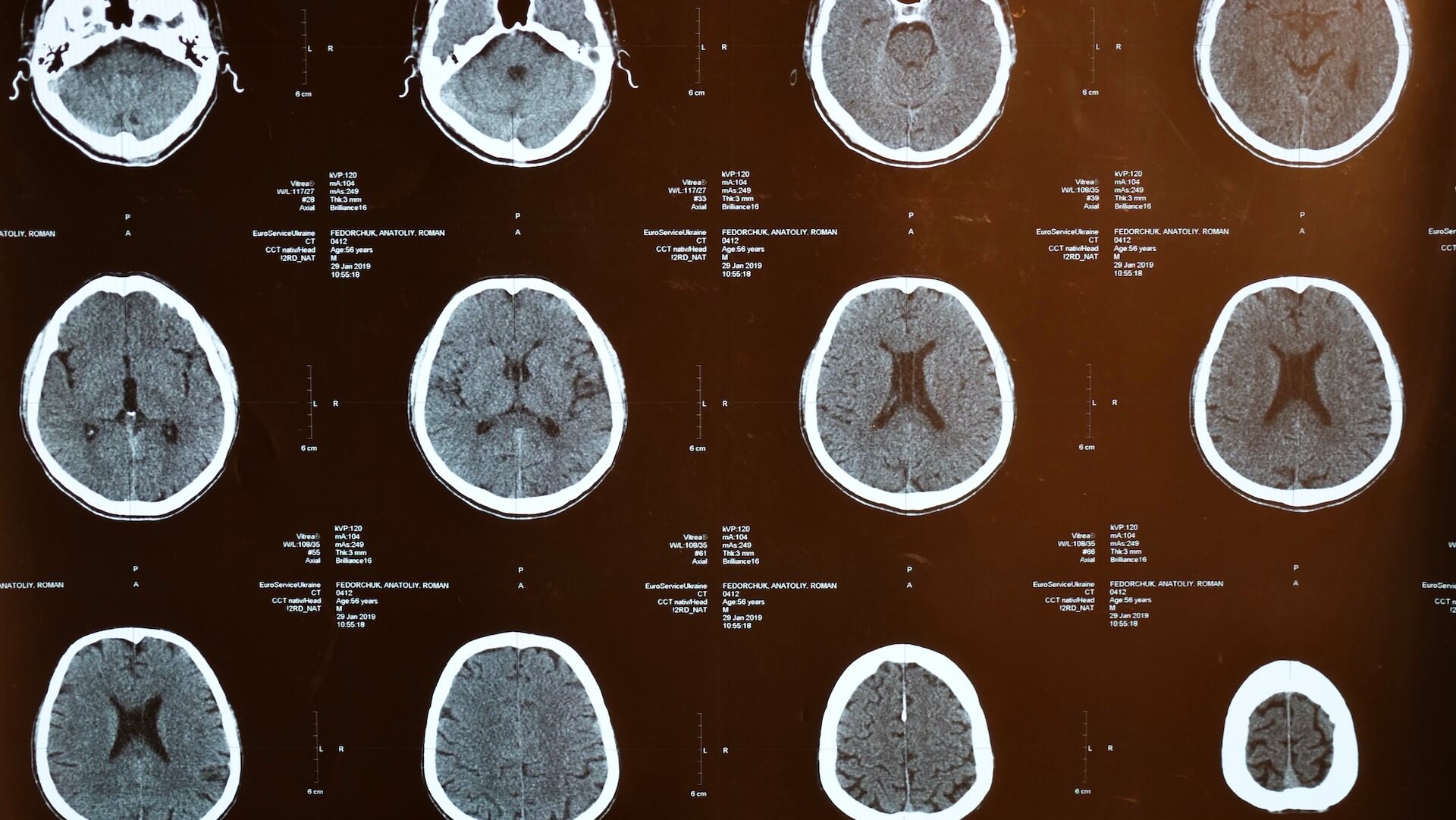
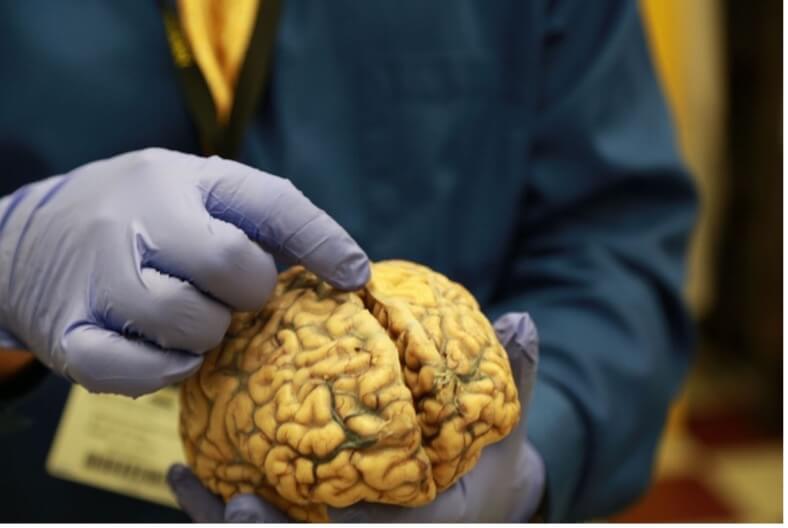
Access to human brain tissue is essential for supporting research into conditions like Alzheimer’s, Parkinson’s, depression, addiction, and more. But did you know that organ donation does not include brain donation? Read on to learn how donating your brain can support neuroscience research in Seattle and across the U.S.

human brain research at allen institute

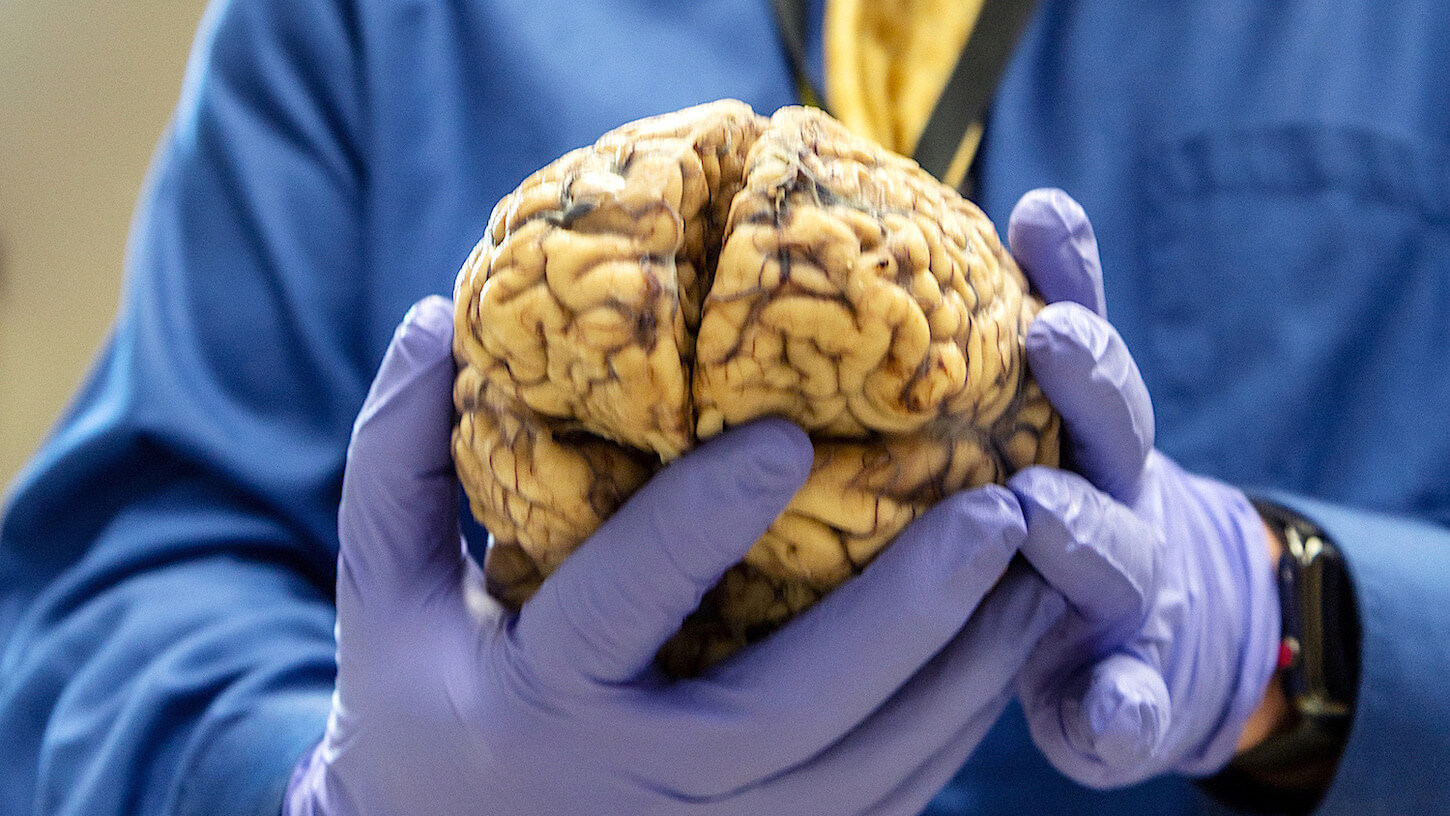
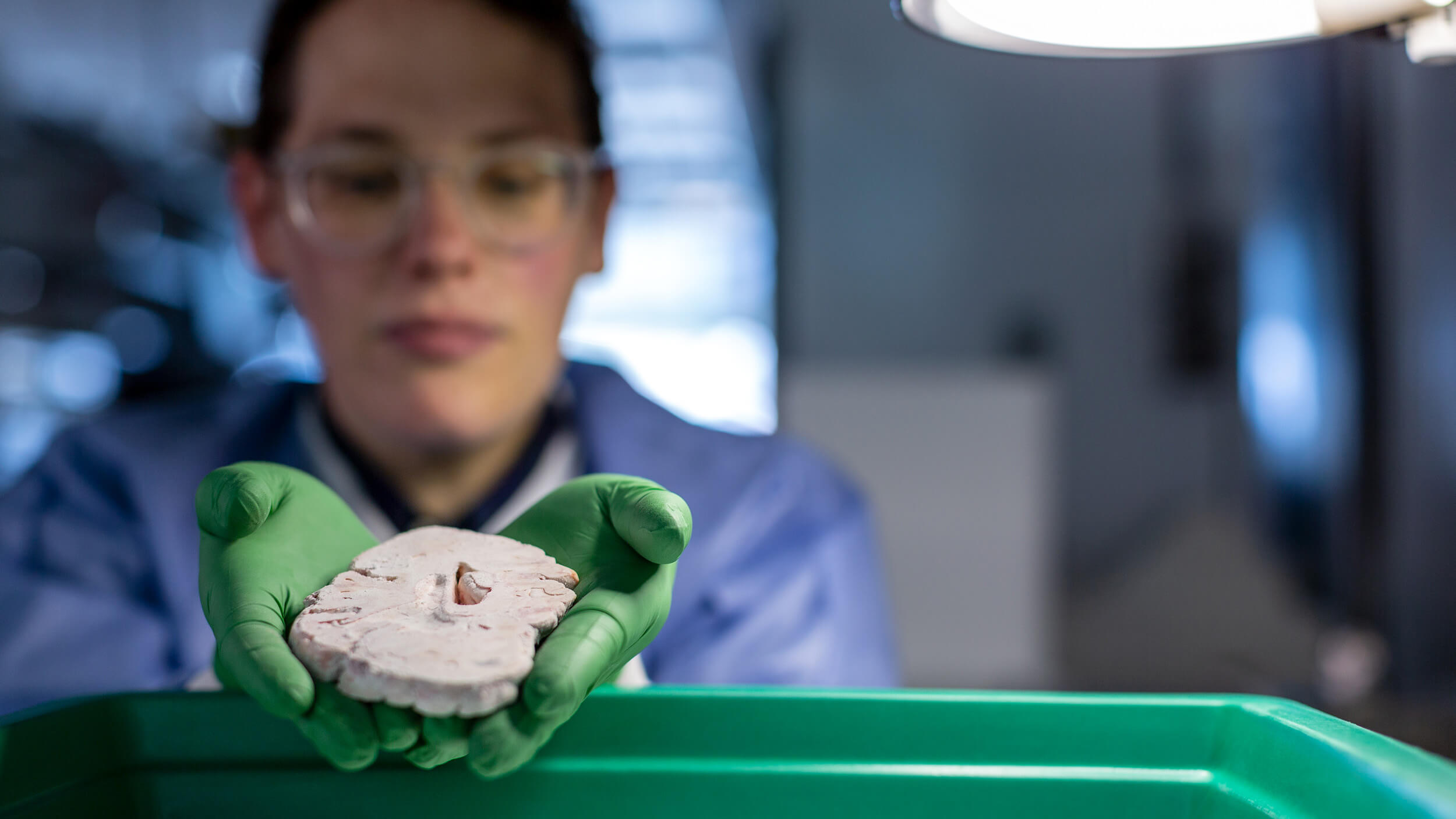
At Allen Institute, a non-profit bioscience research organization in Seattle, Washington, donated brain tissue is used to build detailed atlases of brain cell types, map neural circuits, uncover the biological basis of cognition and behavior, and more. Some donated brain tissue continues to yield insights decades after donation, underscoring their enduring scientific value.

Explore how brain donations support research at Allen Institute and across the United States.

The Brain Map Study

The Brain Map Study is a partnership between the University of Washington and the Allen Institute to create a detailed map of the human brain. This map will give scientists a powerful tool to study the brain’s 200 billion cells and advance research into treatments for brain diseases and injuries.

You may qualify if you:

  • Are 18 or older
  • Have a life-limiting illness
  • Live within 3 hours of Seattle
  • Are fluent in English
  • Are interested in brain donation

Interested in volunteering:

Reach out directly to the UW Brain Map team to learn more about this program.

206-744-5079
brainmap@uw.edu
UW Brain Map Website

alzheimer’s disease research

Through the Seattle Alzheimer’s Disease Brain Cell Atlas consortium (SEA-AD), our scientists are studying disease progression at the cellular and molecular level. This research, made possible through generous post-mortem human brain donations, is bringing us closer to treatments that could slow or even stop Alzheimer’s devastating effects.

Two ways to participate:

Adult changes in thought study (ACT)

The ACT Study explores aging, memory, and dementia to better understand, prevent, and treat Alzheimer’s and related conditions. Conducted by Kaiser Permanente Washington and the University of Washington.

Alzheimer’s disease research center (ADRC)

The University of Washington ADRC is part of a nationwide network of research centers funded by the National Institute on Aging to learn more about Alzheimer’s disease and related dementias.

neurosurgical collaboration

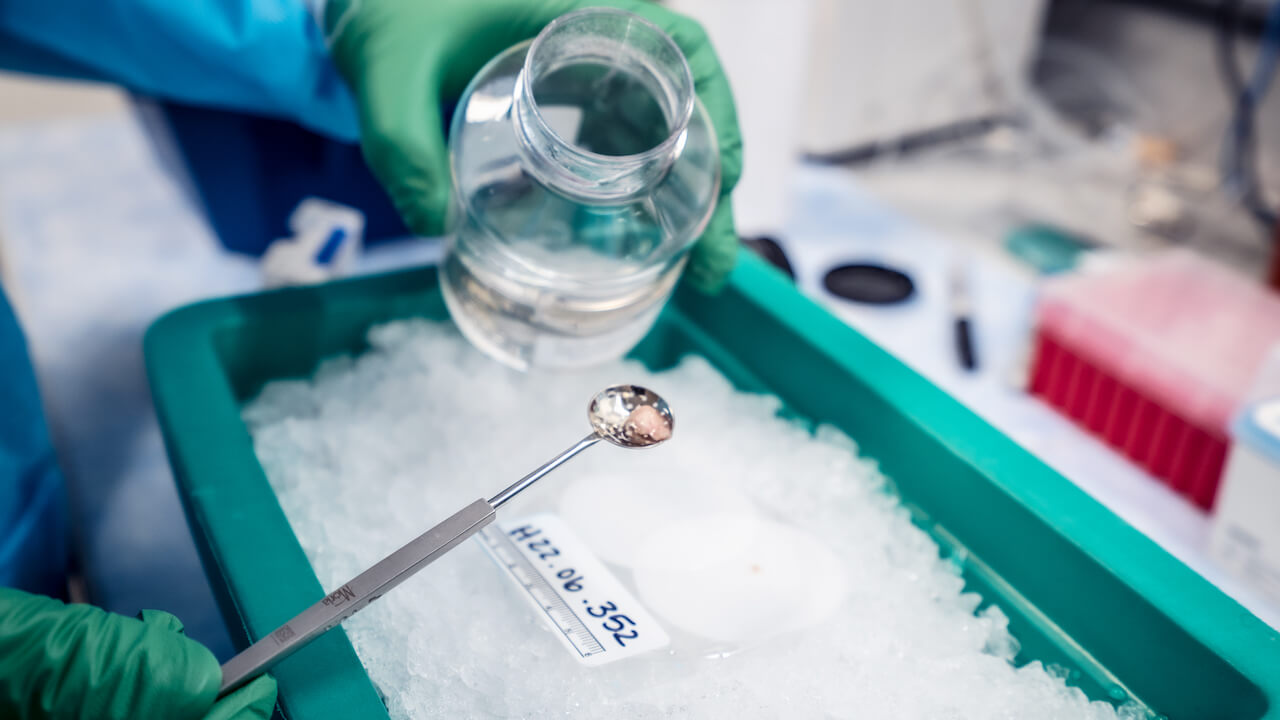
Through a unique collaboration between Allen Institute and Seattle-area neurosurgeons, patients can donate healthy brain tissue that needs to be removed during planned surgeries to treat epilepsy or brain tumors or other conditions requiring resection. These tissues, which would otherwise be discarded, are quickly transported from the operating room to Allen Institute laboratories, with patient consent, to advance human brain research.

Researchers study this brain tissue to examine the electrical properties, gene transcript, and shape of human brain cells as part of our effort to characterize and understand the parts-list of the brain: its cells.
learn more
Image Caption

brain donation in the united states

Anyone over 18 years old may choose to donate their brain after death to support scientific research. Unlike organ donation, brain donation requires separate arrangements, planning and enrollment in a nearby study or brain bank.

The Brain Donor Project is a good resource for connecting donors with brain banks or research groups in their area. National Institute on Aging-funded Alzheimer’s Disease Research Centers have brain donation programs located across the U.S. for eligible study participants. Whether you live with a neurological condition or have a healthy brain, this profound and generous act can support research in human brain health and disease.

how post-mortem brain donation works

  • Enrollment: You’ll join a study or register with a brain bank, then fill out a consent form that explains how your brain will be used and how your identity will be protected.
  • Planning: You and your family will receive clear instructions on what to do when the time comes. This often includes calling a transportation service that works with the research team.
  • Collection: After death, the brain is collected quickly –ideally within 12 hours or less – to preserve tissue quality. The donor is then transported to the funeral home or crematorium of the family’s choice.
  • Ongoing Impact: Donated brain tissue can be studied and support neuroscience research for decades.

‍

want to learn more

inform your family
Talk with your family about your wishes and what they’ll need to do to ensure your brain donation is honored.
reach out
Reach out to a local brain bank or research study like the UW Brain Map Study.
explore
Explore national programs like the Brain Donor Project. Or Seattle-area programs including Brain Donation at UW.

a gift that accelerates discovery

news 
Mapping the brain to improve lives
A collaborative effort between UW and the Allen Institute is creating a first-of-its-kind brain atlas, paving the way for breakthroughs in brain...
news 
So you want to donate your brain to science
Monte Strohl donated his brain to research after his death, hoping to fuel science and help others with neurodegenerative conditions.
news 
How do human neurons respond to psychedelics?
Neuroscientists send live human brain samples on a trip to glean insights into consciousness, therapy for depression and anxiety
we acceleratedevelopcatalyzeimpact

science done differently. shared with the world.

explore our accelerators

brain science

Mapping every cell, connection, and circuit in the brain—openly shared with the world.

cell science

Decoding how cells become tissues, then programming that knowledge into powerful new research tools.

neural dynamics

Revealing the brain's hidden algorithms that transform neural activity into real-world behavior.

immunology

Creating the deepest open reference for the healthy human immune system ever built.

synthetic biology

Engineering cells to record their own histories, transforming how we understand disease over time.

research

Big questions, open answers, and science built to be shared.

education

Inspiring the next generation of scientists through open science resources.

impact

Our science is empowering researchers and advancing health worldwide.
advancing science through open, collaborative research
Get the allen institute newsletter
Stay informed on the latest breakthroughs in neuroscience, bioscience, and AI-driven research.
allen institute
impactpeople & teamscareers & opportunitiesalumnihistory & founder
science resources
allencell.orgallenimmunology.orgallenneuraldynamics.orgbrain-bican.orgbrain-map.orgmicrons-explorer.org
research
brain sciencecell scienceneural dynamicsimmunologysynthetic biologypublications
education
science educationfield tripsprofessional developmentteaching resources
quick links
newseventsopen sciencepodcastscience resourceshuman brain donationvisit uscontact
follow us/

allen institute, 615 Westlake Ave North, Seattle, WA 98109 +12065487055

© 0000 allen institute. all rights reserved.
privacy policyterms of usecitation policyemployee portalpolicy & compliance