
impact
impact
open science
subheadline
careers and opportunities
subheadline
people & teams
people & teams
subheadline
allenites
subheadline
allen institute advisors
subheadline
board of directors
subheadline
shanahan foundation fellowship
subheadline
next generation leaders
subheadline
research
overview
our approach
subheadline
publications
subheadline
open science
subheadline
accelerator
brain science
subheadline
cell science
subheadline
neural dynamics
subheadline
immunology
subheadline
synthetic biology
subheadline
education
education
science education
subheadline
education resources
subheadline
field trips
subheadline
open science
subheadline
open science quest
subheadline
news
news
stories
subheadline
podcast
subheadline
sign up for our newsletter
subheadline
events
events
all events
subheadline
conferences
subheadline
event code of conduct
subheadline
events
open science quest
subheadline
summer workshop on the dynamic brain
subheadline
open science week
subheadline
brain fest
subheadline
science resources
science resources
allencell.org
subheadline
allenimmunology.org
subheadline
allenneuraldynamics.org
subheadline
brain-bican.org
subheadline
brain-map.org
subheadline
microns-explorer.org
subheadline
impact
back to menu
impact
open science
subheading
careers and opportunities
subheading
people & teams
people & teams
subheading
allen institute advisors
subheading
board of directors
subheading
shanahan foundation fellowship
subheading
next generation leaders
subheading
research
back to menu
impact
Label
subheading
Label
subheading
people & teams
education
back to menu
research
Label
subheading
Label
subheading
Heading
news
back to menu
research
Label
subheading
Label
subheading
Heading
events
back to menu
research
Label
subheading
Label
subheading
Heading
science resources
back to menu
science resources
allencell.org
subheading
allenimmunology.org
subheading
allenneuraldynamics.org
subheading
brain-bican.org
subheading
brain-map.org
subheading
microns-explorer.org
subheading
search
stories
news

Mapping the brain to improve lives

A collaborative effort between UW and the Allen Institute is creating a first-of-its-kind brain atlas, paving the way for breakthroughs in brain...

July 17, 2025
 min read
share/
A collaborative effort between UW and the Allen Institute is creating a first-of-its-kind brain atlas, paving the way for breakthroughs in brain health.
Thank you! Your submission has been received!
Oops! Something went wrong while submitting the form.

in this article

table of contents will display on published page only
set h2 to populate the table of contents here

authors

Jenny Burns
Sr. Manager, Digital Content

Every brain tells a story, and The Brain Map Study is listening – cell by cell, scan by scan.

By combining advanced brain imaging with cutting-edge molecular analysis, researchers at the Allen Institute and the University of Washington (UW) School of Medicine are building a detailed map of the human brain that connects how it’s built to how it functions. This work, powered by study participants who generously volunteer to donate their brains after they die, is laying the foundation for improved treatments for conditions like Alzheimer’s, brain injury, depression and more.

Scientists still don’t fully understand how the human brain works. To change that, we need people willing to take part in this study. Their participation could lead to better treatments and less suffering

C. Dirk Keene, M.D., Ph.D., Professor and Nancy and Buster Alvord endowed chair in Neuropathology at UW Medicine.

With MRI brain scans from living participants combined with microscopic analysis of brain tissue after death, researchers are uncovering how specific brain structures and cell types relate to memory, language, emotion, and disease.

Participating in this study requires very specific criteria, including a life-limiting illness (not related to brain health), located within 3 hours of Seattle, and a willingness to donate one’s brain. Because of these three requirements, finding eligible participants has not been easy, and the research program is in urgent need of qualified and interested participants.

“Scientists still don’t fully understand how the human brain works. To change that, we need people willing to take part in this study,” said C. Dirk Keene, M.D., Ph.D., Professor and Nancy and Buster Alvord endowed chair in Neuropathology at UW Medicine. “Their participation could lead to better treatments and less suffering for future generations.”

Why does this matter? From brain maps to breakthroughs

Understanding the brain at this level could unlock faster, more targeted treatments for neurological conditions. It could help us answer questions like: Why do some people recover from brain injury while others don’t? What makes one brain more resilient than another?

“The Brain Map Study is helping us build a cellular GPS for the human brain – one that connects structure to function, and ultimately, to disease. It’s a foundational step toward precision medicine in neuroscience,” explained Hongkui Zeng, Ph.D., Executive Vice President, Director of the Allen Institute for Brain Science.
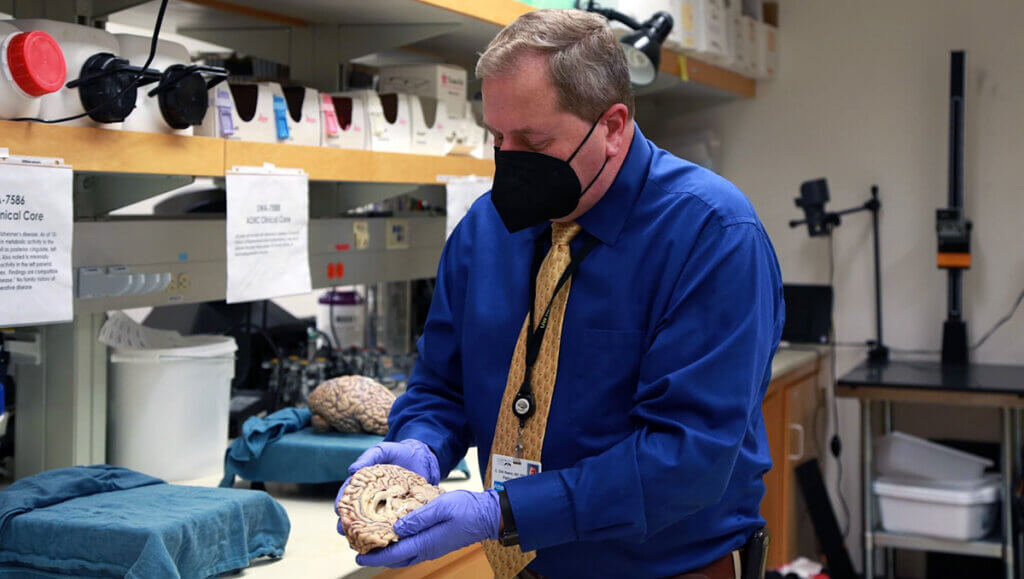
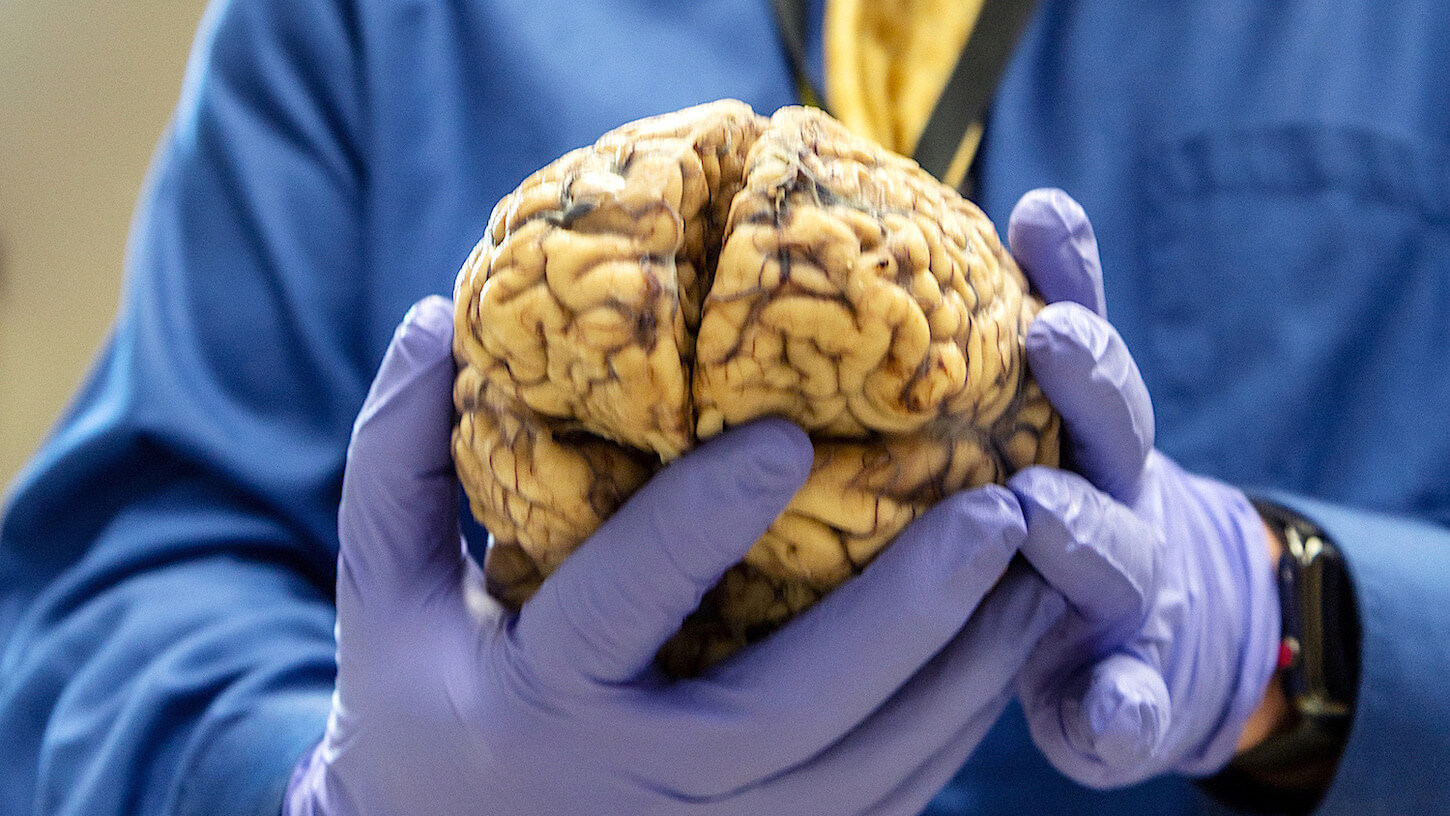
Man in blue shirt examining brain specimens in laboratory setting with scientific equipment.
Keene shows a half of a brain from a patient who donated their brain to the UW Medicine lab after their death. Keene said his lab has brains that were donated 30 years ago that are still being studied today.
Photo by Erik Dinnel / Allen Institute

Help shape the future of brain science

This research is made possible by people who choose to participate. If you or someone you know meets the study criteria, your participation could directly contribute to discoveries that improve treatment for brain conditions. The Brain Map Study is actively enrolling participants now.

You may qualify to participate in this research if you:

  • Are 18 or older
  • Have a life-limiting illness
  • Live within 3 hours of Seattle
  • Are fluent in English
  • Are interested in brain donation

The study includes:

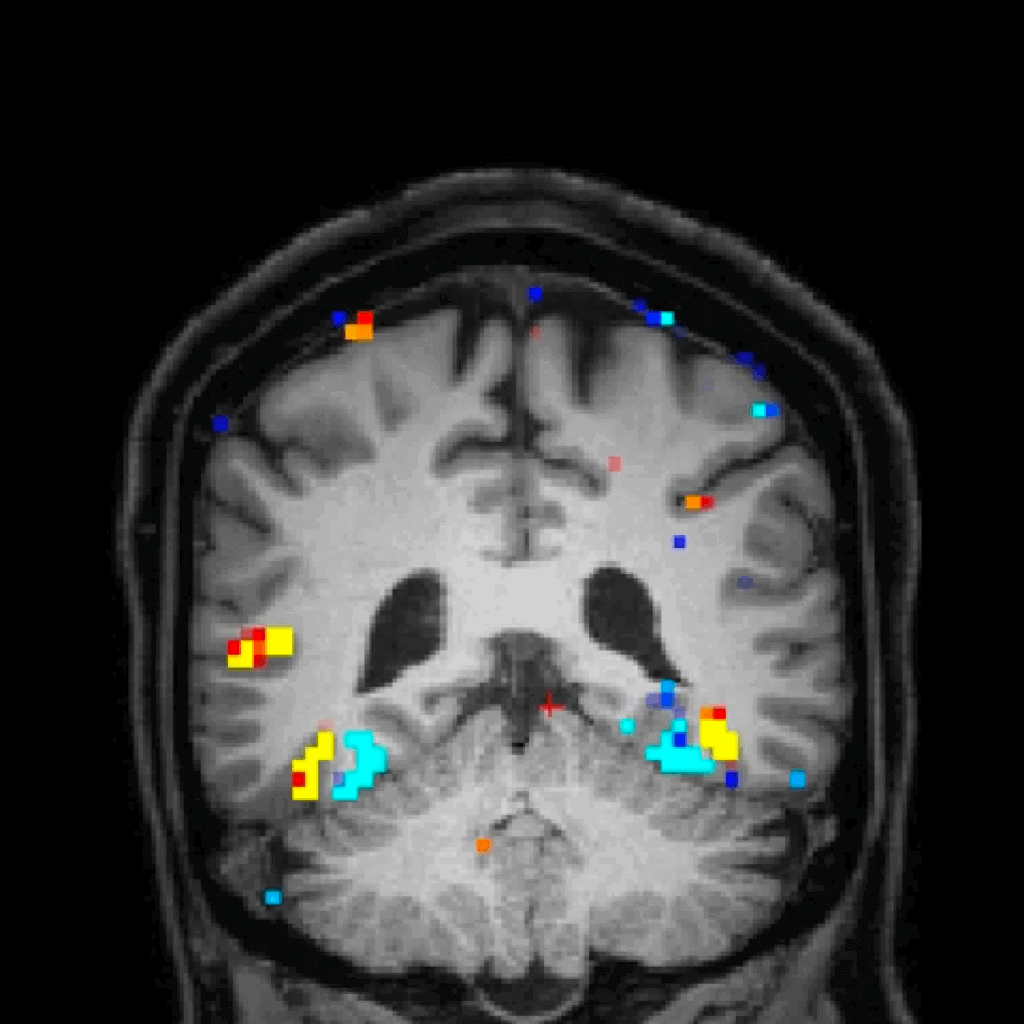
A non-invasive MRI scan to capture how your brain works while you watch and listen to videos, and an opportunity to donate your brain after death.
Brain Map Study

Brain MRI scan with colorful activation map overlay showing neural activity areas
Functional MRI scan of a human brain. This type of scan is involved with the Brain Map Study research.

Understanding the brain is one of science’s greatest challenges and greatest opportunities. “By linking MRI scans with cellular-level data, this study gives us an unprecedented window into the living human brain,” said Ed Lein, Ph.D., Senior Investigator at the Allen Institute. “That connection is key to understanding – and eventually treating – brain disease.”

This work wouldn’t be possible without the generosity of individuals who choose to contribute. Their legacy is a gift to science and to all of us. Together, we’re building a resource that will empower researchers, inform medicine, and bring hope to families affected by neurological diseases and disorders.

Citations
No items found.

about the allen institute

The Allen Institute is an independent, 501(c)(3) nonprofit research organization founded by philanthropist and visionary, the late Paul G. Allen. The Allen Institute is dedicated to answering some of the biggest questions in bioscience and accelerating research worldwide. The Institute is a recognized leader in large-scale research with a commitment to an open science model. For more information, visit alleninstitute.org.
explore related stories

explore more stories
news 
So you want to donate your brain to science
Monte Strohl donated his brain to research after his death, hoping to fuel science and help others with neurodegenerative conditions.
news 
How do human neurons respond to psychedelics?
Neuroscientists send live human brain samples on a trip to glean insights into consciousness, therapy for depression and anxiety
we acceleratedevelopcatalyzeimpact

science done differently. shared with the world.

explore our accelerators

brain science

Mapping every cell, connection, and circuit in the brain—openly shared with the world.

cell science

Decoding how cells become tissues, then programming that knowledge into powerful new research tools.

neural dynamics

Revealing the brain's hidden algorithms that transform neural activity into real-world behavior.

immunology

Creating the deepest open reference for the healthy human immune system ever built.

synthetic biology

Engineering cells to record their own histories, transforming how we understand disease over time.

research

Big questions, open answers, and science built to be shared.

education

Inspiring the next generation of scientists through open science resources.

impact

Our science is empowering researchers and advancing health worldwide.
advancing science through open, collaborative research
Get the allen institute newsletter
Stay informed on the latest breakthroughs in neuroscience, bioscience, and AI-driven research.
allen institute
impactpeople & teamscareers & opportunitiesalumnihistory & founder
science resources
allencell.orgallenimmunology.orgallenneuraldynamics.orgbrain-bican.orgbrain-map.orgmicrons-explorer.org
research
brain sciencecell scienceneural dynamicsimmunologysynthetic biologypublications
education
science educationfield tripsprofessional developmenteducation resources
quick links
newseventsopen sciencepodcastscience resourceshuman brain donationvisit uscontact
follow us/

allen institute, 615 Westlake Ave North, Seattle, WA 98109 +12065487055

© 0000 allen institute. all rights reserved.
privacy policyterms of usecitation policyemployee portalpolicy & compliance