
The human brain is greedy.
While it clocks in at just around 2% of a person’s body weight, this fleshy, fatty organ uses more than 20% of the body’s daily nutrition.
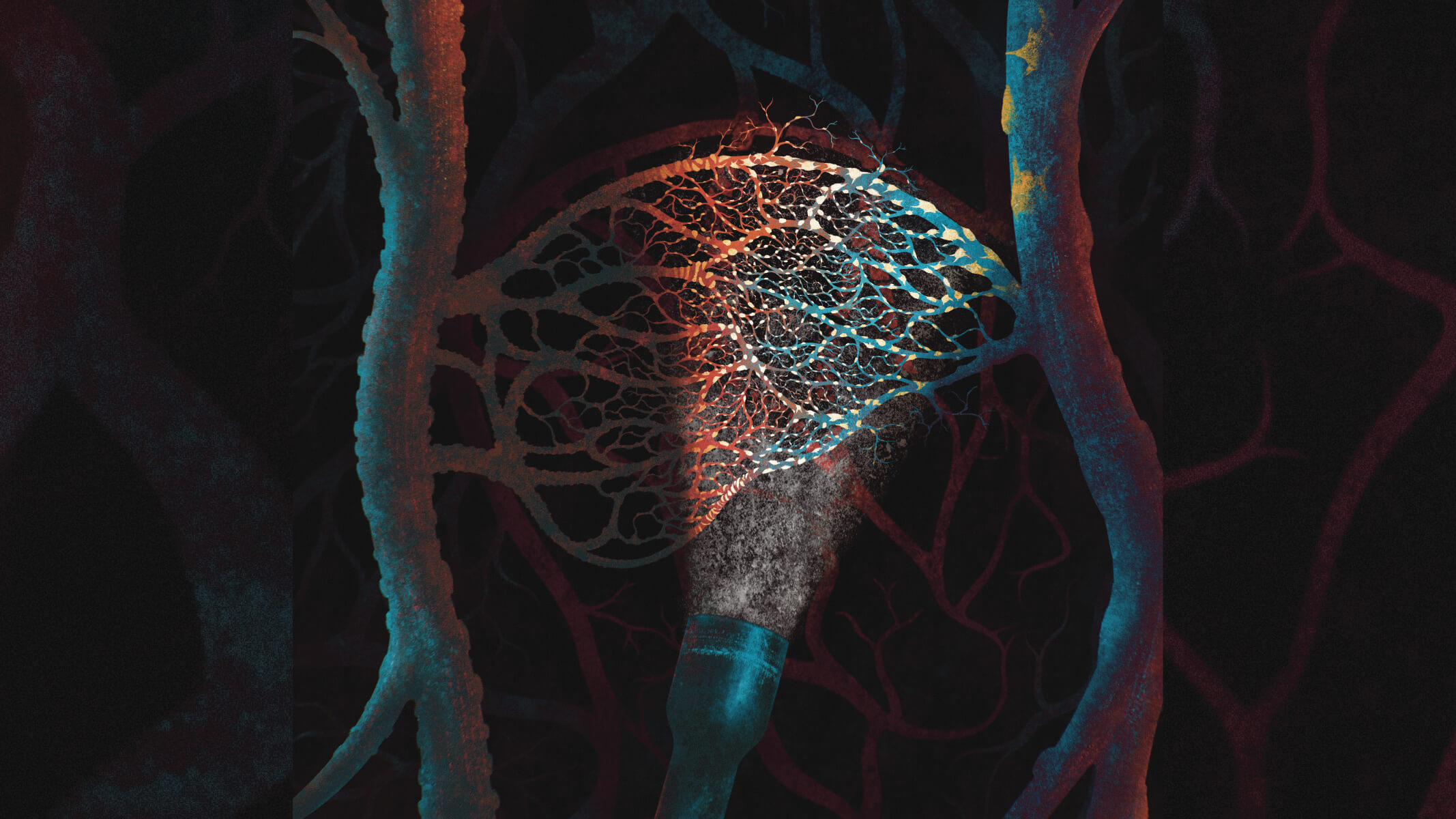
That nutrition is delivered by a stunning 400 miles of blood vessels that wind themselves through the clefts, nooks, and crannies of the brain. And until very recently, the cellular building blocks that go into those 400 miles of blood highways and byways, also known as the vasculature, remained unknown.
Researchers at the Stanford University School of Medicine have now completed a molecular map of all the blood vessel types that supply the human brain, funded by an award from the American Heart Association-Allen Initiative in Brain Health and Cognitive Impairment. The team, led by Stanford Professor of Neurology Tony Wyss-Coray, Ph.D., published their study in the journal Nature today.
The scientists cataloged blood vessel cells not only from healthy human brains (donated post-mortem), but from brains of people who had died with Alzheimer’s disease. They found new and intriguing links between the brain’s blood supply and Alzheimer’s, implying that blood flow to the brain may not function as it should in this common form of age-related dementia.
“While neurons are the computational units of the brain, the blood vessels are the infrastructure grid providing them the necessary energy,” Wyss-Coray said. “It makes sense that an aging grid may contribute to brain dysfunction just as the degeneration and dysfunction of neurons. At this point, we simply don’t know the relative importance of any of the parts in the demise of the aging brain or in Alzheimer’s disease, and cataloging the changes is a good start to learn more.”
The other half of the brain
The atlas relied on the same technique as other recently published cell-type atlases, including those produced at the Allen Institute to catalog neurons and other brain cell types, with a special twist to isolate and analyze the cells that make up our brain’s blood vessels. These cell-type atlases are built by studying the full suite of genes that each cell switches on, one cell at a time; the method is known as single-cell transcriptomics. But the previously published datasets that catalog thousands or millions of single brain cells all had one thing in common — they left out the brain’s blood vessel cells.
There’s a simple explanation for that omission. When researchers prepare brain tissue for single-cell transcriptomics, they gently pulverize the tissue to break it up into individual cells, using what is essentially a tiny mortar and pestle. Before the slurry of cells gets analyzed, the scientists will first strain out all the gunk. That technique works to isolate neurons and many other brain cell types, but it turned out that the cells that make up our blood vessels are a bit tougher to break up and they were getting accidentally thrown away with the bath water, so to speak.
“It’s like cooking spaghetti, you put it on a strainer. It’s a similar principle, you just lose those vessels on the strainer,” said Andrew Yang, Ph.D., a Sandler Fellow at the Bakar Aging Research Institute at the University of California, San Francisco, and lead author on the Nature paper. “The revolution of single-cell technologies has been powerfully applied for the human brain, but it wasn’t capturing all the cell types that we know exist in the brain.”
The first step for Yang and the other researchers was just to dump out the spaghetti strainer, saving the cells that used to get thrown out. Next, they needed to figure out a way to break up the tougher blood vessel tissue to isolate individual cells. Yang has a cooking analogy for this step too: “It’s kind of like getting peas out of a pod,” he said. The scientists looked to agricultural pea viners for inspiration, building a miniature version to gently pop individual cells out of their vessels without damaging them.
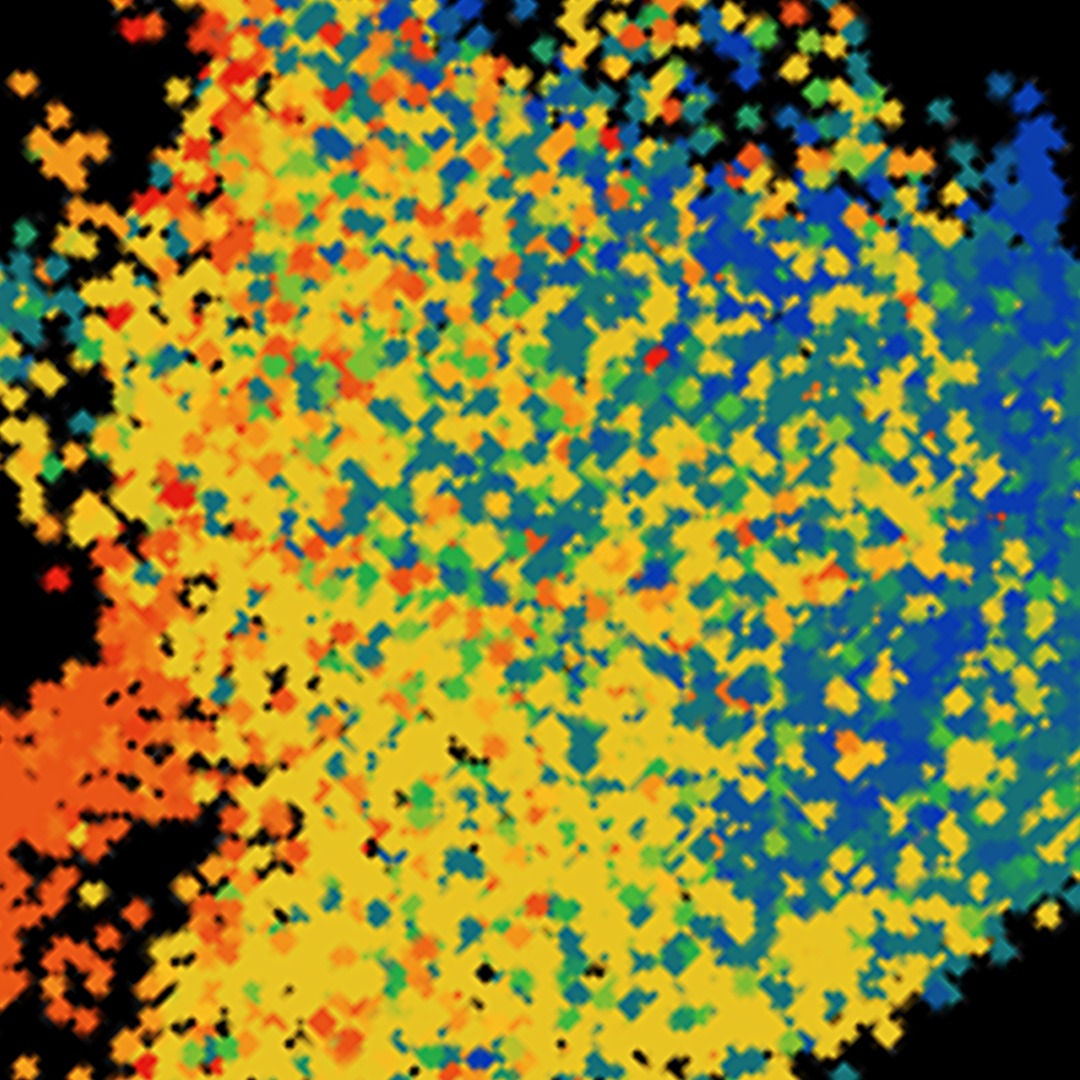
The scientists used this technique to study blood vessel cells in two regions of the brain, the hippocampus and the frontal cortex, from 17 different brain donors — nine with Alzheimer’s disease, eight without. Looking at nearly 150,000 single cells, the team identified 15 distinct blood vessel cell types.
They found that many kinds of blood vessel cells are lost in brains from donors with Alzheimer’s. One blood vessel cell type — a type of cell that helps build a special structural matrix around blood vessels in the brain — seems to be especially vulnerable in the neurodegenerative disease. They also found that 30 of the top 45 genes associated with risk of Alzheimer’s are expressed at high levels in blood vessel cells.
These findings aren’t the first to implicate the vascular system in Alzheimer’s, but they add to the growing understanding that it’s not just neurons that are targeted in the disease. Some of the team’s findings stand in contrast to results from mouse studies — the Alzheimer’s risk genes, for example, aren’t expressed in mouse blood vessel cells like they are in the human vasculature.
The researchers are now expanding the study to apply their technique to a larger group of brain donors, including people with early-stage Alzheimer’s disease, to understand whether the vascular system goes wrong early in the disease. They also want to look at the impact of other neurological diseases, such as Parkinson’s disease and even COVID-19, on the vascular cells of the brain.
“We’ve basically opened a lens to the other half of the brain,” Yang said. “Now we can actually go in and probe the mechanism of how it works.”
Citations
about the allen institute
The Allen Institute is an independent, 501(c)(3) nonprofit research organization founded by philanthropist and visionary, the late Paul G. Allen. The Allen Institute is dedicated to answering some of the biggest questions in bioscience and accelerating research worldwide. The Institute is a recognized leader in large-scale research with a commitment to an open science model. For more information, visit alleninstitute.org.