
impact
about
our story
explore our impact
careers and opportunities
join us
open science
sharing science to speed discovery
open science week
celebrating open science
team science
people & teams
discovery is a team effort
allenites
the people who make our work possible
advisors
their input shapes our science
board of directors
they help us fulfill our mission
shanahan foundation fellowship
at the interface of data and neuroscience
next generation leaders
fostering emerging leaders in bioscience
research
overview
our approach
science at the scale of greatest impact
publications
explore our publications
open science
sharing science to speed discovery
science accelerators
brain science
building a blueprint of the brain
cell science
understanding how cells become organs
neural dynamics
revealing the brain’s hidden algorithms
immunology
creating the ultimate immune system reference
synthetic biology
seattle hub for synthetic biology
education
overview
science education
science is for everyone
open science
sharing science speeds discovery
engagement
education resources
real science. real skills.
field trips
experience science where it happens
educator development
empowering educators
news
overview
all news
explore the latest news
podcast
the human stories behind discovery
sign up for our newsletter
stay connected to our science
events
overview
all events
public engagement, workshops, seminars and more
conferences
connect with us
science resources
science resources
allencell.org
allenimmunology.org
allenneuraldynamics.org
brain-bican.org
brain-map.org
microns-explorer.org
impact
back to menu
team science
our story
explore our impact
careers and opportunities
join us
open science
sharing science to speed discovery
open science week
celebrating open science
team science
people & teams
discovery is a team effort
allenites
the people who make our work possible
advisors
their input shapes our science
board of directors
they help us fulfill our mission
shanahan foundation fellowship
at the interface of data and neuroscience
next generation leaders
fostering emerging leaders in bioscience
research
back to menu
overview
our approach
science at the scale of greatest impact
publications
explore our publications
open science
sharing science to speed discovery
science accelerators
brain science
building a blueprint of the brain
cell science
understanding how cells become organs
neural dynamics
revealing the brain’s hidden algorithms
immunology
creating the ultimate immune system reference
synthetic biology
seattle hub for synthetic biology
education
back to menu
overview
science education
science is for everyone
open science
sharing science speeds discovery
engagement
education resources
real science. real skills.
field trips
experience science where it happens
educator development
empowering educators
news
back to menu
overview
all news
explore the latest news
podcast
the human stories behind discovery
newsletter
stay connected to our science
events
back to menu
overview
all events
public engagement, workshops, seminars and more
conferences
connect with us
science resources
back to menu
science resources
allencell.org
allenimmunology.org
allenneuraldynamics.org
brain-bican.org
brain-map.org
microns-explorer.org
search
news

Jessica Oparebea is hoping to use science to heal and restore lives

Driven by a passion for neuroscience and optics, and inspired by the TReND-CaMinA workshop, Jessica hopes to develop breakthroughs in brain-machine interfaces

April 10, 2025
 min read
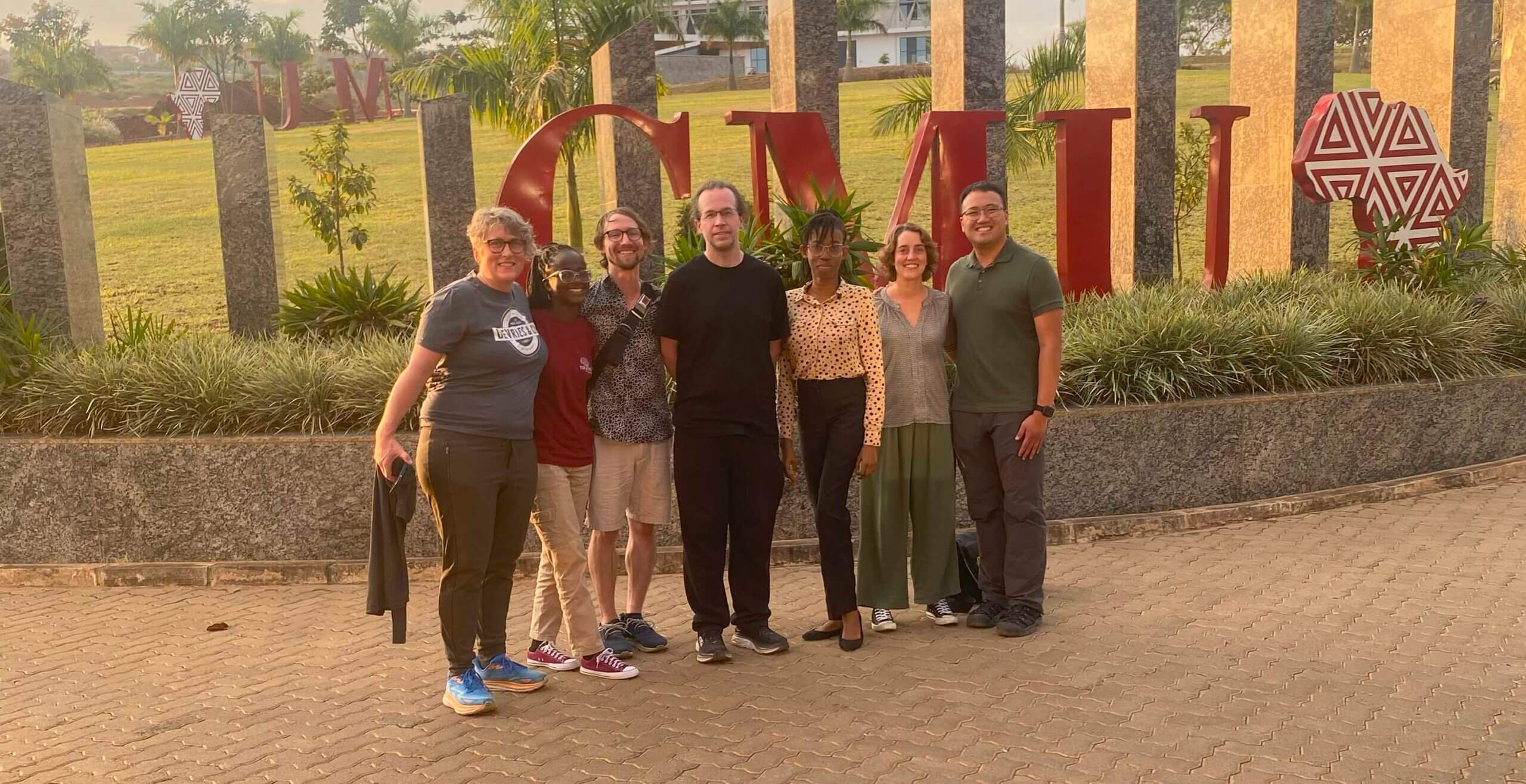
Image of people at computational neuroscience workshop
share/
Instructors and attendees of the TReND-CaMinA computational neuroscience workshop in Kigali, Rwanda in 2024
Jessica is pursuing a future in neuroscience and optics, and is researching brain-machine interfaces and non-invasive neurotechnology that could one day restore lost functions like movement, sight, and hearing.
Thank you! Your submission has been received!
Oops! Something went wrong while submitting the form.

in this article

table of contents will display on published page only
set h2 to populate the table of contents here

authors

Peter Kim
Associate Director, Communications & Media Relations

Growing up in Tarkwa, a small town in western Ghana, Jessica Oparebea was an academic standout. She graduated junior high with over 15 certificates for various academic activities: quizzes, science competitions, and enrichment programs.  

“I wasn’t just eager to win; I was driven by a hunger to learn, to challenge myself, and to explore new ideas,” she said.  But her passion for science came from personal experience. Jessica was diagnosed with sickle cell disease at the age of four and spent much of her childhood in hospital wards—not just as a patient but as a curious observer.

“While others saw IV drips and charts, I saw questions waiting to be answered. I poured over my medical reports and asked my doctors probing questions, driven by a deep desire to understand the diagnoses and the rationale behind every treatment plan,” she said.

Jessica is now pursuing a future in neuroscience and optics, and is researching brain-machine interfaces and non-invasive neurotechnology that could one day restore lost functions like movement, sight, and hearing.

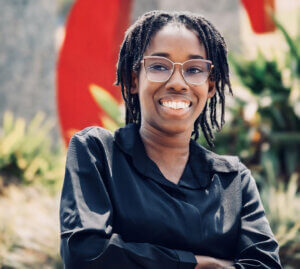
Smiling woman with glasses and dreadlocks wearing black shirt outdoors
Jessica Oparebea is pursuing a future in neuroscience and optics

“This goal is deeply personal for me. Growing up, I witnessed the effects of neurological injury. A close family member lost mobility due to a stroke, and I remember feeling helpless, unable to understand what was happening or how to help,” she said.

“Later, as I studied biomedical engineering, I realized science and technology’s potential to give people their lives back. The brain-body interface fascinates me not only scientifically, but also because it represents hope—a way to reconnect people with the world when those connections are lost.”

Last year, Jessica attended a special computational neuroscience workshop that accelerated and fueled her mission to change lives through science. TReND-CaMinA (Computational Neuroscience and Machine Learning in Africa) is a computational neuroscience and machine learning program offered by TREND in Africa. This year, the course will be held at the University of Zambia in Lusaka, Zambia in collaboration with the Allen Institute.
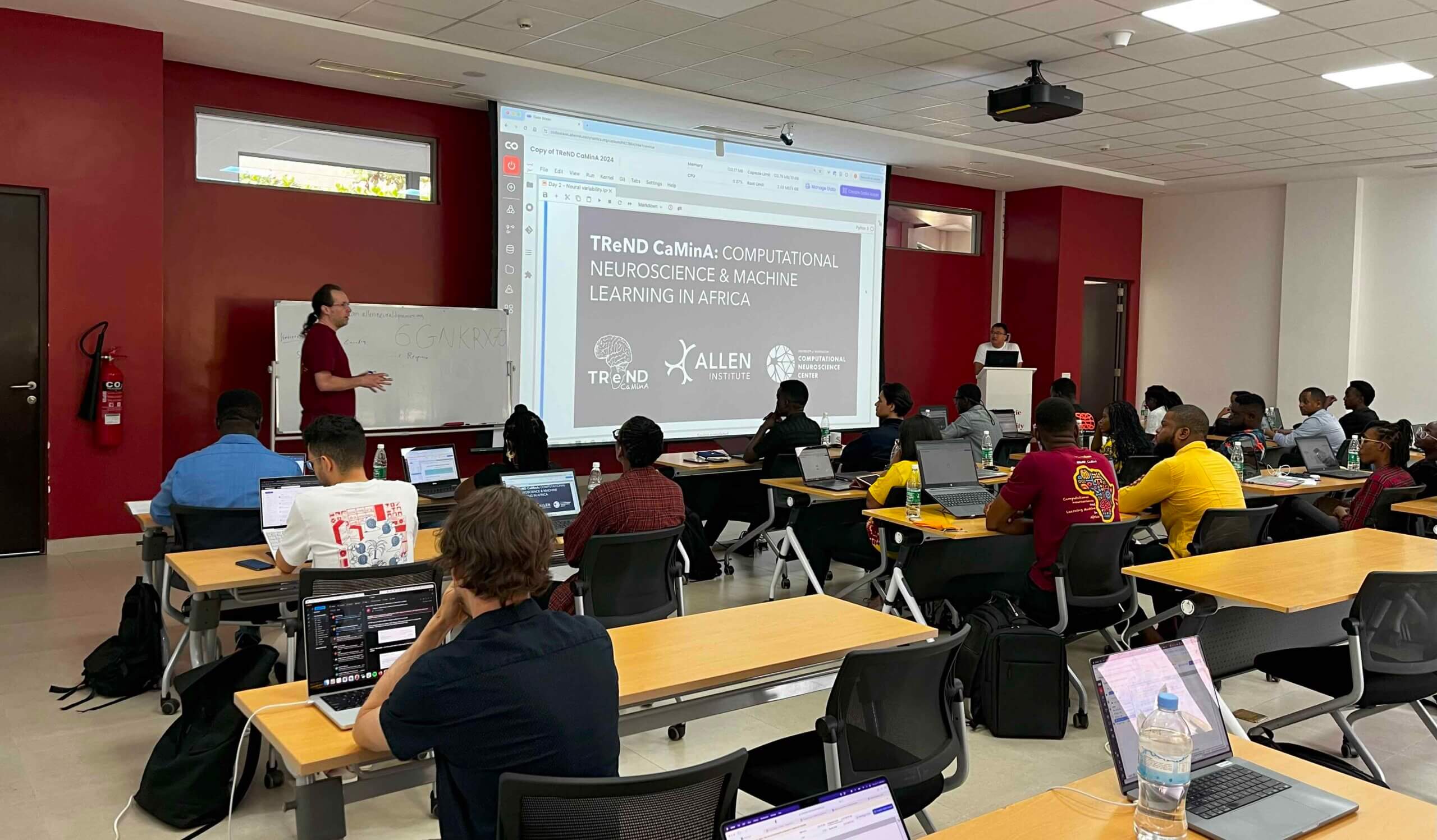
Academic conference lecture on computational neuroscience and machine learning in Africa with audience seated at tables
Students learning at the 2024 TReND-CaMinA computational neuroscience workshop in Kigali, Rwanda

“We joined the TReND-CaMinA team to introduce scientists in Africa to the open data resources of the Allen Institute. During the workshop, we taught students to use the Allen Institute’s rich, publicly available datasets to address questions about the brain and its function,” said Saskia de Vries, Ph.D., associate director of data and outreach at the Allen Institute. “Fully understanding these questions requires collaboration across multiple disciplines and types of expertise. We are excited to be able to work with the next generation of scientists in Africa to further build this community.”

The program offers cutting-edge instruction and hands-on training to aspiring scientists using Allen Institute data and resources.
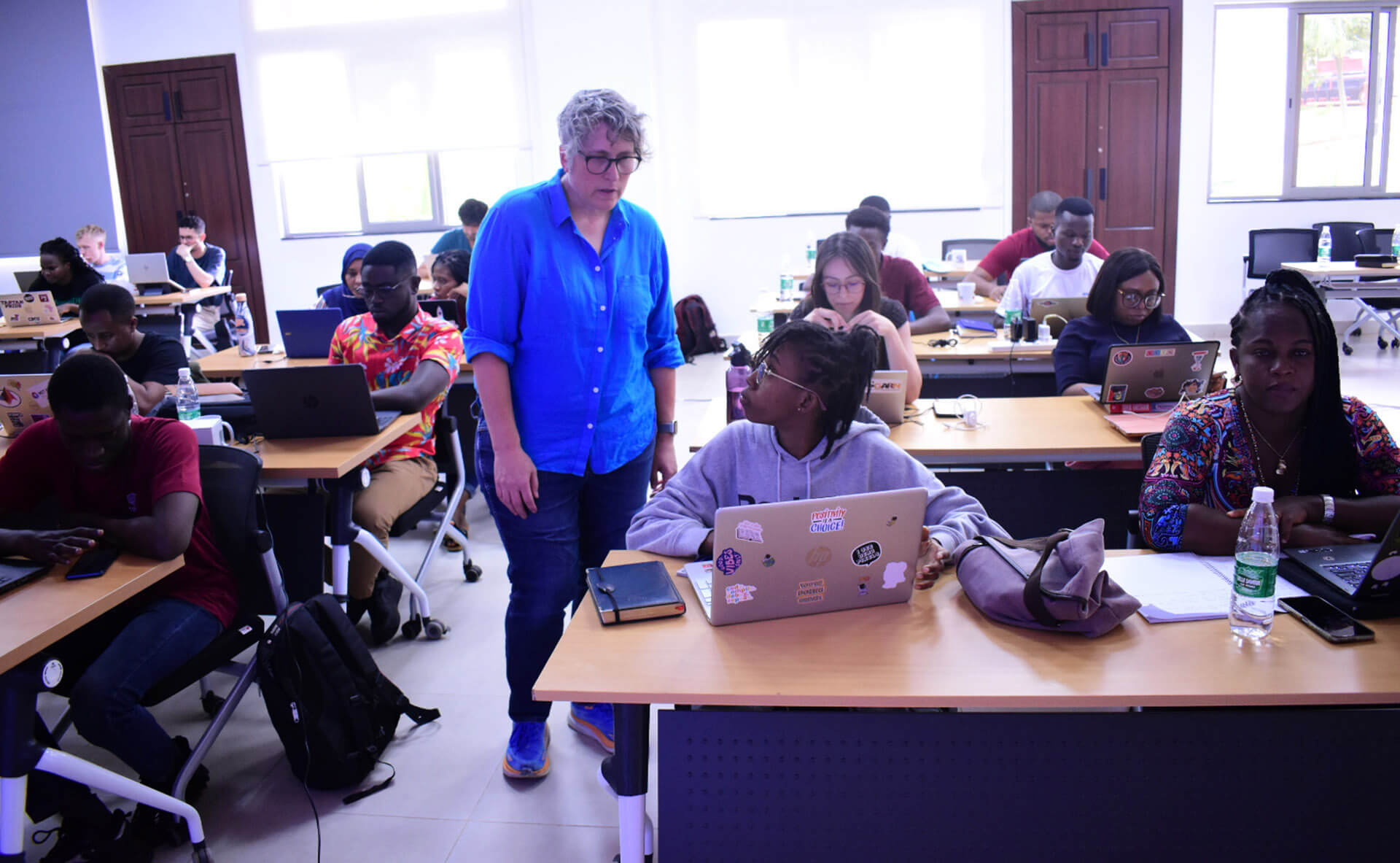
Instructor in blue shirt teaching diverse group of students using laptops in bright classroom.
Saskia de Vries (Allen Institute) with Jessica Oparebea at the 2024 TReND-CaMinA computational neuroscience workshop in Kigali, Rwanda

“It was a transformative experience. Under the guidance of experts like Saskia de Vries and Michael Buice from the Allen Institute, I gained hands-on experience in neurobiology and brain data analysis,” she said. “A defining moment was working on my first neural data analysis project using the Allen Visual Coding 2P Dataset, which felt like uncovering hidden messages in brain activity.”

The experience solidified Jessica’s interest in computational neuroscience and boosted her confidence to pursue her dreams to research technologies that help society. It underscored the importance of mentorship and community in science, and that was the reason she planned her own webinar running April 28 to May 2.
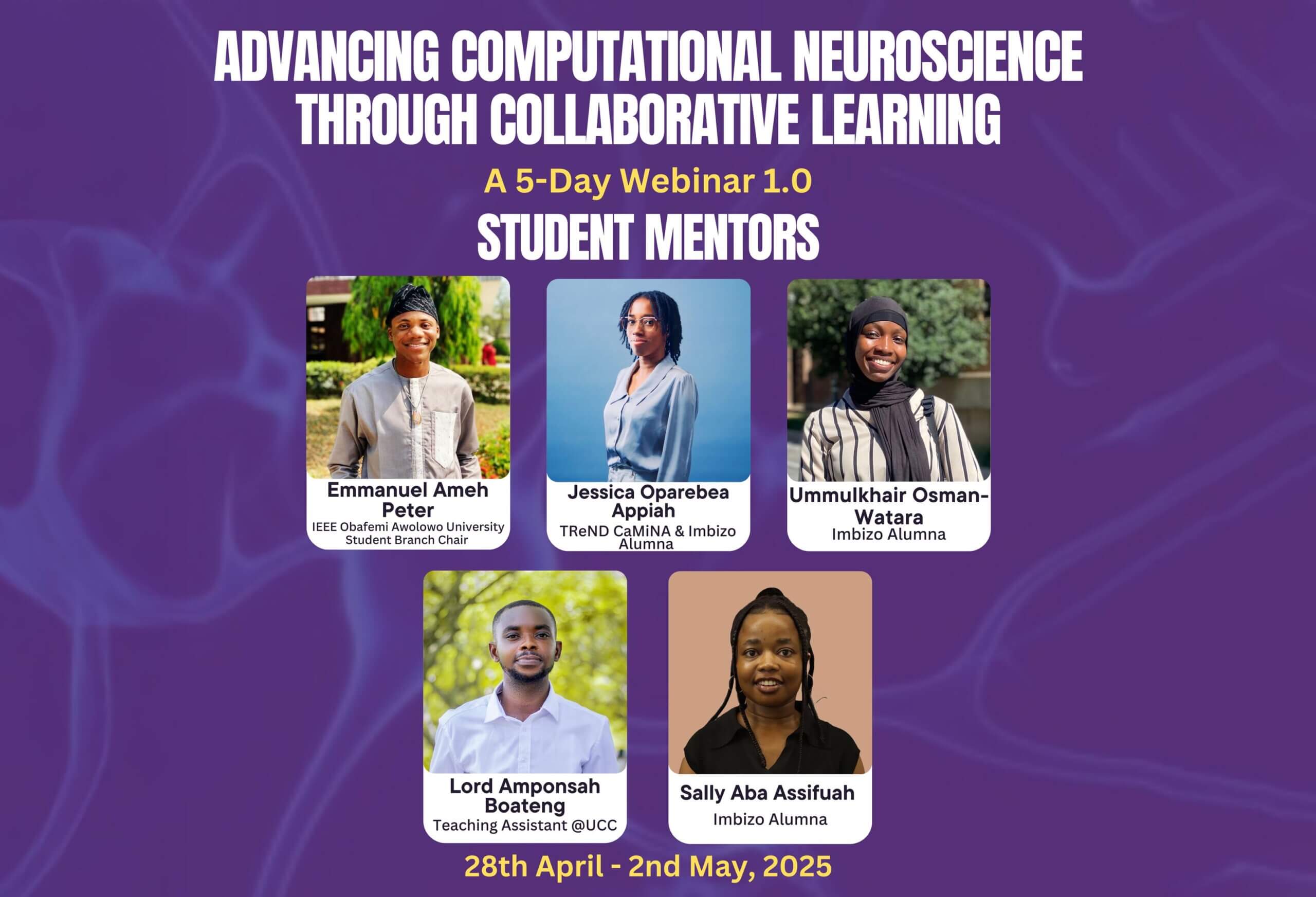
Five student mentors for computational neuroscience 5-day webinar on purple background

Advancing Computational Neuroscience Through Collaborative Learning will introduce students and researchers to key concepts in working memory, computational neuroscience, and brain data analysis.

“I initiated this event to provide high-quality training in computational neuroscience and foster a collaborative learning environment.”

Jessica notes that many students struggle to translate theoretical knowledge into real-world innovations, and this webinar seeks to address these gaps by turning learning into action with real-world payoff.

Her hope is to inspire her community to strive for similar goals in service of society—using the power of science to heal, not harm.

Citations
No items found.

about the allen institute

The Allen Institute is an independent, 501(c)(3) nonprofit research organization founded by philanthropist and visionary, the late Paul G. Allen. The Allen Institute is dedicated to answering some of the biggest questions in bioscience and accelerating research worldwide. The Institute is a recognized leader in large-scale research with a commitment to an open science model. For more information, visit alleninstitute.org.


related news

all news
No articles for the category
we acceleratedevelopcatalyzeimpact

science done differently. shared with the world.

explore our accelerators

brain science

Mapping every cell, connection, and circuit in the brain—openly shared with the world.

cell science

Decoding how cells become tissues, then programming that knowledge into powerful new research tools.

neural dynamics

Revealing the brain's hidden algorithms that transform neural activity into real-world behavior.

immunology

Creating the deepest open reference for the healthy human immune system ever built.

synthetic biology

Engineering cells to record their own histories, transforming how we understand disease over time.

research

Big questions, open answers, and science built to be shared.

education

Inspiring the next generation of scientists through open science resources.

impact

Our science is empowering researchers and advancing health worldwide.
advancing science through open, collaborative research
Get the allen institute newsletter
Stay informed on the latest breakthroughs in neuroscience, bioscience, and AI-driven research.
allen institute
impactpeople & teamscareers & opportunitiesalumnihistory & founder
science resources
allencell.orgallenimmunology.orgallenneuraldynamics.orgbrain-bican.orgbrain-map.orgmicrons-explorer.org
research
brain sciencecell scienceneural dynamicsimmunologysynthetic biologypublications
education
science educationfield tripsprofessional developmenteducation resources
quick links
newseventsopen sciencepodcastscience resourceshuman brain donationvisit uscontact
follow us/

allen institute, 615 Westlake Ave North, Seattle, WA 98109 +12065487055

© 0000 allen institute. all rights reserved.
privacy policyterms of usecitation policyemployee portalpolicy & compliance


