in this article
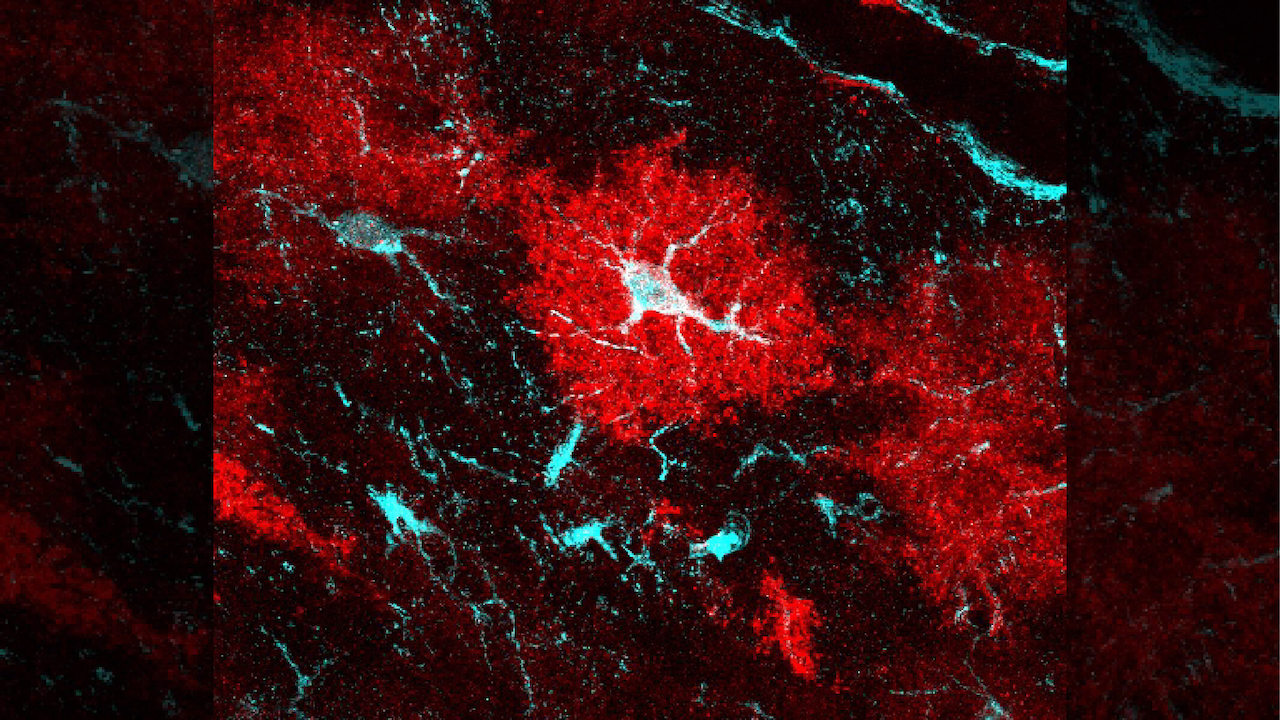
Digging into the brains of people who’d died after dramatic memory loss and strange behaviors, German pathologists in the early 1900s made a curious discovery: tiny clumps of a mysterious substance circled by delicate, star-shaped cells.
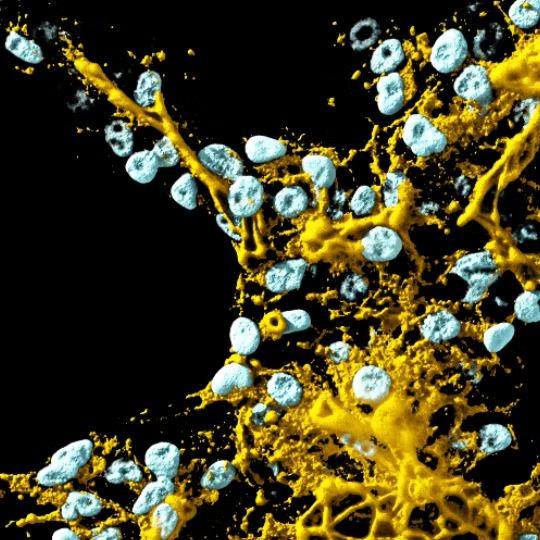
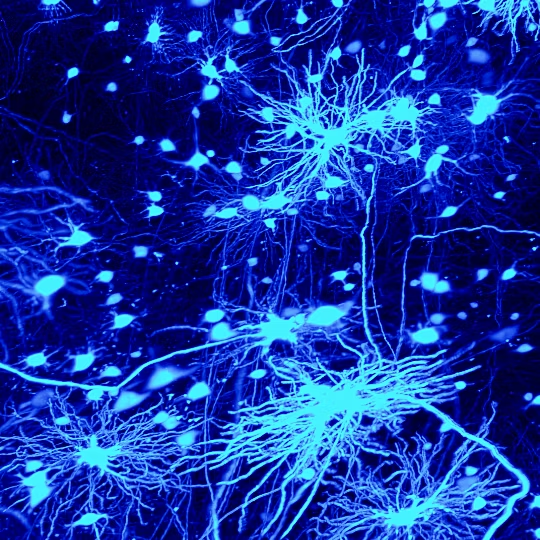
These clumps would later be described as protein plaques and the memory loss disorder named after one of those German pathologists, Alois Alzheimer. The surrounding brain cells were astrocytes, named for their star-like shape. Astrocytes are part of a larger class of brain cells known as glia, which are basically the “everything else” in the brain besides neurons.
Although scientists spotted the visible connection between glial cells and brain disease more than 100 years ago, for decades these non-neurons were thought to play a supporting role to neurons. The term glia comes from the Greek word for glue — the theory went that these cells were literal connections holding the brain together, but neurons carried out the hard work.
Much more recently, researchers found that certain disease-associated genes are preferentially switched on in astrocytes and other glial cells.
“The connection between astrocytes and brain disease is an age-old problem that’s now taking on increased importance because of this emerging genetic evidence,” said Baljit Khakh, Ph.D., a neuroscientist at UCLA who is also an Allen Distinguished Investigator.

Khakh recently led a study, published Tuesday in the journal Neuron, that explores links between astrocytes and another neurodegenerative disorder, Huntington’s disease. The study also found that some — but not all — of the disease-linked behaviors in mice can be reversed by boosting the activity of a certain protein in astrocytes in one part of the brain.
Malleable cells in a mysterious disease
Astrocytes make up as much as 20 to 40% of the cells in the human brain but their function remains mysterious. As much as we don’t understand about how our brains work and where things go wrong in disease, we know even less about astrocytes and other glial cells.
Huntington’s disease is also an incredibly tough nut to crack. A rare but deadly neurodegenerative disorder, Huntington’s disease is caused by an inherited mutation in a single gene, HTT, resulting in a mutated protein that slowly builds up in the brain. Through a poorly understood process, that mutant protein triggers the death of some neurons and, ultimately, brain atrophy. In people who have the disease, this manifests as difficulty controlling their movements as well as psychological and memory problems. No treatments to prevent or reverse the brain damage exist.
About 15 years ago, scientists found that the mutant HTT protein builds up in neurons and astrocytes in a part of the brain particularly affected in Huntington’s patients, the striatum. Khakh and his colleagues had also seen that striatum astrocytes look very different from astrocytes in other parts of the brain, lending further credence to the idea that the cells are not just glue. They might play important and specialized roles in different parts of the brain, just as neurons do.
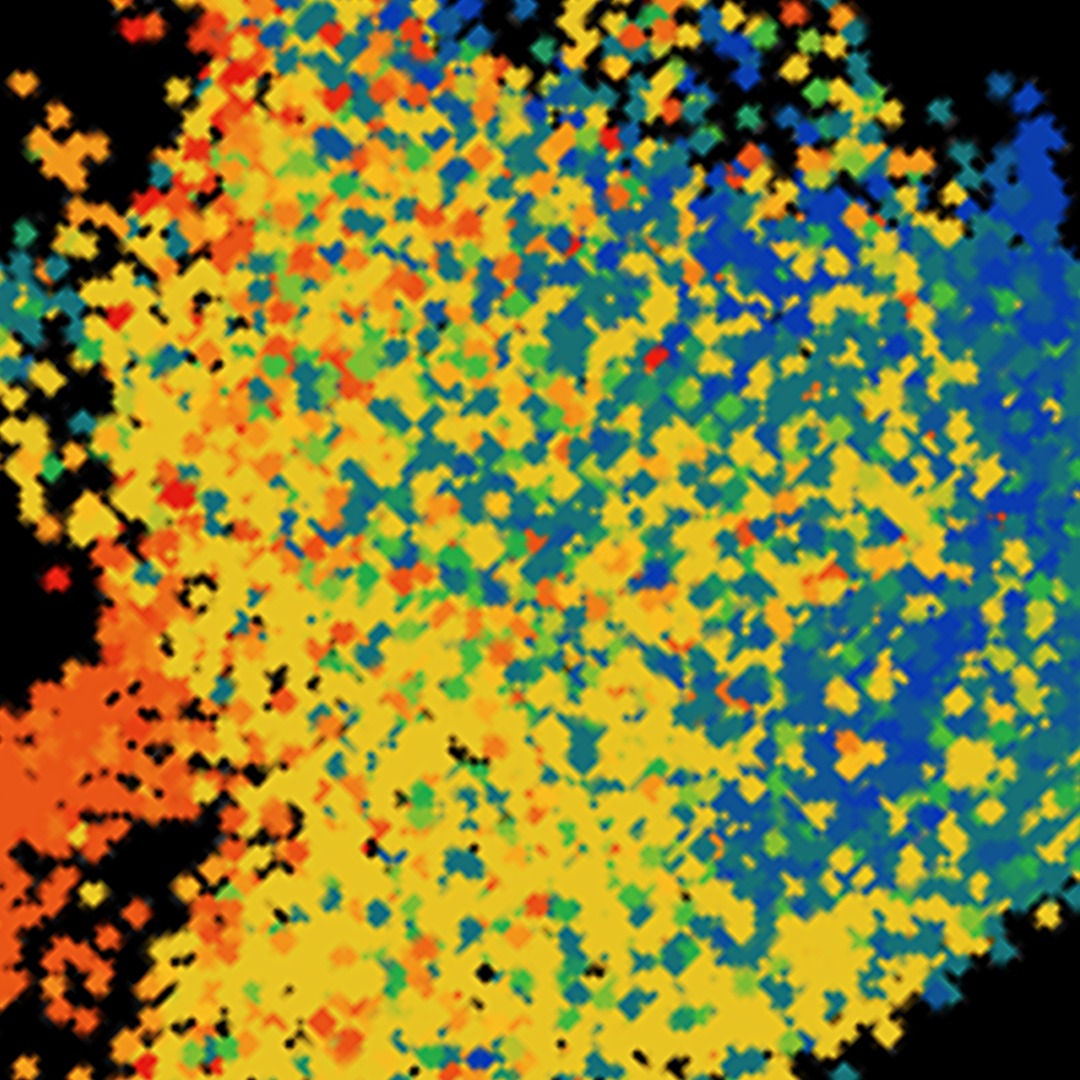
To test that theory, the UCLA team “poked” mouse striatum astrocytes with 14 different types of experiments, including a model of Huntington’s disease, and looked at how gene activity changed in the cells. Although Khakh’s team’s work on Huntington’s began years before his 2018 Allen Distinguished Investigator award, the support from that award allowed the team to broaden their scope significantly. Each of these 14 types of experiments is a large undertaking, requiring significant time and resources.
If astrocytes are inert, the scientists expected that any perturbation would have the same or a similar effect. But instead, they found 14 very different reactions, suggesting that astrocytes are malleable and able to react specifically to their surroundings and circumstances.
Out of that set of 14 experiments, the researchers noticed that one experiment yielded nearly the opposite result of the Huntington’s experiment: When the scientists artificially dialed up the activity of a protein known as a GPCR, the astrocytes switched on genes that were switched off in the Huntington’s model, and vice versa. When they switched on the GPCR in the diseased mice, the astrocytes’ activity looked more like healthy brain cells — and this approach also seemed to rescue some of the disease’s outward signs.
Scientists don’t know how closely the mouse model mimics human Huntington’s disease, but diseased mice share some characteristics of the human disorder. They have difficulty walking and exploring their surroundings. They groom themselves excessively, which scientists think is a similar phenomenon to human OCD. Stimulating GPCR activity in astrocytes reversed the movement-related behaviors and excessive grooming in the diseased animals. But other disease-related behaviors such as their strength to grip a bar with their forelimbs did not improve.
Teasing apart which aspects of the disease are most heavily affected by astrocytes is also important, Khakh said. It will help scientists know which type or types of cells to target for eventual treatment. Boosting GPCR activity could be a pathway for a new therapy, but that needs more testing in the lab before it can move to clinical exploration. Khakh hopes that this study, along with other recent studies, will help bring astrocytes out of the dark for clinical research.
“There’s so much interesting data emerging from different labs that many people are now looking toward these cells as potential targets. It’s still a bit of a reach in the dark because the key experiments to make this approach into a real therapeutic strategy haven’t been done,” Khakh said. “But there’s an increasing chorus of support that these experiments ought to be done, and we hope they will be insightful for disease.”
Citations
about the allen institute
The Allen Institute is an independent, 501(c)(3) nonprofit research organization founded by philanthropist and visionary, the late Paul G. Allen. The Allen Institute is dedicated to answering some of the biggest questions in bioscience and accelerating research worldwide. The Institute is a recognized leader in large-scale research with a commitment to an open science model. For more information, visit alleninstitute.org.