impact
about
our story
explore our impact
careers and opportunities
join us
open science
sharing science to speed discovery
open science week
celebrating open science
team science
people & teams
discovery is a team effort
allenites
the people who make our work possible
advisors
their input shapes our science
board of directors
they help us fulfill our mission
shanahan foundation fellowship
at the interface of data and neuroscience
next generation leaders
fostering emerging leaders in bioscience
research
overview
our approach
science at the scale of greatest impact
publications
explore our publications
open science
sharing science to speed discovery
science accelerators
brain science
building a blueprint of the brain
cell science
understanding how cells become organs
neural dynamics
revealing the brain’s hidden algorithms
immunology
creating the ultimate immune system reference
synthetic biology
seattle hub for synthetic biology
education
overview
science education
science is for everyone
open science
sharing science speeds discovery
engagement
education resources
real science. real skills.
field trips
experience science where it happens
educator development
empowering educators
news
overview
all news
explore the latest news
podcast
the human stories behind discovery
sign up for our newsletter
stay connected to our science
events
overview
all events
public engagement, workshops, seminars and more
conferences
connect with us
science resources
science resources
allencell.org
allenimmunology.org
allenneuraldynamics.org
brain-bican.org
brain-map.org
microns-explorer.org
impact
back to menu
team science
our story
explore our impact
careers and opportunities
join us
open science
sharing science to speed discovery
open science week
celebrating open science
team science
people & teams
discovery is a team effort
allenites
the people who make our work possible
advisors
their input shapes our science
board of directors
they help us fulfill our mission
shanahan foundation fellowship
at the interface of data and neuroscience
next generation leaders
fostering emerging leaders in bioscience
research
back to menu
overview
our approach
science at the scale of greatest impact
publications
explore our publications
open science
sharing science to speed discovery
science accelerators
brain science
building a blueprint of the brain
cell science
understanding how cells become organs
neural dynamics
revealing the brain’s hidden algorithms
immunology
creating the ultimate immune system reference
synthetic biology
seattle hub for synthetic biology
education
back to menu
overview
science education
science is for everyone
open science
sharing science speeds discovery
engagement
education resources
real science. real skills.
field trips
experience science where it happens
educator development
empowering educators
news
back to menu
overview
all news
explore the latest news
podcast
the human stories behind discovery
newsletter
stay connected to our science
events
back to menu
overview
all events
public engagement, workshops, seminars and more
conferences
connect with us
science resources
back to menu
science resources
allencell.org
allenimmunology.org
allenneuraldynamics.org
brain-bican.org
brain-map.org
microns-explorer.org
search
news

Scientists complete first drafts of developing mammalian brain cell atlases

New research reveals how early brains form and the critical periods that could help diagnose and treat brain disease.

November 5, 2025
6 min read
share/
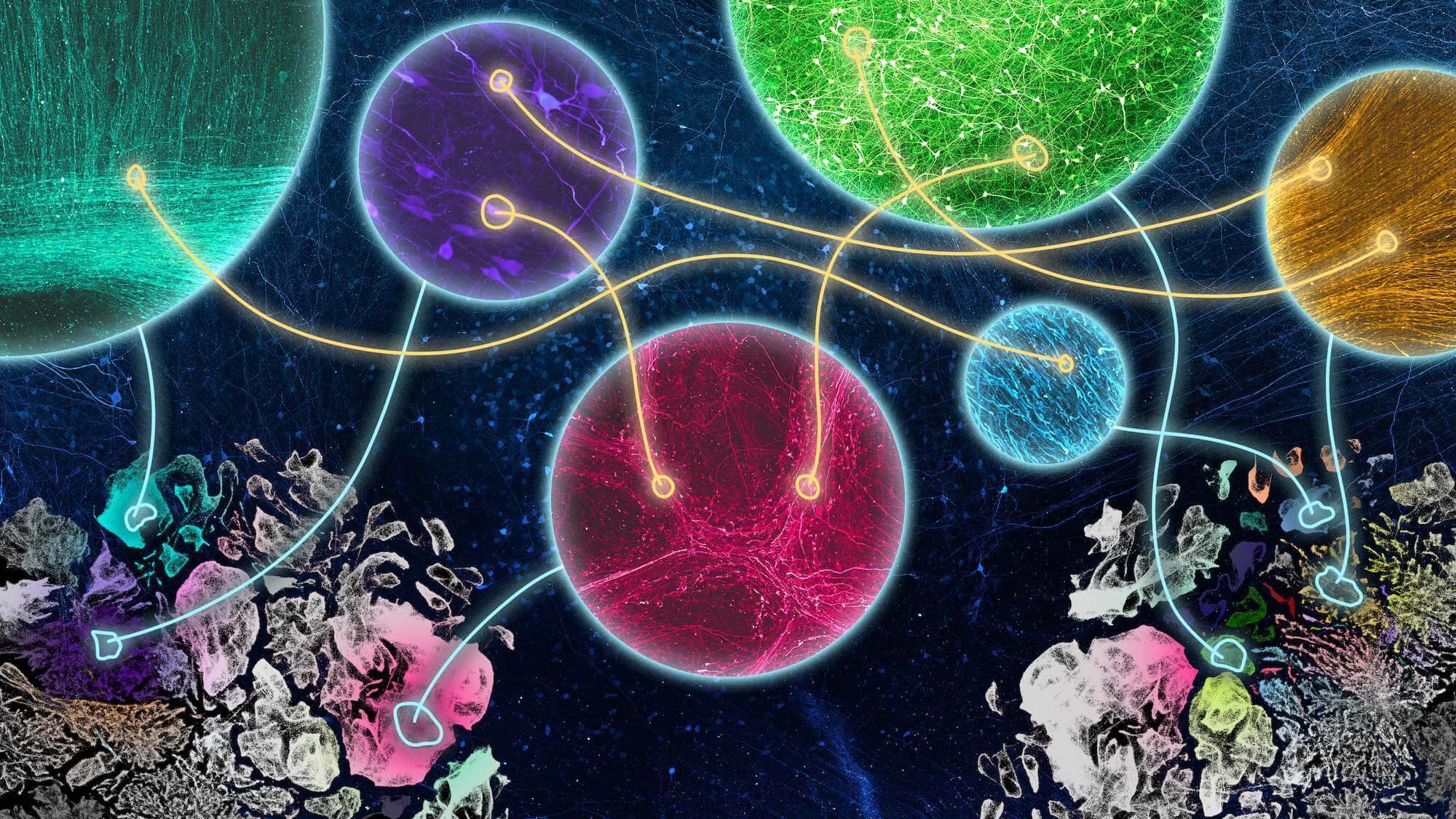
Image Credit: Jasiek Krzysztofiak/Nature
New research reveals how early brains form and the critical periods that could help diagnose and treat brain disease.
Thank you! Your submission has been received!
Oops! Something went wrong while submitting the form.

in this article

table of contents will display on published page only
set h2 to populate the table of contents here

A global consortium of scientists has created the first and most detailed “developmental maps” of the mammalian brain (from mouse to human) to date, taking the first critical steps in unraveling the mystery of early brain development and the vital role it plays in health and disease.  

Life-altering neurodevelopmental disorders that lead to significant cognitive, communication, behavioral, or psychomotor impairments affect 15% of children or adolescents worldwide, with diagnoses of autism and attention deficit hyperactivity disorders (ADHD) increasing in the United States. In humans, this early phase of brain development is uniquely long, so understanding this critical phase where things can go wrong is essential for illuminating our understanding of and treating brain disorders.

“This set of work gives us a detailed blueprint of how different brain cell types emerge and mature over time,” said Hongkui Zeng, Ph.D., executive vice president and director of Brain Science at the Allen Institute and one of the lead authors on several of the studies.  
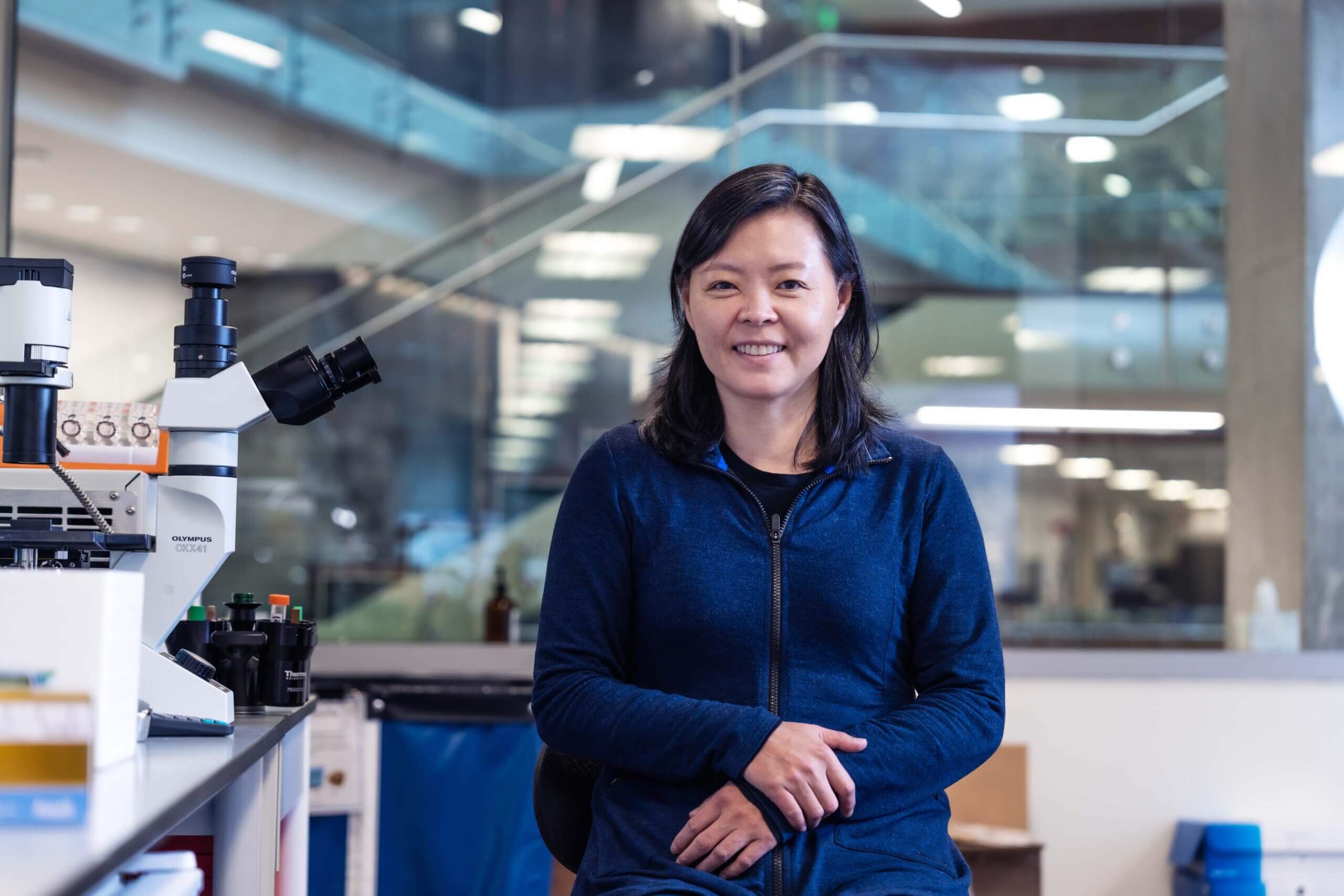
Woman in blue jacket smiling in modern laboratory with microscope and equipment.
By understanding when and where critical genes are turned on during development, we can begin to uncover how disruptions in that process may lead to disorders like autism or schizophrenia. It’s foundational knowledge that opens the door to better diagnoses and targeted treatments.

Hongkui Zeng, Ph.D, executive vice president and director of Brain Science at the Allen Institute

In a package of 12 studies published in the Nature family of journals, researchers reveal new features of mammalian cell types during early development and begin to shed light on the environmental factors—including sensory inputs and social behavior—that affect how brains develop. The resulting comprehensive, cross-species developing brain cell atlases lay the foundation and provide powerful tools for a new era in the understanding of the human brain in health and disease.  

“It’s really been a long-standing mystery to understand how these processes occur,” said Tomasz Nowakowski, Ph.D., one of the study authors and associate professor of neurological surgery, anatomy, psychiatry and behavioral sciences at the University of California, San Francisco. “Building on the findings from the adult brain and venturing into the developmental stages is profoundly important because it is going to inform our understanding of the vulnerabilities and mutations which can lead to neurodevelopmental disorders.”
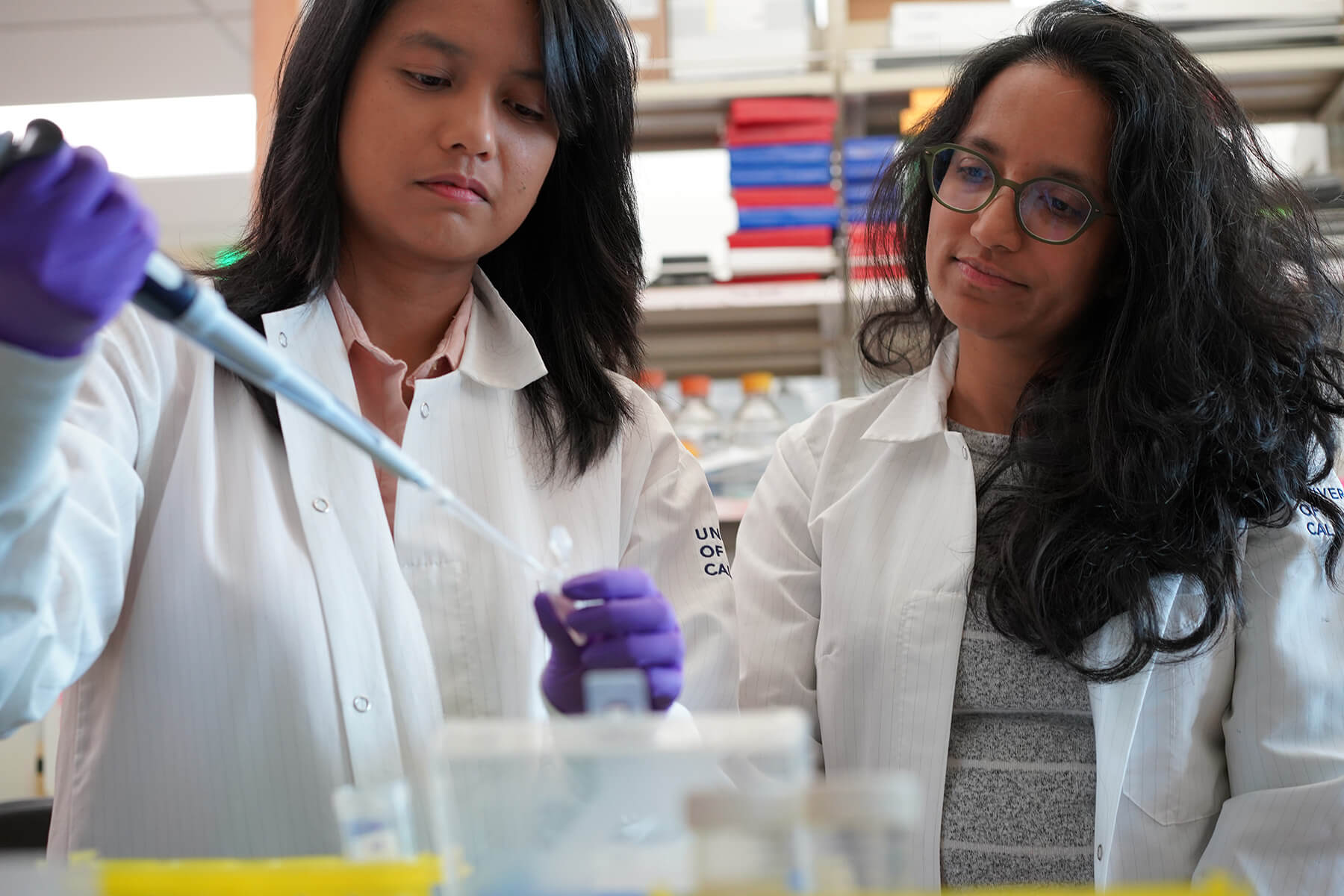
Two female scientists in lab coats conducting experiment with purple gloves and pipette.
UCLA scientists Aparna Bhaduri Ph.D. and Patricia Nano, Ph.D. (Photo credit: UCLA Broad Stem Cell Research Center

This landmark achievement was supported by the National Institutes of Health’s Brain Research Through Advancing Innovative Neurotechnologies® Initiative, or The BRAIN Initiative®, aimed at accelerating the development of innovative neurotechnologies and revolutionizing our understanding of the human brain.

“These maps are a phenomenal achievement, and very important references that are sorely needed as we seek to understand the mechanisms governing the developing brain in health and disease,” said Joshua Gordon, M.D./Ph.D., former director of the National Institute of Mental Health and current chair of Columbia University’s Department of Psychiatry. “They provide a scaffold on which we can construct a deeper understanding of autism, schizophrenia and other disorders that we know unfold during brain development.”

Allen Institute scientists contributed three studies to this package. Transcriptomic and spatial organization of telencephalic GABAergic neurons focuses on a special group of brain cells in mice called GABAergic inhibitory neurons. These cells act like brakes in the brain, calming down excessive activity and helping different brain regions communicate smoothly. These neurons in humans are critical for everything we do, from movement and memory to managing emotions.  
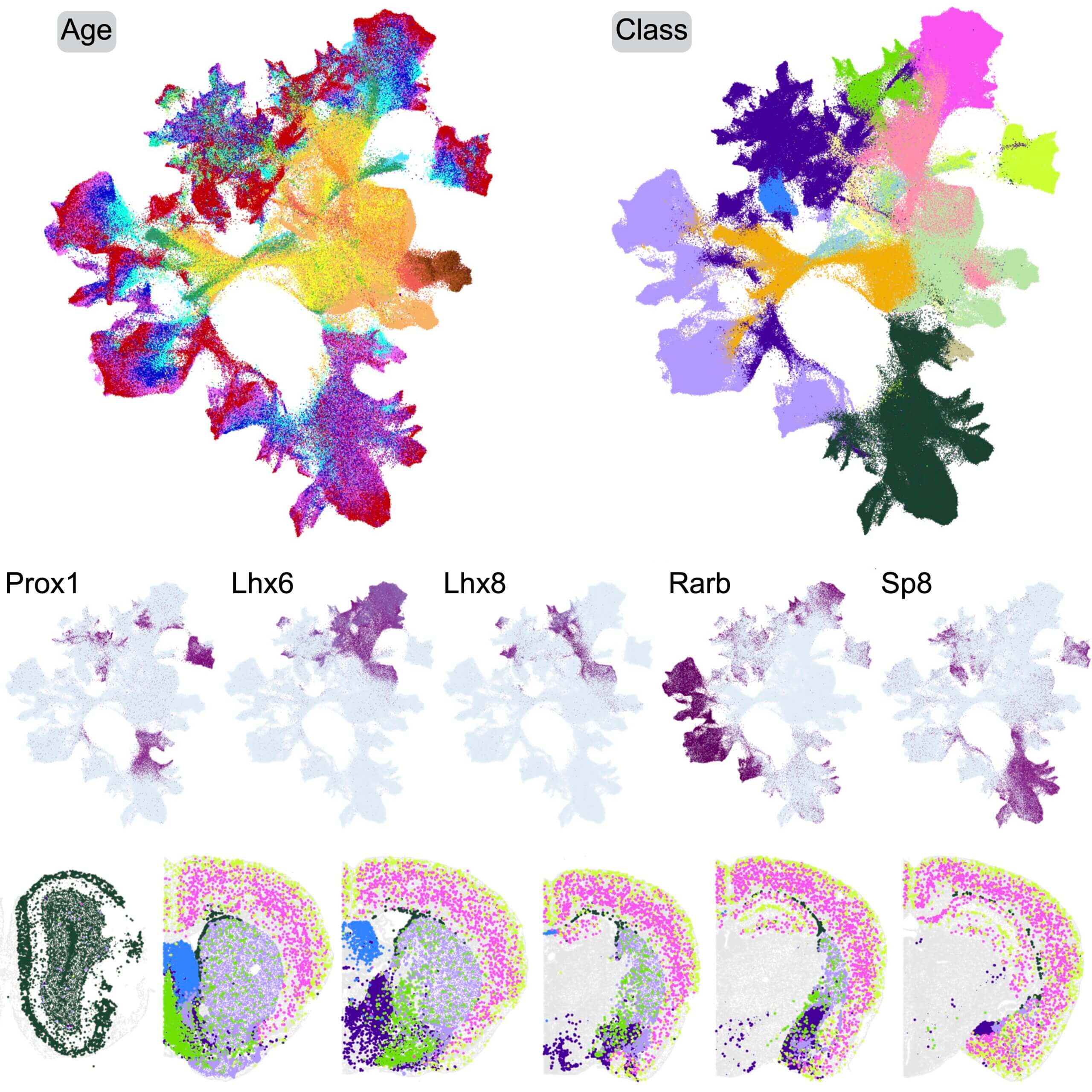
Colorful spatial gene expression maps showing age, cell class, and individual gene distributions.
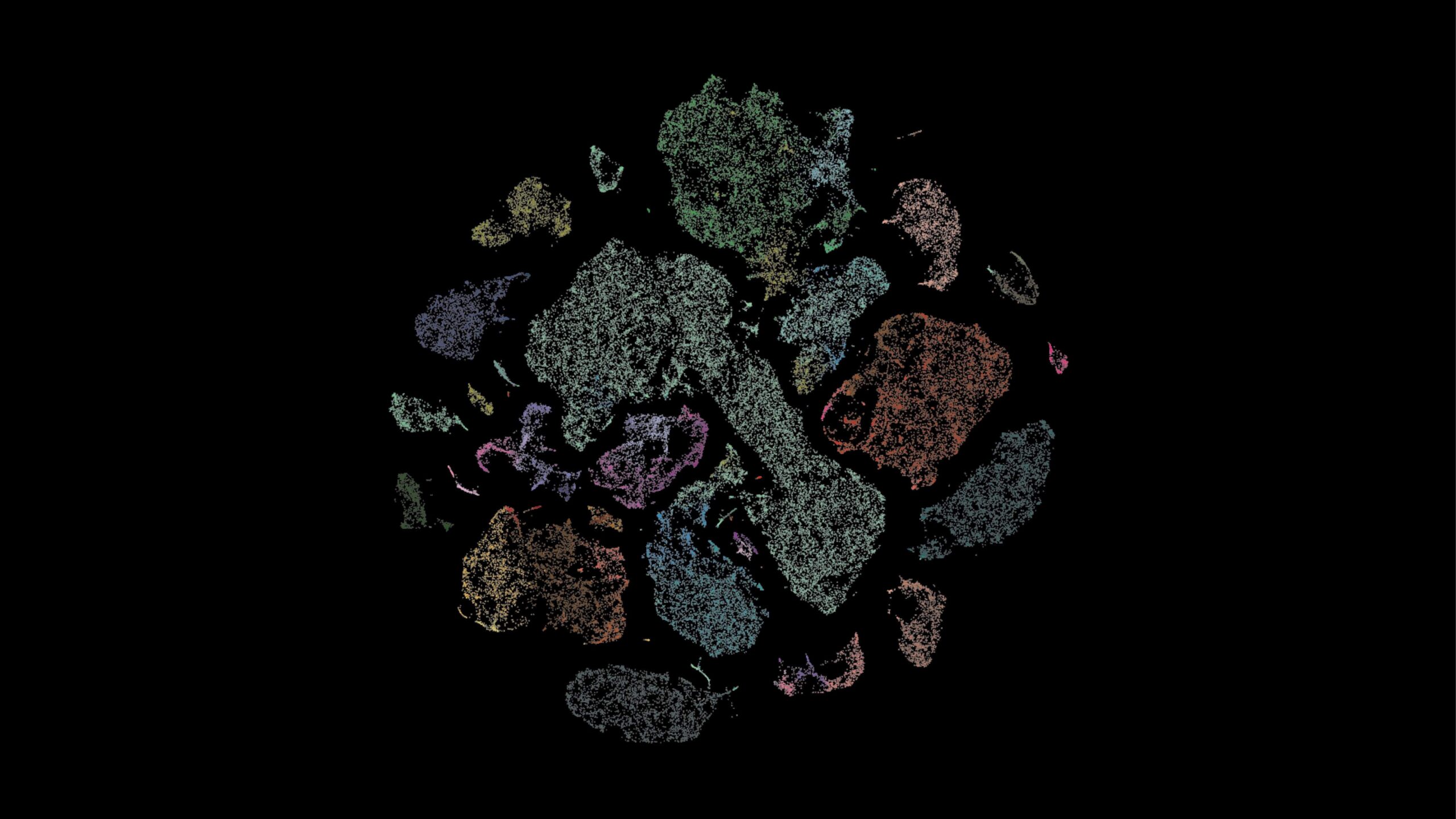
Maps showing how GABA-producing neurons in the ventral telencephalon develop and organize. Each dot represents a single cell, with colors showing either the cell’s age or its major type (top). Key lineage genes highlight how different neuron types emerge over time (middle). Spatial maps reveal where these neuron types are located within the adult brain (bottom). (Image credit: van Velthoven et al., Nature)

Using data from over 1.2 million brain cells, the researchers created the most complete “family tree” of these cells to date, showing how they develop, spread out, and differentiate into distinct subtypes. One of the most striking findings shows how these cells travel long distances from where they are born to where they end up—sometimes crossing entire brain regions. Scientists also discovered that some of these neurons keep developing long after birth, especially in parts of the brain involved in learning, decision making, and emotions. This means there may be a longer window than previously thought for intervening and helping the brain rewire itself, particularly for children with developmental challenges. Researchers can now also identify which specific subtypes of GABAergic neurons are affected in different disorders and develop more targeted therapeutic approaches.

In a second study, Continuous cell type diversification in mouse visual cortex development, scientists turned their attention to the visual cortex, the part of the brain that processes what we see. They tracked over 770,000 individual cells from the earliest days of brain development through young adulthood in mice and constructed developmental trajectory trees for all the cell types in the visual cortex. They learned that brain cells don’t finish developing before birth like once thought. Instead, new cell types continue to form well into the animal’s youth, especially around key moments like when its eyes first open or when the brain starts learning to process visual information. This finding suggests that experiences after birth—like seeing, hearing, or interacting with the world—may shape brain development far more than we realized. It also means that developmental disorders might still be treatable after birth during these “critical periods” when the brain is still building and refining its circuits.
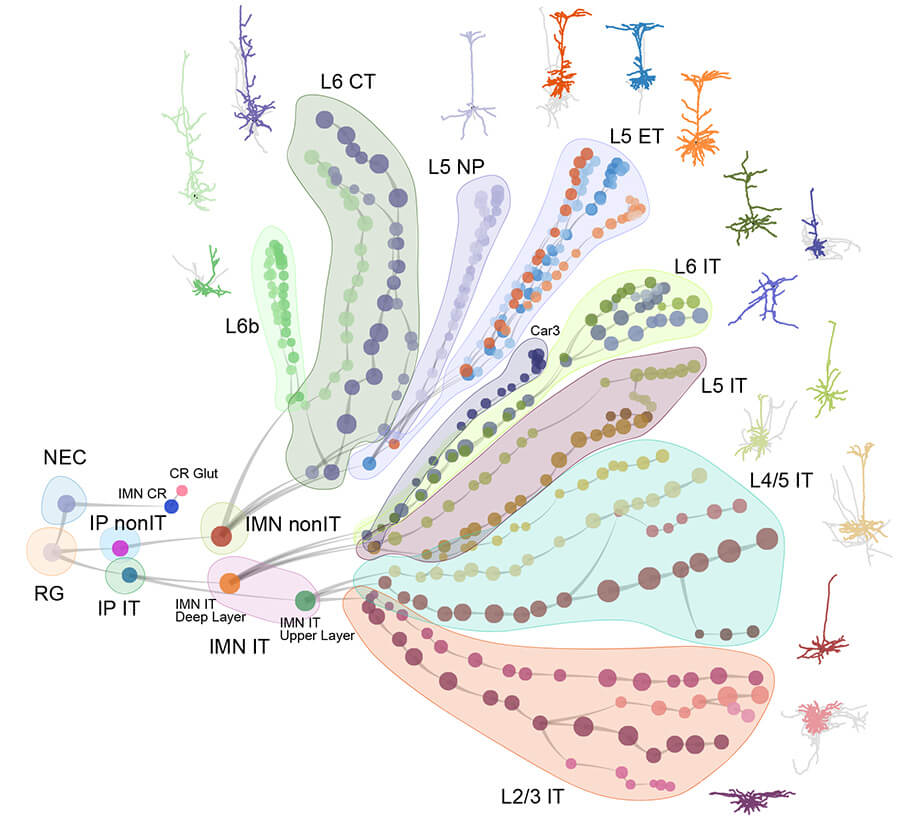
Spinal cord neural circuit diagram showing neurons and connections across six lumbar levels and interneurons.
Transcriptomic reconstruction of the developmental trajectories of visual cortex excitatory cells, showing divergence from a common progenitor into diverse adult cell types. The trajectory tree starts with the common progenitor, with nodes as age-specific clusters and edges as antecedent–descendant relationships. Representative morphologies are shown beside corresponding adult cell types. (Photo credit: Gao et al., Nature)

In Whole-cortex in situ sequencing reveals input-dependent area identity, researchers use BARseq, a highly specialized genetic sequencing technique, to map the gene expression of millions of single neurons across the cerebral cortex. Researchers discovered that the unique combination of different neuron types acts like a “cellular signature” that predicts and defines the brain region. A crucial finding was that sensory experience, such as vision, is also strongly linked with brain region specialization during development. Together, these studies reveal the exact timing and patterns by which brain cells grow, specialize, and connect. These discoveries reveal critical windows during development—some even after birth—when the brain is especially sensitive to change. This valuable insight has implications for understanding and treating childhood brain disorders that begin in life’s earliest stages.

‍

Citations
No items found.

about the allen institute

The Allen Institute is an independent, 501(c)(3) nonprofit research organization founded by philanthropist and visionary, the late Paul G. Allen. The Allen Institute is dedicated to answering some of the biggest questions in bioscience and accelerating research worldwide. The Institute is a recognized leader in large-scale research with a commitment to an open science model. For more information, visit alleninstitute.org.
related news

all news
news
Scientists can now target the cells at the center of ALS
For the first time ever, scientists have developed a precise genetic toolkit that can target the exact nerve cells destroyed by ALS-a discovery that...
news
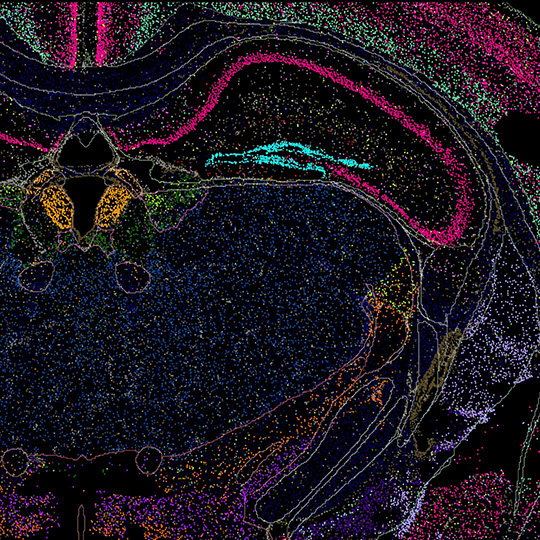
What makes us human? Detailed cellular maps of the entire human brain reveal clues
You have 3,000+ different kinds of brain cells, and more insights from the largest human brain cell atlases created to date
news
So you want to donate your brain to science
Monte Strohl donated his brain to research after his death, hoping to fuel science and help others with neurodegenerative conditions.
news
Mapping the whole human brain: Allen Institute to lead global collaboration
NIH BRAIN Initiative to fund primate brain atlases, maps of developing mouse brain, coordination and knowledge sharing, and brain function research
video
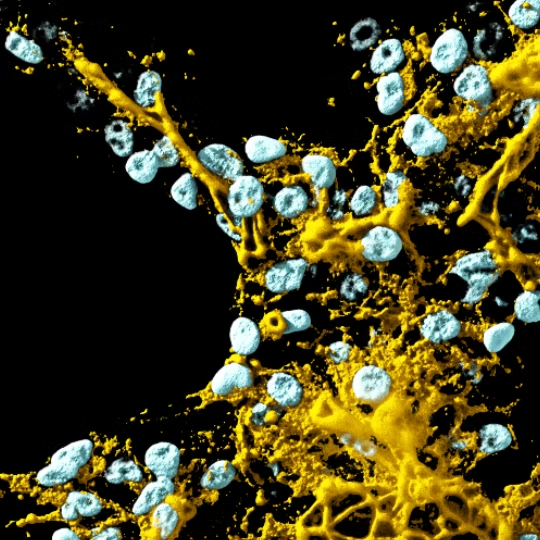
Where does Alzheimer's begin?
Pinpointing the cellular roots of Alzheimer's disease to find new targets for treatments and therapies.
news
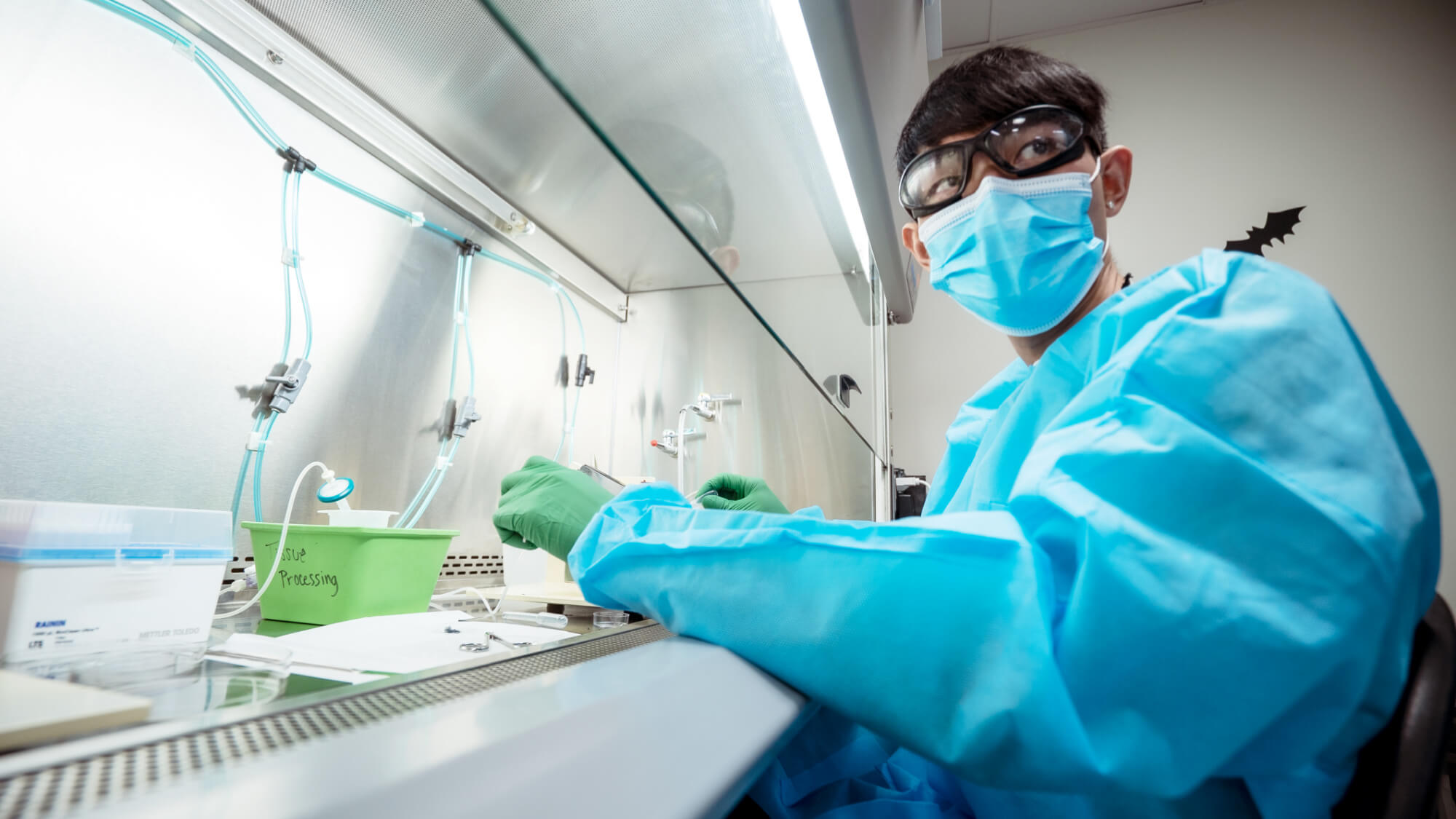
A day in the (neuroscience) life: Tissue Processing
The researchers in this lab prepare brain tissue for several other teams at the Allen Institute
we acceleratedevelopcatalyzeimpact

science done differently. shared with the world.

explore our accelerators

brain science

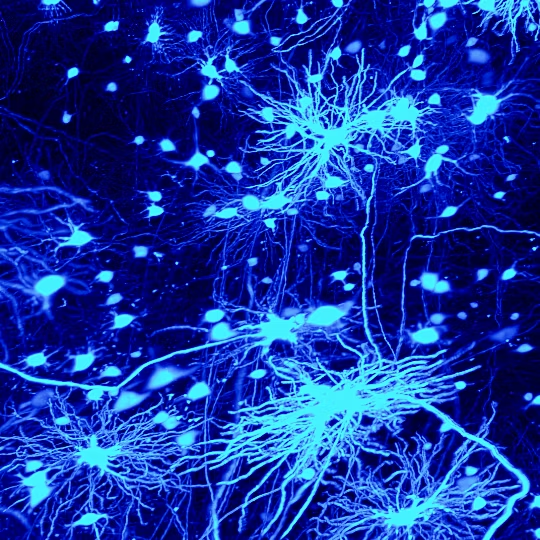
Mapping every cell, connection, and circuit in the brain—openly shared with the world.

cell science

Decoding how cells become tissues, then programming that knowledge into powerful new research tools.

neural dynamics

Revealing the brain's hidden algorithms that transform neural activity into real-world behavior.

immunology

Creating the deepest open reference for the healthy human immune system ever built.

synthetic biology

Engineering cells to record their own histories, transforming how we understand disease over time.

research

Big questions, open answers, and science built to be shared.

education

Inspiring the next generation of scientists through open science resources.

impact

Our science is empowering researchers and advancing health worldwide.
advancing science through open, collaborative research
Get the allen institute newsletter
Stay informed on the latest breakthroughs in neuroscience, bioscience, and AI-driven research.
allen institute
impactpeople & teamscareers & opportunitiesalumnihistory & founder
science resources
allencell.orgallenimmunology.orgallenneuraldynamics.orgbrain-bican.orgbrain-map.orgmicrons-explorer.org
research
brain sciencecell scienceneural dynamicsimmunologysynthetic biologypublications
education
science educationfield tripsprofessional developmenteducation resources
quick links
newseventsopen sciencepodcastscience resourceshuman brain donationvisit uscontact
follow us/

allen institute, 615 Westlake Ave North, Seattle, WA 98109 +12065487055

© 0000 allen institute. all rights reserved.
privacy policyterms of usecitation policyemployee portalpolicy & compliance