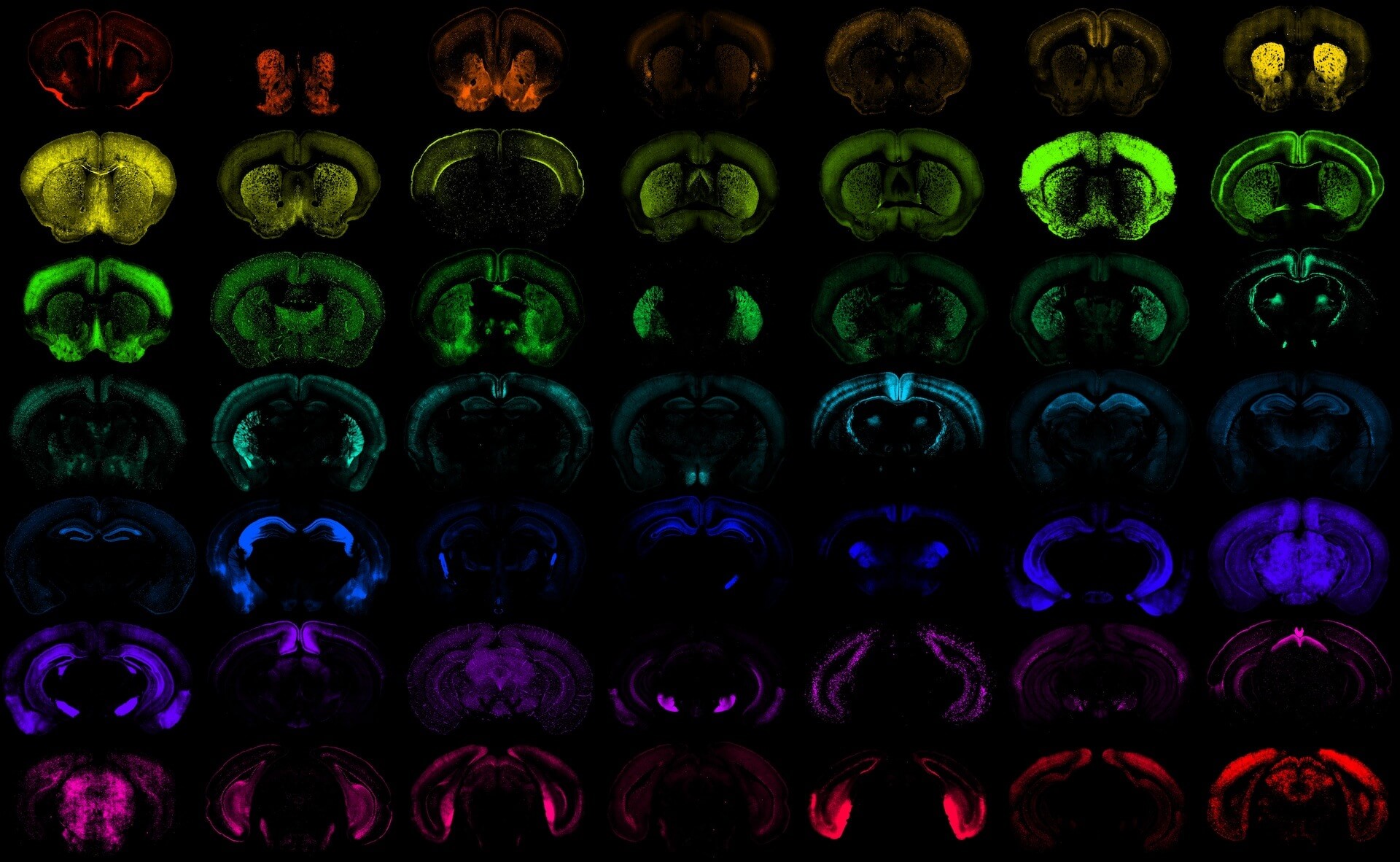

In an exciting scientific first, researchers from around 29 universities and institutions across North America have teamed up to create a large, versatile, and effective arsenal of new biological tools that will play a critical role in the battle against brain disease. The tools are known as enhancer AAV vectors.
Scientists at the Allen Institute successfully created over 1000 of them, and each consist of:
- A harmless Adeno-associated virus (or AAV) that acts like a shuttle capable of transporting specially designed DNA into the cell.
- A segment of DNA (the enhancer) that acts like an “activation switch” to mark or trigger a change in how the cell functions.

The cell-type specific targeting capability of these new genetic tools opens the door to targeted gene therapies that can correct genetic defects in specific cells that contribute to disease without affecting surrounding cells and adding unwanted side effects. Scientists now have new tools to help design the next generation of drugs to help treat brain disorders.
“There is an overall principle that diseases usually arise from flaws in specific cell types, not the whole organism. For example, epilepsy is a nervous system disease that is actually a disease of specific neurons in the nervous system,” said Bosiljka Tasic, Ph.D., director of molecular genetics at the Allen Institute and author of one of the studies. “If you want to fix those neurons, you can try to access only those neurons. The key is this cell-type specific access for understanding and perturbing brain cells to figure out their function, and for correcting and fixing the defective parts of these cells.”
Homing in on the right cells—in the right way and at the right time—is the future of precision brain medicine.
- John Ngai, Ph.D., director of the NIH BRAIN Initiative
This type of cell-type targeted has never been demonstrated at this scale and effectiveness before. The findings were published in eight studies in the Cell Press family of journals (Cell, Neuron, Cell Reports Method, Cell Reports, Cell Genomics). Collaborators include the Allen Institute; Broad Institute; Harvard Medical School; Duke University; University of California, Irvine; University of California, Berkeley; University of Pittsburgh; Carnegie Mellon; Stanford, University of Washington, and Addgene.
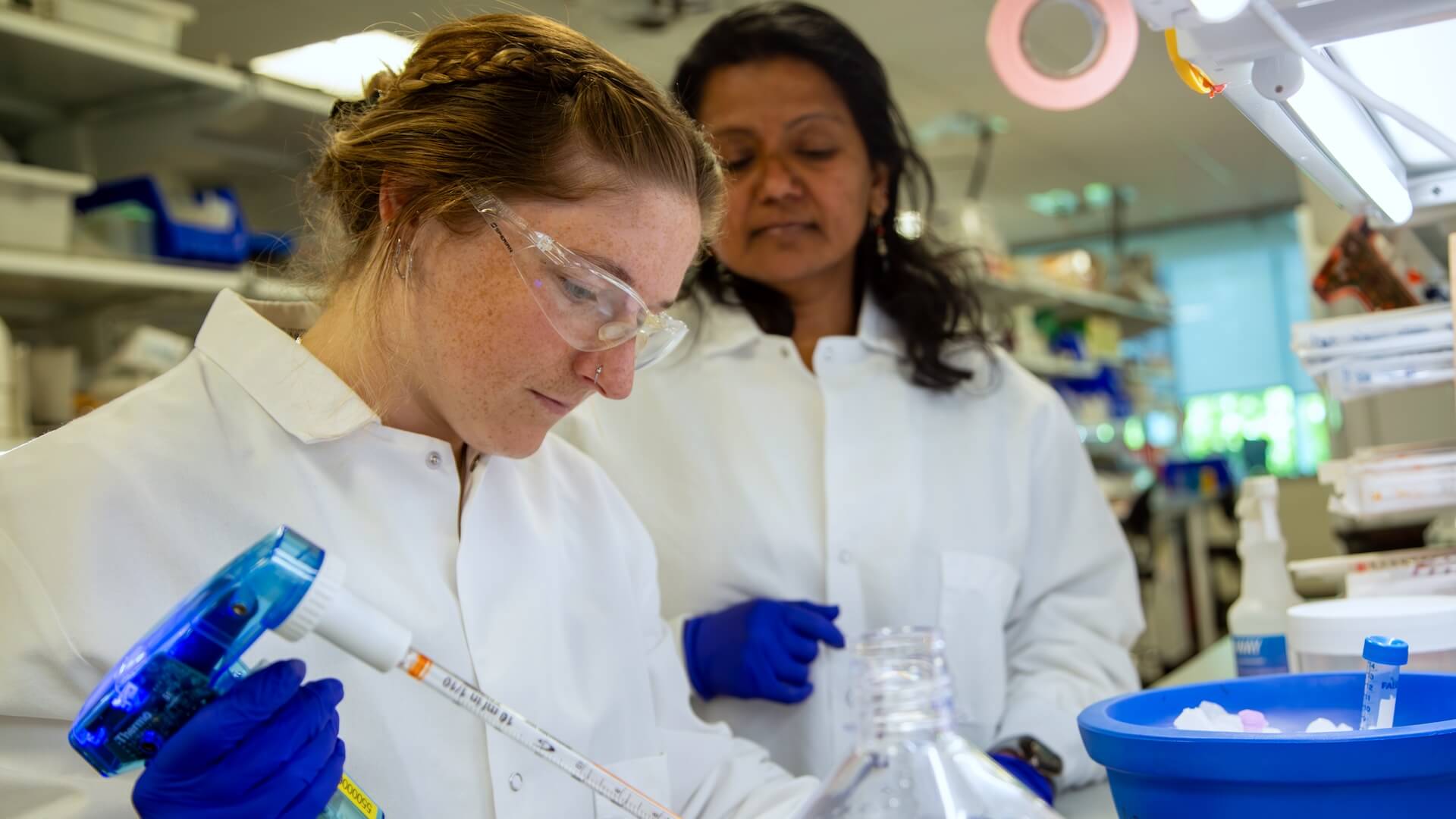
The cell-type specific targeting capability of these new genetic tools opens the door to targeted gene therapies that can correct genetic defects in specific cells that contribute to disease without affecting surrounding cells and adding unwanted side effects. Scientists now have new tools to help design the next generation of drugs to help treat brain disorders.
“There is an overall principle that diseases usually arise from flaws in specific cell types, not the whole organism. For example, epilepsy is a nervous system disease that is actually a disease of specific neurons in the nervous system,” said Bosiljka Tasic, Ph.D., director of molecular genetics at the Allen Institute and author of one of the studies. “If you want to fix those neurons, you can try to access only those neurons. The key is this cell-type specific access for understanding and perturbing brain cells to figure out their function, and for correcting and fixing the defective parts of these cells.”
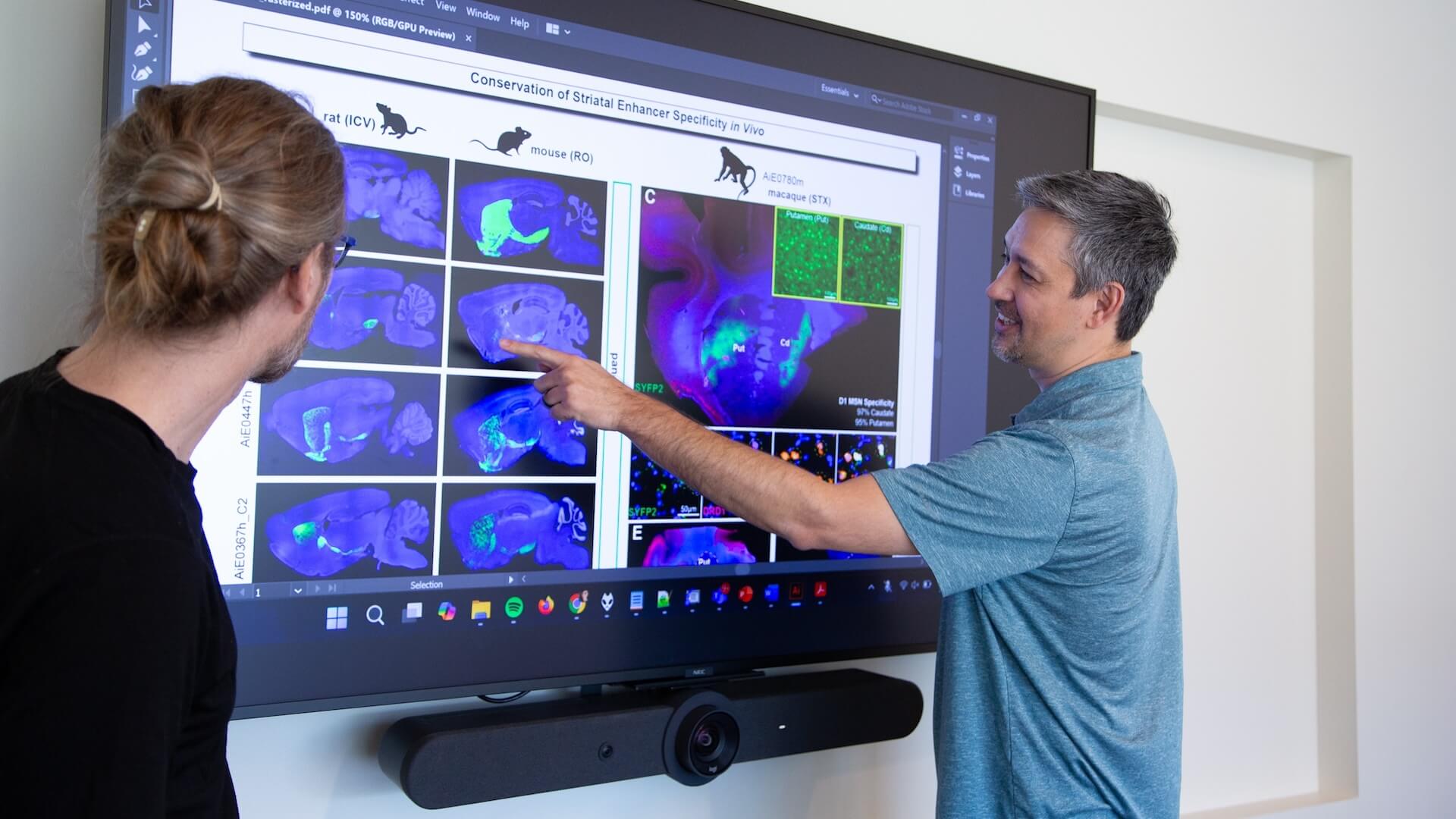
This type of cell-type targeted has never been demonstrated at this scale and effectiveness before. The findings were published in eight studies in the Cell Press family of journals (Neuron, Cell, Cell Reports Method, Cell Reports, Cell Genomics). Collaborators include the Allen Institute; Broad Institute; Harvard Medical School; Duke University; University of California, Irvine; University of California, Berkeley; University of Pittsburg; Carnegie Mellon; Stanford, University of Washington, and Addgene.
The work is part of the Armamentarium for Precision Brain Cell Access, a transformative project within the National Institutes of Health’s Brain Research Through Advancing Innovative Neurotechnologies® Initiative, or The BRAIN Initiative®. Its central goal is to develop, scale, and distribute a comprehensive toolkit (an “armamentarium”) of molecular and genetic tools that can interface with specific brain cells.
“Homing in on the right cells—in the right way and at the right time—is the future of precision brain medicine,” said John Ngai, Ph.D., director of the NIH BRAIN Initiative. “These tools move us closer to that future, while also expanding what we know about the brain’s cells and circuits today.”
Key findings
- The most notable and exciting finding suggests that many of these new tools will be safer and more effective for debilitating brain disorders. Researchers recently demonstrated the benefit of cell-type targeting in a recent breakthrough related to Dravet syndrome.
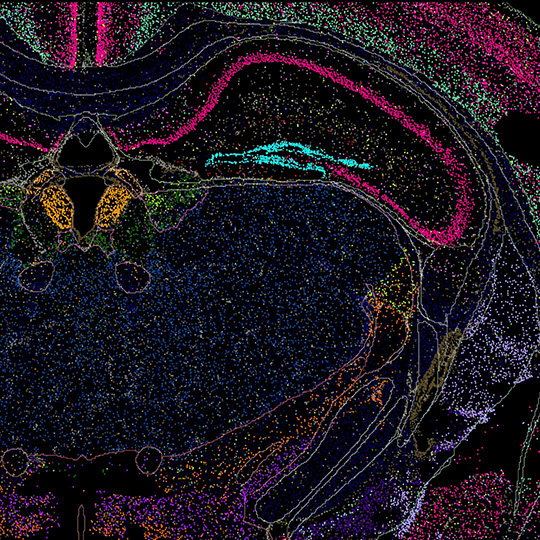
- Researchers successfully designed genomic tools for an incredible diversity of brain cell types, including for both cortex (Furlanis et al.; Ben-Simon et al.) and striatum (Hunker et al.) brain regions, as well as the spinal cord (Kussick et al.).
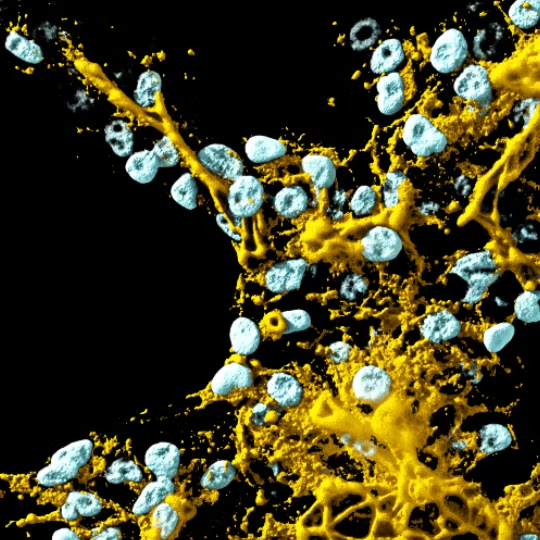
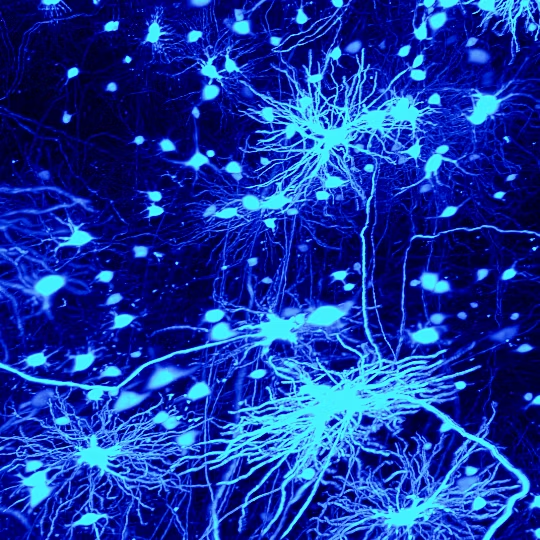
- The new tools were very effective at targeting specific brain cells and allowing scientists to successfully change cell activity and animal behavior in a predictable way. In one study, scientists successfully targeted and labeled a rare cell that regulates sleep, opening the door to new cell type-specific treatments for sleeping disorders.
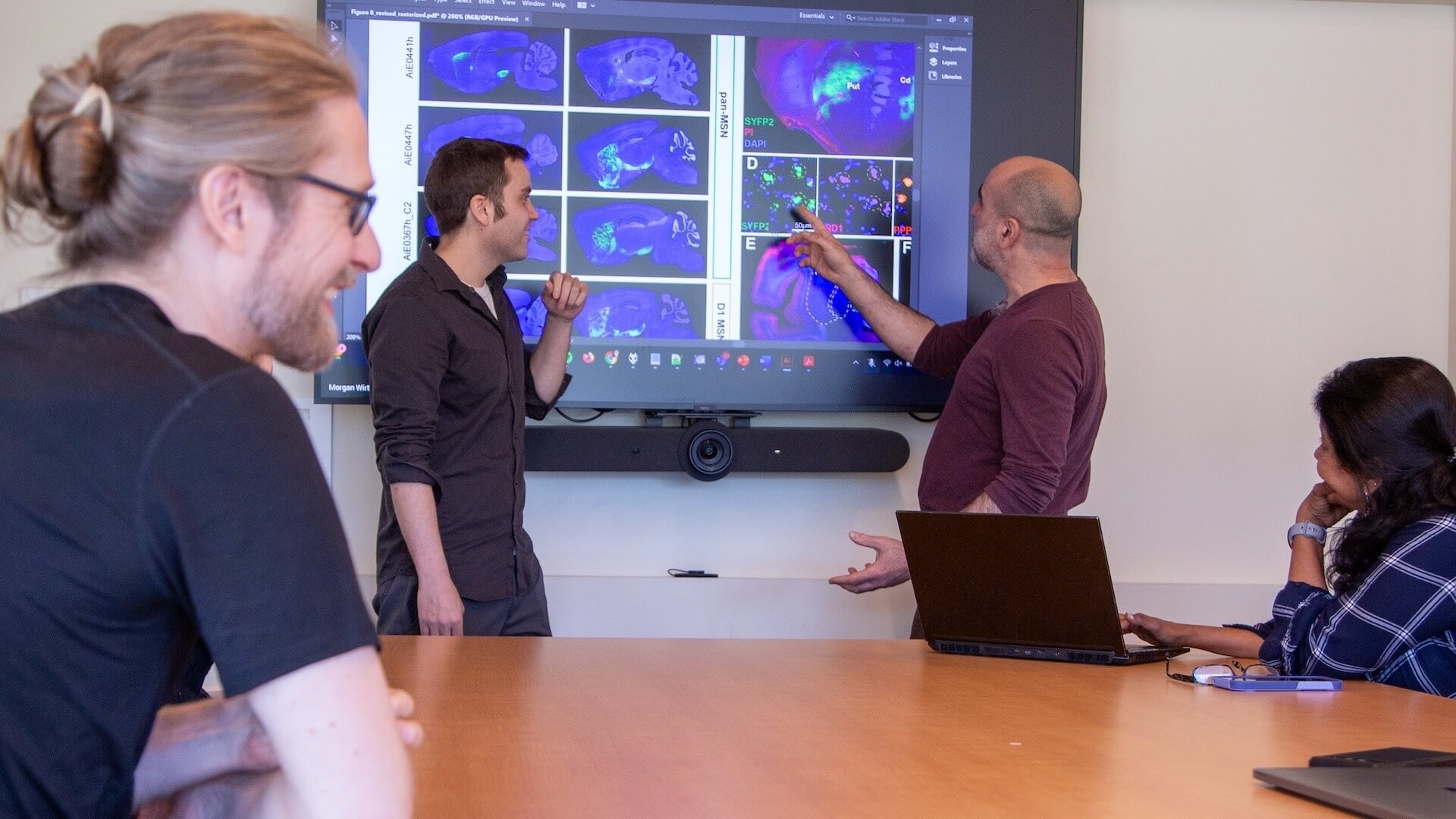
“The rapidly growing collection of brain cell type enhancer AAV vectors with unprecedented strength and specificity of labeling hold great promise to enable new avenues for brain cell type targeting and perturbation in diverse mammalian model organisms and potentially humans,” said Jonathan Ting, Ph.D., one of the study authors and associate investigator at the Allen Institute.
With these new molecular tools, scientists now have unprecedented experimental access to brain cells that were difficult to study.
“Gaining access to a variety of cell types is simply put a ‘game-changer’ in understanding the brain and developing therapies for human neurological disorders,” said Gordon Fishell, Ph.D., professor of neurobiology at Harvard and the Broad Institute. “The enthusiasm in which these tools have been both jointly tested and adopted by the broader community speaks to what we can achieve in science when we work together.”
The tools and data in the studies are freely available on the Allen Institute’s Genetic Tools Atlas and through Addgene. These materials will serve as a valuable, catalytic resource for the global scientific community working to find new treatments and therapies for brain disease.
Citations
about the allen institute
The Allen Institute is an independent, 501(c)(3) nonprofit research organization founded by philanthropist and visionary, the late Paul G. Allen. The Allen Institute is dedicated to answering some of the biggest questions in bioscience and accelerating research worldwide. The Institute is a recognized leader in large-scale research with a commitment to an open science model. For more information, visit alleninstitute.org.