in this article
The pursuit of science generally dictates that its practitioners follow detailed, complex instructions to the letter.
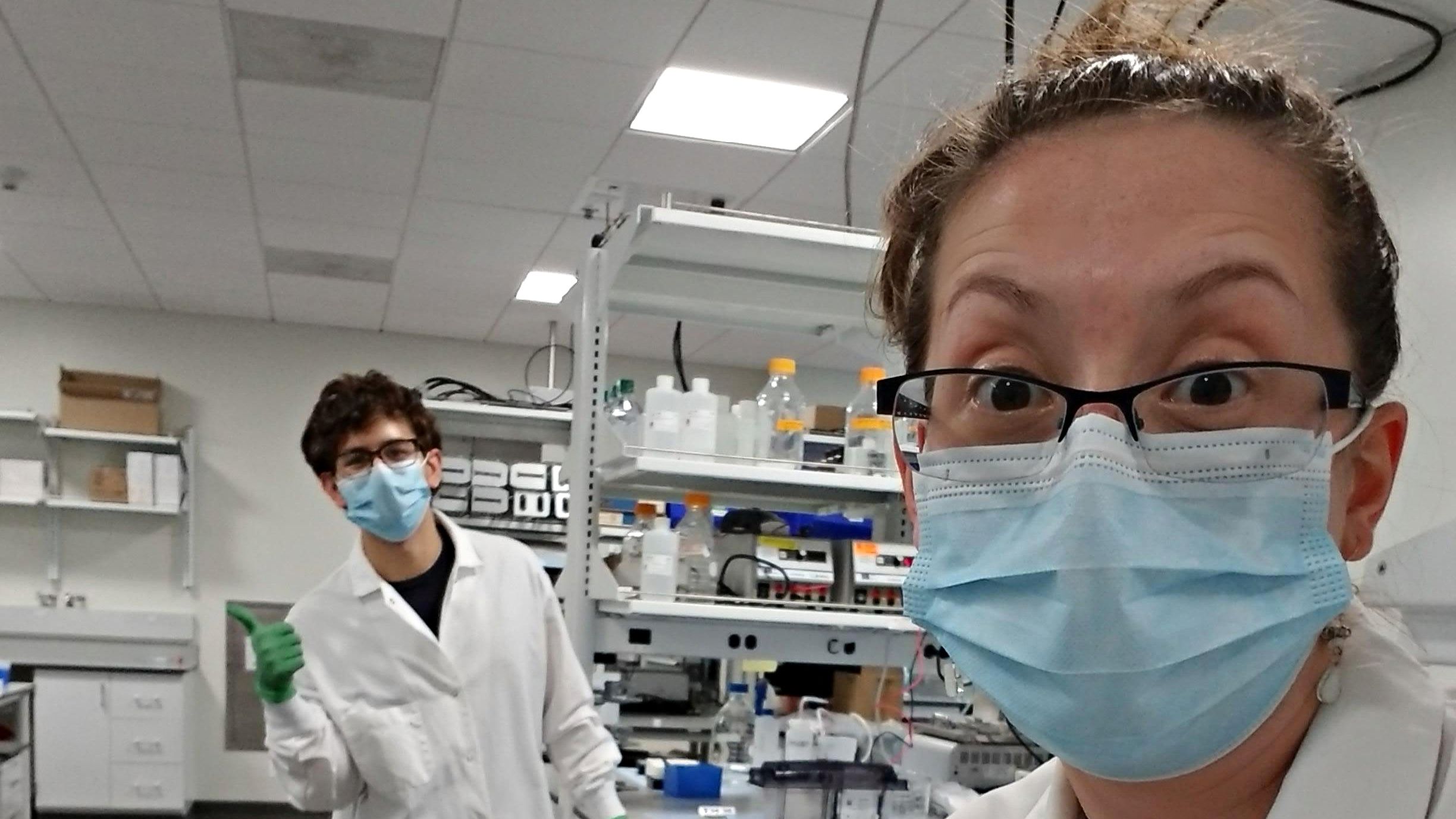
But Sara Carlson and John Paul Thottam, research associates at the Allen Institute for Cell Science, now have a completely new set of instructions they need to remember.
Put on your mask before you enter the building.
Push the elevator button with your elbow, not your finger.
Pick up the paper bag containing your individually packaged face mask for laboratory use, and then pick up the paper bag containing your individually packaged lunch.
Make sure you’re on time for your shift on the microscope; the room containing the machines is small enough that only two people can use it a time, these days. Allow time to clean the machine thoroughly before the next person’s shift.
This is laboratory research under the specter of COVID-19. By design, it’s an isolating way to work.
Working at least six feet from anyone else might jive with the perhaps outdated stereotype of the lone genius scientist, laboring alone at the laboratory bench late into the night. But how do you practice socially distant science when you need other people to get your work done? In today’s research world, collaboration is key and large research projects often require large teams working together in lockstep.
The answer is not that different from how teams of workers in any discipline are managing their remote work: Organization, communication, and virtual meetings of all flavors.
Communication ramps up
Carlson and Thottam haven’t been in the lab through the entire pandemic. In early March, the Allen Institute quickly wound down most of its laboratory research and almost all its researchers and staff transitioned to working from home, with only a few on-site employees remaining to keep essential functions running. Within the first few weeks of March, all experiments ground to a halt.
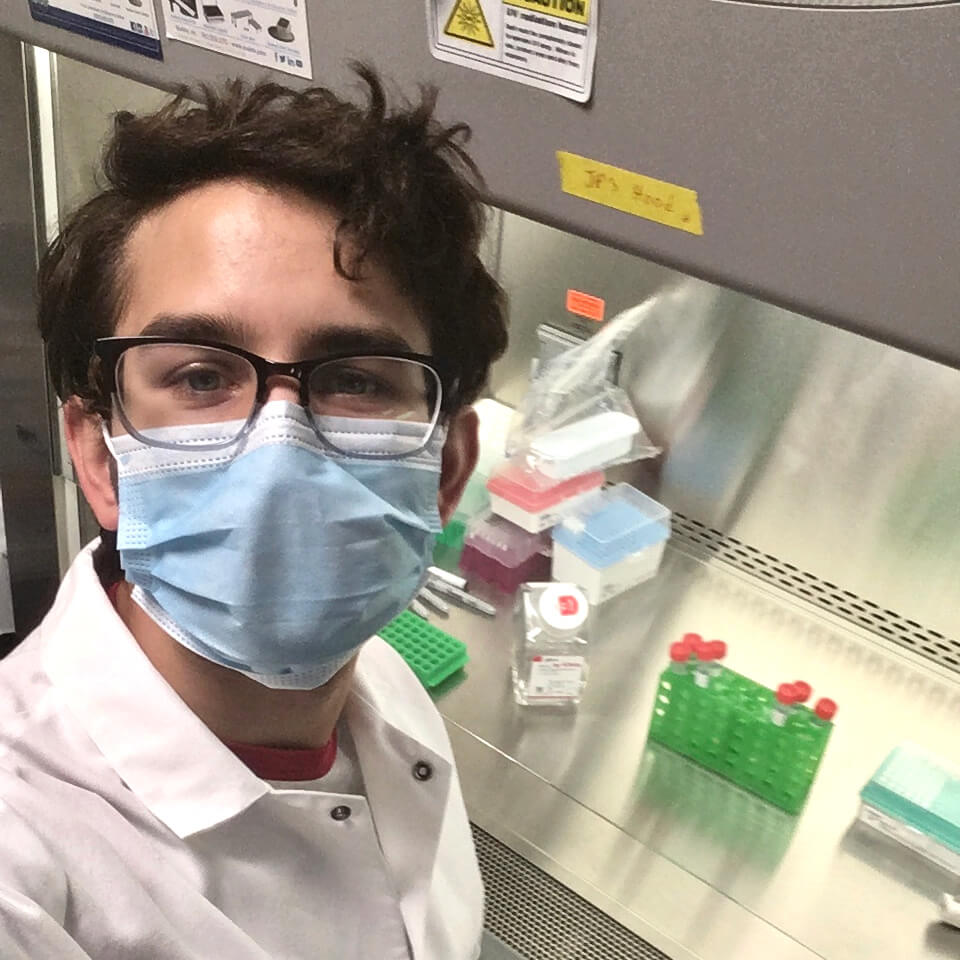
Two months later, as the COVID-19 curve seemed to be past its initial peak in Seattle, the Allen Institute started a slow-phased approach to reboot laboratory work. Even researchers like Carlson and Thottam, who do hands-on work in the lab, are still spending some of their time working from home, trading off shifts to have fewer people in the building at a time.
Remote work has required teams to step up their communication, said Susanne Rafelski, Ph.D., Deputy Director and Director of the Assay Development team (which includes Carlson and Thottam) at the Allen Institute for Cell Science, a division of the Allen Institute. For team members who are now splitting their time between the lab and home, staying physically distant from their team members spurs even more communication in some instances. Where they used to do a task entirely on their own, they now coordinate with others to minimize their time in the building.
“Depending on who is coming in that day, we’ll take turns taking care of the cells, and we might also help out with a coworker’s assay if they’re not around,” said Thottam. “Communication between us is really important for the lab work and our experiments.”
The team — together with the Allen Institute’s facilities department — have figured out a way to control the lab microscopes remotely, so scientists can conduct experiments without entering the building, although someone still needs to be on-site to get the cells ready.
“There were times where I was trying to troubleshoot the software and another scientist from the Microscopy team was able to connect remotely to help,” Carlson said. “Even though they can’t be there with me, we can still talk to each other and see each other and that’s really nice.”
The virtual office
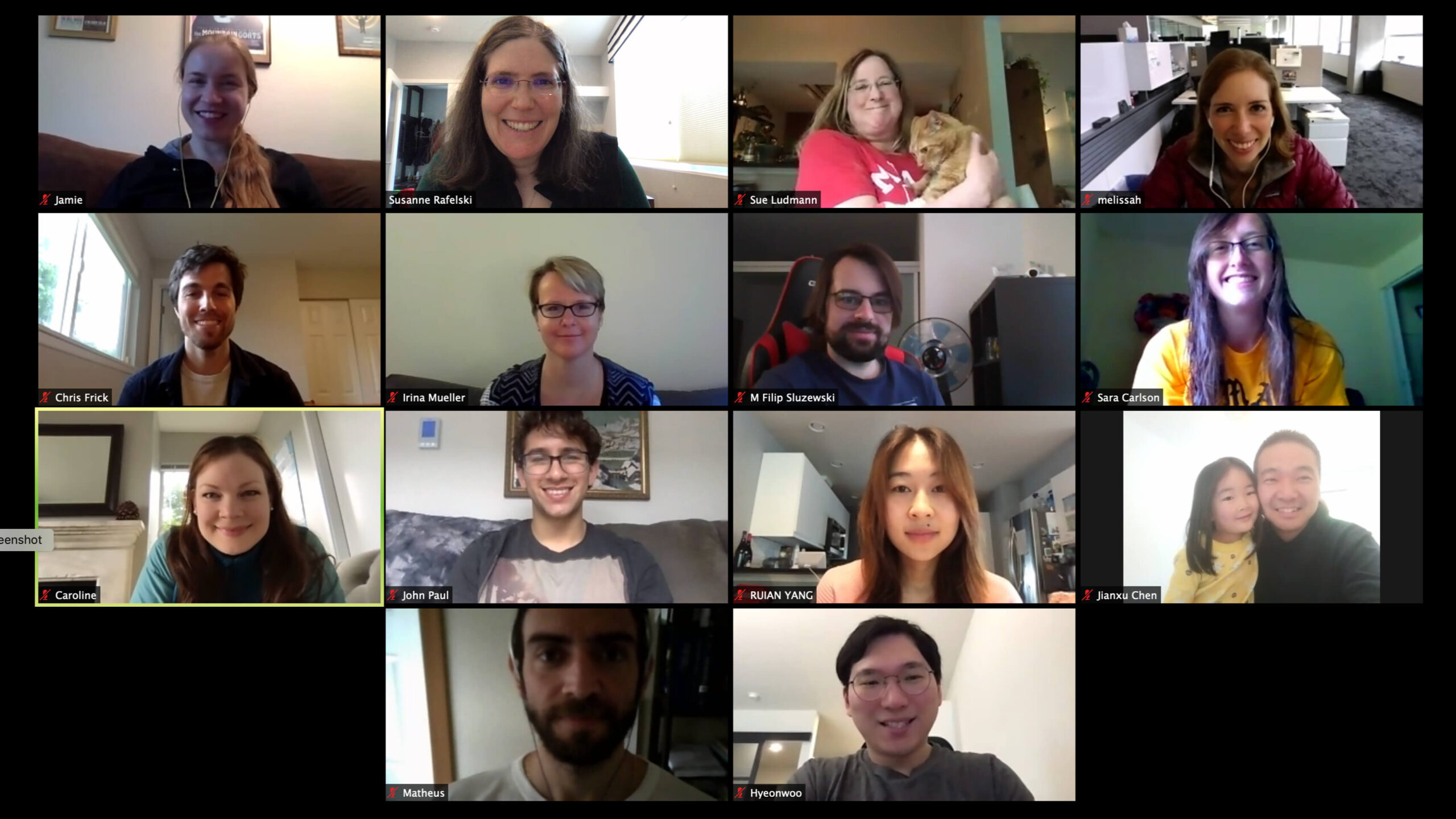
Like many other suddenly remote workers, Allen Institute teams rely heavily on video meetings to stay connected. Rafelski said she is thoughtful about which platforms to use and how her team uses them. She asks everyone to show their faces in virtual meetings so people can gauge their teammates’ reactions, as they would in person. Rafelski also leaves a single “Zoom room” running throughout the day, where team members can gather spontaneously if another meeting isn’t scheduled.
This way, too, people sometimes “walk” into the tail end of her meetings with other team members, Rafelski said, “and then they chat a bit, which is exactly how it would be in an office. It makes it feel like there’s still a space that we share.”
From lab work to new skills
When the electrophysiology team of the Allen Institute for Brain Science shifted to remote work, some members pivoted to data analysis and working on their own scientific manuscripts, said Gabe Murphy, Ph.D., Associate Director of Electrophysiology. But others on the team, the research associates, spend most of their time in the lab, recording electrical signals from live mouse and human neurons. They needed to transition to work they could do remotely.
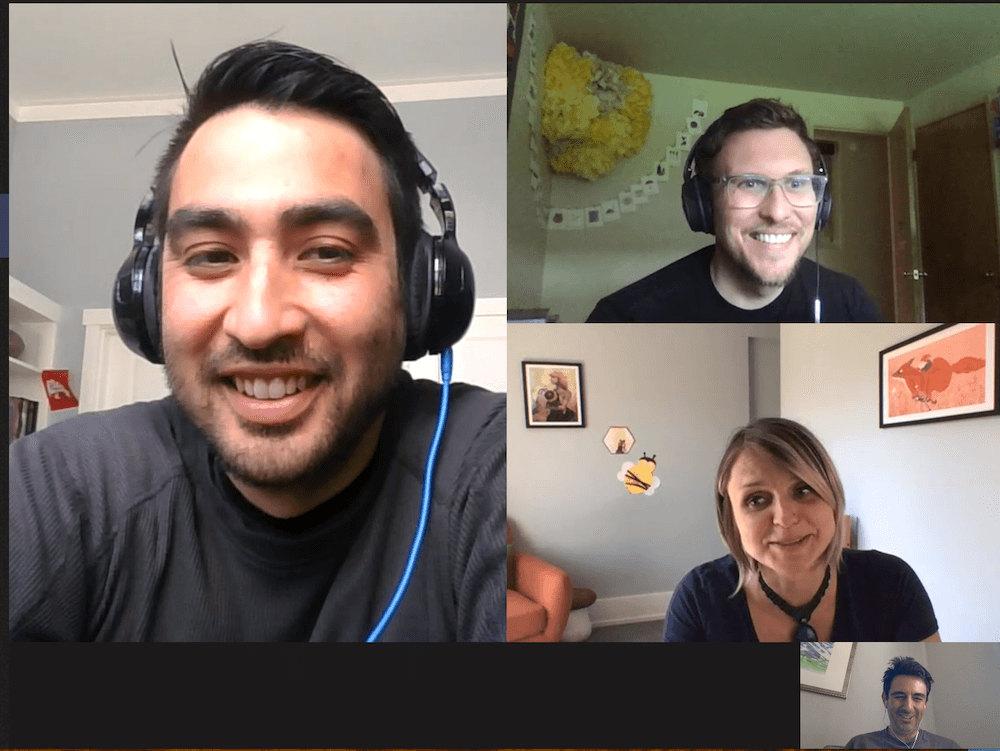
Some of them joined the Institute’s virtual neuron-tracing challenge through the Mozak game, which spanned a few weeks. Several of the research associates also started online courses to pick up new skills.
“One of the barriers to getting into data analysis is computer programming skills,” Murphy said. “So a number of folks are pursuing that, and having that foundation gives them the opportunity to do more rigorous analysis going forward.”
Brian Lee, Ph.D., and Kristen Hadley supervise and coordinate some of the electrophysiology team’s laboratory experiments, which the team resumed last month at 50% capacity. The time away from the lab has surprisingly allowed their group a greater focus on science, they said. Many of the team’s large-scale projects are built on a division of labor where some team members run experiments in the lab and others analyze the data. Pre-COVID-19, much of their time was devoted to day-to-day logistics.
“We spent so much of our group meetings talking about the experiments that were going to run that day or that week,” Lee said. “Now that we’re working from home, we’re really able to talk about the science versus just data collection.”
Citations
about the allen institute
The Allen Institute is an independent, 501(c)(3) nonprofit research organization founded by philanthropist and visionary, the late Paul G. Allen. The Allen Institute is dedicated to answering some of the biggest questions in bioscience and accelerating research worldwide. The Institute is a recognized leader in large-scale research with a commitment to an open science model. For more information, visit alleninstitute.org.