impact
impact
open science
subheadline
careers and opportunities
subheadline
people & teams
people & teams
subheadline
allenites
subheadline
allen institute advisors
subheadline
board of directors
subheadline
shanahan foundation fellowship
subheadline
next generation leaders
subheadline
research
overview
our approach
subheadline
publications
subheadline
open science
subheadline
accelerator
brain science
subheadline
cell science
subheadline
neural dynamics
subheadline
immunology
subheadline
synthetic biology
subheadline
education
education
science education
subheadline
education resources
subheadline
field trips
subheadline
open science
subheadline
open science quest
subheadline
news
news
stories
subheadline
podcast
subheadline
sign up for our newsletter
subheadline
events
events
all events
subheadline
conferences
subheadline
event code of conduct
subheadline
events
open science quest
subheadline
summer workshop on the dynamic brain
subheadline
open science week
subheadline
brain fest
subheadline
science resources
science resources
allencell.org
subheadline
allenimmunology.org
subheadline
allenneuraldynamics.org
subheadline
brain-bican.org
subheadline
brain-map.org
subheadline
microns-explorer.org
subheadline
impact
back to menu
impact
open science
subheading
careers and opportunities
subheading
people & teams
people & teams
subheading
allen institute advisors
subheading
board of directors
subheading
shanahan foundation fellowship
subheading
next generation leaders
subheading
research
back to menu
impact
Label
subheading
Label
subheading
people & teams
education
back to menu
research
Label
subheading
Label
subheading
Heading
news
back to menu
research
Label
subheading
Label
subheading
Heading
events
back to menu
research
Label
subheading
Label
subheading
Heading
science resources
back to menu
science resources
allencell.org
subheading
allenimmunology.org
subheading
allenneuraldynamics.org
subheading
brain-bican.org
subheading
brain-map.org
subheading
microns-explorer.org
subheading
search
education

Teaching and learning with python

Explore resources to introduce undergraduate students in the life sciences to Python programming

resource type / 
Interactive Activity
published / March 6, 2026
education level / 
Undergraduate
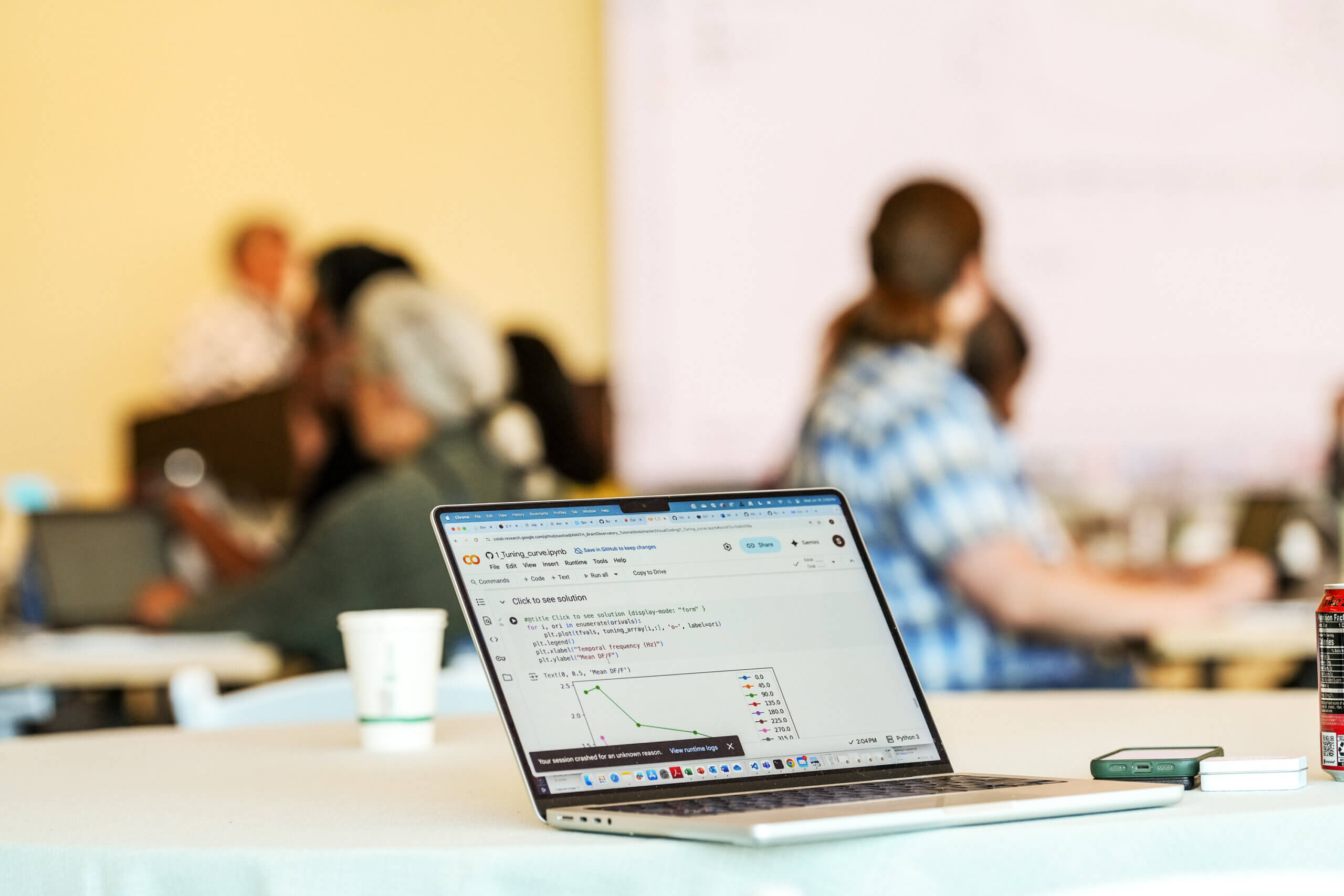
Laptop displaying code on desk with blurred people collaborating in background office setting.
share/
This is some text inside of a div block.

in this lesson

table of contents will display on published page only
set h2 to populate the table of contents here
lesson

contributors

Rachel Penton
Education and Engagement Supervisor
Saskia de Vries
Associate Director, Data and Outreach

Want to incorporate coding into your neuroscience course?

Explore our openly available teaching resources designed to support instructors in introducing Python programming using real neuroscience datasets. Whether you’re new to coding or looking to deepen your students’ skills, our materials are tailored to help you scaffold coding instruction in a biologically meaningful context.

Audience: Undergraduate educators teaching neuroscience or a related discipline.
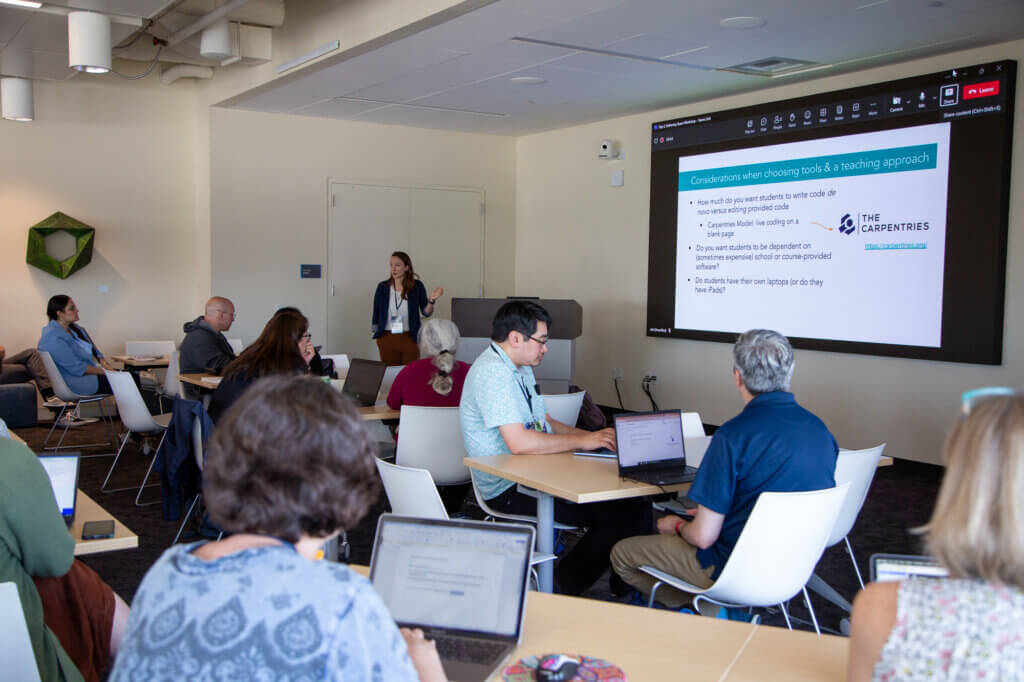
Instructor pointing to a screen with a presentation in a room full of educators.
Ashley Juavinett leading a session on teaching Python to undergraduate biology students at the 2025 Open Science in Undergraduate Education Symposium.

‍

Featured Resources:  

Workshop Resources (Beginner):

  • Access Colab notebooks and resources that were shared with attendees at the 2025 Coding with Allen Institute Data Workshop, led by Ashley Juavinett (USCD), Theresa H. McKim (UNR), and Rachel Penton (Allen Institute). Includes resources that cover basic Python concepts such as objects, data structures, control flow, and functions. These notebooks assume little-to-no prior experience with Python.

Epilepsy Case Study (Beginner):

  • This Colab notebook, written by Theresa H. McKim (UNR) and based on the work of Milligan et al. (2023), walks students through how to investigate questions of interest about epilepsy by using open data from the Allen Institute’s cell types database. This notebook is suitable for students with little-to-no prior experience with Python.  

Visual Coding (Moderate):

  • A collection of three Colab notebooks created by Saskia de Vries (Allen Institute) suitable for neuroscience students with prior Python experience. These notebooks guide students through analyzing an openly available 2-photon calcium imaging dataset from the Allen Brain Observatory.  

‍

Terms of use: This work is licensed under the Creative Commons Attribution-NonCommercial-ShareAlike 4.0 International (CC BY-NC-SA 4.0). To view a copy of this license, visit https://creativecommons.org/licenses/by-nc-sa/4.0/.

featured education resources

explore more resources
brain science
cell science
immunology
neural dynamics
synthetic biology
Early Career Scientists
Health Care Providers
Students
Doctors
Teachers
Postdocs
Scientists
Educators
General Public
Middle School
High School
Undergraduate
Graduate
Thank you! Your submission has been received!
Oops! Something went wrong while submitting the form.
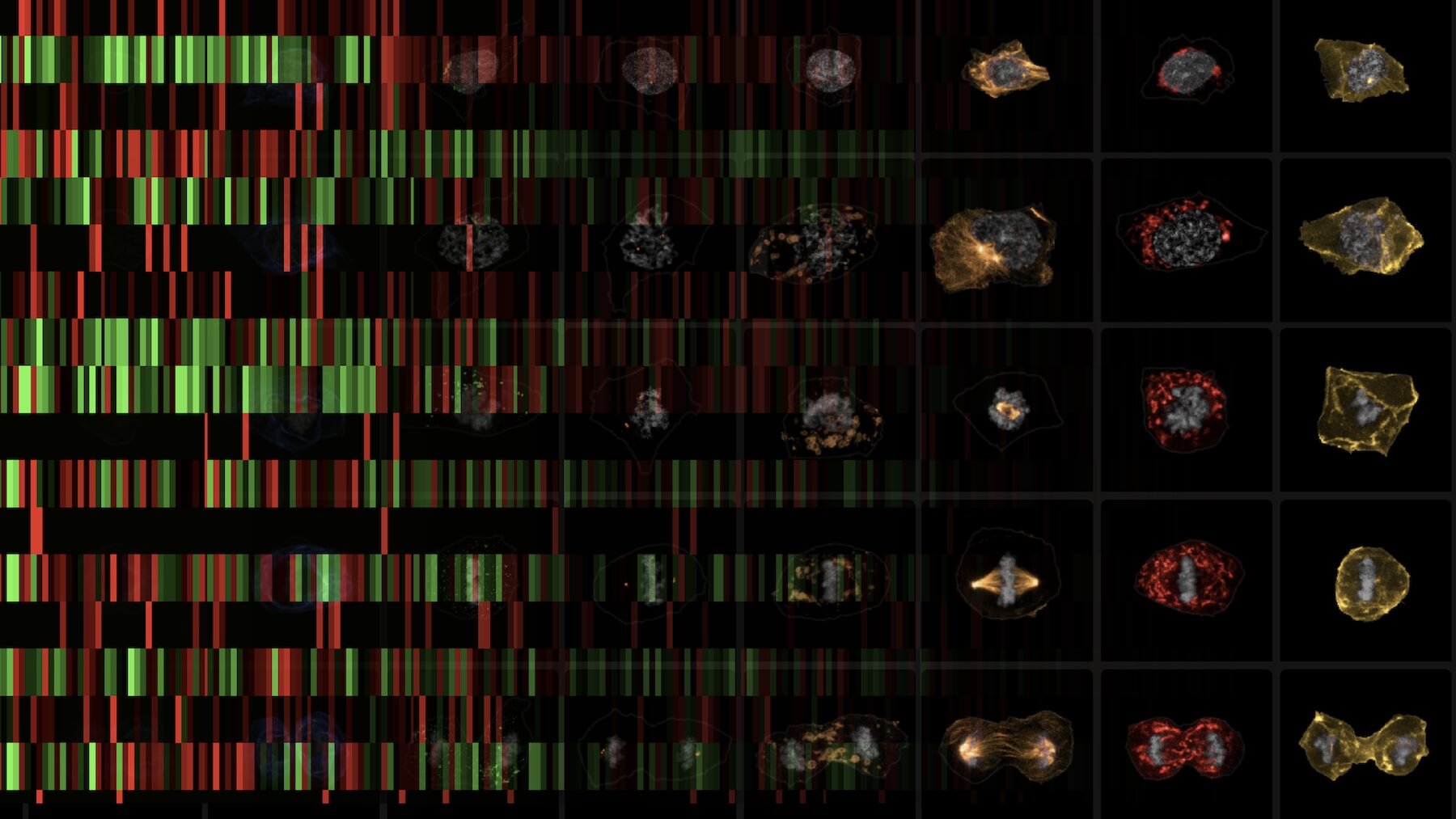
DNA sequencing data visualized with gene expression heatmap and astronomical galaxy images.
Database Guide 
Open databases & tools
Explore Allen Institute datasets and tools aligned to national education frameworks
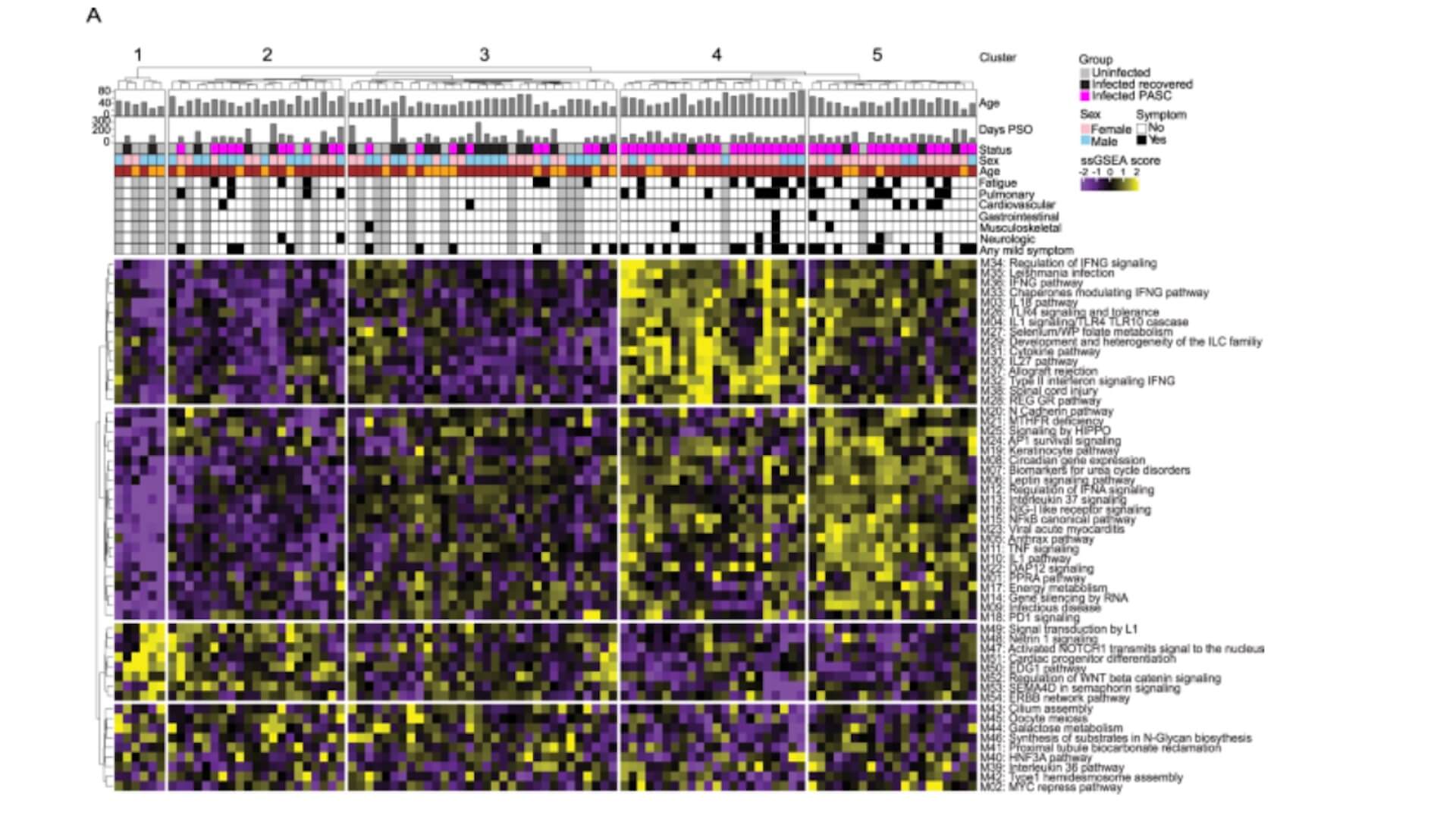
Heatmap showing five patient clusters with gene expression patterns, clinical symptoms, and disease status data.
Module 
Primary literature analysis | Long COVID
A full module exploring proteomics and long COVID through a scaffolded, in-depth analysis of a primary literature article
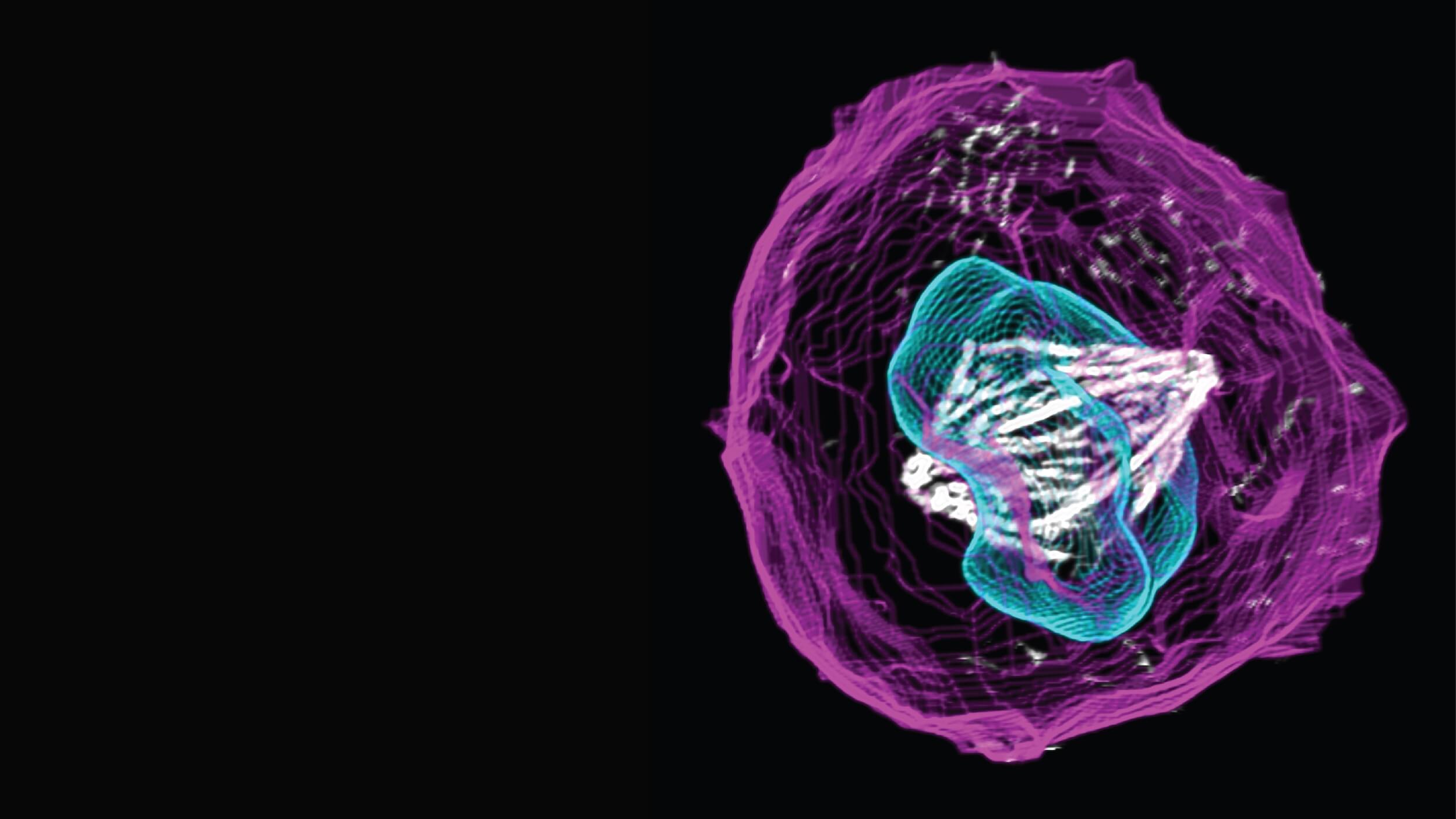
3D medical visualization showing cross-section of heart with purple outer layer and cyan inner structures
Lesson Plan 
Does organelle shape matter?
Learn how to analyze high-throughput cell datasets and interpret real cell images.
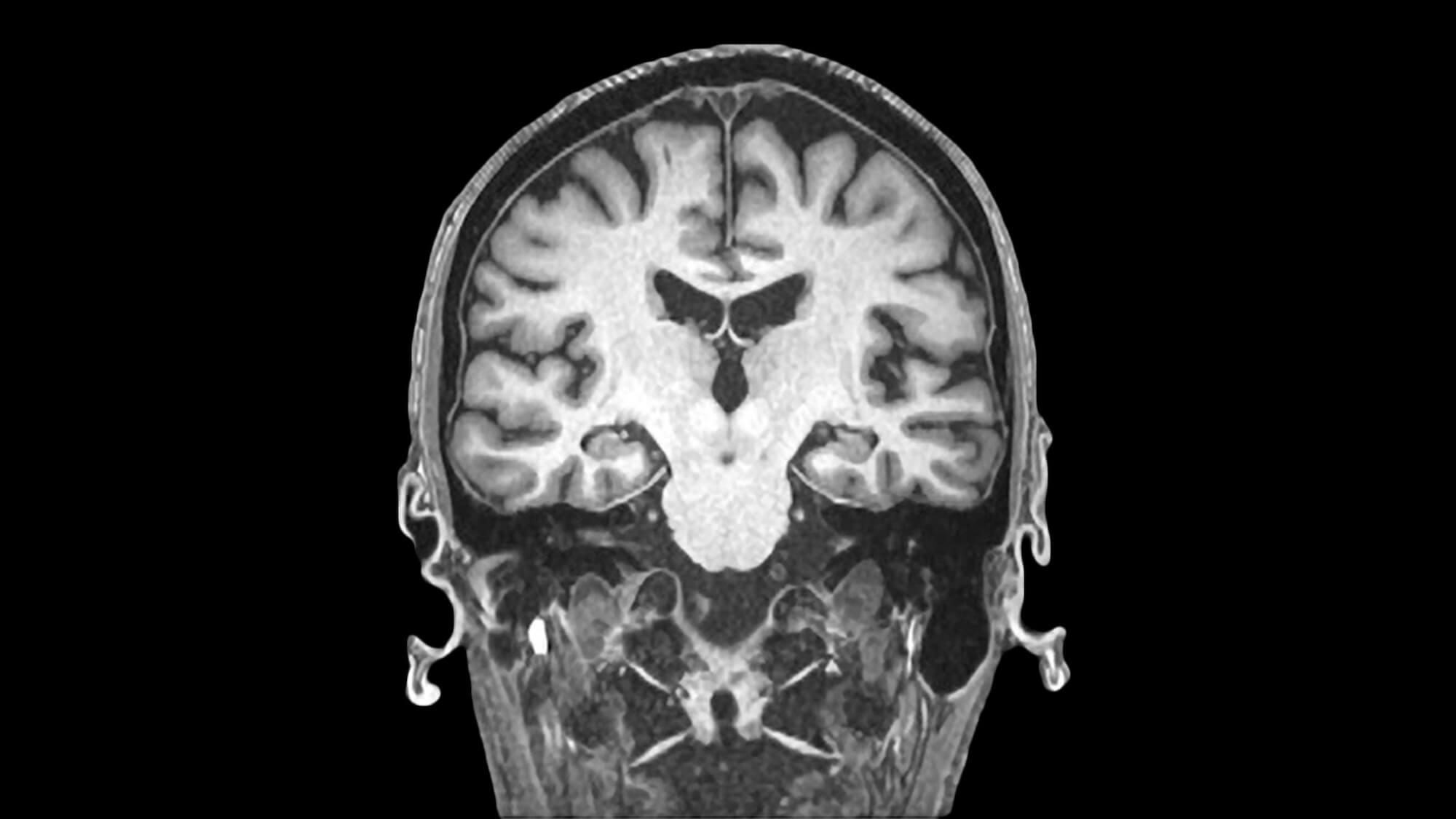
Coronal MRI brain scan showing cerebral hemispheres and ventricles in grayscale imaging
Lesson Plan 
Brain Bingo
Play a bingo game in matching scientific images to neuroanatomy and cell features.
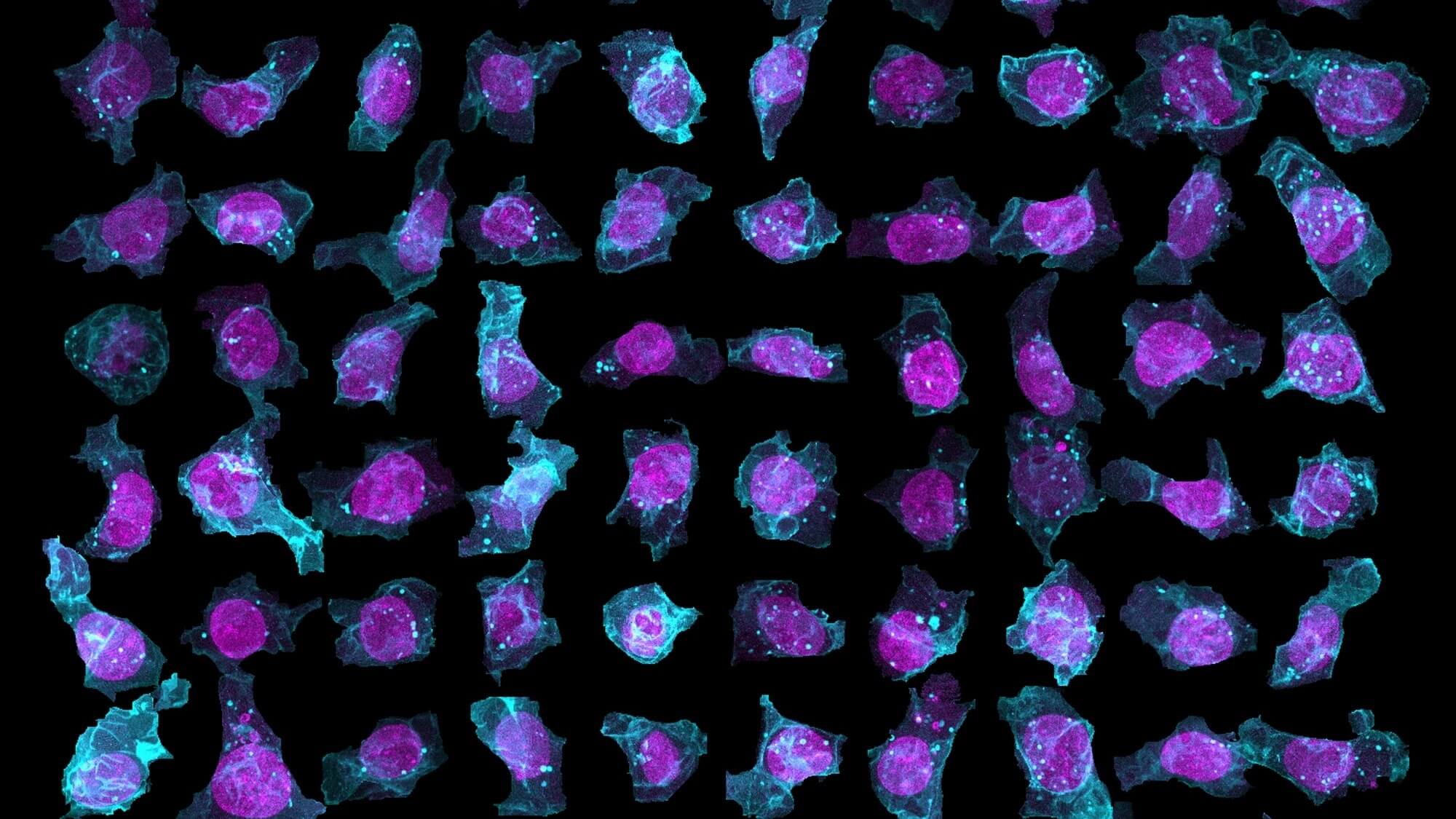
Lesson 3: Design Your Own Mitosis Experiment - Part 1
Lesson 4: Explore the Integrated Mitotic Stem Cell
Explore organelle localization throughout cell division using an interactive web-based tool.
Previous
load more resources
4 / 5
we acceleratedevelopcatalyzeimpact

science done differently. shared with the world.

explore our accelerators

brain science

Mapping every cell, connection, and circuit in the brain—openly shared with the world.

cell science

Decoding how cells become tissues, then programming that knowledge into powerful new research tools.

neural dynamics

Revealing the brain's hidden algorithms that transform neural activity into real-world behavior.

immunology

Creating the deepest open reference for the healthy human immune system ever built.

synthetic biology

Engineering cells to record their own histories, transforming how we understand disease over time.

research

Big questions, open answers, and science built to be shared.

education

Inspiring the next generation of scientists through open science resources.

impact

Our science is empowering researchers and advancing health worldwide.
advancing science through open, collaborative research
Get the allen institute newsletter
Stay informed on the latest breakthroughs in neuroscience, bioscience, and AI-driven research.
allen institute
impactpeople & teamscareers & opportunitiesalumnihistory & founder
science resources
allencell.orgallenimmunology.orgallenneuraldynamics.orgbrain-bican.orgbrain-map.orgmicrons-explorer.org
research
brain sciencecell scienceneural dynamicsimmunologysynthetic biologypublications
education
science educationfield tripsprofessional developmenteducation resources
quick links
newseventsopen sciencepodcastscience resourceshuman brain donationvisit uscontact
follow us/

allen institute, 615 Westlake Ave North, Seattle, WA 98109 +12065487055

© 0000 allen institute. all rights reserved.
privacy policyterms of usecitation policyemployee portalpolicy & compliance