meet the speakers
Lake Conference 2026 features an international group of scientists and thinkers working across disciplines to understand how robust biological patterns emerge from cellular interactions. Explore the speakers below to learn more about the researchers shaping the discussions at this meeting.
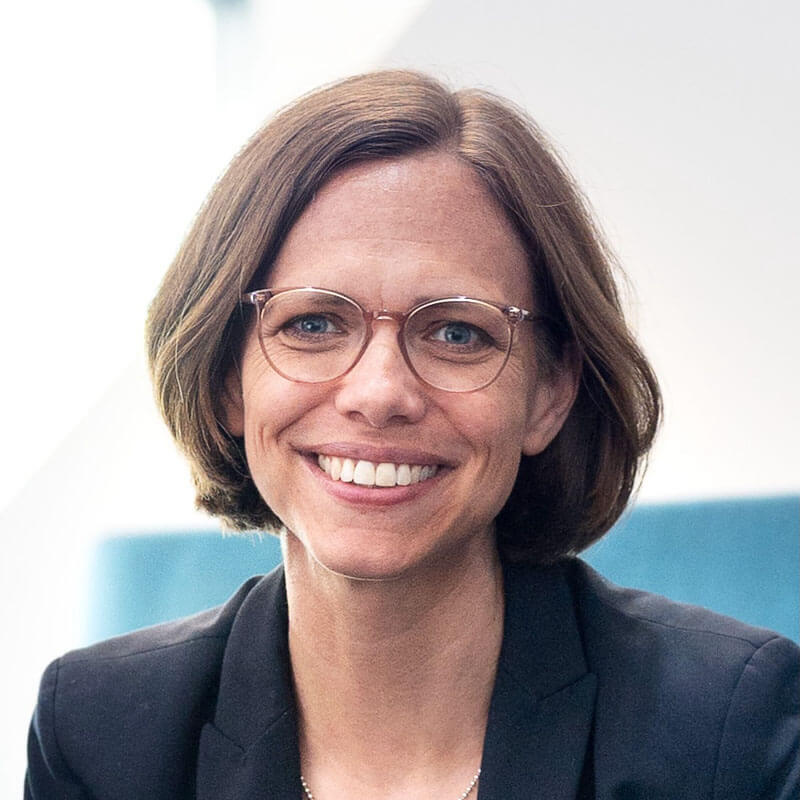
Karen Alim Ph.D.
Technical University of Munich; Max Planck Institute for Dynamics and Self-Organization
Talk Title: Learning Matters!
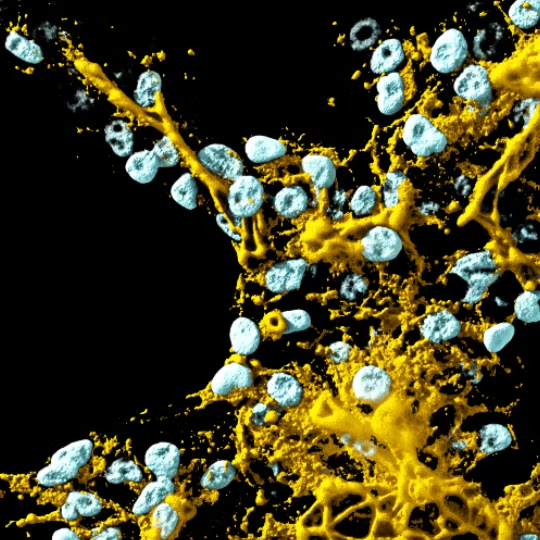
Talk Abstract: How many times have you wished you could simply pause your brain, only to find, to your frustration, that it is still busy, revisiting and processing inputs? Response to continual inputs is normal and essential, it is how we learn. In fact, any matter continually responds to input. Yet, our understanding of learning struggles with continual input. I here provoke to break with the current focus on the brain to uncover the physics of continual learning matter instead by investigating the emergence of learning bottom-up in life reduced in complexity to a network-shaped single cell – Physarum. Lacking any neurons, flows flushing throughout Physarum’s tubular network propagate input packaged as chemical concentration and flow shear force. Tube wall visco-elasticity re-organises in response – continually – learning its future response. Such mechanical learning serves as the blueprint for implementing learning in soft matter, as Physarum’s responsiveness in wall visco-elasticity has its soft matter twin in synthetic hydrogels. Implementing Physarum’s learning mechanics, cast in the language of theoretical physics, directly into soft matter, I outline how to uncover the physics of continual learning matter and, thus, develop biocompatible learning matter.
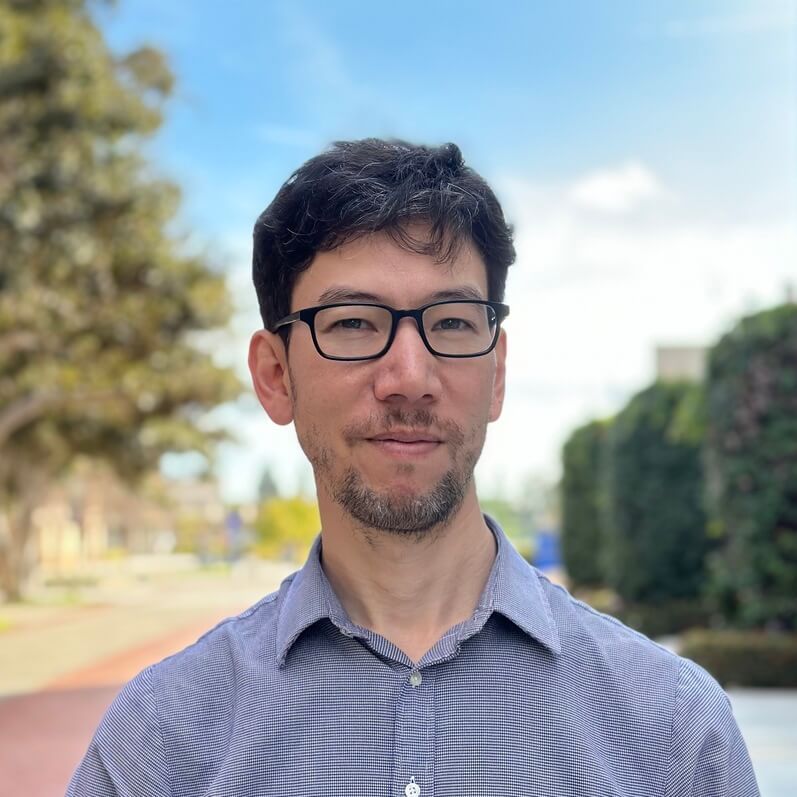
Jun Allard Ph.D.
University of California Irvine
Talk Title: Hypothesis-tuned model flexibility to decipher and design cell signaling pathways
Talk Abstract: Many cell signaling pathways have a major axis that has been deciphered, both qualitatively and in terms of their molecular census, with quantitative predictive models not far behind. Many of these quantitative predictive models, while imperfect, can be decomposed into modules with intuitive interpretations. Some cell signaling pathways, however, have a major axis that is heavily modified by co-signaling or accessory molecules. In the example of the T cell, the main axis is the T Cell Receptor, but there are dozens of accessory receptors that modulate the signal from the T Cell Receptor. Our incomplete understanding of accessory receptors is a major roadblock in designing T cell-based immunotherapies. Recently, experimental platforms — including the CombiCells system — have allowed combinatorial presentation of accessory ligands to T cells, generating a promising but overwhelming glut of data. The challenge is developing quantitative models that describe this data, maintain explicit connections to existing modular and intuitive models, and have sufficient accuracy to distinguish among multiple hypotheses. We have developed intermediate-flexibility models for the T cell signaling pathway, compatible with learning algorithms, which we call FlexiFunctions. We achieve this by tuning the level of flexibility to match the hypotheses being explored — too much flexibility is not better if it prevents hypothesis separation. Intermediate-flexibility models are technically harder for learning algorithms than either high-flexibility (unconstrained) or low-dimensional (e.g., mass-action or classical) models. These models allow more precise data fitting and prediction without sacrificing modularity and the existing intuition that comes with low-dimensional models. We demonstrate examples where simple models may at first appear incapable of explaining (and predicting) complex data, but are indeed able to do so by relaxing flexibility assumptions.
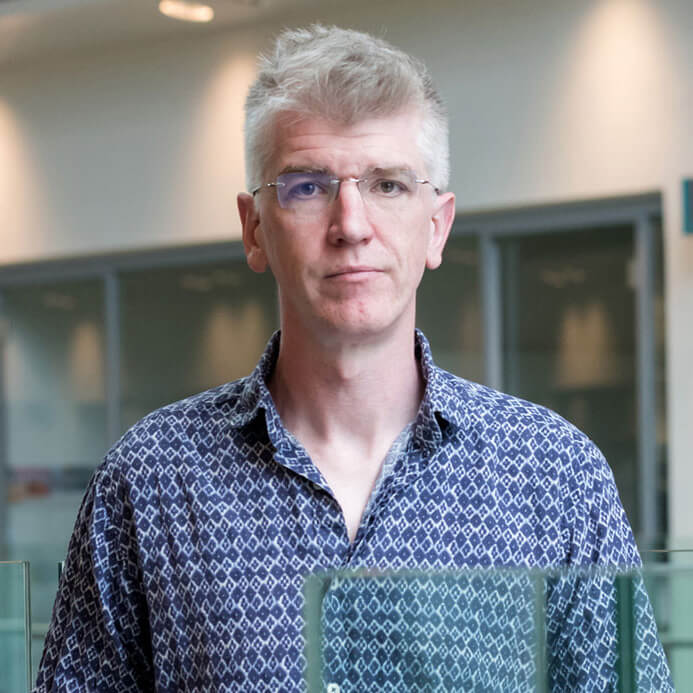
James Briscoe Ph.D.
Francis Crick Institute
Talk Title: The Dynamics of Neural Tube Development
Talk Abstract: The development of functional tissues requires precise spatial and temporal control of cell fate specification. Using the vertebrate spinal cord as a model system, we investigate how molecular signals, cellular behaviours, and tissue-level changes integrate to generate distinct neuronal subtypes in a defined spatial pattern along the dorsal-ventral axis. We focus on how the morphogen Sonic Hedgehog (Shh) coordinates gene regulatory networks to control cell fate decisions. By combining in vivo and in vitro experimental approaches with computational modelling and theoretical frameworks, we examine how dynamic processes – including tissue growth, cell arrangement, and temporal changes in signalling – contribute to the pattern, pace, precision, and proportions of the developing neural tube. This integrative approach reveals fundamental principles of how cellular and molecular mechanisms interact to ensure robust tissue development.
Miguel L. Concha Ph.D., M.D.
Universidad de Chile, Santiago
Talk Title: Tension-driven transitions in annual killifish development
Talk Abstract: The earliest stages of animal development are critical, as they establish the fundamental body architecture of the embryo. Among vertebrates, annual killifish exhibit a striking departure from canonical early developmental programmes, having evolved a distinctive strategy to survive in extreme, drought-prone environments. Unlike zebrafish, whose embryonic cells follow a deterministic programme guided by maternal cues, killifish embryos rely extensively on self-organisation. Development begins with a dispersed population of pluripotent stem cells displaying seemingly random migratory behaviour, which later transitions into coordinated, directional movement culminating in cellular aggregation—the onset of embryogenesis. The mechanisms underlying this key transition from dispersion to aggregation remain poorly understood. Using light-sheet fluorescence microscopy, quantitative image-based analyses, assessment of actomyosin cytoskeletal dynamics, and mathematical modelling, we reveal that the dispersion–aggregation transition in the annual killifish Argolebias nigripinnis is tightly coupled to tension-mediated mechanical changes in the extra-embryonic environment, particularly those associated with epiboly. These findings highlight the central role of physical forces and extra-embryonic interactions in orchestrating self-organised processes during early vertebrate development.
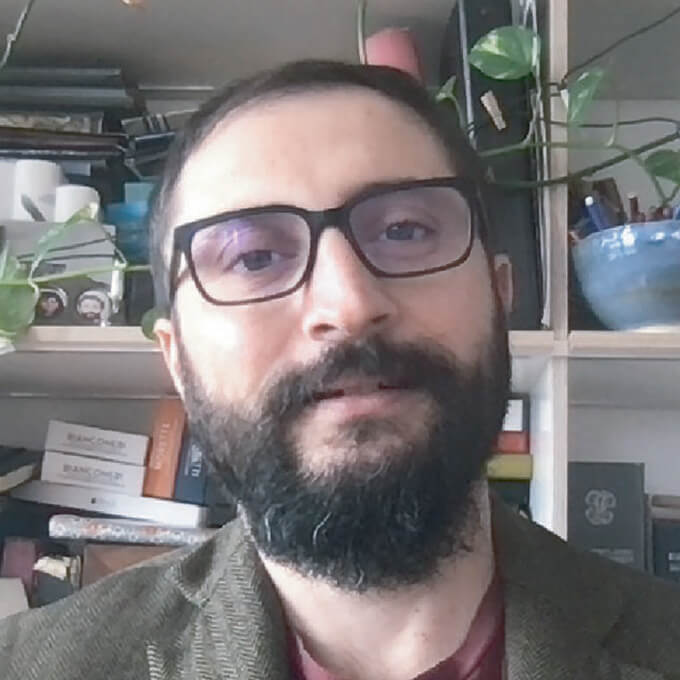
Giovanni D’Angelo Ph.D.
EPFL Switzerland
Talk Title: The Lipid Architecture of the Mammalian Brain
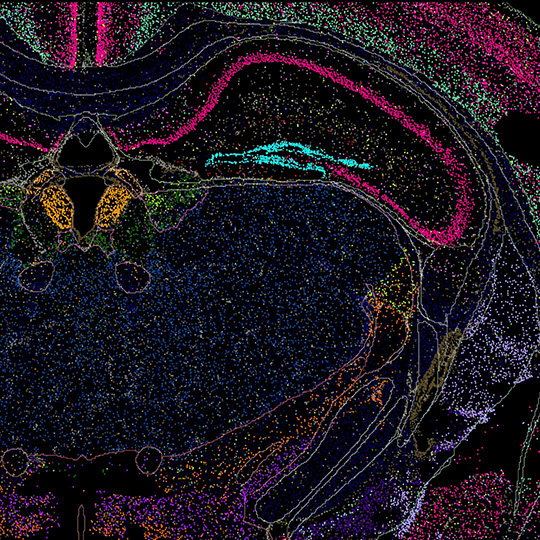
Talk Abstract: Lipids are fundamental components of the brain, crucial for synaptic transmission and signal propagation. Altered brain lipid composition is associated with common and rare neuropathologies, yet, the spatial organization of the mammalian brain lipidome remains insufficiently characterized compared to other modalities1–8. Here, we mapped the membrane lipid architecture of the adult mouse brain at micrometric scale, across sexes, and during pregnancy. This Lipid Brain Atlas reveals that lipids define a fine-grained biochemical structure that aligns with functional anatomy. Membrane lipid spatial heterogeneity clusters into territories, which we termed lipizones. Lipizones partially mirror cell type territories, but also capture distal axon terminals. Through lipizones, (i) we reveal the organizing principles of the gray matter lipidome, related to connectivity and cytoarchitecture; (ii) we discover a new axis of oligodendrocyte heterogeneity in the white matter; (iii) and we find biochemical zonation in the choroid plexus and in the ventricular walls. We show that this lipidomic architecture can adapt to changing physiological needs. In the brain of pregnant females, the white matter is metabolically activated and the outer cortex is reorganized. These results are a foundational resource (https://lbae-v2.epfl.ch/), poised to reshape our understanding of lipids in brain development, physiology, and pathology.
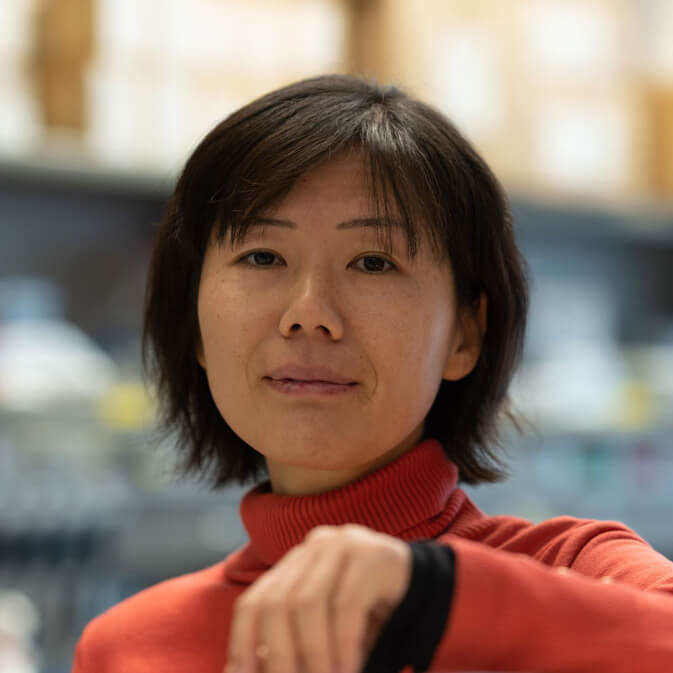
Miki Ebisuya Ph.D.
Physics of Life TU Dresden
Talk Title: Cross-Species Comparison and Manipulation of Organoid Tissue Mechanics
Talk Abstract: Organoids and stem cell–based models are rapidly advancing. A central question, however, is how best to leverage their unique potential. I view organoids as powerful platforms for cross-species comparison and for experimental manipulation of tissue properties that are otherwise inaccessible in vivo. Human cerebral organoids, for example, exhibit distinct morphologies compared with those derived from mice and other primates, including more elongated and less spherical neuroepithelial buds. Taking these human-specific shape differences as an entry point, we investigated the tissue mechanical and geometrical principles underlying early forebrain morphogenesis through two complementary approaches. First, through cross-species mechanical comparison, we quantified tissue dynamics in human, gorilla, and mouse cerebral organoids using oil microdroplets as mechanical probes. We identified a transient basal tissue fluidization occurring exclusively in human neuroepithelia. This state is characterized by increased droplet mobility, enhanced nuclear movement fluctuations, and expanded intercellular spaces. Elevating N-cadherin expression to gorilla-like levels suppresses both nuclear fluctuations and basal fluidity. Importantly, basal fluidization diminishes at the onset of neurogenesis, suggesting that this transient mechanical state may contribute to the tangential surface expansion characteristic of the human forebrain. Second, through causal geometric manipulation, we directly tested whether tissue geometry feeds back on developmental dynamics. Acute induction of apical constriction via Shroom3 activation induced rapid lumen rounding and reduced apical surface area. This geometric perturbation shifted apical progenitor divisions toward horizontal cleavage planes, increased cell delamination, and accelerated the emergence of basal progenitors. In this presentation, I propose a framework combining cross-species comparison of organoids with subsequent manipulation of species-specific parameters.
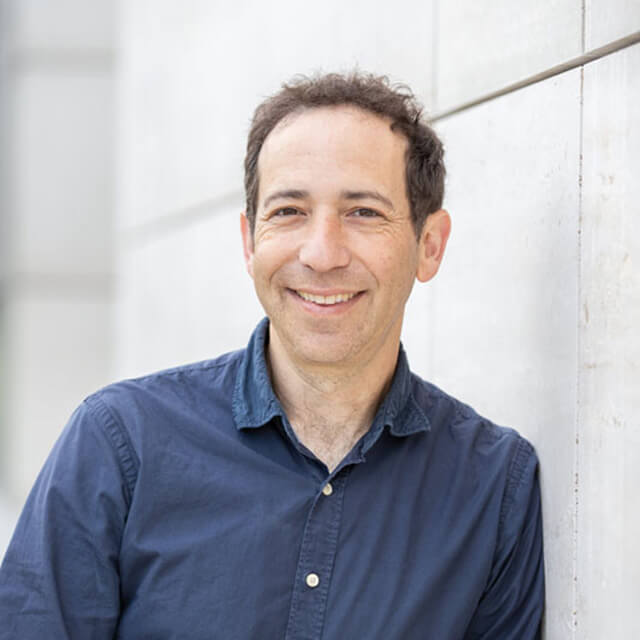
Michael Elowitz Ph.D.
Caltech
Talk Title: Engineering protein circuits for cancer therapy
Talk Abstract: Cancer therapy requires sensitively and specifically eliminating tumor cells while minimizing harm to healthy tissue. In this talk, I will describe therapeutic circuits—engineered proteins that address this challenge by directly rewiring oncogenic mutations to cell death. Focusing on Ras-driven cancer, we show that therapeutic circuits can be delivered as mRNA in lipid nanoparticles, accurately discriminate cancer and normal cells, and suppress tumors in vivo. Further, therapeutic circuits address fundamental limitations of targeted therapies, such as dependence on oncogene addiction and the rapid emergence of resistance. This nascent approach—enabled by advances in synthetic biology and adjacent fields—opens the possibility of rationally programmable therapies for cancer and other diseases.
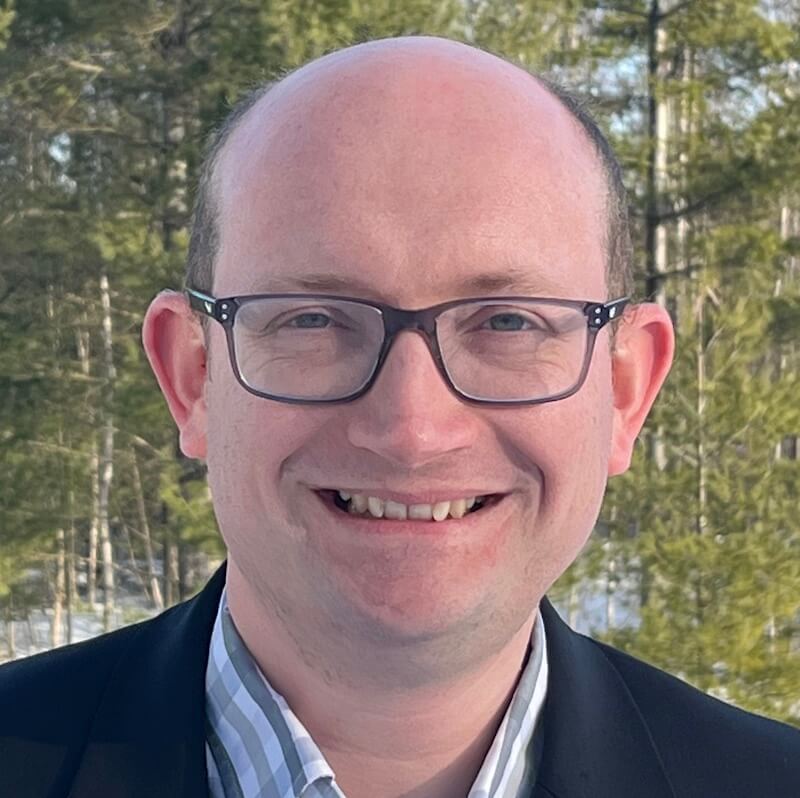
Paul François Ph.D.
Université de Montréal
Talk Title: Decoding high-dimensional immune information into a low-dimensional T cell activation manifold
Talk Abstract: T cells rapidly integrate complex environmental cues, yet how collective immune behavior emerges from single-cell activity remains unclear. We combine high-throughput robotics with machine learning to map T cell activation across millions of single cells and diverse ligand conditions. Using information-theoretic feature selection and supervised nonlinear embedding, we obtain a compact, low-dimensional representation of T cell responses that maximizes information about antigen identity and yields explicit decoding maps from marker patterns to functional outputs. This analysis reveals a combinatorial code in which a subset of markers encodes up to eight distinguishable activation categories, organized along an interpretable manifold that captures the hierarchical yet continuous nature of T cell activation. Together, our results provide a quantitative framework in which individual T cells imprint high-dimensional immune information into a simple geometric code.
Takashi Hiiragi Ph.D., M.D.
Hubrecht Institute
Talk Title: Embryo size control
Talk Abstract: Embryo growth is coordinated in space and time, resulting in precision and functionality despite natural or experimental variabilities in mouse development. However, the underlying control mechanisms remain elusive. Building on ex vivo systems that we developed to recapitulate peri-implantation embryogenesis, we study how cells sense embryo size and adjust its growth. I will discuss our ongoing work.
Allon Klein Ph.D.
Harvard University
Talk Title: The Problem(s) with Cellular Representation Learning
Talk Abstract: The promise of representation learning in biology is that it will identify constraints on cellular systems, giving us the relationship between system components, and predictions on cell behavior. Cell states are much harder to predict de novo than, say, molecular structure. I will use my talk to give examples of two problems with cellular representation learning, and some ideas for how to progress on them. The first problem is purely technical: measurements on cells are among the noisiest data types. Representation model performance follows a “noise-scaling” law across diverse data modalities, model architectures, and noise types. Noise scaling captures the problem we have. It should help principled decisions about experimental design and imaging and “omics” data acquisition. The second problem is the limited number of configurations in which we can observe cells, which limits generalization of representation models. Some novel technologies may enable studying large numbers of cell configurations and treatment histories, enabling combinatorially large surveys of treatment-response and cell-neighbor relationships.
Arthur Lander Ph.D., M.D.
University of California Irvine
Talk Title: How do biological systems counter “exponential” threats?
Talk Abstract: Some threats tend to grow exponentially: Examples in biology include spreading infection, cancer growth, and clonal succession (where abnormal cells replace their neighbors). Some of the most intractable common diseases reflect failures of our bodies to handle just these kinds of threats, so why hasn’t evolution programmed us to do better? I will argue the problem has to do with tradeoffs, which are especially problematic in epithelia (the tissues in which most cancers arise, and many infections spread). I will first talk about cancer initiation, and how it is likely driven not just by the accumulation of mutations (a cell autonomous random process) but also by inevitable (albeit rare) collective, stochastic escape from control processes that normally keep tissues in proliferative homeostasis. I will support this view through stochastic modeling and analysis of cancer relapse data. Then I will talk about “cell competition”, a seemingly universal phenomenon whereby epithelial cells attack and eliminate abnormal or unexpected neighbors. I will argue that a need to overcome tradeoffs explains an unexpected requirement for immune cell participation in cell competition. I will support this with data from new genetic experiments in fruit flies. Ultimately, I will suggest that, through an understanding of the generic constraints placed on biological systems by the need to counter exponential threats, we may find new and better approaches for arresting processes as diverse as autoimmunity, virus spread, sepsis, and cancer.
Matthias Lutolf Ph.D.
Roche Institute of Human Biology and EPFL
Talk Title: Engineering Organoids
Talk Abstract: Conventional organoids form through poorly understood morphogenetic processes in which initially homogeneous ensembles of stem cells spontaneously self-organize in suspension or within permissive three-dimensional extracellular matrices. Yet, the absence of virtually any predefined patterning influences such as morphogen gradients or mechanical cues results in an extensive heterogeneity. Moreover, the current mismatch in shape, size and lifespan between native organs and their in vitro counterparts hinders their even wider applicability. In this talk I will discuss some of our recent efforts in developing next-generation organoids that are assembled by guiding cell-intrinsic self-patterning through engineered stem cell microenvironments. I will also present recent examples of how we are using these engineered organoids for disease modeling.

L. (Maha) Mahadevan Ph.D.
Harvard University
Talk Title: Some physical aspects of morphogenesis
Talk Abstract: I will describe how simple geometrical ideas and physical principles associated with active growth and flow are beginning to help illuminate multicellular tissue morphogenesis in such instances as laying out the body plan, e.g. gastrulation, body elongation, and creating functional organs e.g. guts, brains, and beaks.
Yanlan Mao Ph.D.
MRC
Talk Title: How to build robust architecture: buffering mechanical noise during development and homeostasis
Talk Abstract: Mechanical forces are instrumental for morphogenesis. Yet organisms grow and self assemble robustly despite constant changes in mechanical forces from their environment. How is this robustness achieved? What are the in vivo forces and their time scales that animals experience? How are they buffered? Can we build new tools to answer this questions in living in vivo systems?
Ewa Paluch Ph.D.
University of Cambridge
Talk Title: Morphogenesis across scales: from cell shape to tissue organisation
Talk Abstract: A precise control of cell morphology is key for cell physiology, and cell shape deregulation is at the heart of many pathological disorders. Cell morphology is intrinsically controlled by mechanical forces acting on the cell surface, to understand shape it is thus essential to investigate the regulation of cellular mechanics. We combine approaches from physics and biology to understand how cellular mechanical properties drive cellular shape changes, the cross-talk between mechanics and state in cellular transitions, and how individual cell behaviours contribute to generating form and architecture in multicellular systems.
Nicoletta Petridou Ph.D.
EMBL
Talk Title: Timing, Noise and Collectives: How cell cycles shape the early embryo
Talk Abstract: Across several metazoans, early embryos exhibit a strikingly conserved slowing down of their cell duplication speed together with an increasing variability, despite widely varying developmental paces and underlying molecular mechanisms. Here we show that this universal behaviour arises because early development unfolds along a biochemical, not chronological, timescale, driven by the consumption of finite maternal resources coupled to Michaelis–Menten kinetics of the enzymatic reactions involved in cell division. This leads to a hyperbolic growth of the Cell Cycle Length (CCL), approaching a mathematical singularity. Data from diverse animals —cnidarians, nematodes, arthropods, molluscs, echinoderms, tunicates, amphibians and fish— collapse on a single curve, quantitatively predicting, not only CCL dynamics, but also related hallmarks of early metazoan developmental progression, including cell number evolution, CCL dependency on cell size and gastrulation timing, occurring at the predicted singularity. Alongside these deterministic dynamics, cell-to-cell heterogeneity in CCL arises from stochastic differences in resource allocation during cell divisions. Due to the underlying hyperbolic growth, the cell-to-cell differences in resource availability are inherited and deterministically amplified across generations, causing explosive but structured dynamics in cell cycle disorder. Our findings uncover how the interplay between deterministic resource constraints and optimal CCL variability drives the timing and collective mechanics of early vertebrate morphogenesis.

Rashmi Priya Ph.D.
Francis Crick Institute
Talk Title: Morphogenesis Mystery: How to build a beating heart
Talk Abstract: Organogenesis is a remarkably robust process, as it is critical for organismal growth and life. Yet, our understanding of how developing embryos reproducibly build organs with the right shape, size, and function remains limited. By combining the exceptional experimental tractability of zebrafish with interdisciplinary approaches, our lab seeks to address several fundamental questions, including 1) geometric control of morphogenesis, 2) how 3-D topological meshworks are shaped, constrained, and canalized, 3) mechano-adaptation of cells and nuclei under extreme mechanical deformation, and 4) morphogenesis and mechanics of organ scaling and regeneration. In this seminar, I will discuss some of our recent findings across these themes (PMID: 33208950, bioRxiv 2025.03.07.641942). The long-term goal of my lab is to uncover the design principles that govern the emergence of robust, functional organs during embryogenesis.
Alex Schier Ph.D.
Biozentrum
Talk Title: Global views of development
Talk Abstract: Progress in single-cell genomics, spatial transcriptomics, genome editing, live imaging and machine learning has generated large-scale, high-resolution atlases of development. While these efforts have generated much excitement, they have also raised the concern of “stamp collection”. I will present our recent progress in generating global views of embryogenesis and discuss how the exploration of atlases and gene regulatory networks can help provide conceptual advances.
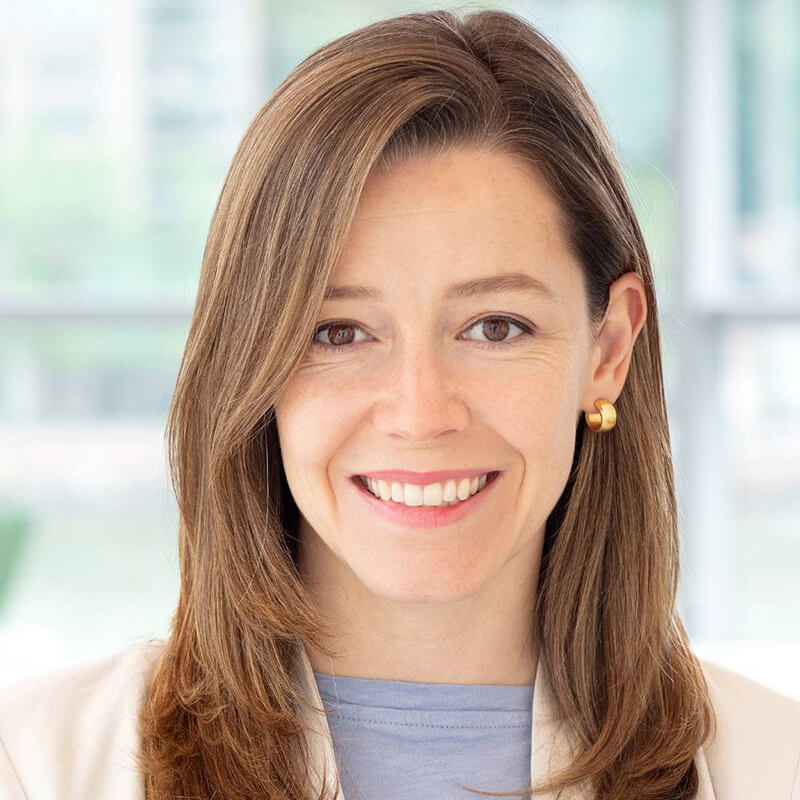
Amy Shyer Ph.D.
The Rockefeller University
Talk Title: Organic self-organization: Tissue symmetry breaking through cross-scale coupling of cell and supracellular structures
Talk Abstract: The term “self-organization” has become much more common in developmental biology over the past decade, potentially reflecting growing awareness that blueprint or code-based models, which treat cells as programmed or puppeteered, cannot fully capture the complexity and robustness of development. Our recent experiments on the initiation of limb skeletal pattern, showing how adjacent cartilage and soft tissue patterns emerge from a field of limb progenitors, highlight the need to conceptually clarify the particular ways organic systems self-organize that may be fundamentally distinct from physical self-organization seen in non-living systems. Physical self-organization relies on local component interactions that produce higher-order patterns. In contrast, organic self-organization involves reciprocal, mutually constituting causal relations between parts (cells) and the whole (supracellular structure). This cross-level coupling explains how tissues differentiate without relying on classical mechanisms like graded morphogen signaling.
Sebastian Streichan Ph.D.
University of California, Santa Barbara
Talk Title: Physics of living systems: From embryos to structured active matter
Talk Abstract: Morphogenesis, is a dynamic process that casts a cell collective, via growth and coordinated rearrangements into precisely shaped and structured units that we recognize as organs and bodies. Developmental biology uncovered much about genetic regulators that endow the embryonic cell collective with a sense of positional information. This internal coordinate system contains information that determines what kind of structure is built where. How shape and structure emerges remains an unsolved problem, that requires bridging the gap from the molecular level to the the organ scale. In the talk, I will discuss how we combine multi scale experimental tools, quantitative analysis, and simple theoretical frameworks to uncover the dynamic rules governing morphogenesis. I will highlight how tissue dynamics arise from the interplay between signaling pathways, geometry, and mechanical forces. In particular I will outline steps towards experimentally mapping the topography of the emerging attractor manifold underlying morphogenesis.

Mukund Thattai Ph.D.
NCBS
Talk Title: Affordance theory and the evolution of eukaryotic intracellular compartments
Talk Abstract: The vesicle traffic network–the collection of membrane-bound intracellular compartments coupled by vesicle-mediated cargo flows—is a hallmark of eukaryotic cellular complexity. The endoplasmic reticulum/nuclear envelope likely arose early in eukaryogenesis, but the evolutionary origins of the remaining compartments such as the Golgi apparatus and the endo-lysosomal system remain unclear. Here we model vesicle traffic networks as directed graphs, generated by molecular regulators of vesicle budding and fusion such as coat/adaptors and SNAREs. Computationally sampling billions of possible vesicle traffic networks, we find that the allowed graph topologies are rare and non-random. The duplication, deletion and mutation of molecular regulator genes lead to transitions in graph topology via the loss or gain of compartments and vesicle-mediated flows. Applying affordance theory to assign a fitness cost/benefit to each transition, we construct an explicit molecular-evolutionary landscape. Evolutionary trajectories are dominated by long neutral stretches punctuated by a sporadic transitions, and display aspects of exaptation, contingency and canalization. Our analysis suggests that the modern eukaryotic vesicle traffic network evolved from a simple proto-eukaryotic precursor in punctuated steps, driven by the gradual accumulation of millions of molecular changes.
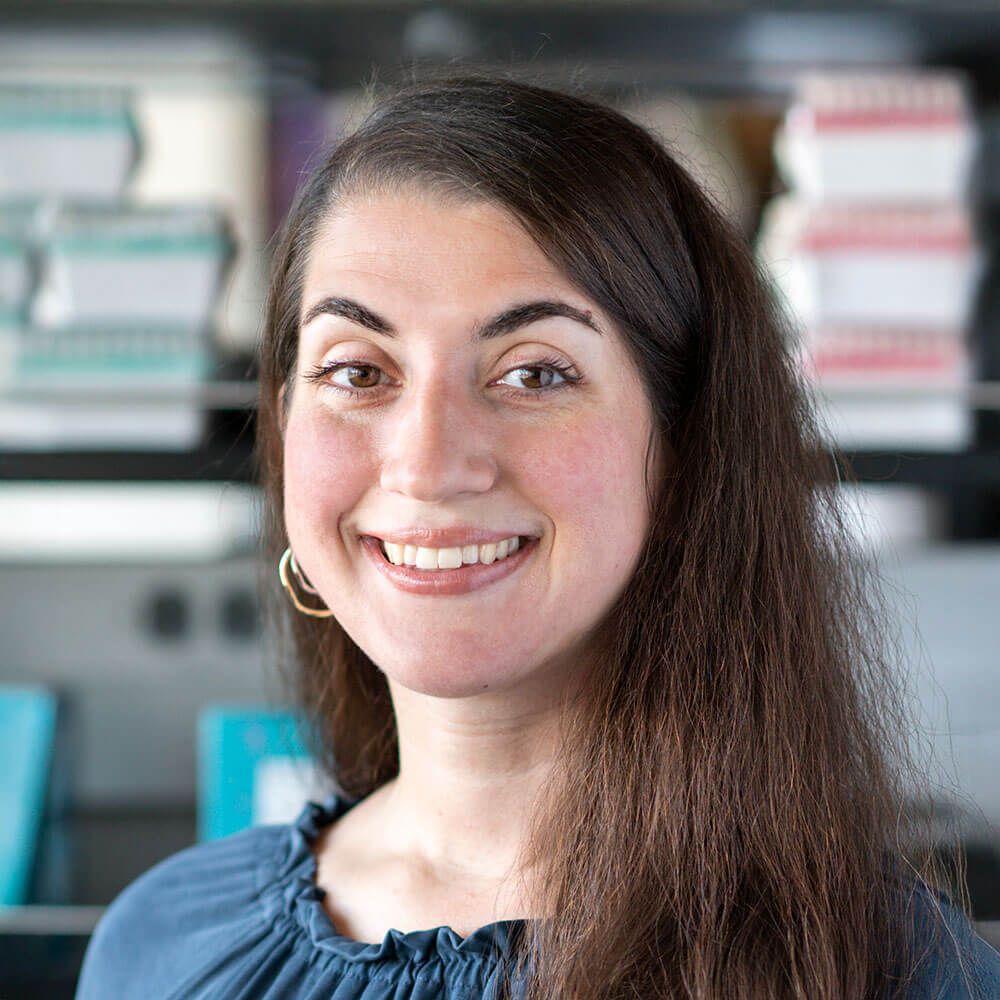
Christina Theodoris M.D., Ph.D.
Gladstone Institutes; University of California, San Francisco
Talk Title: Temporal AI models for programming cell state trajectories
Talk Abstract: Recently, foundational AI models have shown promise for predicting the impact of perturbations on cell states. However, current models typically consider only one cell state at a time, limiting their ability to learn how cellular responses unfold over time, particularly across long trajectories such as diseases of aging. To address this, we developed a temporal AI model, MaxToki, trained on nearly 1 trillion gene tokens including cell state trajectories across the human lifespan to generate cell states across long timelapses of human aging. MaxToki generalized to unseen trajectories through in-context learning and predicted novel age-modulating targets that were experimentally verified to influence age-related gene programs and functional decline. MaxToki represents a promising strategy for temporal modeling to accelerate the discovery of interventions for programming therapeutic cellular trajectories.
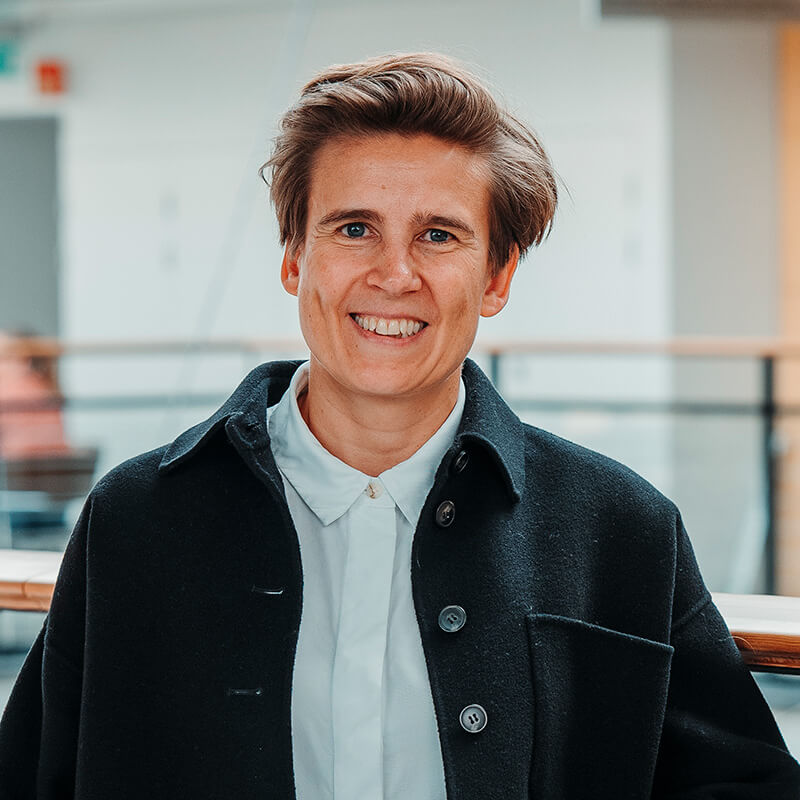
Sara Wickström Ph.D., M.D.
Max Planck Institute for Molecular Medicine
Talk Title: Mechanical regulation of cell states
Talk Abstract: The structure of tissues is tightly linked to their function. During formation of functional organs, large-scale changes in tissue elongation, stretching, compression, folding/buckling, and budding impact the shape, position, packing, and contractility state of cells. Conversely, changes in single cell contractility, shape and position locally alter tissue organization and mechanics. Thus, forces function as important ques that are transmitted to the nucleus to coordinate gene expression programs to control cell states. On the other hand, excessive mechanical stresses have the potential to damage cells and tissues. In my presentation I will discuss our recent research on how cells sense mechanical forces and how these mechanosignals are integrated with biochemical inputs to alter cell states in health and disease.