impact
impact
open science
subheadline
careers and opportunities
subheadline
people & teams
people & teams
subheadline
allenites
subheadline
allen institute advisors
subheadline
board of directors
subheadline
shanahan foundation fellowship
subheadline
next generation leaders
subheadline
research
overview
our approach
subheadline
publications
subheadline
open science
subheadline
accelerator
brain science
subheadline
cell science
subheadline
neural dynamics
subheadline
immunology
subheadline
synthetic biology
subheadline
education
education
science education
subheadline
education resources
subheadline
field trips
subheadline
open science
subheadline
open science quest
subheadline
news
news
stories
subheadline
podcast
subheadline
sign up for our newsletter
subheadline
events
events
all events
subheadline
conferences
subheadline
event code of conduct
subheadline
events
open science quest
subheadline
summer workshop on the dynamic brain
subheadline
open science week
subheadline
brain fest
subheadline
science resources
science resources
allencell.org
subheadline
allenimmunology.org
subheadline
allenneuraldynamics.org
subheadline
brain-bican.org
subheadline
brain-map.org
subheadline
microns-explorer.org
subheadline
impact
back to menu
impact
open science
subheading
careers and opportunities
subheading
people & teams
people & teams
subheading
allen institute advisors
subheading
board of directors
subheading
shanahan foundation fellowship
subheading
next generation leaders
subheading
research
back to menu
impact
Label
subheading
Label
subheading
people & teams
education
back to menu
research
Label
subheading
Label
subheading
Heading
news
back to menu
research
Label
subheading
Label
subheading
Heading
events
back to menu
research
Label
subheading
Label
subheading
Heading
science resources
back to menu
science resources
allencell.org
subheading
allenimmunology.org
subheading
allenneuraldynamics.org
subheading
brain-bican.org
subheading
brain-map.org
subheading
microns-explorer.org
subheading
search
research
immunology

cancer

understanding what goes wrong in the immune system — and how to set it right again
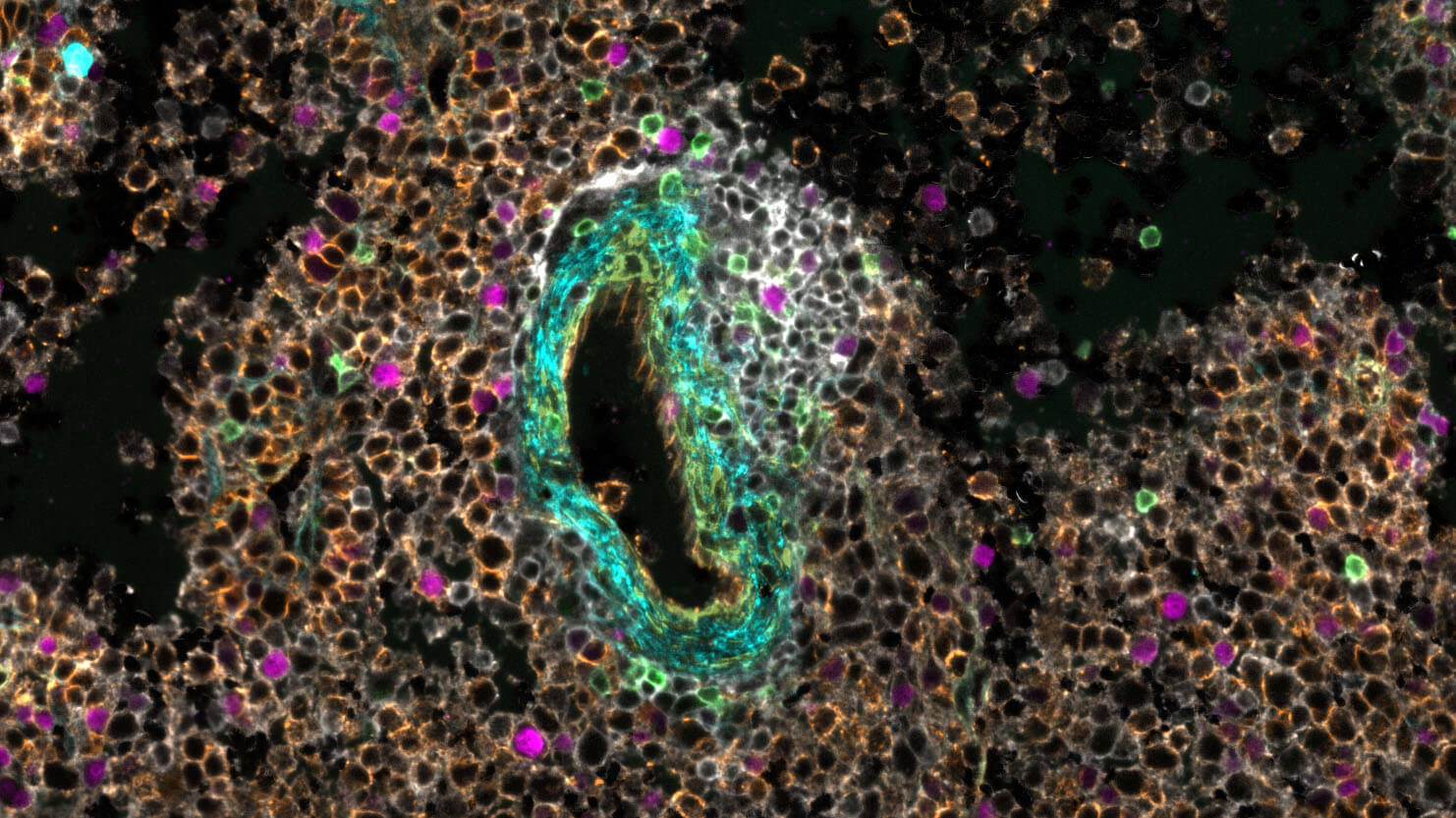
Plasmactoma cells with cyan and green highlighted structure in center

unlocking the immune system to fight cancer

Understanding how the immune system operates effectively—and what goes wrong when it doesn’t—is key to improving cancer treatment and prevention. In healthy bodies, the immune system detects and eliminates pre-cancerous cells, but cancer can evade these defenses, bypassing the immune system’s intricate layers of protection. Researchers at the Allen Institute for Immunology's Oncology team are focused on unraveling the immune malfunctions that contribute to cancers like multiple myeloma, aiming to identify new ways to restore immune function and improve patient outcomes.

‍

multiple myeloma: investigating a blood cancer’s immune evasion

Multiple myeloma is a type of blood cancer affecting plasma cells in the bone marrow, which are critical for producing immune cells. This blood cancer affects around 35,000 people in the U.S. each year and kills nearly 13,000. Current treatments for multiple myeloma have improved survival but the relapse (or recurrence) rate for the tumor is high, and 5-year survival is still only around 50%. Researchers are studying how this cancer evades the immune system and how it can persist at low levels for years before becoming more aggressive.

In collaboration with Fred Hutchinson Cancer Center, the Allen Institute team is analyzing how the immune system responds to treatments like autologous stem cell transplants, where a patient’s healthy cells are used to replace the cancerous ones. They aim to determine whether this approach “resets” the immune system and how the cancer manipulates immune defenses. These insights could pave the way for new therapies targeting this disease’s immune evasion tactics.

A focus on advancing treatment for Multiple Myeloma

As a hematologic malignancy, in which the tumor is an immune cell, growing in the presence of an otherwise intact immune system, multiple myeloma offers unique opportunities to uncover basic immunologic principles. The Oncology Program is focused on understanding the heterogeneity of malignant plasma cells between patients and on defining how these differ biologically from long-lived bone marrow plasma cells in healthy individuals. Some of these tumor cells exhibit the ability to establish and maintain themselves outside the bone marrow niche as plasmacytomas, providing an opportunity to discover key molecular features of the microenvironment that can support plasma cell growth and survival. The researchers are also working to understand the impact of the tumor and treatments on the overall immune state of patients before and after initiation of therapy.
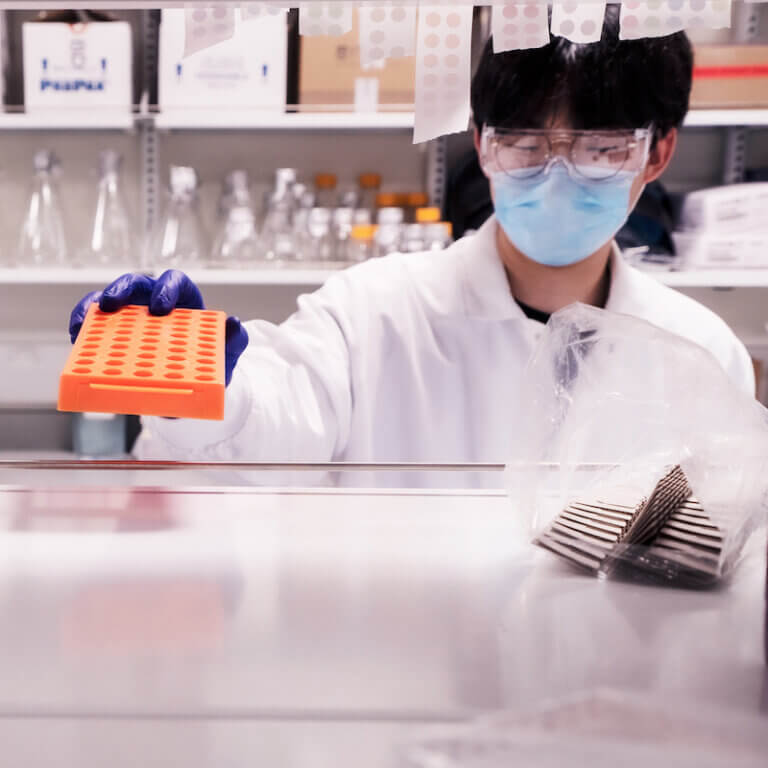
Laboratory scientist in white coat and mask holds orange sample tray in sterile lab environment
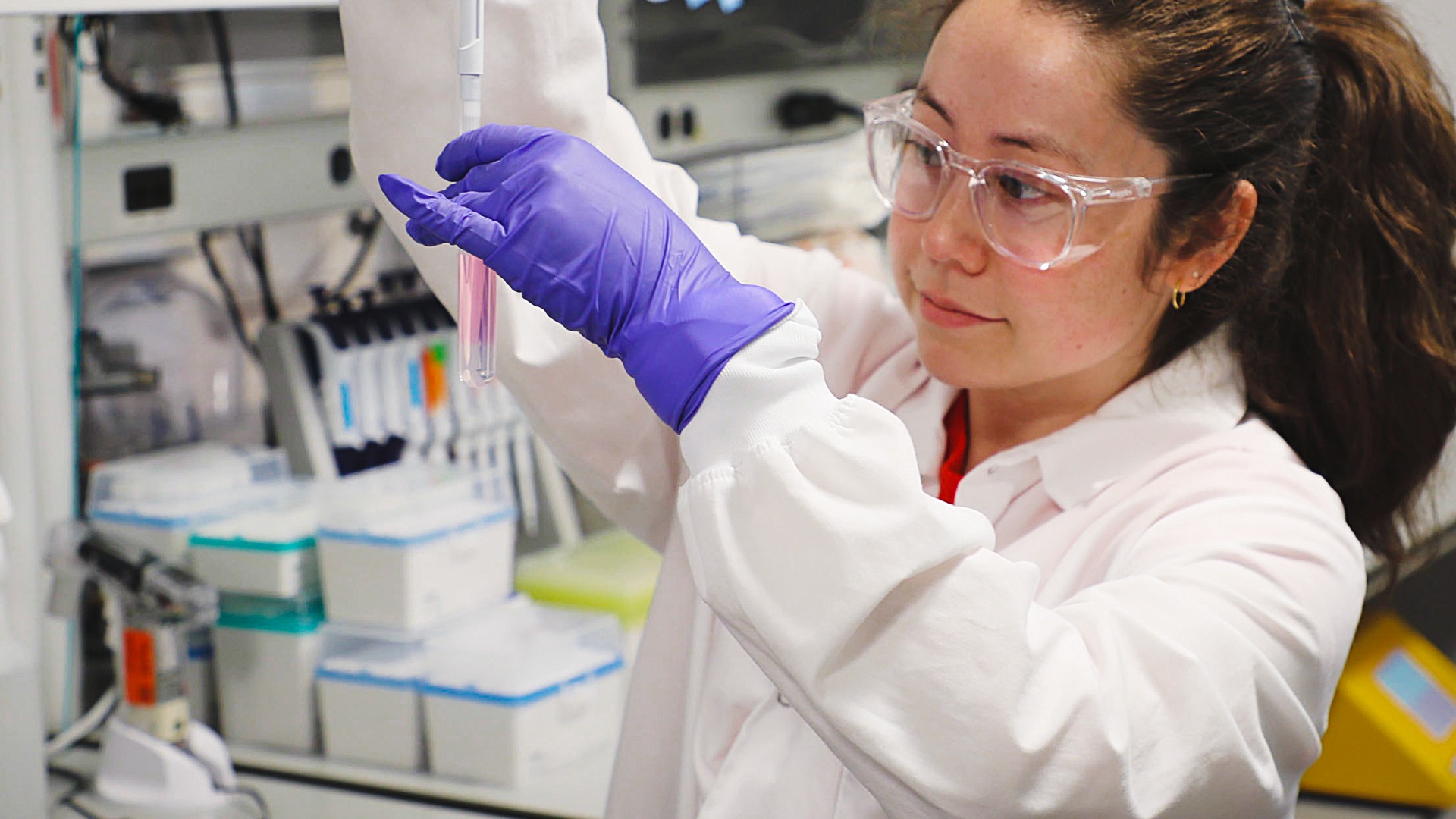
Researcher working at the Allen Institute for Immunology

related news

explore more news
news 
Designing better weapons to fight prostate cancer
New study unlocks key insights that could help develop next-generation immunotherapies
news 
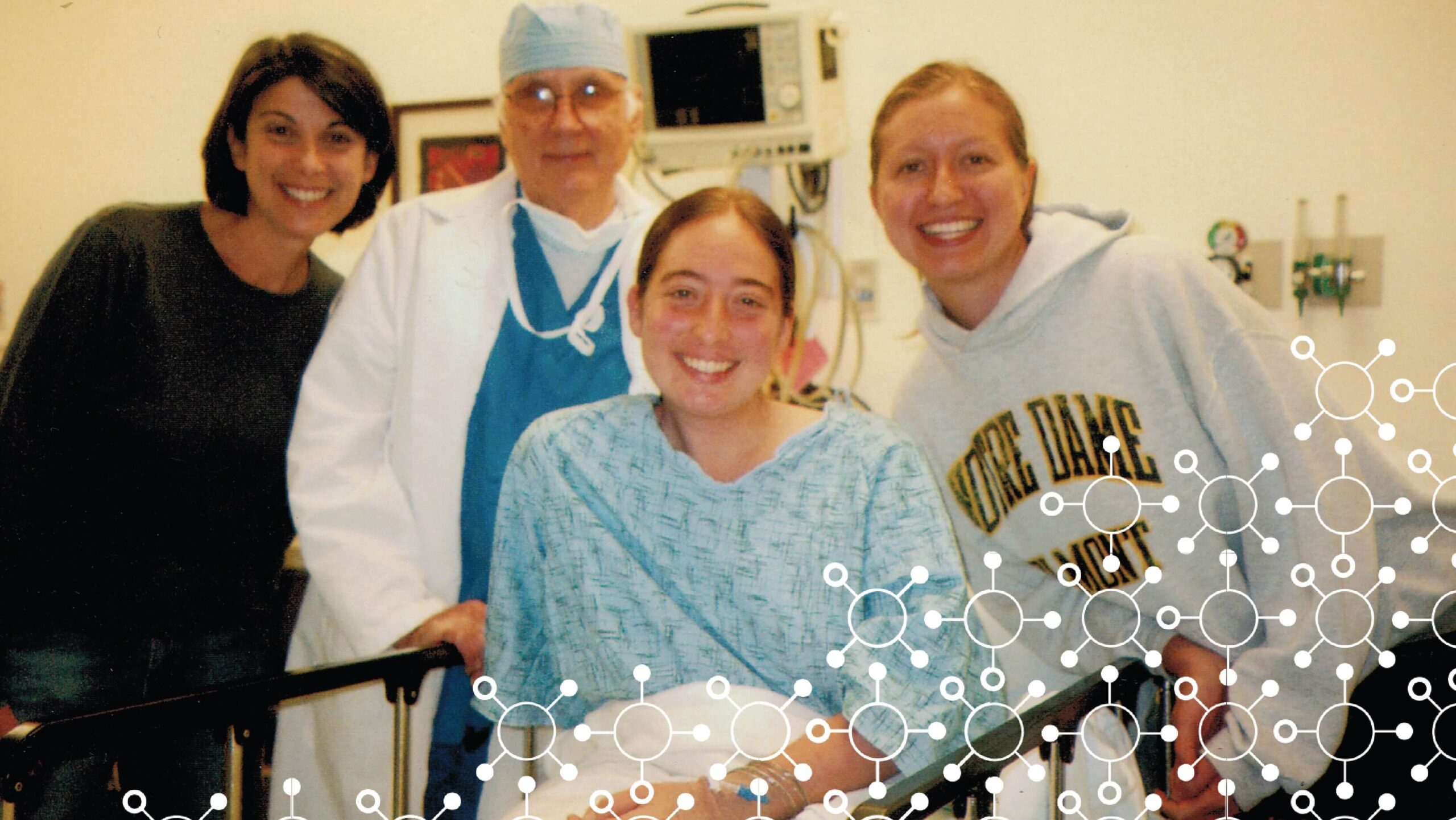
Out of Balance | Sarah’s experience with multiple myeloma
Sarah Kaufmann-Fink was diagnosed with cancer as a college student. 17 years and one relapse later, she’s pushing for more research.
news 
Brain Tumor Atlas Published in the Journal Science
Researchers around the world use publicly available Ivy Glioblastoma Atlas Project to investigate aggressive brain cancer

autoimmunity team

Melinda Angus-Hill
Scientist, Sr.
we acceleratedevelopcatalyzeimpact

science done differently. shared with the world.

explore our accelerators

brain science

Mapping every cell, connection, and circuit in the brain—openly shared with the world.

cell science

Decoding how cells become tissues, then programming that knowledge into powerful new research tools.

neural dynamics

Revealing the brain's hidden algorithms that transform neural activity into real-world behavior.

immunology

Creating the deepest open reference for the healthy human immune system ever built.

synthetic biology

Engineering cells to record their own histories, transforming how we understand disease over time.

research

Big questions, open answers, and science built to be shared.

education

Inspiring the next generation of scientists through open science resources.

impact

Our science is empowering researchers and advancing health worldwide.
advancing science through open, collaborative research
Get the allen institute newsletter
Stay informed on the latest breakthroughs in neuroscience, bioscience, and AI-driven research.
allen institute
impactpeople & teamscareers & opportunitiesalumnihistory & founder
science resources
allencell.orgallenimmunology.orgallenneuraldynamics.orgbrain-bican.orgbrain-map.orgmicrons-explorer.org
research
brain sciencecell scienceneural dynamicsimmunologysynthetic biologypublications
education
science educationfield tripsprofessional developmenteducation resources
quick links
newseventsopen sciencepodcastscience resourceshuman brain donationvisit uscontact
follow us/

allen institute, 615 Westlake Ave North, Seattle, WA 98109 +12065487055

© 0000 allen institute. all rights reserved.
privacy policyterms of usecitation policyemployee portalpolicy & compliance