impact
about
our story
explore our impact
careers and opportunities
join us
open science
sharing science to speed discovery
open science week
celebrating open science
team science
people & teams
discovery is a team effort
allenites
the people who make our work possible
advisors
their input shapes our science
board of directors
they help us fulfill our mission
shanahan foundation fellowship
at the interface of data and neuroscience
next generation leaders
fostering emerging leaders in bioscience
research
overview
our approach
science at the scale of greatest impact
publications
explore our publications
open science
sharing science to speed discovery
science accelerators
brain science
building a blueprint of the brain
cell science
understanding how cells become organs
neural dynamics
revealing the brain’s hidden algorithms
immunology
creating the ultimate immune system reference
synthetic biology
seattle hub for synthetic biology
education
overview
science education
science is for everyone
open science
sharing science speeds discovery
engagement
education resources
real science. real skills.
field trips
experience science where it happens
educator development
empowering educators
news
overview
all news
explore the latest news
podcast
the human stories behind discovery
sign up for our newsletter
stay connected to our science
events
overview
all events
public engagement, workshops, seminars and more
conferences
connect with us
science resources
science resources
allencell.org
allenimmunology.org
allenneuraldynamics.org
brain-bican.org
brain-map.org
microns-explorer.org
impact
back to menu
team science
our story
explore our impact
careers and opportunities
join us
open science
sharing science to speed discovery
open science week
celebrating open science
team science
people & teams
discovery is a team effort
allenites
the people who make our work possible
advisors
their input shapes our science
board of directors
they help us fulfill our mission
shanahan foundation fellowship
at the interface of data and neuroscience
next generation leaders
fostering emerging leaders in bioscience
research
back to menu
overview
our approach
science at the scale of greatest impact
publications
explore our publications
open science
sharing science to speed discovery
science accelerators
brain science
building a blueprint of the brain
cell science
understanding how cells become organs
neural dynamics
revealing the brain’s hidden algorithms
immunology
creating the ultimate immune system reference
synthetic biology
seattle hub for synthetic biology
education
back to menu
overview
science education
science is for everyone
open science
sharing science speeds discovery
engagement
education resources
real science. real skills.
field trips
experience science where it happens
educator development
empowering educators
news
back to menu
overview
all news
explore the latest news
podcast
the human stories behind discovery
newsletter
stay connected to our science
events
back to menu
overview
all events
public engagement, workshops, seminars and more
conferences
connect with us
science resources
back to menu
science resources
allencell.org
allenimmunology.org
allenneuraldynamics.org
brain-bican.org
brain-map.org
microns-explorer.org
search
news

Collaboration Expands Research Tool to Help Crack the Code on Parkinson’s and Other Neurodegenerative Diseases

A new view of Parkinson's Disease

July 16, 2025
 min read
share/
A new view of Parkinson’s disease
Thank you! Your submission has been received!
Oops! Something went wrong while submitting the form.

in this article

table of contents will display on published page only
set h2 to populate the table of contents here

ASAP and Allen Institute are teaming up to help researchers unlock insights into Parkinson’s and other neurodegenerative diseases. Through this collaboration, we are uniting Collaborative Research Network (CRN) Cloud data from 3 million human cells across 9 brain regions from individuals with Parkinson’s into the Allen Brain Cell (ABC) Atlas visualization tool, which already contains 6.4 million human cells.
crncloud ASAP data platform logo next to Allen Institute logo

This data expansion is an increase of nearly 50%, and marks the first time data from patients with Parkinson’s disease is included in the ABC Atlas.

Explore the expanded, open-access ABC Atlas today!

Keep reading to learn more details about this new effort.

What are the specifics of the collaboration?
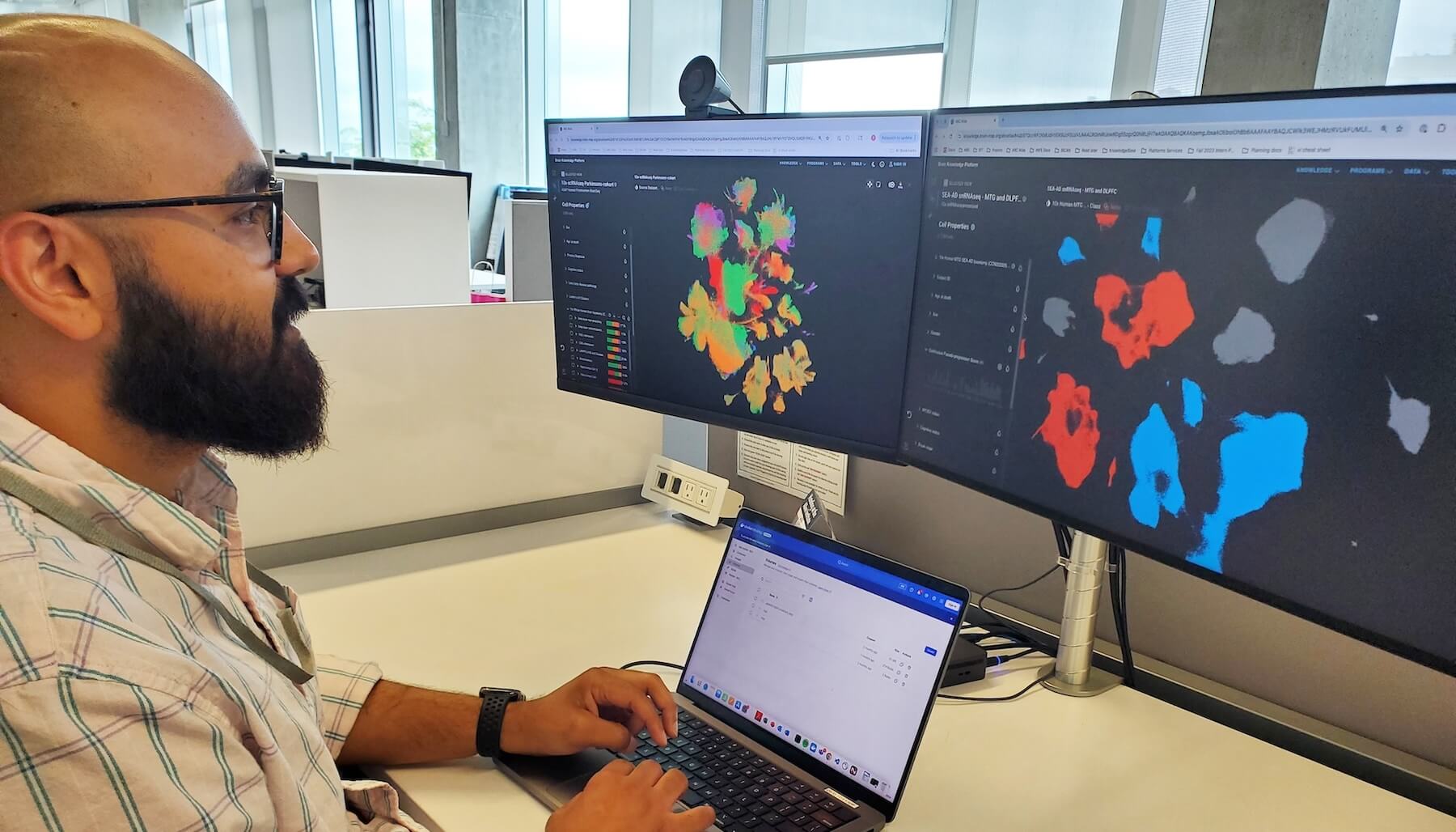
Man with glasses works at laptop viewing colorful data visualizations on dual monitors in office.
Prajal Bishwakarma, a scientific data engineer at the Allen Institute, analyzes new Parkinson’s data from the Aligning Science Across Parkinson’s initiative, which is now available in the Allen Institute’s Allen Brain Cell Atlas.

Through an expanded research tool, we are uniting data from millions of human brain cells to help researchers explore the brain at unprecedented resolution using a common language for labeling cell types – key to accelerating discovery.

In this way, researchers who access the ABC Atlas, which provides intuitive data visualization and exploration tools for scientists to find, analyze, and understand brain cell types and gene expression, can now explore curated omics data from the ASAP CRN Cloud global hub.

ASAP is also working with The Michael J. Fox Foundation for Parkinson’s Research (MJFF) to implement its programs and manage the performance of the CRN Cloud

What inspired ASAP and Allen Institute to pursue this collaboration?
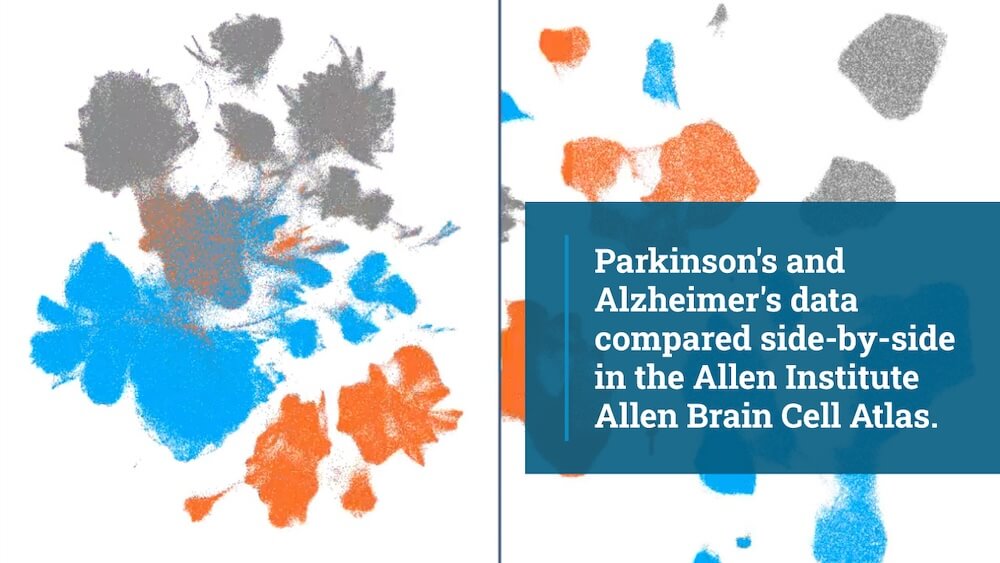
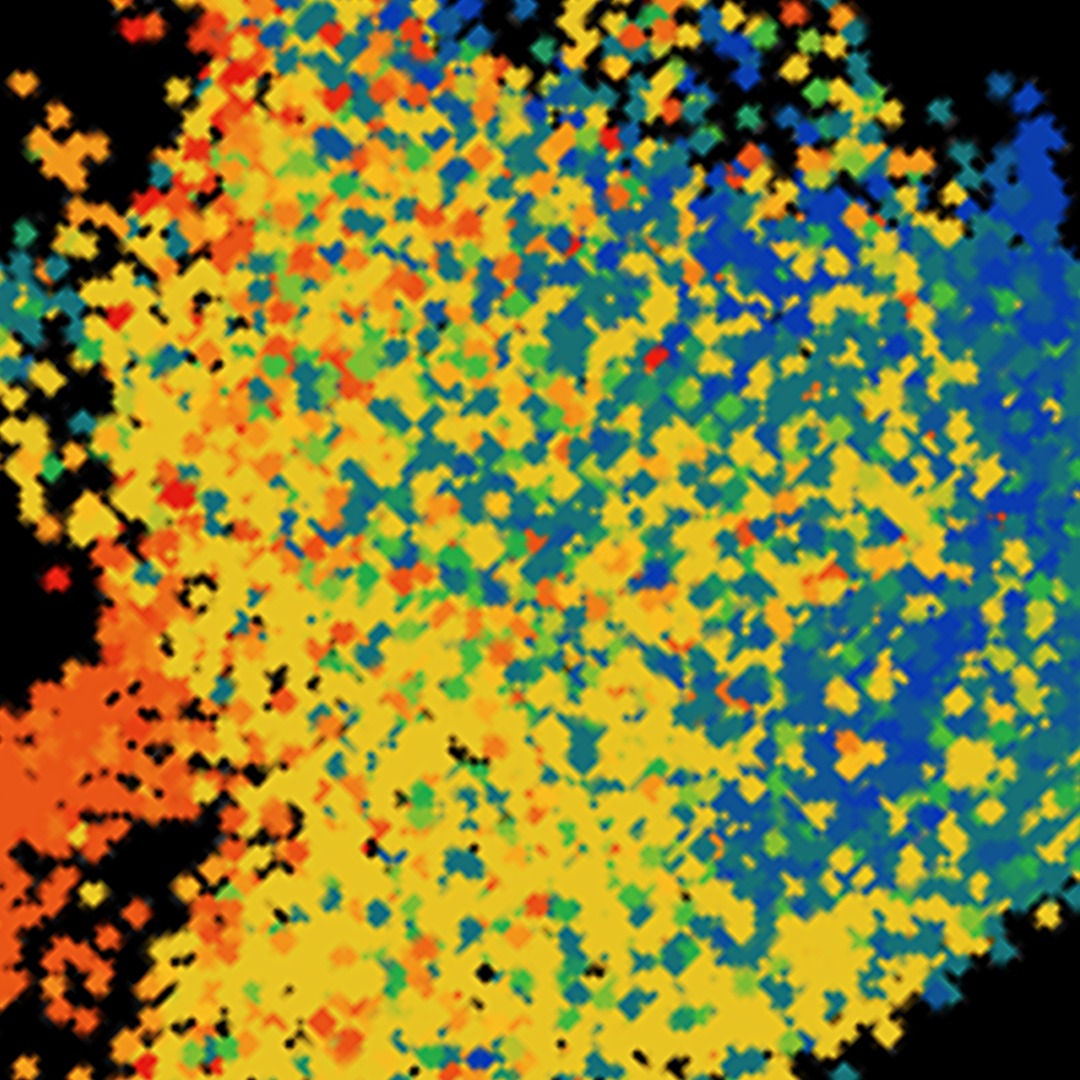
Brain cell atlas comparing Parkinson's and Alzheimer's disease data visualizations in blue and orange

Our two organizations have a shared vision to advance discoveries and breakthroughs in neuroscience through collaboration and open-access data sharing.

Understanding the brain and neurodegenerative diseases is complex because conditions like Parkinson’s and Alzheimer’s disrupt the brain’s intricate systems by altering gene expression, neural connectivity, and cellular function in ways that we still do not fully understand. At the same time, new findings highlight that neurodegenerative diseases have many clinical similarities, including difficulties with movement, changes in cognition, sleep disturbances, and autonomic symptoms, and may also share underlying pathobiology.

We believe that by adding high-value datasets from postmortem human brains to the ABC Atlas, researchers can better examine the relationship between Parkinson’s, Alzheimer’s, and other neurodegenerative disorders.

What goals do ASAP and Allen Institute hope to achieve together?

Alzheimer’s disease and Parkinson’s disease are the most common and fastest-growing neurodegenerative conditions worldwide. With this collaboration, researchers can access cross-disease data and a shared system for labeling cell types, which will allow them to unlock deeper insights into how cells, brain anatomy, and neurodegenerative conditions intersect. Ultimately, we aim to pave the way for the discovery of new biomarkers and more effective treatments of neurodegenerative diseases like Parkinson’s.

Why is postmortem brain data important to Parkinson’s research?

Postmortem human brain samples are a rare and precious resource, critical for advancing our understanding of neurodegenerative diseases like Parkinson’s. These samples are costly and time-intensive to collect and manage, which makes them especially valuable for scientific study.

Over the years, these brain samples have been instrumental in numerous discoveries in neuroscience. For example, the discovery that dopamine-producing neurons are the ones affected in Parkinson’s was first identified in postmortem brain tissue. This finding led to targeted therapies – including the development of dopamine replacement therapies, like L-dopa, the only effective treatment for Parkinson’s – and identifying biomarkers for disease diagnosis.

Because of this, it is vital that researchers have continued access to these samples and the ability to analyze the original brain data. When we at ASAP first launched the CRN Cloud platform in 2024, we believed that access to scarce patient brain samples would be a catalyst for discovery.

Why is it important to create a “common language” across neuroscience fields?
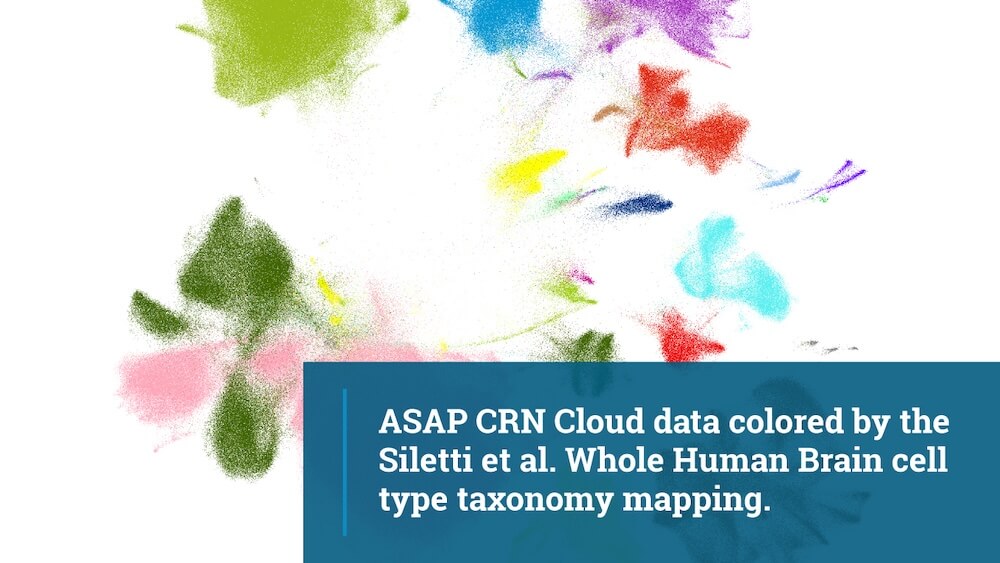
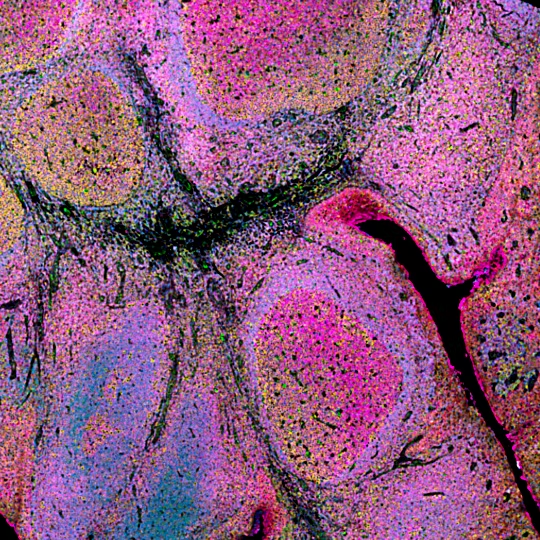
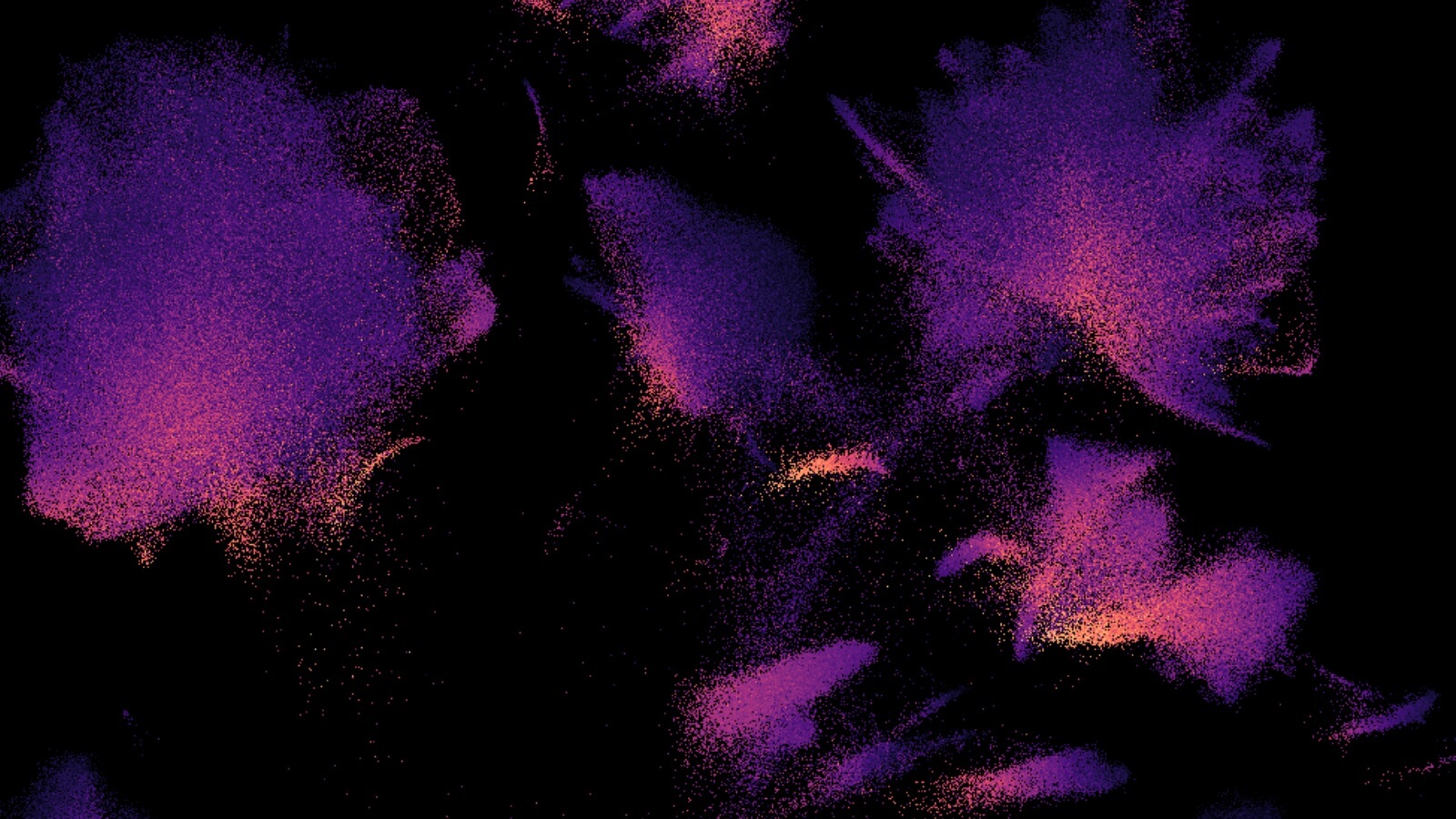
ASAP CRN cloud data visualization colored by Siletti whole human brain cell type taxonomy mapping

We believe that when researchers in the neuroscience community can collaborate with one another using open-access tools, they can unlock insights into how cell types, brain anatomy, and neurodegenerative diseases are connected.

Historically, labs and researchers have used different frameworks and data formats in their research, which makes it difficult for researchers to quickly analyze and understand the published findings. By harmonizing data and using a common language for labeling cell types, we’re setting a new standard for researchers to define and visualize different cell types of the brain.

How do you envision researchers leveraging this new collaboration within their everyday research?

This collaboration gives researchers access to precious brain data they may not have had before. Not only will researchers be able to access the data, but they can also use Allen Institute’s newly developed high-resolution maps to gain deeper insights into gene expression changes that affect specific brain cell types that are impacted by neurodegenerative disease. Researchers will also be able to quickly compare datasets from patients with Parkinson’s with datasets from patients with Alzheimer’s and healthy individuals using the ABC Atlas.

How can researchers access the data/tool?

Researchers interested in accessing this comprehensive visualization tool should visit https://portal.brain-map.org/atlases-and-data/bkp/abc-atlas/asap-parkinsons.

Citations
No items found.

about the allen institute

The Allen Institute is an independent, 501(c)(3) nonprofit research organization founded by philanthropist and visionary, the late Paul G. Allen. The Allen Institute is dedicated to answering some of the biggest questions in bioscience and accelerating research worldwide. The Institute is a recognized leader in large-scale research with a commitment to an open science model. For more information, visit alleninstitute.org.
related news

all news
news
“Computational crystal ball” helps predict cell behavior
New technology could lead to better treatments for cancer by allowing scientists to perform virtual experiments
news
Neuropixels Opto sheds new light into deepest regions of the brain
A single tool measures and manipulates brain cell communication and democratizes advanced neuroscience
news
Mind trip: How psilocybin changes the brain
New research may help improve psychedelic therapy for neuropsychiatric disorders
news
Computer model predicts aspects of cognitive performance
The Allen Human Brain Atlas helped researchers design a model that looked at “intrinsic neural timescales”
news
Scientists develop new way to “listen in” on the brain’s hidden language
Paradigm-shifting technology is changing how researchers do neuroscience
news
Allen Institute scientists igniting curiosity of young minds
Students at the University of Puget sound are gaining valuable real-world insight and training using the Allen Institute's cutting edge resources and...
we acceleratedevelopcatalyzeimpact

science done differently. shared with the world.

explore our accelerators

brain science

Mapping every cell, connection, and circuit in the brain—openly shared with the world.

cell science

Decoding how cells become tissues, then programming that knowledge into powerful new research tools.

neural dynamics

Revealing the brain's hidden algorithms that transform neural activity into real-world behavior.

immunology

Creating the deepest open reference for the healthy human immune system ever built.

synthetic biology

Engineering cells to record their own histories, transforming how we understand disease over time.

research

Big questions, open answers, and science built to be shared.

education

Inspiring the next generation of scientists through open science resources.

impact

Our science is empowering researchers and advancing health worldwide.
advancing science through open, collaborative research
Get the allen institute newsletter
Stay informed on the latest breakthroughs in neuroscience, bioscience, and AI-driven research.
allen institute
impactpeople & teamscareers & opportunitiesalumnihistory & founder
science resources
allencell.orgallenimmunology.orgallenneuraldynamics.orgbrain-bican.orgbrain-map.orgmicrons-explorer.org
research
brain sciencecell scienceneural dynamicsimmunologysynthetic biologypublications
education
science educationfield tripsprofessional developmenteducation resources
quick links
newseventsopen sciencepodcastscience resourceshuman brain donationvisit uscontact
follow us/

allen institute, 615 Westlake Ave North, Seattle, WA 98109 +12065487055

© 0000 allen institute. all rights reserved.
privacy policyterms of usecitation policyemployee portalpolicy & compliance