
impact
about
our story
explore our impact
careers and opportunities
join us
open science
sharing science to speed discovery
open science week
celebrating open science
team science
people & teams
discovery is a team effort
allenites
the people who make our work possible
advisors
their input shapes our science
board of directors
they help us fulfill our mission
shanahan foundation fellowship
at the interface of data and neuroscience
next generation leaders
fostering emerging leaders in bioscience
research
overview
our approach
science at the scale of greatest impact
publications
explore our publications
open science
sharing science to speed discovery
science accelerators
brain science
building a blueprint of the brain
cell science
understanding how cells become organs
neural dynamics
revealing the brain’s hidden algorithms
immunology
creating the ultimate immune system reference
synthetic biology
seattle hub for synthetic biology
education
overview
science education
science is for everyone
open science
sharing science speeds discovery
engagement
education resources
real science. real skills.
field trips
experience science where it happens
educator development
empowering educators
news
overview
all news
explore the latest news
podcast
the human stories behind discovery
sign up for our newsletter
stay connected to our science
events
overview
all events
public engagement, workshops, seminars and more
conferences
connect with us
science resources
science resources
allencell.org
allenimmunology.org
allenneuraldynamics.org
brain-bican.org
brain-map.org
microns-explorer.org
impact
back to menu
team science
our story
explore our impact
careers and opportunities
join us
open science
sharing science to speed discovery
open science week
celebrating open science
team science
people & teams
discovery is a team effort
allenites
the people who make our work possible
advisors
their input shapes our science
board of directors
they help us fulfill our mission
shanahan foundation fellowship
at the interface of data and neuroscience
next generation leaders
fostering emerging leaders in bioscience
research
back to menu
overview
our approach
science at the scale of greatest impact
publications
explore our publications
open science
sharing science to speed discovery
science accelerators
brain science
building a blueprint of the brain
cell science
understanding how cells become organs
neural dynamics
revealing the brain’s hidden algorithms
immunology
creating the ultimate immune system reference
synthetic biology
seattle hub for synthetic biology
education
back to menu
overview
science education
science is for everyone
open science
sharing science speeds discovery
engagement
education resources
real science. real skills.
field trips
experience science where it happens
educator development
empowering educators
news
back to menu
overview
all news
explore the latest news
podcast
the human stories behind discovery
newsletter
stay connected to our science
events
back to menu
overview
all events
public engagement, workshops, seminars and more
conferences
connect with us
science resources
back to menu
science resources
allencell.org
allenimmunology.org
allenneuraldynamics.org
brain-bican.org
brain-map.org
microns-explorer.org
search
news

Designing better weapons to fight prostate cancer

New study unlocks key insights that could help develop next-generation immunotherapies

April 8, 2026
3 min read
share/
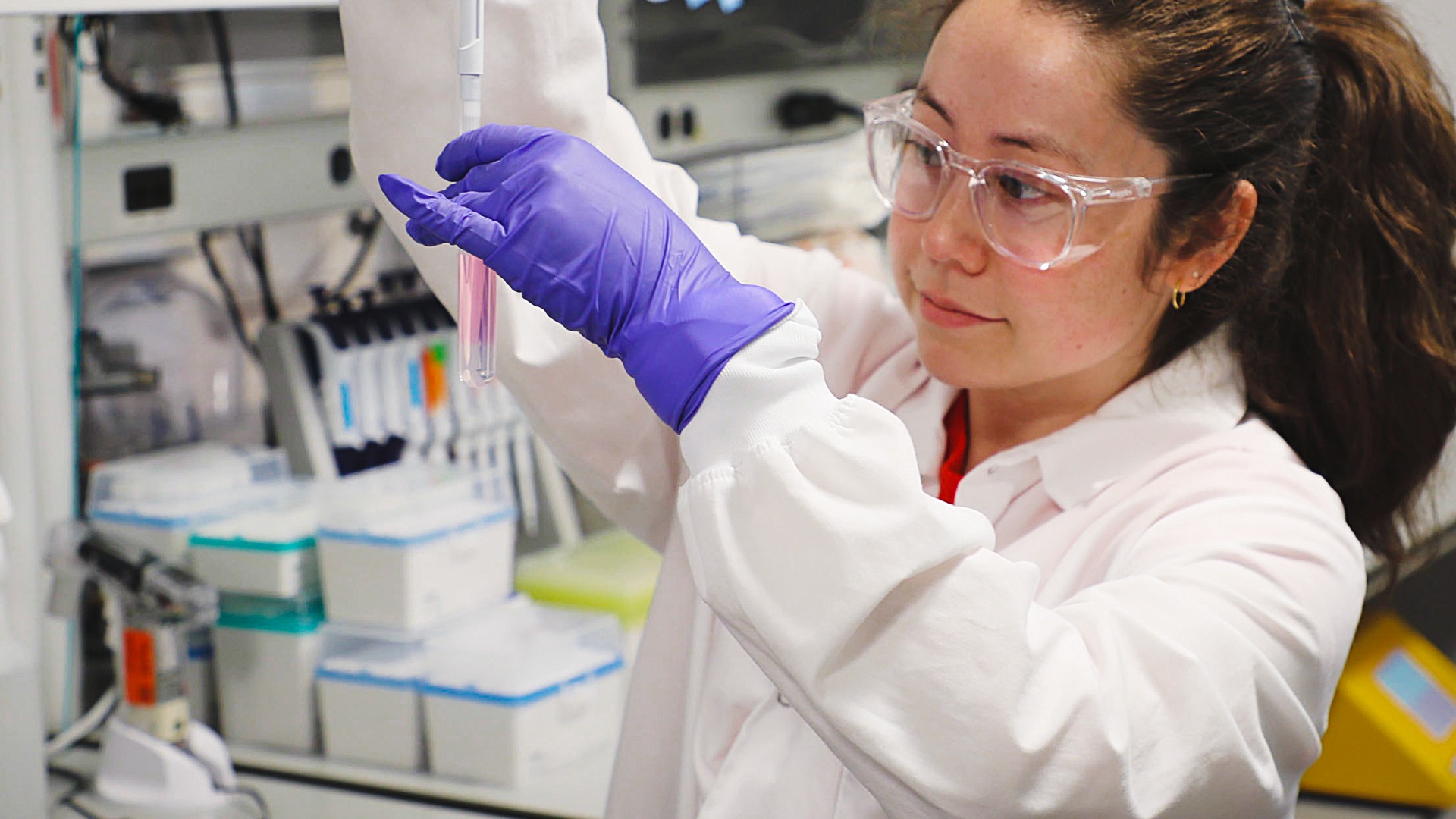
Kennidy Takehara, Ph.D., researcher at the Allen Institute
New study unlocks key insights that could help develop next-generation immunotherapies
Thank you! Your submission has been received!
Oops! Something went wrong while submitting the form.

in this article

table of contents will display on published page only
set h2 to populate the table of contents here

authors

Peter Kim
Associate Director, Communications & Media Relations

Prostate cancer is one of the most common cancers in men worldwide. While treatments can be effective early on, advanced disease is often difficult to control. One of the key weapons in fighting cancer, immunotherapy, hasn’t been very effective in the prostate. Immunotherapy harnesses the body’s own immune cells to fight tumors. These sentinels roam the body through the bloodstream to keep you healthy, attacking pathogens, viruses, and malfunctioning cells that turn into cancer.

Colorful medical scan showing cellular structures and tissue composition in vibrant neon colors
E-Cadherin (red) and CD8 T cells (yellow) highlights the glandular structure of the prostate and the discrete tissue regions (Photo credit: Violante Olivari)

A new study in the journal Immunity reveals that the prostate has its own defense force and unlocks key insights into how this army of cells, known as tissue-resident memory CD8 T cells, or Trm cells, works.

“We found that different types of T cells live in different areas, or neighborhoods, within the tissue, and where they live determines how they behave,” said Kennidy Takehara, Ph.D., scientist at the Allen Institute and lead study author. “This is important because these long-lived immune cells can help recognize and fight cancer. By understanding what helps these cells survive and function, we may be able to design therapies that boost the body’s own immune response against prostate tumors.”

What did researchers discover about Trm cells?

Researchers at the Allen Institute; University of California, San Diego Moores Cancer Center; and La Jolla Institute for Immunology discovered that Trm cells act differently depending on where they lived inside the prostate. Like real estate, location matters.

The prostate is made up of two distinct neighborhoods: the epithelial glands, where the organ’s primary work occurs, and the stroma, the connective tissue scaffold that holds everything together.

The Trm cells located near the glands were more cytotoxic and associated with active immune defense; in other words, they were the enforcers doing the fighting and killing cancerous cells and viruses.
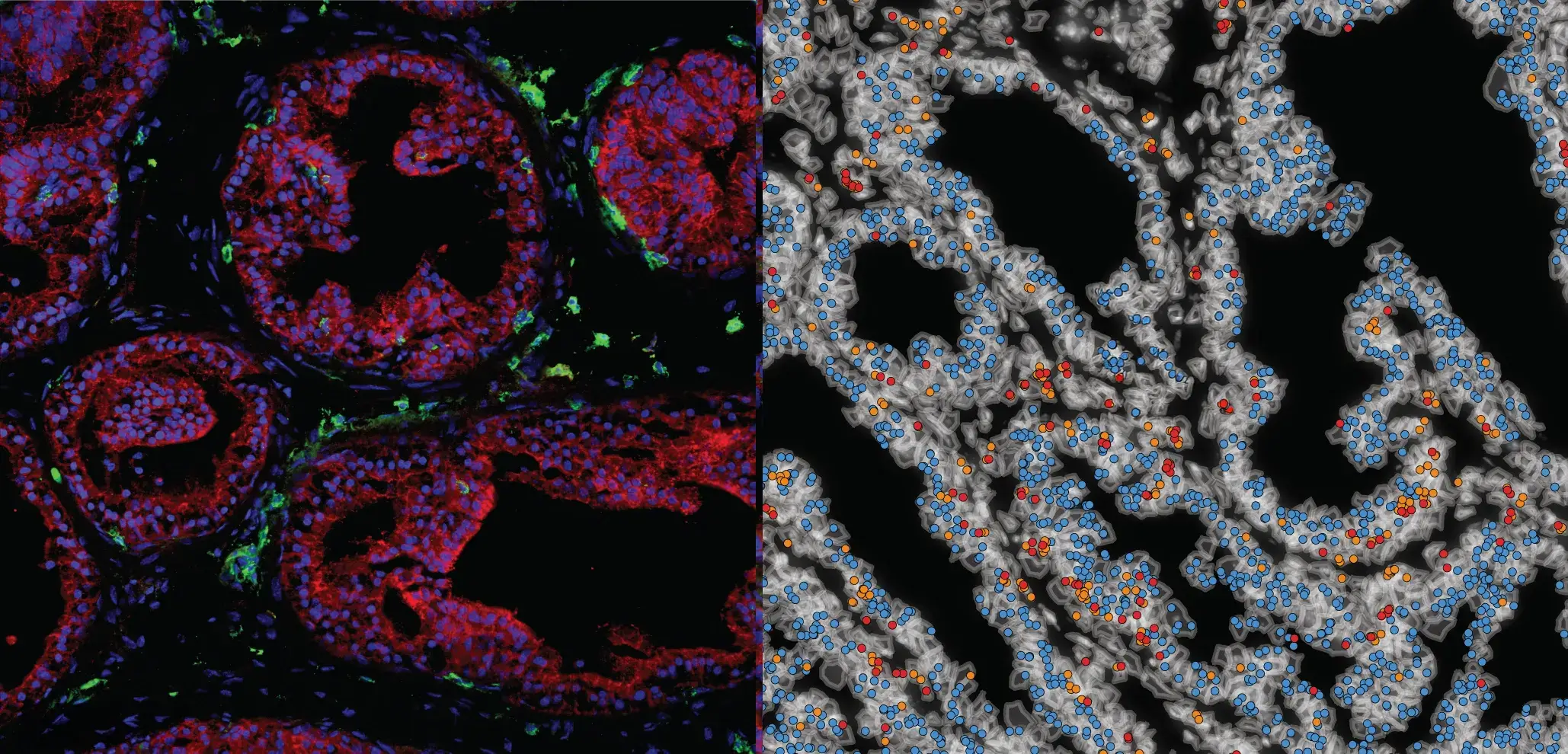
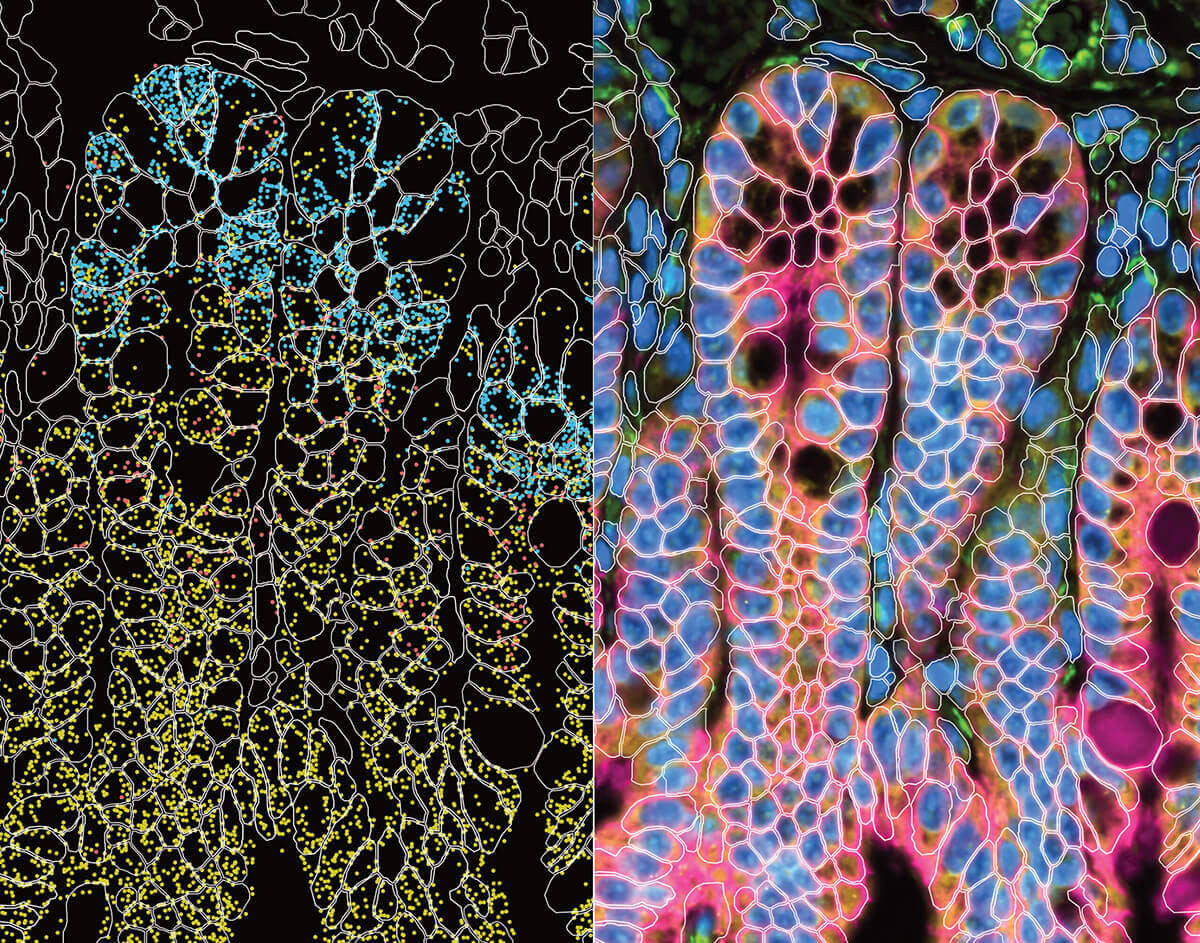
Fluorescent microscopy showing tissue cells with colored markers overlaid on grayscale anatomical structure.
Confocal microscopy of murine prostates (left) and image of Xenium-based spatial transcriptomics in the mouse prostate (right). Cd8a (orange), Cd8b1 (red), and Epcam (blue) transcripts are shown

The Trm cells in the stromal regions played a more strategic and supportive role in immune defense. They were able to recognize, or “remember,” past infections or pathogens and trigger an immune response when the same invader was encountered again—even transforming into fighting immune cells that helped clear infection or cancer.

“This study provides a key framework for understanding prostate T cell immunity. Going forward, we are committed to understanding how to leverage these insights in the context of prostate cancer and cancer immunotherapies,” says Miguel Reina-Campos, Ph.D., co-senior author of the study and assistant professor at La Jolla Institute for Immunology.

Why this matters for cancer immunotherapy

Why does immunotherapy work for some cancers but fail in the prostate? The answer may lie in “location, location, location.” Scientists discovered that T cells behave differently based on which prostate neighborhood they lived in. This means that in the future, researchers might be able to tailor treatments relative to where a tumor is located within the body, ensuring the immune cells are “tuned” to the right frequency to attack.
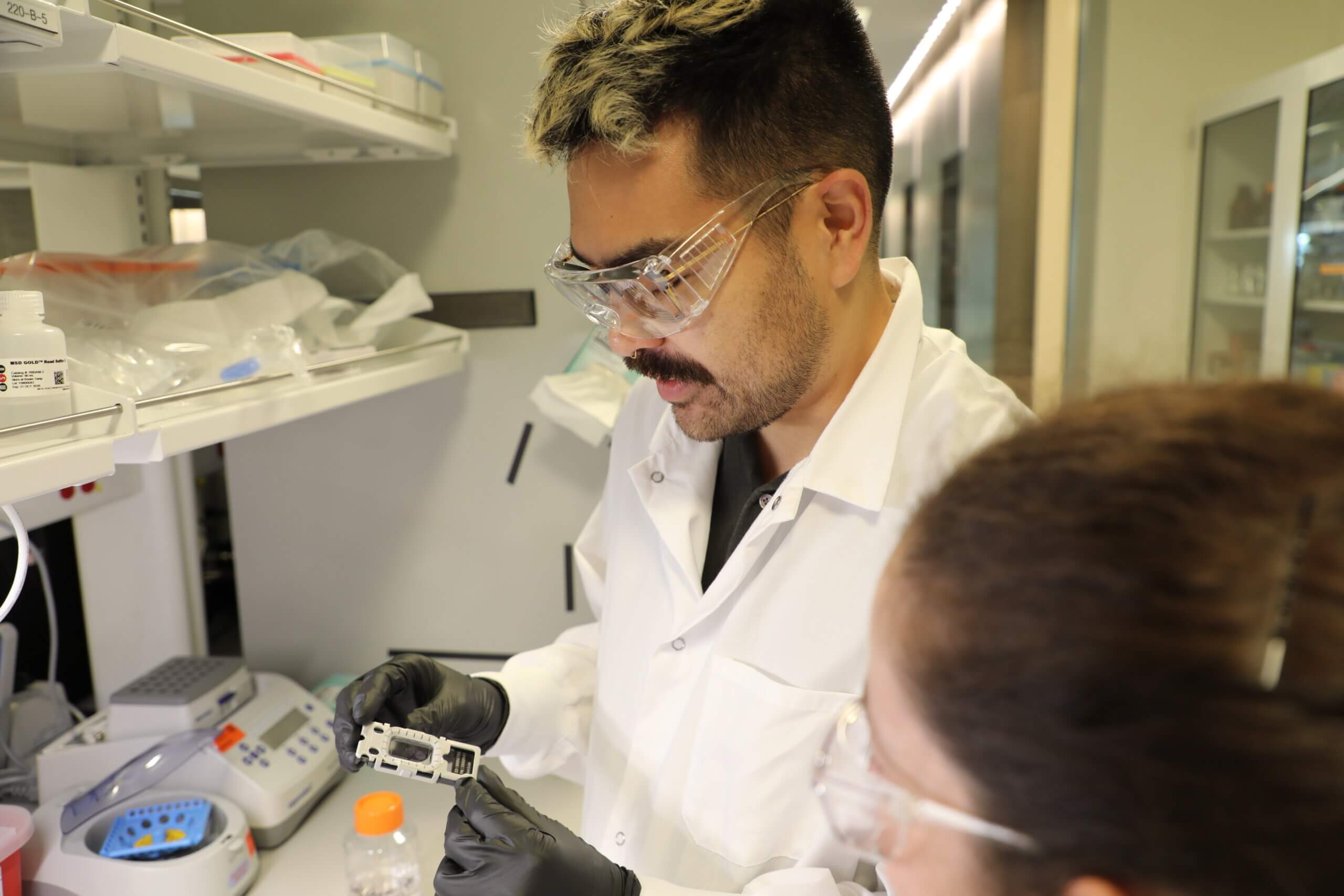
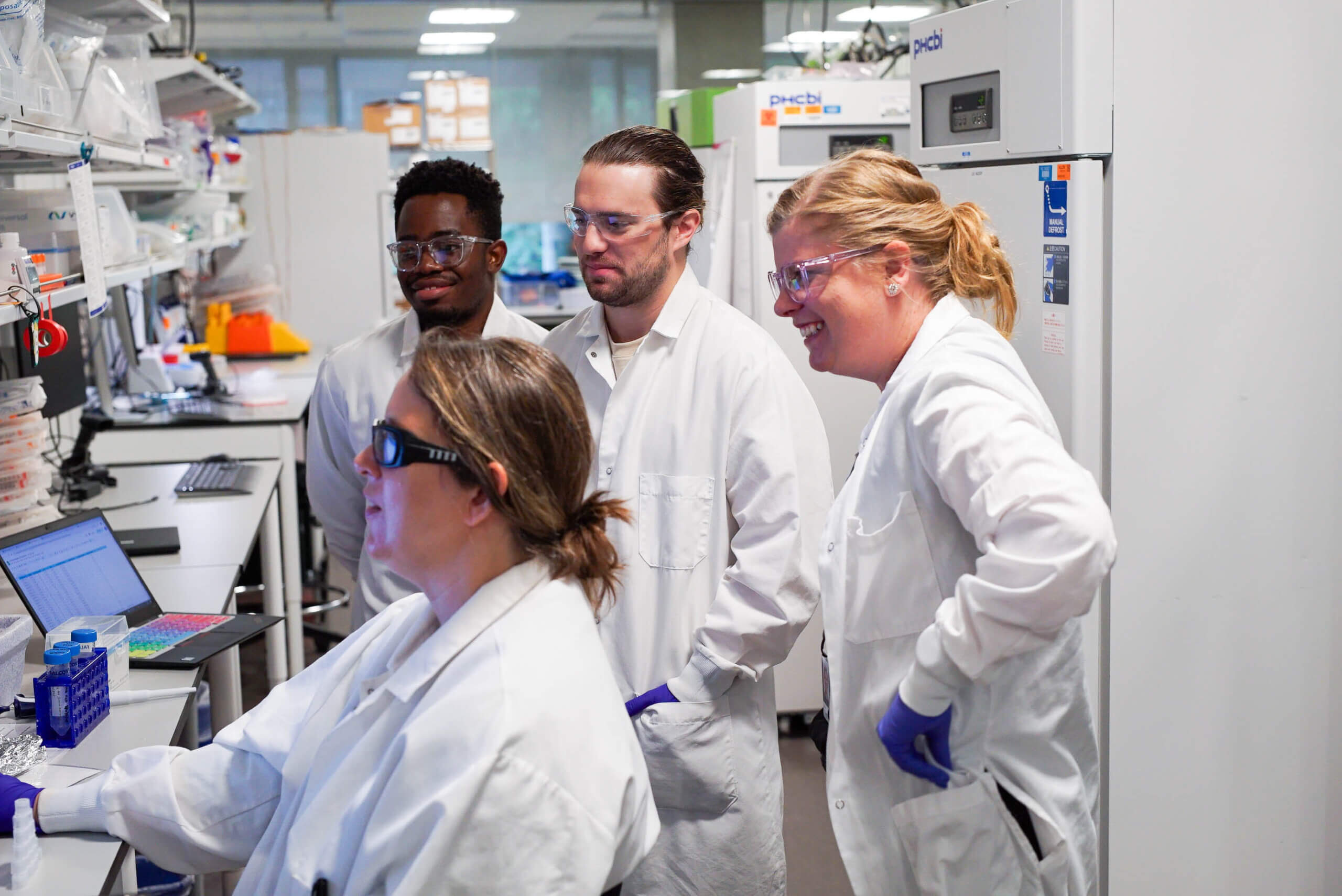
Scientist in lab coat and safety glasses working with laboratory equipment.
JR Ishibashi, research associate at the Allen Institute

“We were really excited about the findings because we had observed in a previous study that location matters in the small intestine too. And we didn’t know if this was going to be a universal truth or if this was something very specific about the unique environment of the small intestine,” said Ananda Goldrath, Ph.D., scientific advisor at the Allen Institute, Presidential Chair in Molecular Biology at UC San Diego, and co-senior author of the study. “This does show that there are rules for how T cells are arranged in tissues and they are similar across tissues. By understanding these rules we can get a handle on in general impacting inflammation across tissues.”

By unlocking the secret life of T cells in the prostate, this research moves us one step closer to personalized medicine that could lead to more effective cancer treatments. Researchers can now look toward new therapies that activate and reprogram the defense force already stationed in the prostate. This approach could also be applied to cancer of other organs to develop tailored treatments and therapies that are both more effective and less harmful to the rest of the body.

‍

Citations
No items found.

about the allen institute

The Allen Institute is an independent, 501(c)(3) nonprofit research organization founded by philanthropist and visionary, the late Paul G. Allen. The Allen Institute is dedicated to answering some of the biggest questions in bioscience and accelerating research worldwide. The Institute is a recognized leader in large-scale research with a commitment to an open science model. For more information, visit alleninstitute.org.
related news

all news
news
“Computational crystal ball” helps predict cell behavior
New technology could lead to better treatments for cancer by allowing scientists to perform virtual experiments
news
SciShots: Nervous and immune systems team up to take on parasites
Pain-sensing neurons in the intestine give marching orders to the immune system to kick off an attack against parasites
news
Allen Institute scientists igniting curiosity of young minds
Students at the University of Puget sound are gaining valuable real-world insight and training using the Allen Institute's cutting edge resources and...
news
How age affects vaccine responses and how to make them better
Age-related shifts in T cells weaken vaccine response in older adults, but new findings pave the way for next generation of vaccines.
news
Susan Kaech, Ph.D., named next leader of Allen Institute’s Immunology accelerator
Leader in immunology to advance the Institute’s next frontier in understanding the immune system’s role across health and disease
news
New study reveals rheumatoid arthritis begins long before symptoms, opening door to prevention
The seven-year study reveals early-warning signs that could help doctors catch the disease before it starts, potentially saving patients years of pain and disability.
we acceleratedevelopcatalyzeimpact

science done differently. shared with the world.

explore our accelerators

brain science

Mapping every cell, connection, and circuit in the brain—openly shared with the world.

cell science

Decoding how cells become tissues, then programming that knowledge into powerful new research tools.

neural dynamics

Revealing the brain's hidden algorithms that transform neural activity into real-world behavior.

immunology

Creating the deepest open reference for the healthy human immune system ever built.

synthetic biology

Engineering cells to record their own histories, transforming how we understand disease over time.

research

Big questions, open answers, and science built to be shared.

education

Inspiring the next generation of scientists through open science resources.

impact

Our science is empowering researchers and advancing health worldwide.
advancing science through open, collaborative research
Get the allen institute newsletter
Stay informed on the latest breakthroughs in neuroscience, bioscience, and AI-driven research.
allen institute
impactpeople & teamscareers & opportunitiesalumnihistory & founder
science resources
allencell.orgallenimmunology.orgallenneuraldynamics.orgbrain-bican.orgbrain-map.orgmicrons-explorer.org
research
brain sciencecell scienceneural dynamicsimmunologysynthetic biologypublications
education
science educationfield tripsprofessional developmenteducation resources
quick links
newseventsopen sciencepodcastscience resourceshuman brain donationvisit uscontact
follow us/

allen institute, 615 Westlake Ave North, Seattle, WA 98109 +12065487055

© 0000 allen institute. all rights reserved.
privacy policyterms of usecitation policyemployee portalpolicy & compliance