in this article
A special “morse code” hidden in certain neurons. Brain cells that keep track of moving objects and help form memories. How our brains predict where we’re going from where we are.
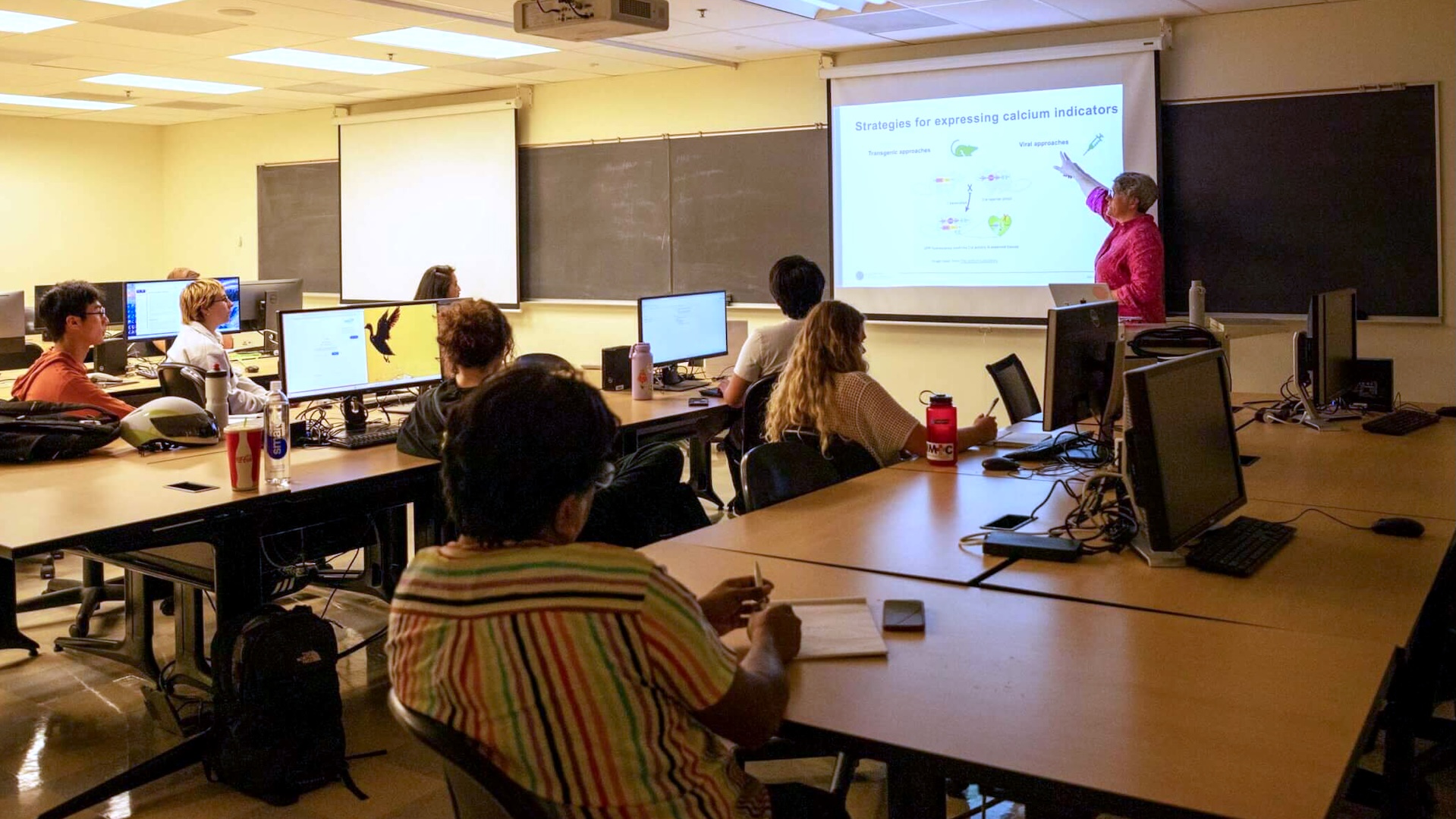
Three new projects are underway at the Allen Institute to delve into the science behind these topics, through the shared neuroscience observatory known as OpenScope. The newly awarded projects were proposed and are being led by:
- Michael Berry, Ph.D., Associate Professor of Neuroscience at Princeton University, whose project explores how the visual processing part of the brain predicts the near future from the present.
- Mayank Mehta, Ph.D., Professor of Physics, Neurology, Electrical and computer Engineering at the University of California, Los Angeles and Chinmay Purandare, Ph.D., postdoctoral scholar at the University of California, San Francisco, are delving into how certain neurons in the brain region known as the hippocampus track moving objects and form memories.
- Pamela Reinagel, Ph.D., Associate Professor of Neurobiology at the University of California San Diego, is leading a project to better understand mysterious staccato activation patterns — akin to a Morse code — in neurons in the visual system.
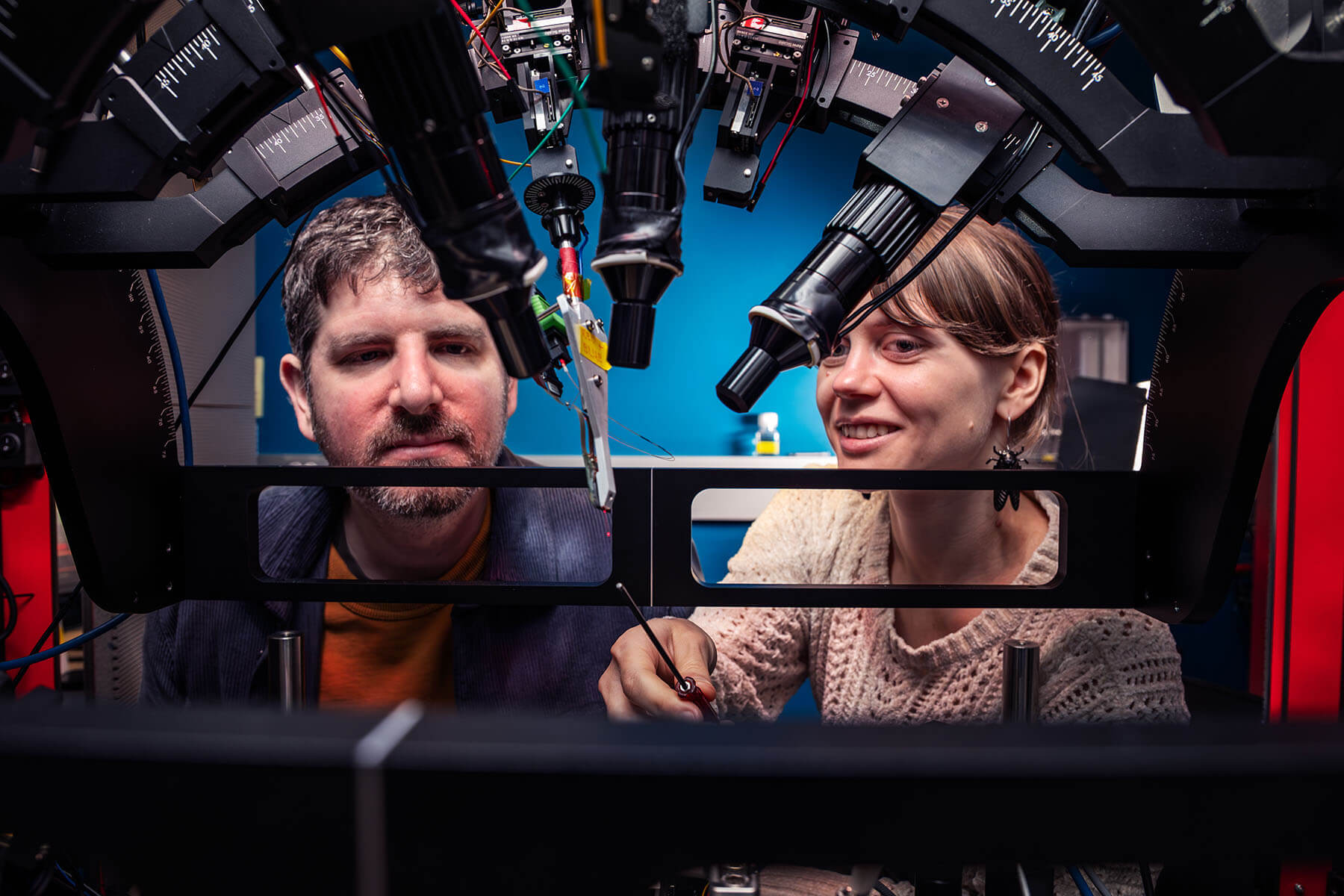
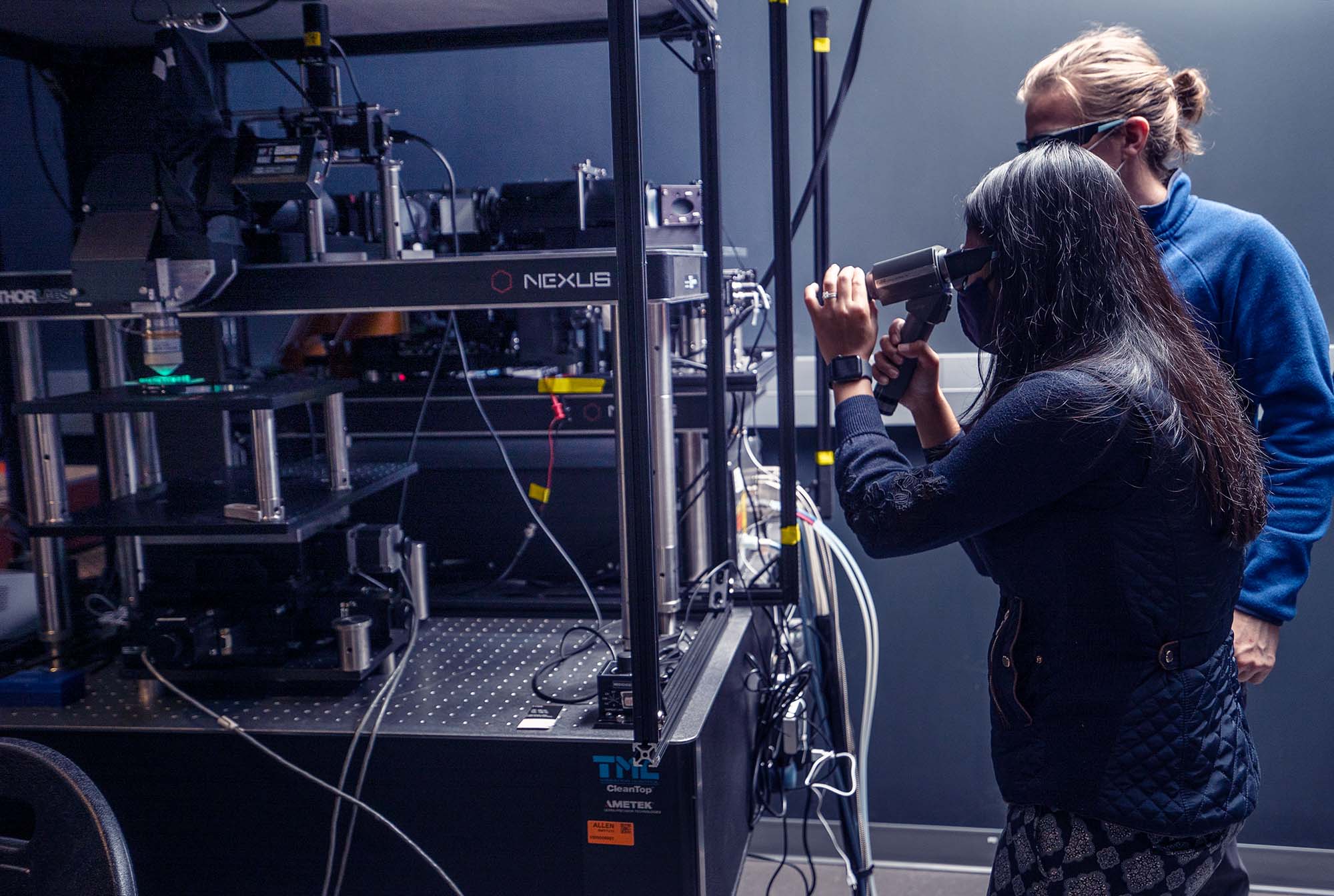
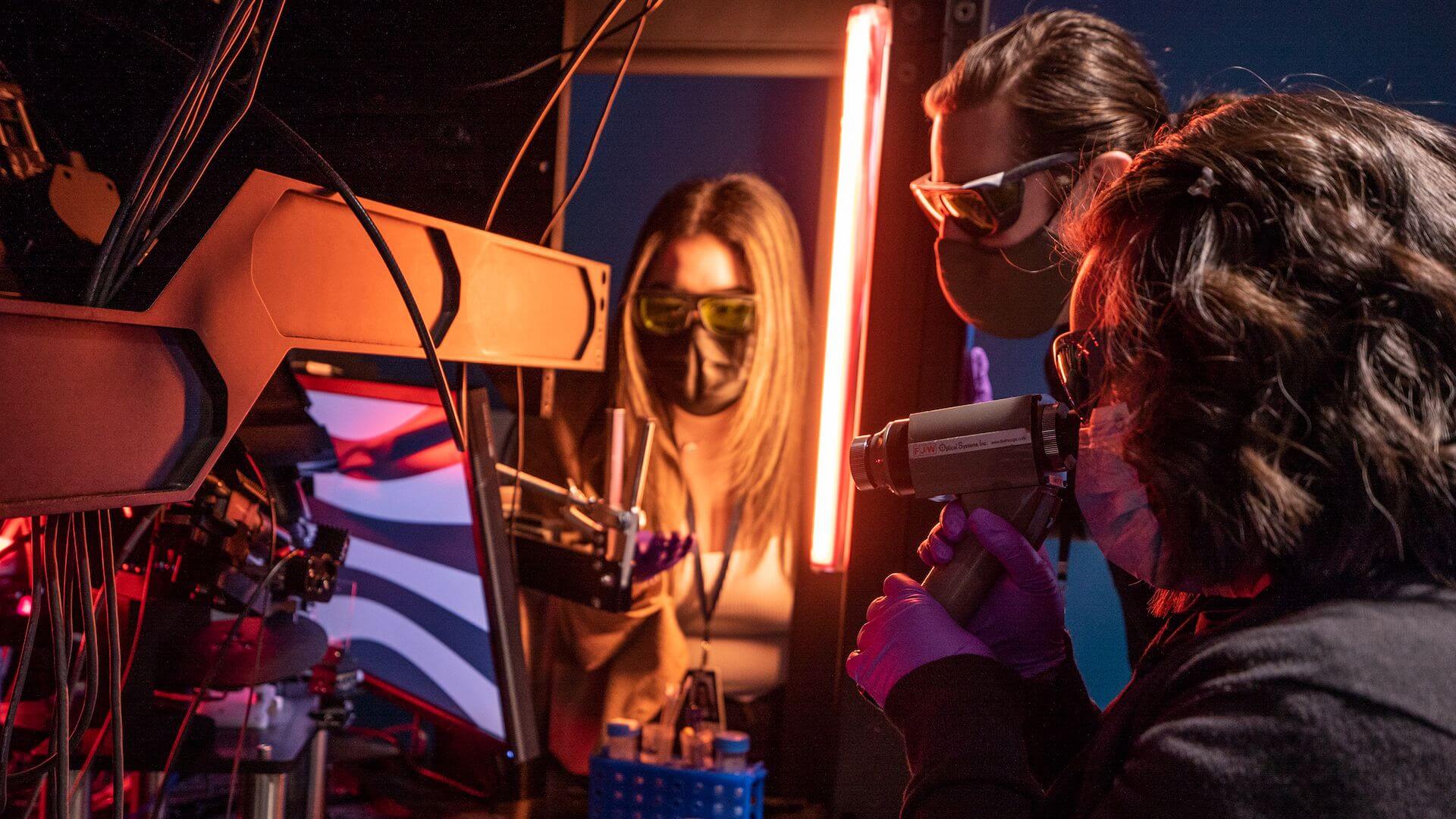
The OpenScope program opens a large-scale neuroscience experimental setup, the Allen Brain Observatory, to projects proposed by researchers outside the Allen Institute. The three projects were selected by a scientific committee from submissions to an open call for proposals.
OpenScope first launched five years ago. The program was inspired by shared astronomical observatories, like the Mauna Kea Observatories in Hawaii, where individual scientists can sign up for time slots on machines too large and expensive for most organizations. Likewise, OpenScope aims to bring the large-scale and standardization of Allen Institute neuroscience platforms to scientists around the world. The data from OpenScope projects are also made publicly available for anyone in the scientific community to use.
“People are submitting their precious ideas to us, and they have to trust us to carry them out,” said Jérôme Lecoq, Ph.D., Associate Investigator at the Allen Institute, who heads the OpenScope program. “There’s also a sense of being part of a community and a trust in that community. At the Allen Institute, we’re fortunate to have earned the trust of the broader scientific community to share not only our data, but everything around it. It’s very important to us to keep that trust.”
For the next round of OpenScope proposals, which will form the basis for 2024’s projects, Lecoq and his colleagues are trying something a bit different: they are currently soliciting proposals from individual researchers as in past years, but they are also planning a community proposal, where they will crowdsource via an online forum to solicit research ideas and discussion around those ideas, ultimately leading to an entire proposal written by a group of interested scientists.
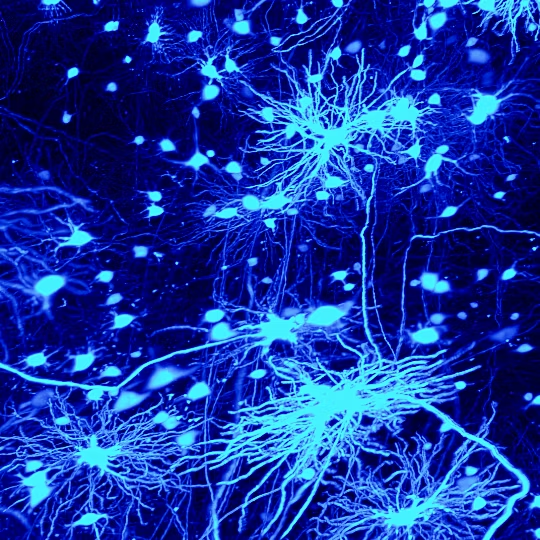
The Allen Brain Observatory is a standardized experimental platform that allows scientists at the Allen Institute to study the mouse brain in action, in a live animal. To date, most experiments on the observatory platform focus on the visual processing part of the brain, showing animals images and movies and reading their neurons’ activity in real time. The three newly launched OpenScope projects all center around vision in one form or another.
Virtual reality, neural Morse code, and rodent GoPros
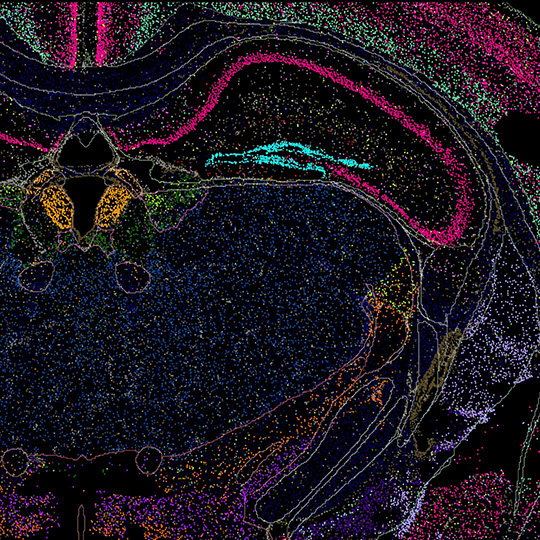
Mehta, the UCLA professor, has been studying the science of memory for more than 20 years. Specifically, he, Purandare and their colleagues want to understand how the brain extrapolates meaning from an experience and stores that meaning as memory. How we remember our real-world experiences is called “episodic memory,” and a particular part of the brain known as the hippocampus appears to be the seat of this kind of memory. The hippocampus is also important in early stages of Alzheimer’s disease, where memories first start to disappear.
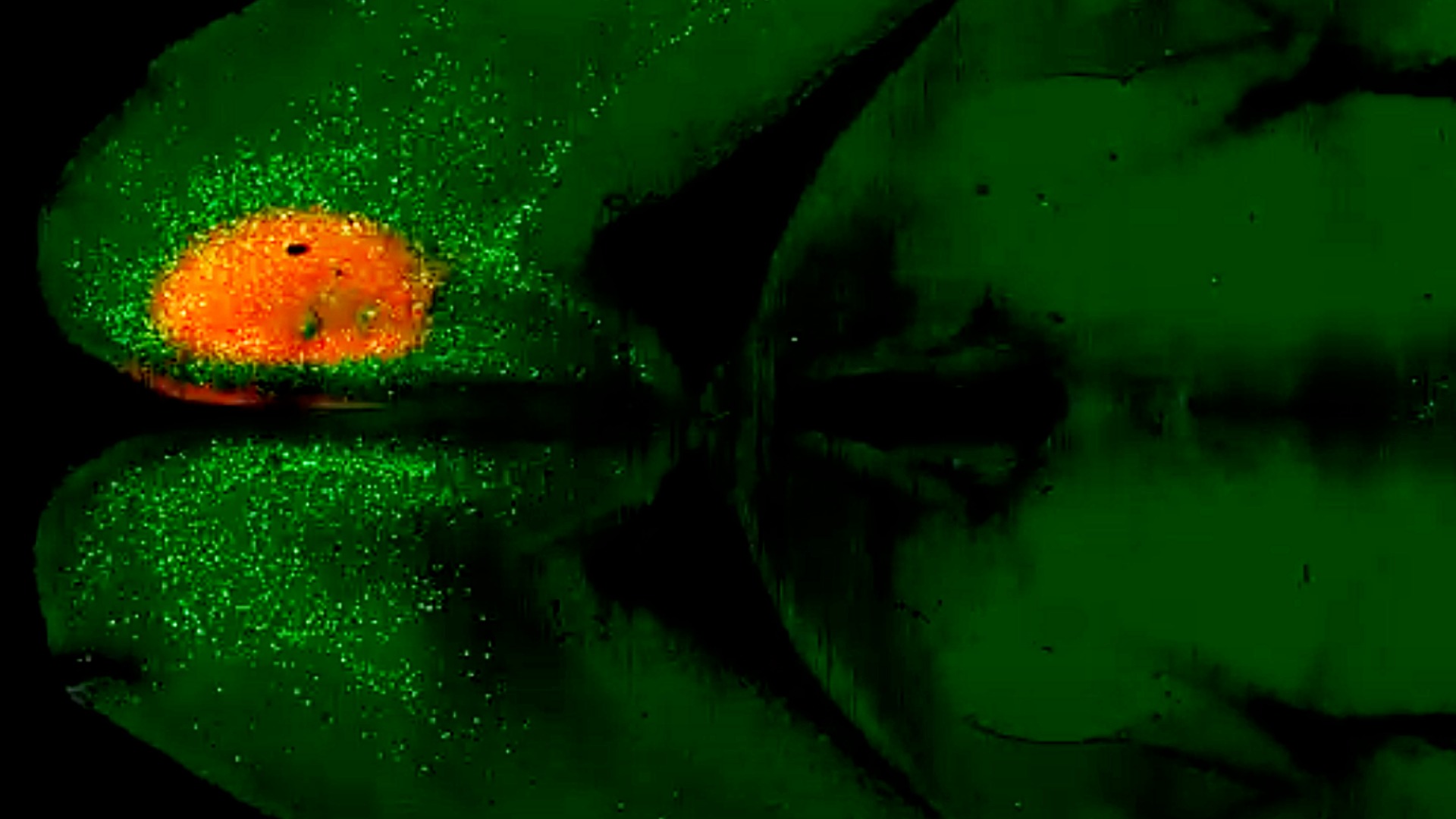
The rodent hippocampus is hypothesized to be “the GPS system for the brain” — Mehta’s team found that in rodents, neurons in the hippocampus rapidly generate information to help the animals navigate a virtual visual task. But in humans, damage to the hippocampus also causes episodic memory deficits, unrelated to spatial navigation. Sifting through previous datasets from the Allen Brain Observatory, Mehta and his team found hints that the mouse hippocampus is encoding visual information in a way that leads to episodic memory formation. In their OpenScope project, the team will examine how the hippocampus functions in the large context of the brain to turn visual cues into memories. Better understanding how the mouse hippocampus relates to our own could help researchers improve therapies for memory disorders such as Alzheimer’s disease.
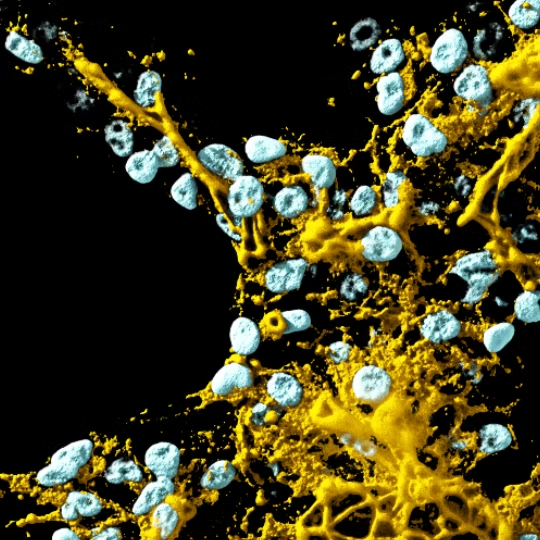
Reinagel’s OpenScope project also builds off observations made nearly 20 years ago. She and her colleagues discovered an interesting phenomenon in certain neurons in the visual processing part of the cat brain — a unique pattern of activation that Reinagel likens to Morse code. These cells activated with the same precise pattern of activation from one experiment to the next, from one animal to the next. Other researchers have seen the identical pattern even in species as different as mammals and salamanders.
Reinagel wonders if this special electrical activation pattern could be a new way of distinguishing one type of neuron from another. In her lab at UC San Diego, the team has only been able to explore the pattern in neurons in a region known as the lateral geniculate nucleus, which is one of the first regions where visual information enters the brain from the eyes. Through her OpenScope project, they’ll test many other parts of the visual processing pathway to see if neurons in other regions of the brain show the same or similar codes of activation.
Both Mehta and Reinagel’s projects use Neuropixels probes, high-resolution silicon probes as thin as a human hair that each read out activity from hundreds of neurons at once, to capture electrical information from thousands of different neurons in different regions of the brain in their experiments.
Berry is interested in how the brain makes predictions about the short-term future to allow us to navigate the world, specifically the visual world. For example, imagine you’re walking toward a friend that you want to high-five. Your friend’s body and hand move in your visual field because you are moving, so your brain needs to perform some speedy and sophisticated calculations to predict where their hand will be in visual space at the time you reach each other.
To study this phenomenon in mice, Berry and his team at Princeton use videos taken from tiny GoPro-esque cameras mounted on the animals’ heads as they interact with other mice in a cage. In previous work, they’ve found evidence of this kind of near-future prediction in one area of the brain known as the primary visual cortex. Through the OpenScope project, they aim to study many other regions of the brain involved in visual processing to see if the same kinds of prediction calculations take place at every step of the processing pathway.
“The Allen Institute has built up a phenomenal technical capability and reproducibility, and the OpenScope program is a great way to open those capabilities to independent investigators with their own crazy ideas they want to pursue,” Berry said. “I think this concept really adds a lot to the research community.”
Research described in this article was supported by award number U24NS113646 from the National Institute of Neurological Disorders and Stroke of the National Institutes of Health. The content is solely the responsibility of the authors and does not necessarily represent the official views of NIH and its subsidiary institutes.
Citations
about the allen institute
The Allen Institute is an independent, 501(c)(3) nonprofit research organization founded by philanthropist and visionary, the late Paul G. Allen. The Allen Institute is dedicated to answering some of the biggest questions in bioscience and accelerating research worldwide. The Institute is a recognized leader in large-scale research with a commitment to an open science model. For more information, visit alleninstitute.org.