impact
about
our story
explore our impact
careers and opportunities
join us
open science
sharing science to speed discovery
open science week
celebrating open science
team science
people & teams
discovery is a team effort
allenites
the people who make our work possible
advisors
their input shapes our science
board of directors
they help us fulfill our mission
shanahan foundation fellowship
at the interface of data and neuroscience
next generation leaders
fostering emerging leaders in bioscience
research
overview
our approach
science at the scale of greatest impact
publications
explore our publications
open science
sharing science to speed discovery
science accelerators
brain science
building a blueprint of the brain
cell science
understanding how cells become organs
neural dynamics
revealing the brain’s hidden algorithms
immunology
creating the ultimate immune system reference
synthetic biology
seattle hub for synthetic biology
education
overview
science education
science is for everyone
open science
sharing science speeds discovery
engagement
education resources
real science. real skills.
field trips
experience science where it happens
educator development
empowering educators
news
overview
all news
explore the latest news
podcast
the human stories behind discovery
sign up for our newsletter
stay connected to our science
events
overview
all events
public engagement, workshops, seminars and more
conferences
connect with us
science resources
science resources
allencell.org
allenimmunology.org
allenneuraldynamics.org
brain-bican.org
brain-map.org
microns-explorer.org
impact
back to menu
team science
our story
explore our impact
careers and opportunities
join us
open science
sharing science to speed discovery
open science week
celebrating open science
team science
people & teams
discovery is a team effort
allenites
the people who make our work possible
advisors
their input shapes our science
board of directors
they help us fulfill our mission
shanahan foundation fellowship
at the interface of data and neuroscience
next generation leaders
fostering emerging leaders in bioscience
research
back to menu
overview
our approach
science at the scale of greatest impact
publications
explore our publications
open science
sharing science to speed discovery
science accelerators
brain science
building a blueprint of the brain
cell science
understanding how cells become organs
neural dynamics
revealing the brain’s hidden algorithms
immunology
creating the ultimate immune system reference
synthetic biology
seattle hub for synthetic biology
education
back to menu
overview
science education
science is for everyone
open science
sharing science speeds discovery
engagement
education resources
real science. real skills.
field trips
experience science where it happens
educator development
empowering educators
news
back to menu
overview
all news
explore the latest news
podcast
the human stories behind discovery
newsletter
stay connected to our science
events
back to menu
overview
all events
public engagement, workshops, seminars and more
conferences
connect with us
science resources
back to menu
science resources
allencell.org
allenimmunology.org
allenneuraldynamics.org
brain-bican.org
brain-map.org
microns-explorer.org
search
news

Paul G. Allen to give $100 million to create cell science institute

Allen Institute for Cell Science will create predictive models of cell behavior: a crucial step toward revolutionizing disease research

December 8, 2014
 min read
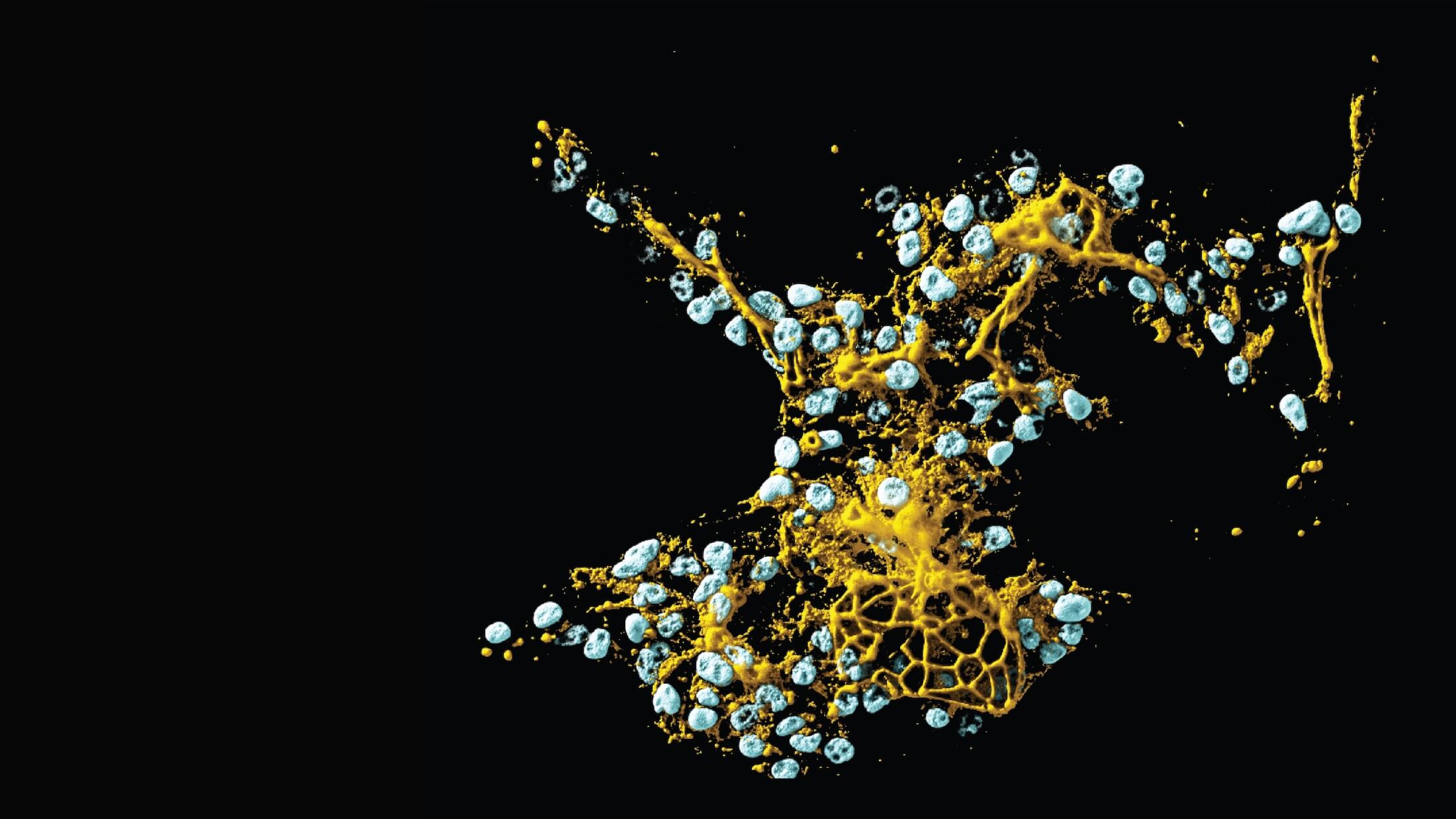
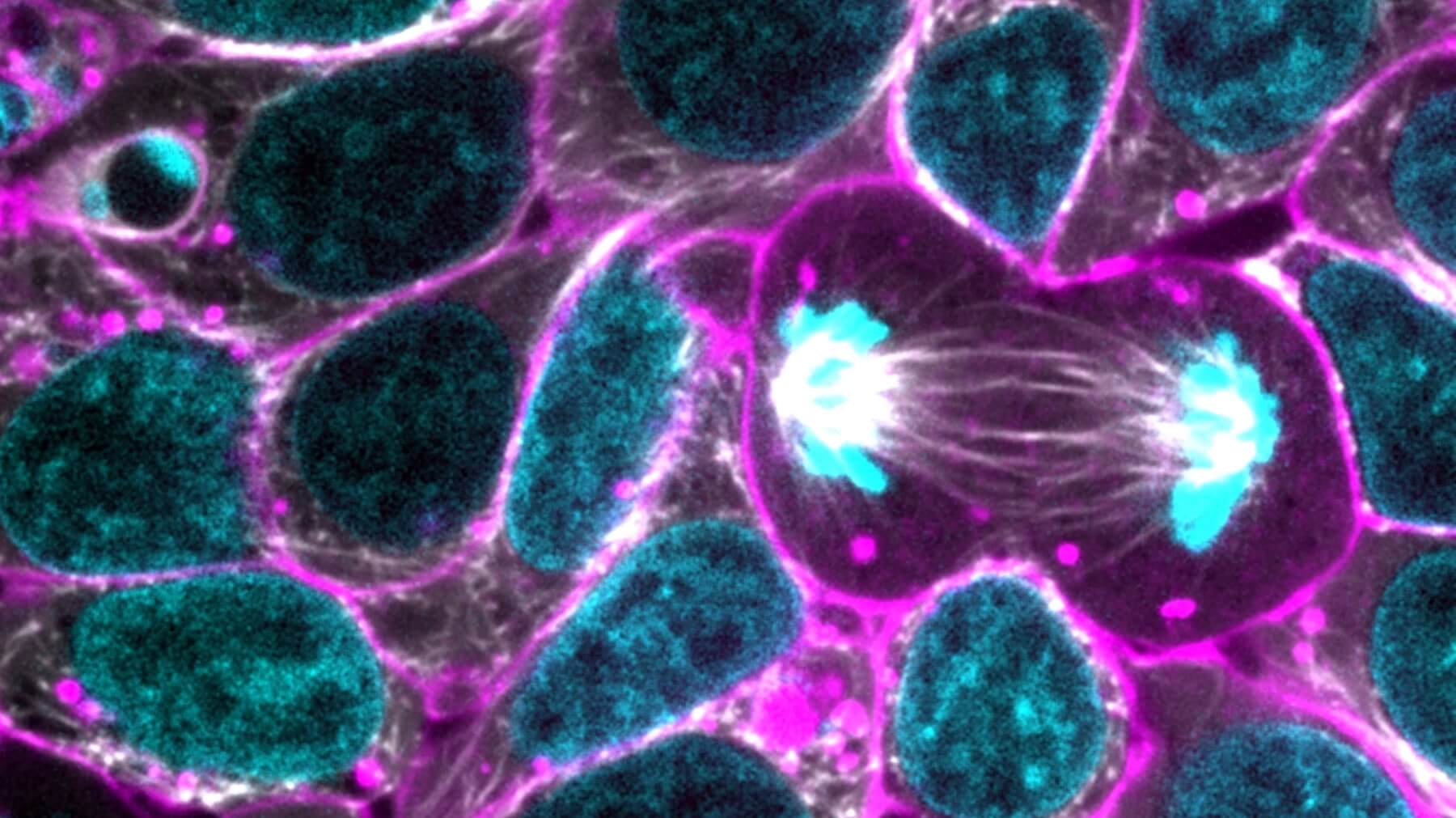
cells diviing
share/
hIPSc cells dividing with key structures illuminated
Philanthropist and entrepreneur Paul G. Allen announced a commitment of $100 million to create the Allen Institute for Cell Science in Seattle.
Thank you! Your submission has been received!
Oops! Something went wrong while submitting the form.

in this article

table of contents will display on published page only
set h2 to populate the table of contents here

Philanthropist and entrepreneur Paul G. Allen today announced a commitment of $100 million to create the Allen Institute for Cell Science in Seattle. Founded to investigate and model the complex living machinery of cells, the nonprofit Allen Institute for Cell Science and its inaugural project, the Allen Cell Observatory, will accelerate disease research around the world by creating and sharing reagents, data and dynamic, predictive models of cells.

“Cells are the fundamental units of life, with every disease we know of affecting particular types of cells,” said Mr. Allen. “Scientists have learned a great deal about many of the 50 trillion cells in our bodies over the last decades, but creating a comprehensive, predictive model of the cell will require a different approach. We conceived of the Allen Institute for Cell Science as a catalyzing force to integrate technologies and approaches at a large scale in order to provide an exceptional resource for the entire scientific community. It is our hope that this effort will bring forward the treatment of different diseases.”

The Allen Institute for Cell Science will take a multidisciplinary, team science-driven approach to understanding a fundamental and yet elusive question in cell science: How does information encoded in our genes become three-dimensional living cells, and what goes wrong in disease? The inaugural project, called the Allen Cell Observatory, will produce a dynamic, visual database and animated models of cell parts in action that integrate information from across the cellular and molecular sciences.

Rick Horwitz will serve as the Executive Director of the Allen Institute for Cell Science. He served for 10 years as the Director of the Cell Migration Consortium, an NIH-funded multi-institutional, multi-disciplinary collaboration for studying cell migration, and spent the past 15 years in the Department of Cell Biology, as a Harrison Distinguished Professor and University Professor, at the University of Virginia, School of Medicine, where his lab investigated the mechanisms of cell migration and dendritic spine morphogenesis.

“Generating an integrated view of the cell with predictive power is an enormous task, and the Allen Institute for Cell Science will have the advantage of housing its large-scale efforts all under one roof,” says Horwitz. “This singular effort will make the integration of technology, models and data both more straightforward and more powerful.”

“The outcome of the Allen Cell Observatory will enable researchers to make predictions about cell behaviors, accelerating the fields of cell biology and biomedical research,” says Allan Jones, CEO of the Allen Institute for Brain Science.

The Allen Institute for Cell Science will focus its efforts on human cells in order to maximize future translation into disease research. The inaugural project will study the transition of induced pluripotent stem cells into heart muscle and epithelial cells, creating computational models of the cells’ behavior as the first part of the larger visual database.

“As we have learned more about the enormous complexity of cell chemistry in recent years, it has become clear that we will need both new types of data and new computational tools to understand even the simplest living cells,” says Bruce Alberts, prominent cell scientist at the University of California, San Francisco, National Medal of Science recipient and an advisor to the Allen Institute for Cell Science. “It is great news that the world’s vigorous community of cell biologists and biochemists will have this important new resource to integrate information and facilitate discoveries.”

By making its data, models and tools publicly available online, the Allen Institute for Cell Science hopes to lead the charge of open science in the cell science community.

“We plan to engage the global cell science community in developing and executing our projects,” says Horwitz. “And by openly sharing our data, reagents, databases and models, we will leverage and empower research by our colleagues around the world. I am thrilled to be at the helm of this exciting and challenging endeavor.”

The Allen Institute for Cell Science will be housed in the new Allen Institute building located in Seattle’s South Lake Union neighborhood. The seven-story, 270,000 square foot building, currently under construction, will also be occupied by the Allen Institute for Brain Science. The building is scheduled for completion in the fall of 2015.

Scientific Advisory Board

The Allen Institute for Cell Science will be advised by a group of renowned experts in the field, including:

Bruce Alberts, University of California, San Francisco
Sangeeta Bhatia, Massachusetts Institute of Technology
Joan Brugge, Harvard Medical School
Peter Devreotes, Johns Hopkins School of Medicine
David Drubin, University of California, Berkeley
Michael Elowitz, California Institute of Technology
Larry Goldstein, University of California, San Diego
Tony Hyman, Max Planck Institute of Molecular Cell Biology and Genetics
Doug Lauffenburger, Massachusetts Institute of Technology
Thomas Pollard, Yale University
Sandra Schmid, UT Southwestern Medical Center

Citations
No items found.

about the allen institute

The Allen Institute is an independent, 501(c)(3) nonprofit research organization founded by philanthropist and visionary, the late Paul G. Allen. The Allen Institute is dedicated to answering some of the biggest questions in bioscience and accelerating research worldwide. The Institute is a recognized leader in large-scale research with a commitment to an open science model. For more information, visit alleninstitute.org.
related news

all news
video
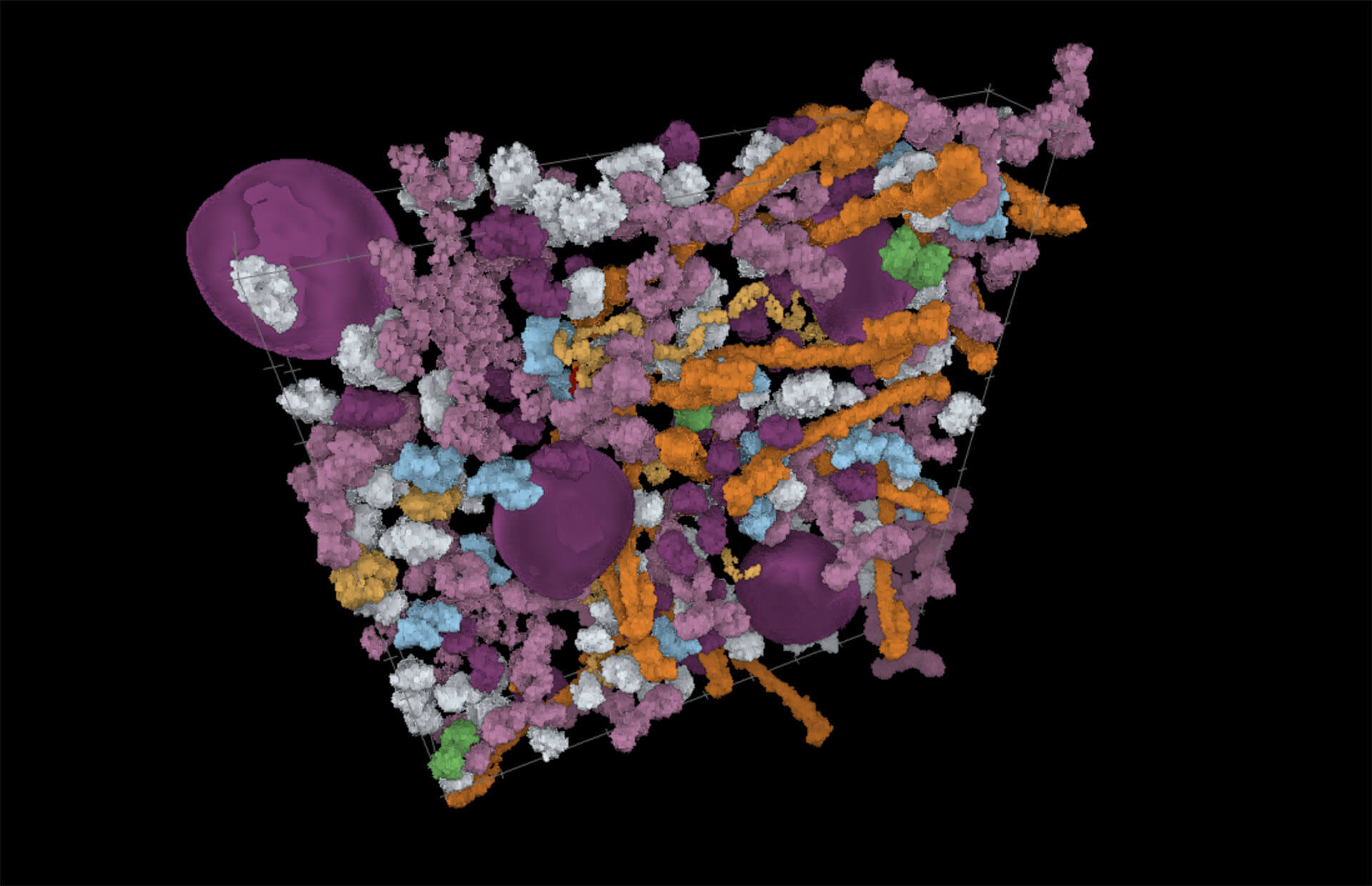
Simularium: Accelerating discovery by animating insight
Simularium is an innovative online tool designed by the Allen Institute’s Cell Science team that visualizes 4D simulations (animations) of complex...
news
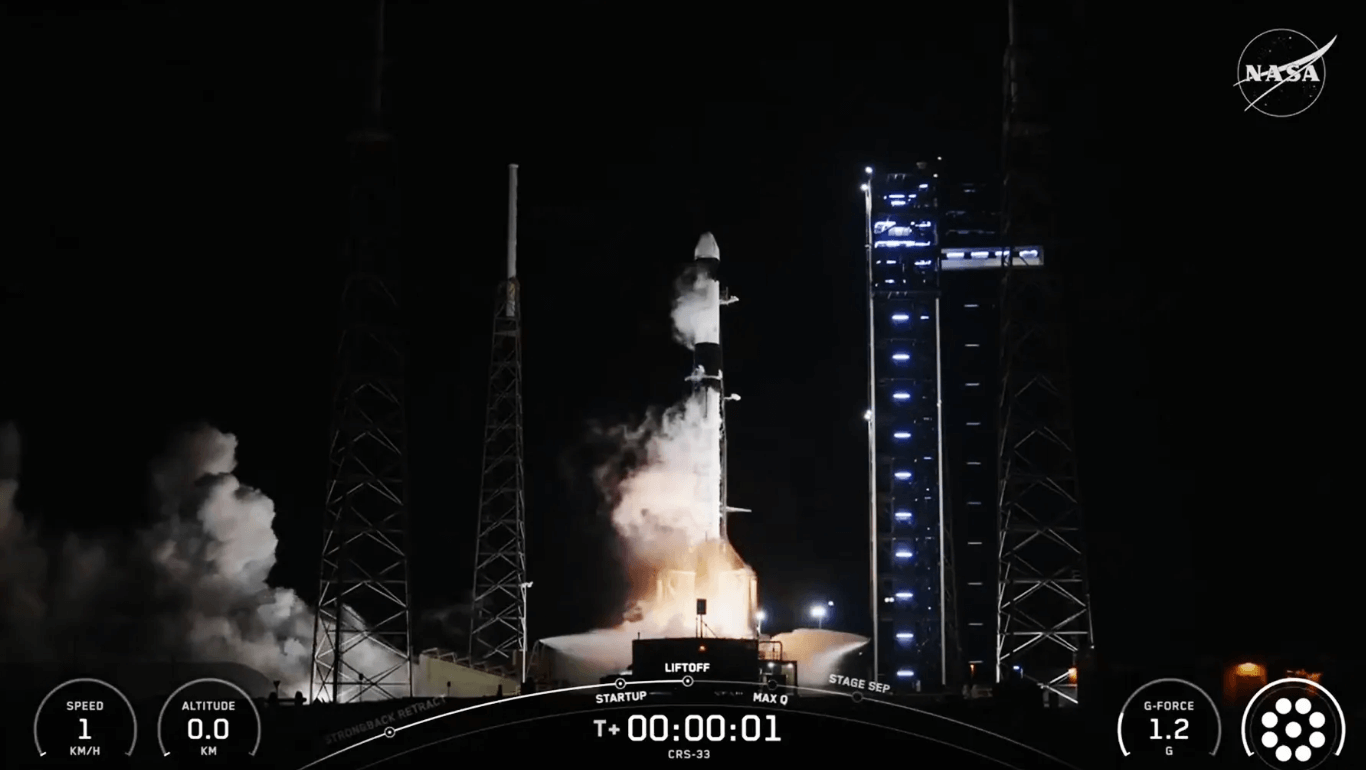
Allen Institute cells blast off into outer space
Researchers from Cedars-Sinai are using Allen Institute cell lines to grow organoids in space, which could help design better drugs for disease
video
What Are the Parts of a Cell?
From mitochondria to endoplasmic reticulum, this educational video explores the major cell organelles and their functions.
news
Allen Institute names Sarah Norris Hall as next Chief Financial Officer
Norris Hall’s experience and insight into financial operations will help enable and propel transformative science at the Allen Institute.
video
CellScapes: Launching a new era of cellular biology
CellScapes introduces a groundbreaking approach that will combine cutting-edge imaging and powerful computer models to track how cells change, communicate, and organize.
video
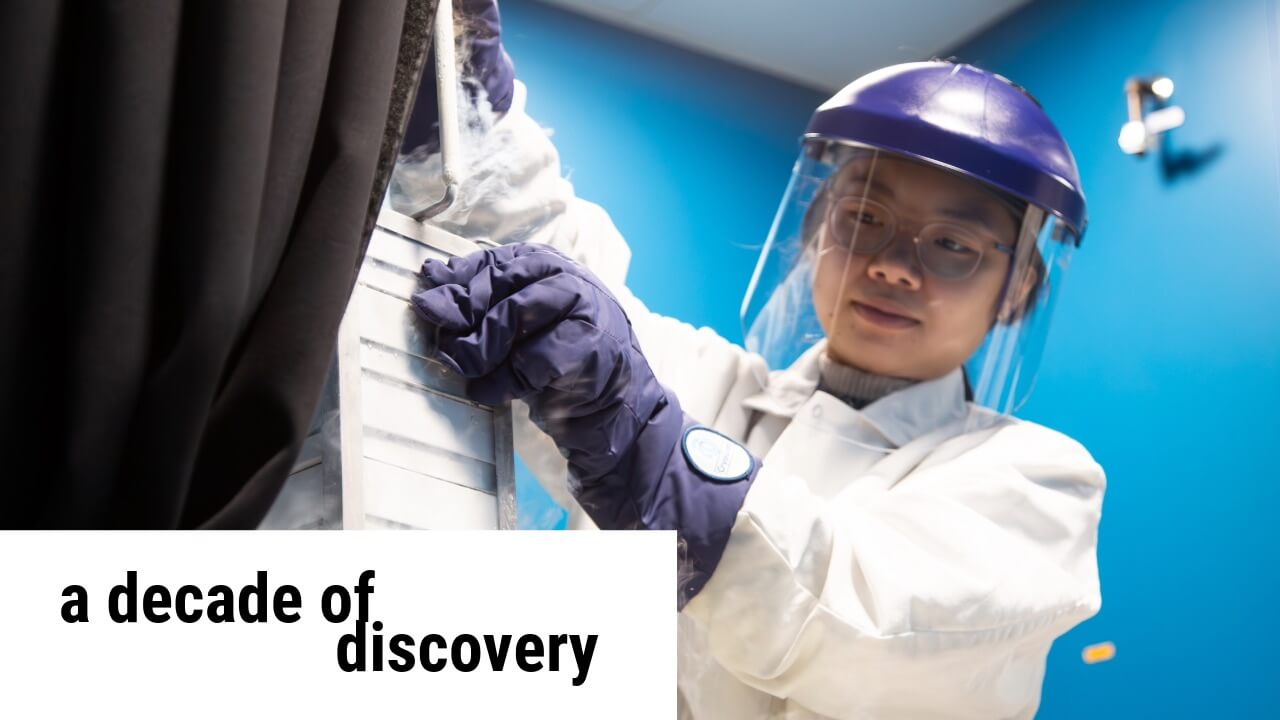
A Decade of Discovery at the Allen Institute for Cell Science
Celebrating 10 Years of Impact
we acceleratedevelopcatalyzeimpact

science done differently. shared with the world.

explore our accelerators

brain science

Mapping every cell, connection, and circuit in the brain—openly shared with the world.

cell science

Decoding how cells become tissues, then programming that knowledge into powerful new research tools.

neural dynamics

Revealing the brain's hidden algorithms that transform neural activity into real-world behavior.

immunology

Creating the deepest open reference for the healthy human immune system ever built.

synthetic biology

Engineering cells to record their own histories, transforming how we understand disease over time.

research

Big questions, open answers, and science built to be shared.

education

Inspiring the next generation of scientists through open science resources.

impact

Our science is empowering researchers and advancing health worldwide.
advancing science through open, collaborative research
Get the allen institute newsletter
Stay informed on the latest breakthroughs in neuroscience, bioscience, and AI-driven research.
allen institute
impactpeople & teamscareers & opportunitiesalumnihistory & founder
science resources
allencell.orgallenimmunology.orgallenneuraldynamics.orgbrain-bican.orgbrain-map.orgmicrons-explorer.org
research
brain sciencecell scienceneural dynamicsimmunologysynthetic biologypublications
education
science educationfield tripsprofessional developmenteducation resources
quick links
newseventsopen sciencepodcastscience resourceshuman brain donationvisit uscontact
follow us/

allen institute, 615 Westlake Ave North, Seattle, WA 98109 +12065487055

© 0000 allen institute. all rights reserved.
privacy policyterms of usecitation policyemployee portalpolicy & compliance