impact
about
our story
explore our impact
careers and opportunities
join us
open science
sharing science to speed discovery
open science week
celebrating open science
team science
people & teams
discovery is a team effort
allenites
the people who make our work possible
advisors
their input shapes our science
board of directors
they help us fulfill our mission
shanahan foundation fellowship
at the interface of data and neuroscience
next generation leaders
fostering emerging leaders in bioscience
research
overview
our approach
science at the scale of greatest impact
publications
explore our publications
open science
sharing science to speed discovery
science accelerators
brain science
building a blueprint of the brain
cell science
understanding how cells become organs
neural dynamics
revealing the brain’s hidden algorithms
immunology
creating the ultimate immune system reference
synthetic biology
seattle hub for synthetic biology
education
overview
science education
science is for everyone
open science
sharing science speeds discovery
engagement
education resources
real science. real skills.
field trips
experience science where it happens
educator development
empowering educators
news
overview
all news
explore the latest news
podcast
the human stories behind discovery
sign up for our newsletter
stay connected to our science
events
overview
all events
public engagement, workshops, seminars and more
conferences
connect with us
science resources
science resources
allencell.org
allenimmunology.org
allenneuraldynamics.org
brain-bican.org
brain-map.org
microns-explorer.org
impact
back to menu
team science
our story
explore our impact
careers and opportunities
join us
open science
sharing science to speed discovery
open science week
celebrating open science
team science
people & teams
discovery is a team effort
allenites
the people who make our work possible
advisors
their input shapes our science
board of directors
they help us fulfill our mission
shanahan foundation fellowship
at the interface of data and neuroscience
next generation leaders
fostering emerging leaders in bioscience
research
back to menu
overview
our approach
science at the scale of greatest impact
publications
explore our publications
open science
sharing science to speed discovery
science accelerators
brain science
building a blueprint of the brain
cell science
understanding how cells become organs
neural dynamics
revealing the brain’s hidden algorithms
immunology
creating the ultimate immune system reference
synthetic biology
seattle hub for synthetic biology
education
back to menu
overview
science education
science is for everyone
open science
sharing science speeds discovery
engagement
education resources
real science. real skills.
field trips
experience science where it happens
educator development
empowering educators
news
back to menu
overview
all news
explore the latest news
podcast
the human stories behind discovery
newsletter
stay connected to our science
events
back to menu
overview
all events
public engagement, workshops, seminars and more
conferences
connect with us
science resources
back to menu
science resources
allencell.org
allenimmunology.org
allenneuraldynamics.org
brain-bican.org
brain-map.org
microns-explorer.org
search
news

Unraveling the Complexity of the Mammalian Brain

Scientists used advanced, single-cell genomics and spatial mapping technologies to reveal this complex and rich cellular landscape.

April 3, 2024
 min read
share/
Scientists used advanced, single-cell genomics and spatial mapping technologies to reveal this complex and rich cellular landscape.
Thank you! Your submission has been received!
Oops! Something went wrong while submitting the form.

in this article

table of contents will display on published page only
set h2 to populate the table of contents here

Mapping the whole mouse brain

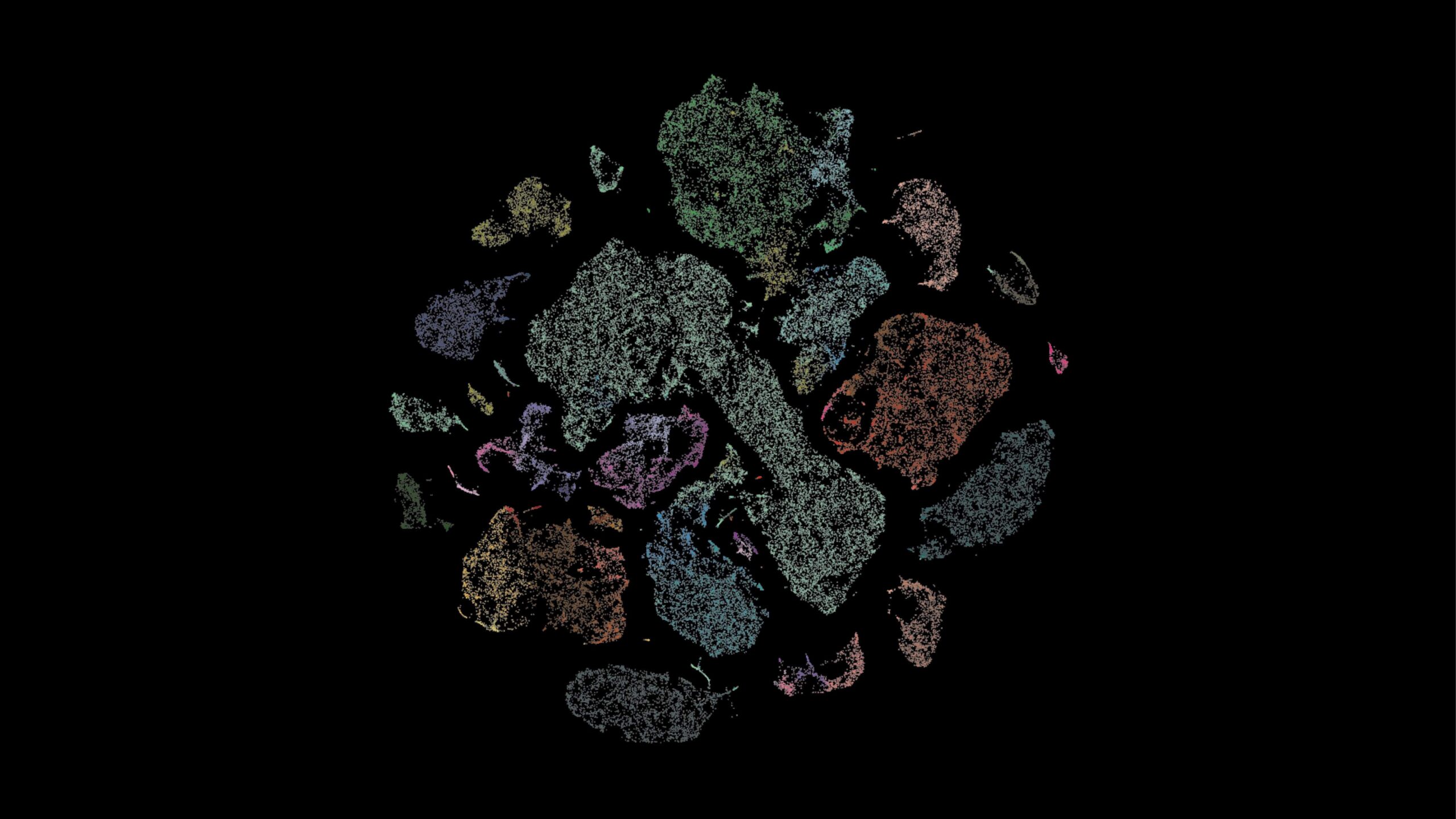
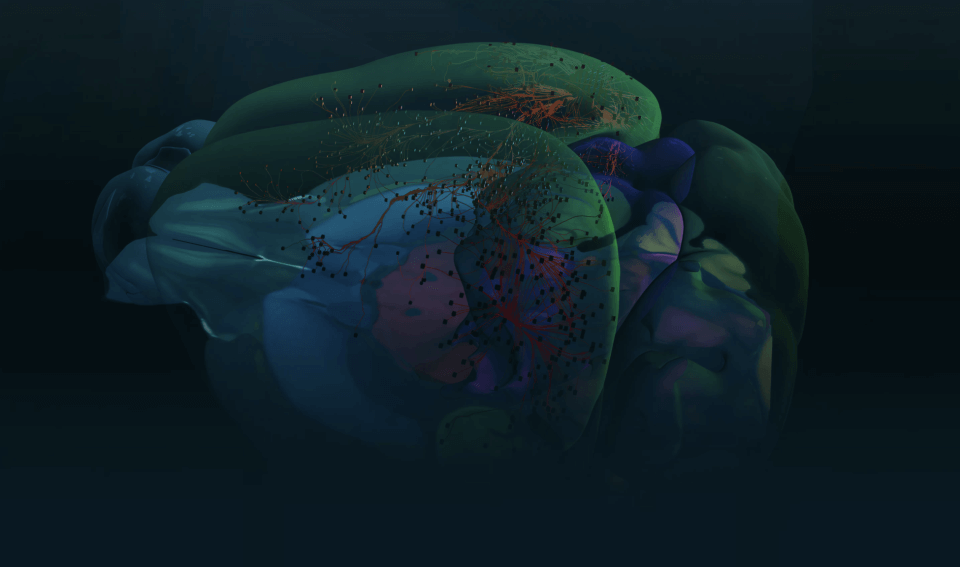
This is a view of the whole mouse brain colored by region. The mouse brain has around 100 million cells.

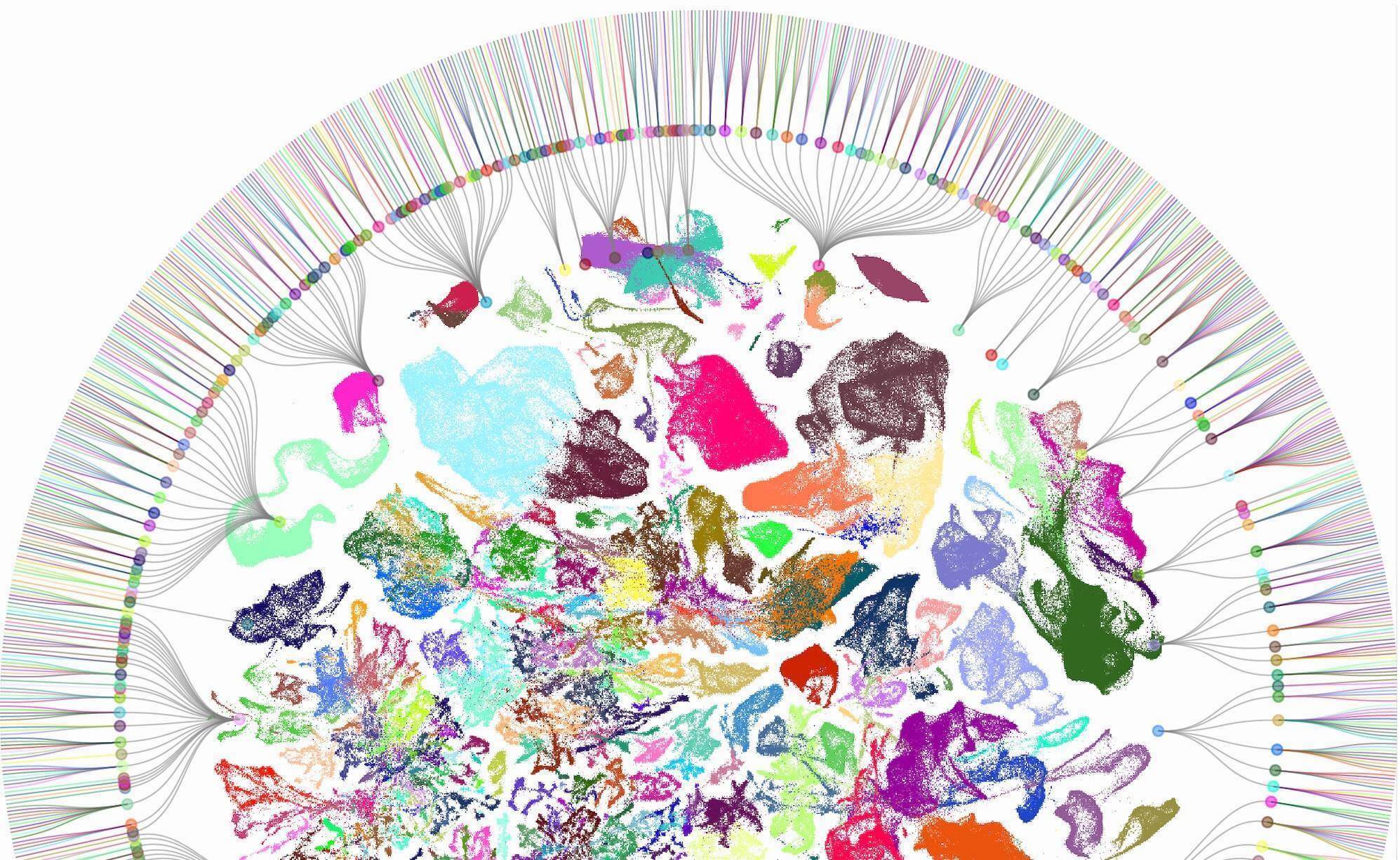
These cells can be grouped by what genes are active in them—also called the “gene expression profile.”

Each color here represents a group or type of cells with a specific set of genes that are active. The size of the colored areas represents the number of cells of that type that has a particular gene expression profile.

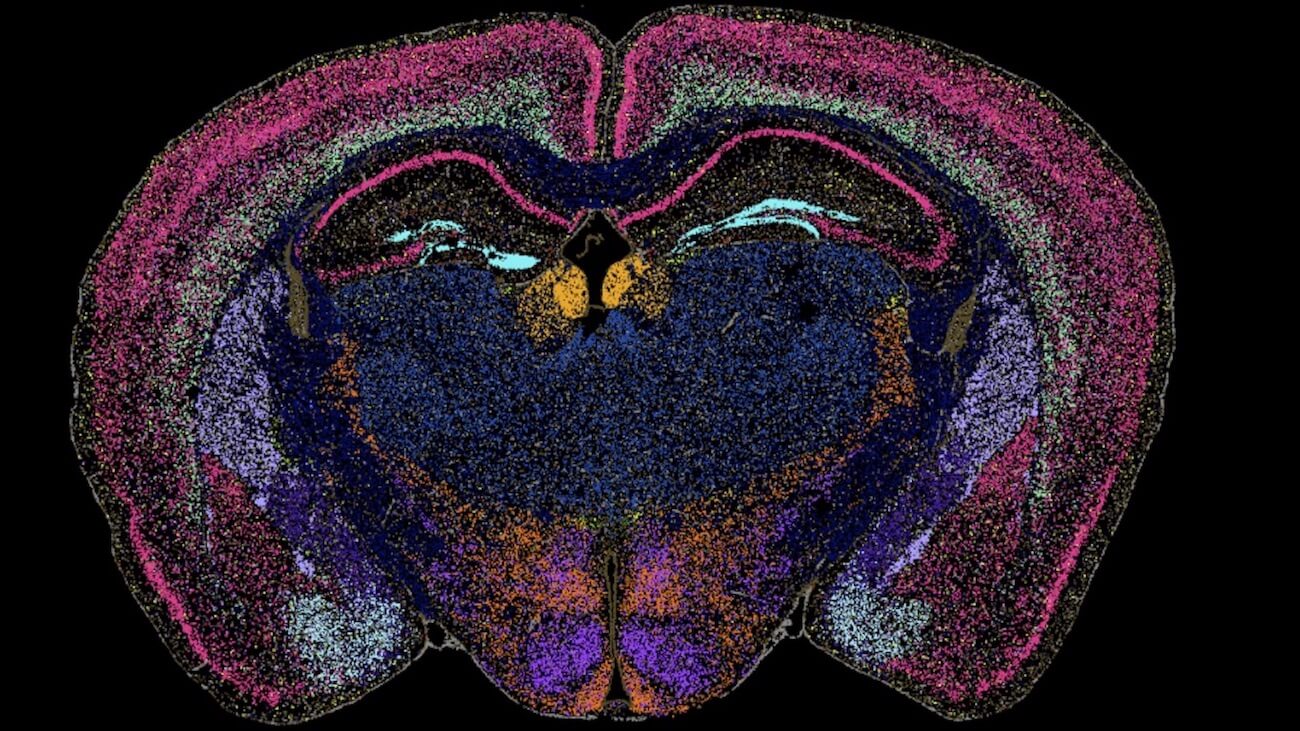
Cell location is also vital for understanding the brain. Here, each color represents a specific cell type, and they’re organized based on where in the brain they are found.

All of this rich complexity has been discovered and documented by scientists. Led by the Allen Institute, they produced the first complete cell type atlas of a mammalian brain (the mouse) and uncovered astonishing diversity.

Executive Vice President and Director, Allen Institute for Brain Science
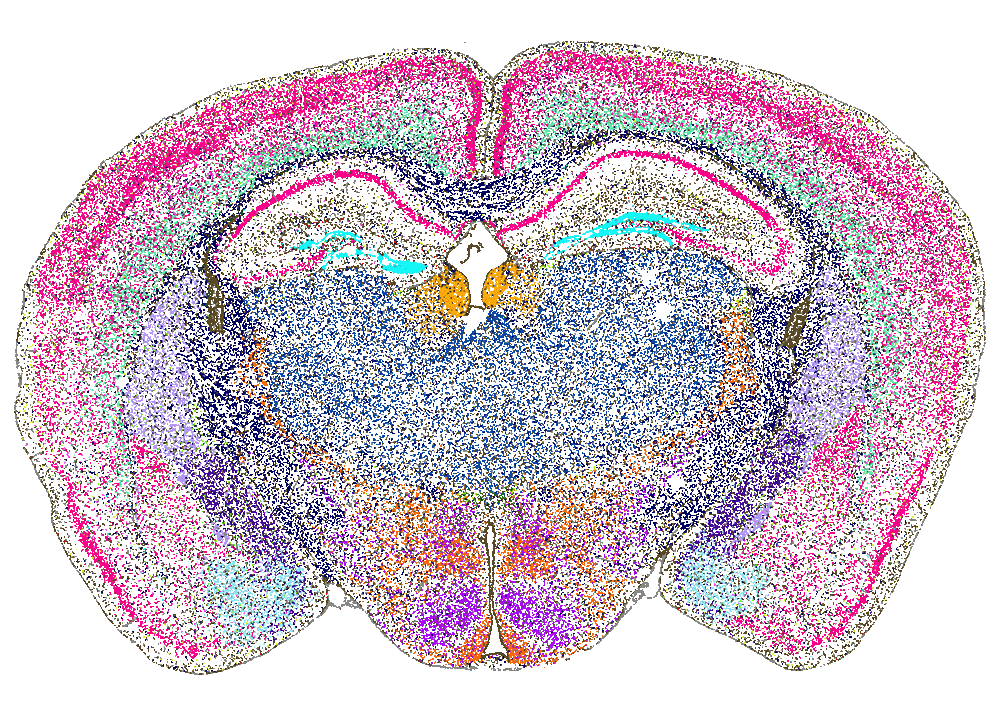
Colorful cross-section of brain showing different regions with pink, blue, and purple dotted patterns.

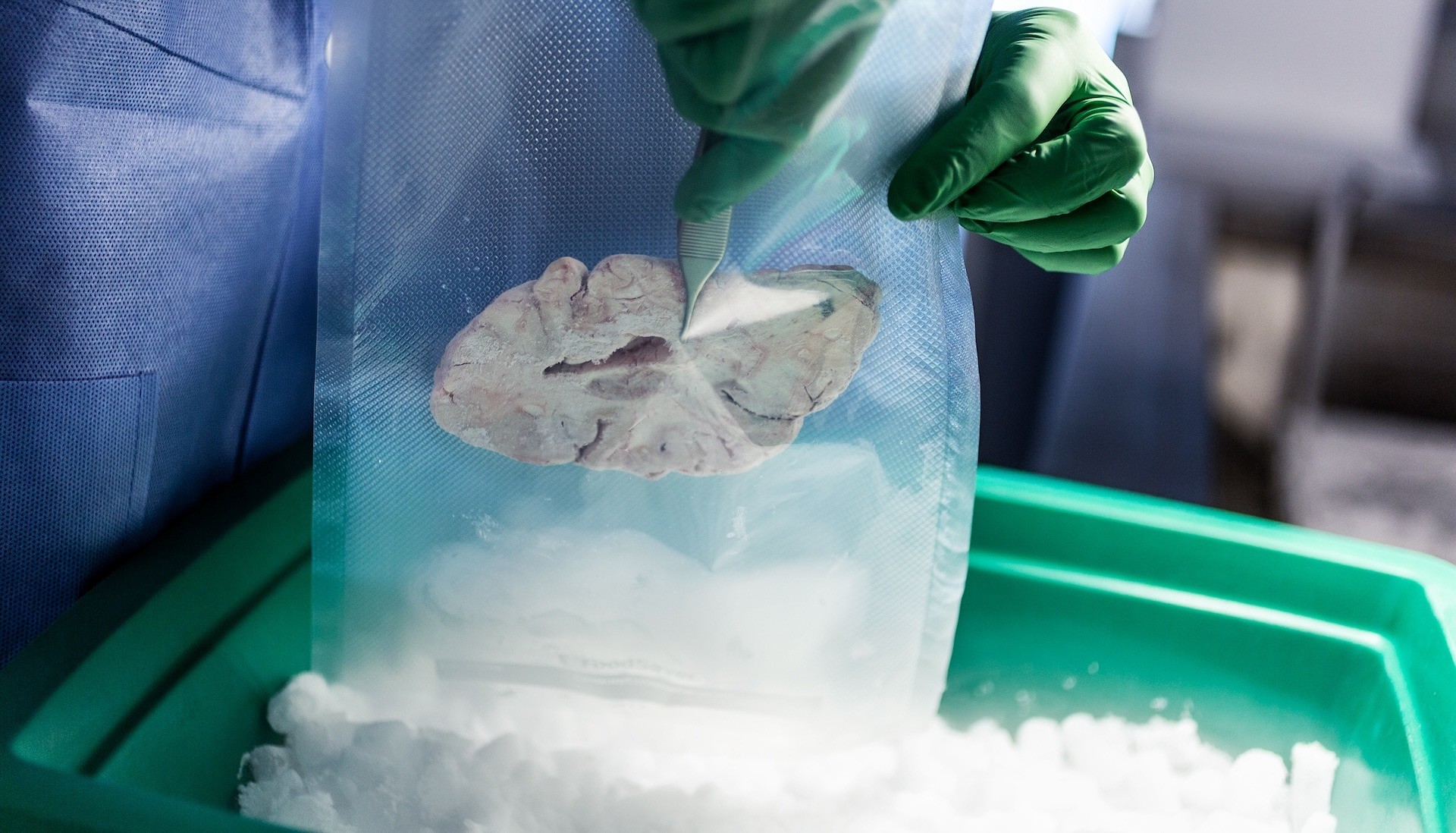
Over six years, hundreds of scientists across North America built the atlas and discovered over 5,000 brain cell types.

Each colored region that lights up reflects where those cell types exist in the brain.

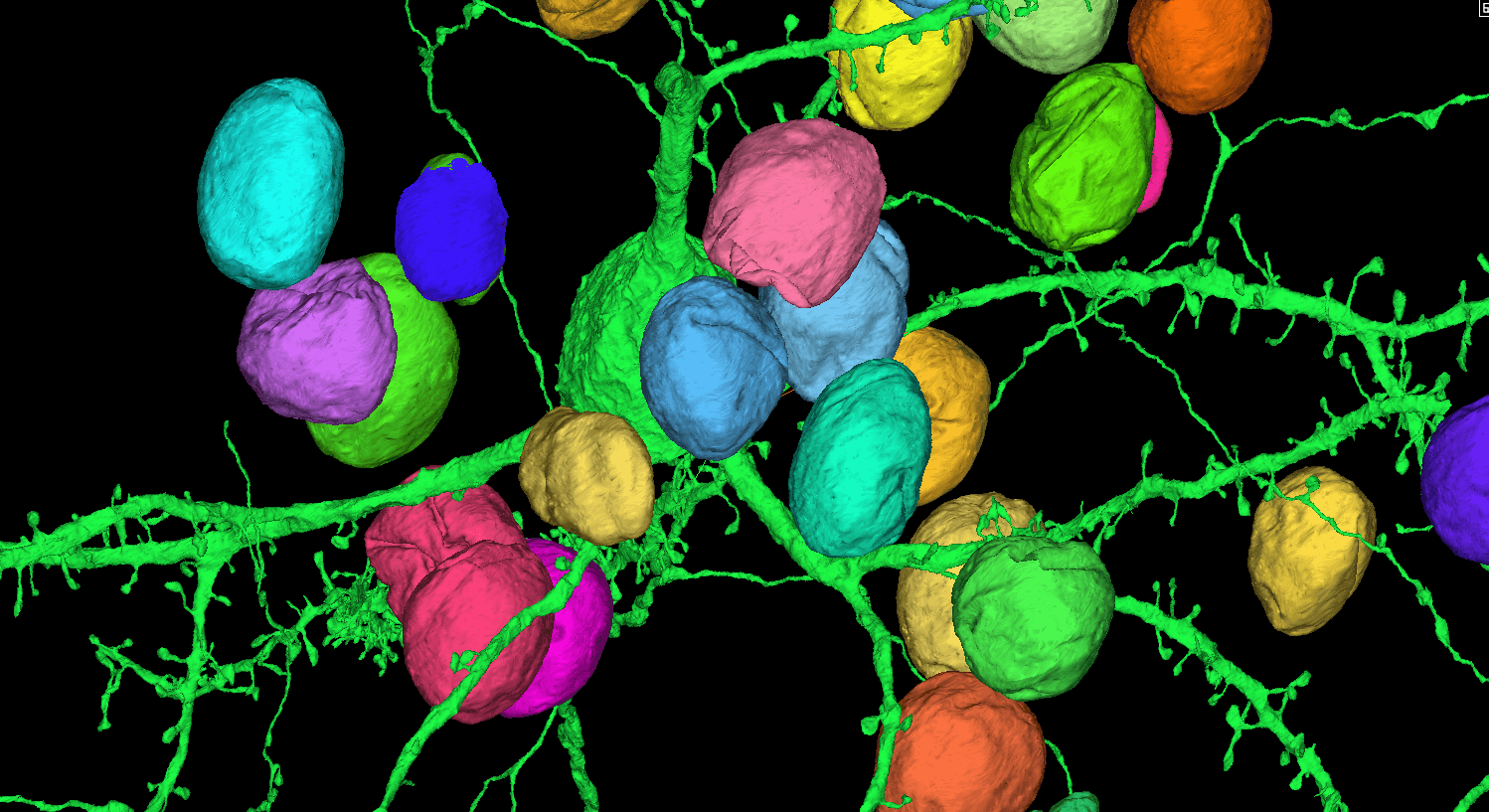
Scientists used advanced, single-cell genomics and spatial mapping technologies to reveal this complex and rich cellular landscape.

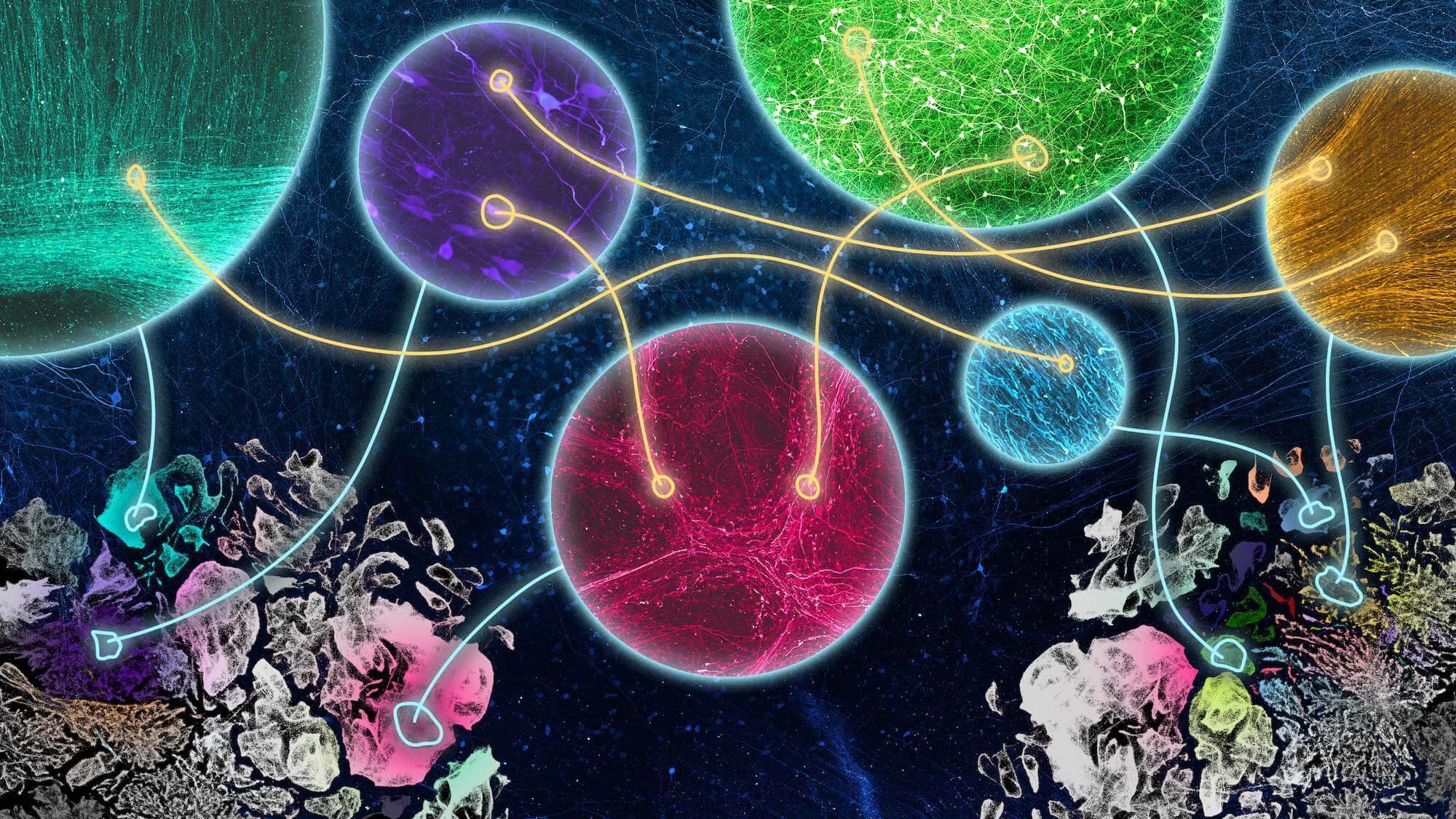
Others uncovered what genes were turned on in each cell, and what molecules controlled the switch.

This massive, high-quality dataset is freely available to the neuroscience community. Scientists around the world can reference this atlas to advance research in brain health and disease.
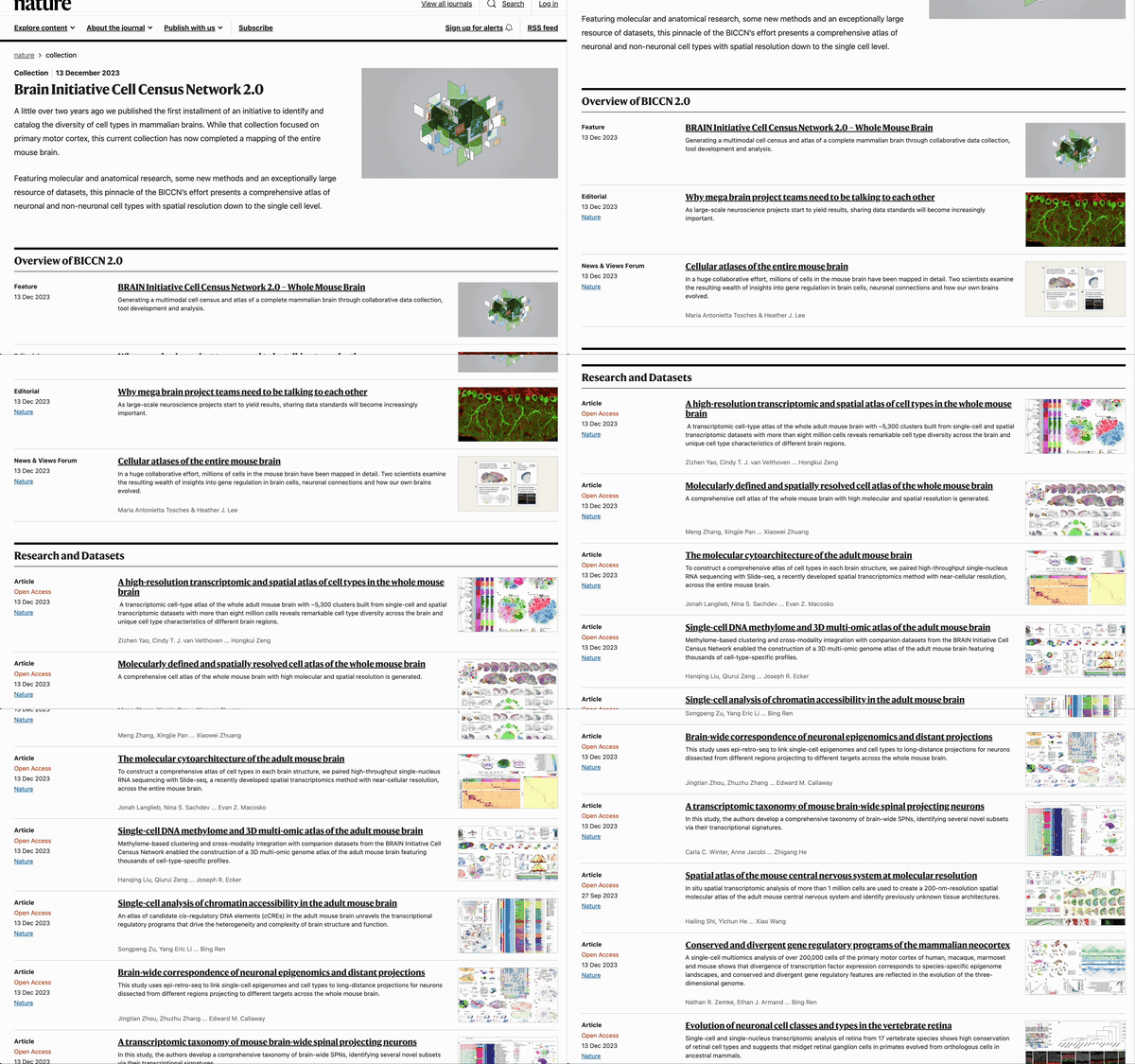
Nature journal article about Brain Initiative Cell Census Network 2.0 research

Over 32 million cells analyzed

More than 5,300 cell types identified

More than 1,100 genes spatially located

Scientific Collaborators

Harvard University
Salk Institute
Broad Institute
University of California San Diego
University of California, Berkeley

Produced By

Jake Siegel
Peter Kim
Steven Hurd
Jenny Burns
Brian Cama
Cindy van Velthoven, Ph.D.
Delissa McMillen, M.S., M.B.A.
Amy Torkelson
Katelyn James
Erik Dinnel

Citations
No items found.

about the allen institute

The Allen Institute is an independent, 501(c)(3) nonprofit research organization founded by philanthropist and visionary, the late Paul G. Allen. The Allen Institute is dedicated to answering some of the biggest questions in bioscience and accelerating research worldwide. The Institute is a recognized leader in large-scale research with a commitment to an open science model. For more information, visit alleninstitute.org.
related news

all news
news
Scientists unveil the world's most comprehensive AI-powered tool for neuroscience: Brain Knowledge Platform
Massive, first-of-its-kind data resource aims to accelerate medical breakthroughs in brain diseases like Alzheimer’s and Parkinson's
news
Global effort to map the human brain releases first data
The BICAN Rapid Release Inventory provides early access to comprehensive single-cell data, aiming to accelerate brain research.
news
Scientists unveil first complete cellular map of adult mouse brain
High-resolution atlas charts neural neighborhoods for more than 5,300 cell types
news
What makes us human? Detailed cellular maps of the entire human brain reveal clues
You have 3,000+ different kinds of brain cells, and more insights from the largest human brain cell atlases created to date
news
Projects launch to map brain connections in mouse and macaque
NIH BRAIN Initiative-funded research will lay the groundwork to map entire brains in incredible detail
news
Mapping the whole human brain: Allen Institute to lead global collaboration
NIH BRAIN Initiative to fund primate brain atlases, maps of developing mouse brain, coordination and knowledge sharing, and brain function research
we acceleratedevelopcatalyzeimpact

science done differently. shared with the world.

explore our accelerators

brain science

Mapping every cell, connection, and circuit in the brain—openly shared with the world.

cell science

Decoding how cells become tissues, then programming that knowledge into powerful new research tools.

neural dynamics

Revealing the brain's hidden algorithms that transform neural activity into real-world behavior.

immunology

Creating the deepest open reference for the healthy human immune system ever built.

synthetic biology

Engineering cells to record their own histories, transforming how we understand disease over time.

research

Big questions, open answers, and science built to be shared.

education

Inspiring the next generation of scientists through open science resources.

impact

Our science is empowering researchers and advancing health worldwide.
advancing science through open, collaborative research
Get the allen institute newsletter
Stay informed on the latest breakthroughs in neuroscience, bioscience, and AI-driven research.
allen institute
impactpeople & teamscareers & opportunitiesalumnihistory & founder
science resources
allencell.orgallenimmunology.orgallenneuraldynamics.orgbrain-bican.orgbrain-map.orgmicrons-explorer.org
research
brain sciencecell scienceneural dynamicsimmunologysynthetic biologypublications
education
science educationfield tripsprofessional developmenteducation resources
quick links
newseventsopen sciencepodcastscience resourceshuman brain donationvisit uscontact
follow us/

allen institute, 615 Westlake Ave North, Seattle, WA 98109 +12065487055

© 0000 allen institute. all rights reserved.
privacy policyterms of usecitation policyemployee portalpolicy & compliance