
impact
about
our story
explore our impact
careers and opportunities
join us
open science
sharing science to speed discovery
open science week
celebrating open science
team science
people & teams
discovery is a team effort
allenites
the people who make our work possible
advisors
their input shapes our science
board of directors
they help us fulfill our mission
shanahan foundation fellowship
at the interface of data and neuroscience
next generation leaders
fostering emerging leaders in bioscience
research
overview
our approach
science at the scale of greatest impact
publications
explore our publications
open science
sharing science to speed discovery
science accelerators
brain science
building a blueprint of the brain
cell science
understanding how cells become organs
neural dynamics
revealing the brain’s hidden algorithms
immunology
creating the ultimate immune system reference
synthetic biology
seattle hub for synthetic biology
education
overview
science education
science is for everyone
open science
sharing science speeds discovery
engagement
education resources
real science. real skills.
field trips
experience science where it happens
educator development
empowering educators
news
overview
all news
explore the latest news
podcast
the human stories behind discovery
sign up for our newsletter
stay connected to our science
events
overview
all events
public engagement, workshops, seminars and more
conferences
connect with us
science resources
science resources
allencell.org
allenimmunology.org
allenneuraldynamics.org
brain-bican.org
brain-map.org
microns-explorer.org
impact
back to menu
team science
our story
explore our impact
careers and opportunities
join us
open science
sharing science to speed discovery
open science week
celebrating open science
team science
people & teams
discovery is a team effort
allenites
the people who make our work possible
advisors
their input shapes our science
board of directors
they help us fulfill our mission
shanahan foundation fellowship
at the interface of data and neuroscience
next generation leaders
fostering emerging leaders in bioscience
research
back to menu
overview
our approach
science at the scale of greatest impact
publications
explore our publications
open science
sharing science to speed discovery
science accelerators
brain science
building a blueprint of the brain
cell science
understanding how cells become organs
neural dynamics
revealing the brain’s hidden algorithms
immunology
creating the ultimate immune system reference
synthetic biology
seattle hub for synthetic biology
education
back to menu
overview
science education
science is for everyone
open science
sharing science speeds discovery
engagement
education resources
real science. real skills.
field trips
experience science where it happens
educator development
empowering educators
news
back to menu
overview
all news
explore the latest news
podcast
the human stories behind discovery
newsletter
stay connected to our science
events
back to menu
overview
all events
public engagement, workshops, seminars and more
conferences
connect with us
science resources
back to menu
science resources
allencell.org
allenimmunology.org
allenneuraldynamics.org
brain-bican.org
brain-map.org
microns-explorer.org
search
news

Scientists unveil the world's most comprehensive AI-powered tool for neuroscience: Brain Knowledge Platform

Massive, first-of-its-kind data resource aims to accelerate medical breakthroughs in brain diseases like Alzheimer’s and Parkinson's

November 13, 2025
 min read
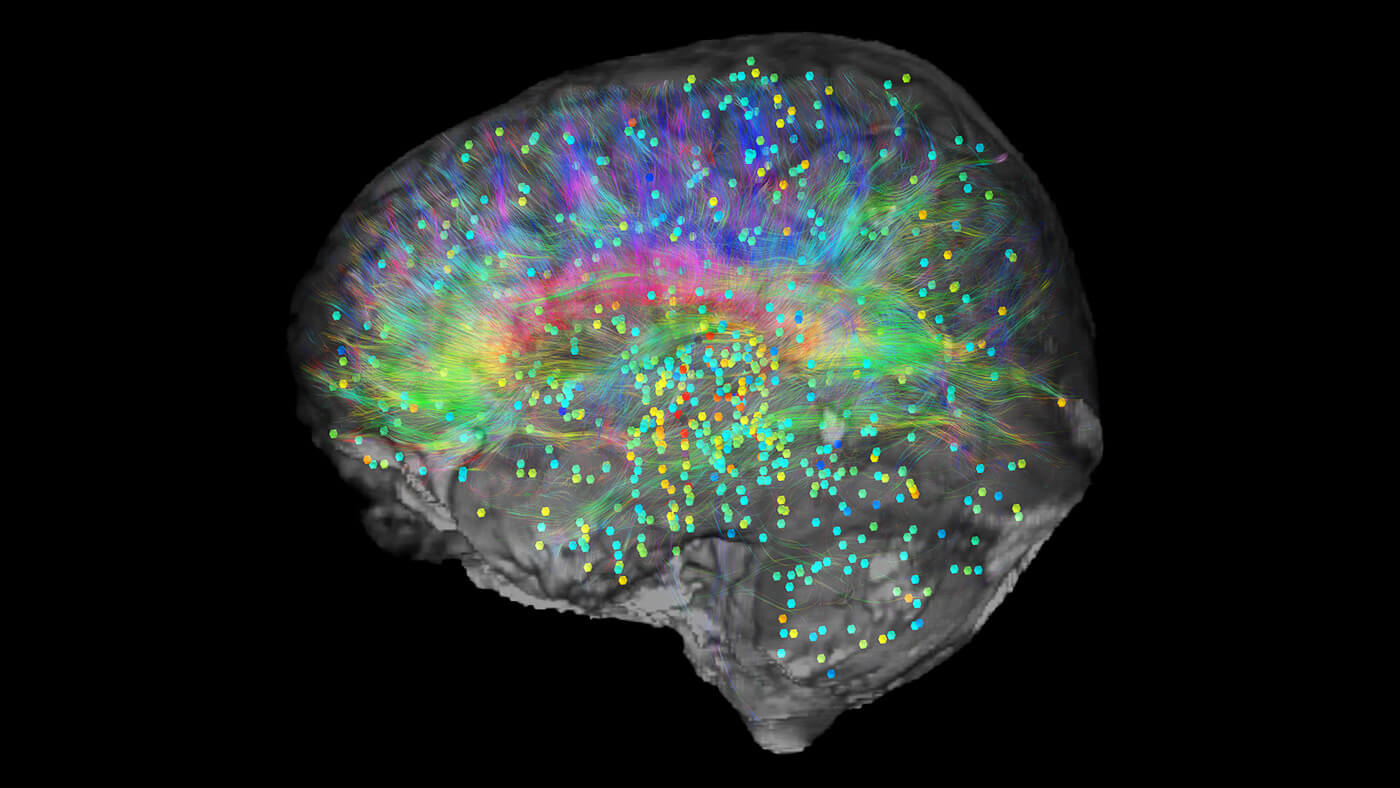
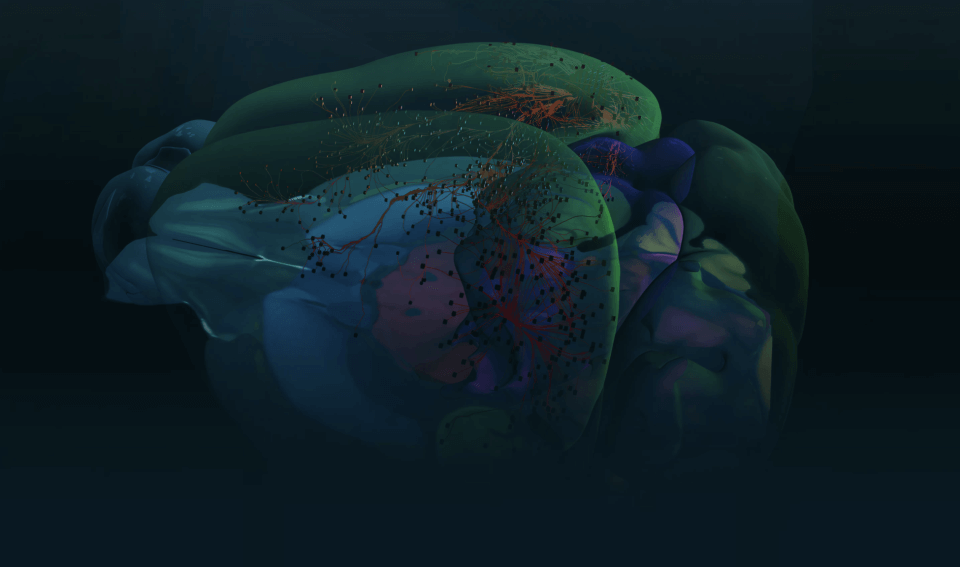
3D mouse brain
share/
3D mouse brain showing neuronal connections
Massive, first-of-its-kind data resource aims to accelerate medical breakthroughs in brain diseases like Alzheimer’s and Parkinson's
Thank you! Your submission has been received!
Oops! Something went wrong while submitting the form.

in this article

table of contents will display on published page only
set h2 to populate the table of contents here

authors

Liz Dueweke
Communications and Media Relations Specialist

Imagine if every neuroscientist in the world could suddenly speak the same language and share their discoveries instantly. Allen Institute researchers and engineers have now unlocked that potential and the vast discoveries it could lead to through the Brain Knowledge Platform (BKP).

This first-of-its-kind database and research tool has launched with data from over 34 million brain cells. It compiles and standardizes the world’s neuroscience data into a common format and language allowing deep, seamless collaboration between international teams all united in the common goal of finding cures for brain disease.

The Allen Institute partnered with technology leaders like Amazon Web Services, which built the core computing infrastructure powering Brain Knowledge Platform, and Google to develop AI models for neuroscience. That collaboration and innovation have created a powerful tool designed to transform how we discover new treatments for diseases like Alzheimer’s and Parkinson’s.

“This is special because the field has long suffered from fragmentation—different labs working in different species, with different modalities, labeling cell types differently, and with datasets that are difficult to align,” said Shoaib Mufti, senior director of data and technology at the Allen Institute.

The work is supported by the National Institutes of Health’s Brain Research Through Advancing Innovative Neurotechnologies® Initiative, or The BRAIN Initiative®, aimed at accelerating the development of innovative neurotechnologies and revolutionizing our understanding of the human brain.

Middle-aged man with dark hair wearing blue shirt, white background
I am excited about the way the Brain Knowledge Platform will unite massive, multimodal, high-resolution datasets — including single-cell and spatial transcriptomics — all in one open, navigable environment.

- Shoaib Mufti, senior director of data and technology at the Allen Institute

Solving the language problem in brain science

For decades, brain researchers have faced a major communications challenge: Labs around the world have relied on a variety of methods and technology to study the brain and classify its diverse cell populations. These labs have adopted their own terminology and classification systems for their findings and cell types—a diversity that has meant neuroscience lacks a standardized, comprehensive vocabulary to describe and understand the brain and its incredible complexity. This lack of alignment has slowed the pace of discovery because it’s as though research teams are speaking different languages, hindering seamless collaboration.

The Allen Institute is solving this problem by creating a universal translator for brain science. This new platform takes all the different ways scientists describe brain cells and organizes them into one giant, searchable map that everyone can use.

“The Brain Knowledge Platform is a transformative open resource, giving neuroscience a common language for brain cell types much like the Human Genome Project did for genes,” said Joseph R. Ecker, Ph.D., a Howard Hughes Medical Institute Investigator from the Salk Institute for Biological Studies.

Explore how the ABC Atlas Assistant simplifies brain data analysis with interactive filtering, coloring, and built-in guidance.

How artificial intelligence was used

Brain Knowledge Platform uses artificial intelligence (AI) to help scientists find patterns and connections they might miss on their own. For example, a scientist studying a brain cell that seems important in Parkinson’s disease can search the platform and instantly see how that same cell behaves in healthy brains, in Alzheimer’s patients, and in people with other conditions. AI helps them spot similarities and differences that could lead to new treatments.

The Platform also includes a catalog of genetic tools allowing researchers to immediately begin probing scientific questions that surface. If a researcher finds an interesting brain cell, they can immediately obtain the tools they need to study that cell in their own lab—going from inquiry to action in a single step, with the ultimate goal of discovery.
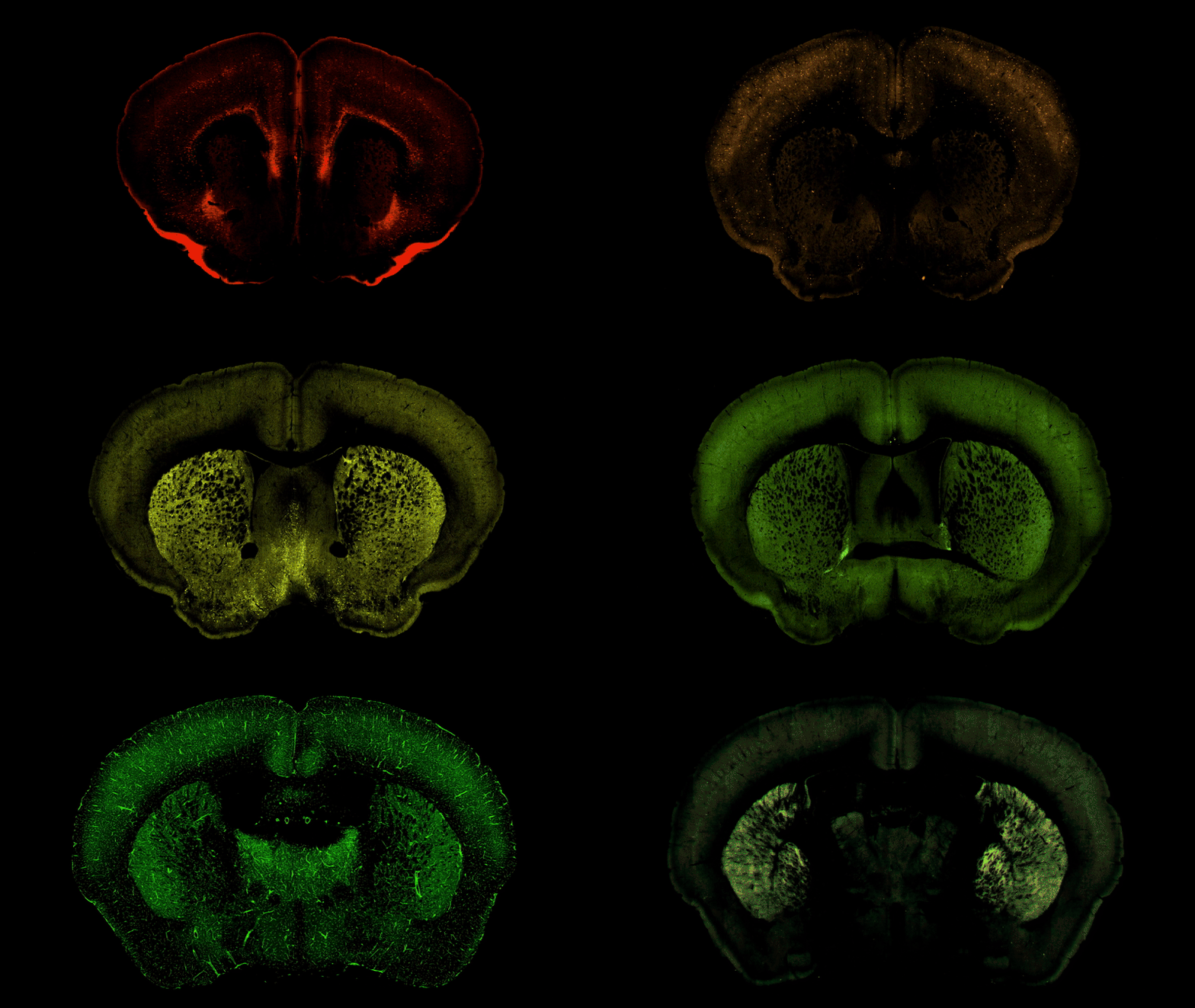
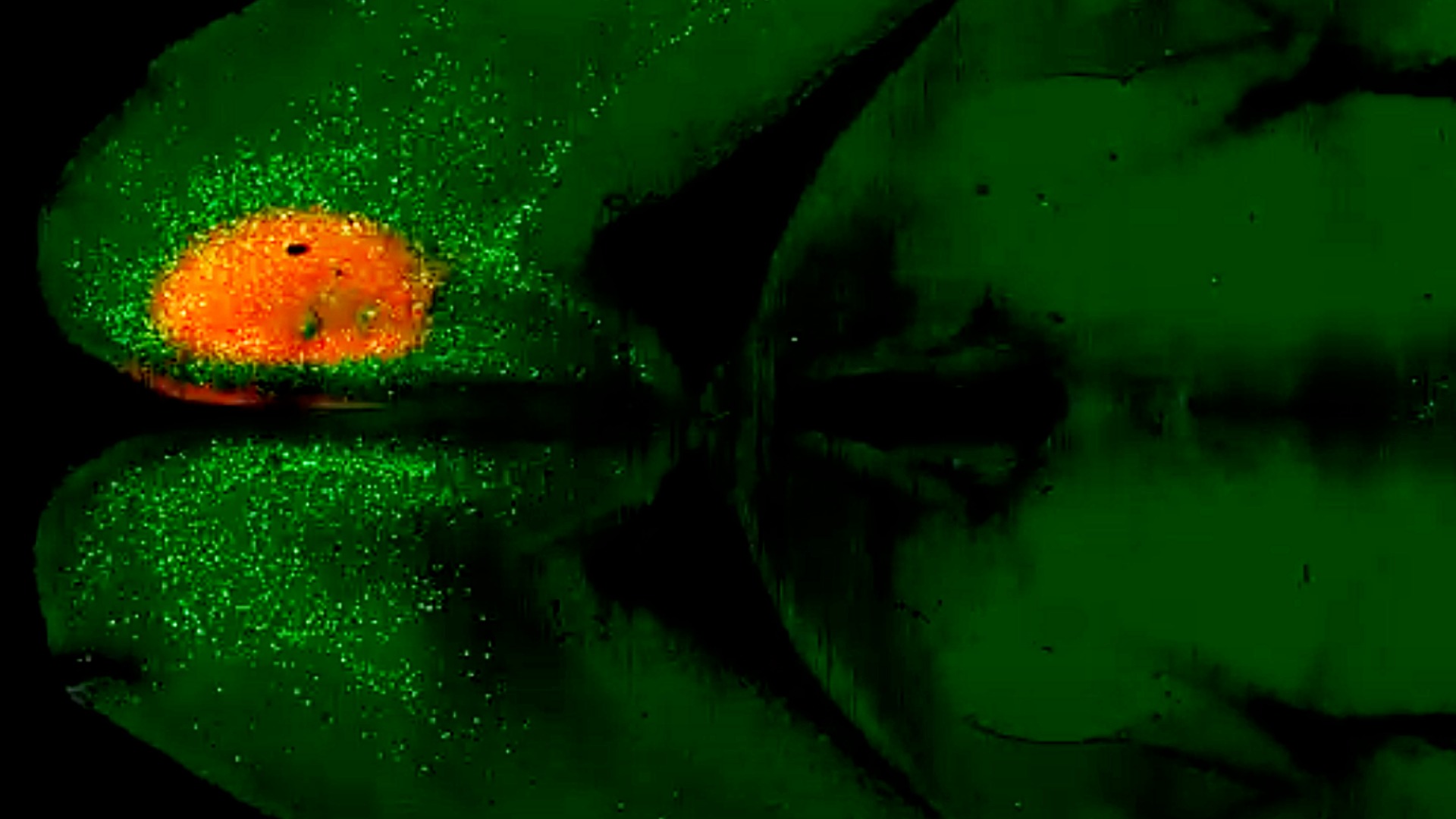
Red-orange glowing brain scan or cross-section on black background
Montage of mouse brains from the Allen Institute's Genetic Tools Atlas

‍

From discovery to treatment

What makes Brain Knowledge Platform transformative is how it connects basic brain research to actual medical treatments. The platform includes data from both healthy and diseased brains, so researchers can see what goes wrong in conditions like Alzheimer’s and Parkinson’s. They can identify which brain cells are affected and then test potential treatments on those specific cells.

The AI assistant accelerates discovery and insights by allowing users to search for molecules and cell features through natural language queries, similar to generative AI search, making the massive datasets more accessible and easier to navigate.

Breaking down research silos

One of the most exciting aspects is how the platform reveals connections between different brain diseases, and how it may speed up collaboration and big scientific discoveries.

“We’ve created and shared high-quality brain maps since our first mouse brain atlas in 2007,” says Hongkui Zeng, Ph.D., executive vice president and director of Brain Science at the Allen Institute. “The Brain Knowledge Platform enhances those maps with the novel understanding of cell types we’ve been developing with others in the NIH’s BRAIN Initiative. Like topography on Google Maps, cell type information adds multiple new layers to our maps, helping scientists design better experiments and glean new insights.”

The platform eliminates wasted effort by making all research discoverable and connected. Instead of spending months rediscovering what someone else already figured out, researchers can build on existing work and focus on the next breakthrough. This could help scientists understand how the brain works as a complete system and develop much more effective treatments for brain diseases.

Citations
No items found.

about the allen institute

The Allen Institute is an independent, 501(c)(3) nonprofit research organization founded by philanthropist and visionary, the late Paul G. Allen. The Allen Institute is dedicated to answering some of the biggest questions in bioscience and accelerating research worldwide. The Institute is a recognized leader in large-scale research with a commitment to an open science model. For more information, visit alleninstitute.org.
related news

all news
news
“Computational crystal ball” helps predict cell behavior
New technology could lead to better treatments for cancer by allowing scientists to perform virtual experiments
news
Mind trip: How psilocybin changes the brain
New research may help improve psychedelic therapy for neuropsychiatric disorders
news
Computer model predicts aspects of cognitive performance
The Allen Human Brain Atlas helped researchers design a model that looked at “intrinsic neural timescales”
news
Scientists shoot lasers into brain cells to uncover how illusions work
Supported by the Allen Institute's OpenScope program, the findings could help us better understand neuropsychiatric disorders like schizophrenia and...
news
Collaboration Expands Research Tool to Help Crack the Code on Parkinson’s and Other Neurodegenerative Diseases
A new view of Parkinson's Disease
news
Landmark experiment sheds new light on the origins of consciousness
Findings suggest it may be about sensory processing and perception, with possible implications for diagnosing and treating comas or vegetative states.
we acceleratedevelopcatalyzeimpact

science done differently. shared with the world.

explore our accelerators

brain science

Mapping every cell, connection, and circuit in the brain—openly shared with the world.

cell science

Decoding how cells become tissues, then programming that knowledge into powerful new research tools.

neural dynamics

Revealing the brain's hidden algorithms that transform neural activity into real-world behavior.

immunology

Creating the deepest open reference for the healthy human immune system ever built.

synthetic biology

Engineering cells to record their own histories, transforming how we understand disease over time.

research

Big questions, open answers, and science built to be shared.

education

Inspiring the next generation of scientists through open science resources.

impact

Our science is empowering researchers and advancing health worldwide.
advancing science through open, collaborative research
Get the allen institute newsletter
Stay informed on the latest breakthroughs in neuroscience, bioscience, and AI-driven research.
allen institute
impactpeople & teamscareers & opportunitiesalumnihistory & founder
science resources
allencell.orgallenimmunology.orgallenneuraldynamics.orgbrain-bican.orgbrain-map.orgmicrons-explorer.org
research
brain sciencecell scienceneural dynamicsimmunologysynthetic biologypublications
education
science educationfield tripsprofessional developmenteducation resources
quick links
newseventsopen sciencepodcastscience resourceshuman brain donationvisit uscontact
follow us/

allen institute, 615 Westlake Ave North, Seattle, WA 98109 +12065487055

© 0000 allen institute. all rights reserved.
privacy policyterms of usecitation policyemployee portalpolicy & compliance