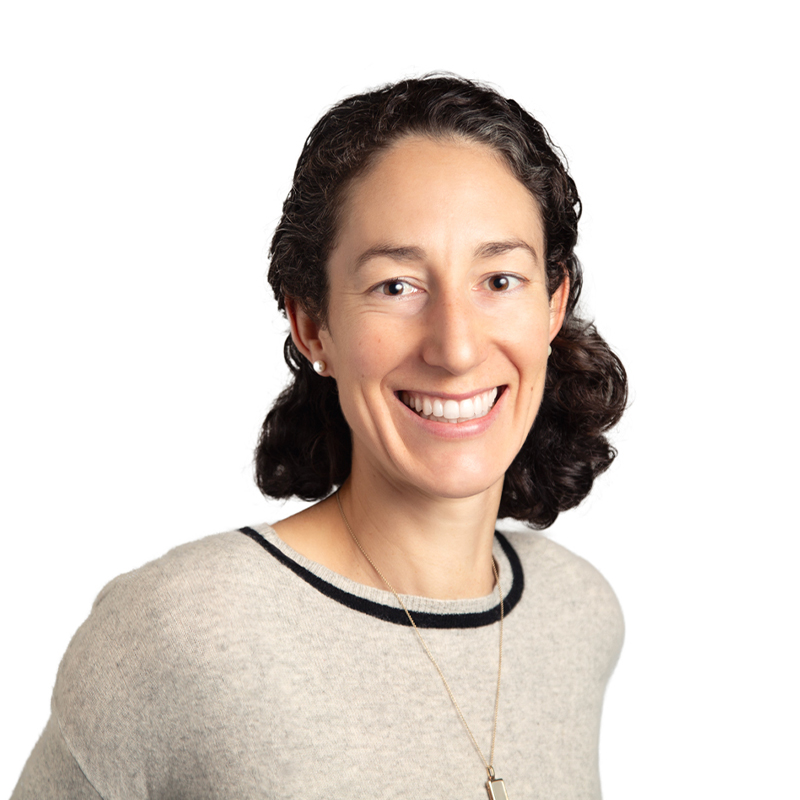
Florence Chardon
Scientist II, Molecular Biology & Bioinformatics

Florence did her undergraduate degree in Chemistry at the University of California, Berkeley and started her scientific career at Genentech in South San Francisco in 2014, working on the development of antibody cancer therapeutics. After three years at Genentech, she went on to pursue her Ph.D. in Genome Sciences at the University of Washington in 2017 under the mentorship of Jay Shendure and Lea Starita. During her Ph.D., she focused on genomic technology development, and developed two multiplex single-cell and bulk functional genomics methods to study and better understand gene regulatory architecture and consequences of genetic variation. Her work represents the largest CRISPRa enhancer screen performed in differentiated, iPSC-derived post-mitotic neurons to date. This work revealed novel cis-regulatory element-target links, and led to the identification of candidate gRNAs for use in cis-regulation therapy which leverages CRISPR activation to rescue haploinsufficient phenotypes (Chardon, McDiarmid et al., McDiarmid, Page, Chardon et al. 2025). Her later work using prime editing to install single nucleotide variants in selected oncogenes led to the identification of potentially novel drug resistance variants in the EGFR gene (Chardon et al. 2023).
Florence joined the Seattle Hub for Synthetic Biology (SeaHub) at the Allen Institute in early 2024. There, she is both a scientist and leads the Read team, which serves as the core computational biology and bioinformatics team for SeaHub. At SeaHub, she helps develop novel genome editing methods to write, record, and read information encoded in genomic DNA in increasingly complex model systems. Her team builds novel computational algorithms to interpret these data. Outside of her scientific career, she is an avid cyclist, skier, and outdoor enthusiast, and is happiest spending time in the mountains.