in this article
Like many things in life that we take for granted, we tend to notice our immunity most when something slips through the gaps. A challenge to our human immune system is visible on a grand scale right now, as the novel coronavirus is wreaking havoc around the world, but these breakdowns also happen on the smaller scale every day, when cancer takes hold, when an autoimmune disease flares up over and over.
You might think about your immune system as a first line of defense — a commonly used, if imperfect, metaphor. If you extend that analogy, in peacetime, the immune system is armed and waiting for something to fight. But that concept fails to capture so much of what your immune system does, day in and day out, to keep you healthy and alive.
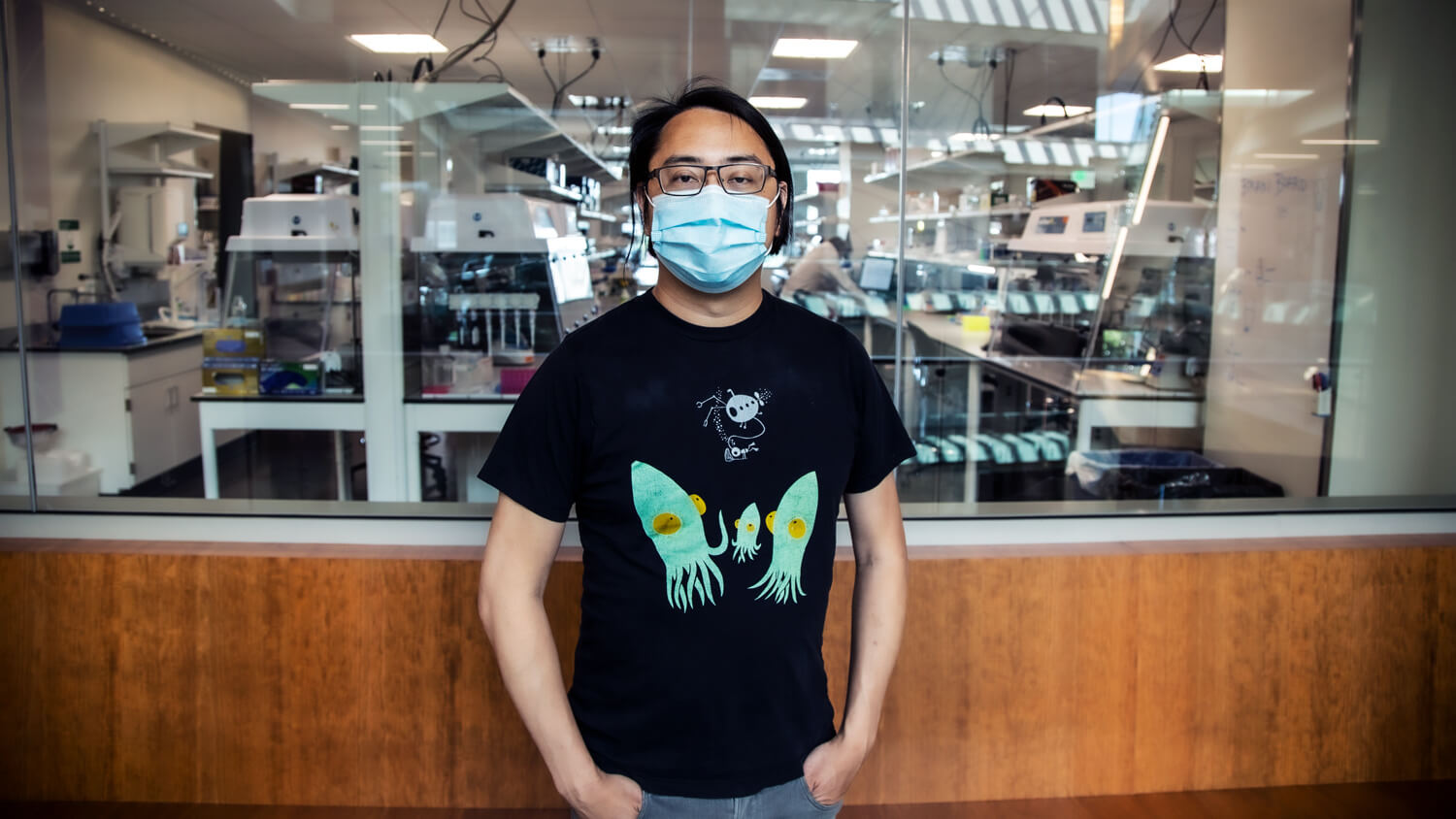
The immune system is “how humans function and don’t self-destruct, basically,” said Greg Szeto, Ph.D., an immunologist and investigator at the Allen Institute for Immunology, a division of the Allen Institute. “It touches every single organ system, and as a function of that, it also touches every type of disease.”
We asked Szeto and other Allen Institute immunologists to share some of the coolest feats the immune system pulls off, when it’s working at top condition.
By no means a complete list, your immune system can…
Keep a lifelong record of nearly everything you’ve ever encountered
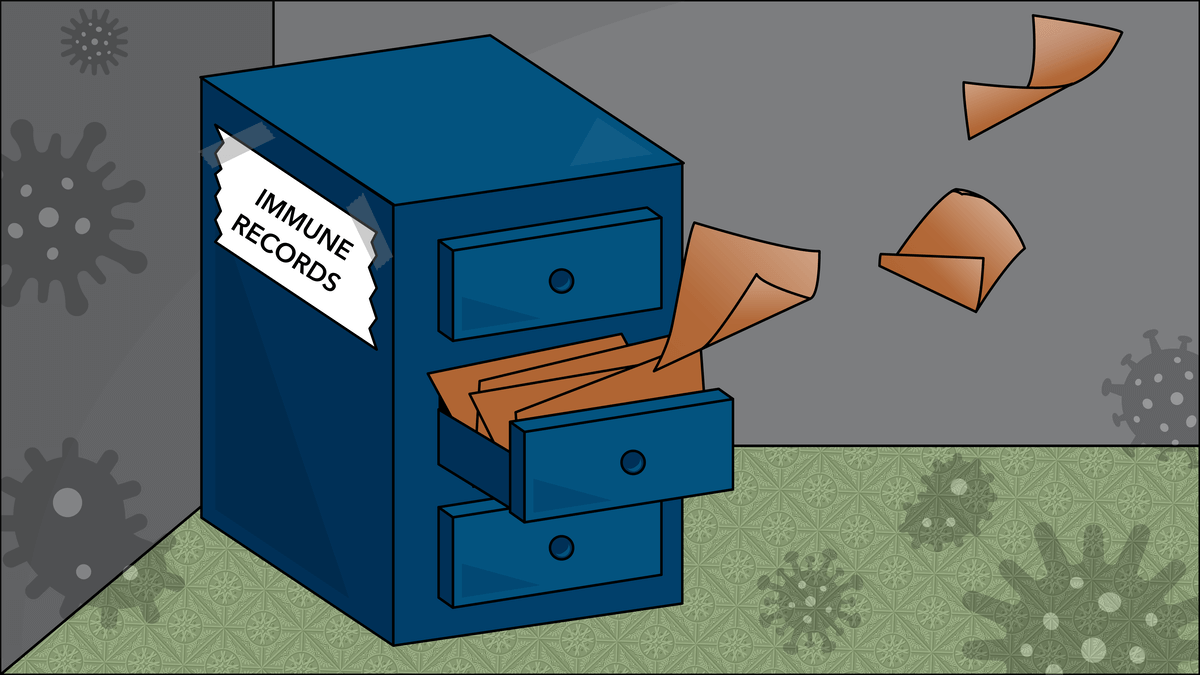
Your immune system is kind of your shadow self, Szeto said. Like us, it has a memory. Your immune cells, once trained to recognize a virus, bacteria or other pathogen through infection or vaccination, rarely forget.
Memory B cells, the type of immune cell that remembers an old infection and can quickly churn out antibodies if that same virus or bacteria enters the body again, can live for decades in the body. These long-lived immune cells, and related cells known as memory T cells, are the reason the measles vaccine you got as a young child still protects you today — and that’s also what researchers are searching for as people are recording from COVID-19 or in the large-scale trials for a SARS-CoV-2 vaccine. Now add to that every other vaccine and many of the colds, flus and other infections you’ve had over your life. The end result: a continuously updated microscopic most-wanted list of your body’s past invaders.
But your immune system recognizes more than just infections. Among a myriad of ways immune cells sense danger, the outer shells of B cells and T cells are studded with proteins known as receptors. These molecular feelers allow the cells to sense and respond to their environs, like microscopic sea anemones. The receptors react to our infected cells and to tiny pieces of viruses and bacteria, but they also detect environmental toxins, compounds from your diet, the healthy bacteria in your gut, cellular DNA damage from sunlight.
“Over a lifetime, the immune system holds a cumulative diary of exposure,” Szeto said. “Every person’s immune system is a unique fingerprint of their own personal exposure history.”
Learn the difference between your own cells and everything else
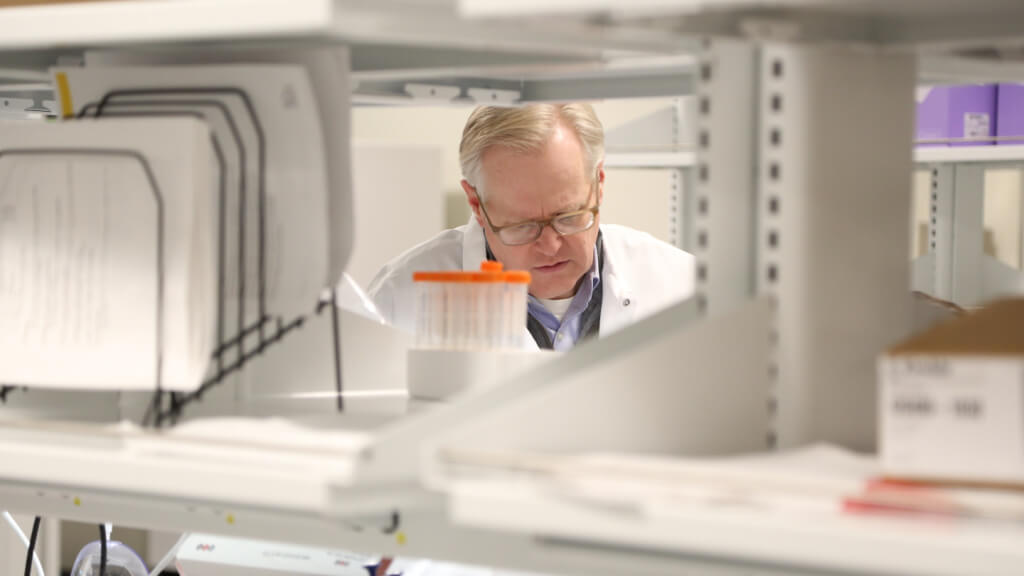
Autoimmune diseases like rheumatoid arthritis or type 1 diabetes happen when the immune system goes rogue, attacking and killing our own cells instead of protecting them. Although these diseases can be devastating, the fact that they don’t happen more often is pretty amazing, said Troy Torgerson, M.D., Ph.D., Director of Experimental Immunology at the Allen Institute for Immunology.
“Our immune system is designed to respond to an almost infinite list of harmful invaders,” Torgerson said. “That should be an impossible task, because if the immune system can respond to absolutely anything, how do we make sure it doesn’t respond to us?”
This seemingly impossible job, distinguishing self from non-self, happens with multiple layers of regulation. As new B cells and T cells are born, they are quickly screened — and cells that detect and react to your own proteins are destroyed. Immune cells known as regulatory T cells then act as the body’s peacekeepers to surveil all the rest of the immune system, continually checking for cells gone rogue. Your immune system even learns the difference between helpful and harmful bacteria, allowing the harmless bacteria in your gut and on your skin to thrive.
Hack evolution
Your immune system contends with a paradox: Humans have to defend ourselves against pathogens that evolve much more rapidly than we do. Evolution on the human scale takes thousands of years, if not more, while the flu virus, for example, can mutate quickly enough to evade a year-old vaccine. Viruses and bacteria both mutate and reproduce far faster than we do, which should give them an insurmountable lead in any evolutionary arms race.
So how do we keep up? One answer is that B cell and T cell receptors, the cells’ molecular feelers, are among the most diverse and most quickly evolving genes in the human genome. The receptors, which are different across almost every T and B cell, are constructed piecemeal, built from Lego-like pieces to create a protein that’s unique among neighboring cells’ receptors.
But there’s an even weirder trick your immune cells use to hack evolution. B cells and T cells have special machinery to either add extra random bits of DNA to receptor genes, or, in the case of antibody-generating B cells, to ramp up mutation rates only in the genes that code for B-cell receptors and antibodies. In essence, this machinery speeds up evolution — but only in these certain cells in our body.
Anywhere else, in any other cell, this would be heresy. You don’t want random mutations in your genes,” said Adam Savage, Ph.D., an immunologist with the Allen Institute for Immunology. “The reason we can keep up with a highly mutating pathogen is because there’s this huge array of potential receptors for anything. It’s sort of anticipating the unknown.”
Allow one specific foreign body to survive without attack
Torgerson posed another immune-system conundrum: “Say your significant other donated you a kidney, and doctors transplanted it into your body without checking to see if you were a match or without giving you immunosuppressive drugs — your immune system would attack that kidney like crazy and eventually kill it,” he said. “But if you get pregnant, half of those same genes from your significant other are in your body, growing not only a pair of kidneys, but a whole being that in most cases doesn’t get rejected.”
Researchers still don’t fully understand how a pregnant person’s immune system allows the growth of one foreign body, the fetus, while still working to protect them both from pathogens. The body makes a partial barrier by way of the placenta, but scientists know that barrier is incomplete: Maternal and fetal cells can sometimes mix across the placenta, persisting after birth in both parent and child in a phenomenon known as microchimerism. And mysteriously, certain autoimmune diseases get worse during pregnancy, while some, like multiple sclerosis and rheumatoid arthritis, may temporarily go into remission.
Form the basis for better cancer treatments
You might be surprised to learn that immune cells are actually extremely good at detecting and eliminating cancer. Mice genetically engineered to lack key parts of the immune system develop more tumors than immunologically healthy mice, studies have found. The same thing can happen in humans; for example, patients whose immune systems are suppressed by HIV are more prone to certain cancers than the rest of the population. But cancers — or the ones that survive the immune system’s watchful eye — develop many tricks to suppress and evade the immune system.
“The number of ways in which cancers are able to outwit or repurpose the immune system against itself is profound,” Szeto said. “It’s layers upon layers; it’s just mind-boggling.”
As researchers uncover these layers of deception, they are sometimes able to design new therapies to combat them. Cancer immunotherapy, which uses a patient’s own immune system as the basis for treatment, is showing promise for a number of different cancers. These therapies, which range from tumor-recognizing antibodies to souped-up engineered T cells, peel back one or more of those cloaking layers to let the immune system do its job.
In part because tumors have multiple ways of evading immune attack, immunotherapies don’t work for all patients — they don’t even work for all patients with the same type of cancer, and researchers don’t fully understand why. But when they do work, in many cases they can eradicate the cancer cells more thoroughly and completely than older treatments like chemotherapy and radiation. One of the Allen Institute for Immunology’s goals is to understand what’s different about the immune response when certain immunotherapies work and when they don’t, with the hope of broadening these new treatments’ reach to many more patients.
Citations
about the allen institute
The Allen Institute is an independent, 501(c)(3) nonprofit research organization founded by philanthropist and visionary, the late Paul G. Allen. The Allen Institute is dedicated to answering some of the biggest questions in bioscience and accelerating research worldwide. The Institute is a recognized leader in large-scale research with a commitment to an open science model. For more information, visit alleninstitute.org.