in this article
The completion of the Allen Institute for Brain Science’s inaugural project signals a remarkable leap forward in one of the last frontiers of medical science – the brain.
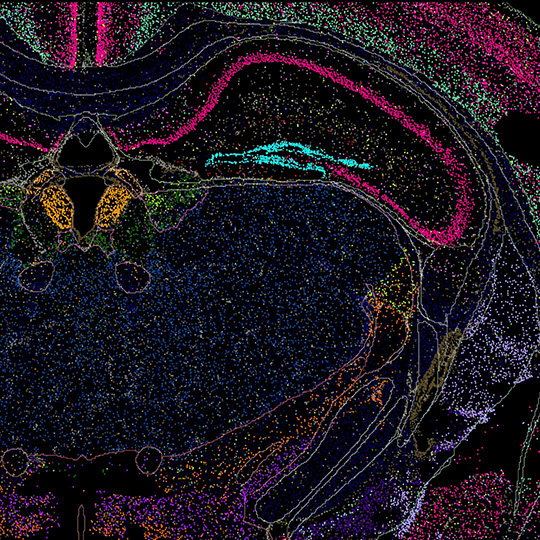
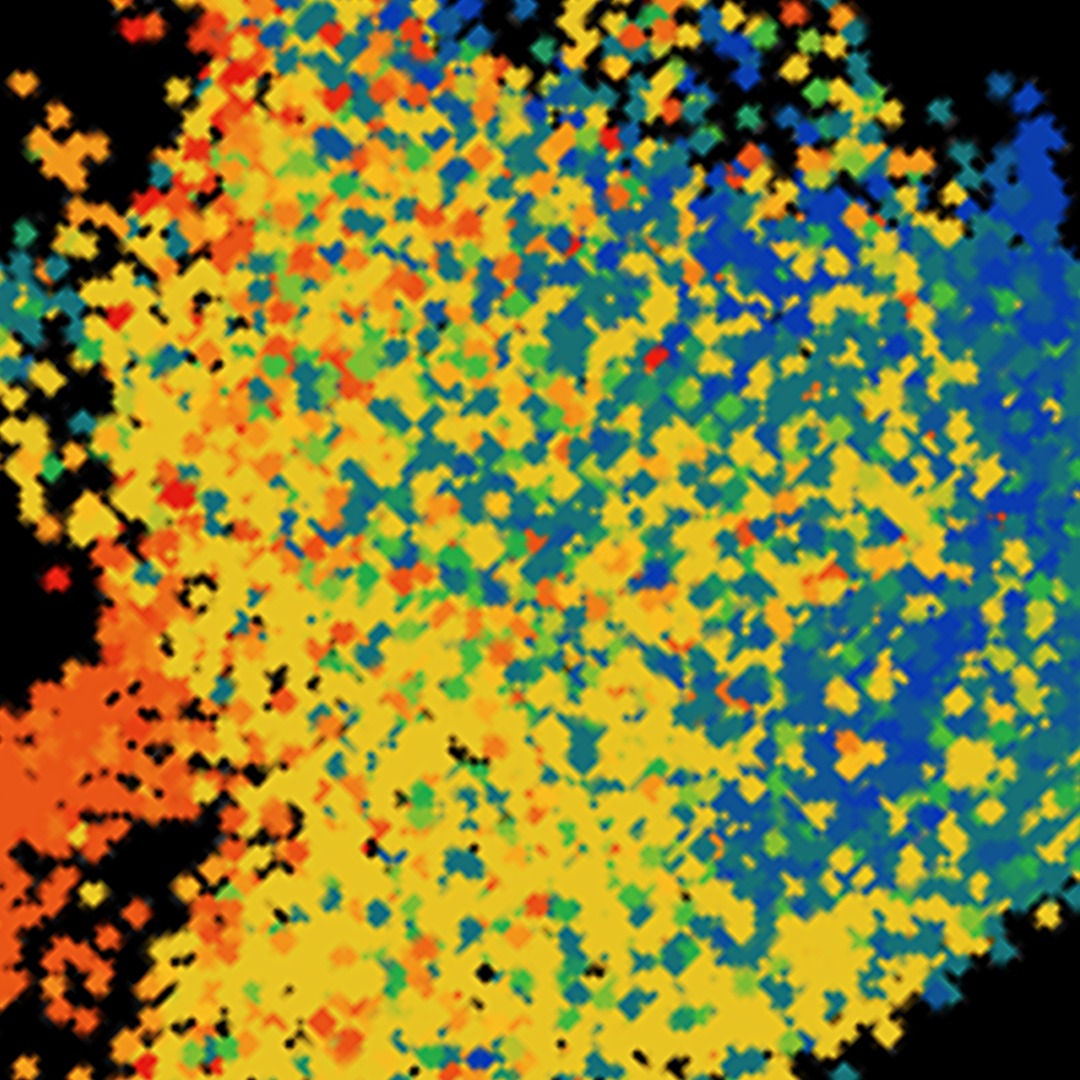
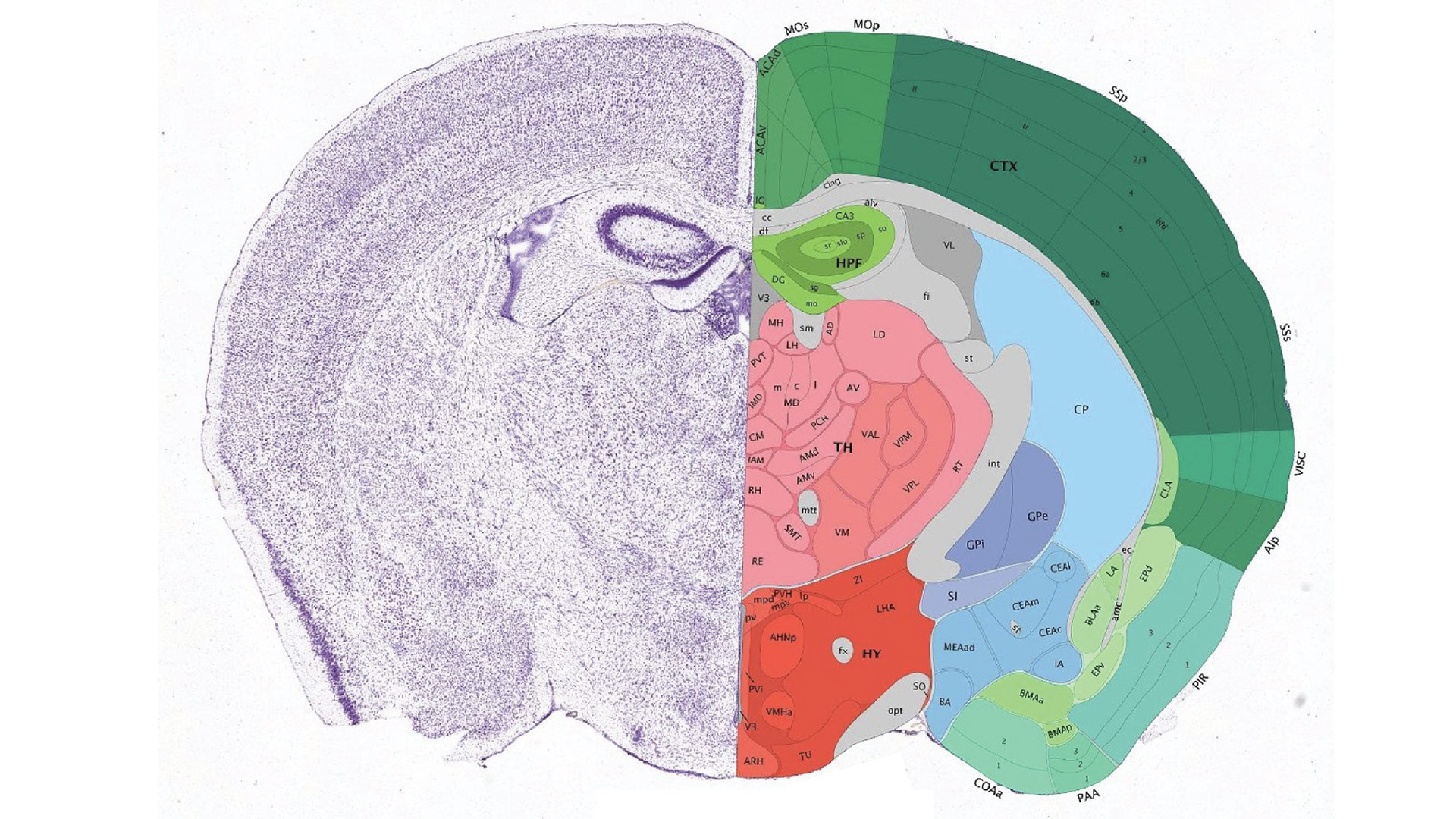
The Institute today announced the completion of the groundbreaking Allen Brain Atlas, a Webbased, three-dimensional map of gene expression in the mouse brain. Detailing more than 21,000 genes at the cellular level, the Atlas provides scientists with a level of data previously not available.
Since humans share more than 90 percent of their genes with mice, the Atlas offers profound opportunity to further understanding of human disorders and diseases such as Alzheimer’s, Parkinson’s, epilepsy, schizophrenia, autism and addiction. About 26 percent of American adults – close to 58 million people – suffer from a diagnosable mental disorder in a given year.
“This project is an unprecedented union of neuroscience and genomics,” said philanthropist and Microsoft co-founder Paul G. Allen, who provided $100 million in seed money to launch the Allen Institute for Brain Science’s first project, the Allen Brain Atlas, in 2003. “The comprehensive information provided by the Atlas will help lead scientists to new insights and propel the field of neuroscience forward dramatically.”
Publicly available at no cost, the map shows which genes are active – or “expressed” – within the brain and which regions and cells they are expressed in, thereby linking them to particular brain functions.
“This is a multidisciplinary project of unprecedented scale,” said Allan Jones, the Institute’s chief scientific officer. “It combines the scientific disciplines of math, physics, neuroscience, and genomics to define where those 21,000 genes are expressed and activated in the brain. There’s no other information set like this.”
Key New Findings About the Brain
The project has already led to several significant new findings about the brain. It reveals that 80 percent of genes are turned on in the brain, much higher than the 60 to 70 percent scientists previously believed.
It indicates that very few genes are turned on in only one region of the brain – paving the way for additional insight about the benefits and potential side effects of drug treatments. And it shows the location of genes associated with specific functions, providing scientists with valuable information about regional brain activity.
“It’s an enormous mine of information. Suddenly you can go into a much more advanced level of analysis,” said Catherine Dulac, a Harvard professor of molecular and cellular biology and a member of the Institute’s scientific advisory board.
“The fact that it is being made publicly available immediately is absolutely tremendous.”
How the Atlas Works
The Atlas gives scientists worldwide the gift of time, providing in one place an enormous database of information that an individual researcher could spend a lifetime trying to gather.
Many of the discrete regions of the brain perform similar functions in all mammals, and greater than 90 percent of all mouse genes have a direct counterpart in humans. By establishing this baseline of the normal mouse brain, the Atlas allows researchers to compare the brain with others altered to mimic neurological and psychiatric diseases found in humans.
Previous atlases have contained anatomic maps showing the location of various regions of the brain, but little or no information about the gene activity within them. Others have contained gene information but none have been nearly as comprehensive as the Atlas, which includes data for every major structure in the brain for nearly all the genes in the genome.
Even before its announced completion, the Atlas was receiving more than 4 million hits monthly and being accessed by approximately 250 scientists on any given work day. Users are not required to provide information about their work, but anecdotal evidence indicates that the Atlas is already assisting research projects.
“I use it around the clock, night and day. My whole lab does,” said Stanford University neurobiology professor Ben A. Barres, who is using the Atlas to confirm his team’s findings about glial cells, a type of non-neuronal cell within the nervous system.
“It’s completely essential. It’s saved us years and years of work, maybe decades. We could never have done all this, either financially or in terms of the amount of labor and time. It was just so incredibly generous of Mr. Allen to do this, and I think it’s hard to even overstate what the payoff is going to be for research.”
Future Steps
Going forward, the Institute will shift its focus to human research in order to answer critical questions about human brain disorders and diseases. It will seek opportunities to collaborate with scientists on research programs, offering its state-of-the-art equipment, technological capacity and a 32,000-square foot facility.
With the view of becoming a self-sustaining entity, the Institute will be pursuing grants and partnerships with funding agencies and foundations to advance neurological health issues.
Beyond its groundbreaking scientific potential, the Atlas was completed under a unique new research paradigm. The team working on the project included neuroscientists, mathematicians and technical experts recruited from imminent organizations nationwide.
Through its unique structure and Allen’s contribution, the team was able to focus exclusively on the Atlas, completing the project on time and under budget and achieving scientific and technological milestones that many research institutions could not.
The genesis of the Allen Brain Atlas dates back to 2002, when Paul Allen gathered together leading scientists from around the world and posed a critical question: “What is the one thing that will make the biggest difference in the field of brain science?”
Arthur W. Toga, a professor of neurology at the UCLA School of Medicine and a member of the Institute’s scientific advisory board, said the Atlas is a critical tool in helping to address questions about the brain that have confounded scientists, philosophers and others for centuries.
“This is a remarkable achievement,” he said. “This is the next step in a tremendous progression in trying to understand the brain and how it functions.”
“As a scientist, how can you ever find something that’s more interesting than the organ in our body which makes us who we are?” Toga said. “It’s the organ that allows us to create opera and great pieces of art and send a shuttle rocket to the moon. It all came from there.”
Citations
about the allen institute
The Allen Institute is an independent, 501(c)(3) nonprofit research organization founded by philanthropist and visionary, the late Paul G. Allen. The Allen Institute is dedicated to answering some of the biggest questions in bioscience and accelerating research worldwide. The Institute is a recognized leader in large-scale research with a commitment to an open science model. For more information, visit alleninstitute.org.