in this article
Two Allen Distinguished Investigators and an ADI collaborator are among the recipients of more than $50 million in grant funding announced today by the biomedical research initiative created by Facebook co-founder Mark Zuckerberg and his wife, Priscilla Chan.
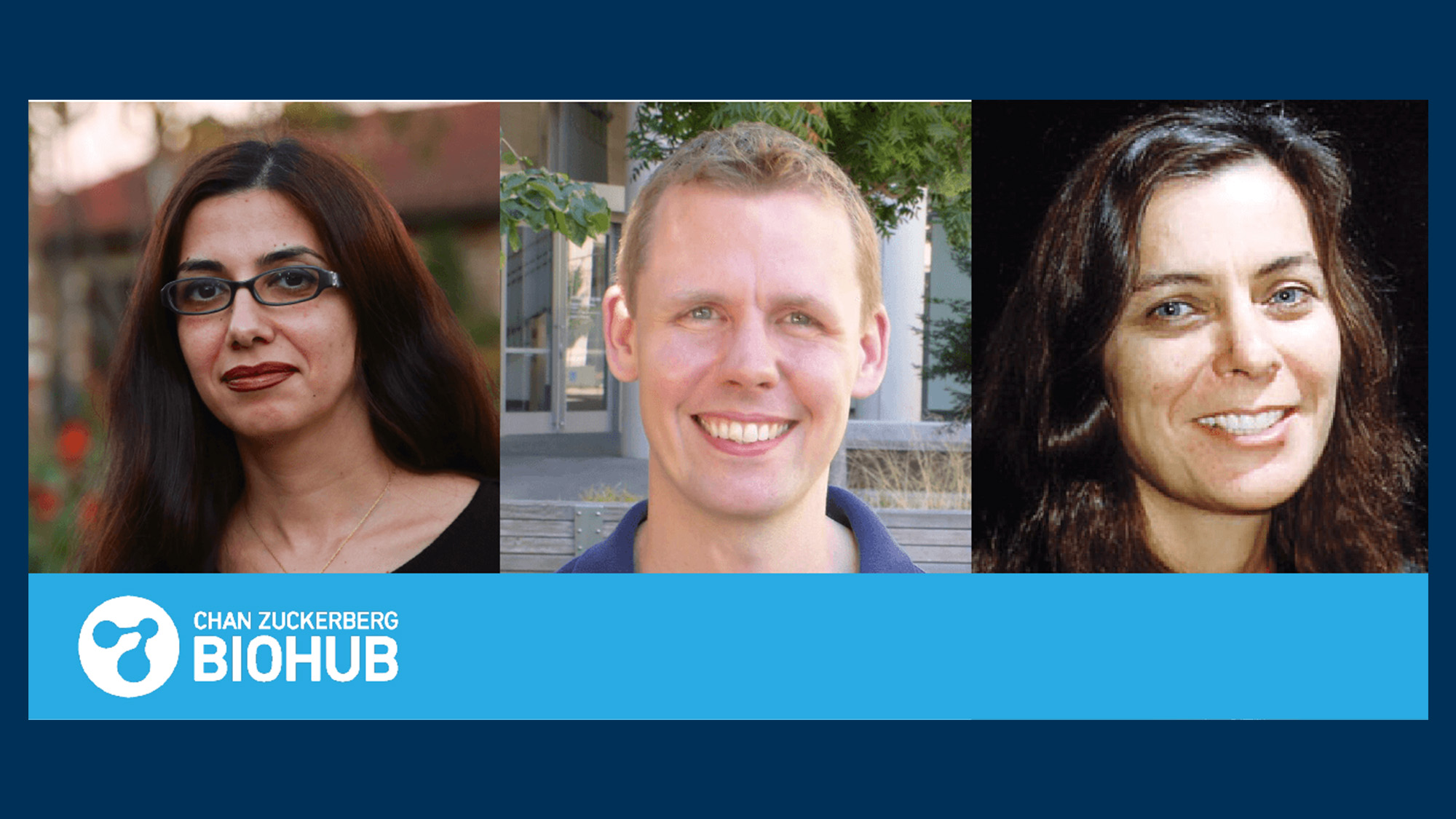
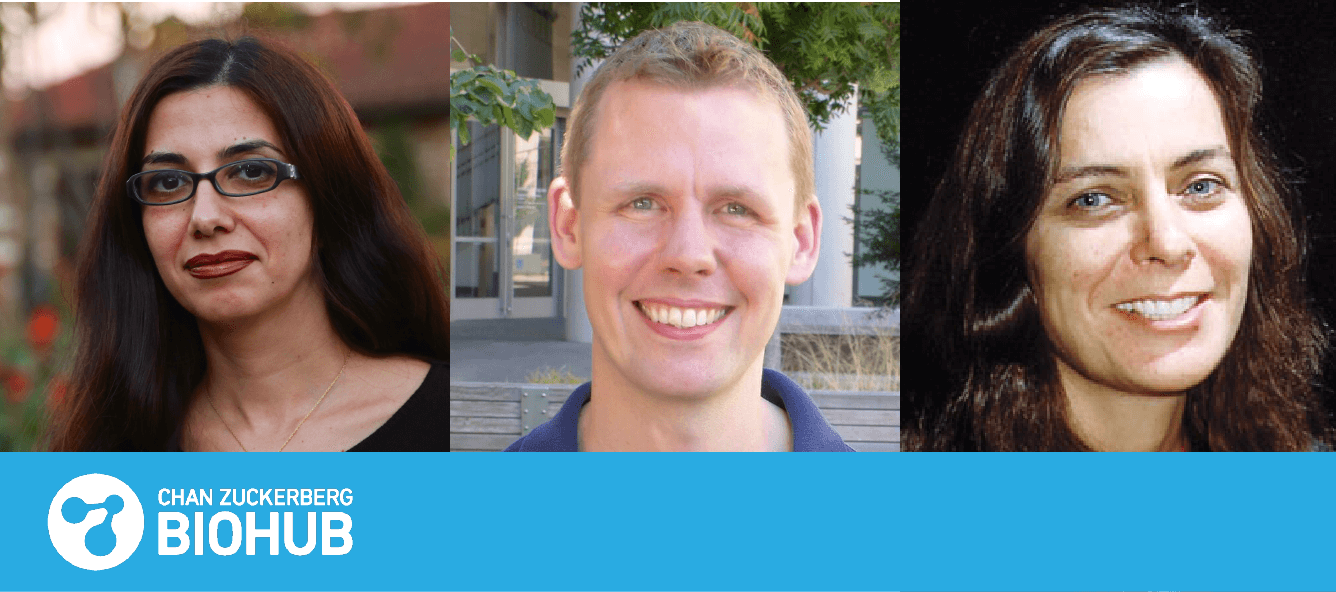
Hana El-Samad, Martin Kampmann, and Jillian Banfield will receive up to $1.5 million each during the next five years from the Chan Zuckerberg Biohub, a partnership between the Chan Zuckerberg Initiative and Stanford, the University of California, Berkeley, and the University of California, San Francisco. The goal of the Biohub program is to accelerate the pace of scientific discovery by funding risky and emerging areas of research.
“We recognize the value of investing in bold pioneers who are exploring new scientific frontiers,” said Tom Skalak, Ph.D., Executive Director of The Paul G. Allen Frontiers Group. “We are thrilled to see organizations like the Biohub investing in people we have identified as creative thinkers who have the potential to revolutionize entire fields of science.”
Hana El-Samad, PhD., UCSF
In 2013, Hana El-Samad was named an Allen Distinguished Investigator for a project on signaling in cellular circuits. For her Biohub project, El-Samad will analyze the control of feedback loops in such circuits, a fundamental underpinning of life, to understand their interconnected architecture and predict their failure modes in disease.
Martin Kampmann, Ph.D., UCSF
In 2015, Martin Kampmann was named an Allen Distinguished Investigator in a team with Michael Keiser and David Kokel for a project to study gene combinations and drugs that control the formation of plaques and tangles in Alzheimer’s disease. Kampmann’s Biohub project will develop cell-based models of neurodegenerative diseases like Alzheimer’s and Parkinson’s in human induced pluripotent stem cells, with the goal of understanding the molecular mechanisms that drive the diseases.
Jill Banfield, Ph.D., UC Berkeley
Jill Banfield, a collaborator of 2016 Allen Distinguished Investigator Jennifer Doudna, is uncovering the vast diversity of microorganisms that depend on co-existing microbial community members for most core metabolic resources and has discovered two major evolutionary radiations, one in bacteria and the other in archaea. She is exploring the medical, industrial, and ecological significance of these newly found microorganisms.
Citations
about the allen institute
The Allen Institute is an independent, 501(c)(3) nonprofit research organization founded by philanthropist and visionary, the late Paul G. Allen. The Allen Institute is dedicated to answering some of the biggest questions in bioscience and accelerating research worldwide. The Institute is a recognized leader in large-scale research with a commitment to an open science model. For more information, visit alleninstitute.org.