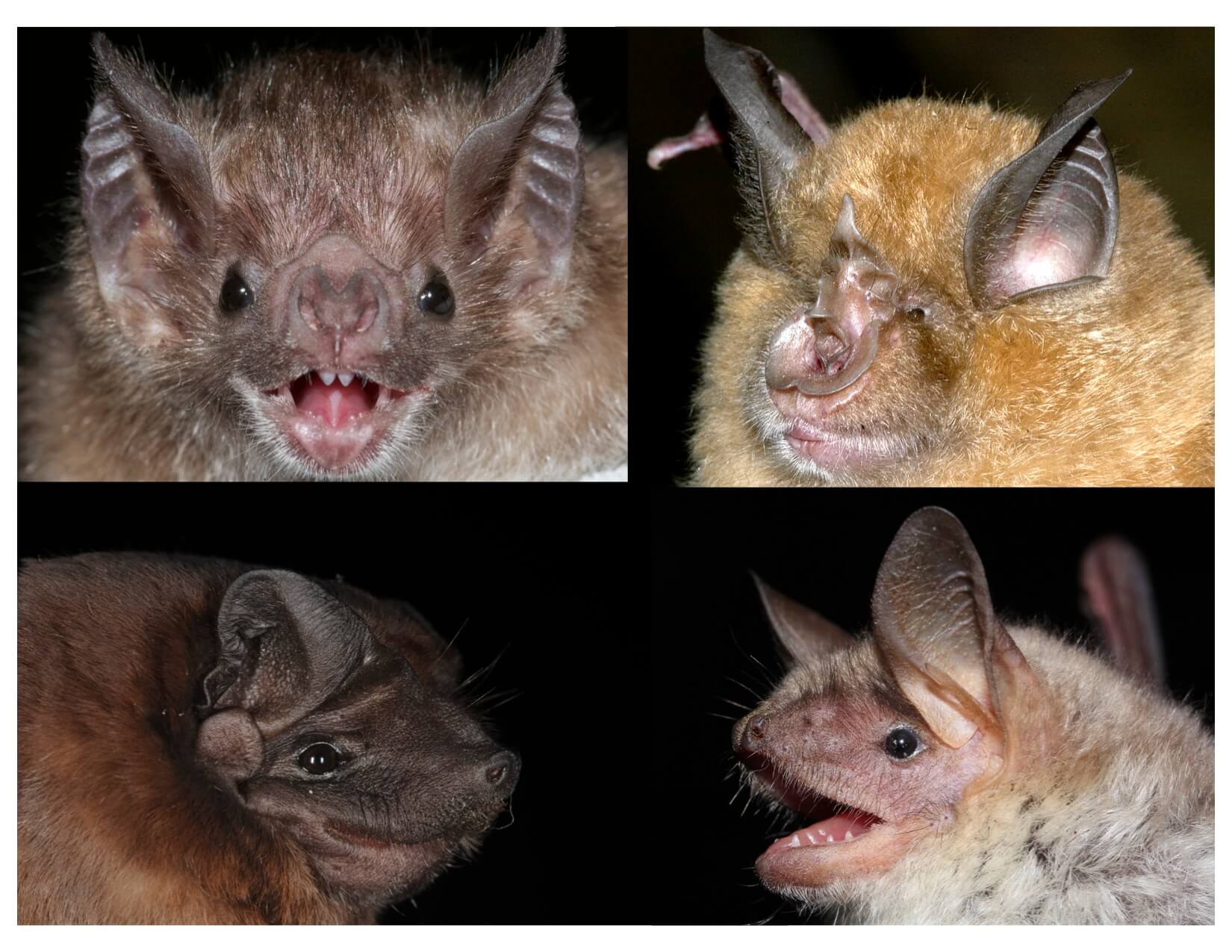

There are three kinds of animals that aging researchers find particularly fascinating, says Steve Horvath, Ph.D., an aging researcher at UCLA: bats, naked mole rats, and humans.
All three of these, people included, live longer than we should. And at a molecular level, scientists don’t really understand why. Understanding the general principles of aging — in us or in other mammals — could one day help scientists improve the quality of our own aging. Now, a new study hints that the reason bats harbor so many zoonotic viruses like SARS-CoV-2 could also be behind their long lives.
A species’ average age usually tracks with body size. Bigger animals live long lives, while small animals like rabbits and mice live only a few years. But bats, people, and naked mole rats don’t fit that general rule. The diminutive bat can live for decades, despite weighing the same few grams as a wild mouse. Some particularly long-lived species of bats can live for 30 to 40 years.
“I’m really motivated to find longevity genes or pathways that allow some of these species to live an exceptionally long life,” said Horvath, who is also an Allen Distinguished Investigator. “We’re trying to understand the molecular reasons behind that.”
In a project launched by funding from his Allen Distinguished Investigator award, Horvath is developing assays that accurately predict the age of many different kinds of mammals. His work started with an “epigenetic clock” for humans, and he’s since expanded that initial idea to 180 other mammalian species. Together with University of Maryland biologist Gerald Wilkinson, Ph.D., Horvath led a new study describing a molecular clock for bats that was recently published in the journal Nature Communications.
Studying aging in wild animals is challenging, and it can be especially difficult to estimate a bat’s age. For some bat species, scientists can approximate their age based on wear and tear on their tiny teeth, but some kinds of bats barely use their teeth at all. Vampire bats, like their namesakes, drink blood (a diet that leads to minimal tooth wear) and live long, nocturnal lives, longer even than most other bats.
“An old vampire bat might have scars, but their teeth don’t wear down,” said Wilkinson, who studies social behaviors in wild populations of bats, including vampire bats. “Given that they can live 30 years, it would be really nice to have another way to estimate their age.”
Wilkinson and Horvath’s new DNA-based “clock” can tell the age of wild bats within a margin of error of less than a year. The bat biologist and aging researcher’s new study shows that the molecular clock accurately pinpoints the age of 26 different species of bats — and hints at the reasons behind certain bats’ extra-long lives.
The technique can be used to aid conservation efforts, the researchers said. To understand whether a wild population is thriving or in danger, scientists often need more details than just total population numbers. Knowing if all the older animals are dying off or if young animals aren’t being born at typical rates, for example, are important pieces of data in efforts to understand overall population health.
Their study also found that genes related to immunity and cancer suppression may underlie some bats’ exceptional longevity — bats like the vampire bat and horseshoe bat can live upwards of 30 years, even longer than the already long lifespans of other bats.
DNA clockwork
The “epigenetic clocks” originally developed by Horvath work by tracking additions on our DNA known as methylation, a small, reversible chemical modification that doesn’t alter the letters of our DNA itself but can change how our genes are switched on and off (this type of phenomenon is known more generally as epigenetics). DNA methylation changes in predictable ways as we get older. Horvath’s team built an assay based on DNA methylation in the genome that accurately reflects a person’s or other mammal’s age.
To develop this assay Horvath and his team at UCLA developed a “chip” that measures methylation in 37,000 DNA regions that are very similar between us and other mammals, including bats; the chip can read out in a single experiment an animal’s epigenetic aging signature.
The scientists used skin samples — a tiny biopsy of the bat’s wing that quickly heals — that Wilkinson had in a freezer in his lab. He also sent up the bat signal to several other research teams around the world to contribute samples; in total, the team analyzed skin samples from 712 different animals whose precise age was known.
It turns out that bats are homebodies. Wilkinson and other bat biologists are able to mark young animals with bands on their wings and find the same bats in the same cave, hollow tree or attic year after year. One collection of bat samples in their study came from a group of British researchers who have been studying the same group of horseshoe bats that live in an English church for more than 40 years, Wilkinson said.
Viruses, cancer and long lives
Bats’ social groupings, long lives and their tendency to transmit viruses to humans might all be connected, although the evidence underlying these connections is still spotty. There are studies suggesting that bats can tolerate viruses far better than other animals, and scientists believe their ability to live with high levels of viruses could be what allows them to live in such close harmony with each other. You can imagine that a population of bats huddled together in tight confines like a cave or attic would be prime breeding ground for viral spread. Bats have also been implicated in many zoonotic disease outbreaks, including COVID-19, Ebola, and SARS.
In their study, Horvath and Wilkinson also looked at regions of DNA methylation that showed the most differences between long-lived and short-lived bat species with the hopes of understanding any epigenetic underpinnings of long life. Many of the genes in these regions are known to be involved in cancer suppression and immunity. Some of those genes had already been implicated in bat longevity, Wilkinson said, but the jury is still out on which factors contribute most to certain bat species’ exceptional long lives.
Horvath believes the secret to healthy aging will turn out to be a combination of factors. “In order to live a really long life, you probably need to have optimized everything,” he said. “You need to be good at fighting infections; you need to be good at suppressing cancer; you need to have good stem cells. It’s probably going to wind up being all of the above and more.” — written by Rachel Tompa, Ph.D.
Rachel Tompa is Senior Writer at the Allen Institute. She covers news from all scientific divisions at the Institute. Get in touch at rachelt@alleninstitute.org.
Citations
about the allen institute
The Allen Institute is an independent, 501(c)(3) nonprofit research organization founded by philanthropist and visionary, the late Paul G. Allen. The Allen Institute is dedicated to answering some of the biggest questions in bioscience and accelerating research worldwide. The Institute is a recognized leader in large-scale research with a commitment to an open science model. For more information, visit alleninstitute.org.