in this article
By Rachel Tompa, Ph.D. / Allen Institute
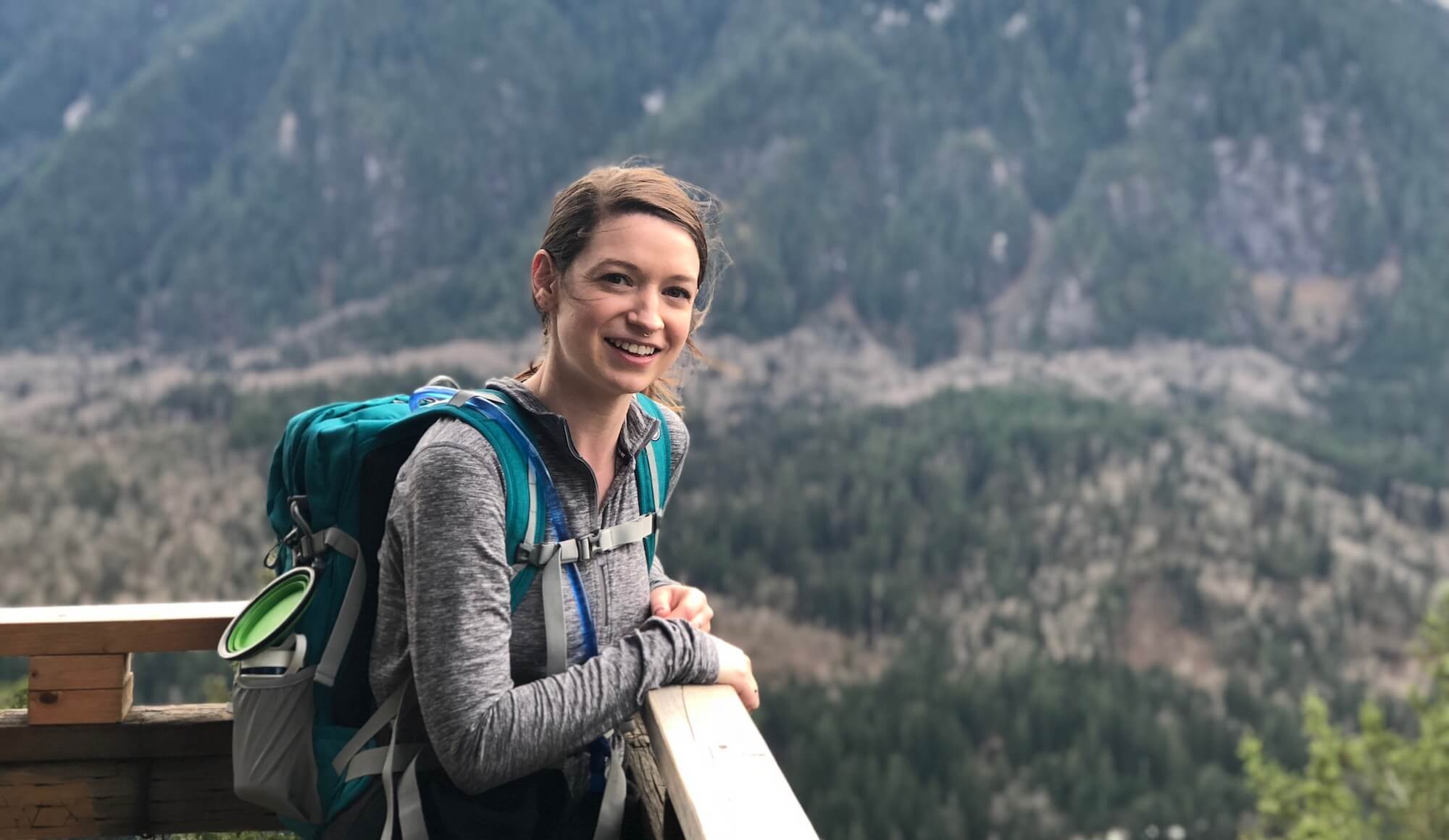
Sunny Jennifer Adrian was really sick, but doctors wouldn’t believe her.
It was late spring 2020, and she’d had COVID since March. At first, she seemed to be getting better. But then things got worse.
“Right at the beginning of May, I crashed. And that was scary. Because that was something that was happening to people — they seemed to be getting better, and then they’d crash and they’d die,” Adrian said. “I made a video will, and I made a bunch of videos of me reading books to my nieces and nephews. I was so sure I was just going to be in my bed alone and die. And after a while, it stopped being as scary.”
She was still testing positive so she couldn’t go to a regular clinic; she had to go to the emergency room for her breathing problems and other symptoms. But the ER doctors were less than helpful, said Adrian, a 48-year-old living in Seattle.
On one ER visit, she caught sight of a note on her chart that just said “malingerer” (the medical term for faking symptoms). Another doctor told her there was no reason she should still be coughing and refused to prescribe her any more high-strength cough syrup. A third doctor straight out accused her of drug-seeking.
It was a terrible experience, to be suffering for months at home with a disease that — at the time — everyone thought should either resolve or kill you.
Adrian didn’t die, but she didn’t exactly recover. She’s not feeling like she’s at death’s door these days, nearly three years after she contracted the virus, but her daily life is very different. Her fatigue and brain fog are still severe, and she still has trouble breathing. Before the pandemic, she was working toward a degree to become a paralegal. Now, she can’t work. She has a hard time remembering words, reading anything longer than a short article, or driving long distances. She’s currently trying to retrain herself to do crossword puzzles and middle-school algebra.
Adrian is one of an estimated 65 million people in the world living with long COVID, sometimes called long-haul COVID or post-acute COVID, a still-mysterious condition where COVID symptoms — or new symptoms — persist for months or years past initial diagnosis. As the virus itself affects almost every organ system of the body, so too do long COVID patients report a wide spectrum of symptoms. Some have severe brain fog, forgetting words mid-sentence. Many have trouble breathing, some requiring supplemental oxygen for months. There’s muscle fatigue, insomnia, digestive problems, diabetes and other autoimmune diseases, organ problems of all types.
Recent studies by the CDC estimate that around 1 in 5 adults who contracted COVID are now living with long COVID, and vaccination may only slightly alleviate that risk.
In her online searches about her condition in the early months of long COVID, Adrian came across a study run by Julie McElrath, M.D., Ph.D. and Julie Czartoski, ARNP, the Seattle COVID Cohort Study at Fred Hutchinson Cancer Center. That study aims to understand the early stages of the body’s immune response to COVID, in part through collaboration with researchers at the Allen Institute for Immunology, a division of the Allen Institute. The cohort wasn’t designed to study long COVID, but the researchers soon realized that many of their study volunteers had symptoms that weren’t going away — even those who’d had relatively mild COVID at first, like Adrian.
Adrian was hoping her participation in the research study would lead to treatments for her and others like her, or even ways to prevent long COVID from taking hold. But there was a side benefit after months of feeling entirely alone with her disease, she said.
“The first time I went in to do a blood draw — you know, I’m normally not a crier, but I was really trying not to cry because they were so happy to see me,” Adrian said. “Not since the beginning of COVID had any [health care provider] actually been welcoming to me.”
What’s it like to live with a chronic condition that the medical field has been slow to recognize? This isn’t a situation unique to long COVID — patients with many other chronic illnesses report lack of knowledge or downright skepticism from the medical establishment — but COVID has brought a massive wave of a poorly understood, new chronic illness to the global population.
For Adrian, the experience was intensely lonely. She spent a lot of time by herself in bed, and she didn’t realize that there were others in her situation. The concept of long COVID was starting to trickle out by summer 2020, but Adrian wasn’t spending much time reading or watching the news, she said. She remembers seeing an article in fall of 2020 that talked about COVID patients who still had symptoms 3 months after infection — she was 8 months into her illness by that point, and it was the first time she realized that there were others like her. It was a mixed bag to understand she was not alone.
“I was both comforted and sorrowful that there were other people in the same situation,” she said. “I would have preferred it was just me and not millions of people dealing with this same set of circumstances.”
The tangled roots of long COVID
The science of long COVID is murky, as the researchers studying the chronic disease at the Allen Institute have found. Initially, many clinics aimed to treat individual symptoms as they cropped up, referring patients with sleep problems to a sleep specialist and those with brain fog to a neurologist. But it became clear to scientists and physicians that a symptom-based approach to the disease was only scratching the surface.
In a recent study looking at the immune system’s involvement in long COVID, Allen Institute for Immunology researchers found that they could group people into meaningful categories based on the biology of their disease. That is, molecular markers in their blood showed the scientists that long COVID can be broken down into several subtypes, including some where persistent inflammation might underlie the disease. But when they looked at patients by their reported symptoms, there was no match between a person’s long COVID subtype and their symptoms.
Some long COVID patients — like Mallory Rath — develop entirely new symptoms during the course of their illness.
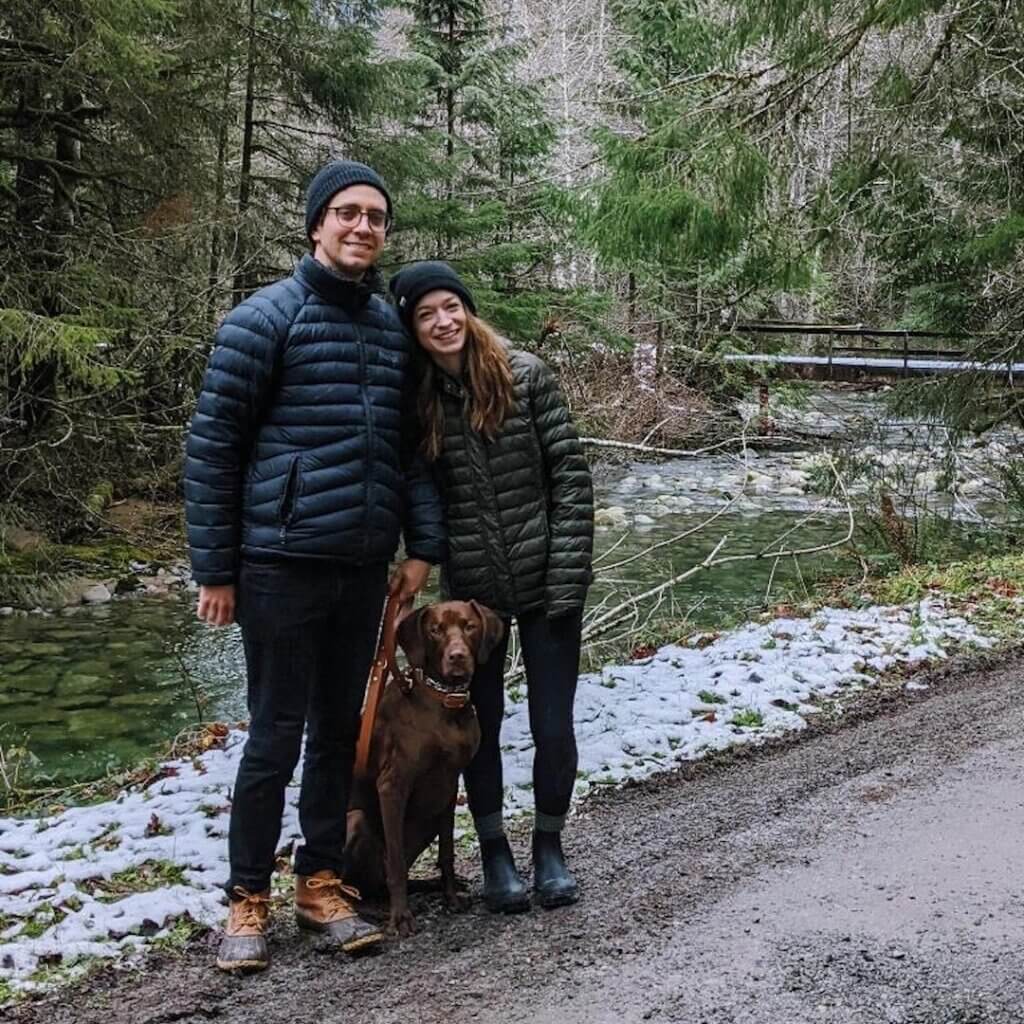
Rath remembers not having to think about her body much at all — when it would carry her to do the things she wanted to do, like a weekend hike with her active dog, or a training session in the boxing gym, or just cooking dinner for herself and her husband.
Now, the 32-year-old graphic designer has to plan carefully for any activity that might be too taxing. Boxing is out. Cooking might require several breaks to sit down and rest. Even an hour-long work meeting can prove too draining.
“I feel very disappointed in my body,” she said.
I feel really let down that it wasn’t able to recover from this. I miss just being fine with my body.
Mallory Rath, long COVID patient
Like Adrien, Mallory Rath and her husband, Jon Rath, both tested positive for COVID-19 in March 2020, just days after workplaces and schools shut down in Seattle, where they live. They don’t know where they picked it up, but Jon, an occupational therapist, got sick first, and Mallory followed a few days later. Jon was pretty much recovered a week later, other than weakened senses of smell and taste, which took longer to bounce back to normal.
Mallory wasn’t all that sick either, at first. For a few weeks her only symptoms were a scratchy throat, a dry cough and some body aches. But a month later, she started having chest pain and difficulty breathing. A few months after that, she was struck with bouts of nausea so intense that she couldn’t do anything other than rest in a dark room until they passed. Around the same time, she started having trouble sleeping — she’d be almost asleep, and a jolt of adrenaline would wake her up, over and over again. In the fall, she started getting strange spells that felt similar to a panic attack, where she’d almost pass out and her heart would start racing, but then a few minutes later it would pass.
Many of Mallory’s symptoms are still present. The nausea faded on its own. She takes medication to help her sleep now. But the rest — the chest pains, the difficulty breathing, the crushing fatigue, the brain fog — are still stubbornly with her. She’s had to adapt her life around them. The most recent scar left by the virus: liver damage. Last year, she was diagnosed with hepatitis, the latest hit in a series of symptoms that seems to keep coming.
“I feel like people don’t think it could happen to them, and I kind of wonder if I would be one of those people if it hadn’t happened to me,” she said.
Doctors still aren’t sure how to treat many of these conditions — many like Mallory Rath and Sunny Jen Adrian have been living with long COVID for nearly three years, which is like the blink of an eye in the timescale of medical research for new treatments and cures. Long COVID clinics are popping up at many large medical organizations, including at UW Medicine, where Mallory has received care. But because doctors don’t understand the underlying cause for the disease, treatments are still limited.
“My doctors have all been really receptive. I understand they can only treat me based on evidence and literature though, and right now we just don’t have very much research as far as long COVID goes,” Mallory said. “It’s so terrifying to think that this might be forever, that I might just always have the limitations to my stamina. So I’m really just banking on time being healing.”
Citations
about the allen institute
The Allen Institute is an independent, 501(c)(3) nonprofit research organization founded by philanthropist and visionary, the late Paul G. Allen. The Allen Institute is dedicated to answering some of the biggest questions in bioscience and accelerating research worldwide. The Institute is a recognized leader in large-scale research with a commitment to an open science model. For more information, visit alleninstitute.org.