impact
impact
open science
subheadline
careers and opportunities
subheadline
people & teams
people & teams
subheadline
allenites
subheadline
allen institute advisors
subheadline
board of directors
subheadline
shanahan foundation fellowship
subheadline
next generation leaders
subheadline
research
overview
our approach
subheadline
publications
subheadline
open science
subheadline
accelerator
brain science
subheadline
cell science
subheadline
neural dynamics
subheadline
immunology
subheadline
synthetic biology
subheadline
education
education
science education
subheadline
education resources
subheadline
field trips
subheadline
open science
subheadline
open science quest
subheadline
news
news
stories
subheadline
podcast
subheadline
sign up for our newsletter
subheadline
events
events
all events
subheadline
conferences
subheadline
event code of conduct
subheadline
events
open science quest
subheadline
summer workshop on the dynamic brain
subheadline
open science week
subheadline
brain fest
subheadline
science resources
science resources
allencell.org
subheadline
allenimmunology.org
subheadline
allenneuraldynamics.org
subheadline
brain-bican.org
subheadline
brain-map.org
subheadline
microns-explorer.org
subheadline
impact
back to menu
impact
open science
subheading
careers and opportunities
subheading
people & teams
people & teams
subheading
allen institute advisors
subheading
board of directors
subheading
shanahan foundation fellowship
subheading
next generation leaders
subheading
research
back to menu
impact
Label
subheading
Label
subheading
people & teams
education
back to menu
research
Label
subheading
Label
subheading
Heading
news
back to menu
research
Label
subheading
Label
subheading
Heading
events
back to menu
research
Label
subheading
Label
subheading
Heading
science resources
back to menu
science resources
allencell.org
subheading
allenimmunology.org
subheading
allenneuraldynamics.org
subheading
brain-bican.org
subheading
brain-map.org
subheading
microns-explorer.org
subheading
search
stories
news

New AI method sheds light on brain cell diversity

Researchers develop a machine learning approach to classify brain cells more precisely, which could aid studies into their role in health and disease.

September 23, 2024
 min read
share/
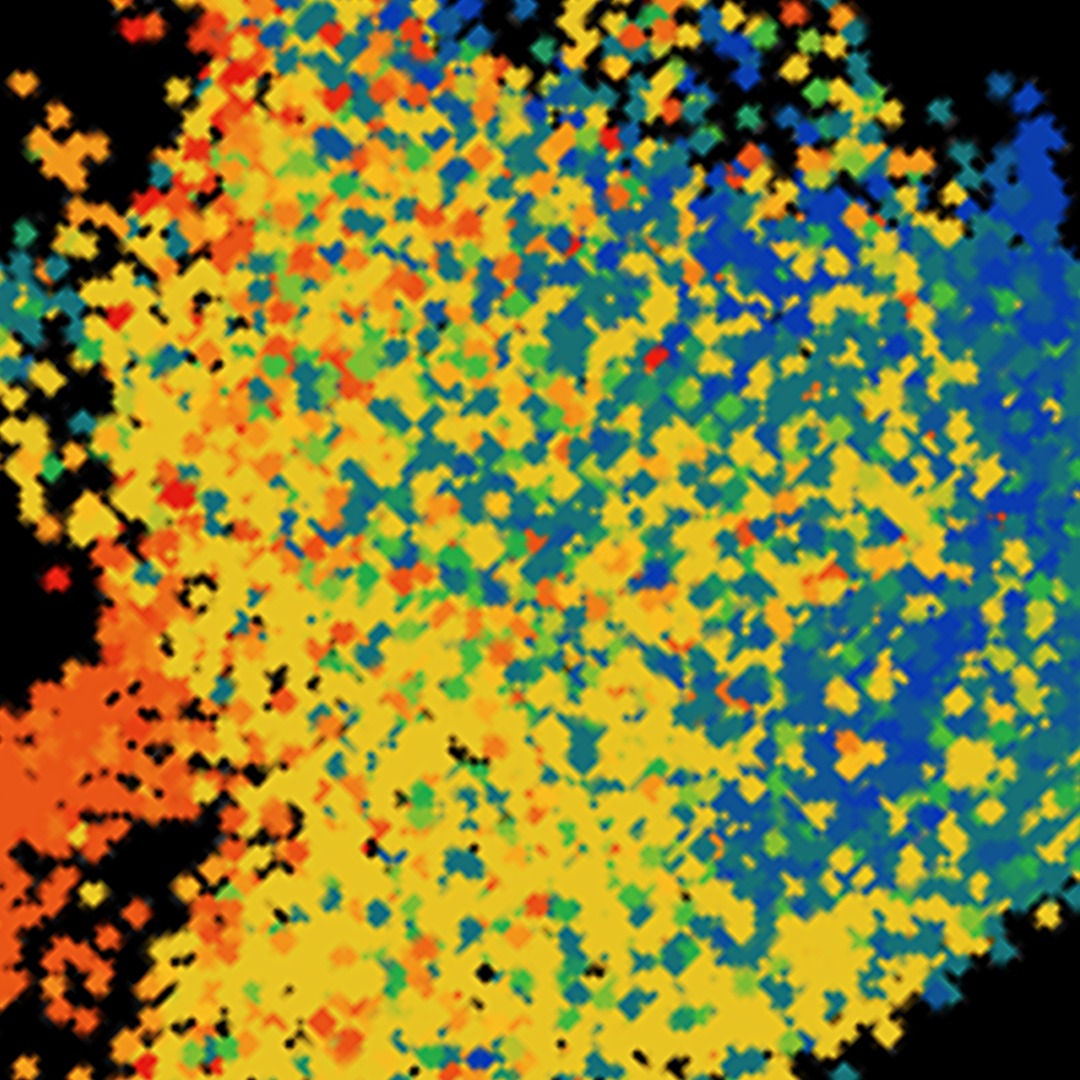
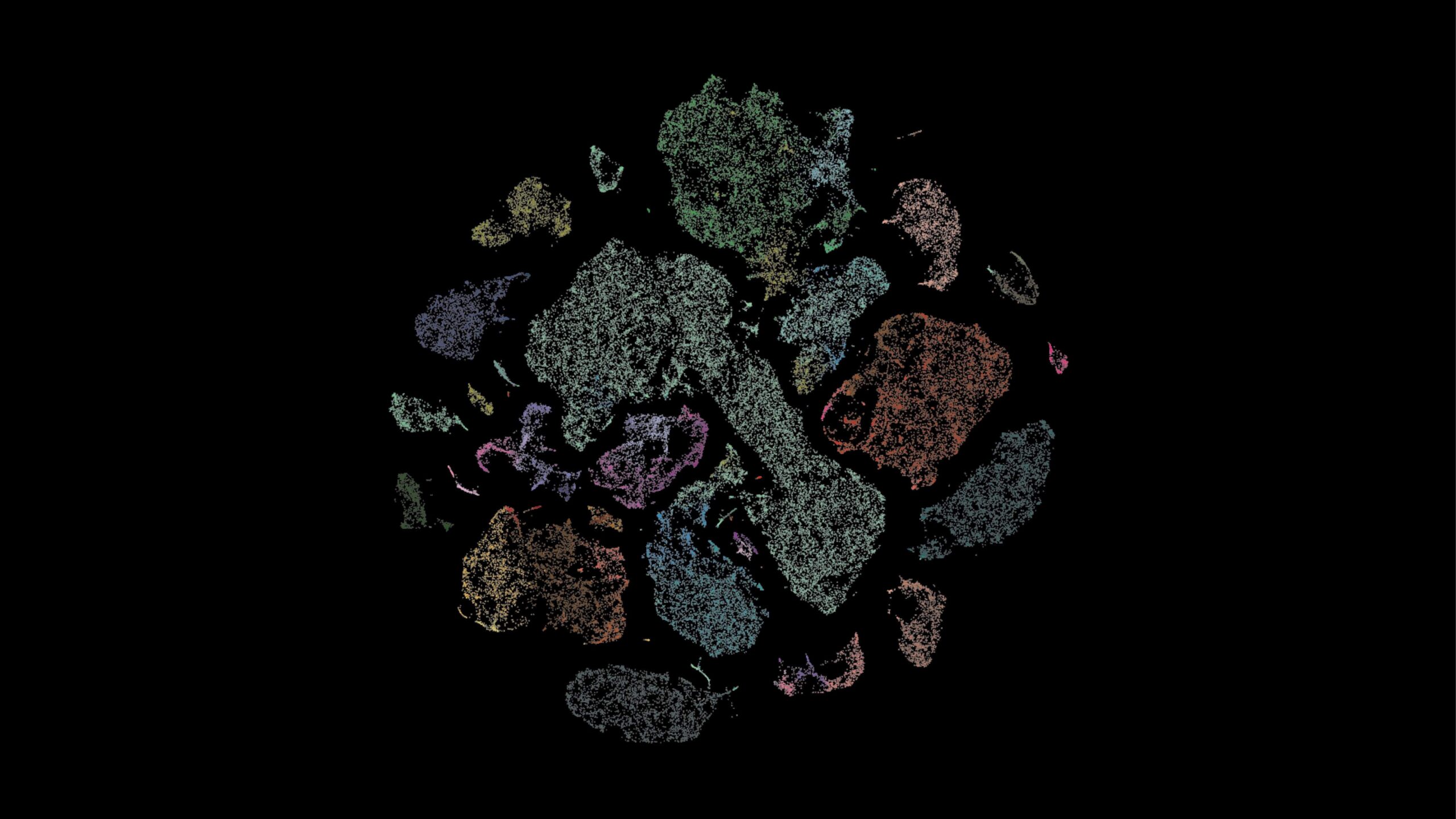
UMAP figure depicting data from the Seattle Alzheimer's Disease Brain Cell Atlas (SEA-AD) consortium
The human brain contains an astonishing diversity of cell types, each with unique shapes, functions, and gene expression patterns..
Thank you! Your submission has been received!
Oops! Something went wrong while submitting the form.

in this article

table of contents will display on published page only
set h2 to populate the table of contents here

authors

Jake Siegel

The human brain contains an astonishing diversity of cell types, each with unique shapes, functions, and gene expression patterns. This complexity has long challenged scientists trying to understand how the brain works—and what happens when it doesn’t.

Traditionally, researchers have categorized these cells into distinct “bins,” treating each type as a separate entity. However, that approach may oversimplify the brain’s cellular landscape by overlooking the continuous spectrum of variability within each cell type. Such simplification can mask subtle differences and similarities among cells, potentially missing critical insights into brain function and disease.

Scientists at the Allen Institute have developed an innovative machine learning-based approach to enhance our view of both the distinct identities and the continuous variability within brain cells. This method, outlined in a new paper in Nature Computational Science, could advance our understanding of neurological conditions like Alzheimer’s disease.

“The brain is extreme in terms of the diversification of its cells,” said Uygar Sümbül, Ph.D., an associate investigator and the study’s senior author. “The key question is whether to view this diversity as discrete categories or as a continuum where each cell type blends into the next.”

Meet MMIDAS

To address this question, the researchers developed MMIDAS, short for Mixture Model Inference with Discrete-Coupled Autoencoders. It is a machine learning method that simultaneously infers both distinct cell types and the continuous variations within them.

“Most methods treat cell types as a clustering problem,” explained Yeganeh Marghi, Ph.D., a scientist on Sümbül’s team and the study’s lead author. “They first identify clusters in the dataset, then explore within-cluster variability. But this approach isn’t optimal for capturing both sources of diversity.”

MMIDAS, by contrast, combines these steps, providing a more nuanced understanding of cell types and their internal variations. It is designed as a tool for scientists to explore sprawling single-cell datasets, helping them identify cell types and understand their functions by analyzing gene expression, proteins, and other molecular features.
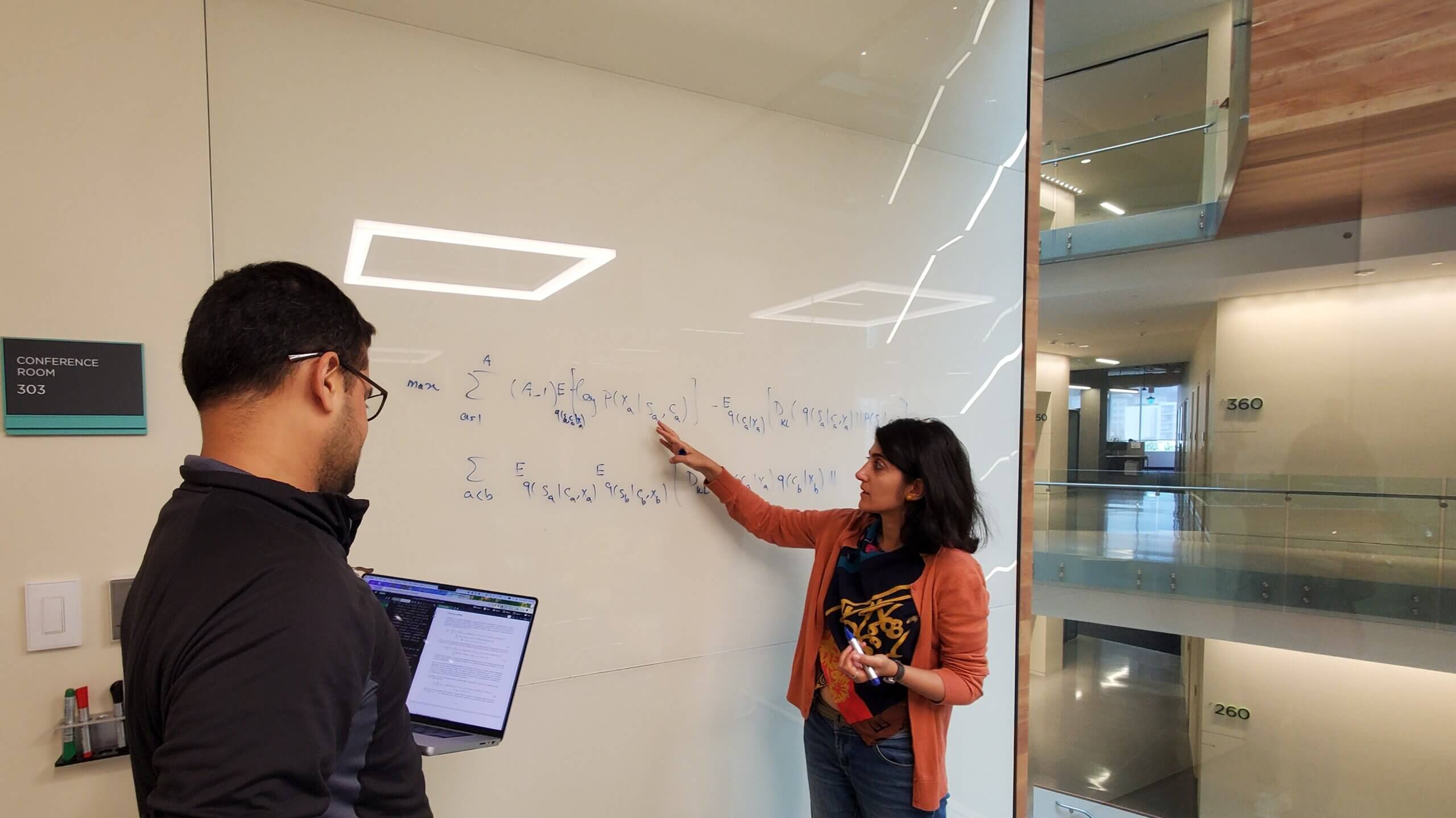
Two scientists stand in front of a whiteboard with an equation
Yeganeh Marghi, Ph.D. (right), and Rohan Gala, Ph.D., scientists at the Allen Institute, going over an equation representing the loss function used to train a variational model with an A-tuple of autoencoding arms. Photo by Peter Kim / Allen Institute.  

The team tested MMIDAS on several datasets, including the Seattle Alzheimer’s Disease Brain Cell Atlas (SEA-AD), which profiles brain cells from individuals at various stages of Alzheimer’s disease (AD). MMIDAS identified fewer, but potentially more robust, categories of neurons compared to traditional methods, accounting for continuous variability within those categories. The method also detected changes in the relative abundance and gene expression of different neuron types as the disease progressed. MMIDAS uncovered continuous variables correlating with the stage of AD, particularly in excitatory neurons, but not in inhibitory neurons, suggesting cell type-specific disease progression.

Importantly, these correlations held true even when data from some individuals were excluded from the initial analysis, suggesting that the method can generalize well across different samples.

These findings demonstrate MMIDAS’ ability to reveal new insights into how brain cell populations change during disease progression—an approach that might contribute to better diagnostics or targeted therapies for AD, Marghi said.

‘Carving nature at its joints’

While the study represents a significant advance, the researchers acknowledge that more work is needed. They are exploring ways to improve the method’s robustness and accuracy, which may require additional computational resources.

In the meantime, the authors hope that MMIDAS will be adopted by the broader scientific community. “We want researchers to use it and give us feedback, especially in applications beyond neuroscience, such as genomics, bioinformatics, and other complex, data-driven fields,” Marghi said.

MMIDAS offers a sophisticated approach to analyzing the brain’s cellular diversity, potentially transforming our understanding of neurological diseases like Alzheimer’s, the authors said. As Sümbül put it, this method might be the key to “carving nature at its joints,” offering a clearer view of the structures that define brain health and dysfunction.

Citations
No items found.

about the allen institute

The Allen Institute is an independent, 501(c)(3) nonprofit research organization founded by philanthropist and visionary, the late Paul G. Allen. The Allen Institute is dedicated to answering some of the biggest questions in bioscience and accelerating research worldwide. The Institute is a recognized leader in large-scale research with a commitment to an open science model. For more information, visit alleninstitute.org.
explore related stories

explore more stories
news 
Mapping the whole human brain: Allen Institute to lead global collaboration
NIH BRAIN Initiative to fund primate brain atlases, maps of developing mouse brain, coordination and knowledge sharing, and brain function research
news 
How do our neurons connect? New study probes the details of human and mouse synapses
‘Multipatch’ technique catalogs more than 1700 connections between neurons in publicly released dataset
we acceleratedevelopcatalyzeimpact

science done differently. shared with the world.

explore our accelerators

brain science

Mapping every cell, connection, and circuit in the brain—openly shared with the world.

cell science

Decoding how cells become tissues, then programming that knowledge into powerful new research tools.

neural dynamics

Revealing the brain's hidden algorithms that transform neural activity into real-world behavior.

immunology

Creating the deepest open reference for the healthy human immune system ever built.

synthetic biology

Engineering cells to record their own histories, transforming how we understand disease over time.

research

Big questions, open answers, and science built to be shared.

education

Inspiring the next generation of scientists through open science resources.

impact

Our science is empowering researchers and advancing health worldwide.
advancing science through open, collaborative research
Get the allen institute newsletter
Stay informed on the latest breakthroughs in neuroscience, bioscience, and AI-driven research.
allen institute
impactpeople & teamscareers & opportunitiesalumnihistory & founder
science resources
allencell.orgallenimmunology.orgallenneuraldynamics.orgbrain-bican.orgbrain-map.orgmicrons-explorer.org
research
brain sciencecell scienceneural dynamicsimmunologysynthetic biologypublications
education
science educationfield tripsprofessional developmenteducation resources
quick links
newseventsopen sciencepodcastscience resourceshuman brain donationvisit uscontact
follow us/

allen institute, 615 Westlake Ave North, Seattle, WA 98109 +12065487055

© 0000 allen institute. all rights reserved.
privacy policyterms of usecitation policyemployee portalpolicy & compliance