impact
impact
open science
subheadline
careers and opportunities
subheadline
people & teams
people & teams
subheadline
allenites
subheadline
allen institute advisors
subheadline
board of directors
subheadline
shanahan foundation fellowship
subheadline
next generation leaders
subheadline
research
overview
our approach
subheadline
publications
subheadline
open science
subheadline
accelerator
brain science
subheadline
cell science
subheadline
neural dynamics
subheadline
immunology
subheadline
synthetic biology
subheadline
education
education
science education
subheadline
education resources
subheadline
field trips
subheadline
open science
subheadline
open science quest
subheadline
news
news
stories
subheadline
podcast
subheadline
sign up for our newsletter
subheadline
events
events
all events
subheadline
conferences
subheadline
event code of conduct
subheadline
events
open science quest
subheadline
summer workshop on the dynamic brain
subheadline
open science week
subheadline
brain fest
subheadline
science resources
science resources
allencell.org
subheadline
allenimmunology.org
subheadline
allenneuraldynamics.org
subheadline
brain-bican.org
subheadline
brain-map.org
subheadline
microns-explorer.org
subheadline
impact
back to menu
impact
open science
subheading
careers and opportunities
subheading
people & teams
people & teams
subheading
allen institute advisors
subheading
board of directors
subheading
shanahan foundation fellowship
subheading
next generation leaders
subheading
research
back to menu
impact
Label
subheading
Label
subheading
people & teams
education
back to menu
research
Label
subheading
Label
subheading
Heading
news
back to menu
research
Label
subheading
Label
subheading
Heading
events
back to menu
research
Label
subheading
Label
subheading
Heading
science resources
back to menu
science resources
allencell.org
subheading
allenimmunology.org
subheading
allenneuraldynamics.org
subheading
brain-bican.org
subheading
brain-map.org
subheading
microns-explorer.org
subheading
search
stories
news

Society for Neuroscience to honor Michael Stryker, Allen Institute board member, with 2023 Ralph W. Gerard Prize in Neuroscience

The award, which recognizes outstanding career and research achievements, is the highest honor bestowed by the Society for Neuroscience.

November 1, 2023
 min read
share/
The award, which recognizes outstanding career and research achievements, is the highest honor bestowed by the Society for Neuroscience.
Thank you! Your submission has been received!
Oops! Something went wrong while submitting the form.

in this article

table of contents will display on published page only
set h2 to populate the table of contents here

The Society of Neuroscience (SfN) will honor Michael P. Stryker, Ph.D., with the Ralph W. Gerard Prize in Neuroscience. The award recognizes an outstanding scientist who has made significant contributions to neuroscience and is named after neuroscientist Dr. Ralph W. Gerard who helped establish the Society for Neuroscience and served as its honorary president. The award includes a $30,000 prize.
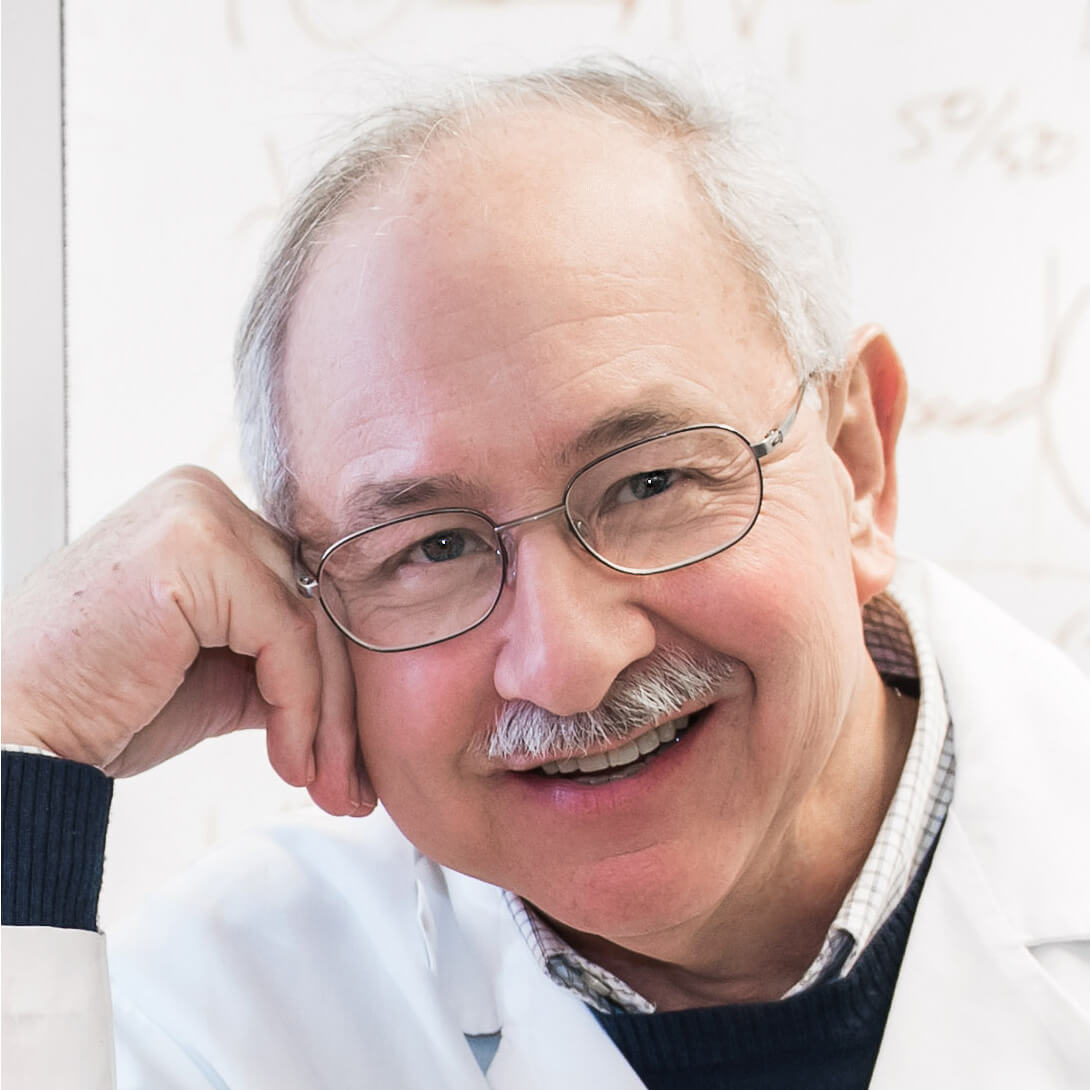
Older man with gray hair, mustache, and glasses smiling warmly at camera.

Michael Stryker is a neuroscientist and the former Chair of Physiology at the University of California San Francisco. His work and research profoundly transformed the understanding of how the visual system functions, develops, and changes based on sensory experience.

Stryker’s rigorous demonstration that orientation selectivity develops in the visual cortex even with no visual experience was followed by his laboratory’s discoveries that spontaneous retinal activity is critical to normal development of the visual parts of the brain, and that inhibition plays a central role in regulating a critical period of plasticity in early life, a finding that may help explain some neurodevelopmental disorders.

“The Society is honored to recognize this year’s awardees, whose groundbreaking work has transformed our understanding of plasticity in the mammalian brain — from the synaptic level to the systems level — as well as uncovered neuronal mechanisms behind addiction, compulsion, and depression,” SfN President Oswald Steward said. “These neuroscientists’ innovative approaches and paradigm-shifting findings have overturned previous doctrine, revolutionized our understanding of the field, and provided hope for novel therapeutic approaches.”

Stryker’s work changed the terms of the nature-nurture debate by showing that common mechanisms underlie both innate and experience-dependent development. He and his colleagues distinguished juvenile plasticity from slower, qualitatively different adult plasticity and demonstrated manipulations that enhance plasticity in the visual cortex and create a second critical period.

He also pioneered the use of ferrets and mice as model systems for the study of the mammalian visual system, each of which has initiated new areas of research now conducted by many laboratories. Stryker’s classic studies are in every major neuroscience textbook and are fundamental to the field’s common understanding of how experience influences cortical development and plasticity.

Citations
No items found.

about the allen institute

The Allen Institute is an independent, 501(c)(3) nonprofit research organization founded by philanthropist and visionary, the late Paul G. Allen. The Allen Institute is dedicated to answering some of the biggest questions in bioscience and accelerating research worldwide. The Institute is a recognized leader in large-scale research with a commitment to an open science model. For more information, visit alleninstitute.org.
explore related stories

explore more stories
No articles for the category
we acceleratedevelopcatalyzeimpact

science done differently. shared with the world.

explore our accelerators

brain science

Mapping every cell, connection, and circuit in the brain—openly shared with the world.

cell science

Decoding how cells become tissues, then programming that knowledge into powerful new research tools.

neural dynamics

Revealing the brain's hidden algorithms that transform neural activity into real-world behavior.

immunology

Creating the deepest open reference for the healthy human immune system ever built.

synthetic biology

Engineering cells to record their own histories, transforming how we understand disease over time.

research

Big questions, open answers, and science built to be shared.

education

Inspiring the next generation of scientists through open science resources.

impact

Our science is empowering researchers and advancing health worldwide.
advancing science through open, collaborative research
Get the allen institute newsletter
Stay informed on the latest breakthroughs in neuroscience, bioscience, and AI-driven research.
allen institute
impactpeople & teamscareers & opportunitiesalumnihistory & founder
science resources
allencell.orgallenimmunology.orgallenneuraldynamics.orgbrain-bican.orgbrain-map.orgmicrons-explorer.org
research
brain sciencecell scienceneural dynamicsimmunologysynthetic biologypublications
education
science educationfield tripsprofessional developmenteducation resources
quick links
newseventsopen sciencepodcastscience resourceshuman brain donationvisit uscontact
follow us/

allen institute, 615 Westlake Ave North, Seattle, WA 98109 +12065487055

© 0000 allen institute. all rights reserved.
privacy policyterms of usecitation policyemployee portalpolicy & compliance