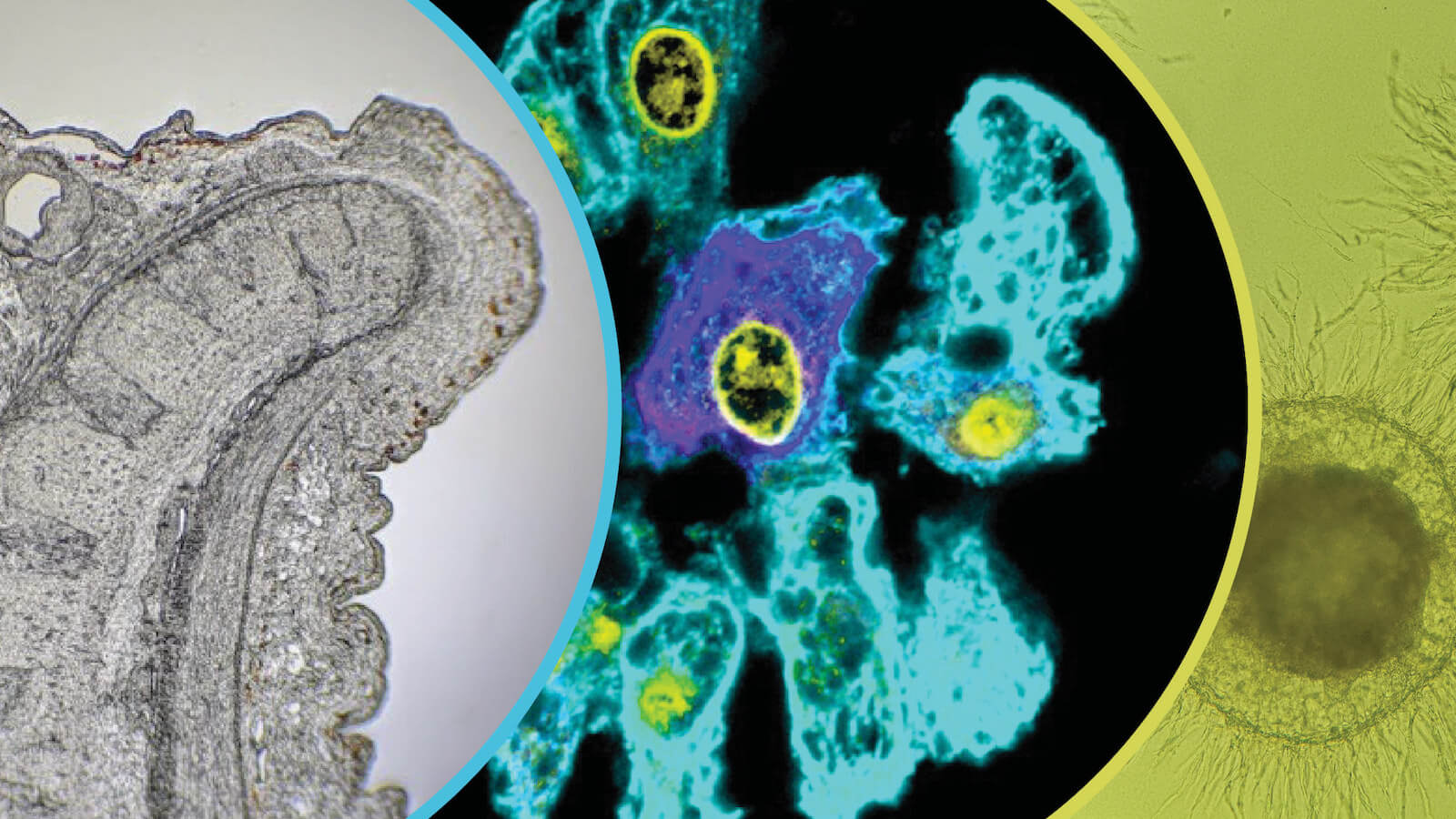

Charting millions of unknown neurons in the octopus arm. Coaxing engineered mini-organs to grow their own blood vessels. Hunting down an ancient virus that appears to cause lupus. The latest cadre of Allen Distinguished Investigators is forging new ground in biomedical research.
The Paul G. Allen Frontiers Group, a division of the Allen Institute, today announced 11 awards of $1.3-1.5 million each to fund research projects led by 23 new Allen Distinguished Investigators. This is the largest single cohort of Allen Distinguished Investigators announced since the program’s inception and represents a total of $15.5 million in funding from the Paul G. Allen Family Foundation, as recommended by the Frontiers Group, to support cutting-edge, early-stage research projects that promise to advance the fields of biology and medicine.

The 11 awarded projects were selected from open calls for proposals in three fields: neural circuits of under-studied organisms, advances in mammalian synthetic biology, and micropeptides involved in immunity. To choose research areas that they recommend for funding, the Frontiers Group looks for emerging fields where an investment could be catalytic to advance scientific progress — not just for awardees, but for all in that particular field.
“We’re so excited about this new group of Allen Distinguished Investigators. They have transformative research visions and we’re thrilled to help bring those ideas to life,” said Kathy Richmond, Ph.D., M.B.A., Executive Vice President and Director of the Frontiers Group and the Office of Science and Technology at the Allen Institute. “They’re provocative and innovative with their approaches to science and with the ambitious goals they’ve set. They’re just fearless.”
The Allen Distinguished Investigator program was launched in 2010 by the late philanthropist Paul G. Allen to back creative, early-stage research projects in biology and medical research that would not otherwise be supported by traditional research funding programs. Including the new awards, a total of 114 Allen Distinguished Investigators have been appointed during the past 11 years. Each award spans three years of research funding.
Meet the new Allen Distinguished Investigators
The newly announced awards will fund three projects to understand the neurons that underlie movement in understudied animals; three projects to uncover how tiny, mysterious proteins known as micropeptides affect our immune systems; and five projects that seek to reimagine the field of synthetic biology through engineering mammalian tissues in the lab.
Neural Circuit Design
Researchers in the Neural Circuit Design cohort are studying evolutionary principles in the brain circuits that control movement, focusing on animals and systems that are not traditionally studied in the laboratory. Their studies will flesh out a more complete picture of the diversity of nervous systems and motor neural circuits in the animal kingdom, as well as pinpointing common and conserved principles of motion and motor control.
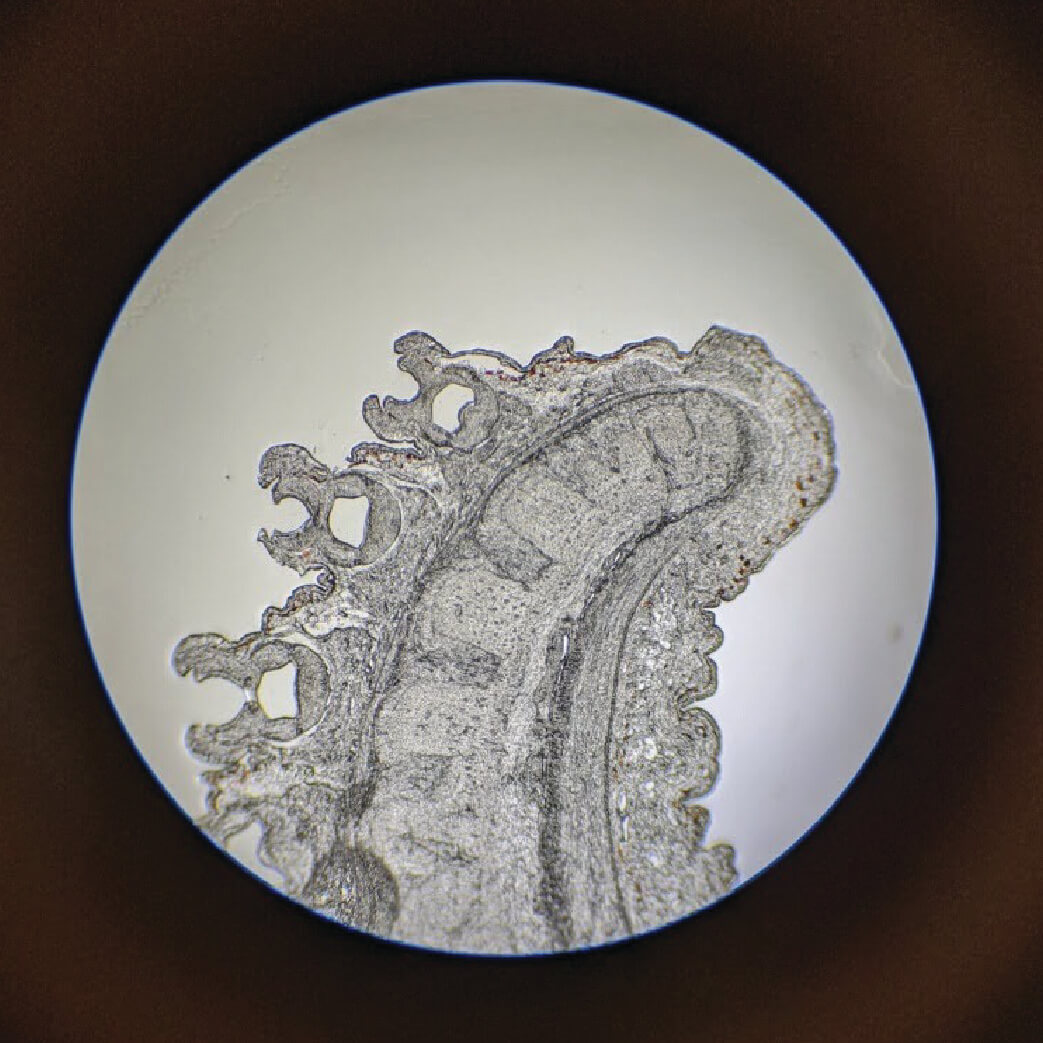
Robyn Crook, Ph.D., is leading a project at San Francisco State University to study the neural control of movement in cephalopods, animals that have the most complicated nervous systems of the invertebrate world. She and her team will map the neural connections, or connectome, in the octopus arm and, for the first time, capture real-time neural activity in the octopus brain as the animal moves in natural ways.

Lucia Prieto-Godino, Ph.D., and Samuel Rodriques, Ph.D., are leading a project at The Francis Crick Institute to understand how a new kind of behavior arises in evolution. They will study brain cell types and circuits in larvae of a species of fruit fly that have evolved to jump 10 times their body length in the air, and then compare those to a related fruit fly species that cannot jump.

Where did modern nervous systems come from? Joseph Ryan, Ph.D., Mark Martindale, Ph.D., and James Strother, Ph.D., are leading a project at the Whitney Laboratory for Marine Bioscience to better understand the nervous systems of ctenophores, marine animals also known as comb jellies that represent one of the oldest branches of the animal kingdom. By mapping these evolutionarily ancient animals’ neural circuits and studying their neural development, the researchers will provide insight into the earliest animal nervous systems and shed light on general principles of modern brains.
Micropeptides and immunity
Our genomes contain vast amounts of DNA that remains poorly understood. A recent arrival on the scene of genomic “dark matter”: micropeptides, tiny proteins coded by tiny genes that had long escaped notice due to their size but that appear to be present in large number in our genome and that of every other living thing. These small molecules likely play roles in many different biological processes; scientists are recently uncovering their influence in several different diseases and in the function of the immune system. Scientists in the Micropeptides cohort are shedding new light on how micropeptides influence immunology, in health and in disease.
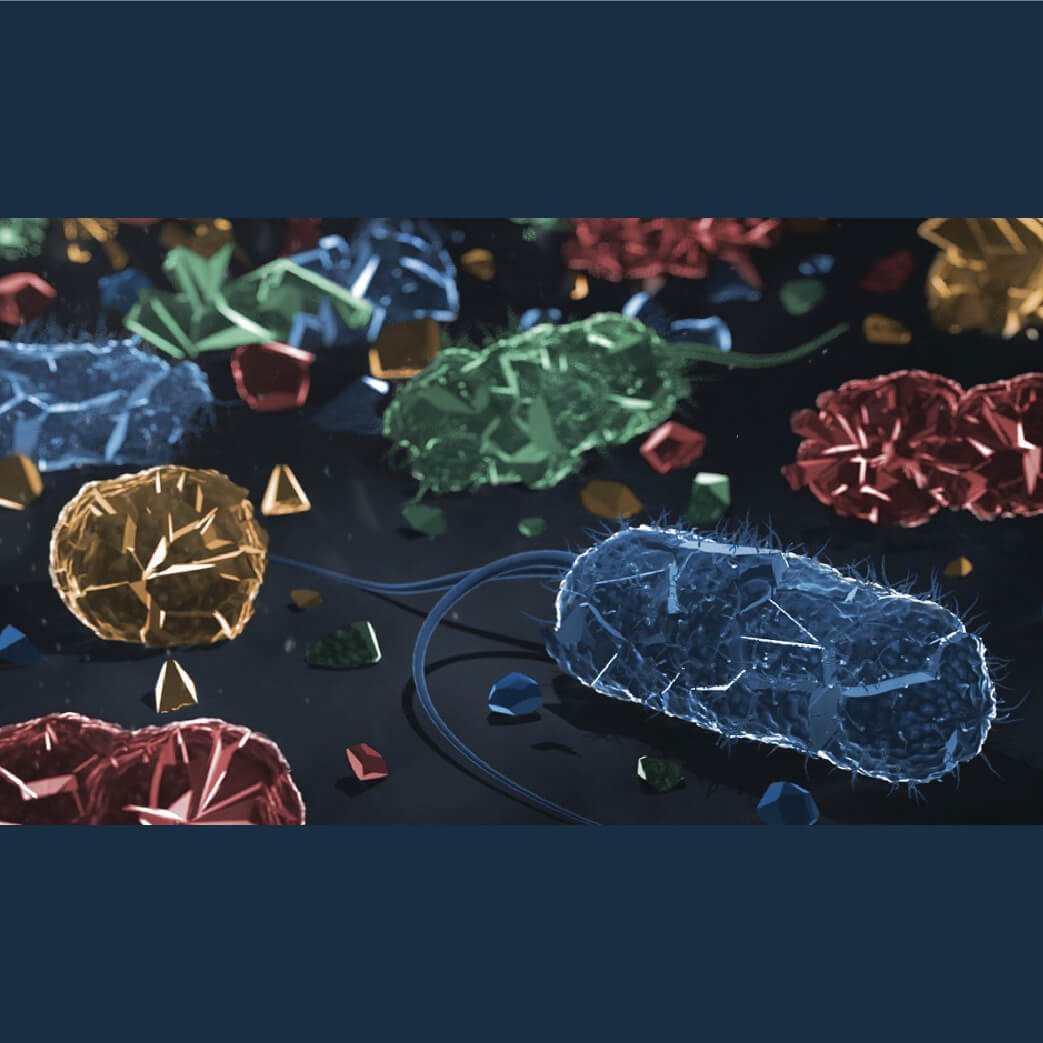
The human microbiome, the bacteria and other microbes that live in and on us, is inextricably interwoven with our health. Ami Bhatt, M.D., Ph.D., Michael Bassik, Ph.D., and Livnat Jerby, Ph.D., are leading a project at the Stanford University School of Medicine to look at the role of the gut microbiome’s micropeptides, tiny proteins that are themselves poorly understood, in human health and disease by studying how these micropeptides send signals to our immune cells.
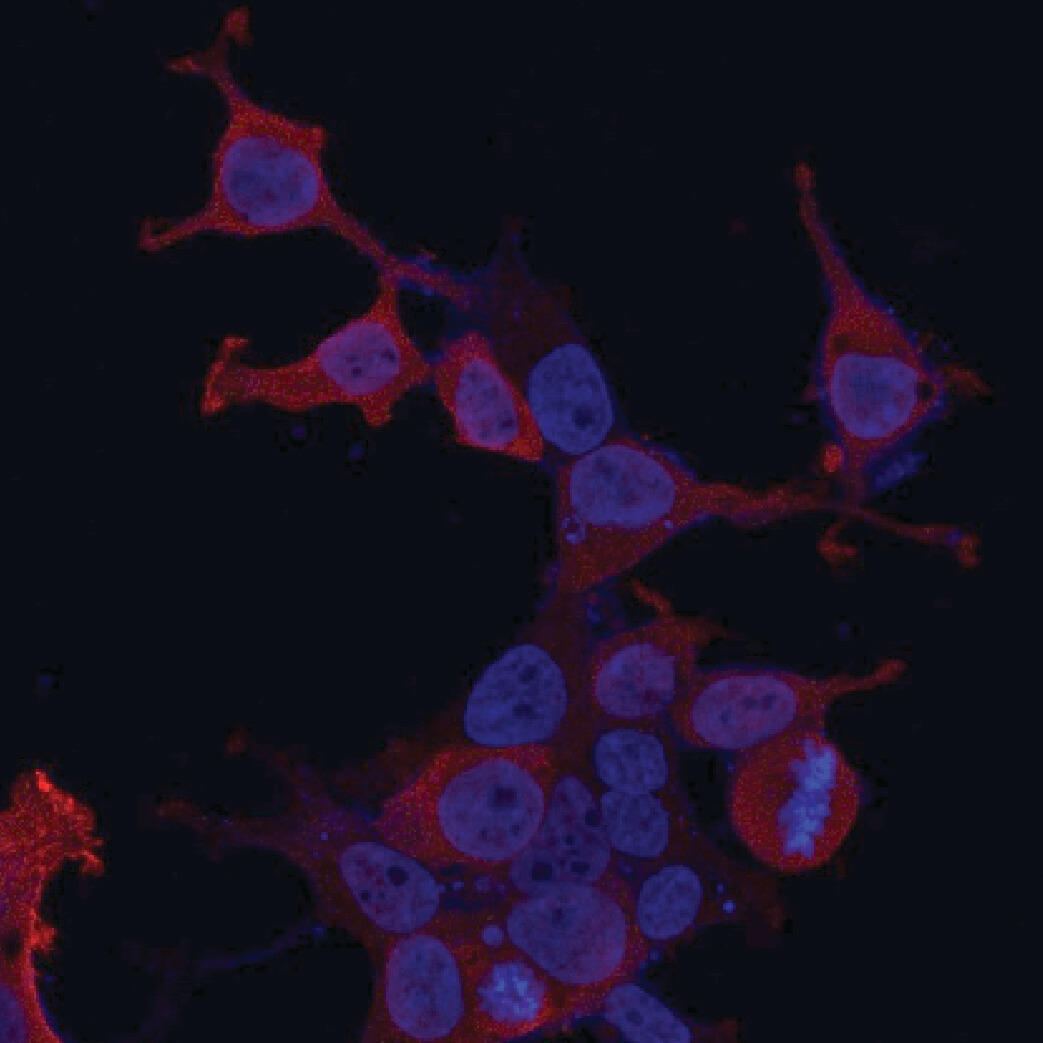
Sarah Slavoff, Ph.D., Grace Chen, Ph.D., and Joseph Craft, M.D., are leading a project at Yale University to explore the roots of the devastating autoimmune disease lupus, in which a patient’s immune system attacks their own organs. Ancient viral DNA sequences, known as human endogenous retroviruses, are permanently stitched into our genomes and, mysteriously, are linked with several human diseases including lupus. The team will investigate the hypothesis that human endogenous retroviruses produce tiny difficult-to-detect proteins known as micropeptides that could drive lupus.
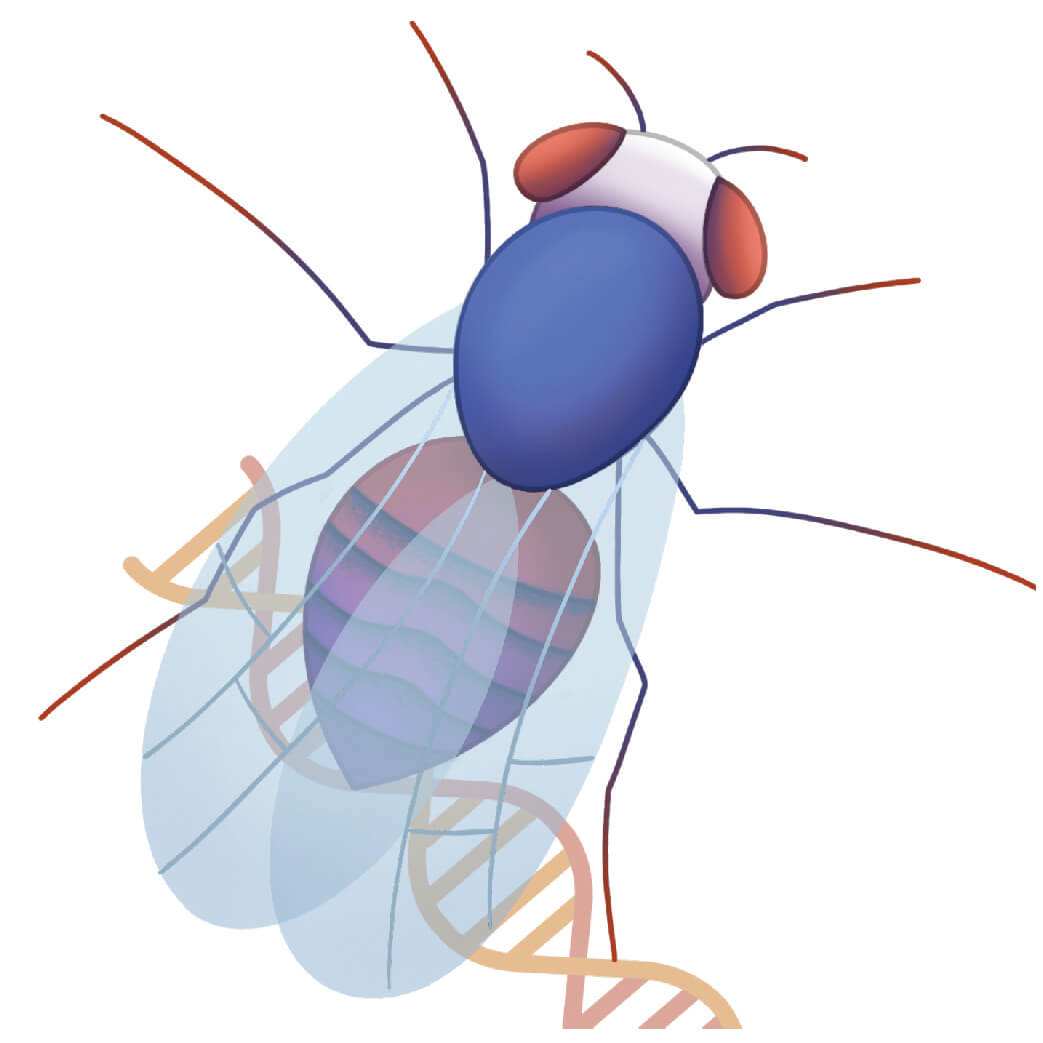
Li Zhao, Ph.D., and Mandë Holford, Ph.D., will lead a project at The Rockefeller University and CUNY Hunter College to better understand how immune genes that code for tiny proteins known as micropeptides arise in evolution. The team will characterize many poorly understood immune-related micropeptides in humans and fruit flies and focus on an evolutionarily new fruit fly micropeptide to better understand its function in the immune system and how it evolved.
Synthetic biology advances for human tissues
The field of synthetic biology has made incredible advances in recent years, and yet the complexity of mammalian biology presents an additional challenge for scientists aiming to engineer tissue or organoids in the lab. The investigators in the Mammalian Synthetic Development cohort are working to cross many of the barriers to mammalian synthetic biology, including several approaches to improve the development and engineering of organoids, lab-grown mini-organs typically derived from human stem cells. Their work spans many parts of the human body, including the liver, lungs, brain and connective tissues.
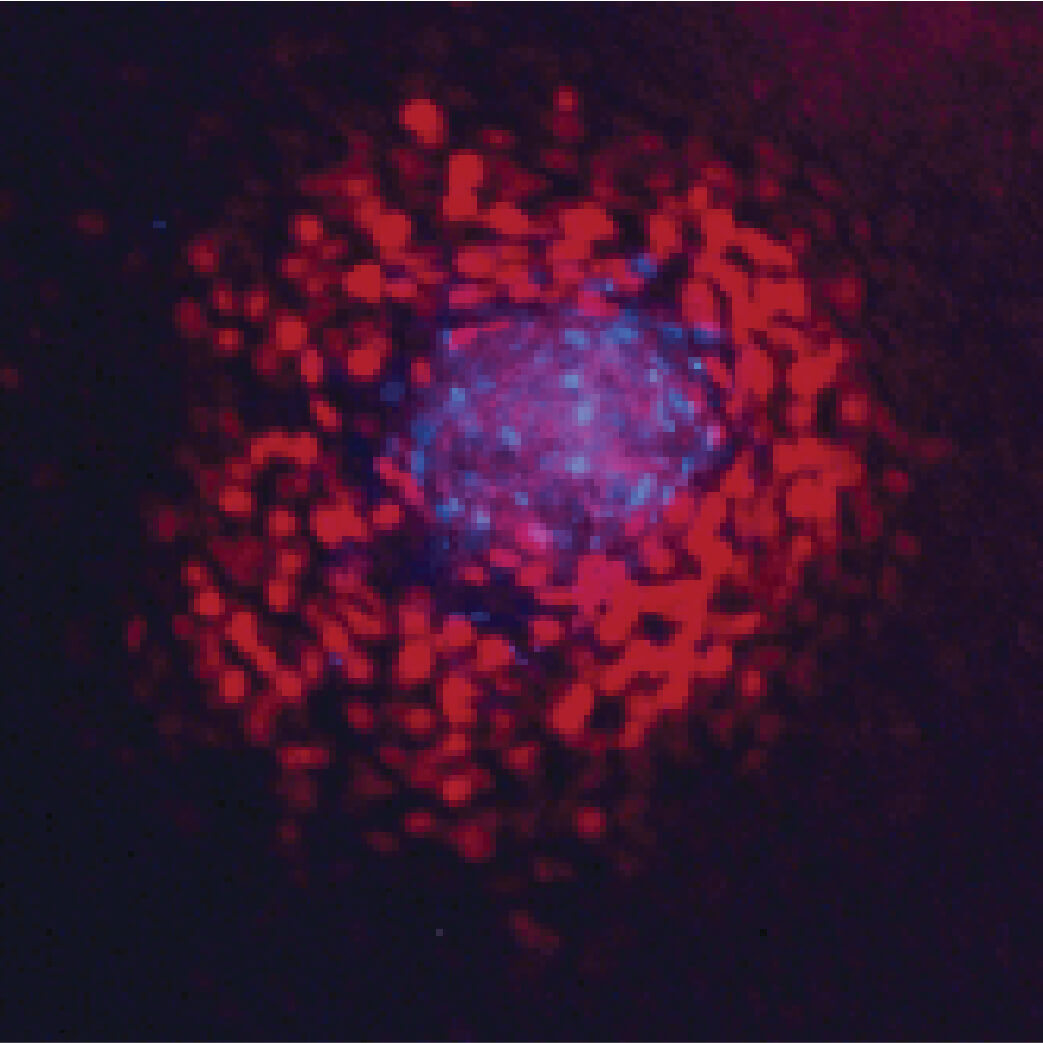
Pulin Li, Ph.D., is leading a project at the Whitehead Institute for Biomedical Research to improve the development of organoids, lab-grown mini-organs grown from human stem cells, by introducing a type of supportive tissue known as the stroma. Organoids that include a more complex and complete suite of tissues like the stroma may yield more information about human health and disease, as well as allow for rapid and accurate preclinical drug testing.
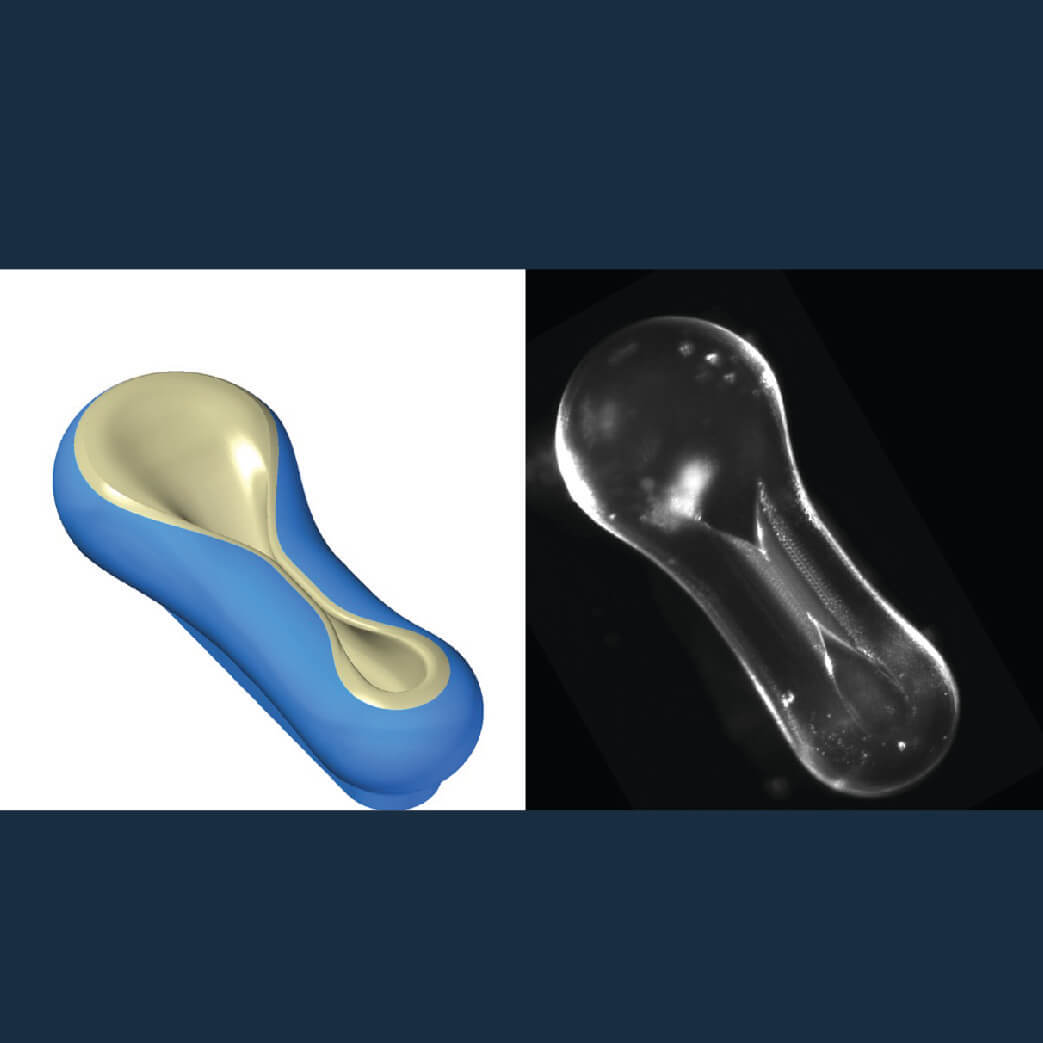
Adrian Ranga, Ph.D., is leading a project at KU Leuven to apply the emerging field of “soft robotics” to brain organoids, lab-grown mini-brains derived from human stem cells. Currently, brain organoids are missing several key structures and physical attributes of the real thing, which may be due in part to a lack of natural mechanical forces that shape and influence our developing brains. Ranga and his team will use newly developed materials and devices to stretch and fold brain organoids as they grow in the hopes of creating more life-like mini-brains for use in basic research and drug discovery.
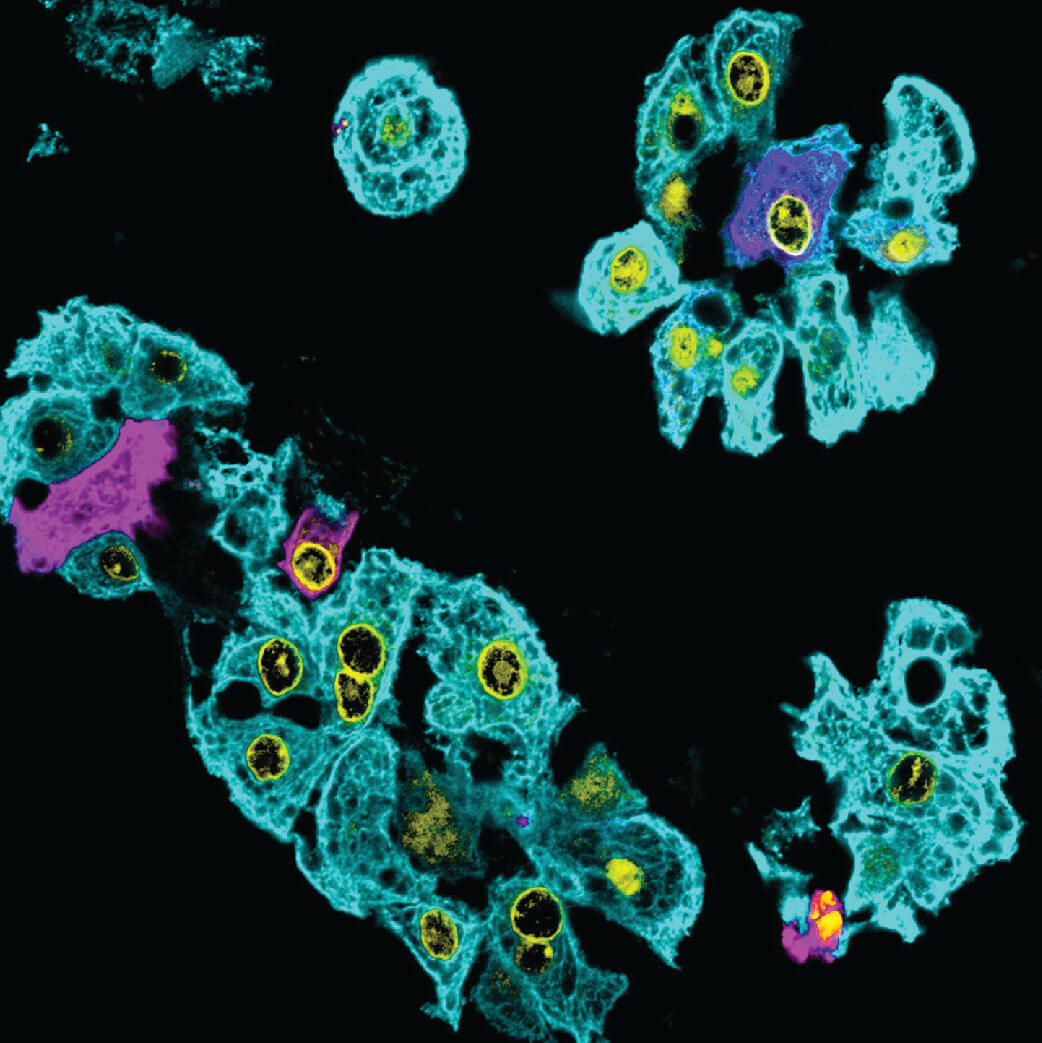
Better understanding how human livers develop could allow researchers to grow new organs in the lab, filling a clinical need for transplantation for those with late-stage liver disease. Kelly Stevens, Ph.D., is leading a project at the University of Washington to explore the complete suite of factors involved in human liver development, including chemical cues, mechanical forces, blood supply and environmental factors.
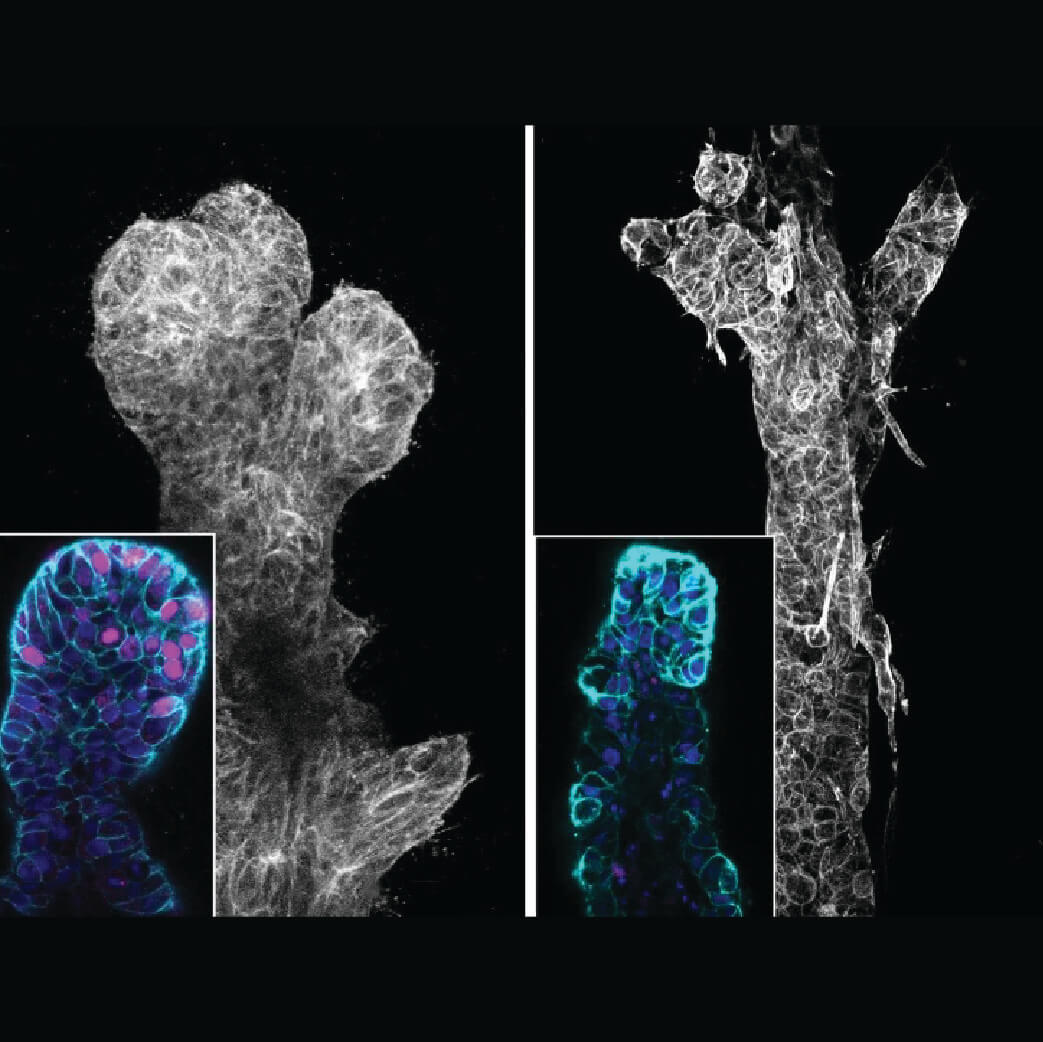
Wilson Wong, Ph.D., Chris Chen, M.D., Ph.D., and Darrell Kotton, M.D., are leading a project at Boston University to test a classic but unproven theory about how our lungs develop their complicated branching structures. The researchers will develop new tools to genetically engineer lung cells derived from human stem cells and attempt to recreate lung tissue’s complex branching in the lab. Ultimately, these tissues could be used in therapeutics for lung cancer and other lung diseases.
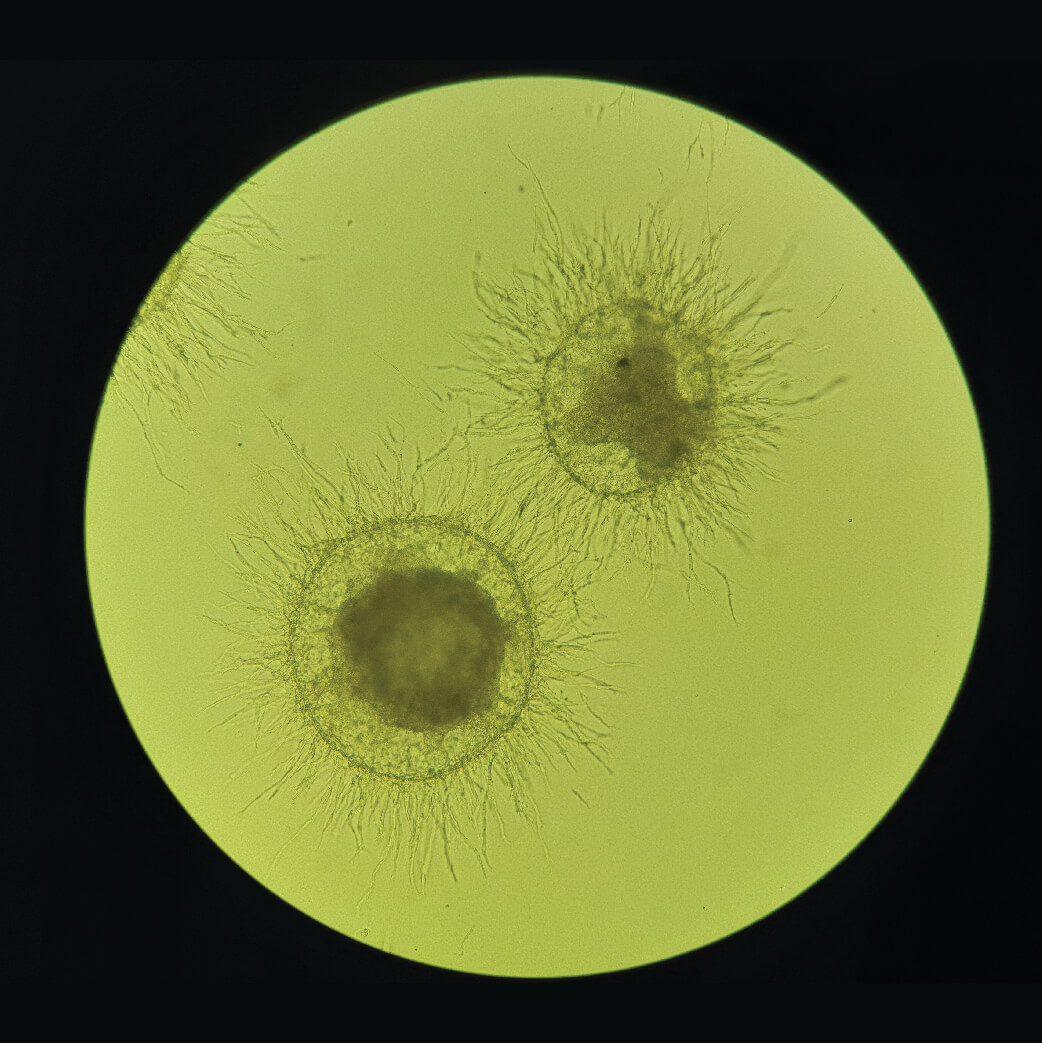
Nozomu Yachie, Ph.D., Nika Shakiba, Ph.D., and Josef Penninger, M.D., are leading a project at the University of British Columbia to trace the “family trees” of individual stem cells as they grow and divide into organoids, lab-grown mini-organs. Better understanding how organoid tissues are formed will help the scientists direct cell fates to more precisely engineer different kinds of organoids. The team is also working to introduce blood vessels into organoids to sustain their growth in the lab for longer.
About The Paul G. Allen Frontiers Group
The Paul G. Allen Frontiers Group, a division of the Allen Institute, is dedicated to exploring the landscape of bioscience to identify and foster ideas that will change the world. The Frontiers Group recommends funding to the Paul G. Allen Family Foundation, which then invests through award mechanisms to accelerate our understanding of biology, including: Allen Discovery Centers at partner institutions for leadership-driven, compass-guided research; and Allen Distinguished Investigators for frontier explorations with exceptional creativity and potential impact. The Paul G. Allen Frontiers Group was founded in 2016 by the late philanthropist and visionary Paul G. Allen. For more information, visit allenfrontiersgroup.org.
Citations
about the allen institute
The Allen Institute is an independent, 501(c)(3) nonprofit research organization founded by philanthropist and visionary, the late Paul G. Allen. The Allen Institute is dedicated to answering some of the biggest questions in bioscience and accelerating research worldwide. The Institute is a recognized leader in large-scale research with a commitment to an open science model. For more information, visit alleninstitute.org.