in this lesson
About these resources:
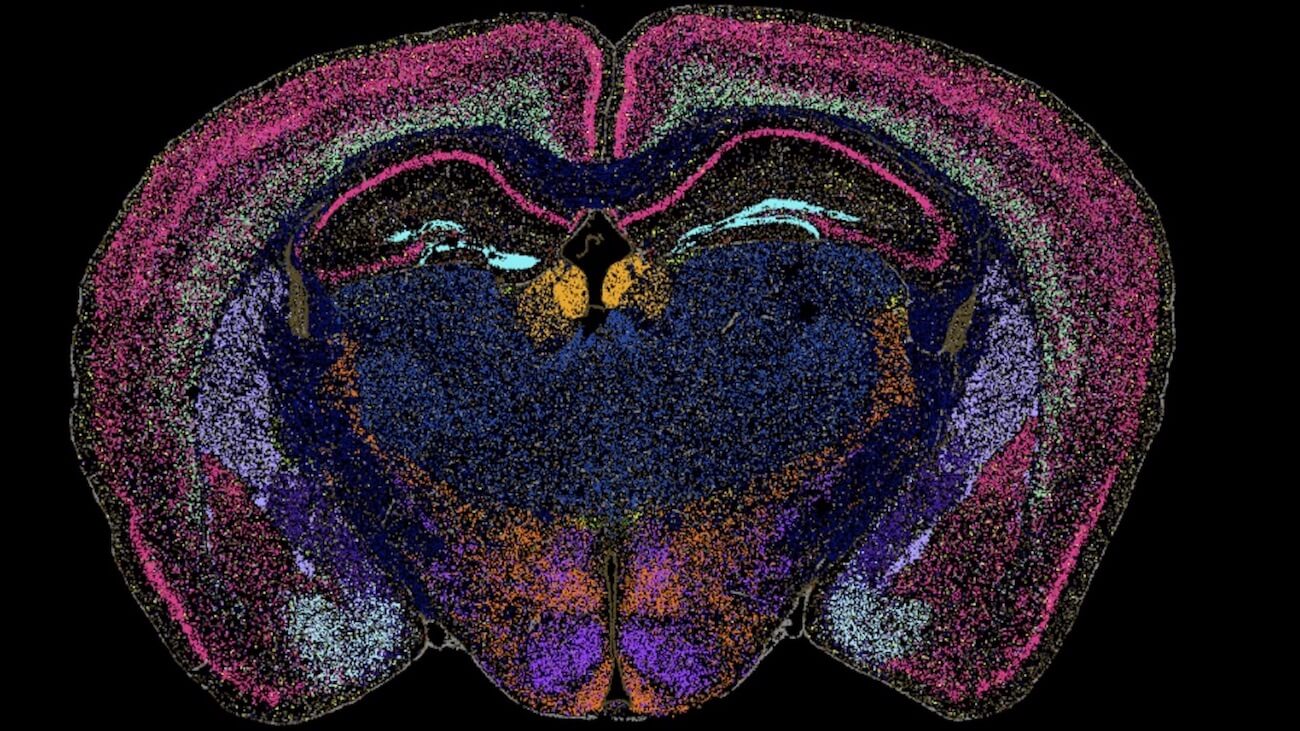
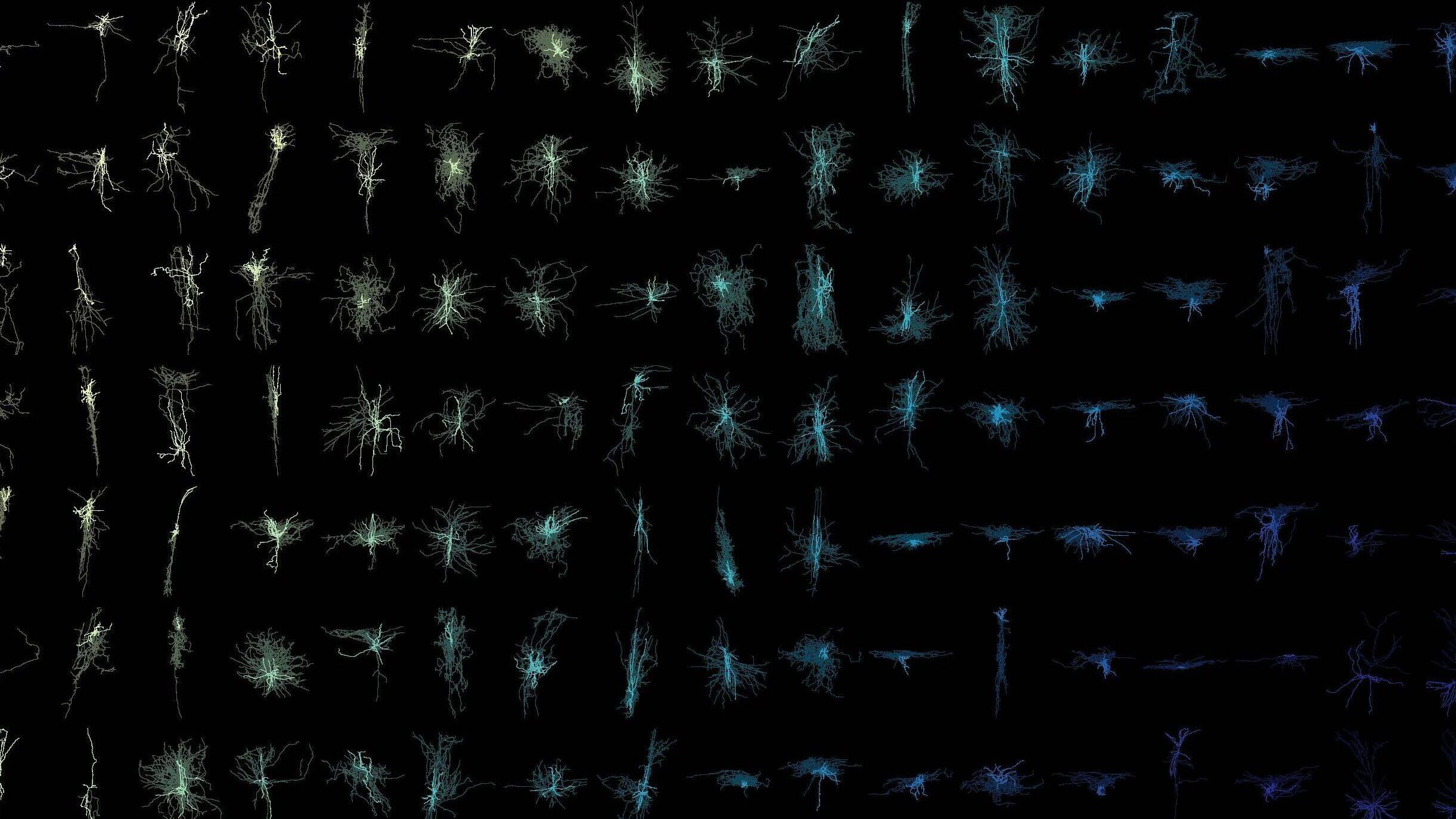
These lesson plans walk students through rich datasets that explore electrophysiology, mouse brain connectivity, and visual perception. This collection of resources includes three lesson plans intended for undergraduates/college students who are studying neuroscience and/or data science. Each lesson plan can be completed within a single class period and is suitable for in-person, hybrid, or virtual learning. It is recommended for students to have some prior experience with Python. These lessons were authored by Ashley Juavinett, PhD of the University of California, San Diego.
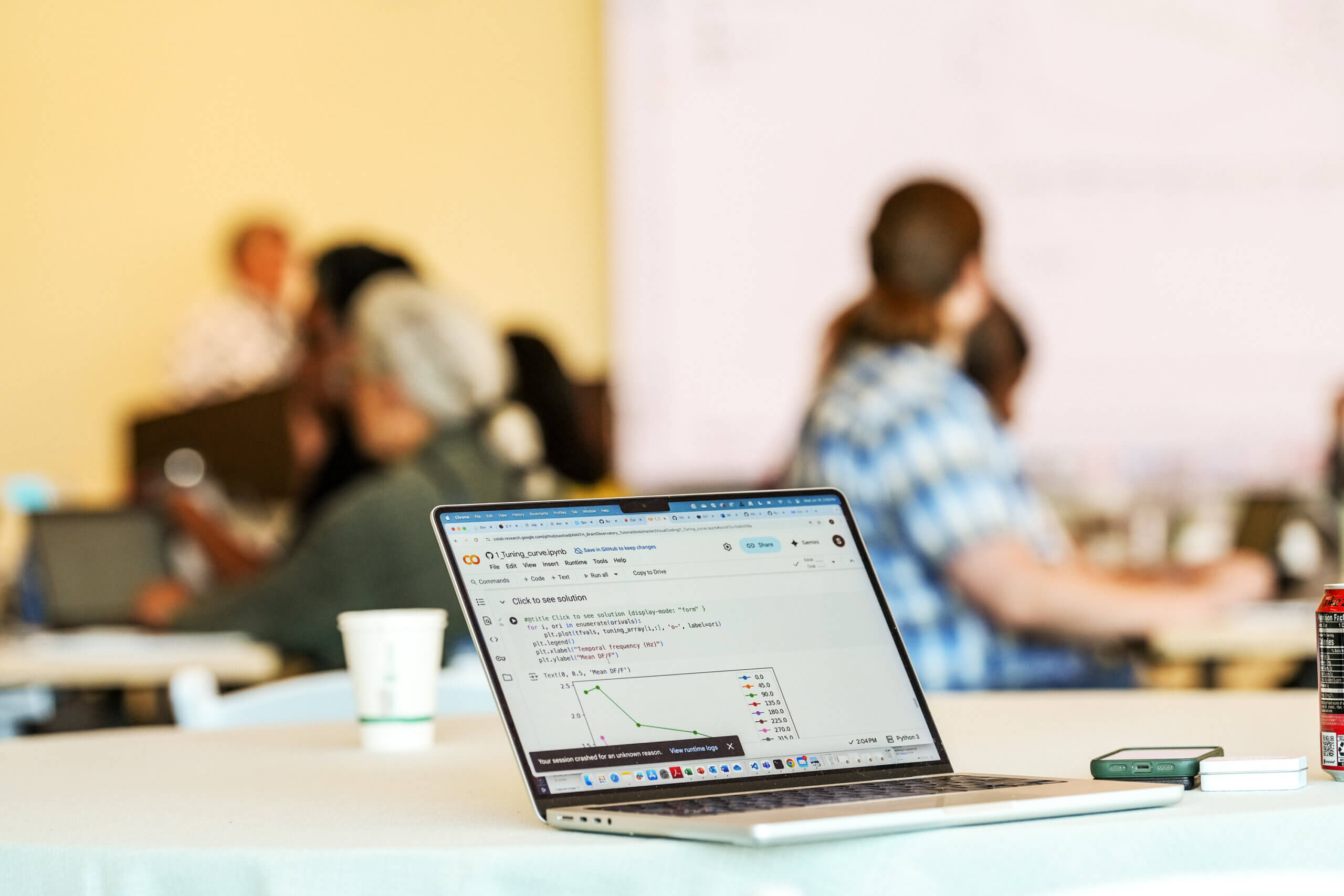
In addition to authoring the three lessons, Ashley Juavinett has also made the materials publicly available for her Neural Data Science course that features data from the Allen Institute for Brain Science. Juavinett’s course is project-based. Students will use computational notebooks to perform exploratory data analyses and to test hypotheses in large neuroscience datasets, including the differences between unique neuron types, leveraging text mining of the neuroscience literature, and human neuroimaging analyses.
Lesson plans:
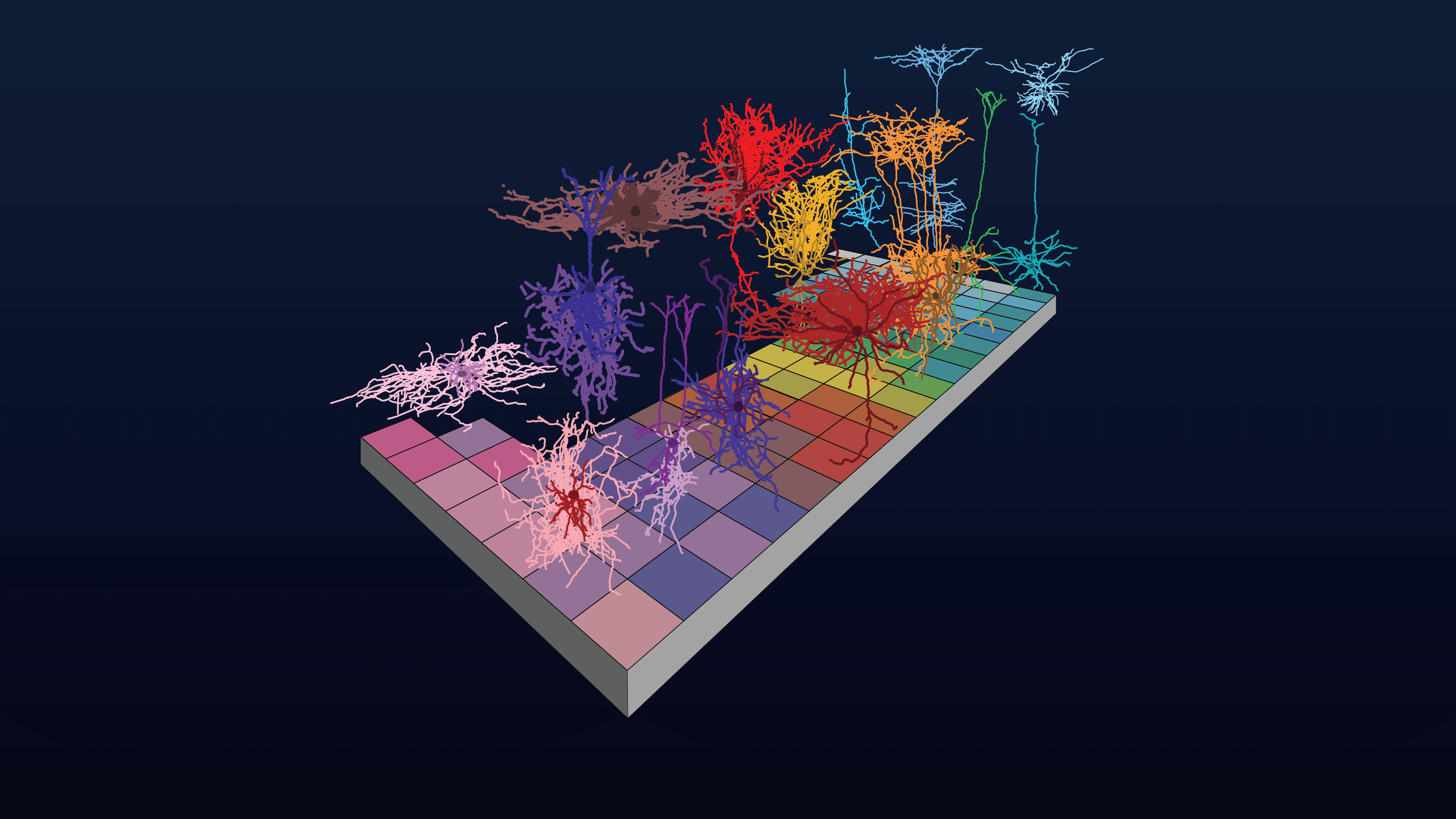
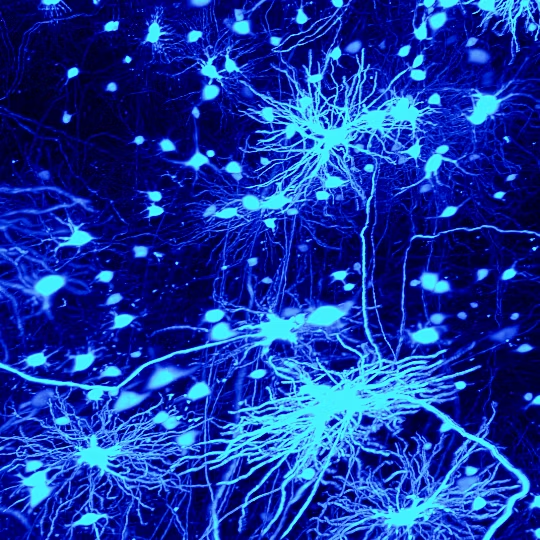
Defining Cell Types by Their Electrophysiology
Take a look at whole-cell patch clamp recordings from mice and human cells in order to compare cell types.
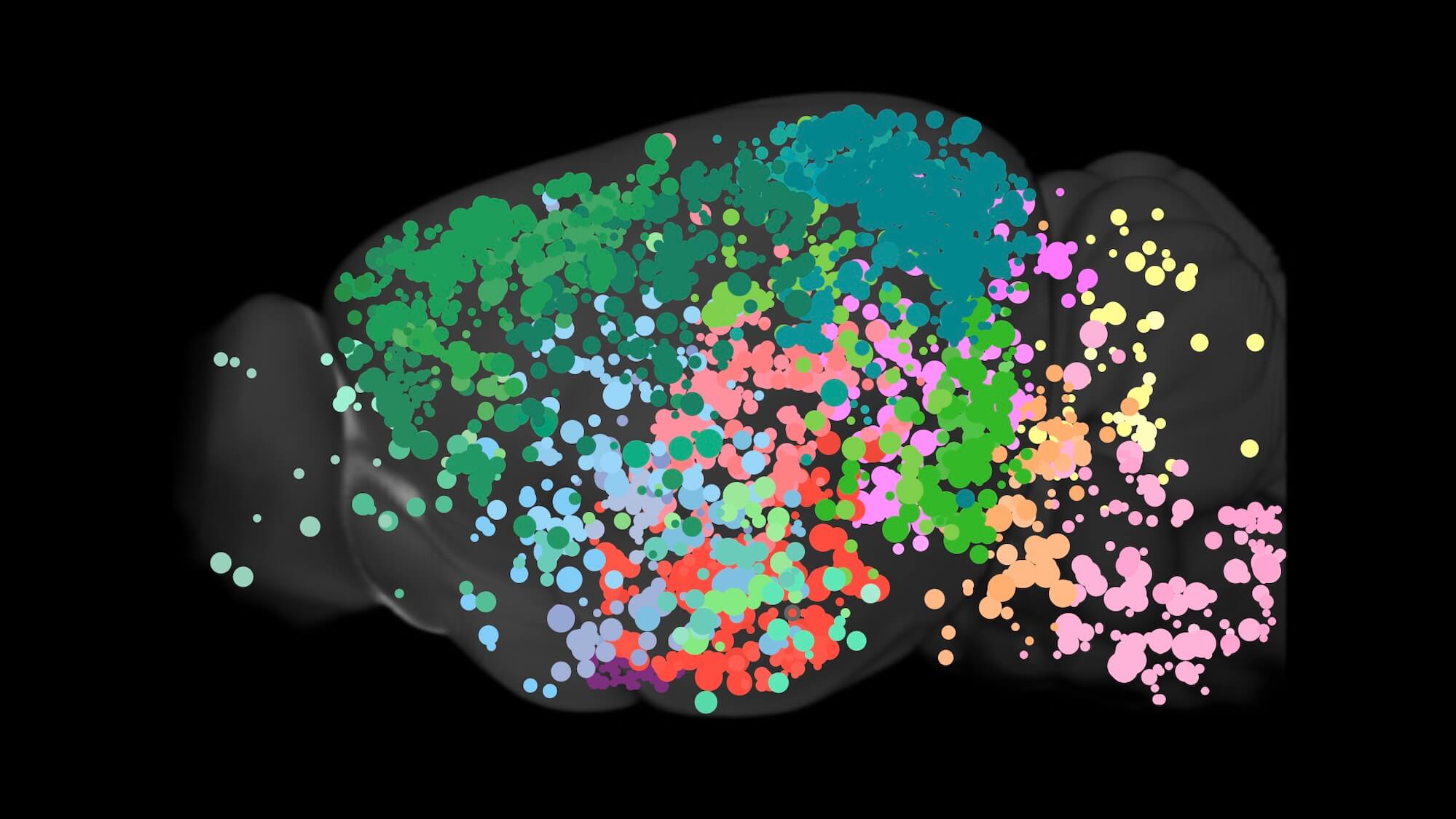
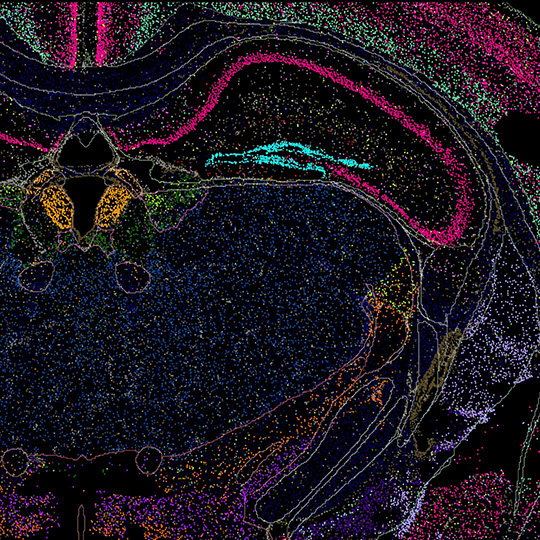
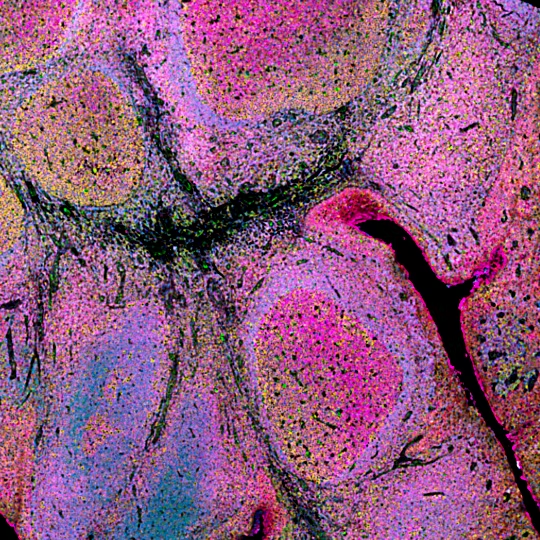
Mouse Brain Connectivity
Analyze viral tracing experiments in transgenic mice to investigate whether certain areas of the brain are connected.
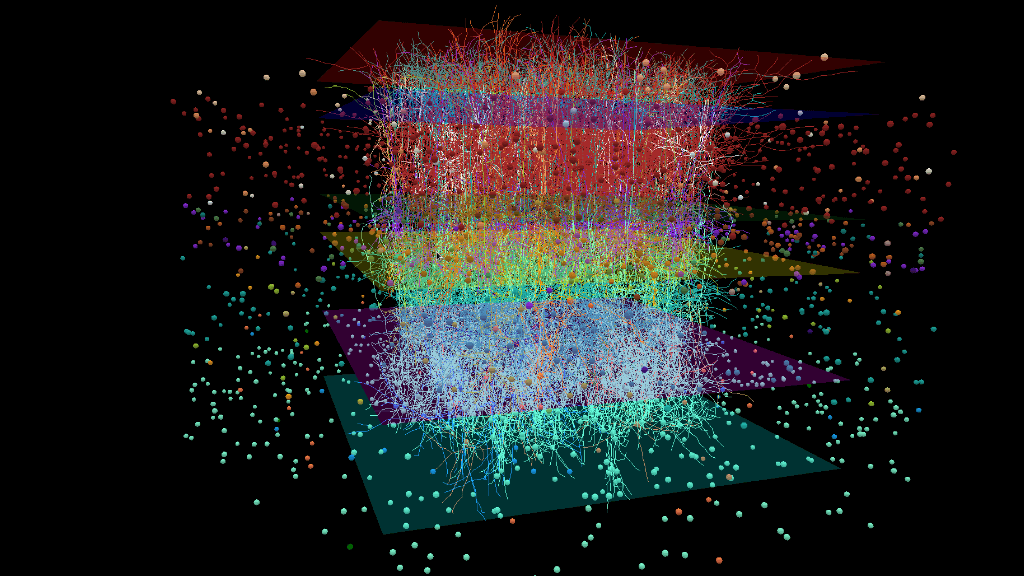
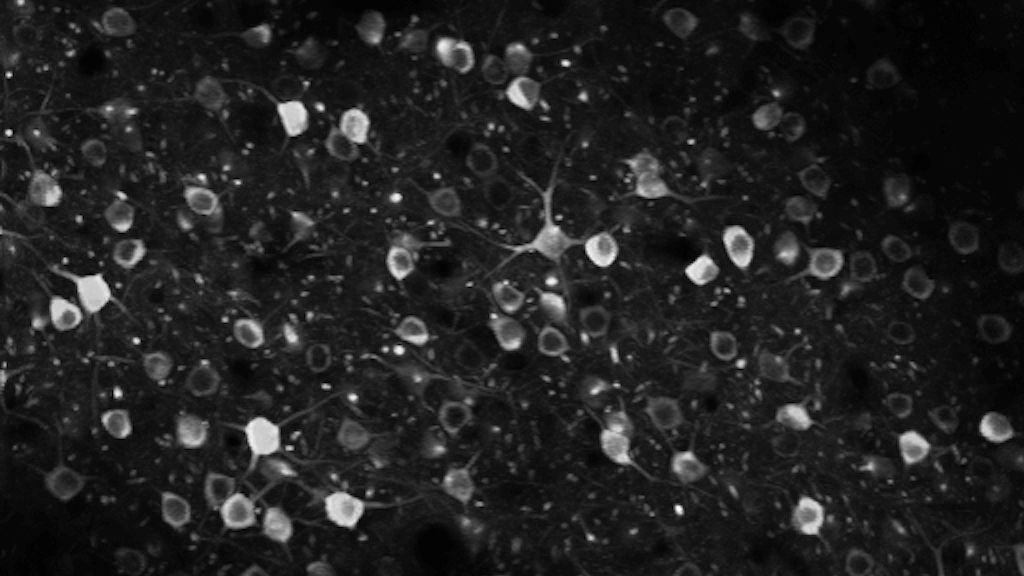
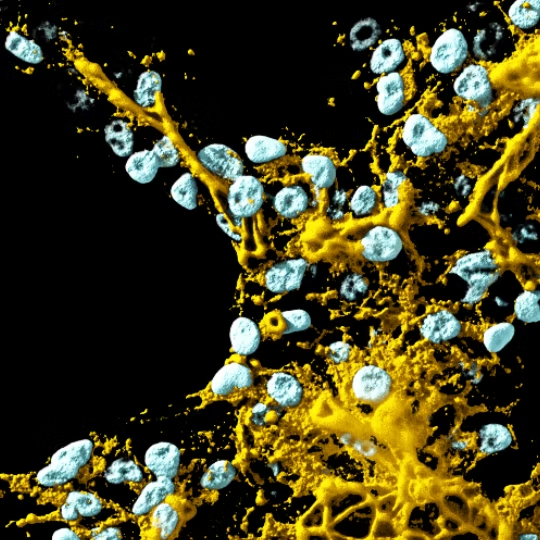
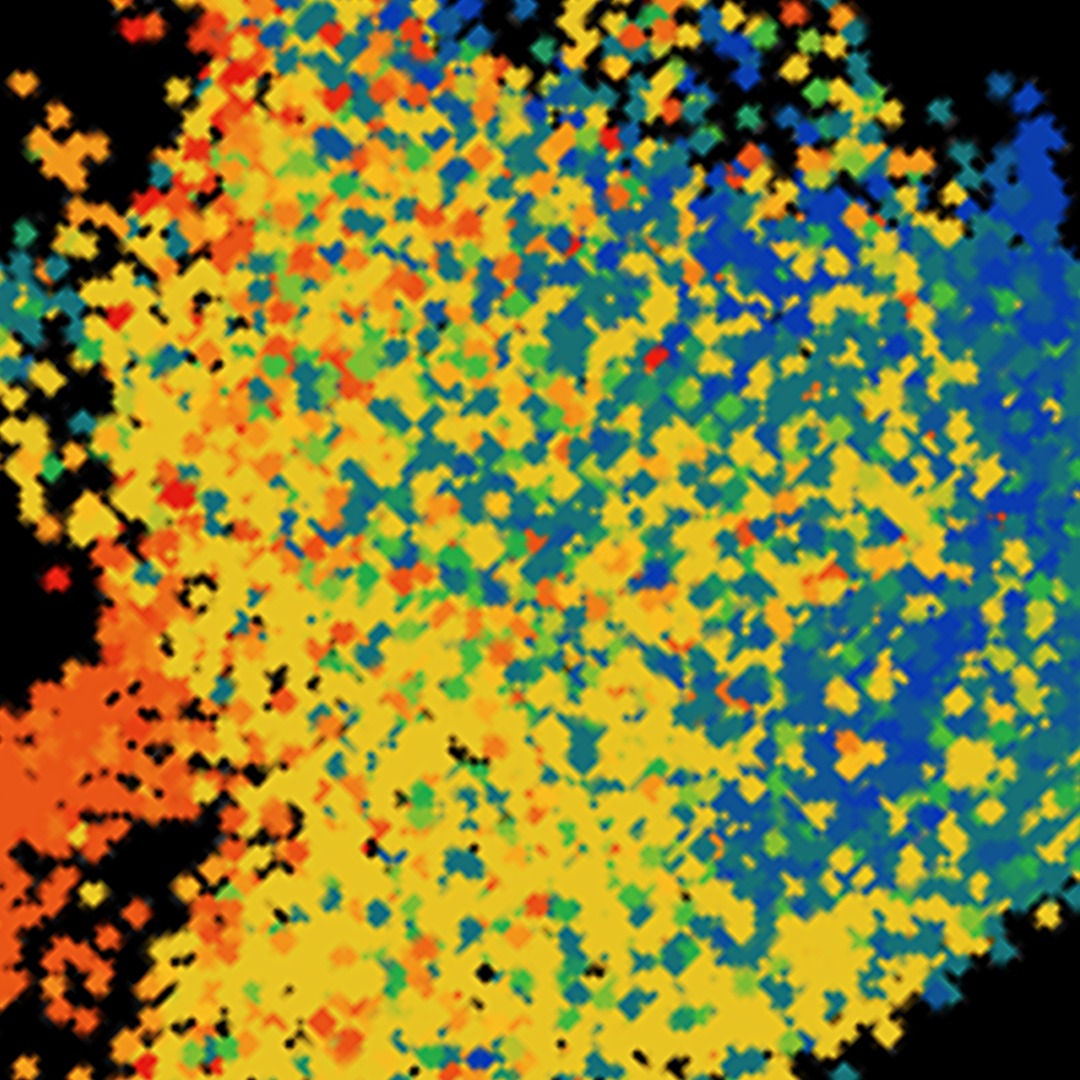
Visual Perception in a Mouse
Analyze two-photon calcium imaging data to investigate how different cell types in the mouse encode visual information.
featured education resources