in this lesson


About this resource:
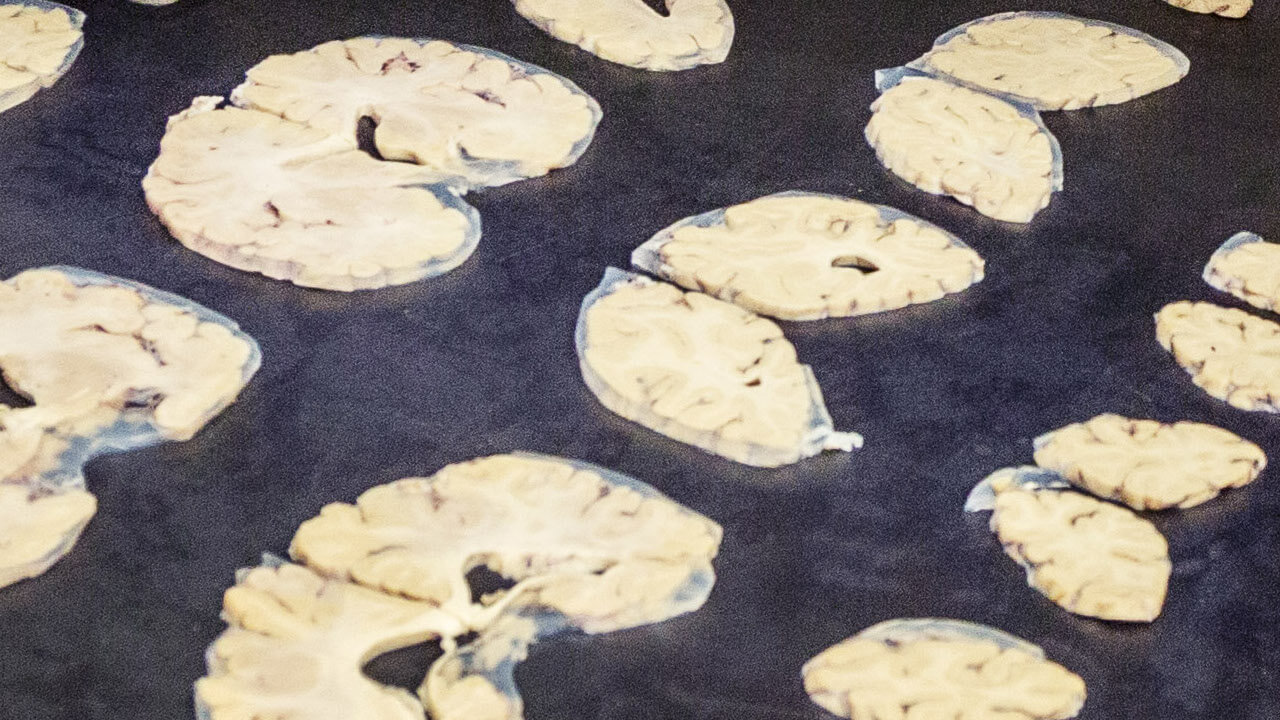
Ever wonder how scientists study the human brain? To learn more about the processes of living and post-mortem brain donation and the role of bioethics in scientific research, check out our lesson plan featured below!
Audience level: high school or first/second year undergraduate
Mode of instruction: suitable for remote, hybrid, or in-person instruction
Estimated lesson timeline: 55 minutes total + 20 minute optional debate activity
Prior knowledge needed: This lesson does not require a background in biology in order to complete it. This lesson is suitable for students from a variety of disciplinary backgrounds including philosophy, psychology, science and technology studies, and any of the life sciences.
Learning Objectives:
- Students will reflect on the importance of bioethics within biomedical research
- Students will describe the process of both living and post-mortem brain donation, and how these types of donations provide different biological data
- Students will appreciate and be able to articulate why some people may choose to not donate their brain to science
- Students will articulate the importance of neurodiversity within brain science
- Students will reflect on the ethical implications of policies of expressed vs. presumed consent
- Students will articulate the importance of consent within biomedical research
Note: This lesson plan is also the first of a four-part lesson featured on our Understanding Alzheimer’s Disease page
Lesson materials:
Check out the Instructor Guide
Check out the Student Worksheet