impact
impact
open science
subheadline
careers and opportunities
subheadline
people & teams
people & teams
subheadline
allenites
subheadline
allen institute advisors
subheadline
board of directors
subheadline
shanahan foundation fellowship
subheadline
next generation leaders
subheadline
research
overview
our approach
subheadline
publications
subheadline
open science
subheadline
accelerator
brain science
subheadline
cell science
subheadline
neural dynamics
subheadline
immunology
subheadline
synthetic biology
subheadline
education
education
science education
subheadline
education resources
subheadline
field trips
subheadline
open science
subheadline
open science quest
subheadline
news
news
stories
subheadline
podcast
subheadline
sign up for our newsletter
subheadline
events
events
all events
subheadline
conferences
subheadline
event code of conduct
subheadline
events
open science quest
subheadline
summer workshop on the dynamic brain
subheadline
open science week
subheadline
brain fest
subheadline
science resources
science resources
allencell.org
subheadline
allenimmunology.org
subheadline
allenneuraldynamics.org
subheadline
brain-bican.org
subheadline
brain-map.org
subheadline
microns-explorer.org
subheadline
impact
back to menu
impact
open science
subheading
careers and opportunities
subheading
people & teams
people & teams
subheading
allen institute advisors
subheading
board of directors
subheading
shanahan foundation fellowship
subheading
next generation leaders
subheading
research
back to menu
impact
Label
subheading
Label
subheading
people & teams
education
back to menu
research
Label
subheading
Label
subheading
Heading
news
back to menu
research
Label
subheading
Label
subheading
Heading
events
back to menu
research
Label
subheading
Label
subheading
Heading
science resources
back to menu
science resources
allencell.org
subheading
allenimmunology.org
subheading
allenneuraldynamics.org
subheading
brain-bican.org
subheading
brain-map.org
subheading
microns-explorer.org
subheading
search
education

A case study in the search for epilepsy therapeutics

Read about how undergraduate educators used the Allen Cell Types Database to create an in-class case study

resource type / 
Publication
published / February 13, 2026
education level / 
Undergraduate
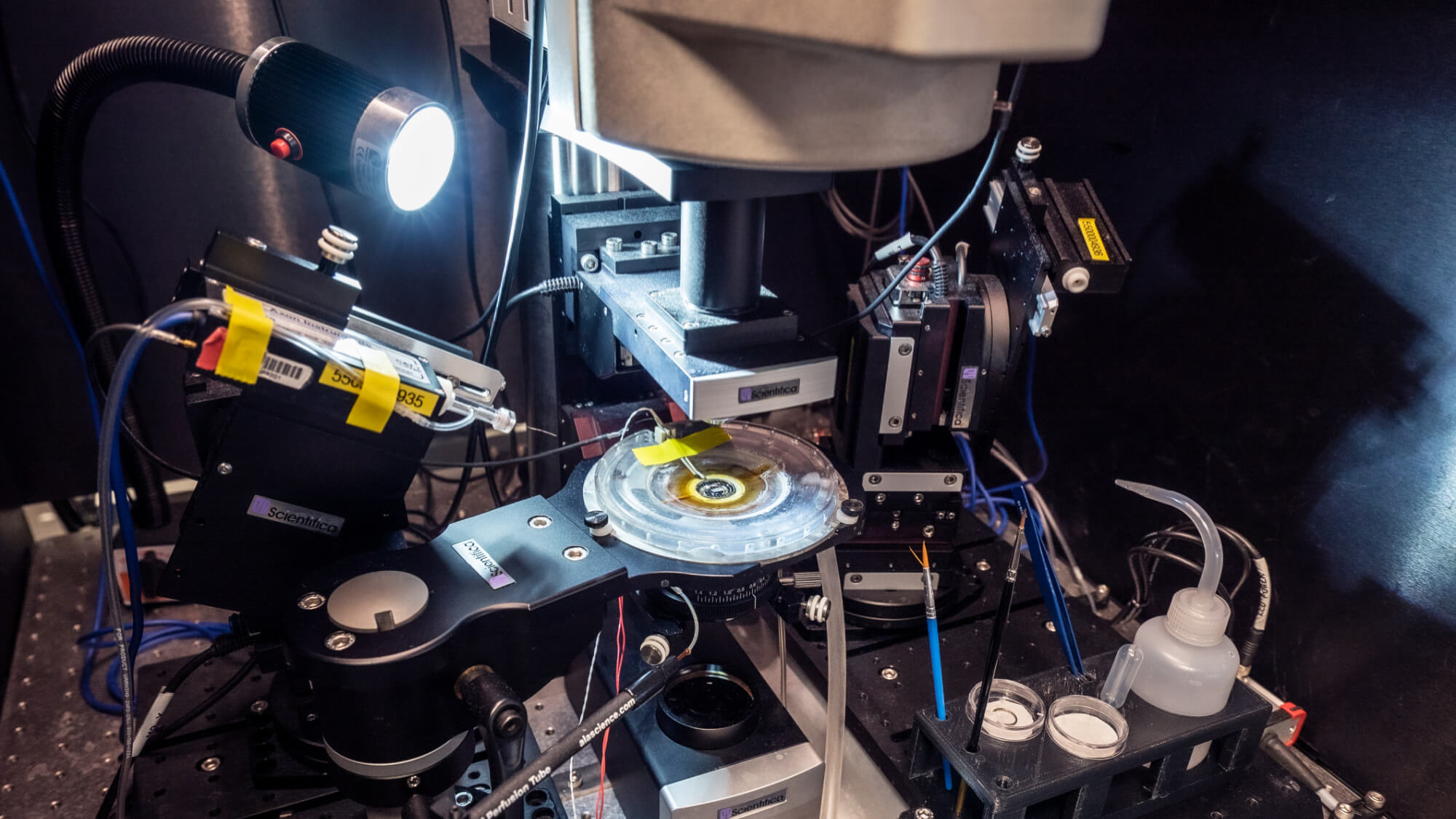
Scientific microscopy setup with illuminated optical equipment and sample preparation components
share/
This is some text inside of a div block.

in this lesson

table of contents will display on published page only
set h2 to populate the table of contents here
lesson

About this resource:

Educators developed a case study for undergraduate neuroscience students in which the students are asked to imagine themselves as researchers developing new therapeutic drugs for epilepsy. Students are asked to collect and organize open data from brain-map.org, investigate their own research questions, and perform statistical analyses that help address their questions. The educators detailed their process and results in an article titled Mapping Human Neuronal Diversity in the Search for New Therapeutics: Using Real Human Neuron Data Sets to Build Student Quantitative Skills, which was published in the Journal of Undergraduate Neuroscience Education (JUNE) in 2023.  

‍

About the Article:

Article: Mapping Human Neuronal Diversity in the Search for New Therapeutics: Using Real Human Neuron Data Sets to Build Student Quantitative Skills

Authors: Emma C. Milligan, Kaitlyn Casimo, Laurie Buchanan, Bryant Hutson, Sabrina Robertson

Article abstract: Case studies are a high impact educational practice that engage students in collaborative problem solving through storytelling. HITS, an NSF funded research coordination network dedicated to exposing students to high-throughput discovery science, drove creation of this case. In this case, students imagine themselves as researchers developing new therapeutic drugs for epilepsy. Specifically, students work with the Allen Cell Types Database, which is the result of collaborative, interdisciplinary open science. Neurosurgeons partnered with the Allen institute to provide living human brain tissue for electrophysiological, morphological, and transcriptomic study. Students collaborate to collect and organize data, investigate a research question they identified, and perform fundamental statistical analyses to address their question. By leveraging the unique Cell Types dataset the case enhances student knowledge of epilepsy, illuminates high-throughput scientific approaches, and builds quantitative and research related skills. The case is also versatile and was implemented in two distinct courses. The case can also be taught in different modalities, in person or remote, with a combination of synchronous and asynchronous work. Indirect and direct measures along with quantitative and qualitative approaches were used for case assessment and improvement. Students performed well on case related exam questions, reported high confidence in their achievement of the learning outcomes, and enjoyed the case’s link to neurological disease, real research data and advanced technological approaches. Our assessment findings and instructor implementation experiences are also included to facilitate the adoption or adaptation of the case for a variety of courses and/or modalities in neuroscience and STEM related curricula.

‍

featured education resources

explore more resources
brain science
cell science
immunology
neural dynamics
synthetic biology
Early Career Scientists
Health Care Providers
Students
Doctors
Teachers
Postdocs
Scientists
Educators
General Public
Middle School
High School
Undergraduate
Graduate
Thank you! Your submission has been received!
Oops! Something went wrong while submitting the form.
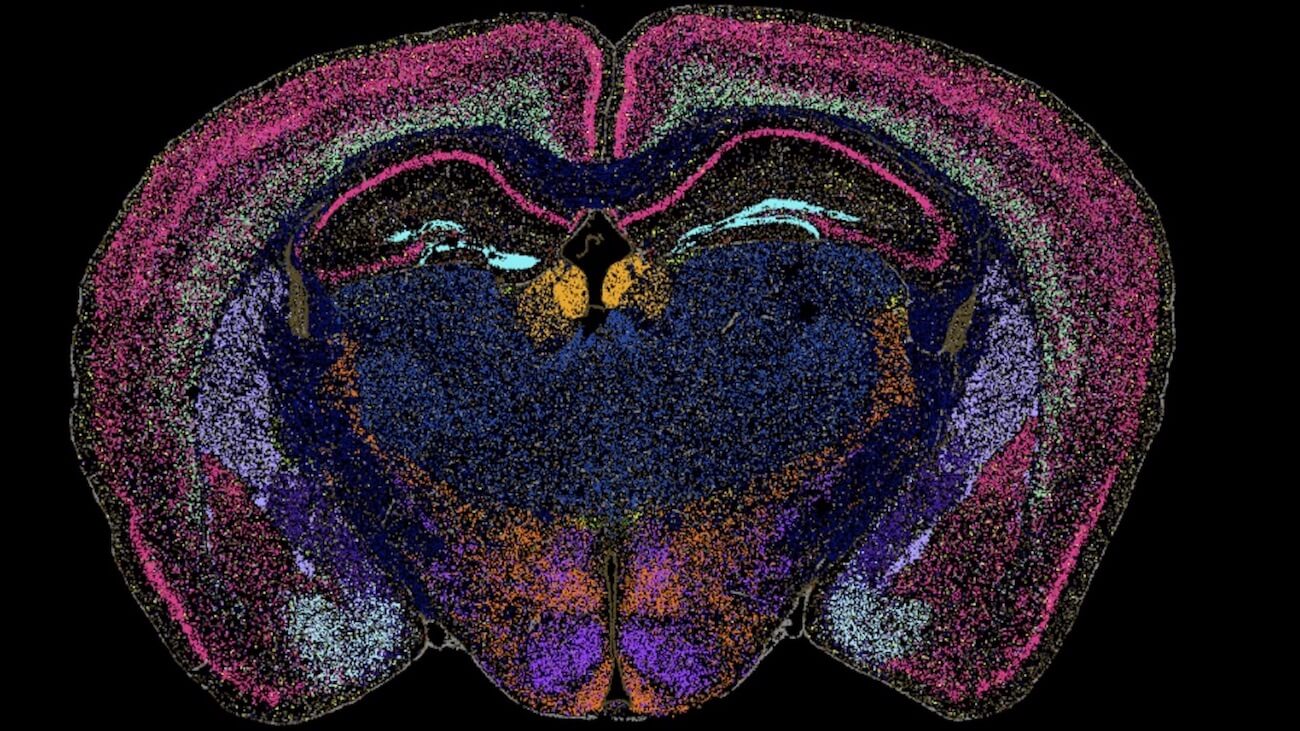
Colorful cross-section of a mouse brain showing neural tissue with pink, blue, and orange regions.
Database Guide 
Database Guide | Allen Brain Cell (ABC) Atlas
An in-depth guide on how to use the ABC Atlas to ask and evaluate research questions
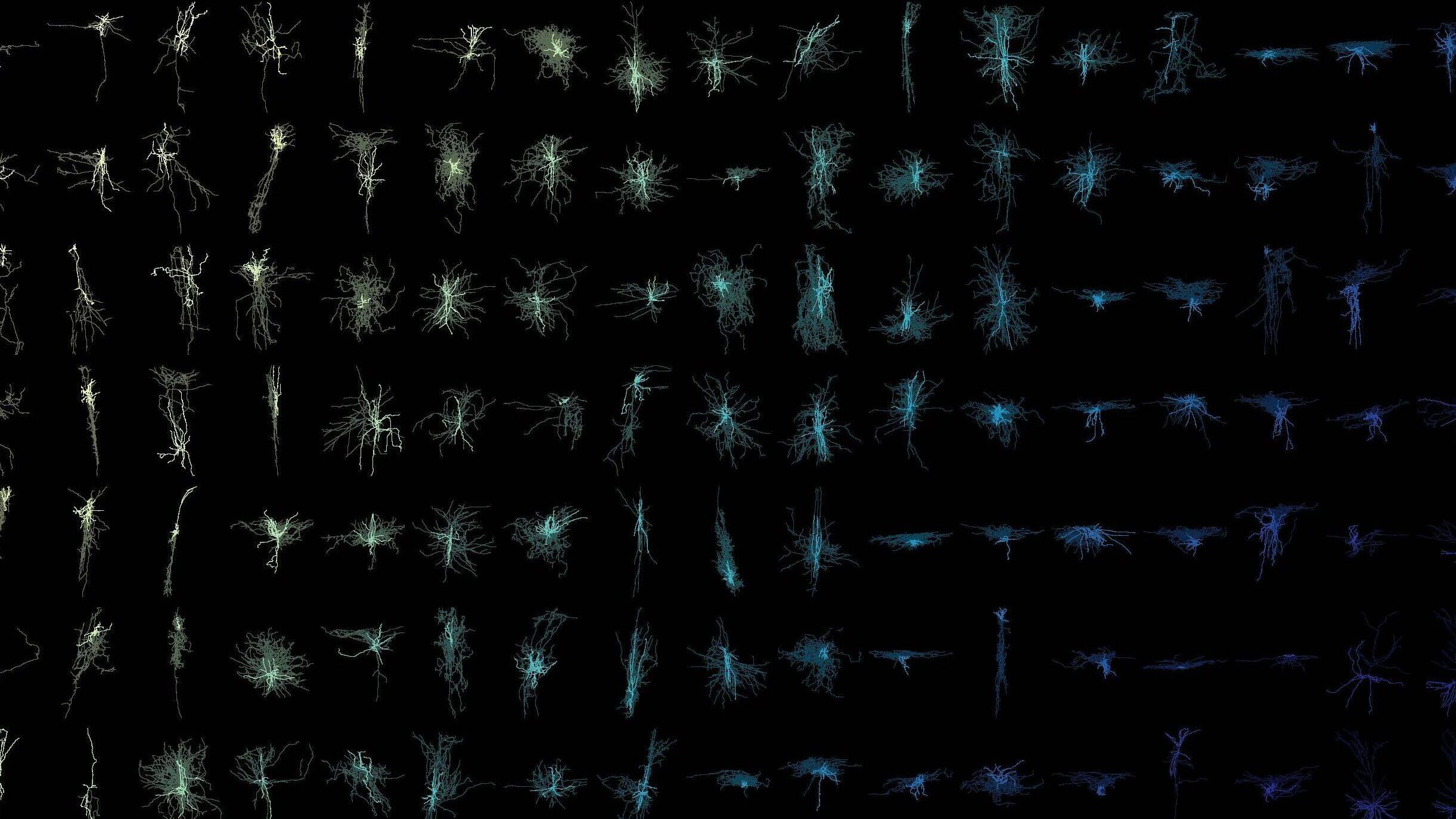
Grid of digitally generated neurons with branching dendrites in white, green, cyan, and blue colors
Lesson(s) 
Building realistic neurons with pipe cleaners
Create authentic models of neurons using low-cost craft materials
Laptop displaying code on desk with blurred people collaborating in background office setting.
Interactive Activity 
Teaching and learning with python
Explore resources to introduce undergraduate students in the life sciences to Python programming
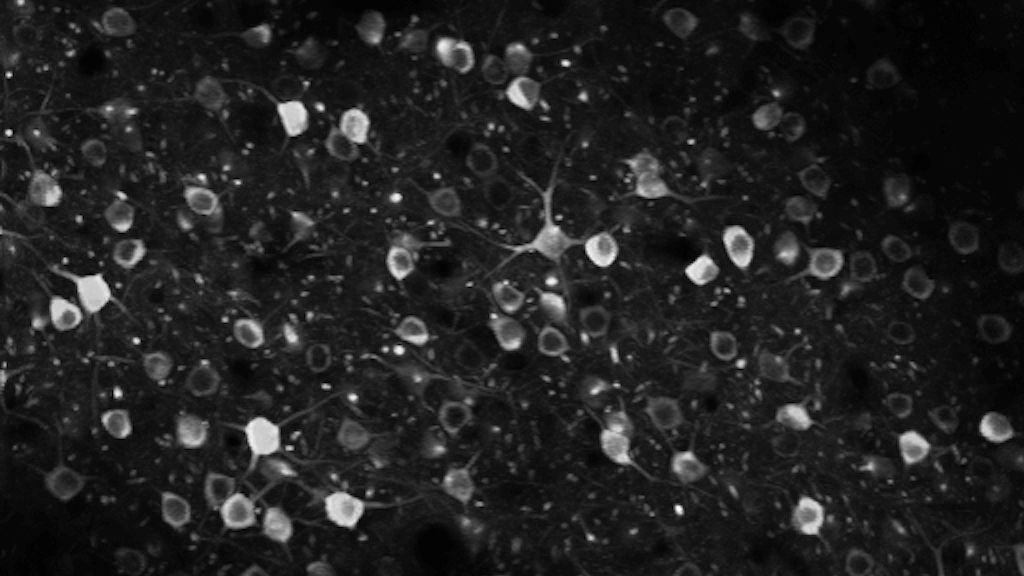
Black and white microscopic view of interconnected cells and particles in dark space
Video 
How scientists see neurons fire with 2-photon calcium imaging
Join our scientists in the lab to walk through the 2-photon calcium imaging pipeline
Colorful pixelated grid pattern with purple, yellow, black, and olive tones in mosaic layout
Explainer 
What is omics?
Explore the branch of research known as “omics“– including genomics, transcriptomics, and proteomics
Colorful neural network visualization with branching patterns on gradient grid surface.
Lesson(s) 
Defining cell types using transcriptomics, morphology, and electrophysiology
Overview of how multi-modal data is gathered to define cell types in the brain
load more resources
1 / 5
we acceleratedevelopcatalyzeimpact

science done differently. shared with the world.

explore our accelerators

brain science

Mapping every cell, connection, and circuit in the brain—openly shared with the world.

cell science

Decoding how cells become tissues, then programming that knowledge into powerful new research tools.

neural dynamics

Revealing the brain's hidden algorithms that transform neural activity into real-world behavior.

immunology

Creating the deepest open reference for the healthy human immune system ever built.

synthetic biology

Engineering cells to record their own histories, transforming how we understand disease over time.

research

Big questions, open answers, and science built to be shared.

education

Inspiring the next generation of scientists through open science resources.

impact

Our science is empowering researchers and advancing health worldwide.
advancing science through open, collaborative research
Get the allen institute newsletter
Stay informed on the latest breakthroughs in neuroscience, bioscience, and AI-driven research.
allen institute
impactpeople & teamscareers & opportunitiesalumnihistory & founder
science resources
allencell.orgallenimmunology.orgallenneuraldynamics.orgbrain-bican.orgbrain-map.orgmicrons-explorer.org
research
brain sciencecell scienceneural dynamicsimmunologysynthetic biologypublications
education
science educationfield tripsprofessional developmenteducation resources
quick links
newseventsopen sciencepodcastscience resourceshuman brain donationvisit uscontact
follow us/

allen institute, 615 Westlake Ave North, Seattle, WA 98109 +12065487055

© 0000 allen institute. all rights reserved.
privacy policyterms of usecitation policyemployee portalpolicy & compliance