impact
impact
open science
subheadline
careers and opportunities
subheadline
people & teams
people & teams
subheadline
allenites
subheadline
allen institute advisors
subheadline
board of directors
subheadline
shanahan foundation fellowship
subheadline
next generation leaders
subheadline
research
overview
our approach
subheadline
publications
subheadline
open science
subheadline
accelerator
brain science
subheadline
cell science
subheadline
neural dynamics
subheadline
immunology
subheadline
synthetic biology
subheadline
education
education
science education
subheadline
education resources
subheadline
field trips
subheadline
open science
subheadline
open science quest
subheadline
news
news
stories
subheadline
podcast
subheadline
sign up for our newsletter
subheadline
events
events
all events
subheadline
conferences
subheadline
event code of conduct
subheadline
events
open science quest
subheadline
summer workshop on the dynamic brain
subheadline
open science week
subheadline
brain fest
subheadline
science resources
science resources
allencell.org
subheadline
allenimmunology.org
subheadline
allenneuraldynamics.org
subheadline
brain-bican.org
subheadline
brain-map.org
subheadline
microns-explorer.org
subheadline
impact
back to menu
impact
open science
subheading
careers and opportunities
subheading
people & teams
people & teams
subheading
allen institute advisors
subheading
board of directors
subheading
shanahan foundation fellowship
subheading
next generation leaders
subheading
research
back to menu
impact
Label
subheading
Label
subheading
people & teams
education
back to menu
research
Label
subheading
Label
subheading
Heading
news
back to menu
research
Label
subheading
Label
subheading
Heading
events
back to menu
research
Label
subheading
Label
subheading
Heading
science resources
back to menu
science resources
allencell.org
subheading
allenimmunology.org
subheading
allenneuraldynamics.org
subheading
brain-bican.org
subheading
brain-map.org
subheading
microns-explorer.org
subheading
search
education

Using open data to teach neurophysiology

Read how Cornell University educators designed a research project using open data from the Allen Cell Types Database

resource type / 
Lesson Plan
Publication
Virtual Experiment
published / February 13, 2026
education level / 
Undergraduate
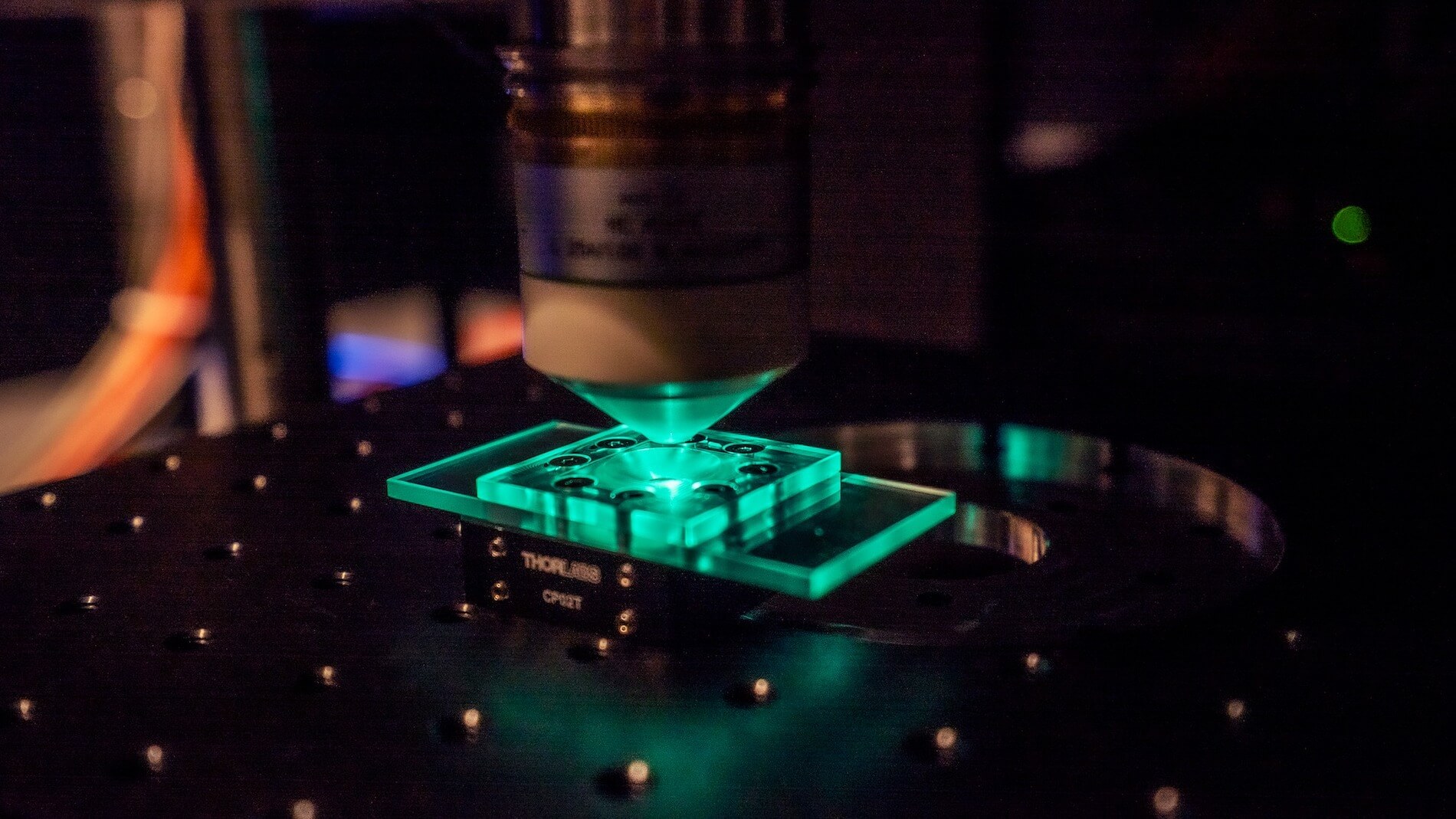
3D printer nozzle depositing glowing green material onto a precision platform at night
share/
This is some text inside of a div block.

in this lesson

table of contents will display on published page only
set h2 to populate the table of contents here
lesson

About this resource:

Curious about how you can use open neuroscience data in your undergraduate classroom? Learn how other educators have used the Allen Cell Types Database to guide students through designing and completing unique electrophysiology research projects. These educators detailed their process in the article titled Pandemic Teaching: Using the Allen Cell Types Database for Final Semester Projects in an Undergraduate Neurophysiology Lab Course, which was published in the Journal of Undergraduate Neuroscience Education (JUNE) in 2021.  

Materials include:

  • Published article detailing how instructors used the Allen Cell Types Database to help students create their own final projects  
  • Tutorial and code for how students can use the Allen Cell Types Database  
  • Example research topics explored by students using the Allen Cell Types Database
  • Instructions for students to write their final report
  • The rubric used by instructors to evaluate/grade the final student reports

About the Article:

Title: Pandemic Teaching: Using the Allen Cell Types Database for Final Semester Projects in an Undergraduate Neurophysiology Lab Course

Authors: Yi-Yun Ho, Andrea Roeser, Gwenda Law, and Bruce R. Johnson

Abstract: We designed a final semester research project that allowed students to apply the electrophysiological concepts they learned in a lab course to propose and answer experimental questions without access to laboratory equipment. We created the activity based on lesson plans from Ashley Juavinett and the Allen Institute for Brain Science (AIBS) Allen SDK online examples. An interactive graphic interface was added for students to explore and easily quantify subtle neuronal voltage changes. Before starting the final project, students had experience with conventional extracellular and intracellular recording techniques to record and analyze extracellular action potential firing patterns and intracellular resting, action, and synaptic potentials. They demonstrated their understanding of neural signal transmission in required lab reports using data they gathered before the pandemic shutdown. After students left campus, they continued to analyze data and write lab reports focused on neuronal excitability in snail and fly neurons with data supplied by the instructors. For their final project, students were challenged to answer questions addressing neuronal excitability at both the single neuron and neuronal population level by analyzing and interpreting the open-access, patch clamp recording data from the Allen Cell Types Database using code we provided (Python/Jupyter Notebook). This virtual final semester project allowed students to ask real-world medical and scientific questions from “start to end”. Through this project, students developed skills to navigate an extensive online database and gained experience with coding-based data analysis. They chose neuronal populations from human and mouse brains to compare passive properties and neuronal excitability between and within brain areas and across different species and disease states. Additionally, students learned to do simple manipulations of Python code, work remotely in teams, and polish their written scientific presentation skills. This activity could complement other remote learning options such as neuronal simulations. Few online sources offer such a wealth of neuroscience data that students can use for class assignments, and even for research and keystone projects. The activity extends the traditional material often taught in upper-level neuroscience courses, with or without a laboratory section, providing a deeper understanding of the range of excitability properties that neurons express.

The Journal of Undergraduate Neuroscience Education (JUNE), Fall 2021, 20(1):A100-A110

‍

featured education resources
explore more resources
brain science
cell science
immunology
neural dynamics
synthetic biology
Early Career Scientists
Health Care Providers
Students
Doctors
Teachers
Postdocs
Scientists
Educators
General Public
Middle School
High School
Undergraduate
Graduate
Thank you! Your submission has been received!
Oops! Something went wrong while submitting the form.
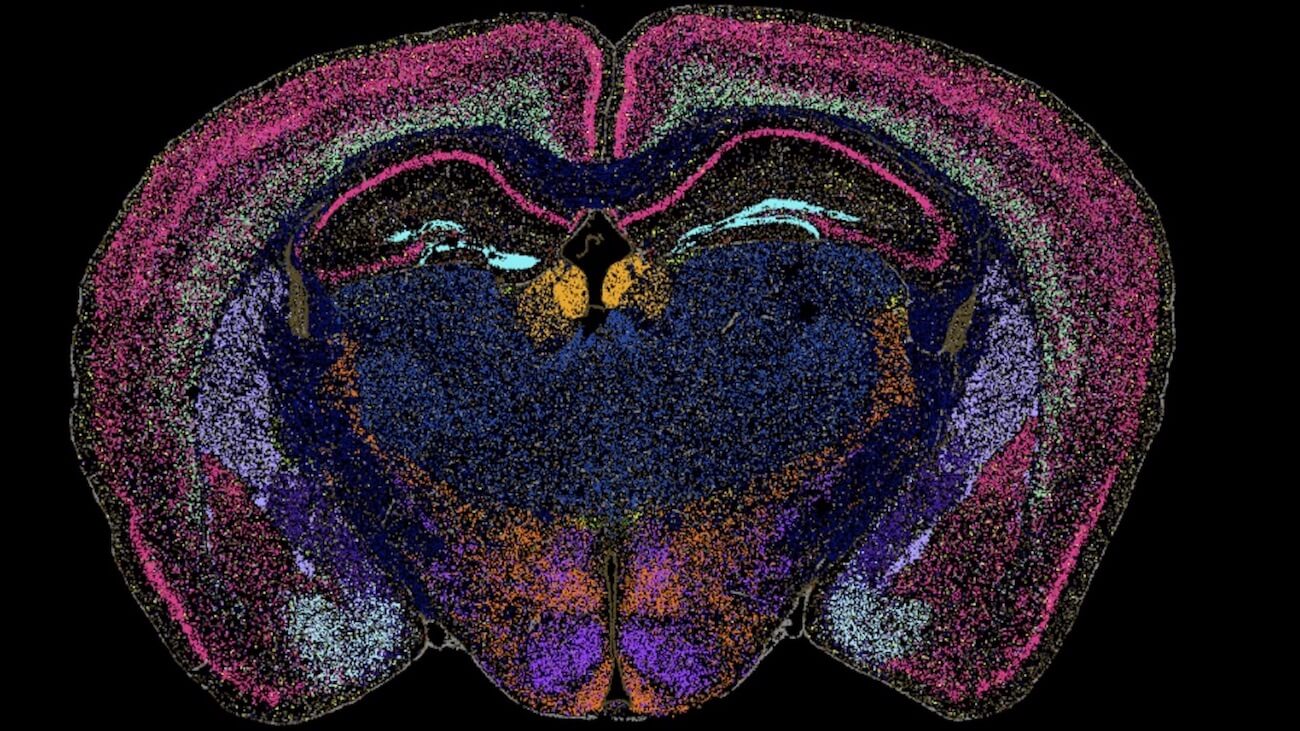
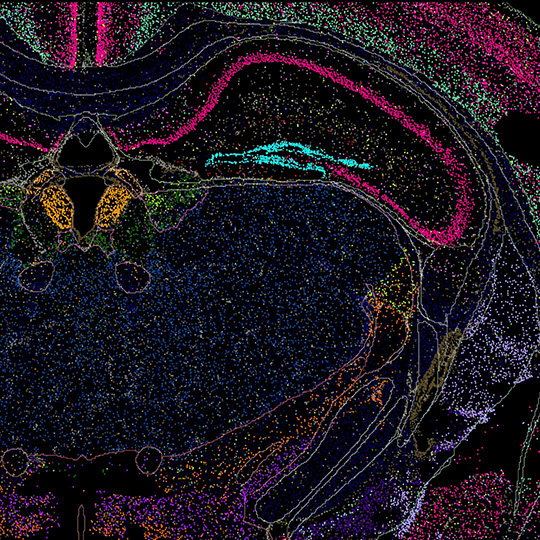
Colorful cross-section of a mouse brain showing neural tissue with pink, blue, and orange regions.
Database Guide 
Database Guide | Allen Brain Cell (ABC) Atlas
An in-depth guide on how to use the ABC Atlas to ask and evaluate research questions
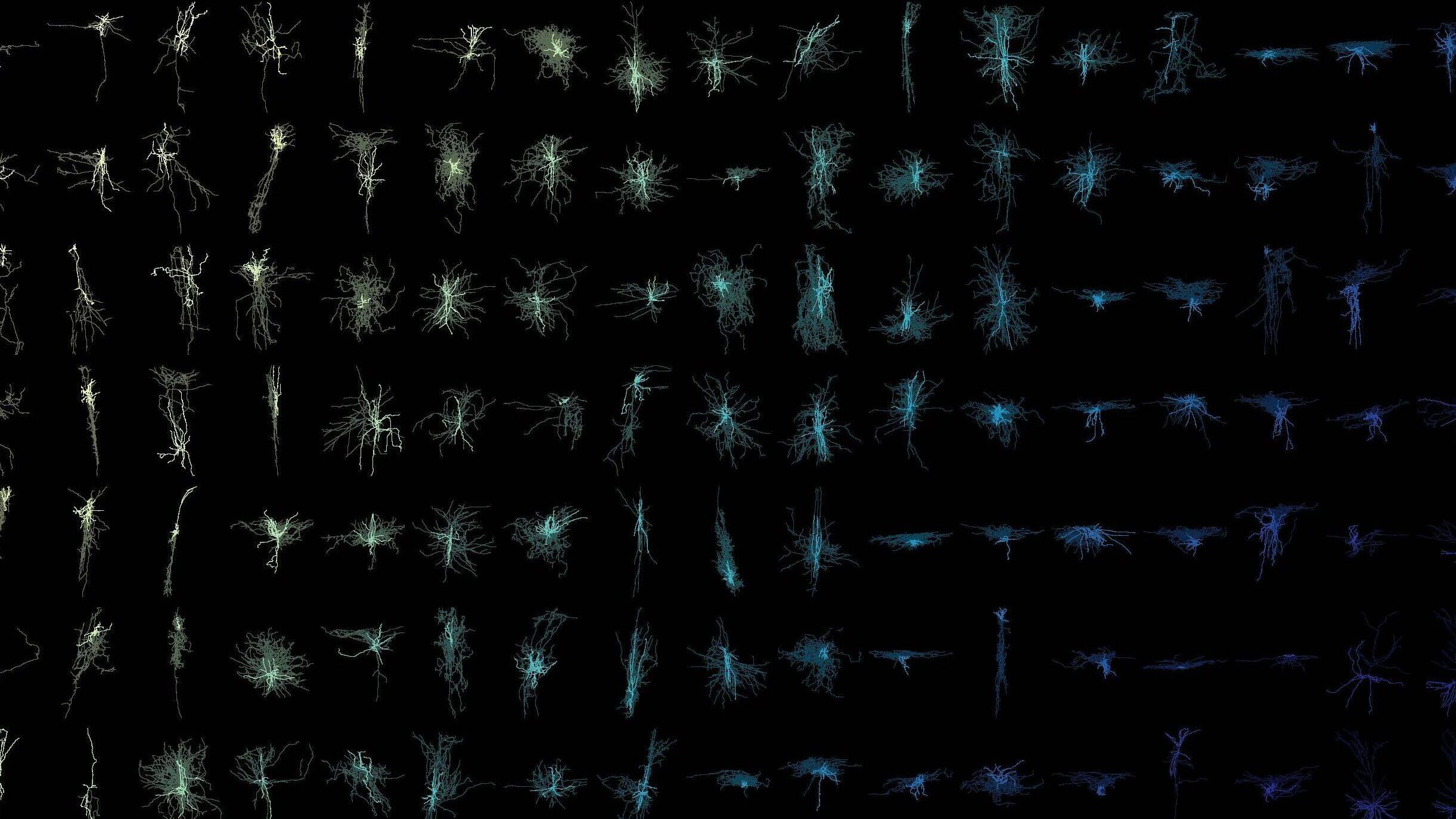
Grid of digitally generated neurons with branching dendrites in white, green, cyan, and blue colors
Lesson(s) 
Building realistic neurons with pipe cleaners
Create authentic models of neurons using low-cost craft materials
Laptop displaying code on desk with blurred people collaborating in background office setting.
Interactive Activity 
Teaching and learning with python
Explore resources to introduce undergraduate students in the life sciences to Python programming
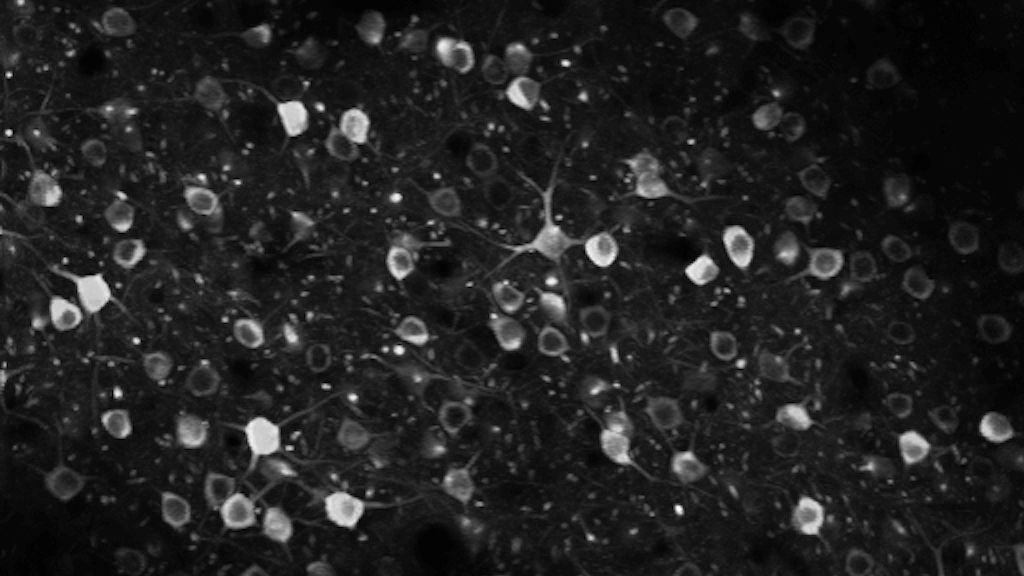
Black and white microscopic view of interconnected cells and particles in dark space
Video 
How scientists see neurons fire with 2-photon calcium imaging
Join our scientists in the lab to walk through the 2-photon calcium imaging pipeline
Colorful pixelated grid pattern with purple, yellow, black, and olive tones in mosaic layout
Explainer 
What is omics?
Explore the branch of research known as “omics“– including genomics, transcriptomics, and proteomics
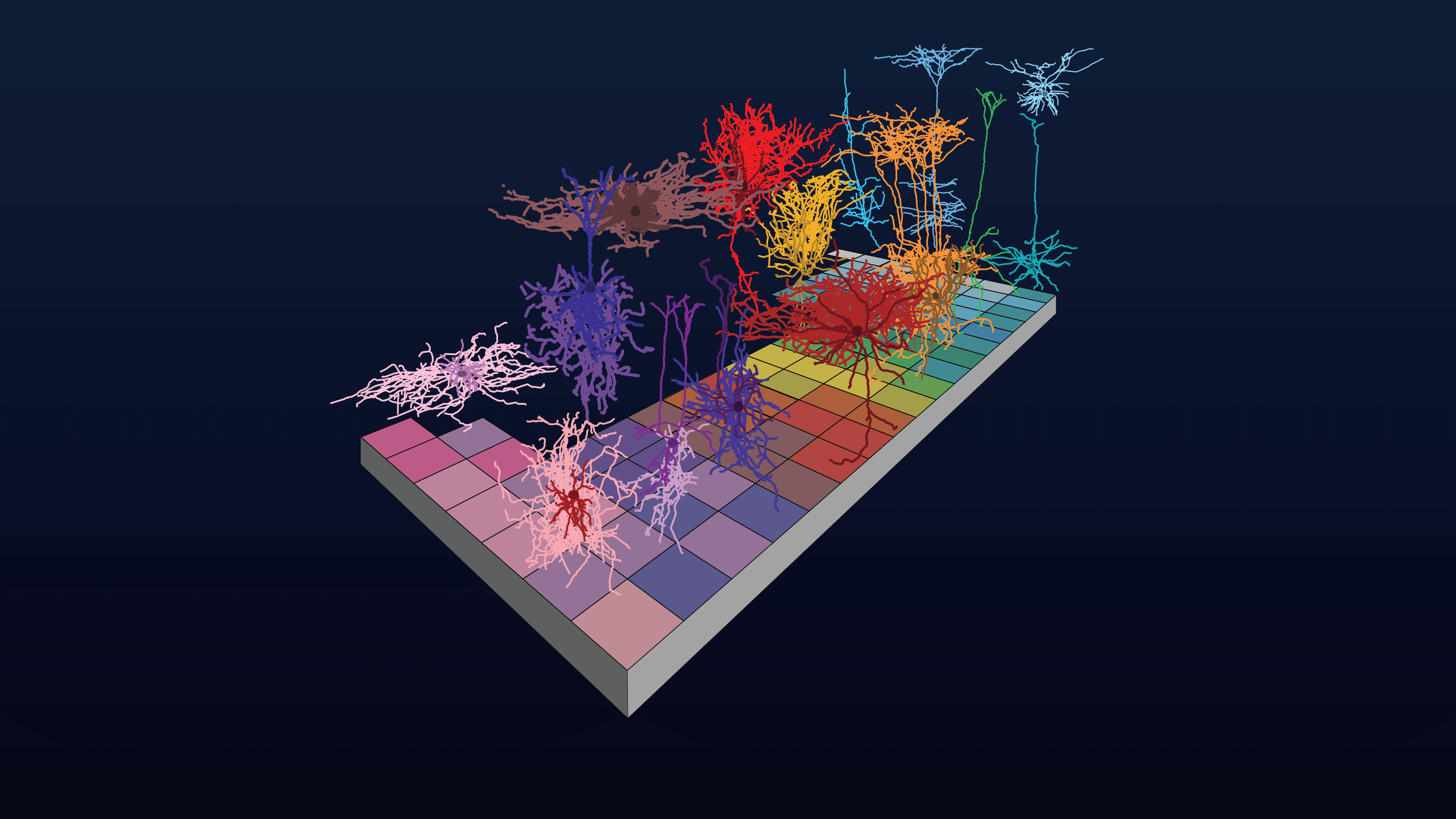
Colorful neural network visualization with branching patterns on gradient grid surface.
Lesson(s) 
Defining cell types using transcriptomics, morphology, and electrophysiology
Overview of how multi-modal data is gathered to define cell types in the brain
load more resources
1 / 5
we acceleratedevelopcatalyzeimpact

science done differently. shared with the world.

explore our accelerators

brain science

Mapping every cell, connection, and circuit in the brain—openly shared with the world.

cell science

Decoding how cells become tissues, then programming that knowledge into powerful new research tools.

neural dynamics

Revealing the brain's hidden algorithms that transform neural activity into real-world behavior.

immunology

Creating the deepest open reference for the healthy human immune system ever built.

synthetic biology

Engineering cells to record their own histories, transforming how we understand disease over time.

research

Big questions, open answers, and science built to be shared.

education

Inspiring the next generation of scientists through open science resources.

impact

Our science is empowering researchers and advancing health worldwide.
advancing science through open, collaborative research
Get the allen institute newsletter
Stay informed on the latest breakthroughs in neuroscience, bioscience, and AI-driven research.
allen institute
impactpeople & teamscareers & opportunitiesalumnihistory & founder
science resources
allencell.orgallenimmunology.orgallenneuraldynamics.orgbrain-bican.orgbrain-map.orgmicrons-explorer.org
research
brain sciencecell scienceneural dynamicsimmunologysynthetic biologypublications
education
science educationfield tripsprofessional developmenteducation resources
quick links
newseventsopen sciencepodcastscience resourceshuman brain donationvisit uscontact
follow us/

allen institute, 615 Westlake Ave North, Seattle, WA 98109 +12065487055

© 0000 allen institute. all rights reserved.
privacy policyterms of usecitation policyemployee portalpolicy & compliance