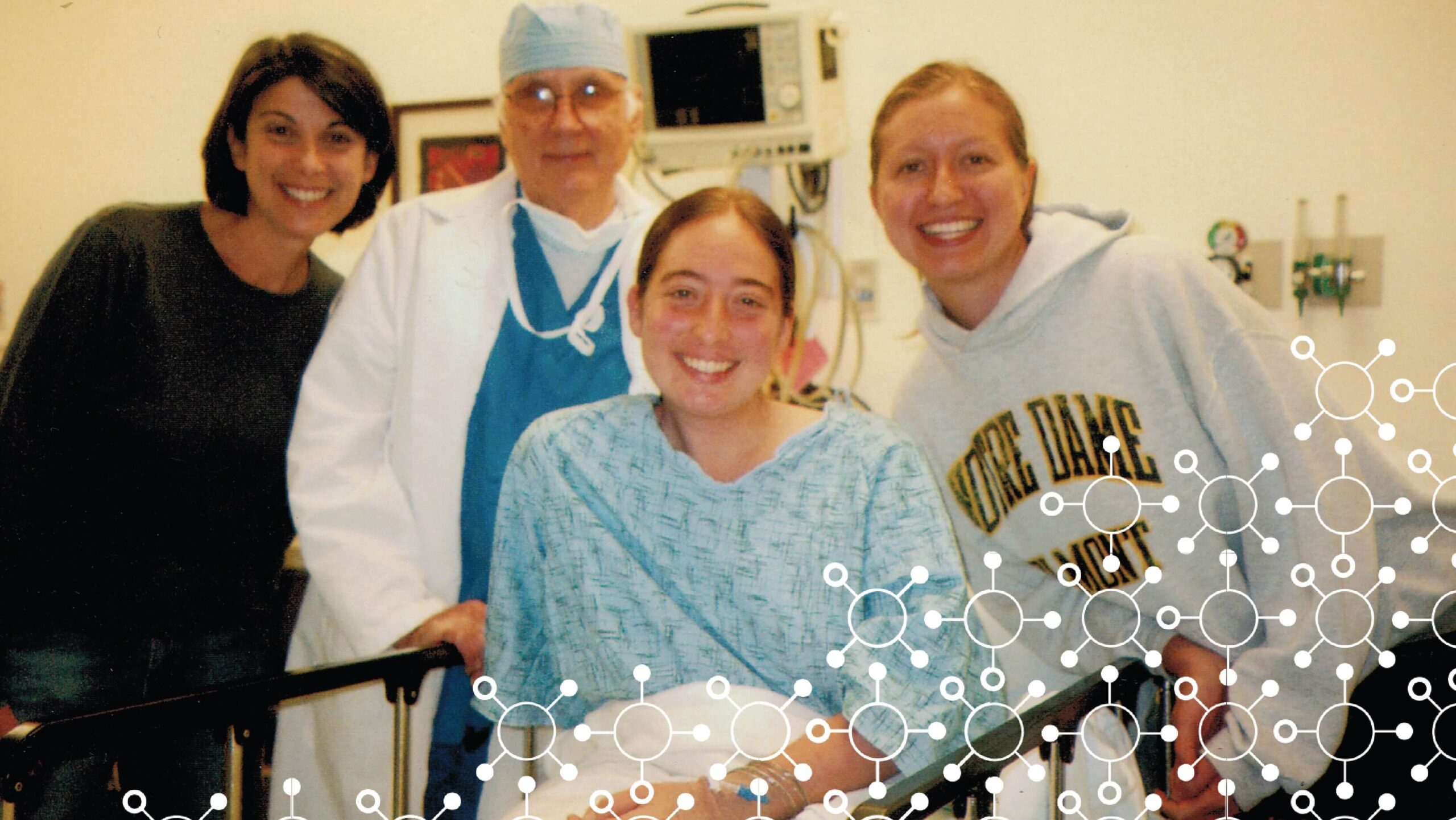

Sarah Kaufmann-Fink’s multiple myeloma diagnosis started with a bout of malaria.
Her cancer story is atypical in more ways than one. The average age at diagnosis with multiple myeloma, a rare form of blood cancer, is 70. Kaufmann-Fink was 22.
It was fall of 2005, her senior year of college, and Kaufmann-Fink had been living in Kenya for several months, where she contracted malaria. She was really sick, spending 10 days in a hospital in London before completing her journey back to the U.S. Most of her symptoms resolved, but severe anemia persisted.
Eventually, she was able to go back to her classes and schoolwork at the University of Washington, but she couldn’t kick the anemia. Her doctors ran test after test, but Kaufmann-Fink wasn’t actually that worried, she said. She was still managing to go to school and her job and keep up with her volunteer efforts, she was just more tired than usual, more prone to colds and flu. Her doctor’s visits started to feel like a bizarre routine — she’d get tested, get the results, and then her doctor would suggest another round of tests, all with no explanation for the anemia.
Five months into this process, a fellow at the hematology clinic where she was being seen suggested testing for multiple myeloma, and those tests eventually led to a positive diagnosis. She was referred to the Seattle Cancer Care Alliance (now called Fred Hutchinson Cancer Center), where x-rays showed bone tumors throughout her body. One lesion in her left arm was so large that her doctors were surprised that bone hadn’t broken yet, she said.
“I felt like the floor had dropped out from under me. I’d never heard of multiple myeloma,” said Kaufmann-Fink, who’s now a 39-year-old nurse living in Seattle. “The day before my diagnosis, I felt the same as all my peers. The day after, I was on a different planet.”
Myeloma and the immune system
Multiple myeloma is a cancer of the immune system, affecting a type of white blood cell known as a plasma cell. These immune cells are a kind of mature B cell, sometimes thought of as the antibody factories of the body, producing proteins known as antibodies that can quickly respond to an infection that body has seen before. One of the hallmark signs of multiple myeloma is the presence in large amounts of a protein called an M-protein. These proteins are a type of antibody or part of an antibody, proteins that are normally made to fight infection, but in large quantities they can accumulate in the body and cause their own form of damage, including kidney disease.
The cancerous plasma cells themselves cause anemia, as they tend to take over the bone marrow, leaving little space for red blood cells to form. The cancerous cells also form lesions in the bone marrow and weaken bones — some patients find out they have the disease after breaking bones from mild activity.
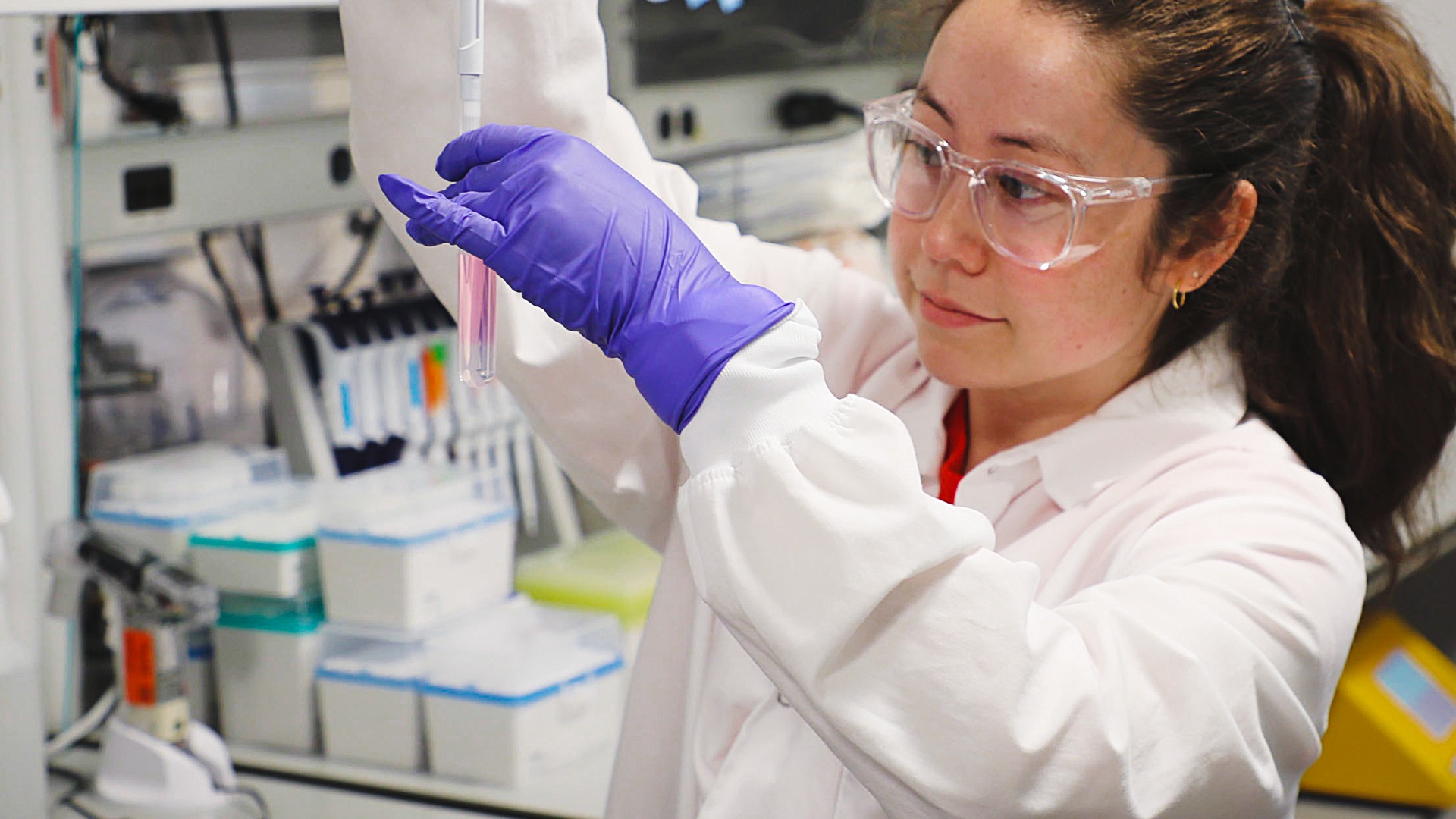
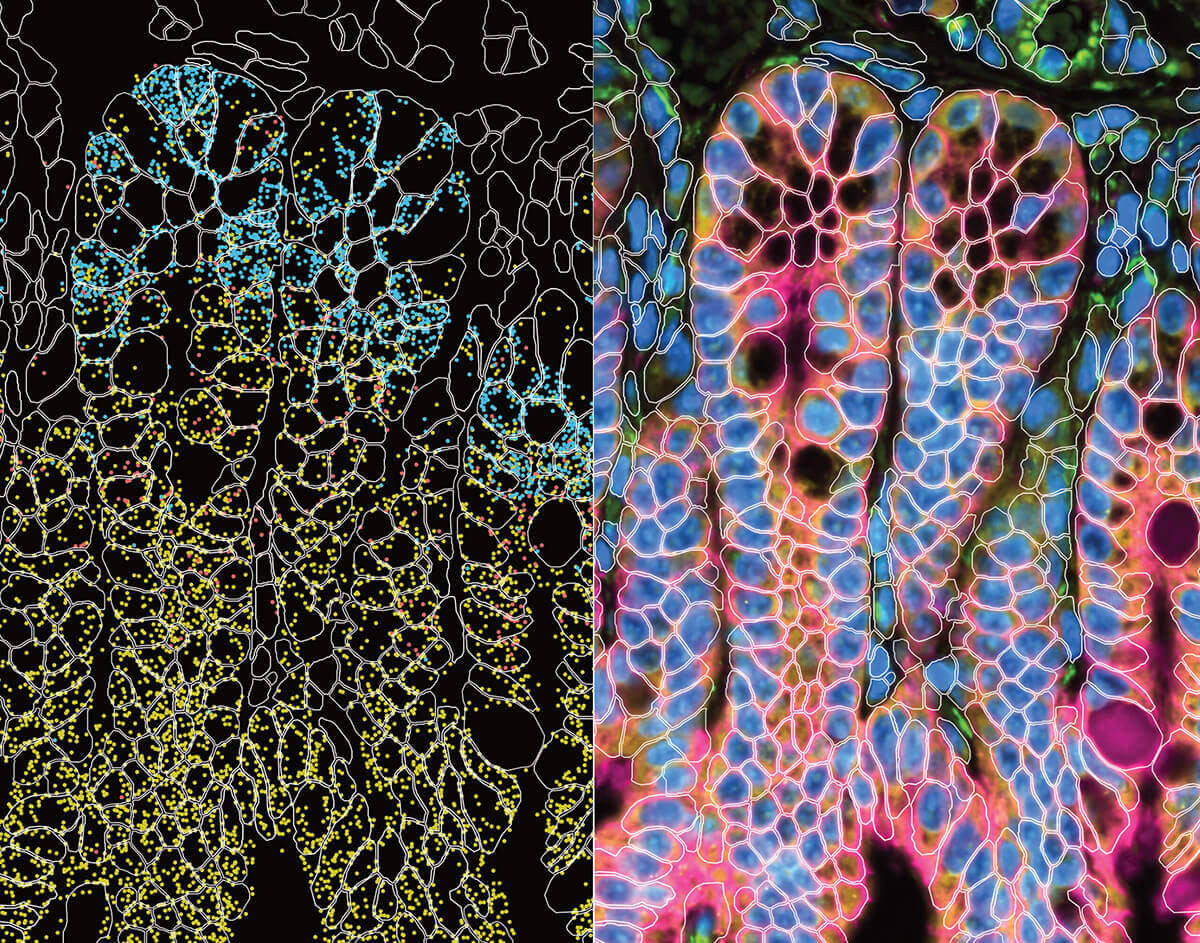
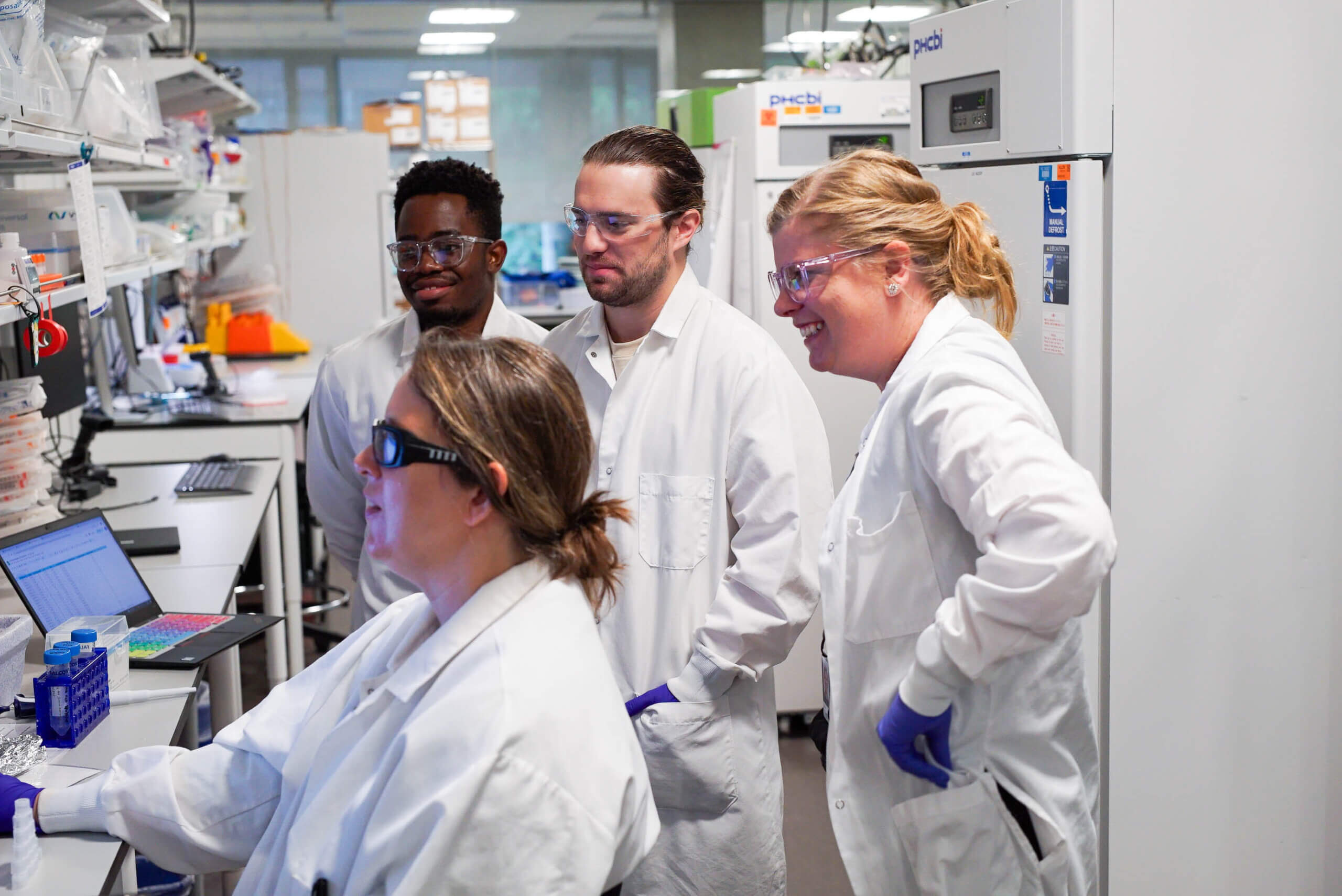
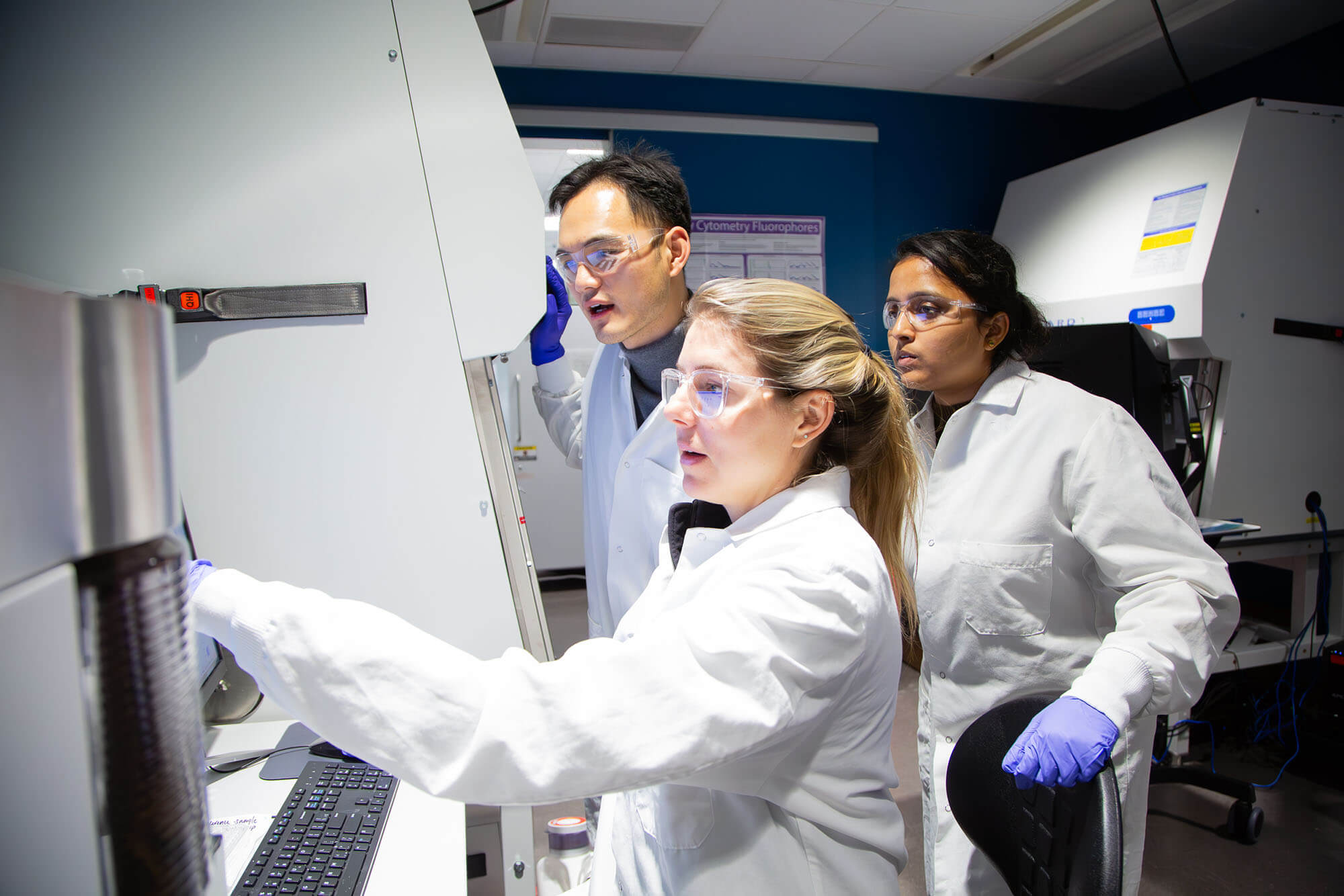
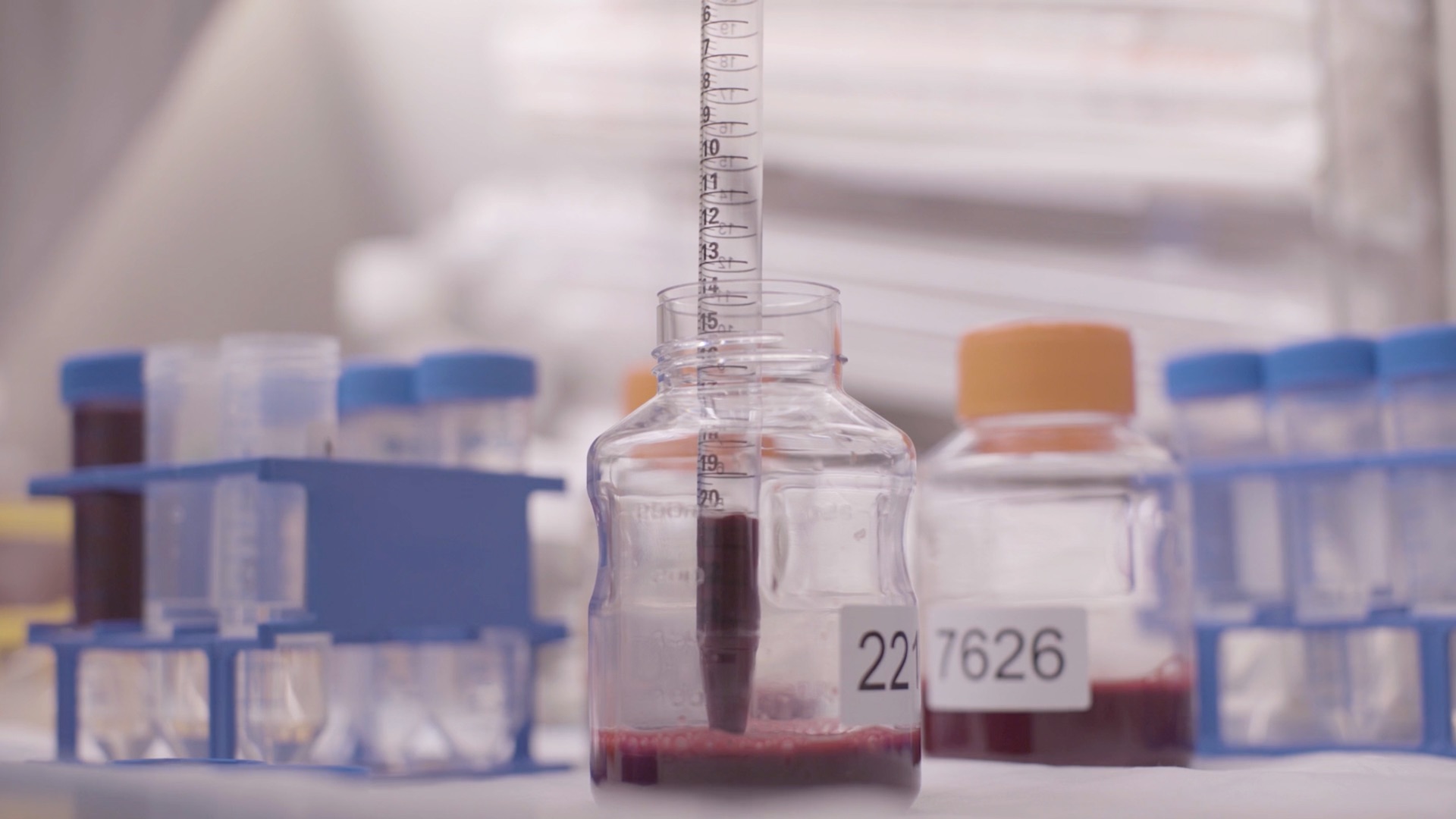
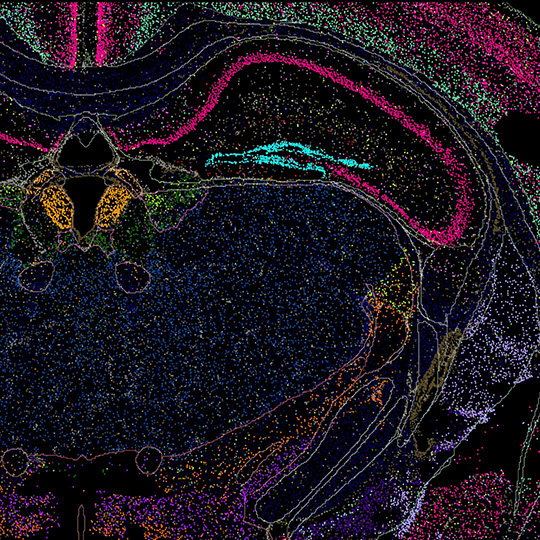
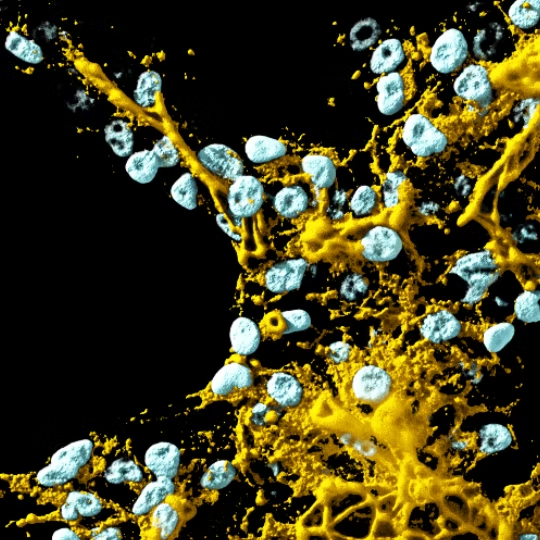
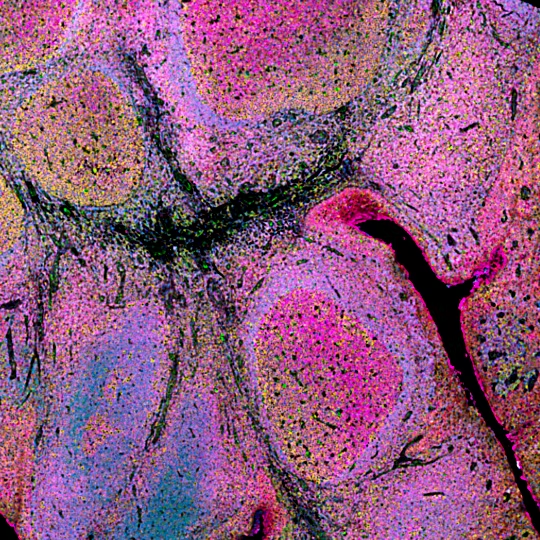
Researchers at the Allen Institute and elsewhere are trying to figure out how multiple myeloma affects the immune system. Like many other cancers, myeloma is a master at fooling the immune system, evading detection and even recruiting non-cancerous immune cells to help it grow. Together with clinicians and researchers at Fred Hutch, the Allen Institute for Immunology team is studying several different facets of the immune system in multiple myeloma patients as they receive treatment — a stem cell transplant — to follow changes in their immune cells as their cancer shrinks, grows or stays the same. Ultimately, they want to identify immune changes that signal that the body is successfully fighting off the cancer, to be able to point to new therapies that could mimic or boost that successful immune response.
How do you plan around cancer?
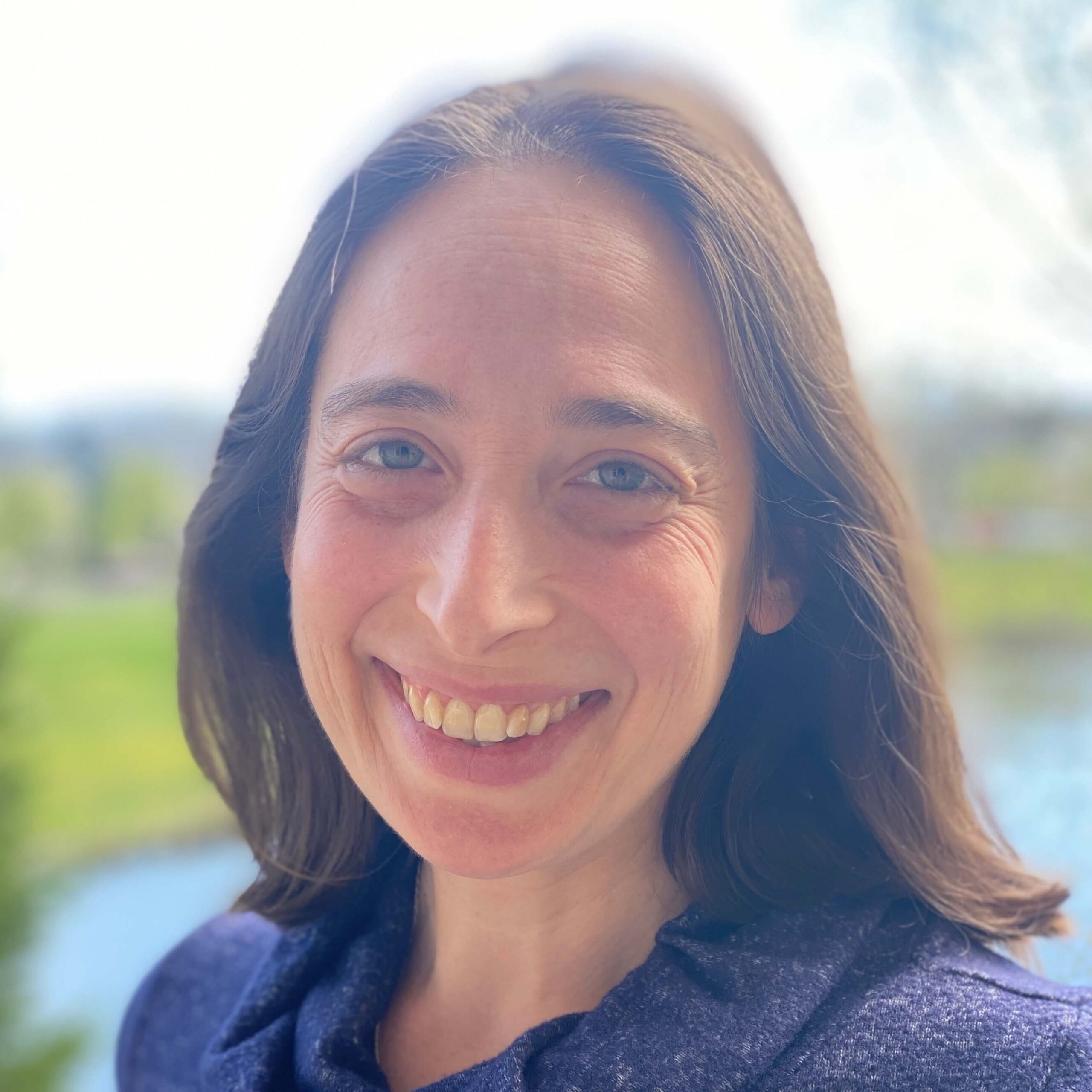
When Kaufmann-Fink was first diagnosed, she couldn’t think about her life in the same way she once had. She was about to graduate college and just received a job offer, only to be told she had a cancer with an average lifespan of less than five years from diagnosis.
“How do I plan my life around that?” she asked herself. “Do I start a career? Do I continue a long-term relationship? All my peers are thinking about what’s down the road, can I allow myself to do that?”
Kaufmann-Fink received what was standard treatment at the time: a transplant, radiation therapy and treatment with thalidomide, a drug that was originally developed for morning sickness (until it was found to cause severe birth defects) but turned out to be a potent cancer-killer. After her transplant, her doctors declared her in remission, and she started to tentatively make longer-term plans for her life.
She decided to go to nursing school a few years later. Of all her providers, her nurses were the ones who gave her the most holistic care, she said. Today, she’s an ICU nurse.
“A difficult health journey, cancer or otherwise, affects every aspect of your life. Not just your body, it’s everything,” she said. “The nurses were the ones who saw that, who could address all aspects of what it meant to go through cancer.”
When she was going through treatment, Kaufmann-Fink didn’t know any other young adults with cancer. Nobody in the clinic waiting room looked like her. In her pre-diagnosis worldview, cancer was something that happened to old people, and it usually killed them. She had no examples of what it was like to live with cancer.
In the years since, Kaufmann-Fink has found a community of other young myeloma patients and survivors. She’s also built a community around advocacy and fundraising for research. Together with her parents, she started both a nonprofit organization and a Seattle run/walk event, both to raise money for myeloma research. The run/walk, Defeat Myeloma, is now in its 10th year. Seeing patients and survivors at these events has been fulfilling and important, Kaufmann-Fink said. She wished more people knew the realities of life with cancer.
Research vs. relapse
Kaufmann-Fink is now 17 years out from diagnosis. But that kind of diagnosis isn’t something you can just leave in the past, especially with a cancer that has a high rate of relapse, as multiple myeloma does.
Kaufmann-Fink has already relapsed once — in 2017, her doctors found a localized tumor, not in the bone marrow. She had surgery and radiation but didn’t need systemic treatment, as she had in 2005.
“It was eye-opening, having that relapse 12 years later. I was feeling more secure in my remission, so to get blind-sided by that was really hard,” she said.
Although she’s reassured that many more treatment options exist today than in 2005, she’s still anxious about what the future might hold for her. Today’s therapies for multiple myeloma are not cures, and the disease is still nearly as deadly as it was two decades ago. That’s been a big driver for Kaufmann-Fink’s fundraising work.
“I’m not a scientist and I’m not a billionaire, so what can I do? I can raise awareness, and I can ask others to help me raise money for research,” she said. “I think until there’s a cure developed, I’m going to have a relapse again someday, and that’s a hard thing to live with. Research is the only thing that’s going to get us there.”
Citations
about the allen institute
The Allen Institute is an independent, 501(c)(3) nonprofit research organization founded by philanthropist and visionary, the late Paul G. Allen. The Allen Institute is dedicated to answering some of the biggest questions in bioscience and accelerating research worldwide. The Institute is a recognized leader in large-scale research with a commitment to an open science model. For more information, visit alleninstitute.org.