impact
impact
open science
subheadline
careers and opportunities
subheadline
people & teams
people & teams
subheadline
allenites
subheadline
allen institute advisors
subheadline
board of directors
subheadline
shanahan foundation fellowship
subheadline
next generation leaders
subheadline
research
overview
our approach
subheadline
publications
subheadline
open science
subheadline
accelerator
brain science
subheadline
cell science
subheadline
neural dynamics
subheadline
immunology
subheadline
synthetic biology
subheadline
education
education
science education
subheadline
education resources
subheadline
field trips
subheadline
open science
subheadline
open science quest
subheadline
news
news
stories
subheadline
podcast
subheadline
sign up for our newsletter
subheadline
events
events
all events
subheadline
conferences
subheadline
event code of conduct
subheadline
events
open science quest
subheadline
summer workshop on the dynamic brain
subheadline
open science week
subheadline
brain fest
subheadline
science resources
science resources
allencell.org
subheadline
allenimmunology.org
subheadline
allenneuraldynamics.org
subheadline
brain-bican.org
subheadline
brain-map.org
subheadline
microns-explorer.org
subheadline
impact
back to menu
impact
open science
subheading
careers and opportunities
subheading
people & teams
people & teams
subheading
allen institute advisors
subheading
board of directors
subheading
shanahan foundation fellowship
subheading
next generation leaders
subheading
research
back to menu
impact
Label
subheading
Label
subheading
people & teams
education
back to menu
research
Label
subheading
Label
subheading
Heading
news
back to menu
research
Label
subheading
Label
subheading
Heading
events
back to menu
research
Label
subheading
Label
subheading
Heading
science resources
back to menu
science resources
allencell.org
subheading
allenimmunology.org
subheading
allenneuraldynamics.org
subheading
brain-bican.org
subheading
brain-map.org
subheading
microns-explorer.org
subheading
search
stories
news

Announcing the Allen Institute for Immunology, a new research endeavor focused on human immune health and disease

Seeded by $125 million donation by the late Paul G. Allen, the Allen Institute for Immunology will study human immune health, cancer, and autoimmune...

December 12, 2018
 min read
share/
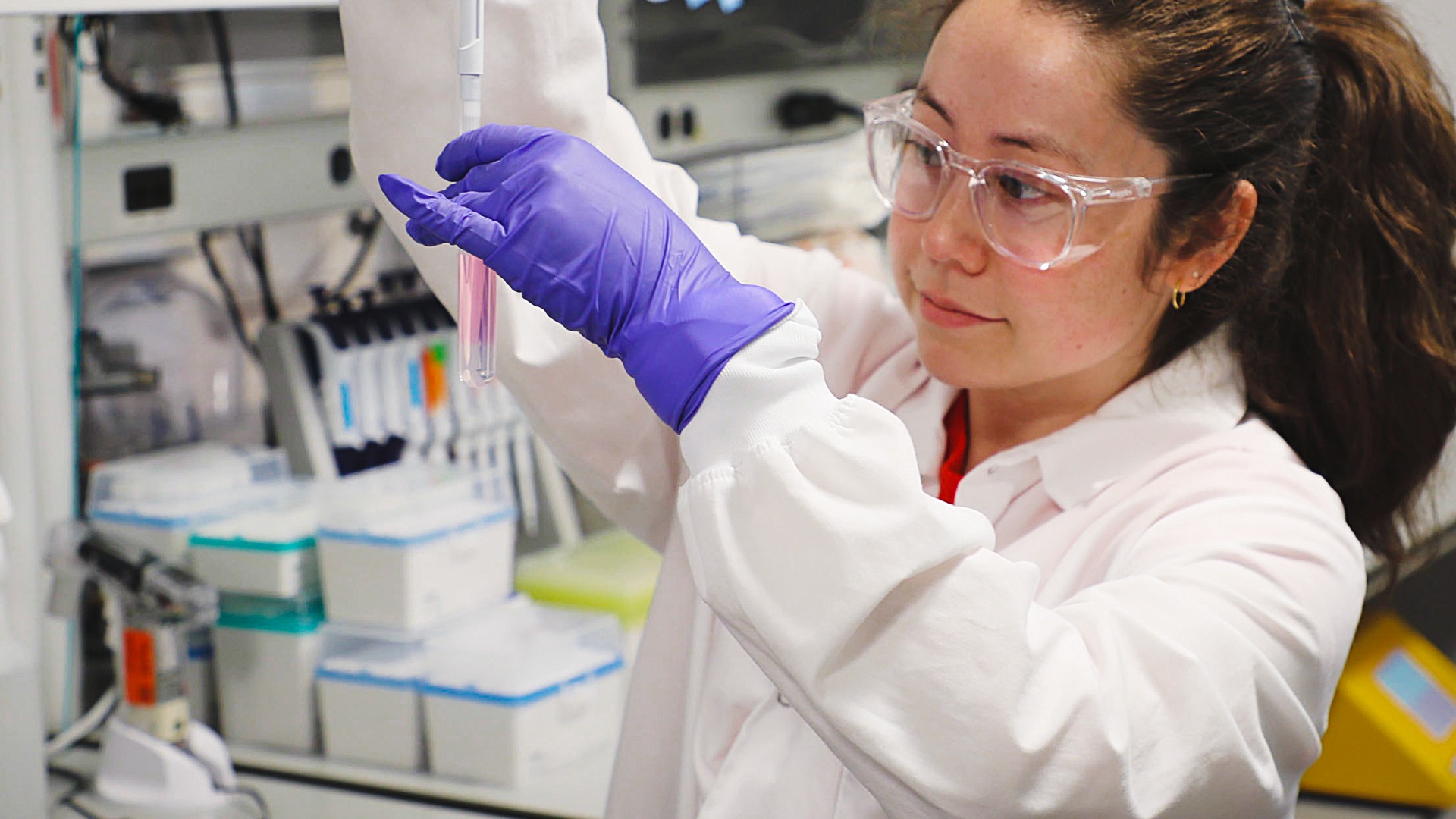
Immunology science leadership meets to discuss research
Seeded by $125 million donation by the late Paul G. Allen, the Allen Institute for Immunology will study human immune health, cancer, and autoimmune...
Thank you! Your submission has been received!
Oops! Something went wrong while submitting the form.

in this article

table of contents will display on published page only
set h2 to populate the table of contents here

The Allen Institute today announced the launch of the Allen Institute for Immunology, a new division of the Institute that is dedicated to studying the human immune system. Seeded by a generous commitment of $125 million by Allen Institute founder, the late Paul G. Allen, the new Institute will work to understand the dynamic balancing act of the human immune system, how it senses friend from foe and what goes wrong when we’re ill.

“Paul Allen always challenged us to go after the really hard problems, to do work that would have a significant impact in our scientific fields,” said Allan Jones, Ph.D., President and Chief Executive Officer of the Allen Institute. “Understanding the human immune system in detail and figuring out what goes wrong in disease is an incredibly complex but solvable problem. I’m thrilled to see us launch into this new area of complexity in biology with a real opportunity to directly impact human health.”

The Allen Institute for Immunology’s goal is to improve human immune health and lay the groundwork for better ways to diagnose, treat and prevent immune-related diseases. In its initial phase, the Institute will focus on studies of two cancers, multiple myeloma and melanoma, and three autoimmune disorders, rheumatoid arthritis and inflammatory bowel disease, specifically, ulcerative colitis and Crohn’s disease. The researchers will also take a deep dive into the immune systems of healthy volunteers with the goal of understanding what makes a “normal” immune baseline and how to help patients return to that healthy state.

Thomas F. Bumol, Ph.D., is the Executive Director for the Allen Institute for Immunology. Bumol joins the Institute from Lilly Research Laboratories where he worked for more than 35 years, most recently as Senior Vice-President of the Biotechnology and Immunology Research component and the Site Head of Lilly’s Biotechnology Center of San Diego. His work at Lilly focused on drug discovery and early clinical development of treatments for many disease areas including diabetes, pain and immune-related diseases such as psoriasis, lupus, rheumatoid arthritis and inflammatory bowel disease.

Allen Institute for Immunology | Meet our partners

“By unraveling the mysteries of the dynamic immune system in healthy individuals and focusing the same cutting-edge tools on patients in various disease states, we believe we will find new ways to diagnose and ultimately treat disease,” Bumol said. “We are looking at problems that have large unmet needs. Patients are not only suffering from these immune-based illnesses, patients are dying from some of these disorders, and we would like to change that.”

The Allen Institute for Immunology will build off the model of large-scale team science established by the Allen Institute’s two other research divisions, the Allen Institute for Brain Science and the Allen Institute for Cell Science, and will work directly with samples and data from patients and healthy volunteers, thanks to a unique partnership with five leading research organizations: Benaroya Research Institute at Virginia Mason, Fred Hutchinson Cancer Research Center, the University of California San Diego with the University of Colorado Anschutz Medical Campus, and the University of Pennsylvania.

“The new focus on immunology draws on the Allen Institute’s 15-year history of groundbreaking basic and translational scientific discovery,” said Marshall Horwitz, M.D., Ph.D., Associate Dean of UW Medicine and chair of the scientific advisory board for the Allen Institute for Immunology. “By building new tools for its study, the Allen Institute for Immunology will help lead the way forward in deciphering the mysteries of the immune system while unleashing its power to prevent and treat a wide range of afflictions.”

There are more than 80 different autoimmune diseases and more than 100 human cancers, as well as many more diseases that involve the immune system, affecting tens of millions of people around the world. Yet researchers are not even close to a complete understanding of what makes a healthy immune system, let alone what goes wrong in that system in disease. The Allen Institute for Immunology aims to fill that knowledge gap with detailed studies of the foundational components of the immune system — its cell types and networks — and how those components change over the course of one to three years in both healthy volunteers and patients with different immune-related diseases.

Beyond the direct findings the research teams will make by studying the initial five diseases, their in-depth studies of healthy adult and childhood immune systems will enable other researchers around the world to make discoveries that could lead to new treatments for many more diseases. Like the other research teams at the Allen Institute, the Allen Institute for Immunology researchers will make their data and tools openly available online for anyone in the scientific community to use.

“This is just the tip of a really big iceberg of opportunity,” Bumol said. “If this model works, we’ll have applications that will go way beyond these first few diseases we’re studying. We’ll see the impact grow across a large swath of human health.”

Citations
No items found.

about the allen institute

The Allen Institute is an independent, 501(c)(3) nonprofit research organization founded by philanthropist and visionary, the late Paul G. Allen. The Allen Institute is dedicated to answering some of the biggest questions in bioscience and accelerating research worldwide. The Institute is a recognized leader in large-scale research with a commitment to an open science model. For more information, visit alleninstitute.org.
explore related stories

explore more stories
news 
Designing better weapons to fight prostate cancer
New study unlocks key insights that could help develop next-generation immunotherapies
news 
SciShots: Nervous and immune systems team up to take on parasites
Pain-sensing neurons in the intestine give marching orders to the immune system to kick off an attack against parasites
Allen Impact 2025
Technology and innovation are fueling discovery in science like never before we’re proud to be leading the way. 2025 was a year of tremendous impact...
news 
How age affects vaccine responses and how to make them better
Age-related shifts in T cells weaken vaccine response in older adults, but new findings pave the way for next generation of vaccines.
news 
Susan Kaech, Ph.D., named next leader of Allen Institute’s Immunology accelerator
Leader in immunology to advance the Institute’s next frontier in understanding the immune system’s role across health and disease
news 
New study reveals rheumatoid arthritis begins long before symptoms, opening door to prevention
The seven-year study reveals early-warning signs that could help doctors catch the disease before it starts, potentially saving patients years of pain and disability.
we acceleratedevelopcatalyzeimpact

science done differently. shared with the world.

explore our accelerators

brain science

Mapping every cell, connection, and circuit in the brain—openly shared with the world.

cell science

Decoding how cells become tissues, then programming that knowledge into powerful new research tools.

neural dynamics

Revealing the brain's hidden algorithms that transform neural activity into real-world behavior.

immunology

Creating the deepest open reference for the healthy human immune system ever built.

synthetic biology

Engineering cells to record their own histories, transforming how we understand disease over time.

research

Big questions, open answers, and science built to be shared.

education

Inspiring the next generation of scientists through open science resources.

impact

Our science is empowering researchers and advancing health worldwide.
advancing science through open, collaborative research
Get the allen institute newsletter
Stay informed on the latest breakthroughs in neuroscience, bioscience, and AI-driven research.
allen institute
impactpeople & teamscareers & opportunitiesalumnihistory & founder
science resources
allencell.orgallenimmunology.orgallenneuraldynamics.orgbrain-bican.orgbrain-map.orgmicrons-explorer.org
research
brain sciencecell scienceneural dynamicsimmunologysynthetic biologypublications
education
science educationfield tripsprofessional developmenteducation resources
quick links
newseventsopen sciencepodcastscience resourceshuman brain donationvisit uscontact
follow us/

allen institute, 615 Westlake Ave North, Seattle, WA 98109 +12065487055

© 0000 allen institute. all rights reserved.
privacy policyterms of usecitation policyemployee portalpolicy & compliance