in this article
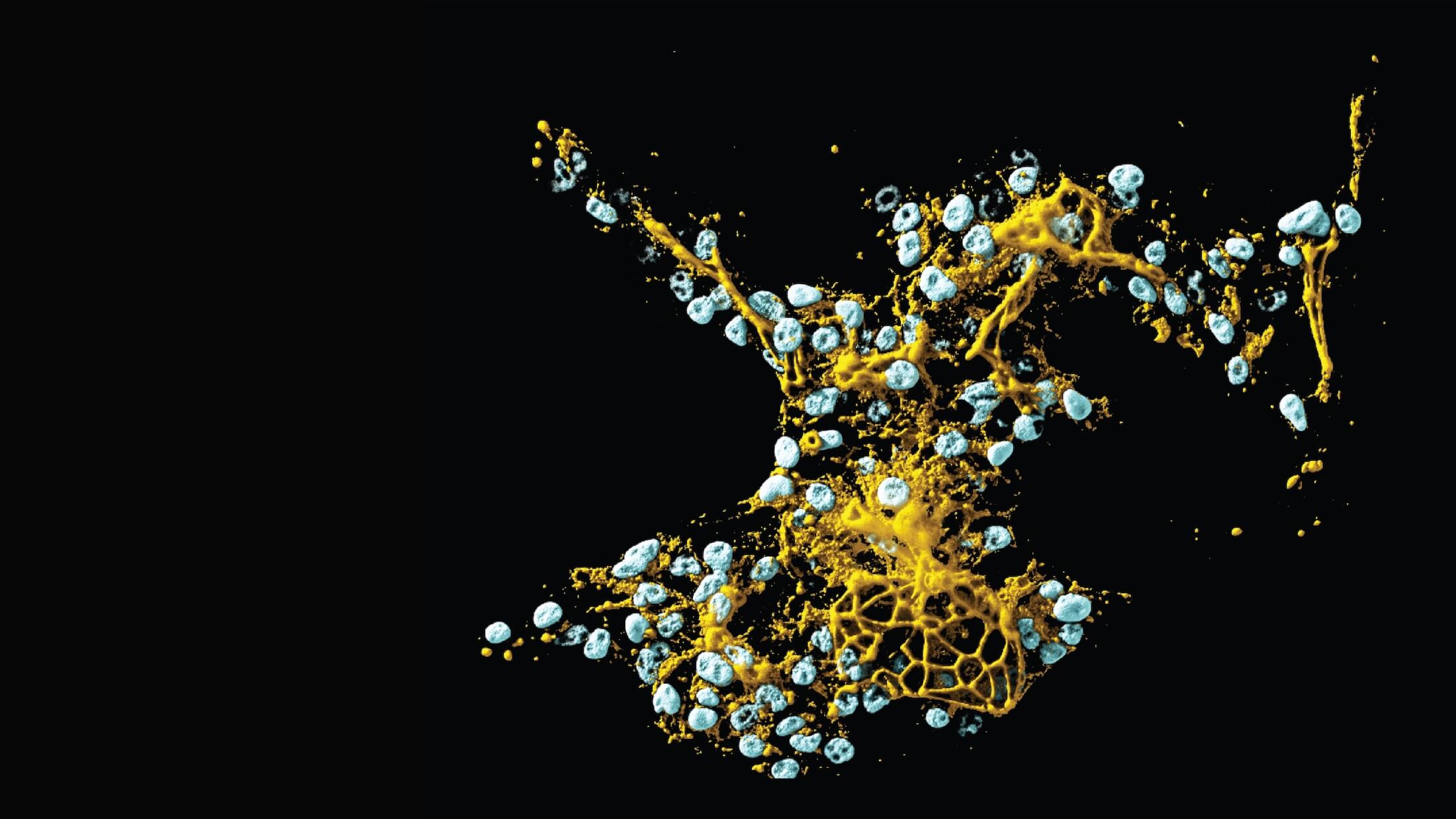
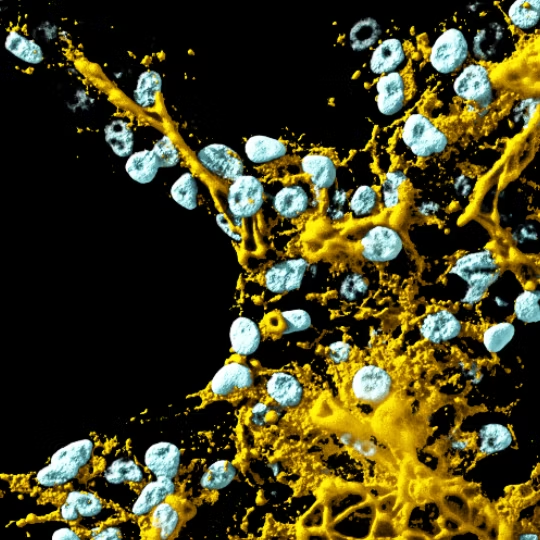
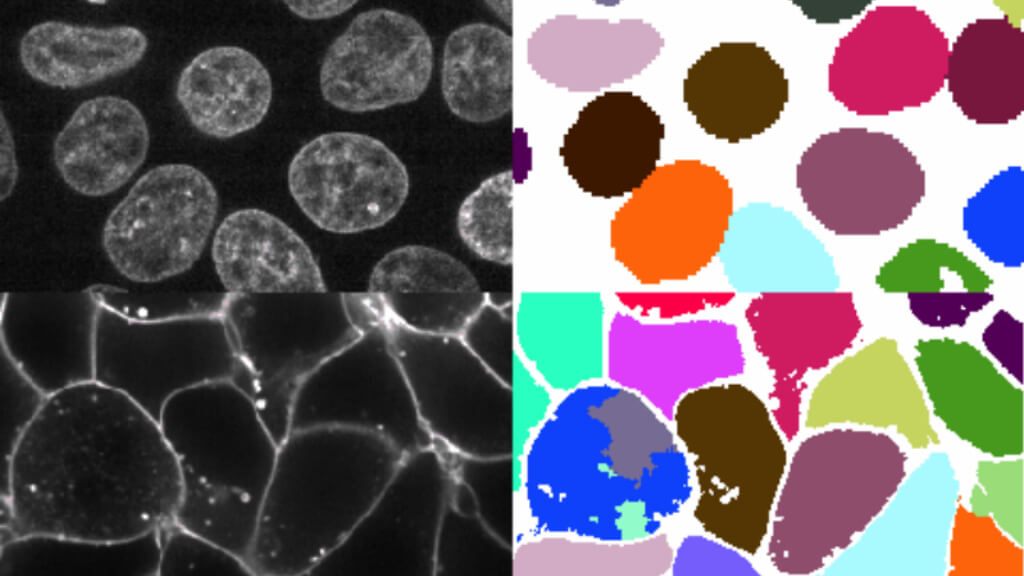
CellProfiler 3.0 was released in October 2017 and is the first version that can identify objects in 3D images volumetrically.
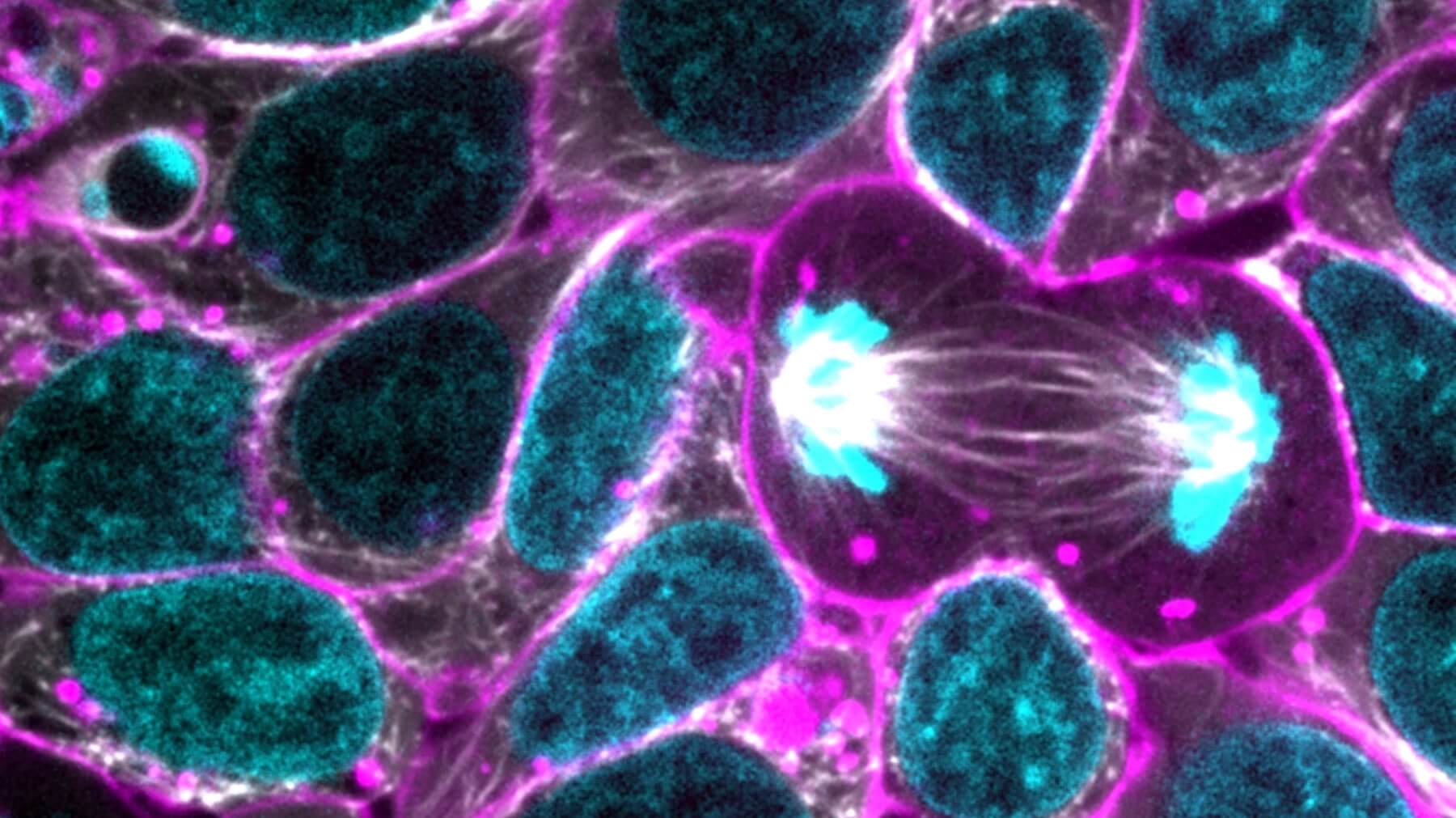
“The field of cell biology has been waiting for an open access image analysis software capable of handling high-replicate three-dimensional data sets,” said Susanne Rafelski, Ph.D., Director of Assay Development at the Allen Institute for Cell Science. “Cells are by nature three-dimensional. This new generation of CellProfiler will allow researchers to capture their behavior more fully.”
Eighteen months in the making, CellProfiler 3.0 is the result of a collaboration between Broad Institute and the Allen Institute, which funded the project together with the National Institutes of Health. Many researchers require completely automated analysis of 3D images. The new capabilities of CellProfiler aim to address this growing need.
“We’re trying to understand and model the organization and behavior of human stem cells,” said Winfried Wiegraebe, Ph.D., Director of Microscopy and Image Analysis at the Allen Institute for Cell Science. “This requires us to capture and process large 3D image datasets. Working with the Broad Institute to develop CellProfiler 3.0, we now have a tool that can do that 3D image processing much more efficiently.”
CellProfiler 3.0 is available for download at cellprofiler.org/releases/. Read Anne Carpenter’s 2017 blog post on the release here.
Citations
about the allen institute
The Allen Institute is an independent, 501(c)(3) nonprofit research organization founded by philanthropist and visionary, the late Paul G. Allen. The Allen Institute is dedicated to answering some of the biggest questions in bioscience and accelerating research worldwide. The Institute is a recognized leader in large-scale research with a commitment to an open science model. For more information, visit alleninstitute.org.