impact
impact
open science
subheadline
careers and opportunities
subheadline
people & teams
people & teams
subheadline
allenites
subheadline
allen institute advisors
subheadline
board of directors
subheadline
shanahan foundation fellowship
subheadline
next generation leaders
subheadline
research
overview
our approach
subheadline
publications
subheadline
open science
subheadline
accelerator
brain science
subheadline
cell science
subheadline
neural dynamics
subheadline
immunology
subheadline
synthetic biology
subheadline
education
education
science education
subheadline
education resources
subheadline
field trips
subheadline
open science
subheadline
open science quest
subheadline
news
news
stories
subheadline
podcast
subheadline
sign up for our newsletter
subheadline
events
events
all events
subheadline
conferences
subheadline
event code of conduct
subheadline
events
open science quest
subheadline
summer workshop on the dynamic brain
subheadline
open science week
subheadline
brain fest
subheadline
science resources
science resources
allencell.org
subheadline
allenimmunology.org
subheadline
allenneuraldynamics.org
subheadline
brain-bican.org
subheadline
brain-map.org
subheadline
microns-explorer.org
subheadline
impact
back to menu
impact
open science
subheading
careers and opportunities
subheading
people & teams
people & teams
subheading
allen institute advisors
subheading
board of directors
subheading
shanahan foundation fellowship
subheading
next generation leaders
subheading
research
back to menu
impact
Label
subheading
Label
subheading
people & teams
education
back to menu
research
Label
subheading
Label
subheading
Heading
news
back to menu
research
Label
subheading
Label
subheading
Heading
events
back to menu
research
Label
subheading
Label
subheading
Heading
science resources
back to menu
science resources
allencell.org
subheading
allenimmunology.org
subheading
allenneuraldynamics.org
subheading
brain-bican.org
subheading
brain-map.org
subheading
microns-explorer.org
subheading
search
stories
news

Global effort to map the human brain releases first data

The BICAN Rapid Release Inventory provides early access to comprehensive single-cell data, aiming to accelerate brain research.

October 1, 2024
 min read
share/
The BICAN Rapid Release Inventory provides early access to comprehensive single-cell data, aiming to accelerate brain research.
Thank you! Your submission has been received!
Oops! Something went wrong while submitting the form.

in this article

table of contents will display on published page only
set h2 to populate the table of contents here

The BRAIN Initiative® Cell Atlas Network (BICAN) has launched its first major data release, marking a significant milestone in the ambitious effort to map the whole human brain.

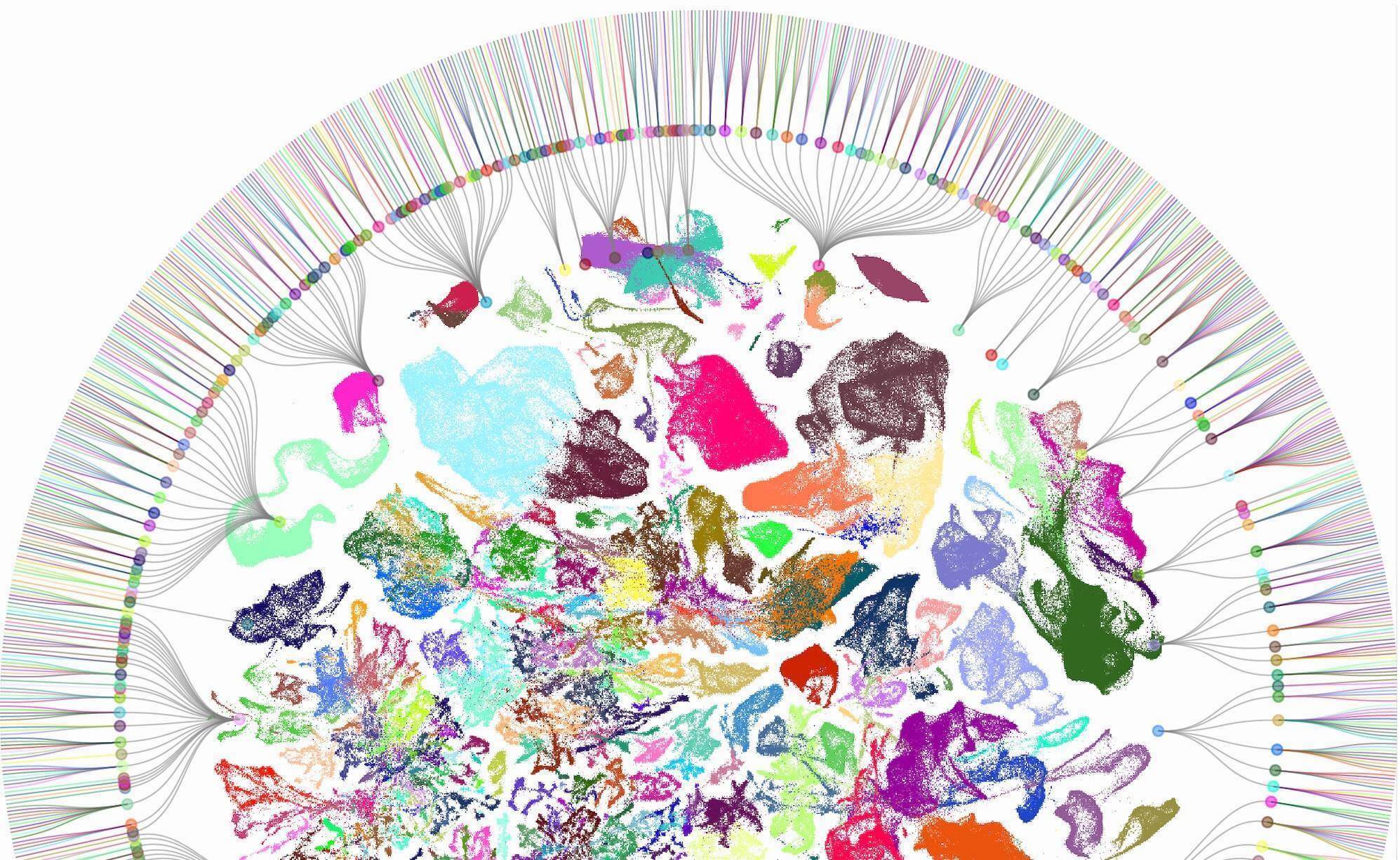
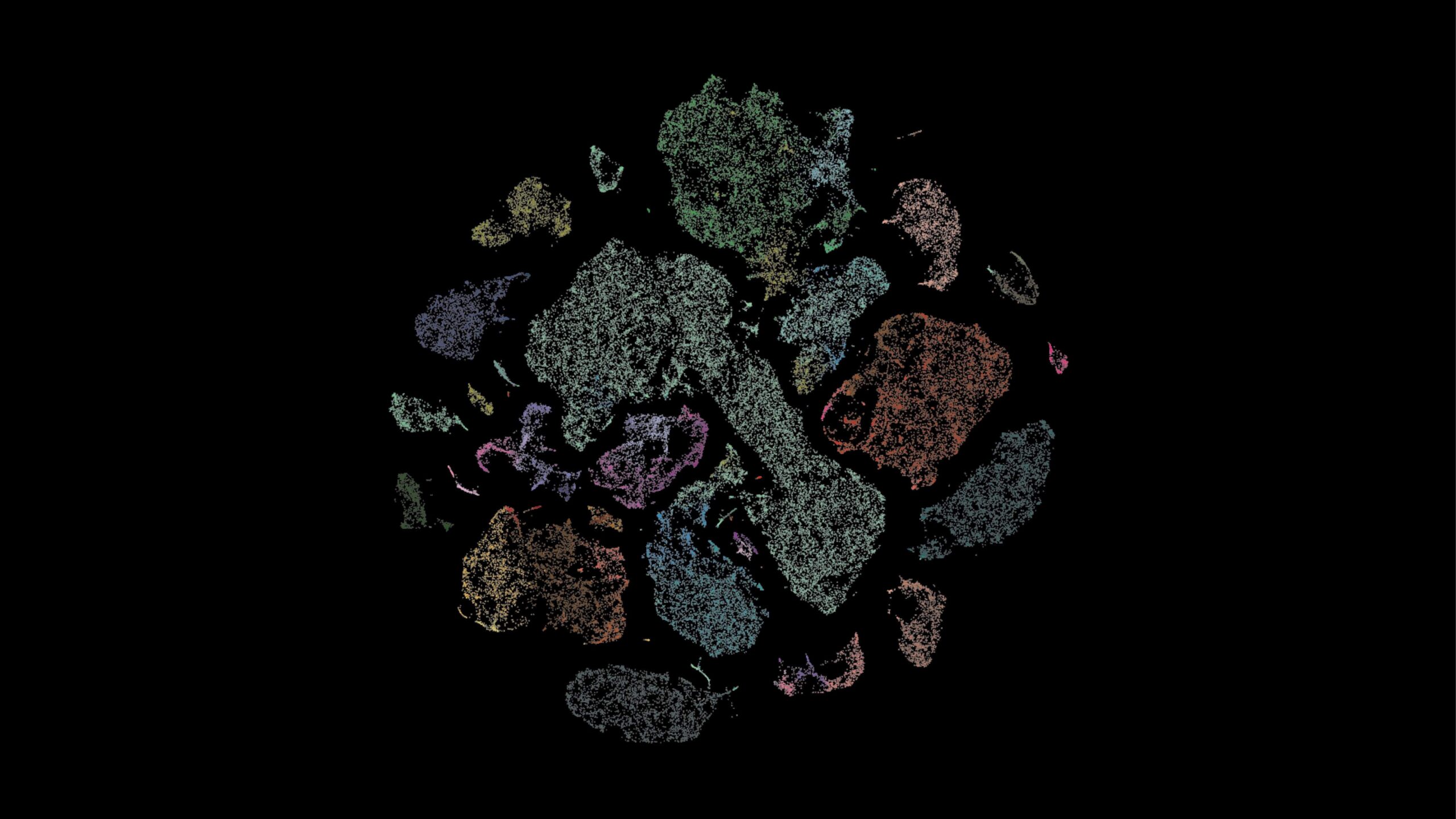
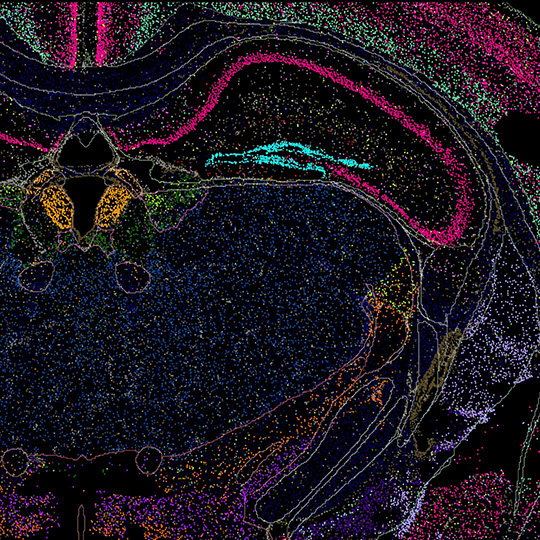
The data, accessible through the BICAN Rapid Release Inventory, includes single-cell and single-nucleus transcriptomic and epigenomic profiles from humans, mice, and 10 other mammalian species. Sourced from multiple grants and labs within the consortium, including the Allen Institute, these data are from projects that aim to identify and define brain cell types based on molecular profiles.

“The tap is open, the data is flowing, and more is on the way,” said Carol Thompson, Ph.D., associate director of data management at the Allen Institute. “The hope is that if we can encourage data reuse and sharing by multiple labs, we can maximize the value of these datasets and really amplify the public investment into research.”

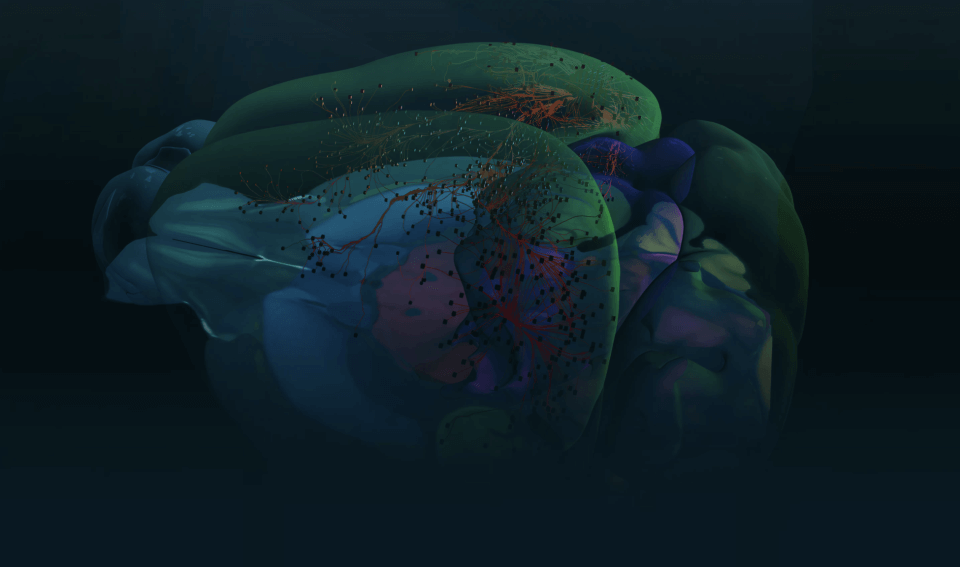
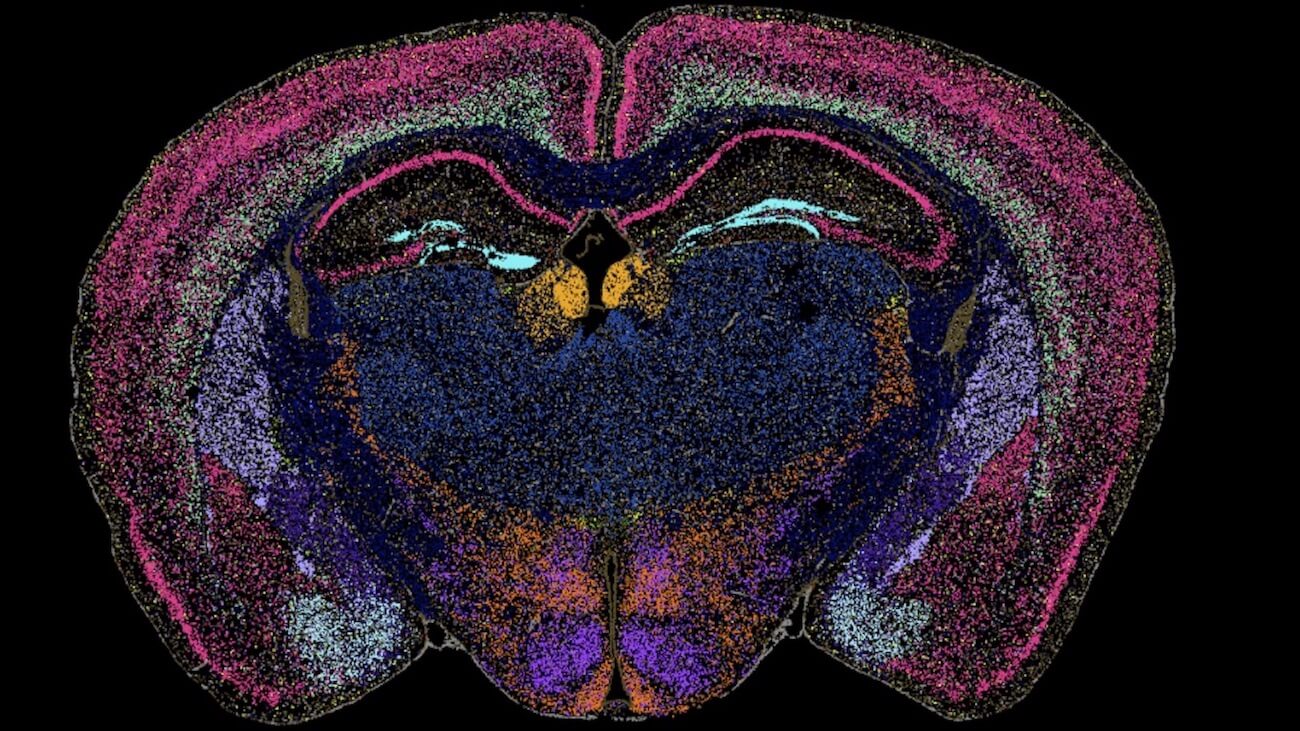
This effort is funded by the National Institutes of Health’s Brain Research Through Advancing Innovative Neurotechnologies® Initiative, or The BRAIN Initiative®. BICAN unites neuroscientists, computational biologists, and software engineers to create a comprehensive atlas of the human brain. This effort builds on earlier NIH BRAIN Initiative-funded projects at the Allen Institute and elsewhere, which mapped the cells of the entire mouse brain and parts of the human brain by studying the genes active in individual cells.

“This release represents a major step forward to this next frontier of neuroscience, where we finally will start to understand what sets the human brain apart,” said Fenna Krienen, Ph.D., an assistant professor at the Princeton Neuroscience Institute whose lab contributed data to today’s release.

Abstract line art portrait of a human head profile facing right
By bringing together experts across multiple specialties, the BICAN project is a model of open science.

— John Ngai, Ph.D., Director of the NIH BRAIN Initiative

“By bringing together experts across multiple specialties, the BICAN project is a model of open science,” said John Ngai, Ph.D., director of the NIH BRAIN Initiative. “The availability of this rapidly growing treasure trove of data will enable researchers around the world to propel the field toward a deeper understanding of the human brain in both health and disease, ultimately paving the way to more precise treatments and cures for devastating brain disorders.”

The open data release is designed to accelerate discoveries in neuroscience by providing unprecedented access to raw data from brain cells across species and developmental stages. Traditionally, it can take years between a scientist generating data and that information becoming available through a published paper.

This initiative marks a departure from that conventional approach, prioritizing early data sharing to foster collaboration and speed up research. “I hope this model becomes the norm, where we release data before it’s published and work together to create resources for the entire community,” Krienen said.

Researchers can now use this open dataset to map and define brain cell types, offering new insights into brain cellular diversity and function. “Neuroscience is a challenging field,” Thompson said. “The more we can do to ensure the data we generate fuels more studies and helps the community, the better off we’ll be.”

Learn more on portal.brain-bican.org.

Citations
No items found.

about the allen institute

The Allen Institute is an independent, 501(c)(3) nonprofit research organization founded by philanthropist and visionary, the late Paul G. Allen. The Allen Institute is dedicated to answering some of the biggest questions in bioscience and accelerating research worldwide. The Institute is a recognized leader in large-scale research with a commitment to an open science model. For more information, visit alleninstitute.org.
explore related stories

explore more stories
Scientists unveil the world's most comprehensive AI-powered tool for neuroscience: Brain Knowledge Platform
Massive, first-of-its-kind data resource aims to accelerate medical breakthroughs in brain diseases like Alzheimer’s and Parkinson's
news 
Unraveling the Complexity of the Mammalian Brain
Scientists used advanced, single-cell genomics and spatial mapping technologies to reveal this complex and rich cellular landscape.
news 
Scientists unveil first complete cellular map of adult mouse brain
High-resolution atlas charts neural neighborhoods for more than 5,300 cell types
news 
Mapping the whole human brain: Allen Institute to lead global collaboration
NIH BRAIN Initiative to fund primate brain atlases, maps of developing mouse brain, coordination and knowledge sharing, and brain function research
video 
Data Stories | Coding the visual world
See how Stanford electrical engineering student Amy Christensen used data from the Allen Brain Observatory to study how visual information is coded...
we acceleratedevelopcatalyzeimpact

science done differently. shared with the world.

explore our accelerators

brain science

Mapping every cell, connection, and circuit in the brain—openly shared with the world.

cell science

Decoding how cells become tissues, then programming that knowledge into powerful new research tools.

neural dynamics

Revealing the brain's hidden algorithms that transform neural activity into real-world behavior.

immunology

Creating the deepest open reference for the healthy human immune system ever built.

synthetic biology

Engineering cells to record their own histories, transforming how we understand disease over time.

research

Big questions, open answers, and science built to be shared.

education

Inspiring the next generation of scientists through open science resources.

impact

Our science is empowering researchers and advancing health worldwide.
advancing science through open, collaborative research
Get the allen institute newsletter
Stay informed on the latest breakthroughs in neuroscience, bioscience, and AI-driven research.
allen institute
impactpeople & teamscareers & opportunitiesalumnihistory & founder
science resources
allencell.orgallenimmunology.orgallenneuraldynamics.orgbrain-bican.orgbrain-map.orgmicrons-explorer.org
research
brain sciencecell scienceneural dynamicsimmunologysynthetic biologypublications
education
science educationfield tripsprofessional developmenteducation resources
quick links
newseventsopen sciencepodcastscience resourceshuman brain donationvisit uscontact
follow us/

allen institute, 615 Westlake Ave North, Seattle, WA 98109 +12065487055

© 0000 allen institute. all rights reserved.
privacy policyterms of usecitation policyemployee portalpolicy & compliance