in this article
Mapping the whole mouse brain
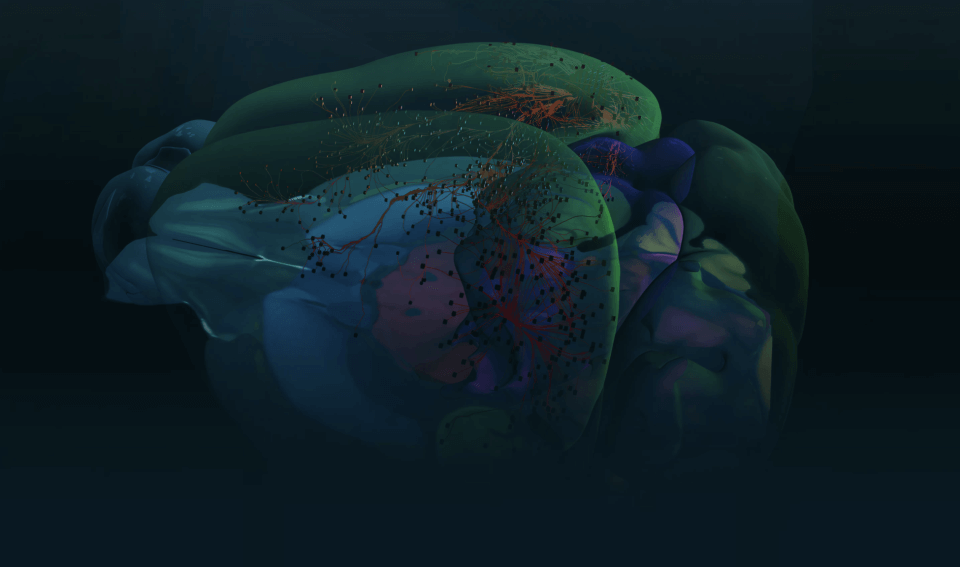
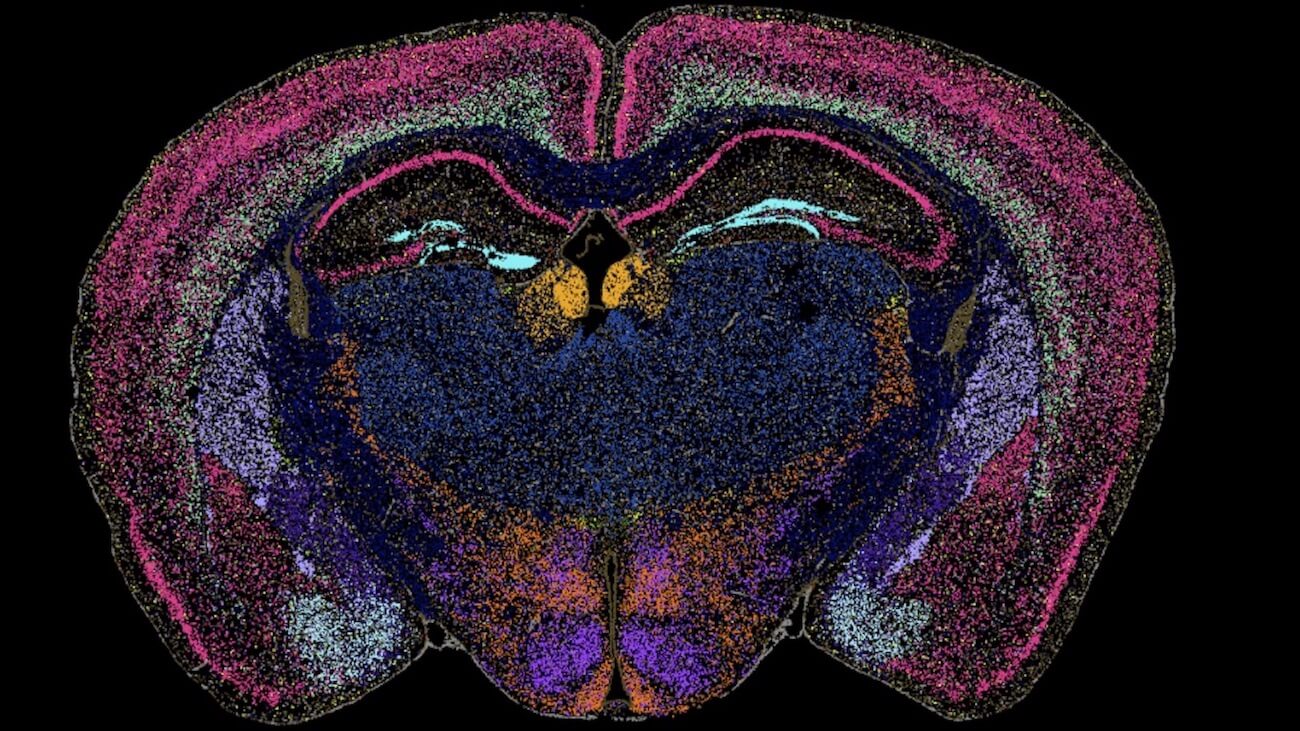
This is a view of the whole mouse brain colored by region. The mouse brain has around 100 million cells.
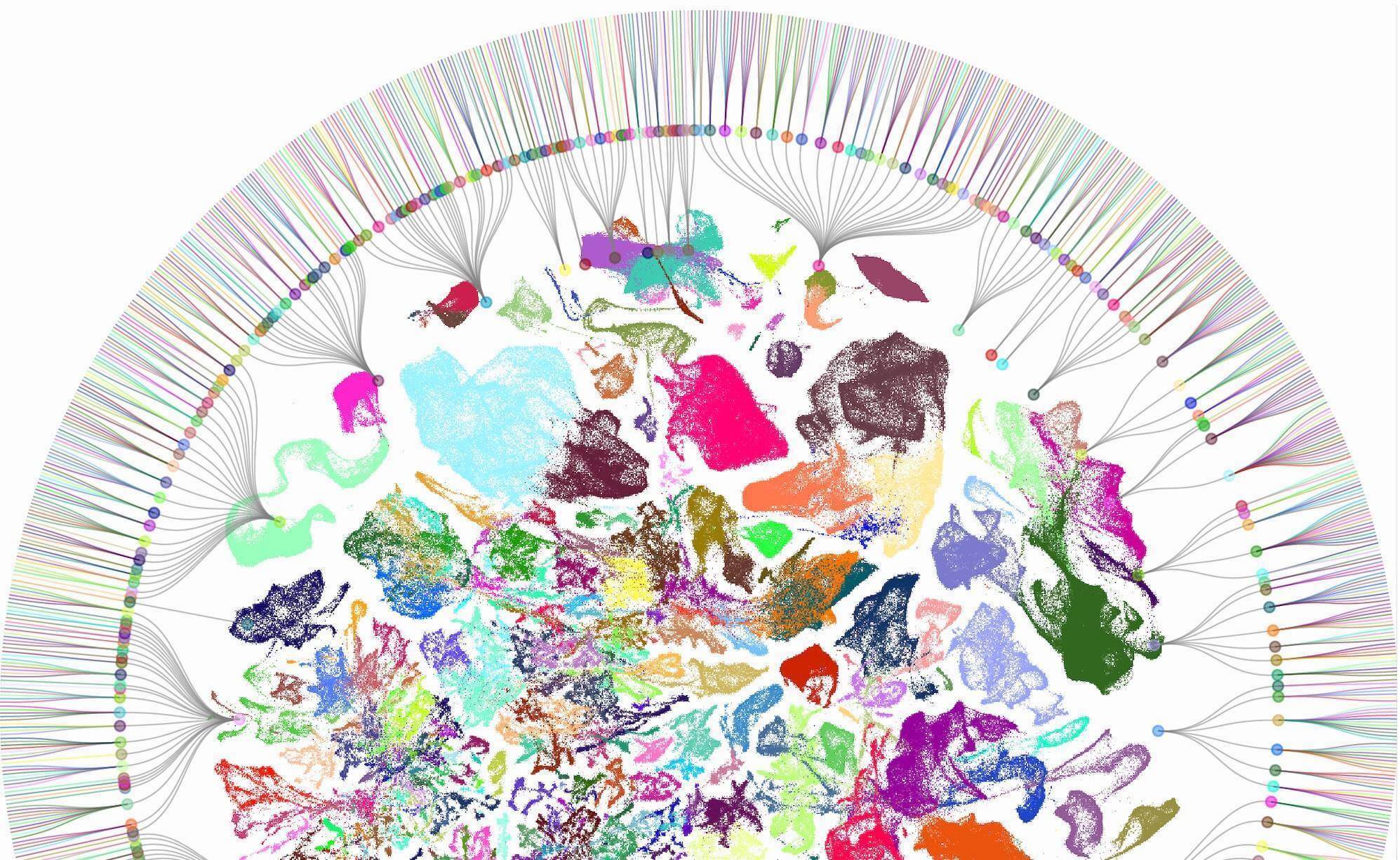
These cells can be grouped by what genes are active in them—also called the “gene expression profile.”
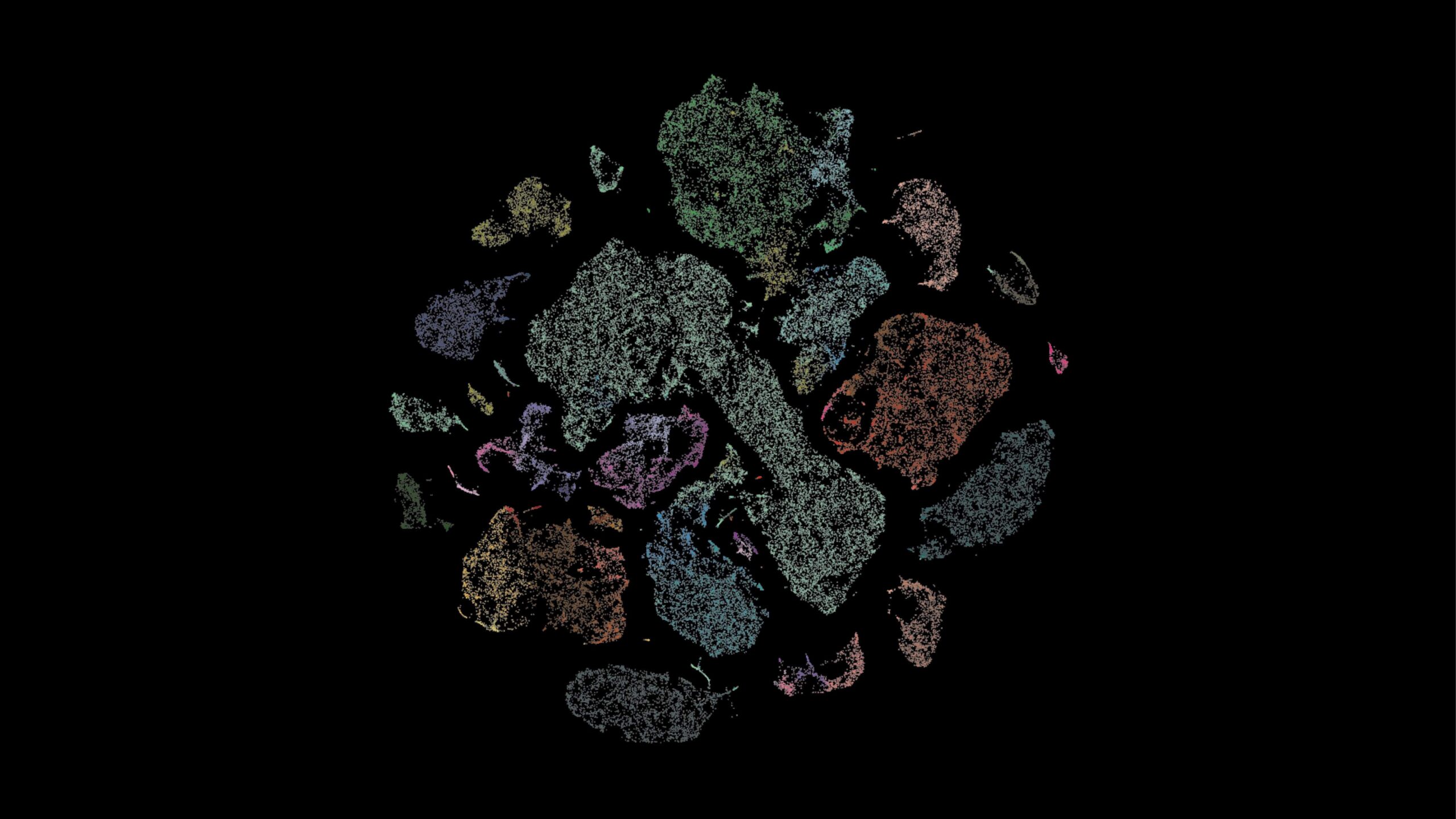
Each color here represents a group or type of cells with a specific set of genes that are active. The size of the colored areas represents the number of cells of that type that has a particular gene expression profile.
Cell location is also vital for understanding the brain. Here, each color represents a specific cell type, and they’re organized based on where in the brain they are found.
All of this rich complexity has been discovered and documented by scientists. Led by the Allen Institute, they produced the first complete cell type atlas of a mammalian brain (the mouse) and uncovered astonishing diversity.
Executive Vice President and Director, Allen Institute for Brain Science
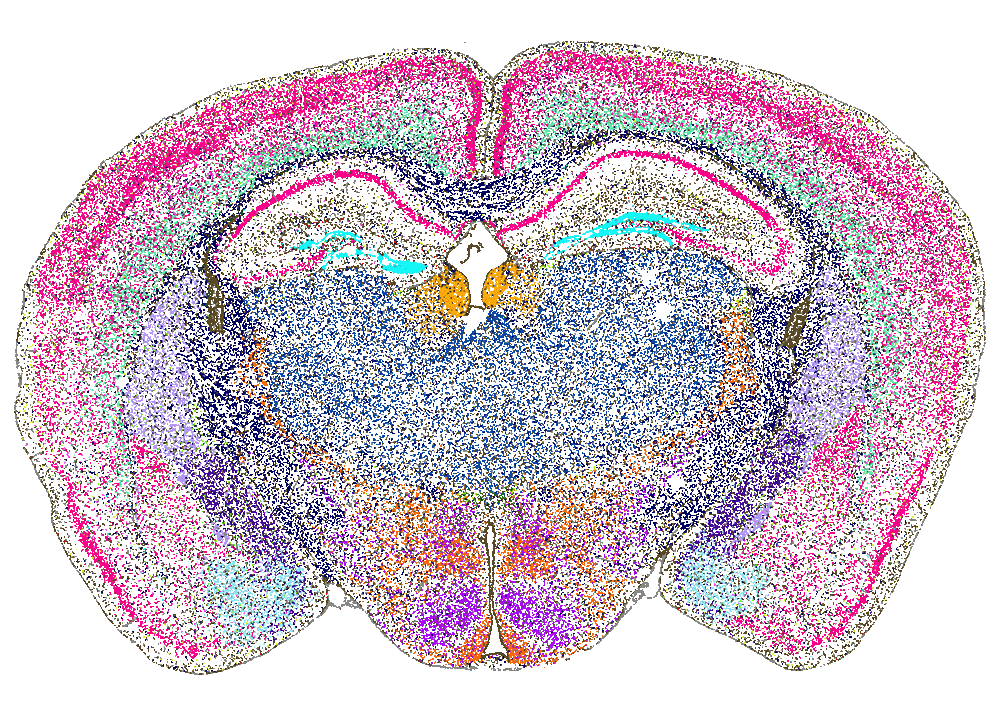
Over six years, hundreds of scientists across North America built the atlas and discovered over 5,000 brain cell types.
Each colored region that lights up reflects where those cell types exist in the brain.
Scientists used advanced, single-cell genomics and spatial mapping technologies to reveal this complex and rich cellular landscape.
Others uncovered what genes were turned on in each cell, and what molecules controlled the switch.
This massive, high-quality dataset is freely available to the neuroscience community. Scientists around the world can reference this atlas to advance research in brain health and disease.
Over 32 million cells analyzed
More than 5,300 cell types identified
More than 1,100 genes spatially located
Scientific Collaborators
Harvard University
Salk Institute
Broad Institute
University of California San Diego
University of California, Berkeley
Produced By
Jake Siegel
Peter Kim
Steven Hurd
Jenny Burns
Brian Cama
Cindy van Velthoven, Ph.D.
Delissa McMillen, M.S., M.B.A.
Amy Torkelson
Katelyn James
Erik Dinnel
Citations
about the allen institute
The Allen Institute is an independent, 501(c)(3) nonprofit research organization founded by philanthropist and visionary, the late Paul G. Allen. The Allen Institute is dedicated to answering some of the biggest questions in bioscience and accelerating research worldwide. The Institute is a recognized leader in large-scale research with a commitment to an open science model. For more information, visit alleninstitute.org.