impact
impact
open science
subheadline
careers and opportunities
subheadline
people & teams
people & teams
subheadline
allenites
subheadline
allen institute advisors
subheadline
board of directors
subheadline
shanahan foundation fellowship
subheadline
next generation leaders
subheadline
research
overview
our approach
subheadline
publications
subheadline
open science
subheadline
accelerator
brain science
subheadline
cell science
subheadline
neural dynamics
subheadline
immunology
subheadline
synthetic biology
subheadline
education
education
science education
subheadline
education resources
subheadline
field trips
subheadline
open science
subheadline
open science quest
subheadline
news
news
stories
subheadline
podcast
subheadline
sign up for our newsletter
subheadline
events
events
all events
subheadline
conferences
subheadline
event code of conduct
subheadline
events
open science quest
subheadline
summer workshop on the dynamic brain
subheadline
open science week
subheadline
brain fest
subheadline
science resources
science resources
allencell.org
subheadline
allenimmunology.org
subheadline
allenneuraldynamics.org
subheadline
brain-bican.org
subheadline
brain-map.org
subheadline
microns-explorer.org
subheadline
impact
back to menu
impact
open science
subheading
careers and opportunities
subheading
people & teams
people & teams
subheading
allen institute advisors
subheading
board of directors
subheading
shanahan foundation fellowship
subheading
next generation leaders
subheading
research
back to menu
impact
Label
subheading
Label
subheading
people & teams
education
back to menu
research
Label
subheading
Label
subheading
Heading
news
back to menu
research
Label
subheading
Label
subheading
Heading
events
back to menu
research
Label
subheading
Label
subheading
Heading
science resources
back to menu
science resources
allencell.org
subheading
allenimmunology.org
subheading
allenneuraldynamics.org
subheading
brain-bican.org
subheading
brain-map.org
subheading
microns-explorer.org
subheading
search
stories
news

How your immune system changes over time

Study reveals a type of T cell that vanishes with age and time’s toll on ‘age-resistant’ immune cells

January 24, 2024
 min read
share/
Study reveals a type of T cell that vanishes with age and time’s toll on ‘age-resistant’ immune cells
Thank you! Your submission has been received!
Oops! Something went wrong while submitting the form.

in this article

table of contents will display on published page only
set h2 to populate the table of contents here

authors

Jake Siegel

We all lose a step with age. Our immune systems do, too. That’s one reason why older adults can be more vulnerable to diseases like COVID-19.

Much about how our immune cells transform over time remains a mystery. But a study in Nature Immunology sheds new light on the changes that ripple through the ranks of T cells, key players that are trained to hunt down and destroy infected cells.

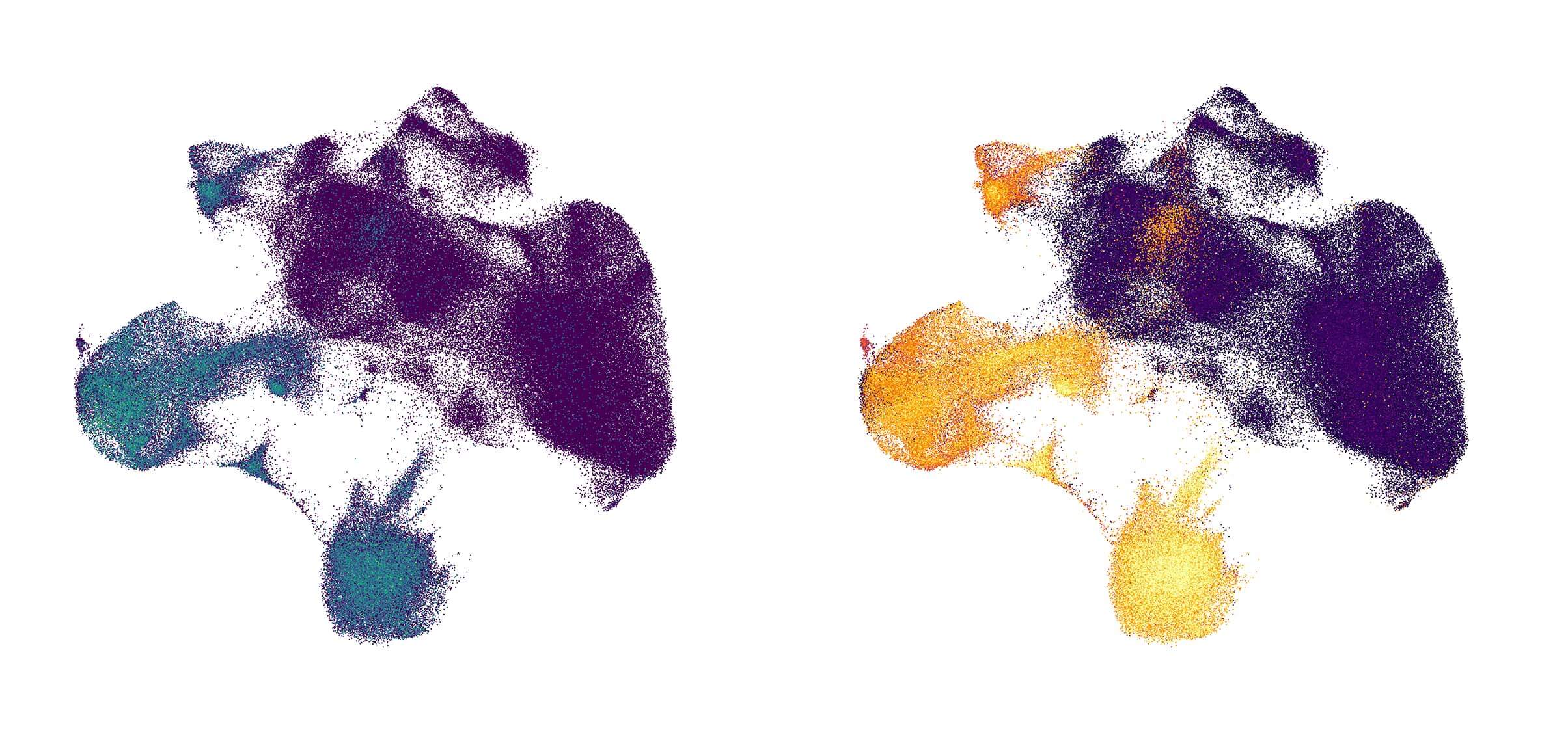
Using a powerful method developed at the Allen Institute for Immunology, researchers compared populations of T cells in healthy children and older adults. They discovered two surprising aspects of a shifting immune landscape: profound molecular changes in a type of T cell that was thought to resist aging, and a new subtype present in children that vanishes with age.
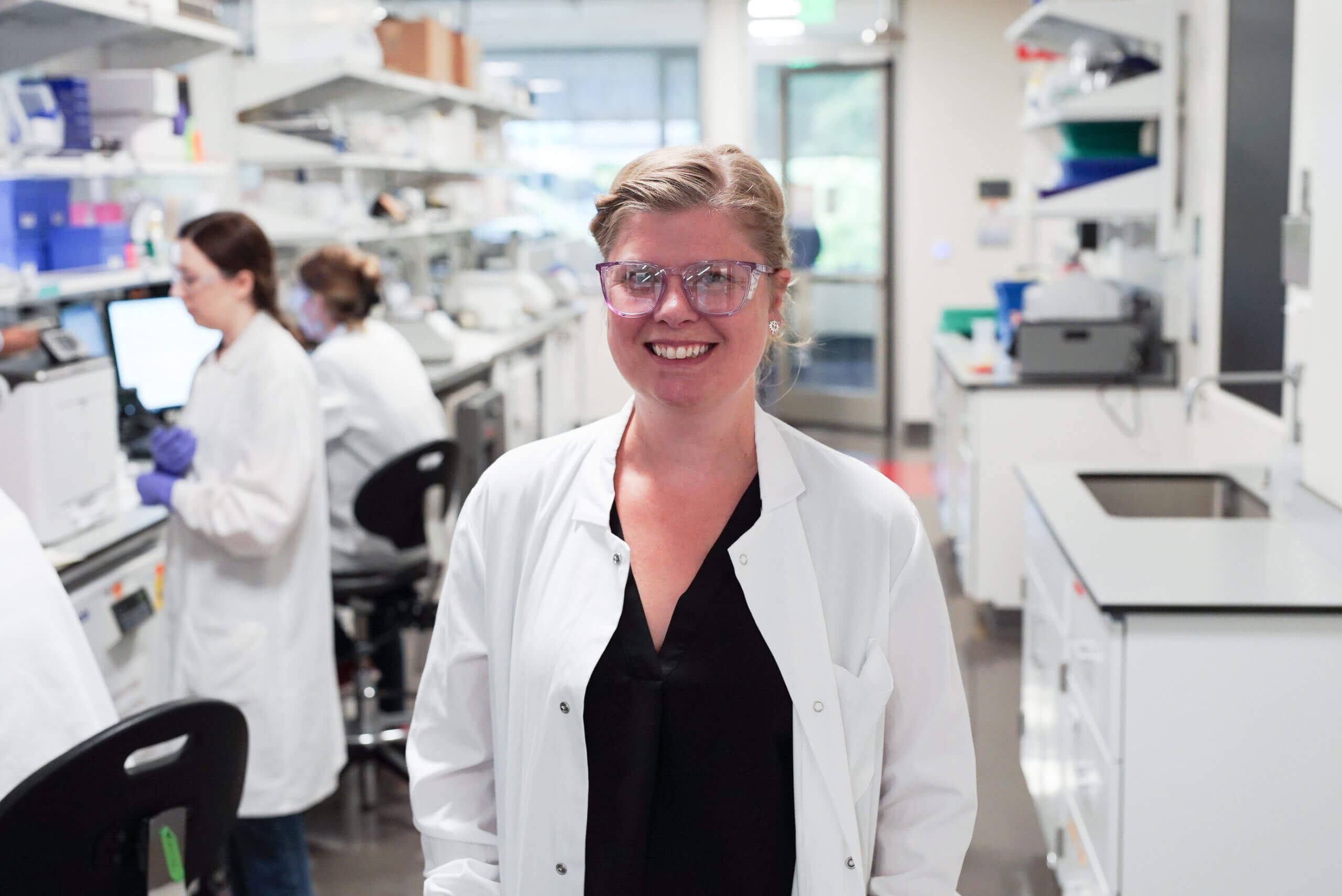
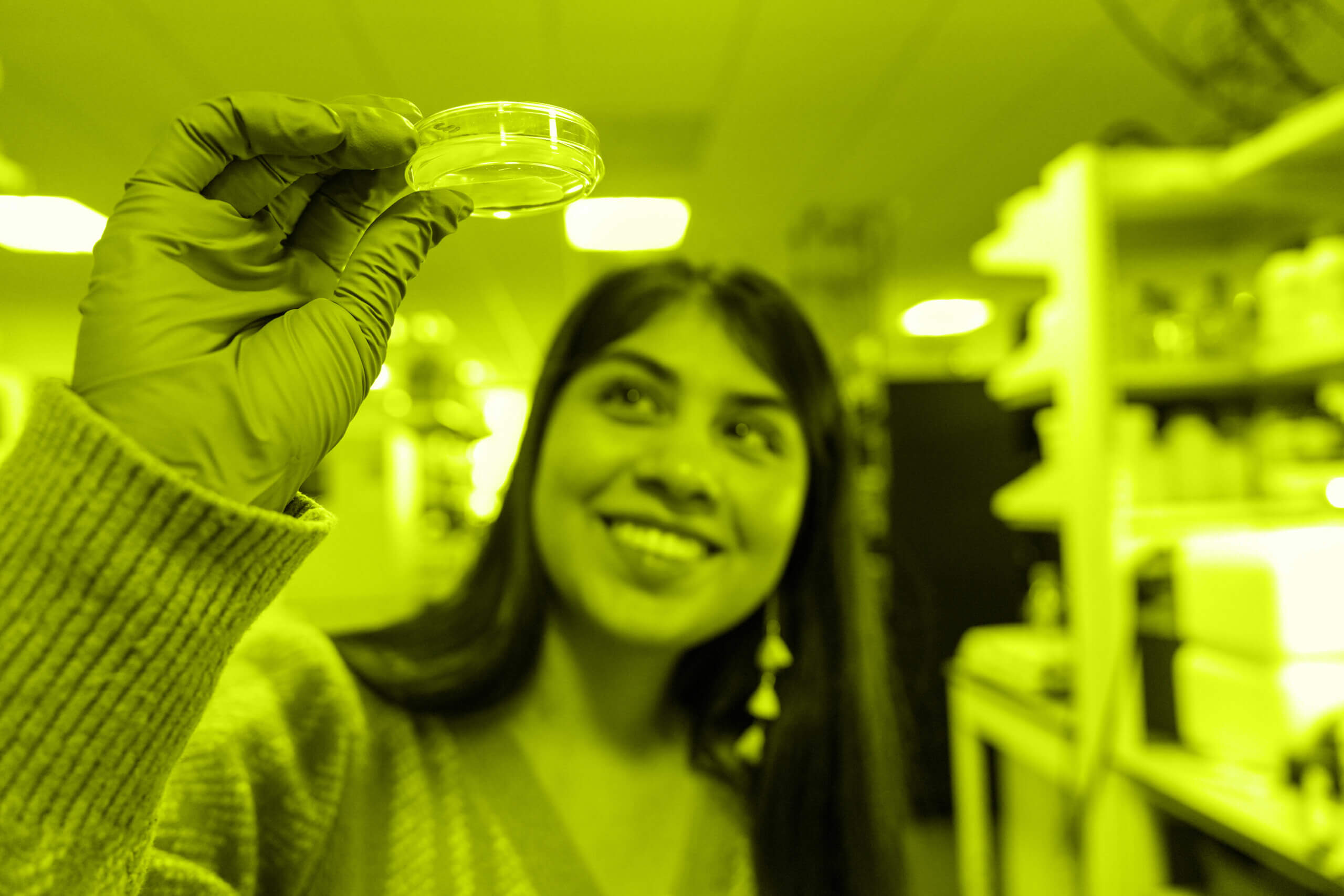
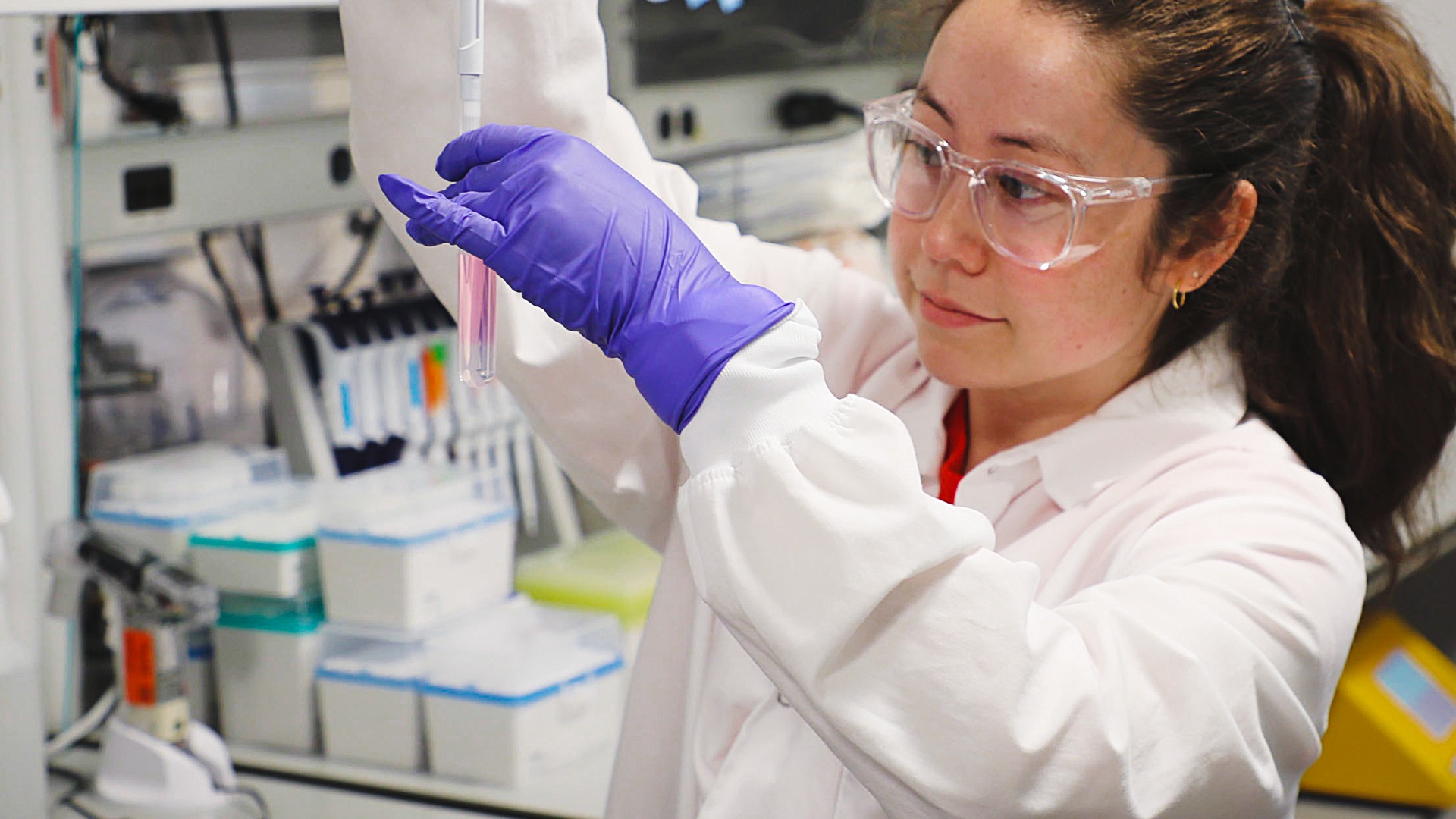
Smiling scientist in white lab coat and glasses standing in modern laboratory with colleagues working in background
Claire Gustafson, Assistant Investigator at the Allen Institute for Immunology

Together, the findings may offer new insights into how and why our immune responses change over time, said Claire Gustafson, Ph.D., an assistant investigator at the Allen Institute for Immunology.

“In aging, T cells are one of the most impacted cell types in the immune system, but the picture has always been muddled,” she said. “In this study, we had the right tool to definitively look at what happens to these cells as we age.”

That tool, dubbed TEA-seq, acts like a high-definition lens that can zoom in on the diversity of immune cells. It captures three different features of individual cells at once: their surface proteins, active genes, and DNA structure.

Scientists use that information to sort immune cells into different types. But before TEA-seq, they couldn’t measure all three key markers—protein, DNA, and RNA—at the same time, said Peter Skene, Ph.D., Director of Molecular Biology.

“You could use computational technologies to try and bring them together, but the puzzle pieces never fit perfectly,” said Skene, who led development of the method. “With TEA-seq, we wanted to cut out that knowledge gap and get a complete picture of what’s going on in each individual cell.”
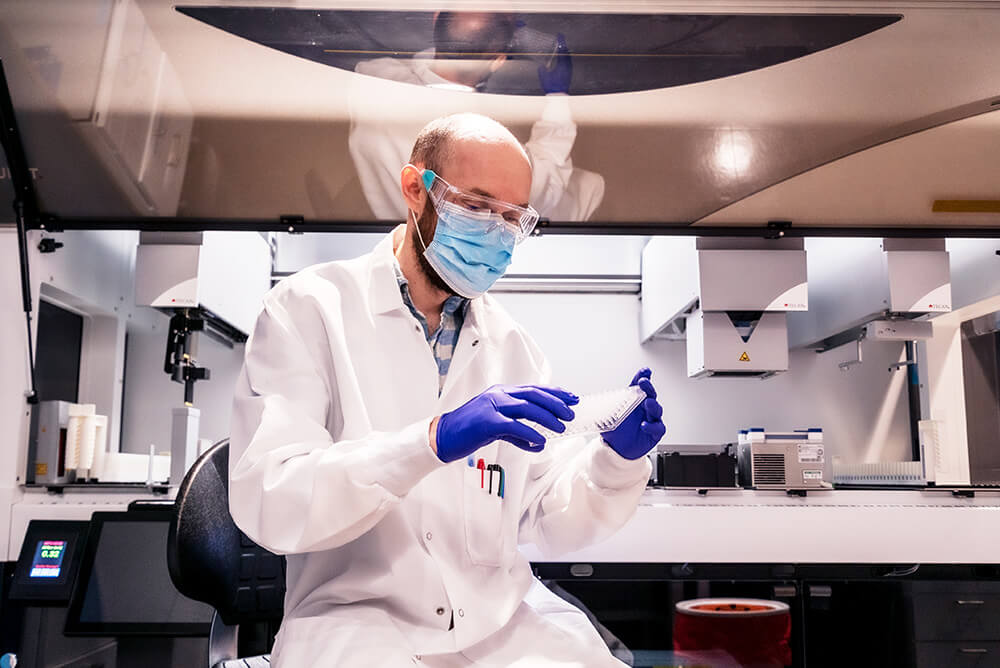
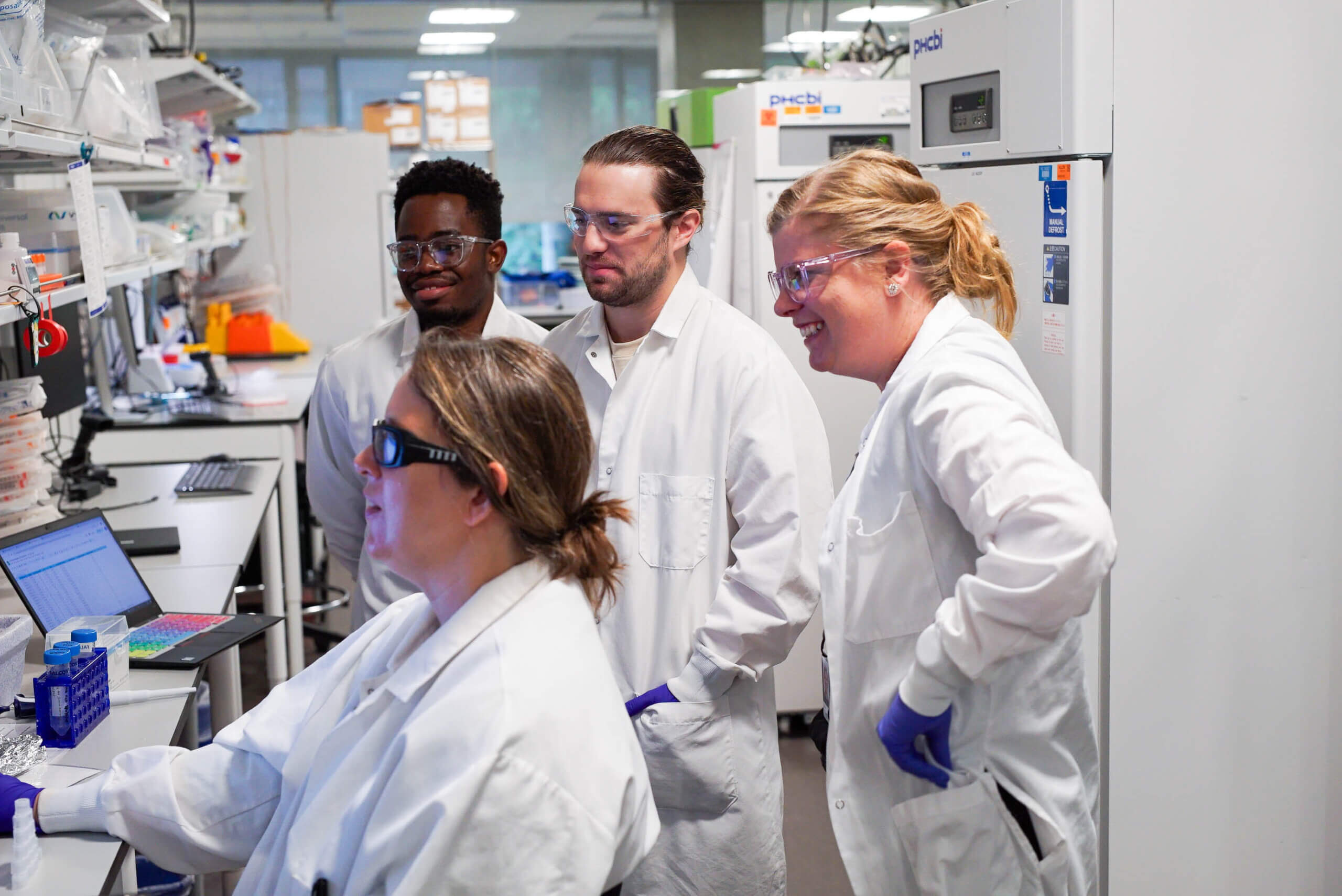
Scientist in lab coat and blue gloves examining samples in modern laboratory
“With TEA-seq, we wanted to get a complete picture of what’s going on in each individual cell,” said Peter Skene, who helped create the method. Photo by Erik Dinnel / Allen Institute

New insights into T cells across age

TEA-seq’s greater depth of detail helped challenge the long-held belief that “naïve helper T cells,” which circulate in the blood awaiting threats, resist aging. The study revealed that, despite retaining a youthful look in their surface proteins, these cells undergo huge molecular changes under the hood—more so than any other T cell population, Gustafson said.

Further exploration uncovered the novel subtype of “killer T cell” in children, which had blended into the background with other single-cell approaches. TEA-seq brought it into focus.
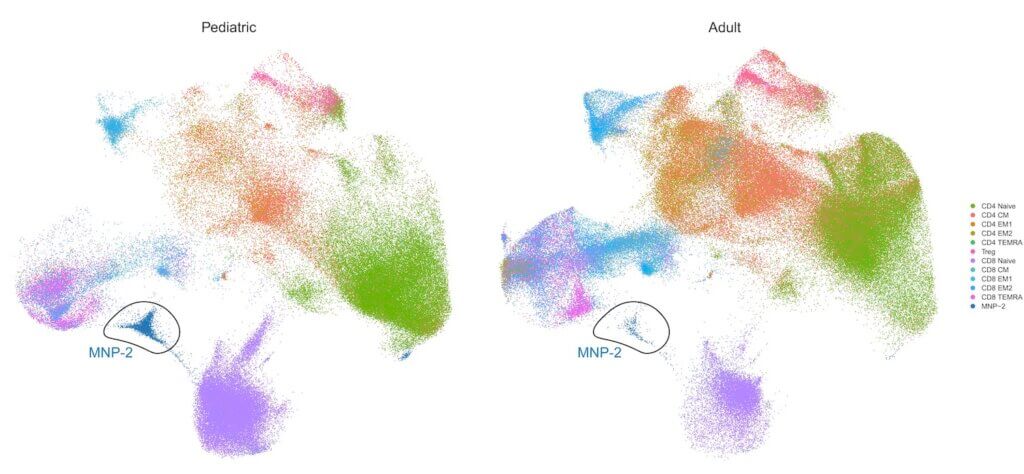
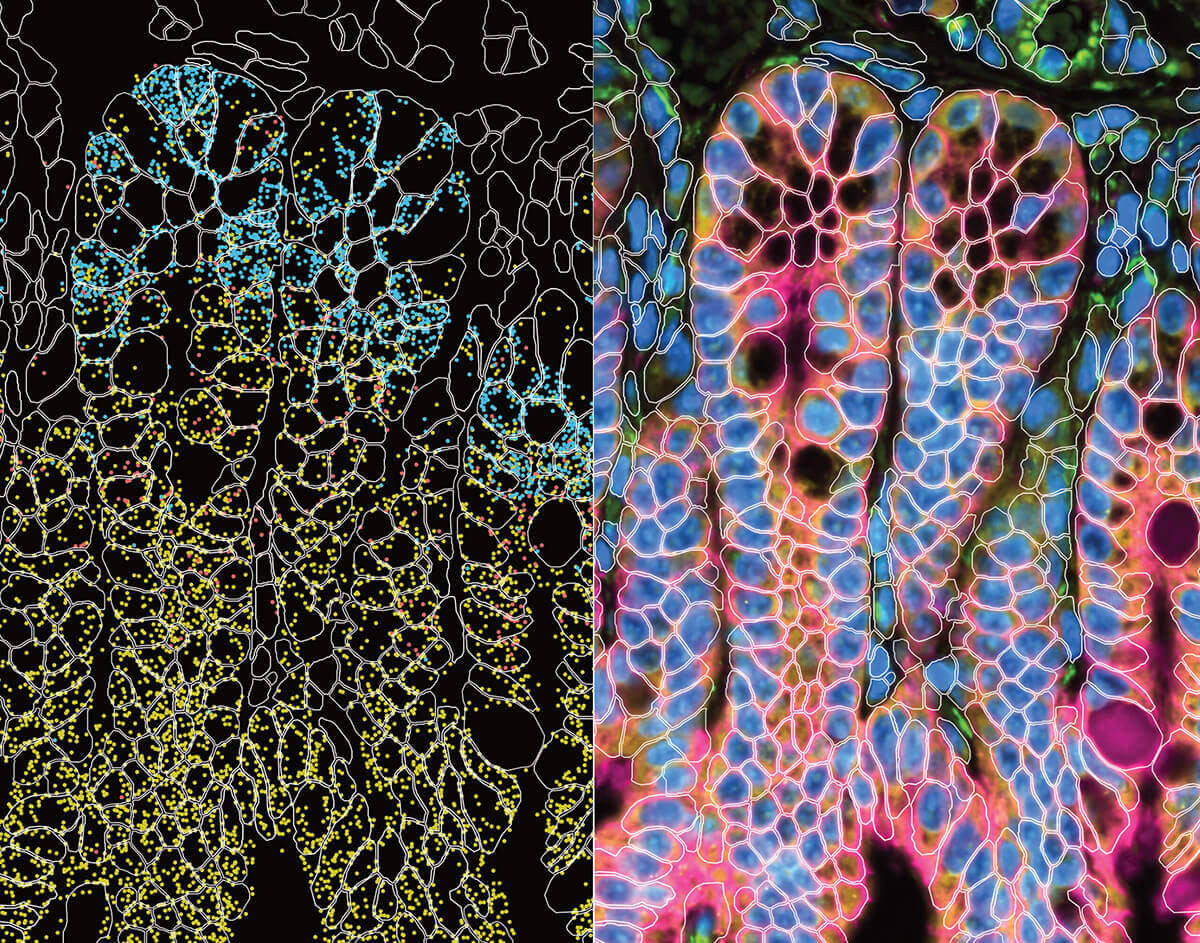
Comparative flow cytometry scatter plots showing pediatric and adult immune cell populations with MNP-2 marker highlighted.
Global UMAP showing population differences in specific T-Cell subset between pediatric and adult subjects

The proteins that dot this cell type’s surface suggest it fights infection in tissues, Gustafson said. Intriguingly, it vanished from the blood of children who contracted COVID during the study, only to reappear after recovery.

For now, no one knows the implications of the cell type’s disappearance in adults. But the study’s insights could pave the way for tailoring vaccines and treatments to different age groups, Gustafson said.

“The key takeaway is that immune cells in a child are programmed differently than those in an adult,” she said. “Understanding these changes could help us design better vaccines and therapeutics.”

The team plans to use TEA-seq to study other key players in our immune systems, like B cells. And they hope to refine the method to make it easier and cheaper for other labs to adopt and unravel their own mysteries.

“The power of TEA-seq is that it can yield so much information about what’s going on in each individual cell,” said Zach Thomson, the study’s lead author. “This is just one experiment, and we’ve barely scratched the surface.”

Citations
No items found.

about the allen institute

The Allen Institute is an independent, 501(c)(3) nonprofit research organization founded by philanthropist and visionary, the late Paul G. Allen. The Allen Institute is dedicated to answering some of the biggest questions in bioscience and accelerating research worldwide. The Institute is a recognized leader in large-scale research with a commitment to an open science model. For more information, visit alleninstitute.org.
explore related stories

explore more stories
news 
Designing better weapons to fight prostate cancer
New study unlocks key insights that could help develop next-generation immunotherapies
news 
SciShots: Nervous and immune systems team up to take on parasites
Pain-sensing neurons in the intestine give marching orders to the immune system to kick off an attack against parasites
Allen Impact 2025
Technology and innovation are fueling discovery in science like never before we’re proud to be leading the way. 2025 was a year of tremendous impact...
news 
How age affects vaccine responses and how to make them better
Age-related shifts in T cells weaken vaccine response in older adults, but new findings pave the way for next generation of vaccines.
news 
Susan Kaech, Ph.D., named next leader of Allen Institute’s Immunology accelerator
Leader in immunology to advance the Institute’s next frontier in understanding the immune system’s role across health and disease
news 
New study reveals rheumatoid arthritis begins long before symptoms, opening door to prevention
The seven-year study reveals early-warning signs that could help doctors catch the disease before it starts, potentially saving patients years of pain and disability.
we acceleratedevelopcatalyzeimpact

science done differently. shared with the world.

explore our accelerators

brain science

Mapping every cell, connection, and circuit in the brain—openly shared with the world.

cell science

Decoding how cells become tissues, then programming that knowledge into powerful new research tools.

neural dynamics

Revealing the brain's hidden algorithms that transform neural activity into real-world behavior.

immunology

Creating the deepest open reference for the healthy human immune system ever built.

synthetic biology

Engineering cells to record their own histories, transforming how we understand disease over time.

research

Big questions, open answers, and science built to be shared.

education

Inspiring the next generation of scientists through open science resources.

impact

Our science is empowering researchers and advancing health worldwide.
advancing science through open, collaborative research
Get the allen institute newsletter
Stay informed on the latest breakthroughs in neuroscience, bioscience, and AI-driven research.
allen institute
impactpeople & teamscareers & opportunitiesalumnihistory & founder
science resources
allencell.orgallenimmunology.orgallenneuraldynamics.orgbrain-bican.orgbrain-map.orgmicrons-explorer.org
research
brain sciencecell scienceneural dynamicsimmunologysynthetic biologypublications
education
science educationfield tripsprofessional developmenteducation resources
quick links
newseventsopen sciencepodcastscience resourceshuman brain donationvisit uscontact
follow us/

allen institute, 615 Westlake Ave North, Seattle, WA 98109 +12065487055

© 0000 allen institute. all rights reserved.
privacy policyterms of usecitation policyemployee portalpolicy & compliance