impact
impact
open science
subheadline
careers and opportunities
subheadline
people & teams
people & teams
subheadline
allenites
subheadline
allen institute advisors
subheadline
board of directors
subheadline
shanahan foundation fellowship
subheadline
next generation leaders
subheadline
research
overview
our approach
subheadline
publications
subheadline
open science
subheadline
accelerator
brain science
subheadline
cell science
subheadline
neural dynamics
subheadline
immunology
subheadline
synthetic biology
subheadline
education
education
science education
subheadline
education resources
subheadline
field trips
subheadline
open science
subheadline
open science quest
subheadline
news
news
stories
subheadline
podcast
subheadline
sign up for our newsletter
subheadline
events
events
all events
subheadline
conferences
subheadline
event code of conduct
subheadline
events
open science quest
subheadline
summer workshop on the dynamic brain
subheadline
open science week
subheadline
brain fest
subheadline
science resources
science resources
allencell.org
subheadline
allenimmunology.org
subheadline
allenneuraldynamics.org
subheadline
brain-bican.org
subheadline
brain-map.org
subheadline
microns-explorer.org
subheadline
impact
back to menu
impact
open science
subheading
careers and opportunities
subheading
people & teams
people & teams
subheading
allen institute advisors
subheading
board of directors
subheading
shanahan foundation fellowship
subheading
next generation leaders
subheading
research
back to menu
impact
Label
subheading
Label
subheading
people & teams
education
back to menu
research
Label
subheading
Label
subheading
Heading
news
back to menu
research
Label
subheading
Label
subheading
Heading
events
back to menu
research
Label
subheading
Label
subheading
Heading
science resources
back to menu
science resources
allencell.org
subheading
allenimmunology.org
subheading
allenneuraldynamics.org
subheading
brain-bican.org
subheading
brain-map.org
subheading
microns-explorer.org
subheading
search
stories
news

New study aims to answer pressing COVID-19 question: Why do some die while others don’t even know they are sick?

Seattle-area research organizations team up for a deep dive into patients’ immune responses to the novel coronavirus; results could contribute to...

December 21, 2020
 min read
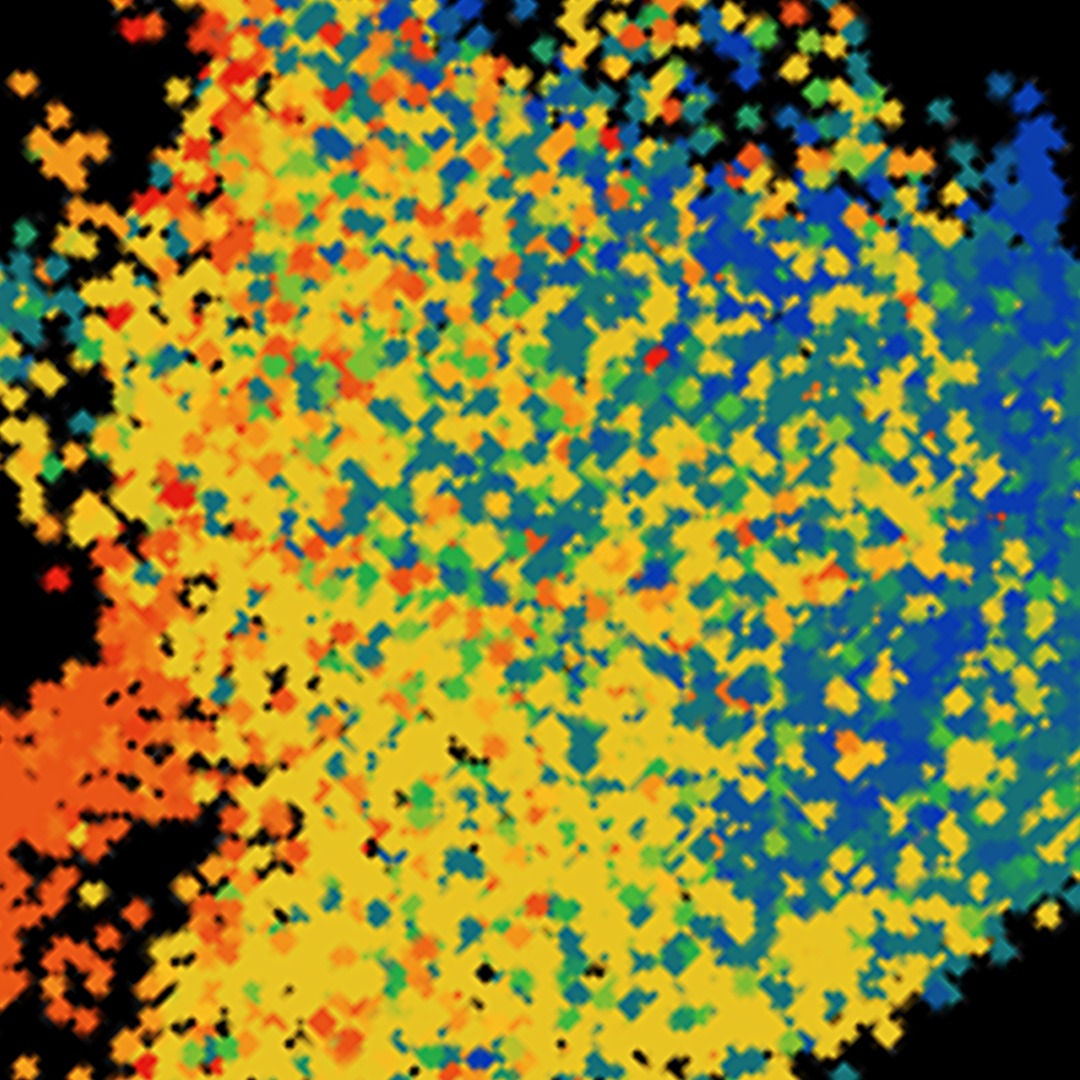
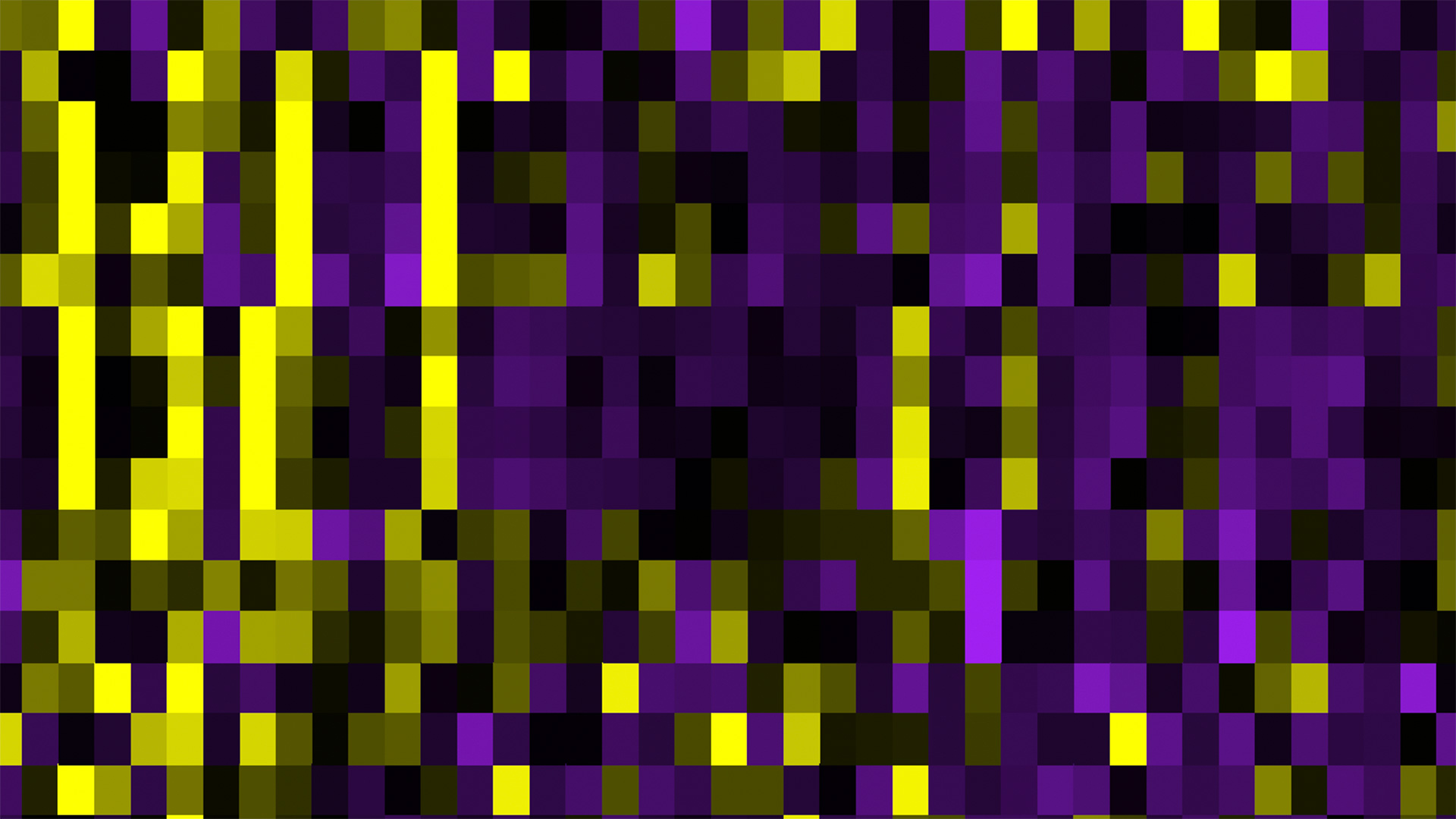
data visualization showing immune cells impacted by covid-19
share/
Seattle-area research organizations team up for a deep dive into patients’ immune responses to the novel coronavirus; results could contribute to vaccine development and new treatments.
Thank you! Your submission has been received!
Oops! Something went wrong while submitting the form.

in this article

table of contents will display on published page only
set h2 to populate the table of contents here

By Rachel Tompa, Ph.D. / Allen Institute

Nearly eight months into the worst public health crisis of our lifetimes, and scientists are still grappling with one of the most basic questions about COVID-19: Why do some people infected with the novel coronavirus die, while others recover with few symptoms — or even no symptoms at all?

A new study underway in Seattle aims to answer that — and related questions — by tracking the details of individuals’ immune responses as they are infected with, and recover from, SARS-CoV-2. Headquartered at Fred Hutchinson Cancer Research Center, the study is enrolling Seattle-area adults newly infected with the novel coronavirus. Research teams at Fred Hutch and the Allen Institute for Immunology, a division of the Allen Institute, are delving into the molecular and cellular details of how these patients’ immune systems are responding to the virus, both shortly after infection and in the weeks and months following.

A deep dive into COVID-19 immunology

Researchers around the world have pivoted to study the novel coronavirus, but most scientific studies to date have focused on severely ill patients. The new Seattle study will instead focus on people with mild-to-moderate symptoms.

“Data have shown that the virus is far more widespread in the population than we initially thought,” said Tom Bumol, Ph.D., Executive Vice President and Director of the Allen Institute for Immunology. “To capture the complete scientific story of this pandemic, we need to study the biology of all infections, not just the most severe.”

That complete picture could ultimately help shape communities’ response to COVID-19. If scientists can understand the “successful” immune responses that accompany a mild or moderate case of the virus, and which aspects of those responses fail in severe illness, they might be able to better treat or prevent the more serious and deadly cases.

“We don’t yet know what a normal, healthy, effective response to this coronavirus looks like,” said Troy Torgerson, M.D., Ph.D., Director of Experimental Immunology at the Allen Institute for Immunology. “If we can understand all of the moving parts that constitute a healthy immune response, that will be very informative for vaccine developers and researchers who are trying to develop better therapies — especially in cases where the immune response itself contributes to COVID19 illness.”

The research team will use the newly established deep immune system profiling pipeline at the Allen Institute for Immunology, in collaboration with viral immunology experts at the Fred Hutch, to capture a detailed survey of patients’ immune systems as close to infection as possible. The researchers will then follow the same patients, studying samples taken in the weeks and months after infection. Following the same patient over time will help the researchers zero in on the aspects of the immune response specific to the novel virus and that volunteer’s unique outcome.
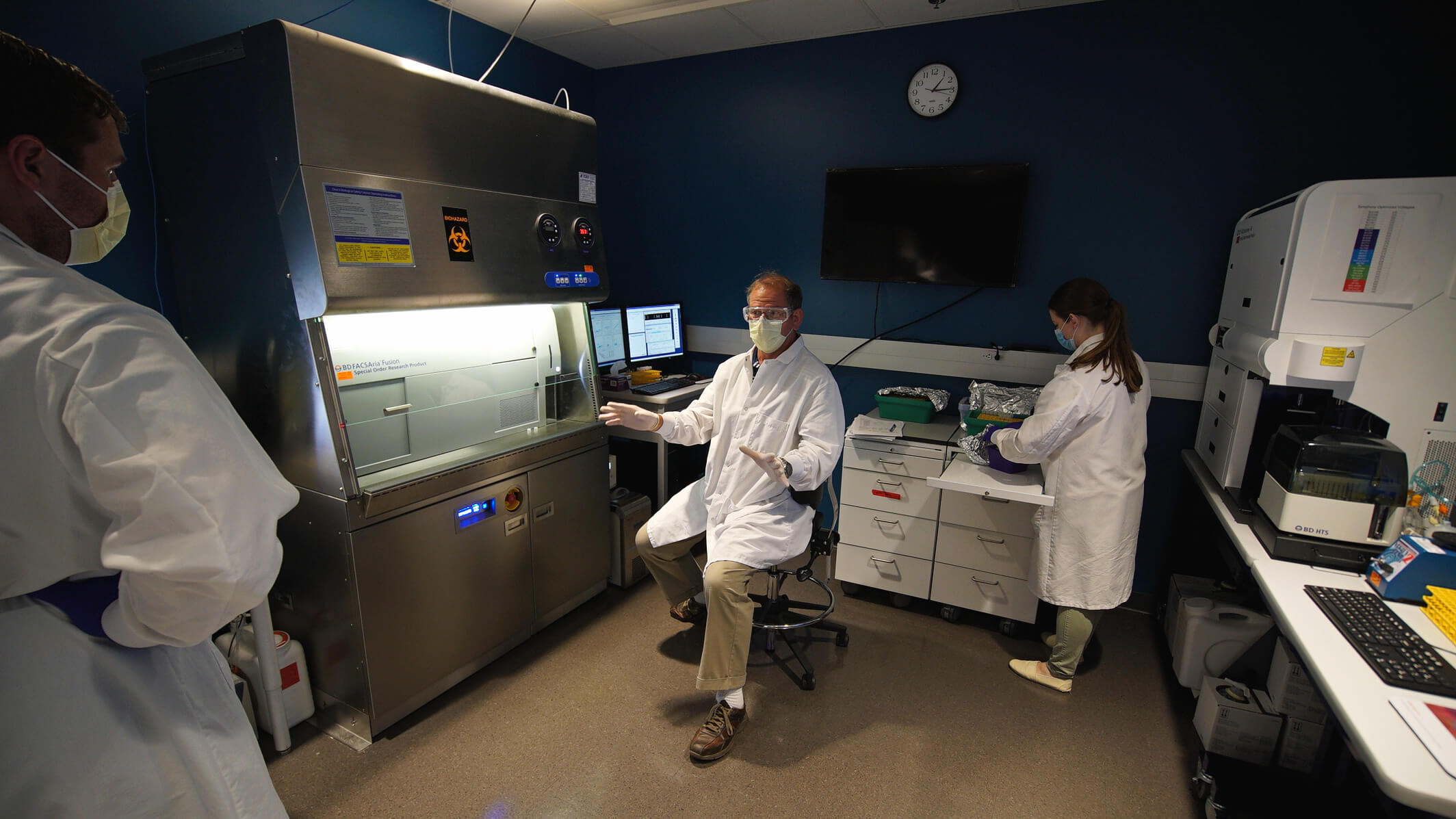
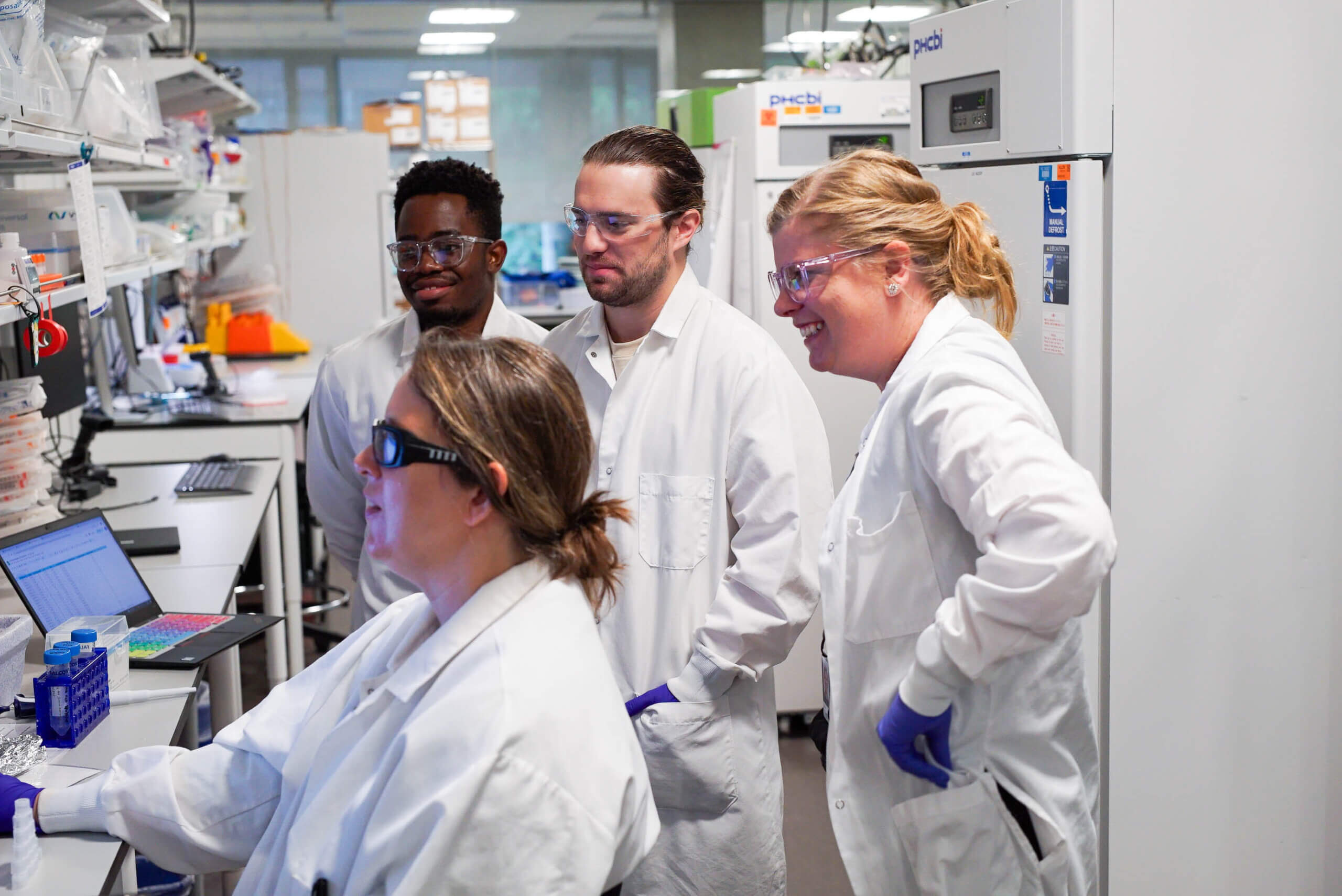
Laboratory technicians in white coats and masks working in biosafety cabinet room with medical equipment
Scientists and researchers at the Allen Institute for Immunology meet in the lab to discuss experimental procedures with COVID-19 patient blood samples. Photo by Erik Dinnel / Allen Institute

Samples studied through the Allen Institute for Immunology’s adaptive pipeline, which is now being used to interrogate COVID-19.

They’ll compare the data from patients with mild or moderate infections to samples from uninfected people and those with more severe infections, to understand which immune changes in people with mild infections could be considered successful, or beneficial, responses. They’re planning to do these deep dives for about 50 patients with mild or moderate infections and are also hoping to follow the immune responses in some of those patients over the next few years, to better understand the long-term immune reactions to the virus — including understanding how long natural immunity lasts. Understanding whether immunity to the virus wanes or is durable is an important unknown to address to help guide vaccine development — more than 100 vaccine initiatives are currently underway around the world.

The Institute’s immune-profiling pipeline was built to study any immune-related disease or condition, assessing and integrating several different types of scientific data gleaned from a single blood or tissue sample and comparing samples from the same person over weeks or months as their disease progresses, stabilizes or resolves. Along with medical data from the patients, the researchers also use emerging single-cell technologies that allow them to view the immune system through several lenses, capturing information about the types of immune cells present, their genetic and environmental states, and a corresponding set of immune proteins and other molecules present in the blood. The researchers will integrate these experimental data with medical data gathered from the patients to get a more complete picture of the biology of COVID-19.
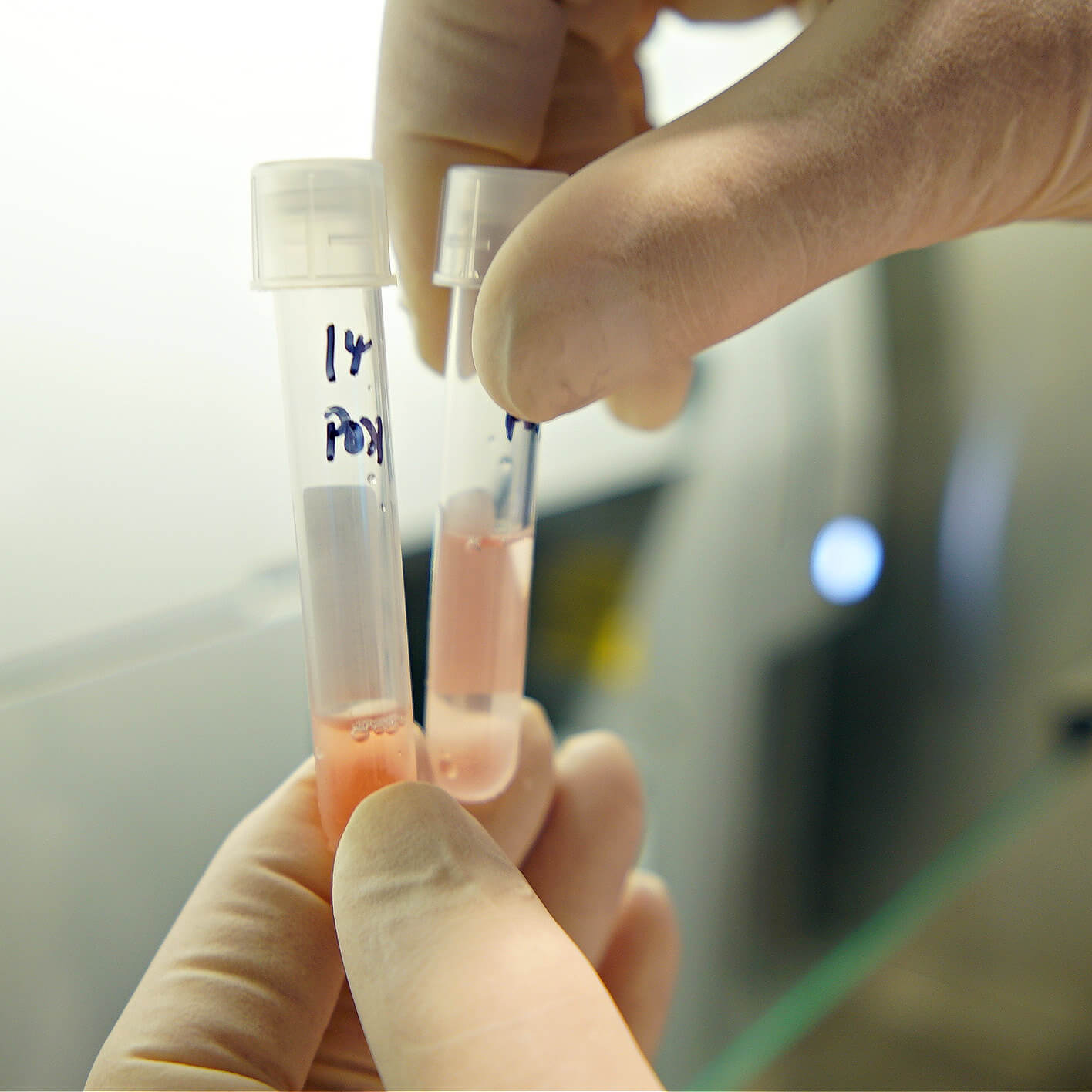
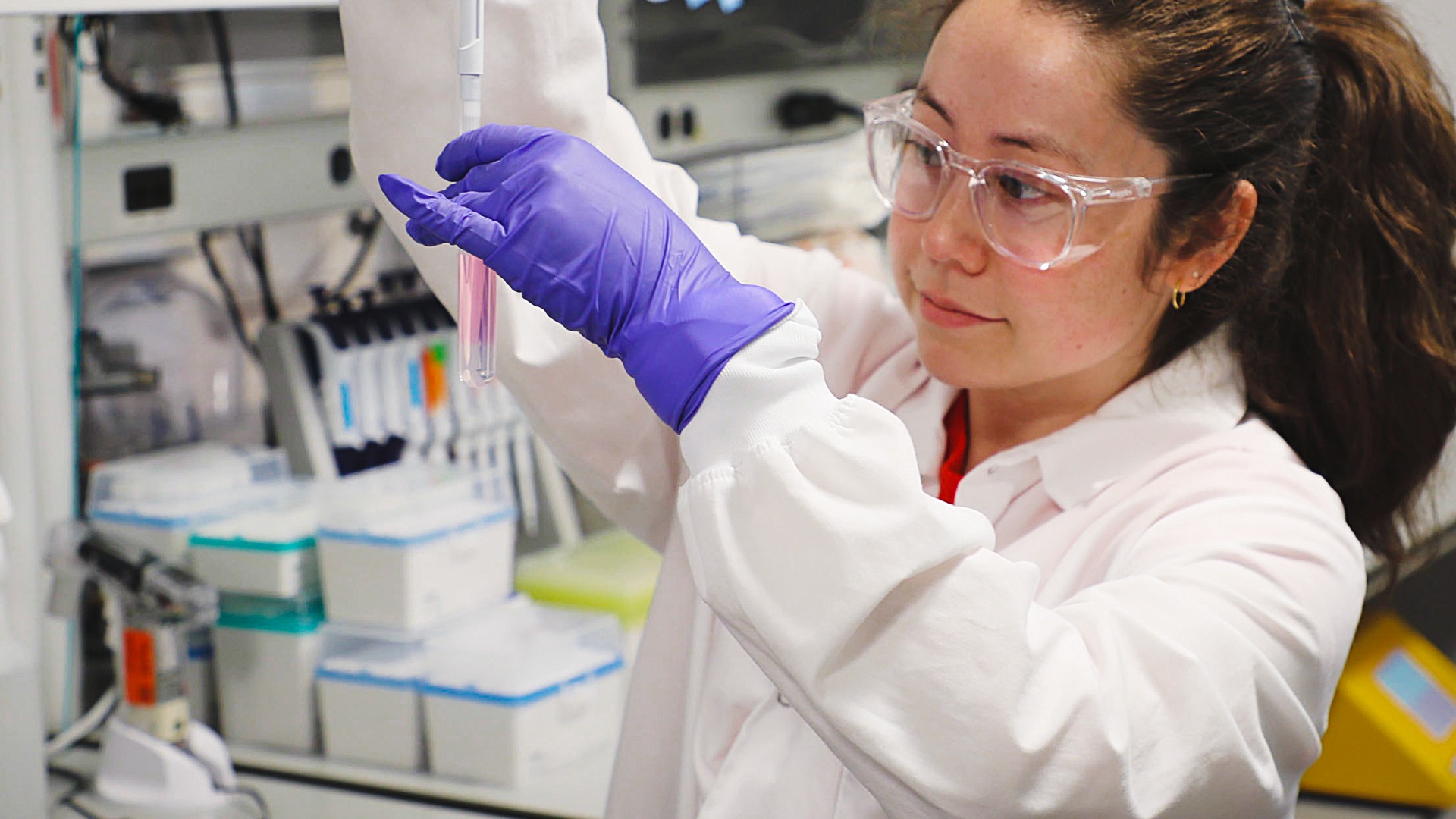
Person holding labeled laboratory test tubes containing reddish liquid samples in medical setting
Samples studied through the Allen Institute for Immunology’s adaptive pipeline, which is now being used to interrogate COVID-19. Photo by Erik Dinnel / Allen Institute

Since the Allen Institute for Immunology’s launch in December 2018, the researchers have been working to establish the pipeline and begin studies of the healthy human immune system as well as certain autoimmune diseases and cancers. It was an existing collaboration with Fred Hutch to study the blood cancer multiple myeloma that led to the COVID-19 collaboration. The SARS-CoV-2 study is led by Julie McElrath, M.D., Ph.D., Senior Vice President and Director of Fred Hutch’s Vaccine and Infectious Disease Division. Other research teams at the Hutch are using the same patient samples to study particular cells or molecules known to be specifically induced by SARS-CoV-2 itself.

“Fred Hutch has a long history of collaborating with other like-minded organizations to develop cures and therapies for both cancer and infectious diseases,” said McElrath, who also holds the Joel D. Meyers Endowed Chair at the Hutch. “We’re optimistic that the collective immune profiling expertise between Fred Hutch and the Allen Institute will lead to new discoveries and insights into the prevention and control of COVID-19.”

Citations
No items found.

about the allen institute

The Allen Institute is an independent, 501(c)(3) nonprofit research organization founded by philanthropist and visionary, the late Paul G. Allen. The Allen Institute is dedicated to answering some of the biggest questions in bioscience and accelerating research worldwide. The Institute is a recognized leader in large-scale research with a commitment to an open science model. For more information, visit alleninstitute.org.
explore related stories

explore more stories
news 
Designing better weapons to fight prostate cancer
New study unlocks key insights that could help develop next-generation immunotherapies
news 
SciShots: Nervous and immune systems team up to take on parasites
Pain-sensing neurons in the intestine give marching orders to the immune system to kick off an attack against parasites
Allen Impact 2025
Technology and innovation are fueling discovery in science like never before we’re proud to be leading the way. 2025 was a year of tremendous impact...
news 
How age affects vaccine responses and how to make them better
Age-related shifts in T cells weaken vaccine response in older adults, but new findings pave the way for next generation of vaccines.
news 
Susan Kaech, Ph.D., named next leader of Allen Institute’s Immunology accelerator
Leader in immunology to advance the Institute’s next frontier in understanding the immune system’s role across health and disease
news 
New study reveals rheumatoid arthritis begins long before symptoms, opening door to prevention
The seven-year study reveals early-warning signs that could help doctors catch the disease before it starts, potentially saving patients years of pain and disability.
we acceleratedevelopcatalyzeimpact

science done differently. shared with the world.

explore our accelerators

brain science

Mapping every cell, connection, and circuit in the brain—openly shared with the world.

cell science

Decoding how cells become tissues, then programming that knowledge into powerful new research tools.

neural dynamics

Revealing the brain's hidden algorithms that transform neural activity into real-world behavior.

immunology

Creating the deepest open reference for the healthy human immune system ever built.

synthetic biology

Engineering cells to record their own histories, transforming how we understand disease over time.

research

Big questions, open answers, and science built to be shared.

education

Inspiring the next generation of scientists through open science resources.

impact

Our science is empowering researchers and advancing health worldwide.
advancing science through open, collaborative research
Get the allen institute newsletter
Stay informed on the latest breakthroughs in neuroscience, bioscience, and AI-driven research.
allen institute
impactpeople & teamscareers & opportunitiesalumnihistory & founder
science resources
allencell.orgallenimmunology.orgallenneuraldynamics.orgbrain-bican.orgbrain-map.orgmicrons-explorer.org
research
brain sciencecell scienceneural dynamicsimmunologysynthetic biologypublications
education
science educationfield tripsprofessional developmenteducation resources
quick links
newseventsopen sciencepodcastscience resourceshuman brain donationvisit uscontact
follow us/

allen institute, 615 Westlake Ave North, Seattle, WA 98109 +12065487055

© 0000 allen institute. all rights reserved.
privacy policyterms of usecitation policyemployee portalpolicy & compliance