in this article
Philanthropist and entrepreneur Paul G. Allen today announced a commitment of $100 million to create the Allen Institute for Cell Science in Seattle. Founded to investigate and model the complex living machinery of cells, the nonprofit Allen Institute for Cell Science and its inaugural project, the Allen Cell Observatory, will accelerate disease research around the world by creating and sharing reagents, data and dynamic, predictive models of cells.
“Cells are the fundamental units of life, with every disease we know of affecting particular types of cells,” said Mr. Allen. “Scientists have learned a great deal about many of the 50 trillion cells in our bodies over the last decades, but creating a comprehensive, predictive model of the cell will require a different approach. We conceived of the Allen Institute for Cell Science as a catalyzing force to integrate technologies and approaches at a large scale in order to provide an exceptional resource for the entire scientific community. It is our hope that this effort will bring forward the treatment of different diseases.”
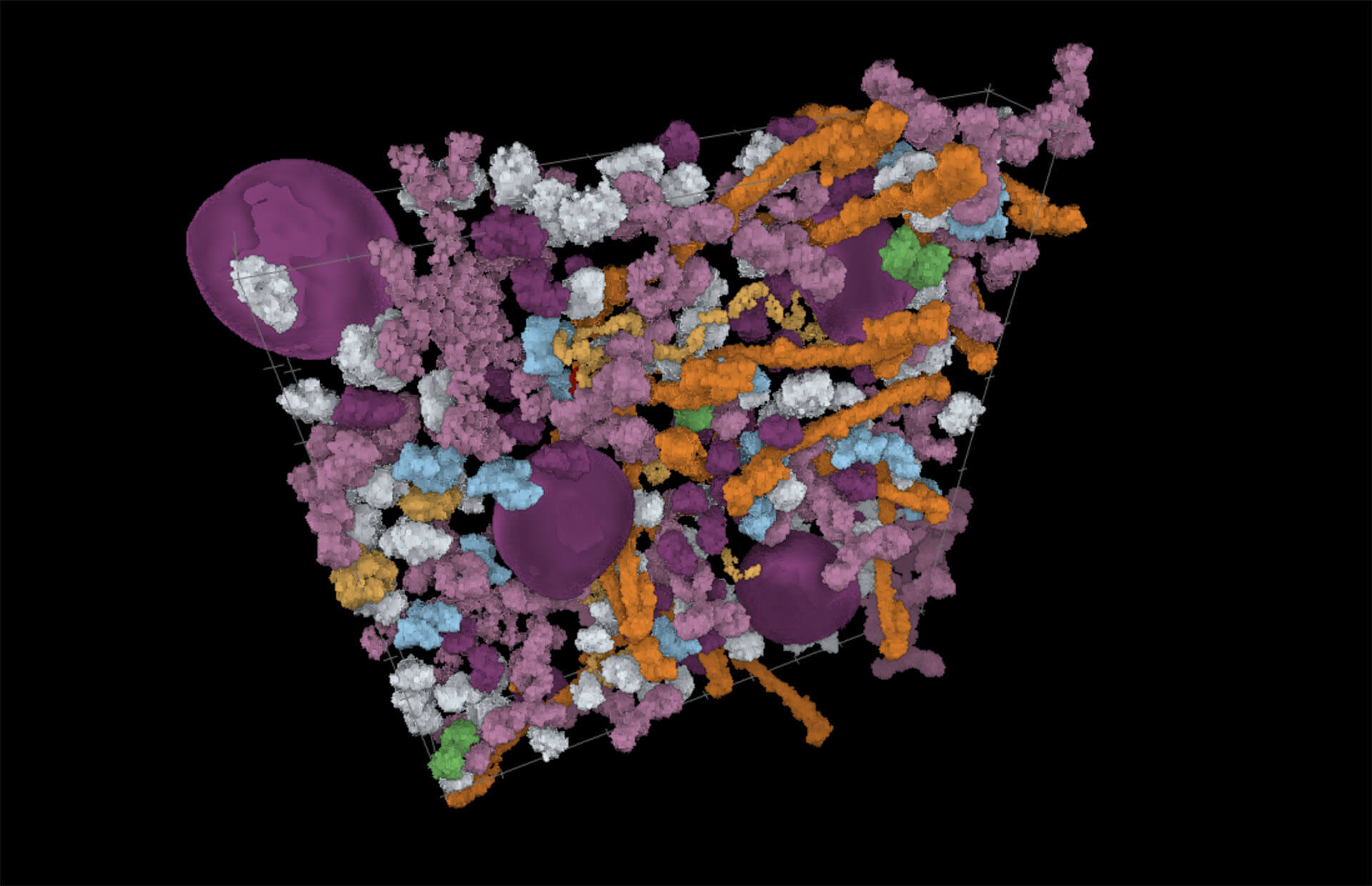
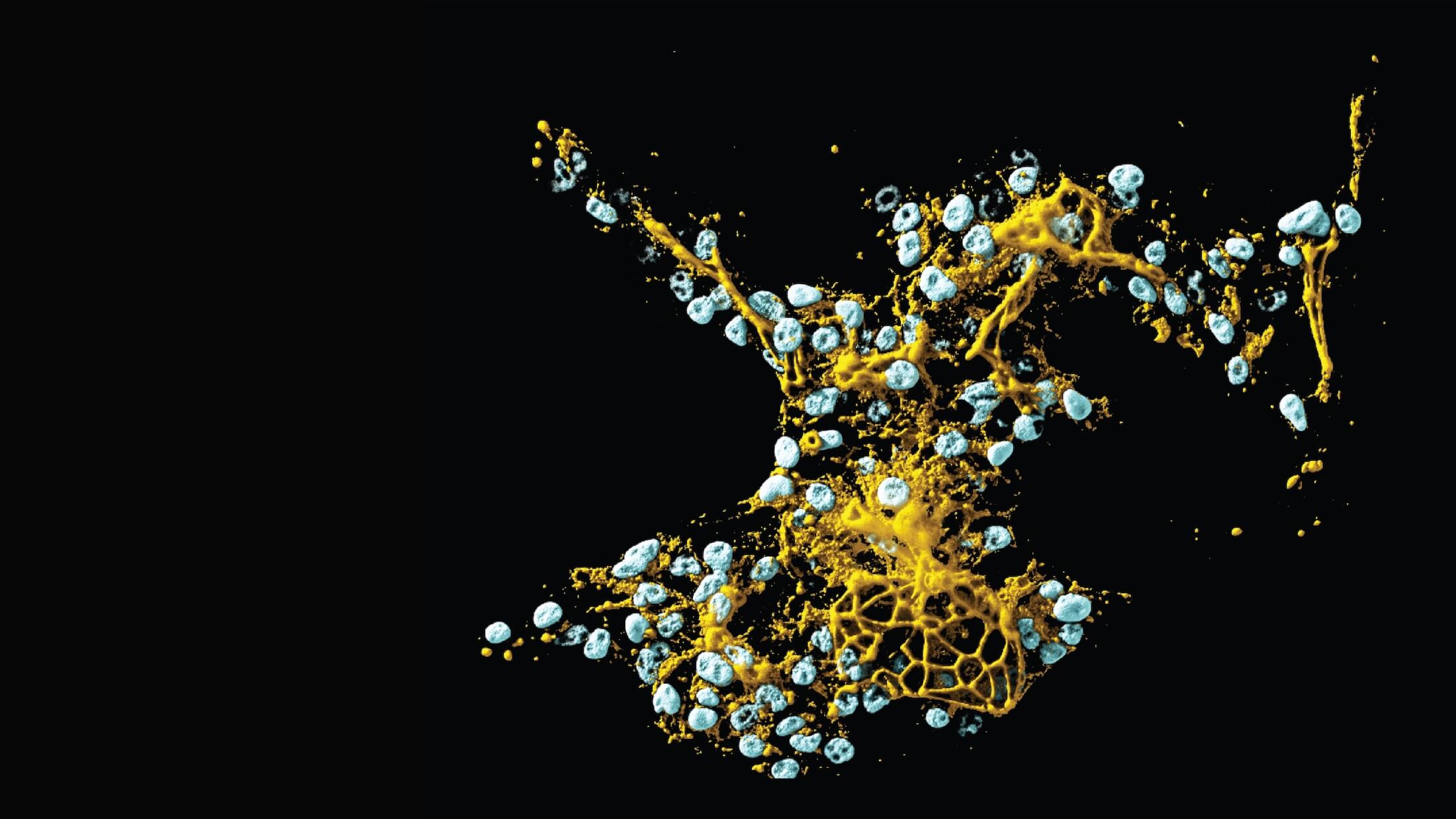
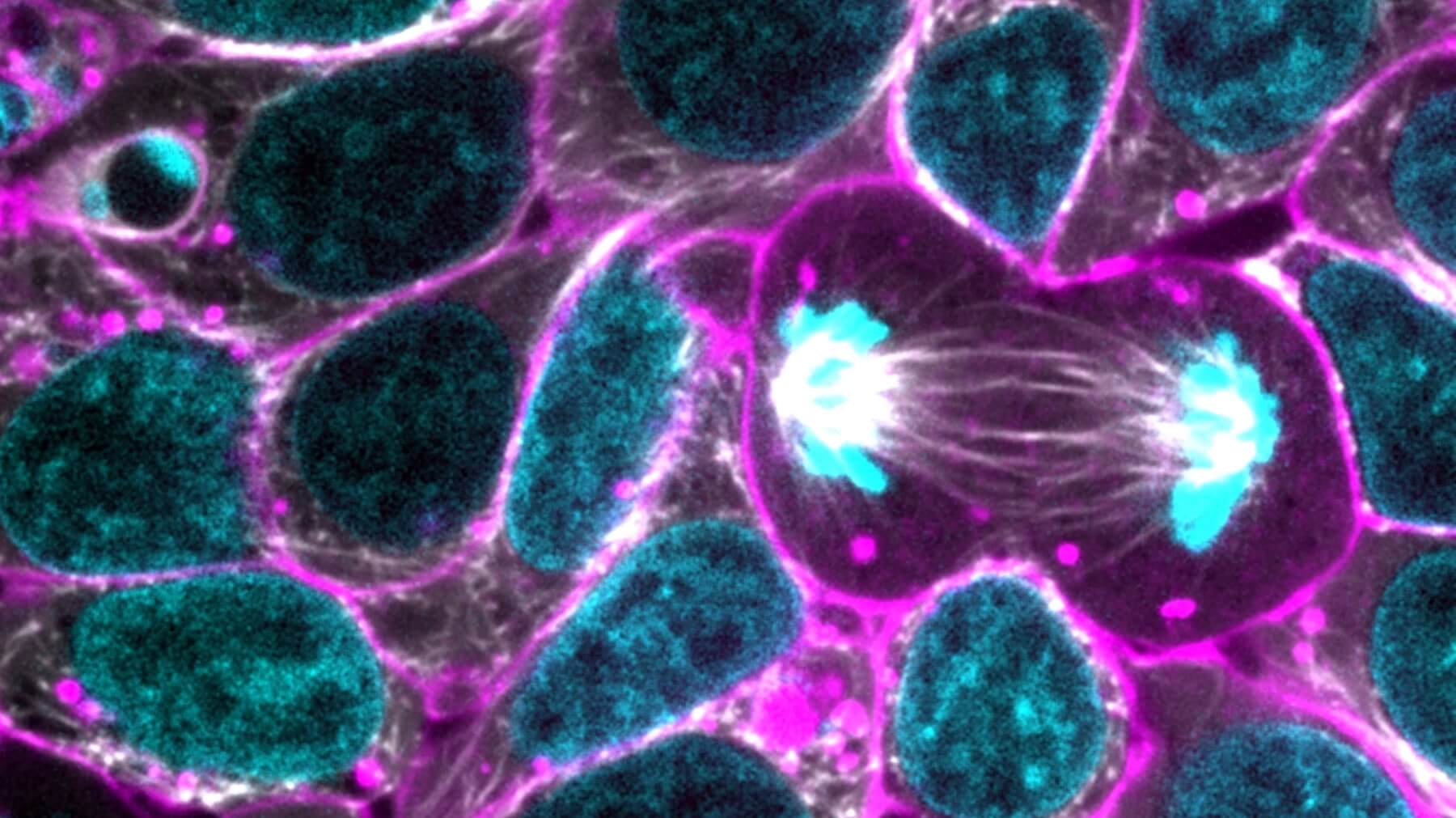
The Allen Institute for Cell Science will take a multidisciplinary, team science-driven approach to understanding a fundamental and yet elusive question in cell science: How does information encoded in our genes become three-dimensional living cells, and what goes wrong in disease? The inaugural project, called the Allen Cell Observatory, will produce a dynamic, visual database and animated models of cell parts in action that integrate information from across the cellular and molecular sciences.
Rick Horwitz will serve as the Executive Director of the Allen Institute for Cell Science. He served for 10 years as the Director of the Cell Migration Consortium, an NIH-funded multi-institutional, multi-disciplinary collaboration for studying cell migration, and spent the past 15 years in the Department of Cell Biology, as a Harrison Distinguished Professor and University Professor, at the University of Virginia, School of Medicine, where his lab investigated the mechanisms of cell migration and dendritic spine morphogenesis.
“Generating an integrated view of the cell with predictive power is an enormous task, and the Allen Institute for Cell Science will have the advantage of housing its large-scale efforts all under one roof,” says Horwitz. “This singular effort will make the integration of technology, models and data both more straightforward and more powerful.”
“The outcome of the Allen Cell Observatory will enable researchers to make predictions about cell behaviors, accelerating the fields of cell biology and biomedical research,” says Allan Jones, CEO of the Allen Institute for Brain Science.
The Allen Institute for Cell Science will focus its efforts on human cells in order to maximize future translation into disease research. The inaugural project will study the transition of induced pluripotent stem cells into heart muscle and epithelial cells, creating computational models of the cells’ behavior as the first part of the larger visual database.
“As we have learned more about the enormous complexity of cell chemistry in recent years, it has become clear that we will need both new types of data and new computational tools to understand even the simplest living cells,” says Bruce Alberts, prominent cell scientist at the University of California, San Francisco, National Medal of Science recipient and an advisor to the Allen Institute for Cell Science. “It is great news that the world’s vigorous community of cell biologists and biochemists will have this important new resource to integrate information and facilitate discoveries.”
By making its data, models and tools publicly available online, the Allen Institute for Cell Science hopes to lead the charge of open science in the cell science community.
“We plan to engage the global cell science community in developing and executing our projects,” says Horwitz. “And by openly sharing our data, reagents, databases and models, we will leverage and empower research by our colleagues around the world. I am thrilled to be at the helm of this exciting and challenging endeavor.”
The Allen Institute for Cell Science will be housed in the new Allen Institute building located in Seattle’s South Lake Union neighborhood. The seven-story, 270,000 square foot building, currently under construction, will also be occupied by the Allen Institute for Brain Science. The building is scheduled for completion in the fall of 2015.
Scientific Advisory Board
The Allen Institute for Cell Science will be advised by a group of renowned experts in the field, including:
Bruce Alberts, University of California, San Francisco
Sangeeta Bhatia, Massachusetts Institute of Technology
Joan Brugge, Harvard Medical School
Peter Devreotes, Johns Hopkins School of Medicine
David Drubin, University of California, Berkeley
Michael Elowitz, California Institute of Technology
Larry Goldstein, University of California, San Diego
Tony Hyman, Max Planck Institute of Molecular Cell Biology and Genetics
Doug Lauffenburger, Massachusetts Institute of Technology
Thomas Pollard, Yale University
Sandra Schmid, UT Southwestern Medical Center
Citations
about the allen institute
The Allen Institute is an independent, 501(c)(3) nonprofit research organization founded by philanthropist and visionary, the late Paul G. Allen. The Allen Institute is dedicated to answering some of the biggest questions in bioscience and accelerating research worldwide. The Institute is a recognized leader in large-scale research with a commitment to an open science model. For more information, visit alleninstitute.org.