in this article
Two researchers have been awarded grants that could help uncover the next breakthrough in heart-health research, the American Heart Association and The Paul G. Allen Frontiers Group announced Wednesday.
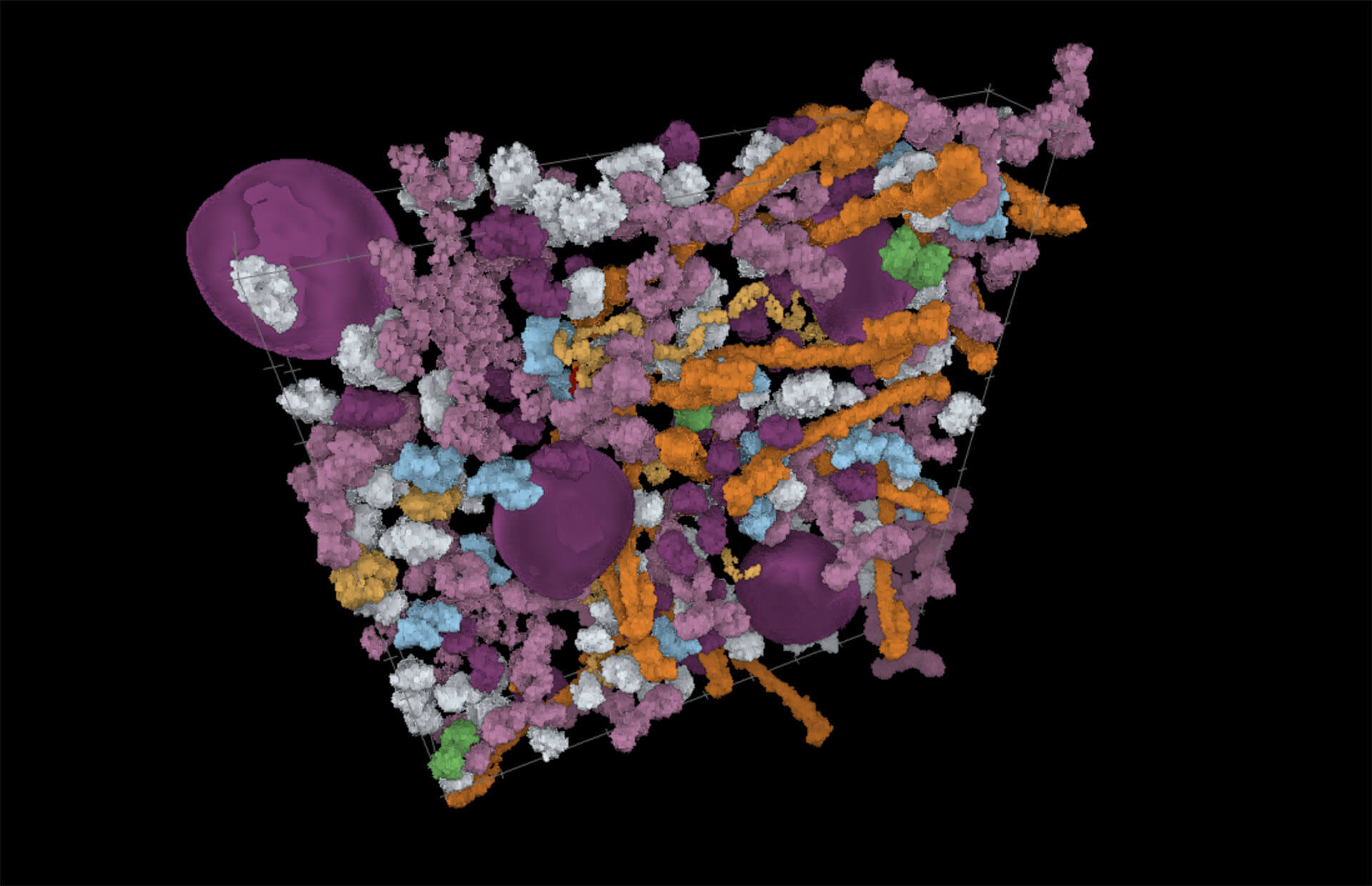
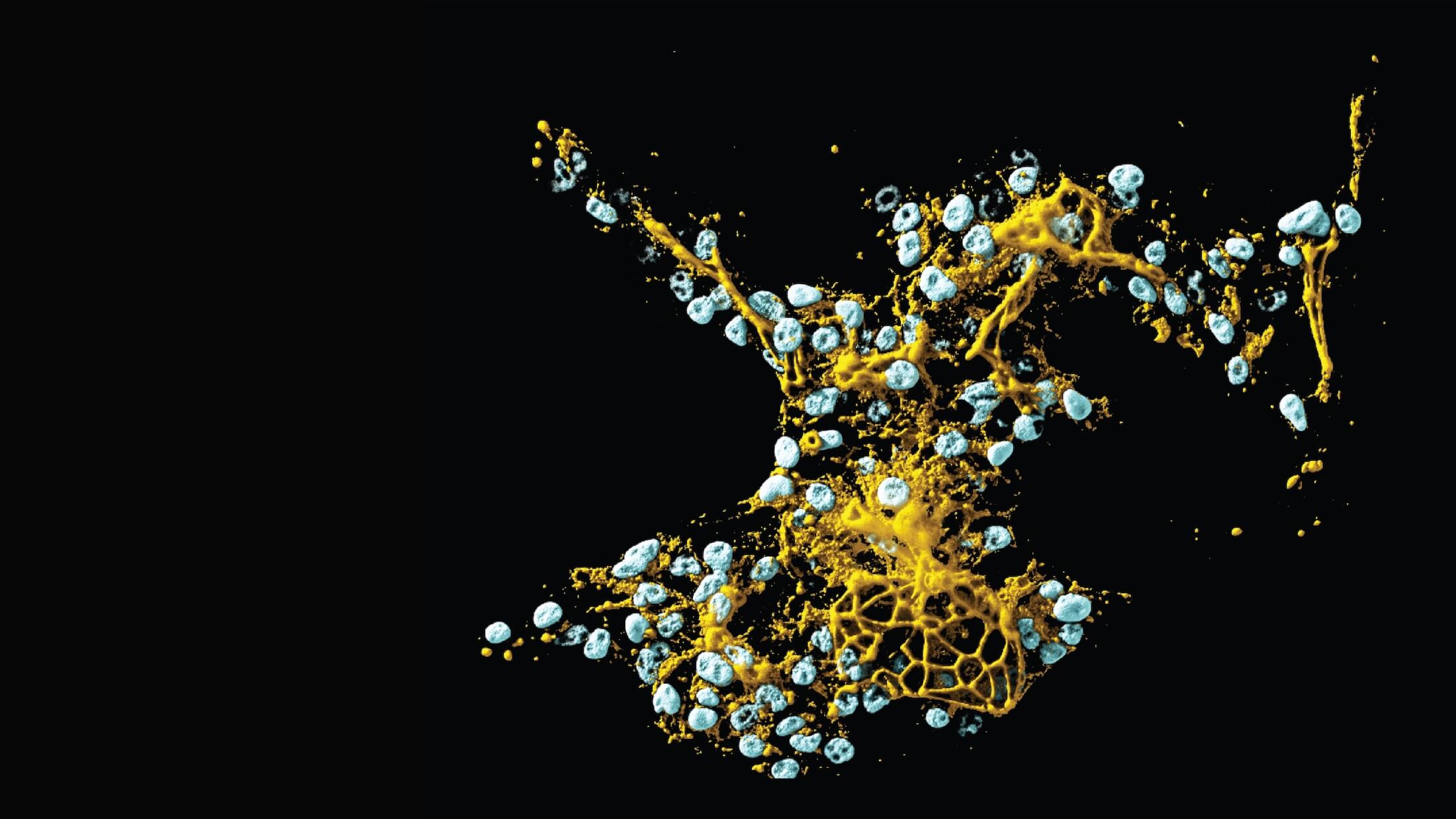
Suneel Apte at the Cleveland Clinic and Jeffrey Holmes at the University of Virginia have been awarded $1.5 million each to study the extracellular matrix — what scientists call the “natural glue” that holds tissues and organs together. However, recent evidence suggests that the extracellular matrix plays a much more central role in everything from aging to tissue repair to cell-to-cell communication. These dynamic aspects of the extracellular matrix remain understudied relative to other aspects of cardiovascular biology.
“With these grants, we are trying to go beyond traditional research approaches and reward out-of-box thinking,” said Ivor Benjamin, M.D., professor and director of the Cardiovascular Center at Froedtert & Medical College of Wisconsin. Benjamin, who is also the AHA’s president-elect and immediate past research committee chairman, helped select the two projects for funding.
Tom Skalak, Ph.D., Executive Director of The Paul G. Allen Frontiers Group, said the organizations sought an uncommon approach to fight heart disease.
“Our shared feeling with the American Heart Association was that it was desirable to take a serious look at areas of cardiovascular knowledge outside of the most common approaches to heart health and disease,” Skalak said. “That paved the way for this new work on extracellular matrix, and perhaps to a new era of heart health for millions of people. We’re very excited about that prospect.”
Suneel Apte, M.B.B.S., D. Phil, said architecture helps describe his work.
“If our body is a building, the cells are the bricks and the extracellular matrix, which binds cells together, is the mortar,” said Apte, biomedical engineering researcher at the Cleveland Clinic Lerner Research Institute. “Unlike mortar in a wall, extracellular matrix is not still but constantly moving and changing. It is continuously being broken down and rebuilt by cells of the heart and blood vessels, but this process is poorly understood.”
Apte’s research team will study how and why breakdown occurs normally, and how it may contribute to heart development and vascular disease. Too much extracellular matrix breakdown is harmful because it weakens the structure, and cells rely on correct extracellular matrix composition and quantity for health-giving information.
“Instead of timidly looking brick by brick at the mortar, we propose using new technology to take in all the changes in the tissues at one fell swoop,” Apte said. “Ultimately, we hope our approach will find novel disease markers and targets to develop drugs that will treat cardiovascular disease.”
Jeffrey Holmes, M.D., Ph.D., professor of Biomedical Engineering and Medicine at University of Virginia, Charlottesville, said his research will bring together investigators and methods from bioengineering, immunology, physiology and chemistry to study when, where and how information is encoded into the extracellular matrix.
“Many extracellular matrix proteins persist for years or decades, accumulating biochemical changes that fundamentally change tissue properties,” Holmes said. “Thus, much of the information about long-term processes such as aging is stored in the extracellular matrix and read back by new cells as they arrive.”
To understand how information is stored in the ECM, Holmes and his team will consider how proteins are deposited, how rapidly they turn over, what role aging plays in these changes, and how these changes influence cell-matrix interactions.
This joint endeavor leverages the combined strength of the American Heart Association, with renowned expertise in cardiovascular research, and The Paul G. Allen Frontiers Group, which supports pioneering scientific explorers with the potential to transform cardiovascular medicine.
More information about AHA’s scientific grants and application processes can be found on the AHA’s website.
About The Paul G. Allen Frontiers Group
The Paul G. Allen Frontiers Group is dedicated to exploring the landscape of science to identify and fund pioneers with ideas that will advance knowledge and make the world better. Through continuous dialogue with scientists across the world, The Paul G. Allen Frontiers Group seeks opportunities to expand the boundaries of knowledge and solve important problems. Programs include the Allen Discovery Centers at partner institutions for leadership-driven, compass-guided research, and the Allen Distinguished Investigators for frontier explorations with exceptional creativity and potential impact. The Paul G. Allen Frontiers Group was founded in 2016 by philanthropist and visionary Paul G. Allen, and is a division of the Allen Institute, an independent 501(c)(3) medical research organization. For more information visit allenfrontiersgroup.org.
About the American Heart Association
The American Heart Association is devoted to saving people from heart disease and stroke – the two leading causes of death in the world. We team with millions of volunteers to fund innovative research, fight for stronger public health policies and provide lifesaving tools and information to prevent and treat these diseases. The Dallas-based association is the nation’s oldest and largest voluntary organization dedicated to fighting heart disease and stroke. To learn more or to get involved, call 1-800-AHA-USA1, visit heart.org or call any of our offices around the country. Follow us on Facebook and Twitter.
About the American Stroke Association
The American Stroke Association is devoted to saving people from stroke — the No. 2 cause of death in the world and a leading cause of serious disability. We team with millions of volunteers to fund innovative research, fight for stronger public health policies and provide lifesaving tools and information to prevent and treat stroke. The Dallas-based association officially launched in 1998 as a division of the American Heart Association. To learn more or to get involved, call 1-888-4STROKE or visit StrokeAssociation.org. Follow us on Facebook and Twitter.
The American Heart Association/American Stroke Association receives funding mostly from individuals. Foundations and corporations donate as well, and fund specific programs and events. Strict policies are enforced to prevent these relationships from influencing the Association’s science content. Financial information for the American Heart Association, including a list of contributions from pharmaceutical companies and device manufacturers, is available at http://www.heart.org/corporatefunding.
Citations
about the allen institute
The Allen Institute is an independent, 501(c)(3) nonprofit research organization founded by philanthropist and visionary, the late Paul G. Allen. The Allen Institute is dedicated to answering some of the biggest questions in bioscience and accelerating research worldwide. The Institute is a recognized leader in large-scale research with a commitment to an open science model. For more information, visit alleninstitute.org.