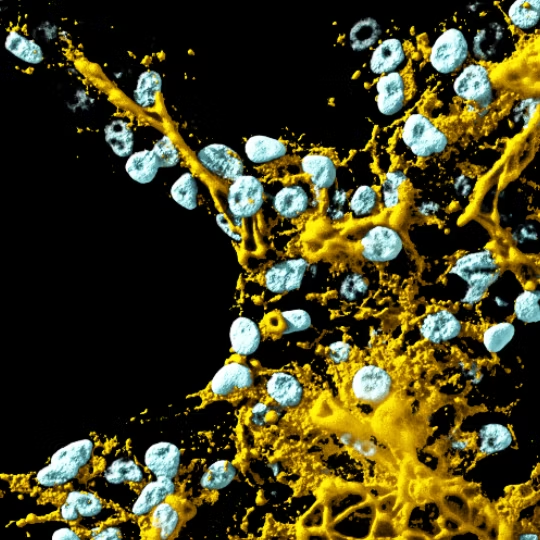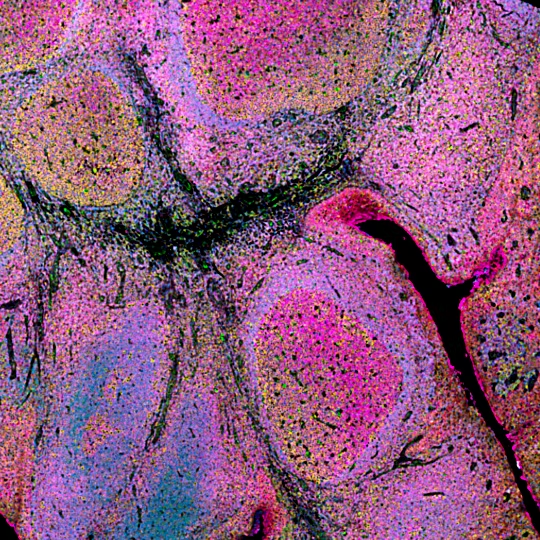

Your heart beats in one of the most regular rhythms in the world. As it thumps away tirelessly, your heart’s cells stretch, squeeze, and move. That motion is impossible to recreate in a Petri dish or test tube. But capturing this dance is crucial; scientists need a realistic model of the heart to accurately study diseases or test new drugs.
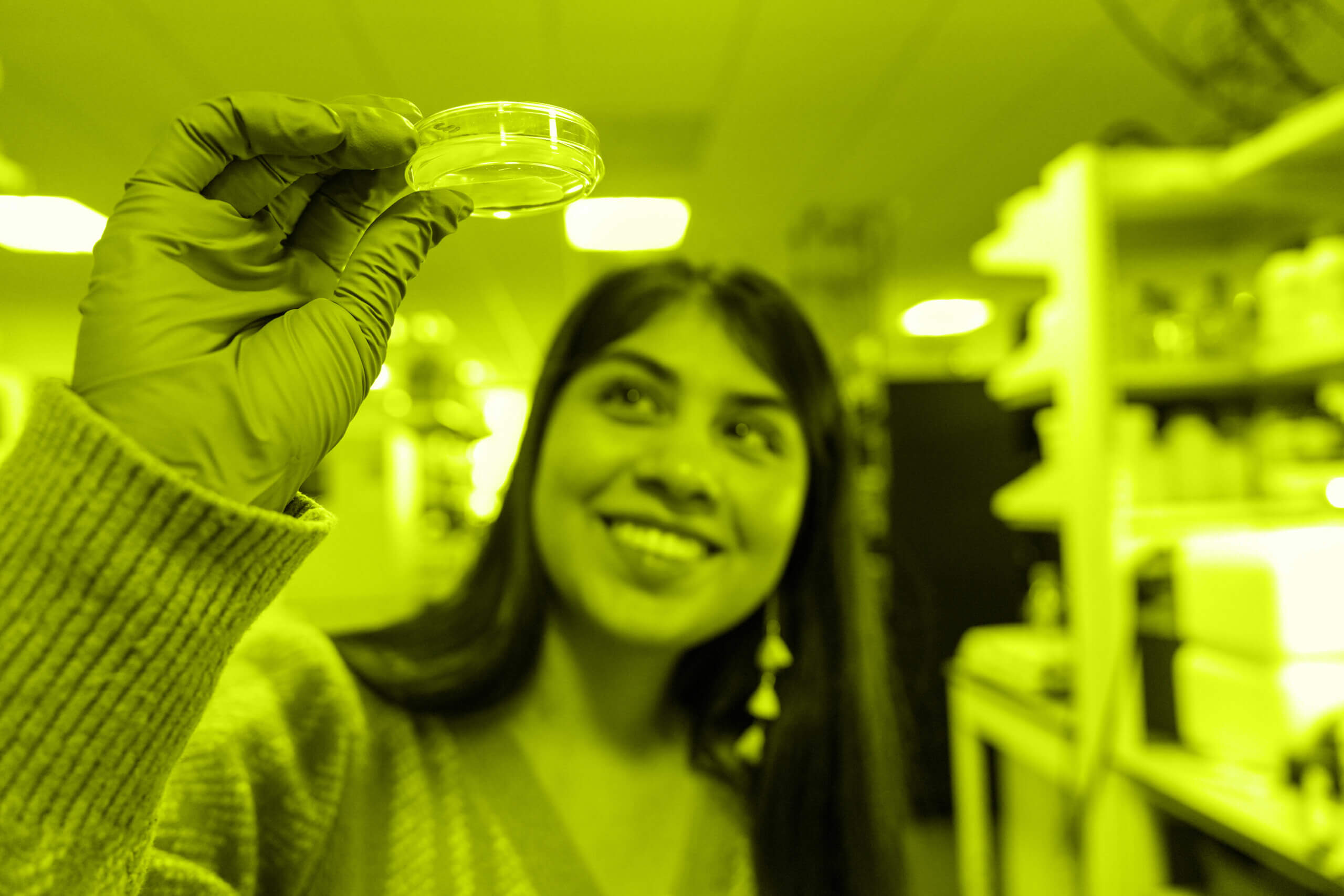
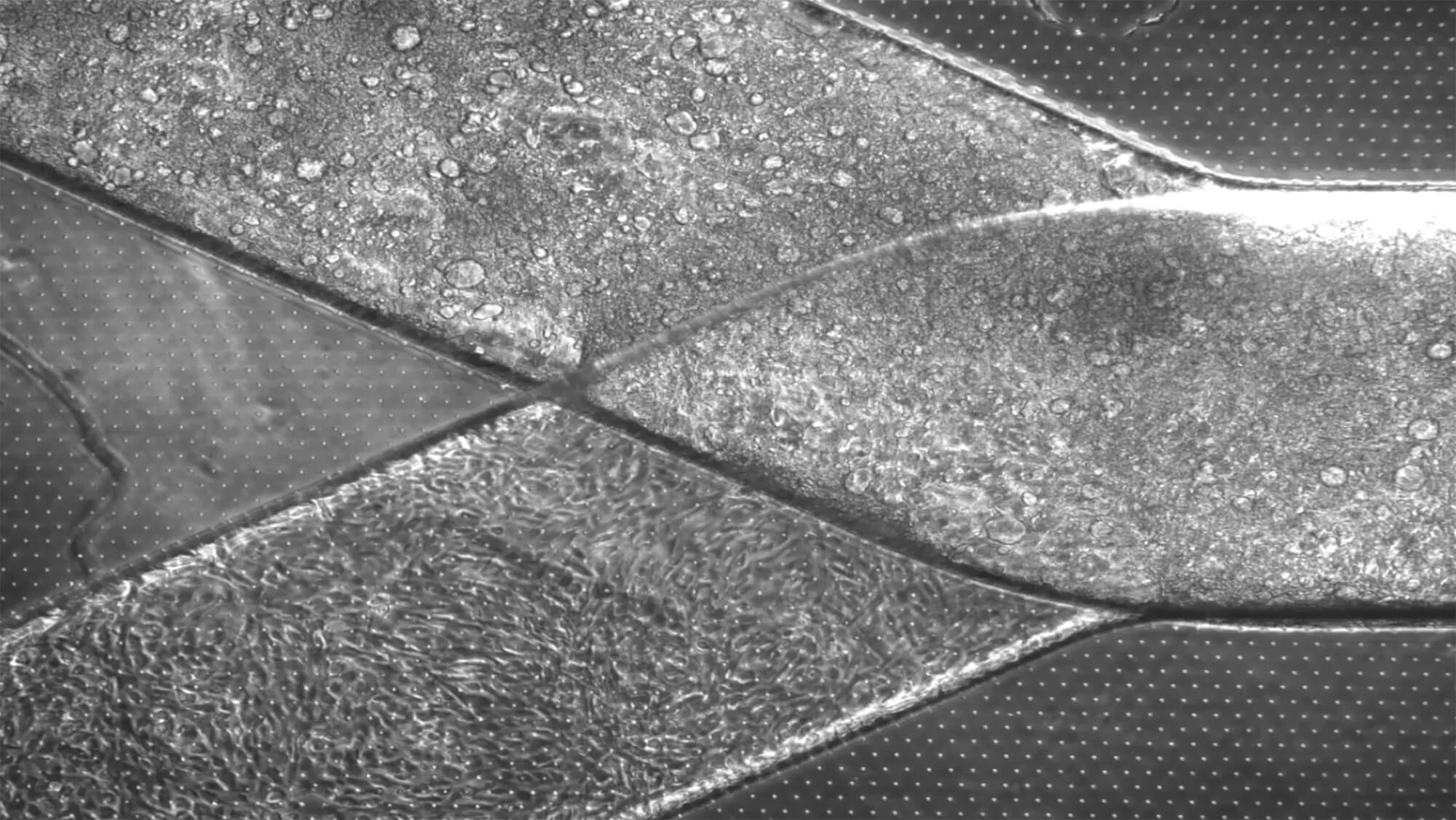
This video shows how researchers at Cedars-Sinai are bridging that gap through a heart-on-a-chip—a fusion of silicone and human cells designed to mimic the heart’s mechanics. Heart muscle cells, some of which were derived from the Allen Cell Collection, are “beating” in the chip’s top channel. Blood vessel cells line the channel below. Once they started to grow together on the chip, scientists put the cells through a “workout” — circulating fluid to mimic blood flow and rhythmically stretching the chip to simulate a heartbeat. This helped them grow and mature into cells resembling what is inside the human body.
The research team, led by Maedeh Mozneb, Ph.D., Arun Sharma, Ph.D., and Allen Distinguished Investigator Clive Svendsen, Ph.D., used this platform to screen certain cancer drugs for harmful side effects. That proof of concept could one day speed up drug testing, weeding out candidates that might harm the heart before they ever get to patients.
Citations
about the allen institute
The Allen Institute is an independent, 501(c)(3) nonprofit research organization founded by philanthropist and visionary, the late Paul G. Allen. The Allen Institute is dedicated to answering some of the biggest questions in bioscience and accelerating research worldwide. The Institute is a recognized leader in large-scale research with a commitment to an open science model. For more information, visit alleninstitute.org.