impact
impact
open science
subheadline
careers and opportunities
subheadline
people & teams
people & teams
subheadline
allenites
subheadline
allen institute advisors
subheadline
board of directors
subheadline
shanahan foundation fellowship
subheadline
next generation leaders
subheadline
research
overview
our approach
subheadline
publications
subheadline
open science
subheadline
accelerator
brain science
subheadline
cell science
subheadline
neural dynamics
subheadline
immunology
subheadline
synthetic biology
subheadline
education
education
science education
subheadline
education resources
subheadline
field trips
subheadline
open science
subheadline
open science quest
subheadline
news
news
stories
subheadline
podcast
subheadline
sign up for our newsletter
subheadline
events
events
all events
subheadline
conferences
subheadline
event code of conduct
subheadline
events
open science quest
subheadline
summer workshop on the dynamic brain
subheadline
open science week
subheadline
brain fest
subheadline
science resources
science resources
allencell.org
subheadline
allenimmunology.org
subheadline
allenneuraldynamics.org
subheadline
brain-bican.org
subheadline
brain-map.org
subheadline
microns-explorer.org
subheadline
impact
back to menu
impact
open science
subheading
careers and opportunities
subheading
people & teams
people & teams
subheading
allen institute advisors
subheading
board of directors
subheading
shanahan foundation fellowship
subheading
next generation leaders
subheading
research
back to menu
impact
Label
subheading
Label
subheading
people & teams
education
back to menu
research
Label
subheading
Label
subheading
Heading
news
back to menu
research
Label
subheading
Label
subheading
Heading
events
back to menu
research
Label
subheading
Label
subheading
Heading
science resources
back to menu
science resources
allencell.org
subheading
allenimmunology.org
subheading
allenneuraldynamics.org
subheading
brain-bican.org
subheading
brain-map.org
subheading
microns-explorer.org
subheading
search
stories
news

Allen Institute releases powerful new data on the aging brain and traumatic brain injury

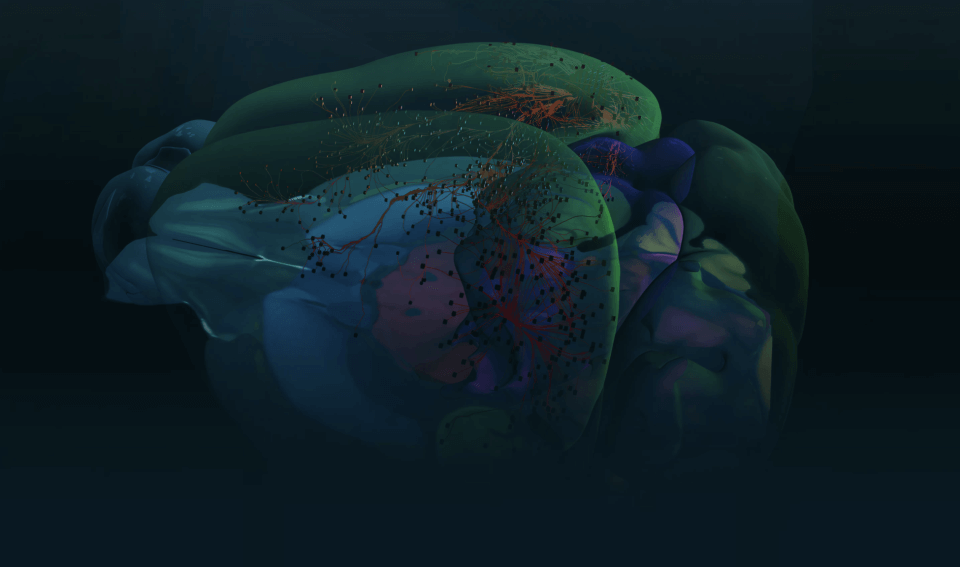
The Allen Institute for Brain Science has announced major updates to its online resources available at brain-map.org, including a new resource on aging and brain injury.

April 26, 2016
 min read
share/
The Allen Institute for Brain Science has announced major updates to its online resources available at brain-map.org, including a new resource on...
Thank you! Your submission has been received!
Oops! Something went wrong while submitting the form.

in this article

table of contents will display on published page only
set h2 to populate the table of contents here

The Allen Institute for Brain Science has announced major updates to its online resources available at brain-map.org, including a new resource on Aging, Dementia and Traumatic Brain Injury (TBI) in collaboration with UW Medicine researchers at the University of Washington, and Group Health. The resource is the first of its kind to collect and share a wide variety of data modalities on a large sample of aged brains, complete with mental health histories and clinical diagnoses.

“The power of this resource is its ability to look across such a large number of brains, as well as a large number of data types,” says Ed Lein, Ph.D., Investigator at the Allen Institute for Brain Science. “The resource combines traditional neuropathology with modern ‘omics’ approaches to enable researchers to understand the process of aging, look for molecular signatures of disease and identify hallmarks of brain injury.”

The study samples come from the Adult Changes in Thought (ACT) study, a longitudinal research effort led by Dr. Eric B. Larson and Dr. Paul K. Crane of the Group Health Research Institute and the University of Washington to collect data on thousands of aging adults, including detailed information on their health histories and cognitive abilities. UW Medicine led efforts to collect post-mortem samples from 107 brains aged 79 to 102, with tissue collected from the parietal cortex, temporal cortex, hippocampus and cortical white matter.

“This collaborative research project aims to answer one of the most perplexing problems in clinical neuroscience,” says Dr. Richard G. Ellenbogen, UW Chair and Professor, Department of Neurological Surgery. “If a person suffers a traumatic brain injury during his or her lifetime, what is the risk of developing dementia?  We simply don’t know the answer at this time, but some of the answers might be found in this comprehensive dataset by people asking the right kind of questions. This issue is important because of the inherent risk for everyone who plays sports, exercises or in general, participates in the activities of daily life.”

“This study was made possible by the amazing generosity of the ACT participants and their families, incredible collaboration among our partners, and the generosity and vision of the Paul G. Allen Family Foundation,” says Dr. Dirk Keene, co-principal investigator and Director, UW Neuropathology. “For the first time, scientists and clinicians from around the world will have access to this unique dataset, which will advance the study of brain aging and hopefully contribute to development of novel diagnostic and therapeutic strategies for neurodegenerative disease.”

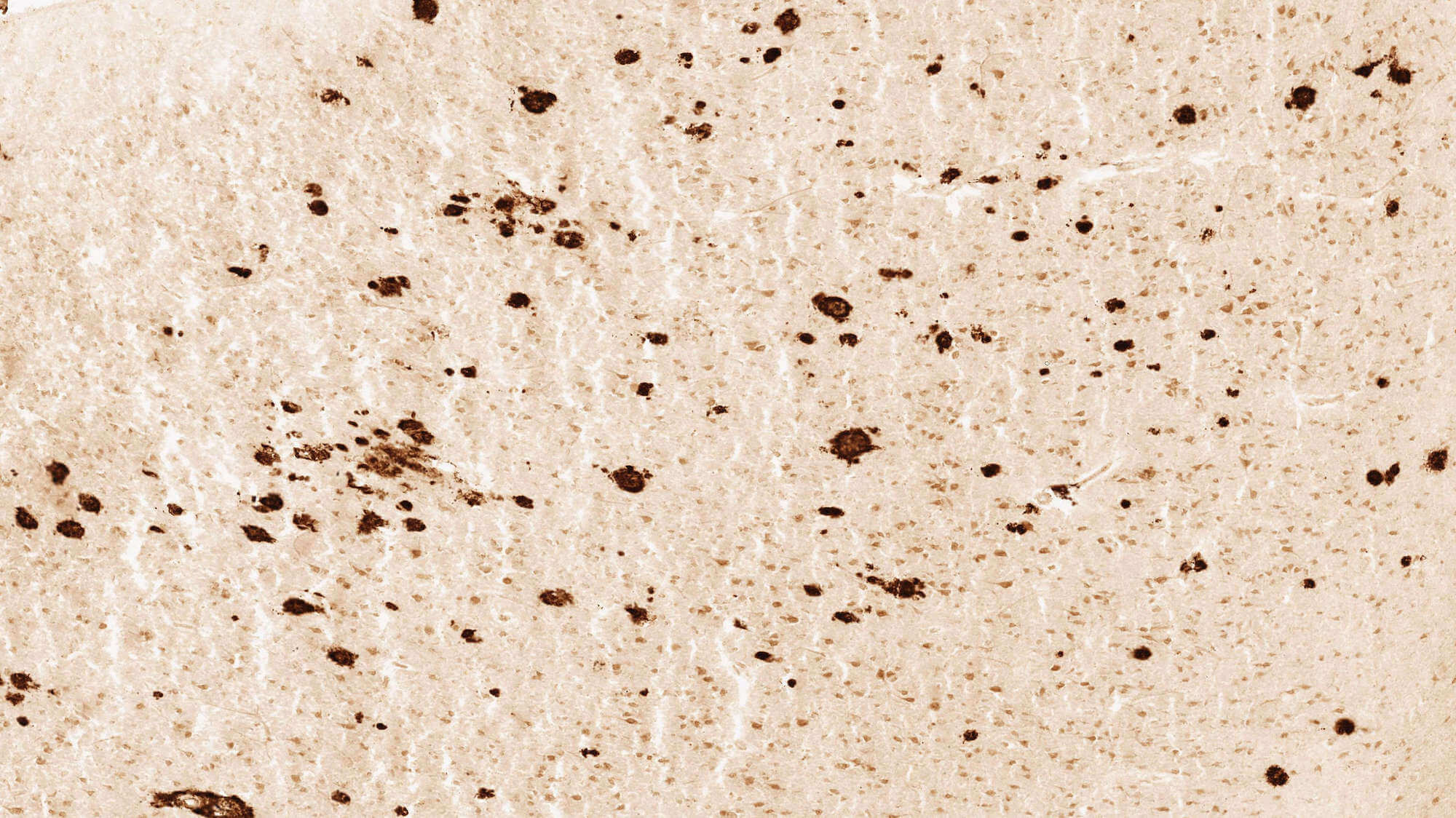
The final online resource includes quantitative image data to show the disease state of each sample, protein data related to those disease states, gene expression data and de-identified clinical data for each case. Because the data is so complex, the online resource also includes a series of animated “snapshots,” giving users a dynamic sampling of the ways they can interrogate the data.

“There are many fascinating conclusions to be drawn by diving into these data,” says Jane Roskams, Ph.D., Executive Director, Strategy and Alliances at the Allen Institute. “This is the first resource of its kind to combine a variety of data types and a large sample size, making it a remarkably holistic view of the aged brain in all its complexity.”

Researchers focused on examining the impact of mild to moderate TBI on the aged brain, comparing samples from patients with self-reported loss of consciousness incidents against meticulously matched controls.  “Interestingly, while we see many other trends in these data, we did not uncover a distinctive genetic signature or pathologic biomarker in patients with TBI and loss of consciousness in this population study,” says Lein.

“This new resource is an exciting addition to our suite of open science resources,” says Christof Koch, Ph.D., President and Chief Scientific Officer of the Allen Institute for Brain Science. “Researchers around the globe will be able to mine the data and explore many facets of the aged brain, which we hope will accelerate discoveries about health and disease in aging.”

Research to create this resource was funded with a $2.37 million grant from the Paul G. Allen Family Foundation to the University of Washington.

Two other resources have received significant updates in the latest data release. The Allen Cell Types Database now includes gene expression data on individual cells, in addition to shape, electrical activity and location in the brain. The number of cells in the database has also increased, and, in collaboration with the Blue Brain Project, a subset of cells are accompanied by a new robust biophysical model.

The Allen Mouse Brain Connectivity Atlas now includes its first public release of layer-specific connectivity in the visual cortex, including more specific targeting of cells using newly developed tracing methods.

‍

Citations
No items found.

about the allen institute

The Allen Institute is an independent, 501(c)(3) nonprofit research organization founded by philanthropist and visionary, the late Paul G. Allen. The Allen Institute is dedicated to answering some of the biggest questions in bioscience and accelerating research worldwide. The Institute is a recognized leader in large-scale research with a commitment to an open science model. For more information, visit alleninstitute.org.
explore related stories

explore more stories
news 
“Computational crystal ball” helps predict cell behavior
New technology could lead to better treatments for cancer by allowing scientists to perform virtual experiments
news 
Neuropixels Opto sheds new light into deepest regions of the brain
A single tool measures and manipulates brain cell communication and democratizes advanced neuroscience
news 
Mind trip: How psilocybin changes the brain
New research may help improve psychedelic therapy for neuropsychiatric disorders
news 
Computer model predicts aspects of cognitive performance
The Allen Human Brain Atlas helped researchers design a model that looked at “intrinsic neural timescales”
Allen Impact 2025
Technology and innovation are fueling discovery in science like never before we’re proud to be leading the way. 2025 was a year of tremendous impact...
Scientists unveil the world's most comprehensive AI-powered tool for neuroscience: Brain Knowledge Platform
Massive, first-of-its-kind data resource aims to accelerate medical breakthroughs in brain diseases like Alzheimer’s and Parkinson's
we acceleratedevelopcatalyzeimpact

science done differently. shared with the world.

explore our accelerators

brain science

Mapping every cell, connection, and circuit in the brain—openly shared with the world.

cell science

Decoding how cells become tissues, then programming that knowledge into powerful new research tools.

neural dynamics

Revealing the brain's hidden algorithms that transform neural activity into real-world behavior.

immunology

Creating the deepest open reference for the healthy human immune system ever built.

synthetic biology

Engineering cells to record their own histories, transforming how we understand disease over time.

research

Big questions, open answers, and science built to be shared.

education

Inspiring the next generation of scientists through open science resources.

impact

Our science is empowering researchers and advancing health worldwide.
advancing science through open, collaborative research
Get the allen institute newsletter
Stay informed on the latest breakthroughs in neuroscience, bioscience, and AI-driven research.
allen institute
impactpeople & teamscareers & opportunitiesalumnihistory & founder
science resources
allencell.orgallenimmunology.orgallenneuraldynamics.orgbrain-bican.orgbrain-map.orgmicrons-explorer.org
research
brain sciencecell scienceneural dynamicsimmunologysynthetic biologypublications
education
science educationfield tripsprofessional developmenteducation resources
quick links
newseventsopen sciencepodcastscience resourceshuman brain donationvisit uscontact
follow us/

allen institute, 615 Westlake Ave North, Seattle, WA 98109 +12065487055

© 0000 allen institute. all rights reserved.
privacy policyterms of usecitation policyemployee portalpolicy & compliance