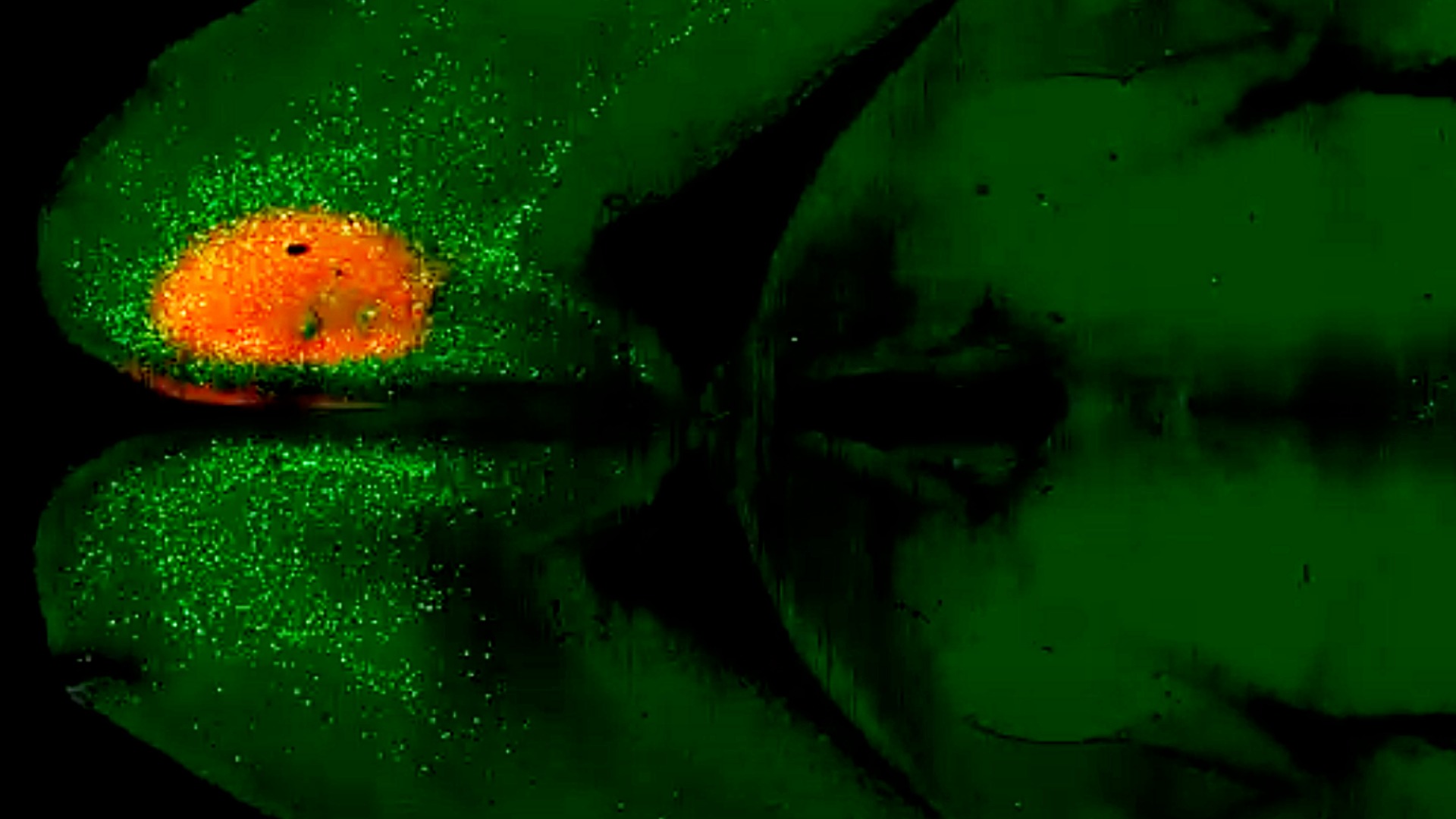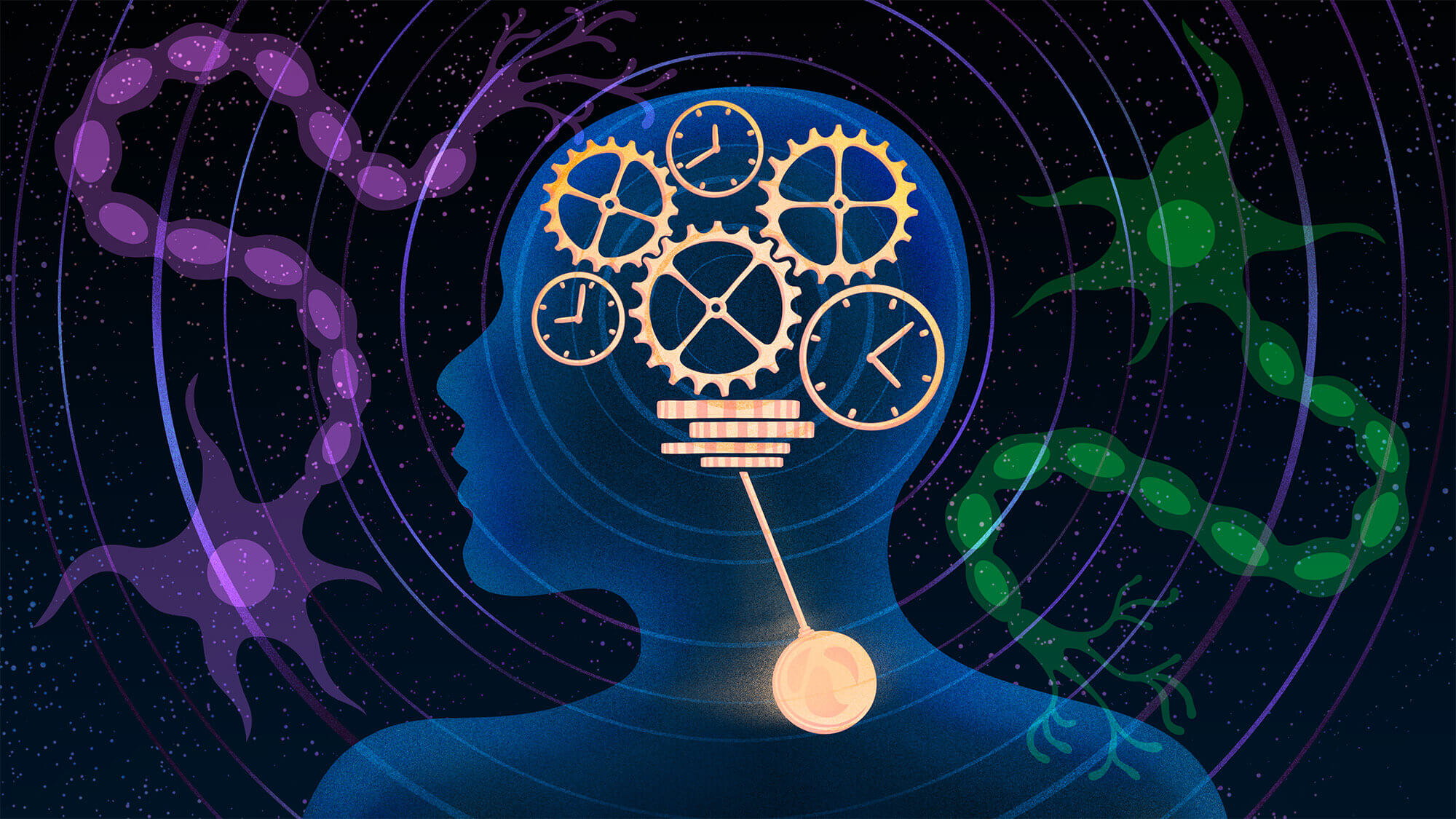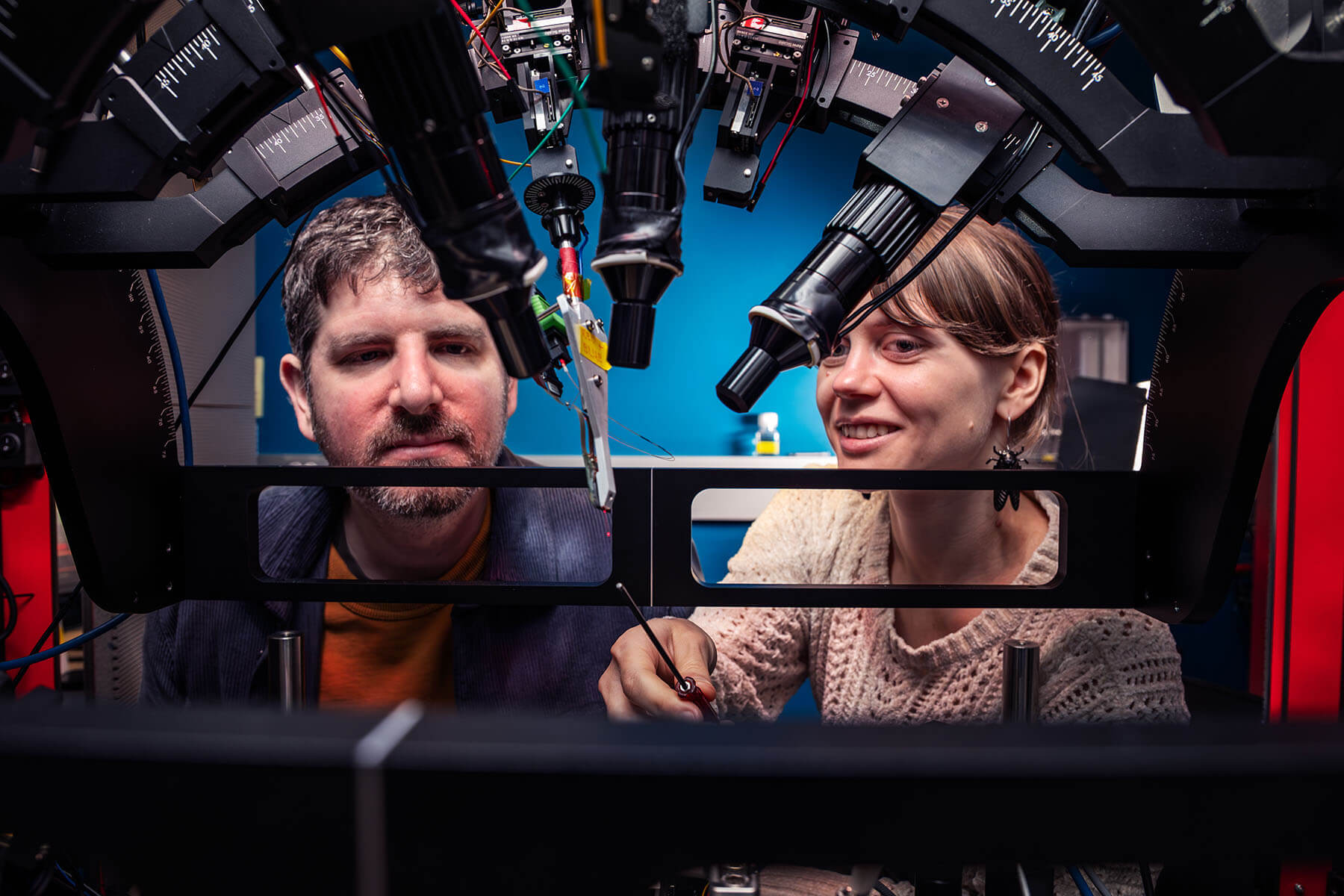

The brain communicates using tiny electrical signals. Every thought, movement, and memory arises from patterns of electrical activity surging through billions of neurons. To decode this complex language, researchers must pinpoint and manipulate the behavior of thousands of individual neurons to see the role they play in the brain. Getting this data is delicate and difficult. Scientists have relied on electrophysiology using Neuropixels probes, thinner than a human hair, to record electrical activity of individual neurons or optogenetics, a technique that uses light-sensitive proteins to trigger neurons to fire an electrical pulse when hit by light. Both techniques give a wealth of data but using them together is hard because penetrating light deep into the brain requires equipment that can damage tissue and interfere with the electrical recording of neurons.
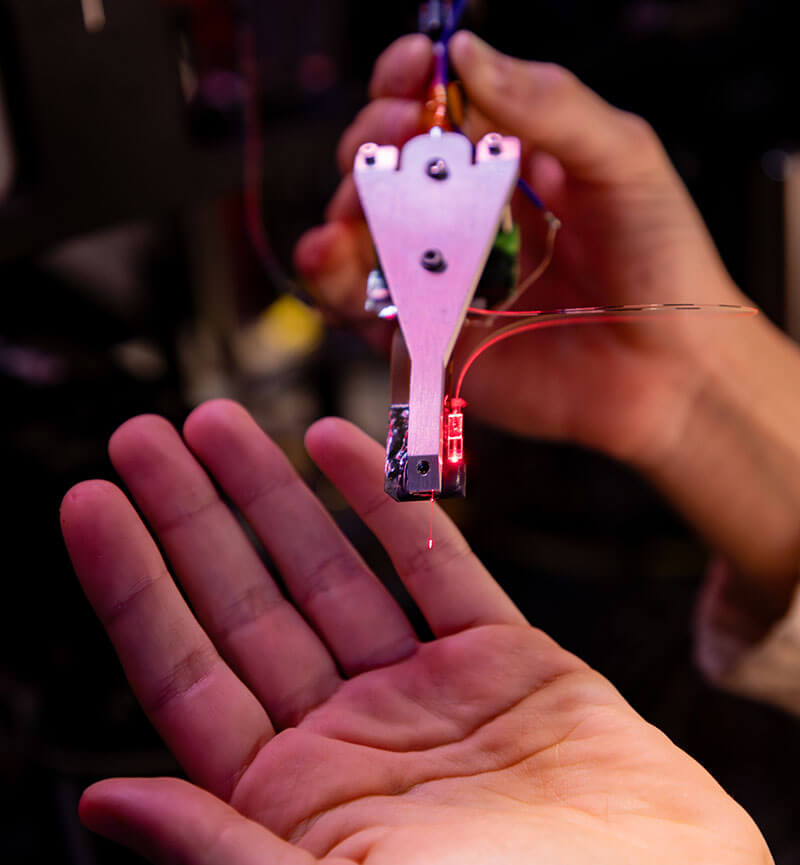
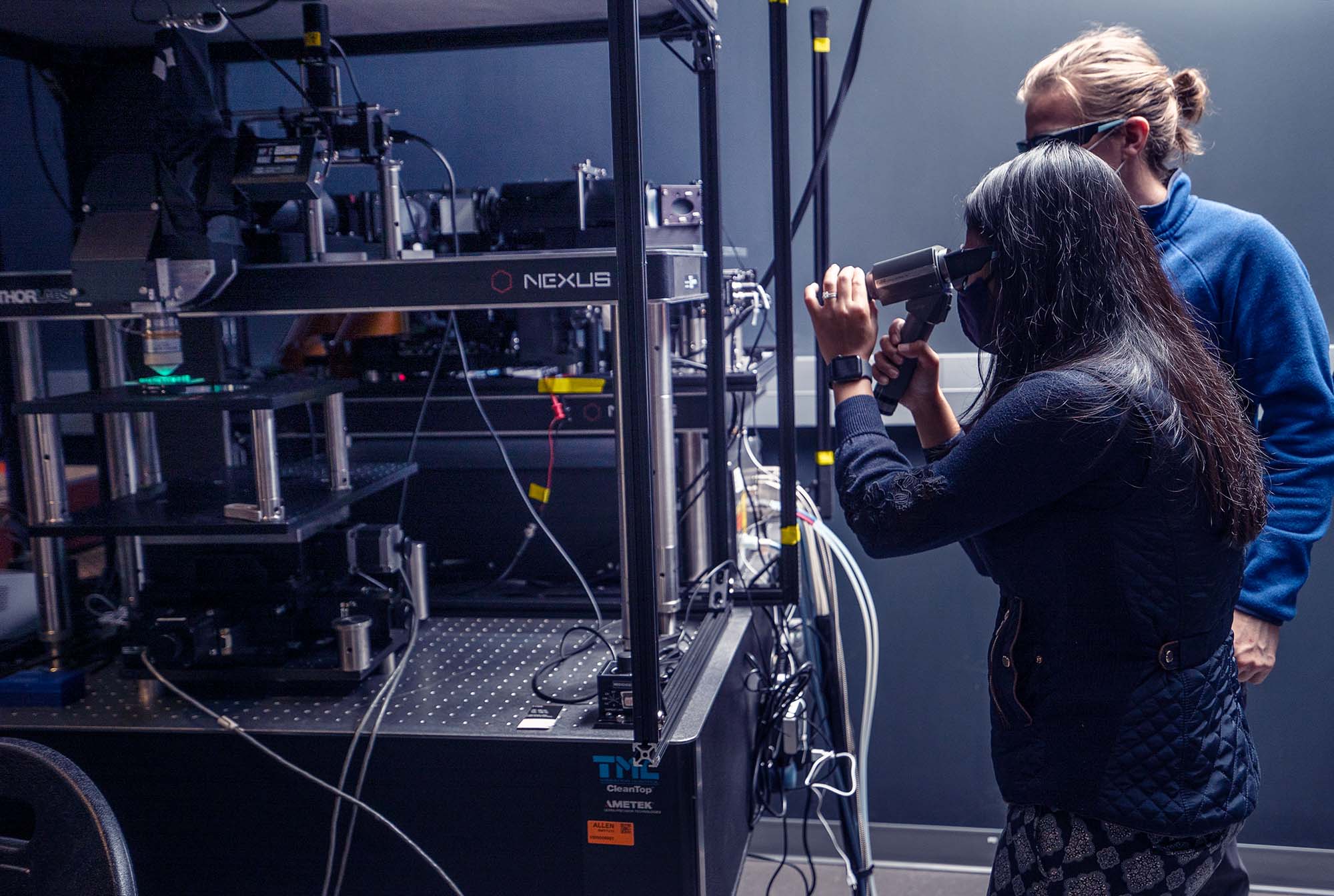
Researchers at the Allen Institute, working alongside a global team of scientists and engineers, overcame this challenge by combining the best of both worlds: they developed Neuropixels Opto, a breakthrough that combines optical stimulation (optogenetics) with a highly sensitive recording probe (electrophysiology) that researchers can place deep into the brain. Like first-generation Neuropixels, Neuropixels Opto relies on a narrow silicon probe 70 micrometers wide and one centimeter long and 960 tiny electrical sensors. But this advanced upgrade also features 28 light emitters to send pulses of light to specific sites deep in the mouse brain. This new technology can both record the electrical signals of brain cells and activate or silence them at the same time. In other words, scientists can now measure and record and manipulate cells in the deepest recesses of the brain to see what role they play using one tiny probe. Researchers recently presented this new technology in the journal Nature Methods.
“Neuropixels Opto combines best-in-class electrophysiology equipment with the ability to do optogenetic manipulations. It performs these manipulations in a way that’s more subtle than simply shining a laser into the mouse’s brain and will increase the number of neurons that scientists can record from and manipulate simultaneously, especially in regions of the brain that have been previously difficult to reach,” said Anna Lakunina, Ph.D., scientist at the Allen Institute and one of the study authors.
This new technology will allow scientists to better understand how brain cells and brain regions communicate with each other in animals, which could lead to new treatments for brain diseases and disorders in humans where communication goes awry—as in schizophrenia.
The National Institutes of Health’s Brain Research Through Advancing Innovative Neurotechnologies® Initiative, or The BRAIN Initiative®, which is aimed at accelerating the development of innovative neurotechnologies and revolutionizing our understanding of the human brain, supported this project through a grant to Karel Svoboda, Ph.D., and Josh Siegle, Ph.D. of the Allen Institute.
“The ability to activate or silence a specific type of neuron with precision and simultaneously observe how the surrounding circuit responds provides new opportunities for gaining mechanistic insight that ultimately matters for human health,” said Director John Ngai of The BRAIN Initiative. “This technology breakthrough aligns with the mission of the NIH BRAIN Initiative to develop tools for understanding neural circuit function in healthy brains and how circuit dysfunction gives rise to neurologic and neuropsychiatric disease.”
A Global Effort for Science
This was an impressive global effort drawing on diverse expertise from around the world. Groups from the Allen Institute, University of Washington, and University College London led the research, with additional testing and software development by collaborators at HHMI’s Janelia Research Campus and Johns Hopkins University. IMEC, a nanoelectronics research institute in Belgium, completed the design and fabrication of Neuropixels Opto. Together, the global team combined expertise in chip design, circuit engineering, optogenetics, and large-scale neural recording to design this advanced technology.
“One of the problems with a lot of methods in neuroscience is that they are like an artisan craft skill—you have to work for months or years to hone your abilities,” said Nick Steinmetz, Ph.D., associate professor in the Department of Neurobiology and Biophysics at the University of Washington. “Neuropixels has really changed large-scale electrophysiology in the sense that it’s a relatively cheap and plug-and-play device. You just plug it in, stick it in a brain, and you’re getting this beautiful data. Something like 1000 labs have set up Neuropixels recordings, and Neuropixels Opto hopes to democratize that further.”
By combining light stimulation and electrical recording into a single device, Neuropixels Opto lowers the technical barrier to performing advanced cell-type-specific experiments in deep brain regions. This technology represents a significant leap for science and a promising tool to help decode the complex language of the brain so that new discoveries can help cure disease.
Citations
about the allen institute
The Allen Institute is an independent, 501(c)(3) nonprofit research organization founded by philanthropist and visionary, the late Paul G. Allen. The Allen Institute is dedicated to answering some of the biggest questions in bioscience and accelerating research worldwide. The Institute is a recognized leader in large-scale research with a commitment to an open science model. For more information, visit alleninstitute.org.