in this article
Is your brain like a computer? An old-timey telephone switchboard? A dense urban landscape?
These are all common analogies for the brain, but most who use them know they are wholly imperfect comparisons. We humans thrive on metaphor and succinct stories, but our brains themselves can’t be summed up so easily.
Many fields of science are complicated, and of course anything under active scientific investigation is not fully understood. But the brain seems different. Extra complex. Extra mysterious. (Although it could be partly our brains’ own biases that tell us how special they are.)
“An electron is complicated. But when it comes to the brain, that simple statement acquires a whole new resonance,” said Allen Institute neuroscientist Stephen Smith, Ph.D. “It’s complicated enough to somehow explain all the richness of the human experience as we know it: All of our feelings, all of our subjective experience, all of human history, human art, human science. Wars, love, greed. The brain is at the root of all those things. Is it appealing to think that a simple machine, easy to understand, could explain all those things? I don’t think so.”
Scientists have known for centuries that the brain is the seat of human thought, but we’re still in the dark about how it works. There are… a lot of reasons for that. I asked four neuroscientists to expound on why we don’t yet understand the human brain, and what it might take to get there.
Your brain by the numbers
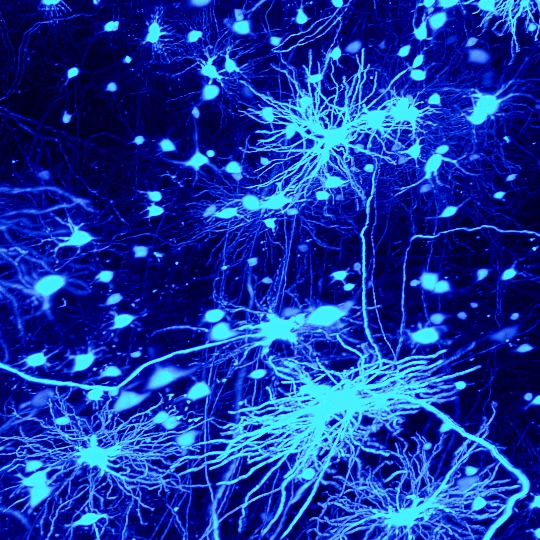
Let’s start with some stats. Your brain has 86 billion neurons, give or take — on the same order as the number of stars in the Milky Way. If you look at the synapses, the connections between neurons, the numbers start to get beyond comprehension pretty quickly. The number of synapses in the human brain is estimated to be nearly a quadrillion, or 1,000,000,000,000,000. And each individual synapse contains different molecular switches. If you want to think about the brain in terms of an electrical system, a single synapse is not equivalent to a transistor — it would be more like a thousand transistors.
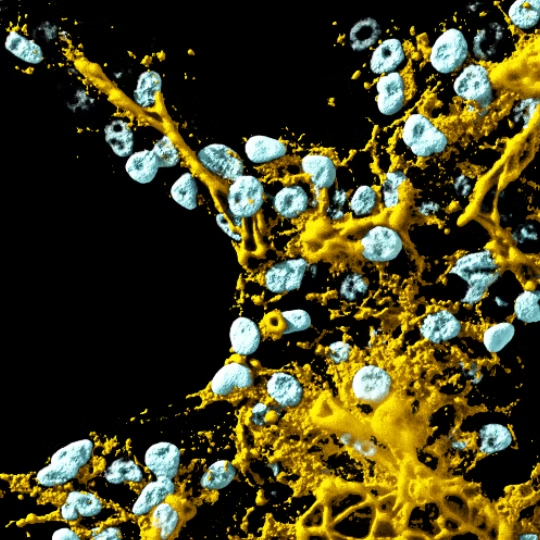
To make things more complicated, not all neurons are created equal. Scientists still don’t know how many different kinds of neurons we have, but it’s likely in the hundreds. Synapses themselves aren’t all the same either. And that’s not even taking into account all the other cells in our brain. Besides neurons, our brains contain lots of blood vessels and a third class of brain cells known collectively as glia — many of which are even more poorly understood than neurons.
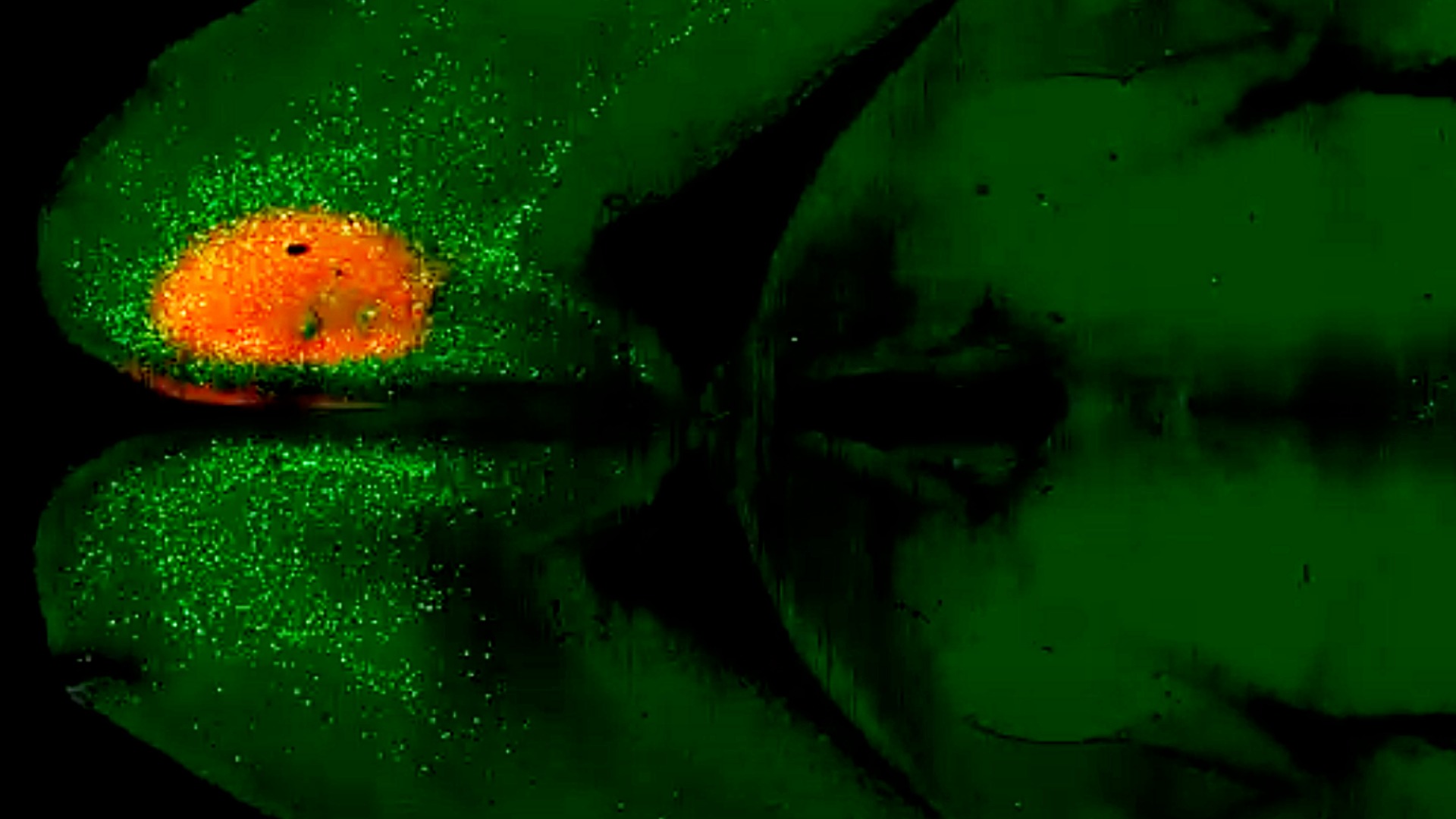
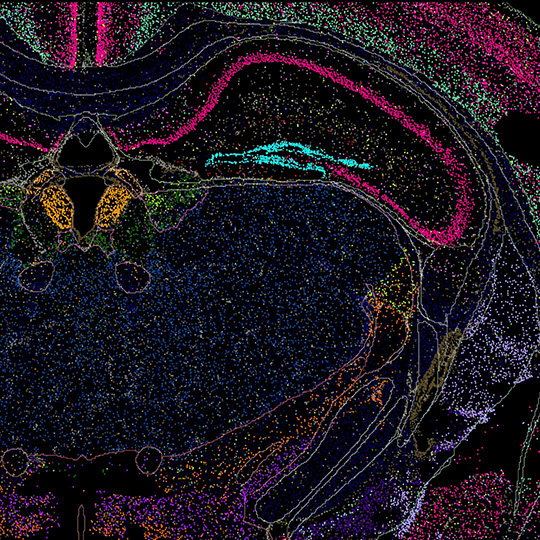
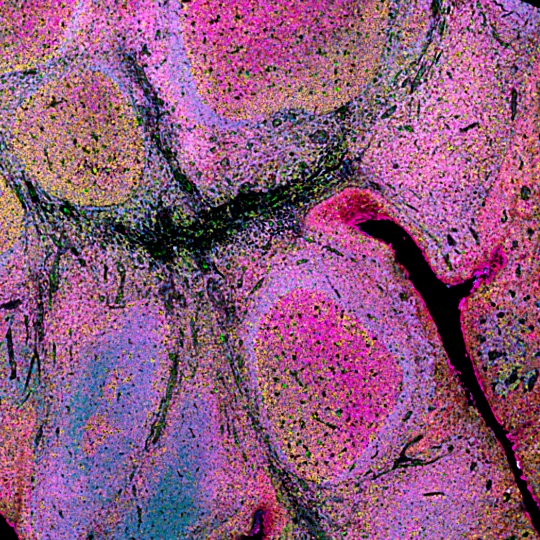
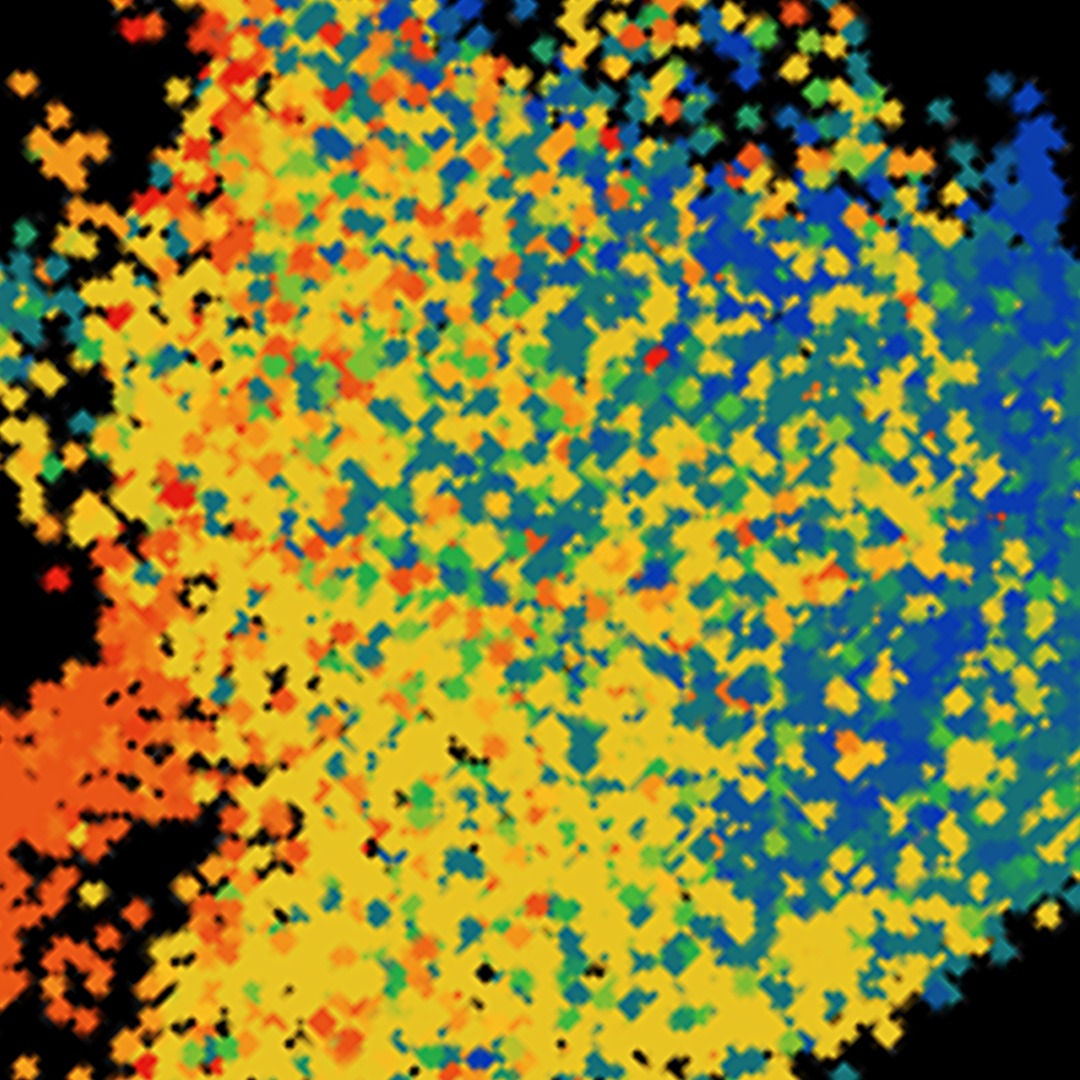
Scientists are making progress breaking those numbers down into something more comprehensible. At the level of individual brain cells, research teams at the Allen Institute and elsewhere are making headway into sorting the cells into different categories, defined as “cell types,” as well as being able to record electrical activity from living human neurons using creative new techniques.
Many neuroscientists study the brain of the lab mouse, in part with the hopes of understanding basic principles of the mammalian brain that could apply to our brains too. There’s a long history of rodent neuroscience, and here too, new techniques are opening a larger window onto the mouse’s kumquat-sized brain. Some of these methods allow researchers to eavesdrop on the activity of hundreds to thousands of neurons in the mouse brain.
“The concept of cell types as something tractable is fairly recent,” said Saskia De Vries, Ph.D., an Allen Institute neuroscientist. “We’ve learned a lot more about what the pieces are that make up the brain and how to access them. And now we’re starting to enter a new challenge, which is that instead of recording single cells, we’re now recording hundreds to thousands of cells at once. But a lot of our analytical techniques are still lagging behind. We’re suddenly working with really large datasets that might require more advanced math to really delve into and make sense of.”
Your brain’s origins
Smith and many other scientists believe that to fully understand the human brain, we also need to understand where it came from. The evolution of the human brain is probably just as much of a mystery as how it works in its current incarnation, and there are many teams of scientists working on this problem from multiple different angles.
But let’s take an even longer view. Smith considers the synapse, the direct connection point between two neurons, as a catalytic event in the evolution of complex multicellular animals. What did we do before synapses evolved? Organisms still had ways to send signals between their cells, using diffusion of small molecules over relatively larger distances. (Synapses themselves involve diffusion of molecular signals, but it’s a very directed and short diffusion through a tiny space between neurons known as the synaptic cleft.)
Before the evolution of the neuron and the synapse, which is thought to be more than 600 million years ago, animals still needed to sense their environments and react to changing circumstances, two major functions that our brains now orchestrate. They may have changed their behavior to find more food or evade dangerous situations more readily than their neighbors. The molecules that enabled this early learning — the molecules that diffuse from one cell to many other cells — still exist in our brains today. They’re known as neuropeptides or neuromodulators, and while they’ve been somewhat overlooked in favor of the more tractable synapse, Smith believes they could hold important clues about how our brains work.
“There are hundreds of these molecules in our brains, hundreds of specific receptors for these molecules and very intricate networks connecting them. They’re still there,” he said. “It’s relatively easy to see a synapse if you have the right kind of microscope, but these other signals are more invisible. We missed a lot of them until much more recently.”
Your brain in comparison
While there’s a growing movement in neuroscience to study the human brain directly, and not (solely) to make inferences about our brain from the brains of other mammals, there’s also a push from other researchers who feel neuroscience can be overly human-centric — to everyone’s detriment.
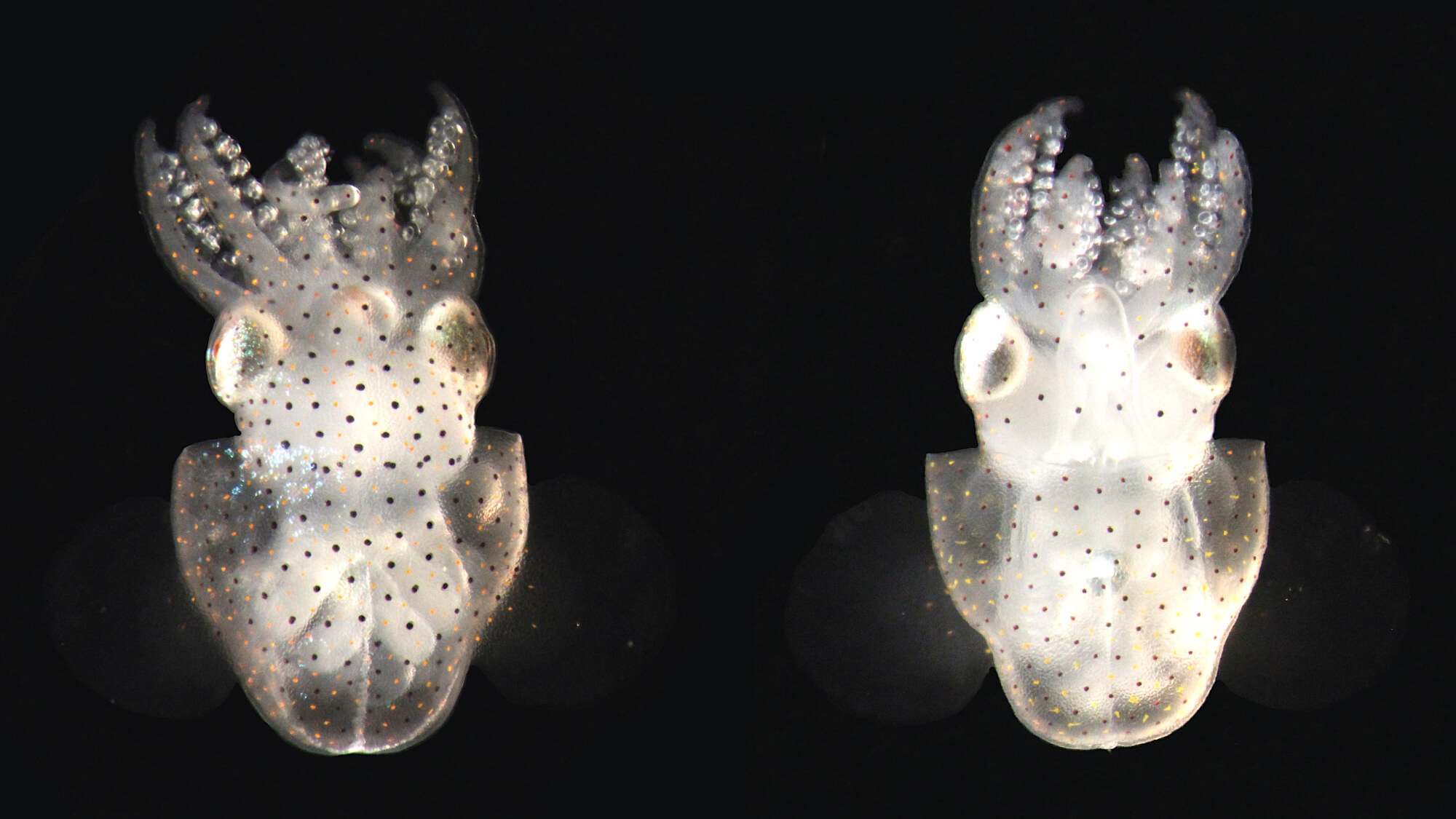
I spoke with Robyn Crook, Ph.D., an associate professor at San Francisco State University, and a 2021 Allen Distinguished Investigator. Crook studies the octopus brain, specifically how it controls the animal’s movement and how it perceives pain. Octopuses, which belong to a larger group of animals known as cephalopods, can be tricky to study in the lab. Because there’s such a long history of studying rodents in neuroscience and many other areas of biology, there are tons of tools and techniques available for mouse neuroscience. Scientists can even order genetically modified mice that someone else makes for them. Not so for the octopus.
“Currently, what we know about the brain tends to come from the same species, the same circuits, the same behaviors,” Crook said. “We know increasingly more about the brain, but always through the prism of these tractable, well-studied parts of the brain and parts of the animal kingdom. If you look at the diversity of animals, there are obviously many more ways that brains have been selected and optimized over the course of evolution.”
The octopus — and its brain — are fascinating. For an animal with a brain, they’re about as different from humans as it gets. Octopuses have about half a billion neurons, more than five times as many as the lab mouse. But unlike in our nervous systems, more than half of those neurons are in the octopus’ arms. The animals have incredible autonomous control over their limbs — similar in some ways to our own spinal cords, Crook said.
Cephalopods are capable of complex behaviors and learning. Octopuses have been seen to learn from watching their friends, mimicking behavior like opening jars to retrieve a treat; to play with toys; even to repeatedly turn out the lights by shooting jets of water that shorted the aquarium’s electrical system. Cuttlefish, another kind of cephalopod, demonstrate the ability to delay gratification — similar to the famous “marshmallow test” that not all human children can pass.
All that is to say that, while we don’t understand the octopus brain any better than we understand our own brains, Crook and others who study complicated non-mammalian brains believe that neuroscience needs to expand its definition of useful topics to study. Understanding the octopus brain isn’t just interesting in its own right, it could also help us understand broad general principles of large brains and animals who can learn and remember complicated behaviors — like us.
“If you never look beyond one group of animals, it’s hard to know if what you find is a fundamental truth about brain structure or brain function,” Crook said. “The brains that are present in octopuses and humans are obviously completely different. So if we find similar circuit functions, similar molecular underpinnings and similar anatomical structures, that are performing similar computations to produce similar behaviors, I think that says something really interesting about the constraints on our brain, and about the way that our brain has come to be.”
Can your brain understand itself?
Nearly 100 years ago, physicist Emerson Pugh famously said, “If the human brain were so simple that we could understand it, we would be so simple that we couldn’t.” It’s a clever quote but, on the face of it, seems to imply that human neuroscience is a futile endeavor. That doesn’t mean it, or neuroscience, is complete hogwash.
“Our brains are probably more complicated than any one human intellect,” Smith said. “But you also have to take into account the fact that we’re social creatures.”
Like most other scientists, modern neuroscientists don’t work alone. And they also don’t start their research in a vacuum. All of today’s experiments and data are built on the shoulders of the research and methodology that came before them.
“Is a singular human brain capable of understanding the brain as opposed to is a collection of human brains capable of understanding the brain? I think those are different questions,” de Vries said. “We learn a lot not just through the neural processes of learning, but through our interactions with other people and through conversations and collaboration. I do believe in the collective human ability to understand the human brain.”
Why don't we understand the brain?
On a slightly more pragmatic note, Christof Koch, Ph.D., Chief Scientist of the Allen Institute’s MindScope Program, points out that our understanding might come not from (or not only from) our collective research, but from the powerful computers we’ve built to help that research.
“It may well be possible that while in principle we can sort of understand how the brain works, given its vast complexity, humans may never fully understand,” Koch said. “Maybe what it means to understand shifts from the kind of classical model of scientific understanding, like Newton’s apple or the double helix of DNA. The details of the brain may be way beyond human capacity and capability to understand, so we may more and more need to rely on computer models to give us correct answers without us knowing why those particular answers are correct.”
Citations
about the allen institute
The Allen Institute is an independent, 501(c)(3) nonprofit research organization founded by philanthropist and visionary, the late Paul G. Allen. The Allen Institute is dedicated to answering some of the biggest questions in bioscience and accelerating research worldwide. The Institute is a recognized leader in large-scale research with a commitment to an open science model. For more information, visit alleninstitute.org.