stories
news from the front lines of discovery
From scientific breakthroughs to new open‑source tools, the Allen Institute’s work is reshaping how science is done—and who it’s for. Explore the latest news, stories, and highlights from across our research, partnerships, and open science efforts.


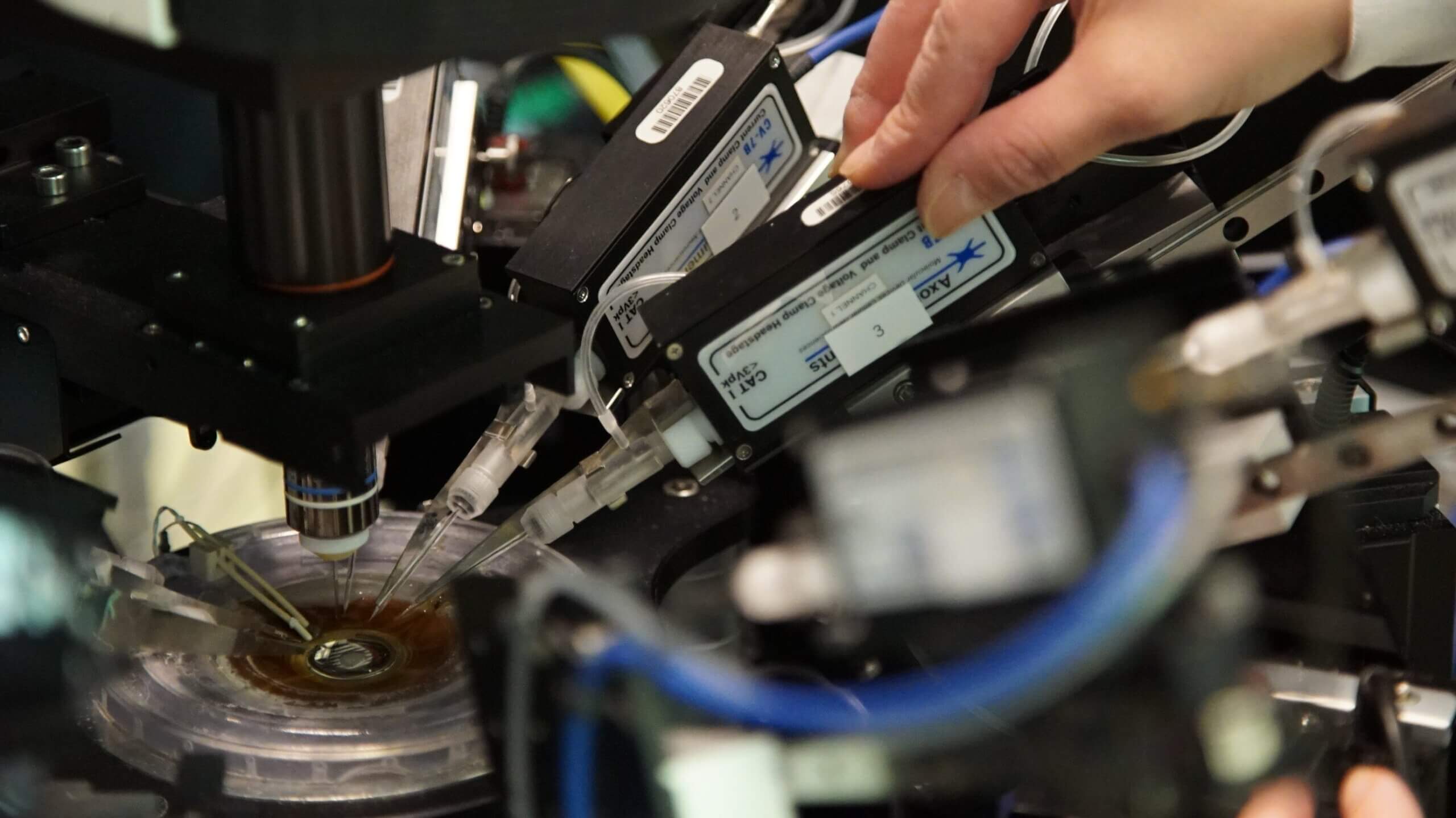
Zapping the right brain cells: The path to improved stimulation
New findings could help scientists develop better ways to treat brain disorders with electrical stimulation.
Thank you! Your submission has been received!
Oops! Something went wrong while submitting the form.


Yeme Bishaw | Black Excellence
Black History Month 2021, we celebrated Black Excellence across the Allen Institute in a video series featuring members of our team in their own...
No items found.
video
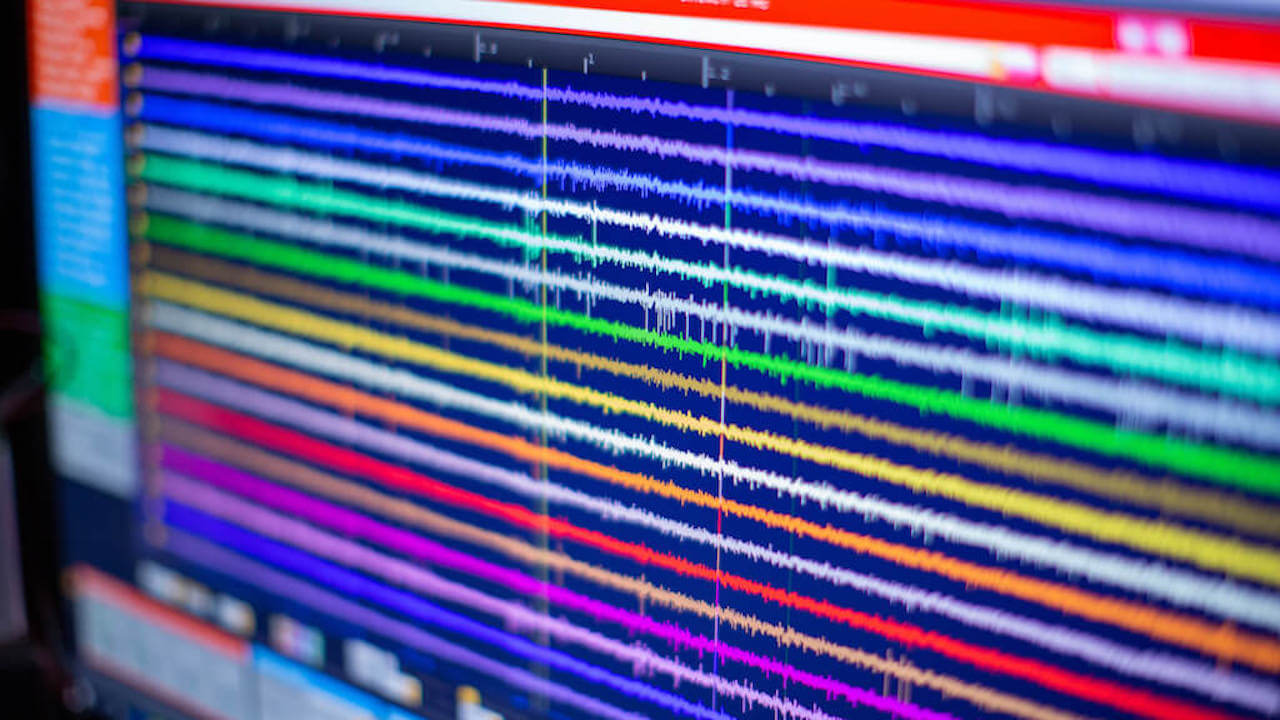

Tiny high-tech probes reveal how information flows across the brain
In the largest study of its kind to date, scientists use ‘Neuropixels’ probes to capture details of how the mouse brain sees the world
No items found.
news
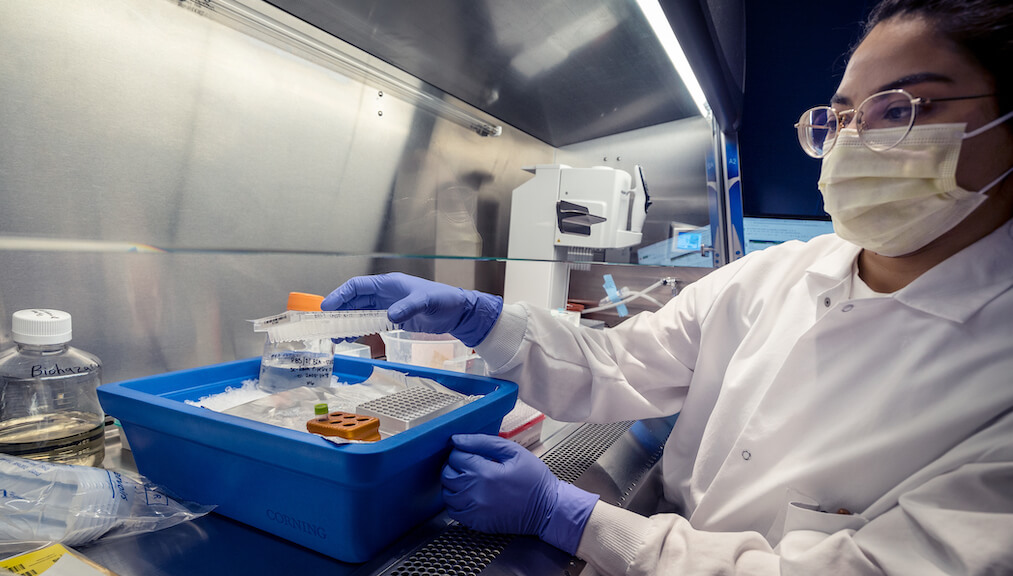
3 immune mysteries of COVID-19 - and 1 big success story
The pandemic has revealed how much we really don’t know about our own immune systems, experts say
immunology
news
Science in Sixty | Kathy Richmond
Kathryn Richmond, Senior Director of The Paul G. Allen Frontiers Group, is looking for the best ideas out there to change how we think about biology...
No items found.

Allen Institute President and Chief Executive Officer, Allan Jones, Ph.D., announces plan to step down in 2021
Today the Allen Institute’s founding CEO, Allan Jones, Ph.D., announced he will step down after nearly 18 years with the organization.
No items found.
news
New study aims to answer pressing COVID-19 question: Why do some die while others don’t even know they are sick?
Seattle-area research organizations team up for a deep dive into patients’ immune responses to the novel coronavirus; results could contribute to...
immunology
news
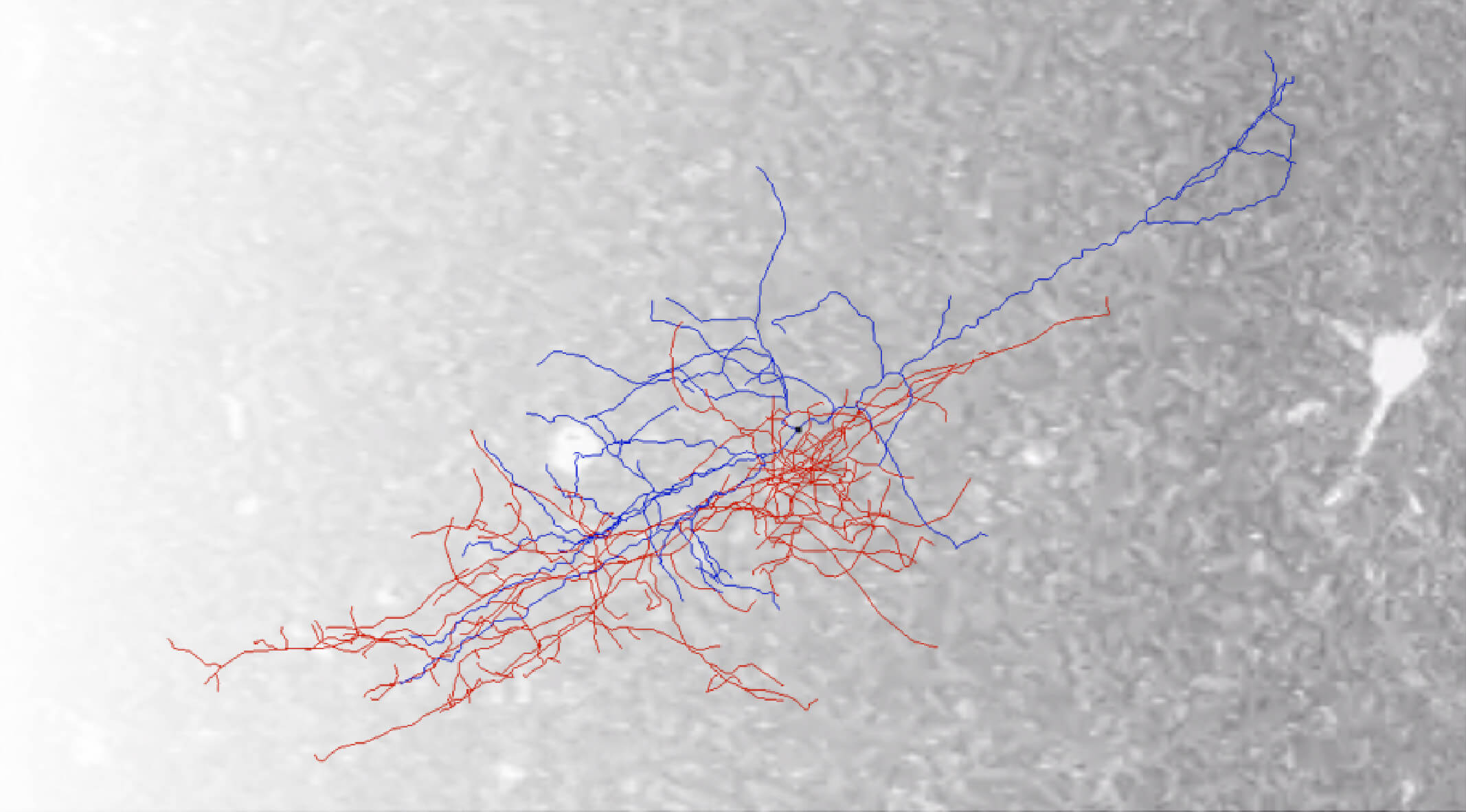
These visual neurons catch what we might miss
When mice see faint objects approaching head on, certain neurons kick into gear - possibly to warn them
brain science
news

Allen Institute for Cell Science announces leadership changes
Ruwanthi (Ru) Gunawardane, Ph.D., has been named Executive Director.
cell science
news

Allen Institute announces 2020 Next Generation Leaders
Six early-career neuroscientists will participate in unique advisory council for the Institute
No items found.
news
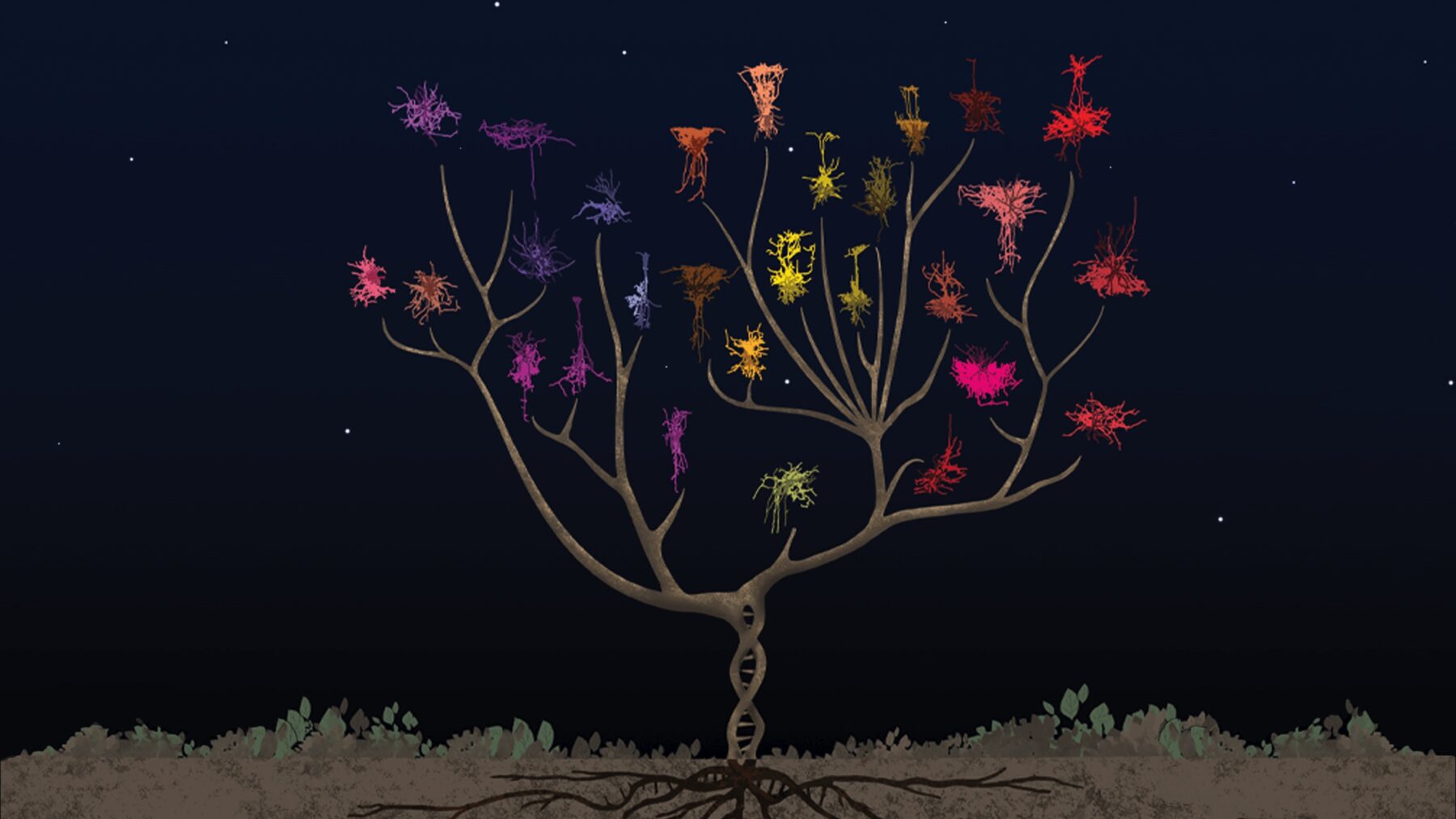
The mammalian brain is built from many kinds of neurons. A new study reveals a holistic way to look at them.
Using a technique that simultaneously captures different kinds of features from each cell, researchers lay groundwork for a “family tree” of the brain.
No items found.
news

No results found, try reducing your search parameters.
press & media contact
Get in touch for media inquiries and resources for covering science at the scale of greatest impact.
Thank you! Your submission has been received!
Oops! Something went wrong while submitting the form.



Fierce Biotech: Allen Institute's cell lines could lead to new drugs for hypertrophic cardiomyopathy
(Photo credit: Fierce Biotech) By helping scientists make generalizations about the disease by unearthing the common denominator between mutations, the cells could ultimately lead to more personalized treatment approaches.


KIRO Radio: Breakthroughs in Synthetic Biology
(Interview starts 11:35 in) Troy McDiarmid from the Seattle Center for Synthetic Biology describes the innovative research underway to create cellular recorders that will track the full life histories of human cells to better understand disease.

Puget Sound Business Journal: Seattle biotech research hub launches with big goals for growth, scientific advances
The Seattle Hub for Synthetic Biology is developing technology to monitor genomic changes in cells in real time, in turn showing cells' whole histories and the genetic causes of disease.

Inside Precision Medicine: How Single-Cell Omics is Revolutionizing Our View Of Neurobiology
(Photo credit: miakievy / Getty Images) The adult human brain is made up of billions of neurons and glial cells. Understanding the diversity of these cells and their distinctive gene-regulatory mechanisms is crucial for determining how the brain works and, in turn, for developing treatments for neurologic disorders

GeekWire: Inside the new Seattle Hub for Synthetic Biology, which uses DNA to ‘record biology over time’
(Photo credit: Charlotte Schubert) Researchers opened the doors Monday to the new Seattle Hub for Synthetic Biology, a collaboration between the Allen Institute, the Chan Zuckerberg Initiative and the University of Washington.