stories
news from the front lines of discovery
From scientific breakthroughs to new open‑source tools, the Allen Institute’s work is reshaping how science is done—and who it’s for. Explore the latest news, stories, and highlights from across our research, partnerships, and open science efforts.


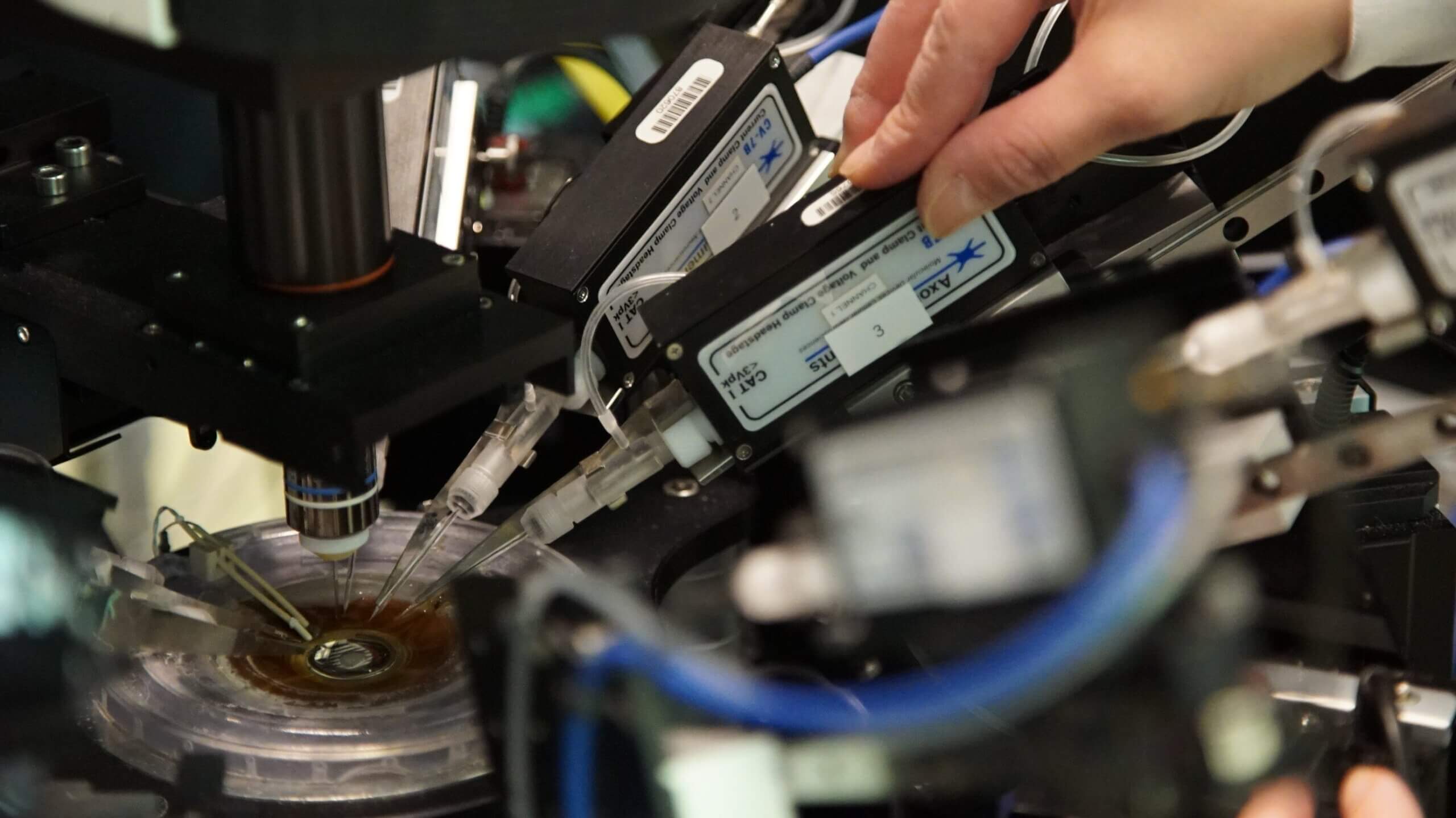
Zapping the right brain cells: The path to improved stimulation
New findings could help scientists develop better ways to treat brain disorders with electrical stimulation.
Thank you! Your submission has been received!
Oops! Something went wrong while submitting the form.
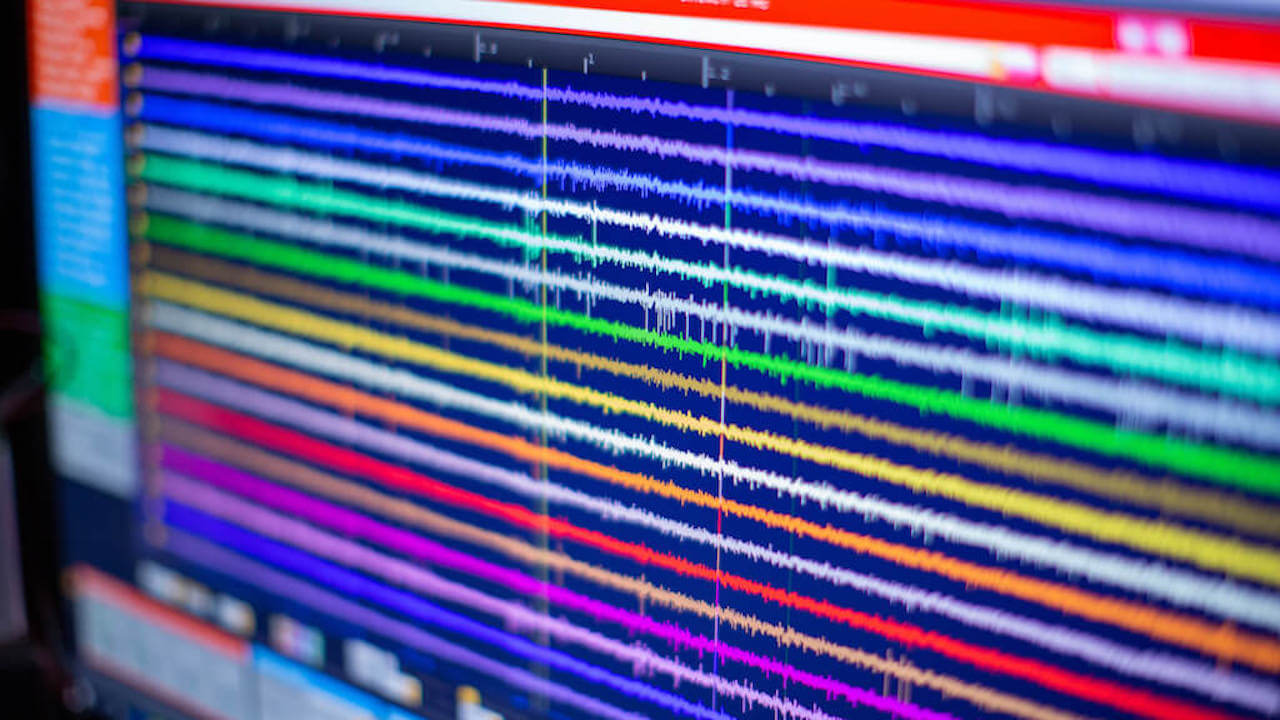

Tiny high-tech probes reveal how information flows across the brain
In the largest study of its kind to date, scientists use ‘Neuropixels’ probes to capture details of how the mouse brain sees the world
No items found.
news
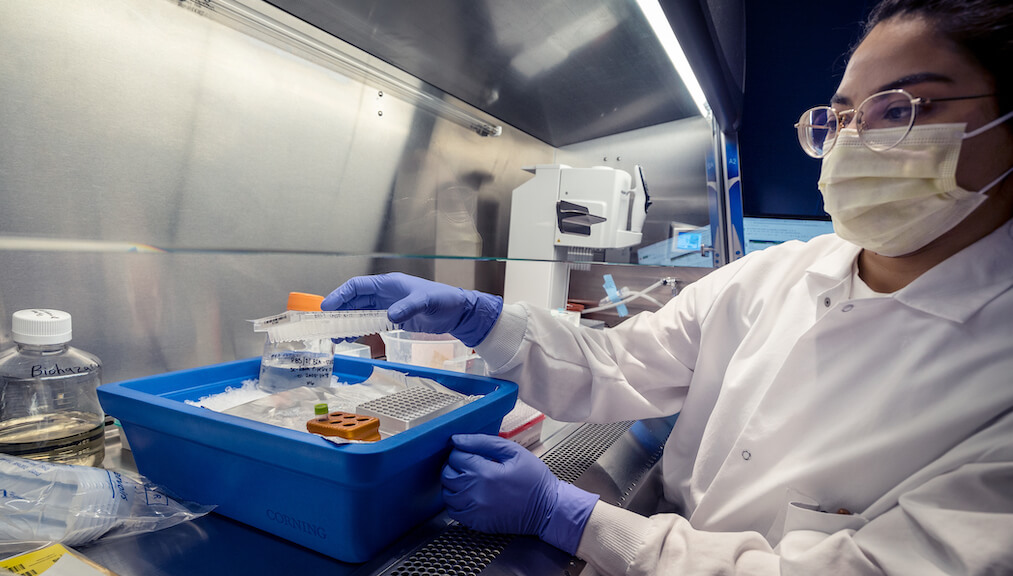
3 immune mysteries of COVID-19 - and 1 big success story
The pandemic has revealed how much we really don’t know about our own immune systems, experts say
immunology
news
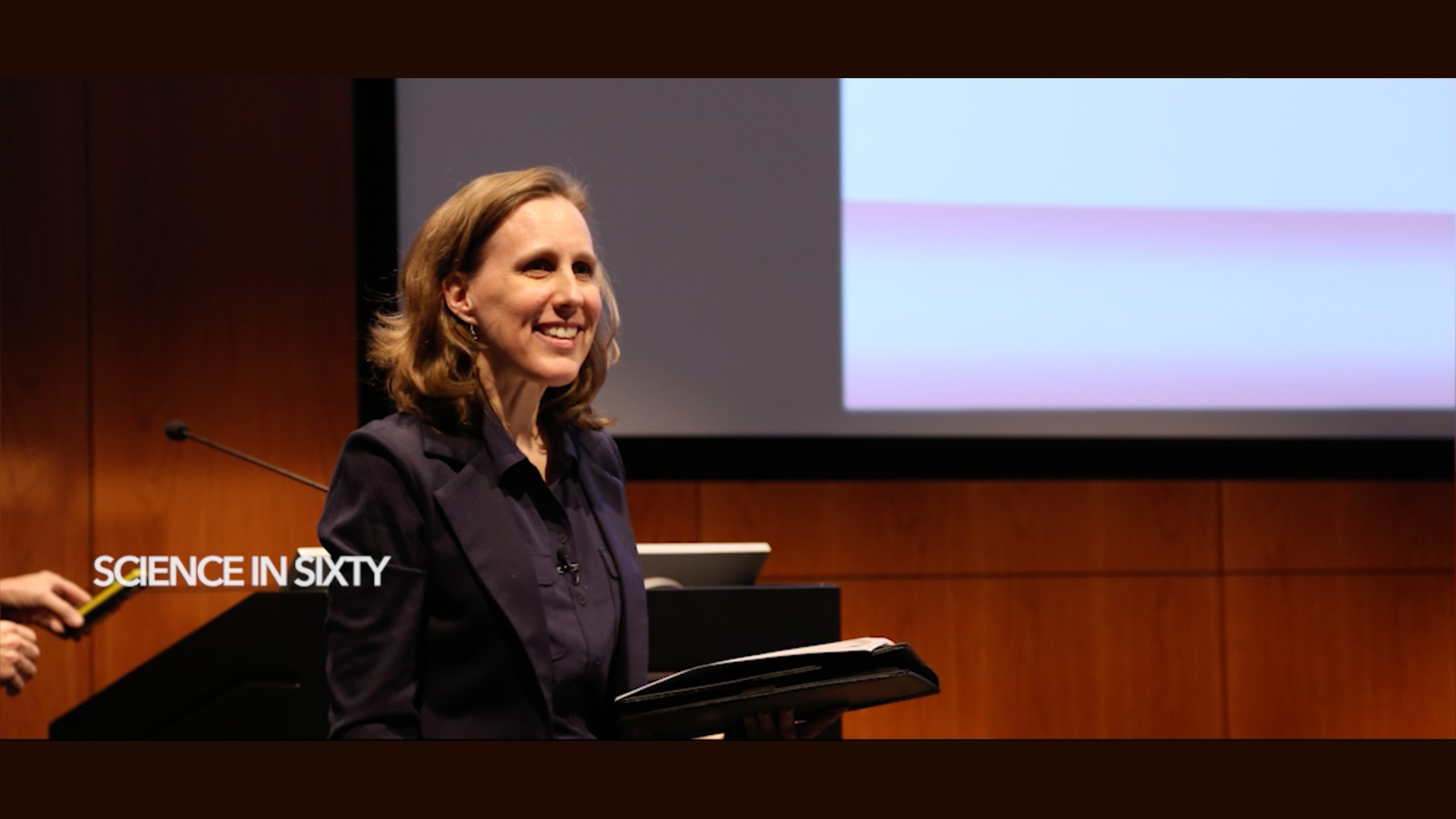
Science in Sixty | Kathy Richmond
Kathryn Richmond, Senior Director of The Paul G. Allen Frontiers Group, is looking for the best ideas out there to change how we think about biology...
No items found.

Allen Institute President and Chief Executive Officer, Allan Jones, Ph.D., announces plan to step down in 2021
Today the Allen Institute’s founding CEO, Allan Jones, Ph.D., announced he will step down after nearly 18 years with the organization.
No items found.
news
New study aims to answer pressing COVID-19 question: Why do some die while others don’t even know they are sick?
Seattle-area research organizations team up for a deep dive into patients’ immune responses to the novel coronavirus; results could contribute to...
immunology
news
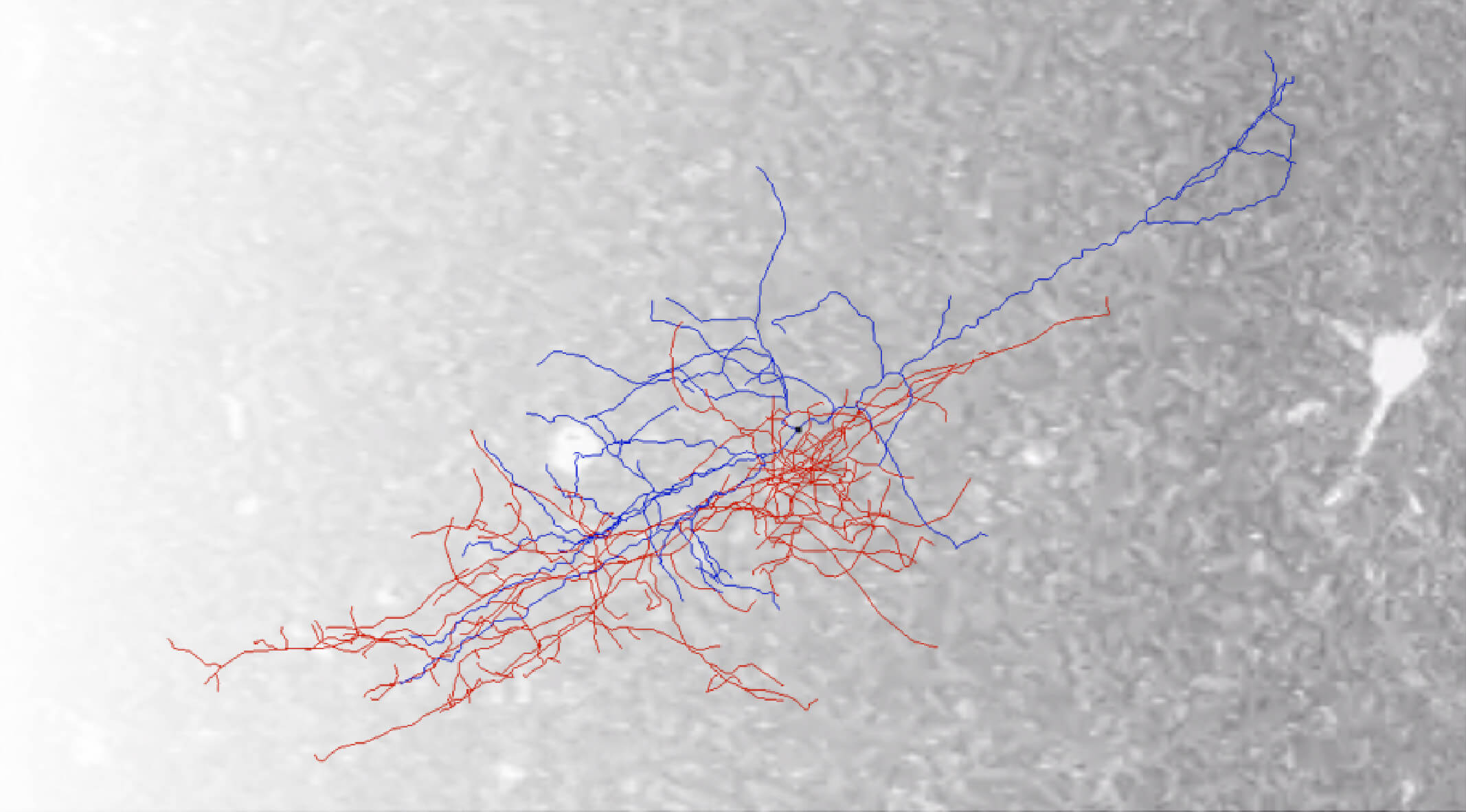
These visual neurons catch what we might miss
When mice see faint objects approaching head on, certain neurons kick into gear - possibly to warn them
brain science
news

Allen Institute for Cell Science announces leadership changes
Ruwanthi (Ru) Gunawardane, Ph.D., has been named Executive Director.
cell science
news

Allen Institute announces 2020 Next Generation Leaders
Six early-career neuroscientists will participate in unique advisory council for the Institute
No items found.
news
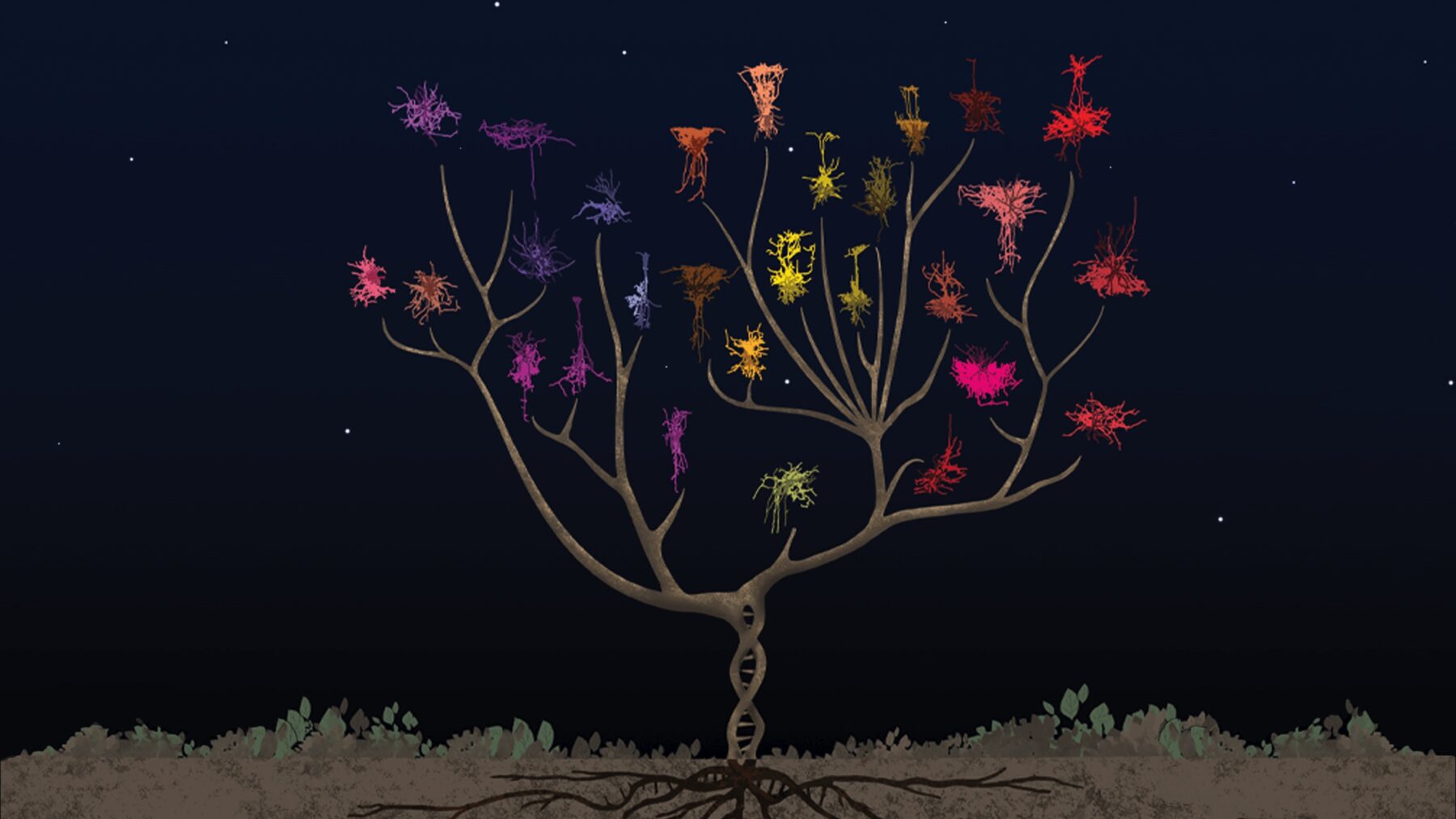
The mammalian brain is built from many kinds of neurons. A new study reveals a holistic way to look at them.
Using a technique that simultaneously captures different kinds of features from each cell, researchers lay groundwork for a “family tree” of the brain.
No items found.
news
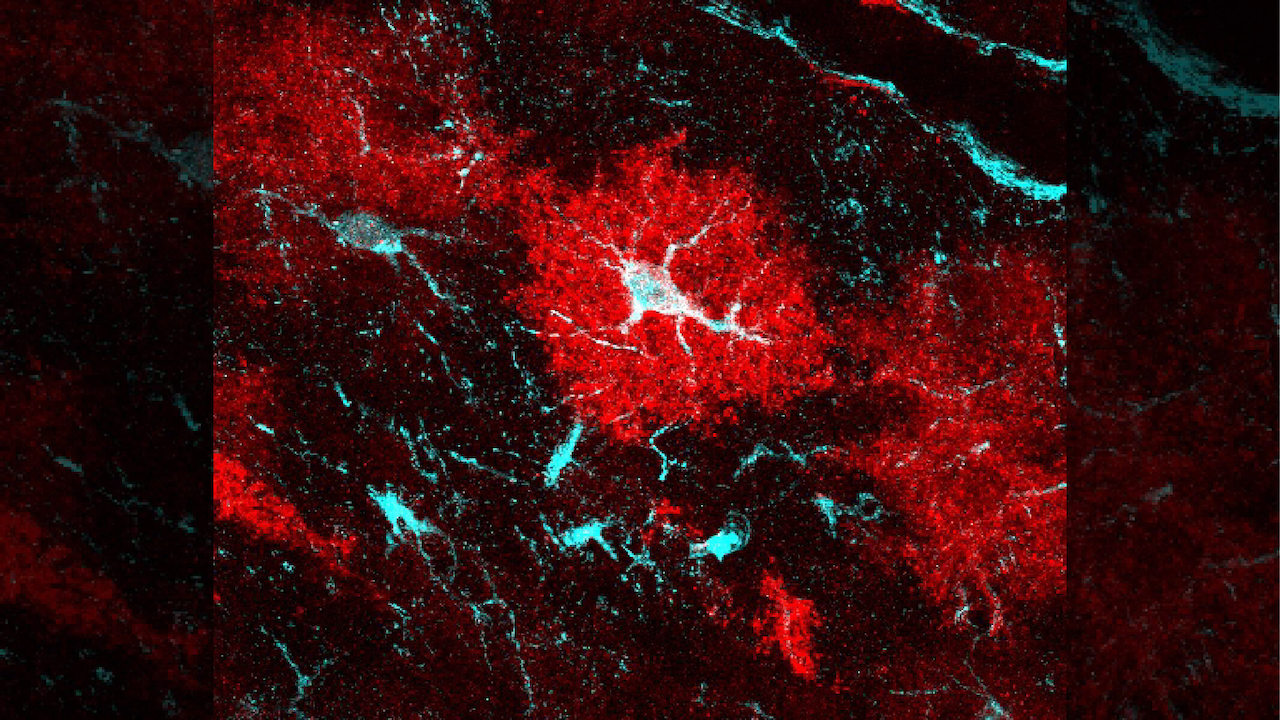
Mouse study uncovers links between unsung brain cells and Huntington’s disease - and possible path for human therapies
Astrocytes, once thought of as inert ‘brain glue,’ may turn out to be key players in Huntington’s and other neurodegenerative diseases
brain science
news

No results found, try reducing your search parameters.
press & media contact
Get in touch for media inquiries and resources for covering science at the scale of greatest impact.
Thank you! Your submission has been received!
Oops! Something went wrong while submitting the form.


Biologists Get $100 Million From Billionaire Paul Allen To Investigate Cells
With a gift of $100 million from billionaire philanthropist Paul G. Allen, scientists will embark on an effort to understand how cells work and how they malfunction in disease. Leaders of this new endeavor announced the launch of the Seattle-based Allen Institute for Cell Science today at the annual meeting of the American Society for Cell Biology in Philadelphia.


Billionaire Paul Allen donates $100m to new ‘industrial scale’ effort to understand human cells
Microsoft co-founder Paul G. Allen is donating $100 million of his fortune to launch what he calls an “industrial-scale” effort to understand the basic building block of all living things: the cell.



Microsoft mogul to create new cell science center
Science - Eleven years after he established an institute dedicated to mapping the brain, Microsoft co-founder Paul Allen is announcing a sequel: the Allen Institute for Cell Science. Just like its predecessor, the new institute will be seeded with $100 million from Allen himself; will embrace big-team science, bringing together cell biologists, mathematicians, computational biologists, and other specialists; and will seek to decipher a world whose complexity is still largely uncharted.