impact
impact
open science
subheadline
careers and opportunities
subheadline
people & teams
people & teams
subheadline
allenites
subheadline
allen institute advisors
subheadline
board of directors
subheadline
shanahan foundation fellowship
subheadline
next generation leaders
subheadline
research
overview
our approach
subheadline
publications
subheadline
open science
subheadline
accelerator
brain science
subheadline
cell science
subheadline
neural dynamics
subheadline
immunology
subheadline
synthetic biology
subheadline
education
education
science education
subheadline
education resources
subheadline
field trips
subheadline
open science
subheadline
open science quest
subheadline
news
news
stories
subheadline
podcast
subheadline
sign up for our newsletter
subheadline
events
events
all events
subheadline
conferences
subheadline
event code of conduct
subheadline
events
open science quest
subheadline
summer workshop on the dynamic brain
subheadline
open science week
subheadline
brain fest
subheadline
science resources
science resources
allencell.org
subheadline
allenimmunology.org
subheadline
allenneuraldynamics.org
subheadline
brain-bican.org
subheadline
brain-map.org
subheadline
microns-explorer.org
subheadline
impact
back to menu
impact
open science
subheading
careers and opportunities
subheading
people & teams
people & teams
subheading
allen institute advisors
subheading
board of directors
subheading
shanahan foundation fellowship
subheading
next generation leaders
subheading
research
back to menu
impact
Label
subheading
Label
subheading
people & teams
education
back to menu
research
Label
subheading
Label
subheading
Heading
news
back to menu
research
Label
subheading
Label
subheading
Heading
events
back to menu
research
Label
subheading
Label
subheading
Heading
science resources
back to menu
science resources
allencell.org
subheading
allenimmunology.org
subheading
allenneuraldynamics.org
subheading
brain-bican.org
subheading
brain-map.org
subheading
microns-explorer.org
subheading
search
research
brain science

human cell types

characterizing cellular diversity in the nervous system of humans and other mammals to study disease, evolution and brain function
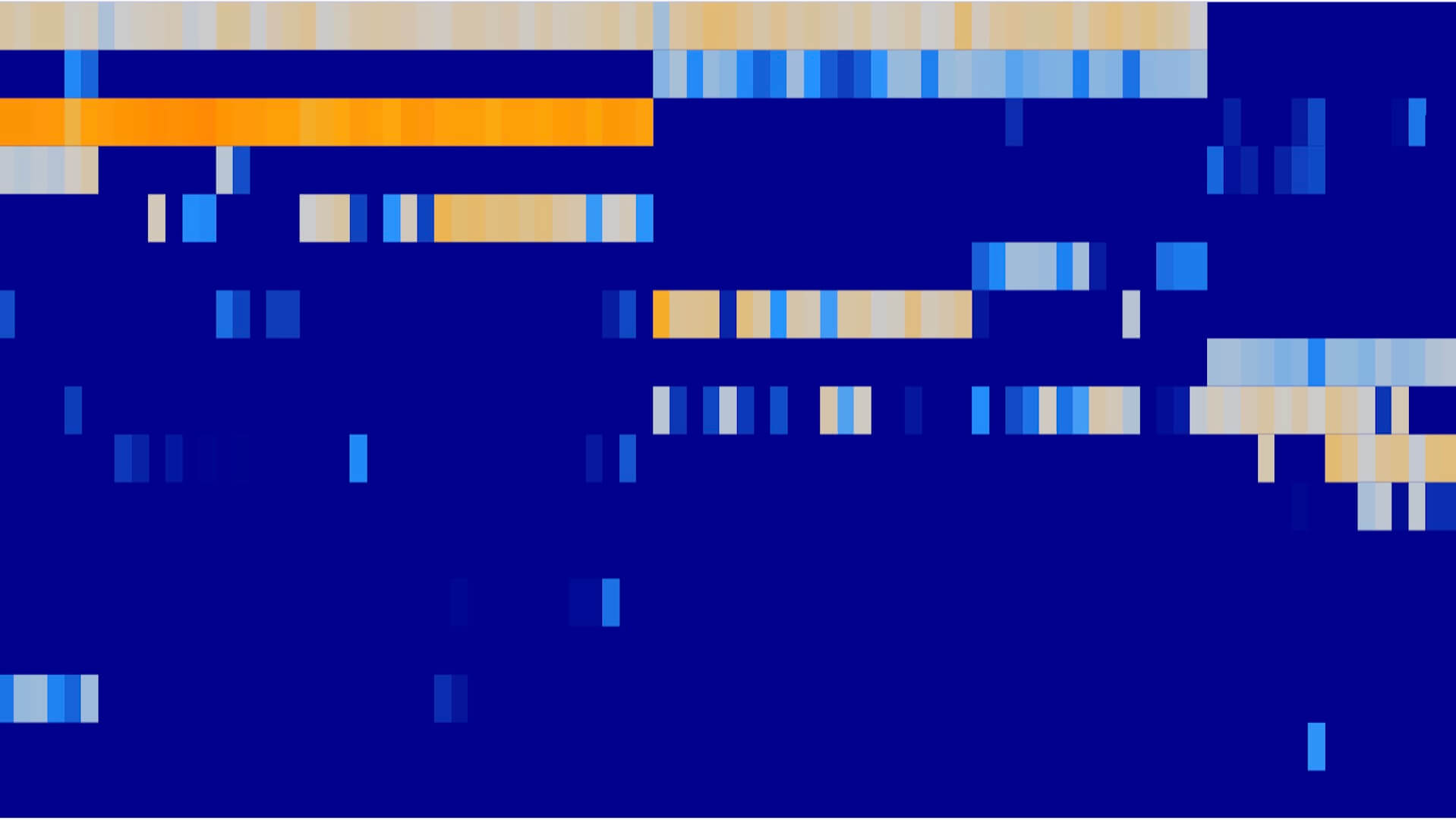
Abstract pixelated pattern with blue, orange, and tan colored blocks on dark blue background

goals and approach

The Human Cell Types team at the Allen Institute for Brain Science aims to characterize the diverse cell types of the mammalian brain and to build foundational open-access cell type classifications. This team applies cutting-edge single cell molecular genetic approaches to measure the gene expression signatures of hundreds of thousands or even millions of individual brain cells. They then apply computational approaches to identify cell type clusters and compare these cell types across individuals and species to understand how they change in health and disease and across evolutionary scale.

Additional focuses for this team are: defining the shapes, electrical properties and local connections of neuronal cell types in the same contexts, and creating viral genetic tools that allow observation and manipulation of specific brain cell populations to facilitate cell type characterization across species and to create new AAV therapeutics.
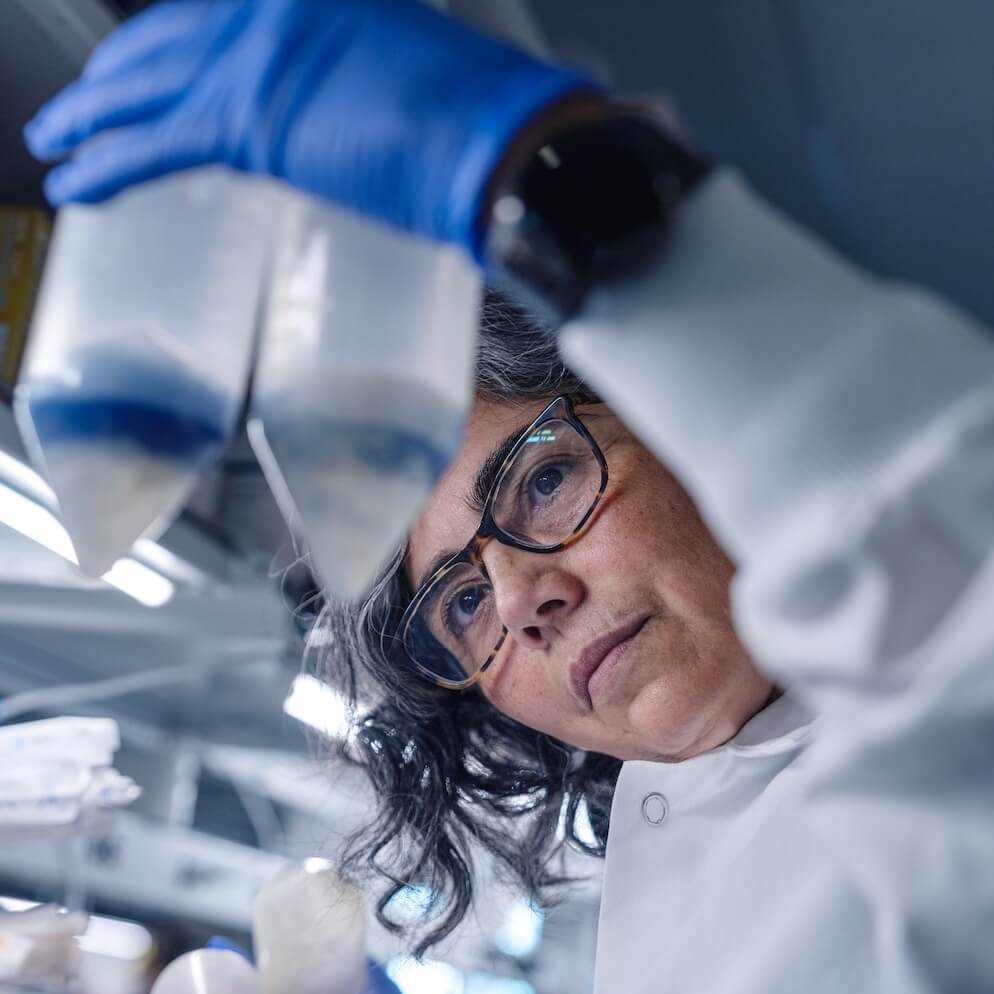
Scientist in lab coat and safety gloves examining sample with magnifying glass

recent news

explore more news
news 
Scientists unveil first complete cellular map of adult mouse brain
High-resolution atlas charts neural neighborhoods for more than 5,300 cell types
news 
What makes us human? Detailed cellular maps of the entire human brain reveal clues
You have 3,000+ different kinds of brain cells, and more insights from the largest human brain cell atlases created to date
news 
Mapping the whole human brain: Allen Institute to lead global collaboration
NIH BRAIN Initiative to fund primate brain atlases, maps of developing mouse brain, coordination and knowledge sharing, and brain function research

comparative brain cell atlasing projects
cellular and spatial genomics

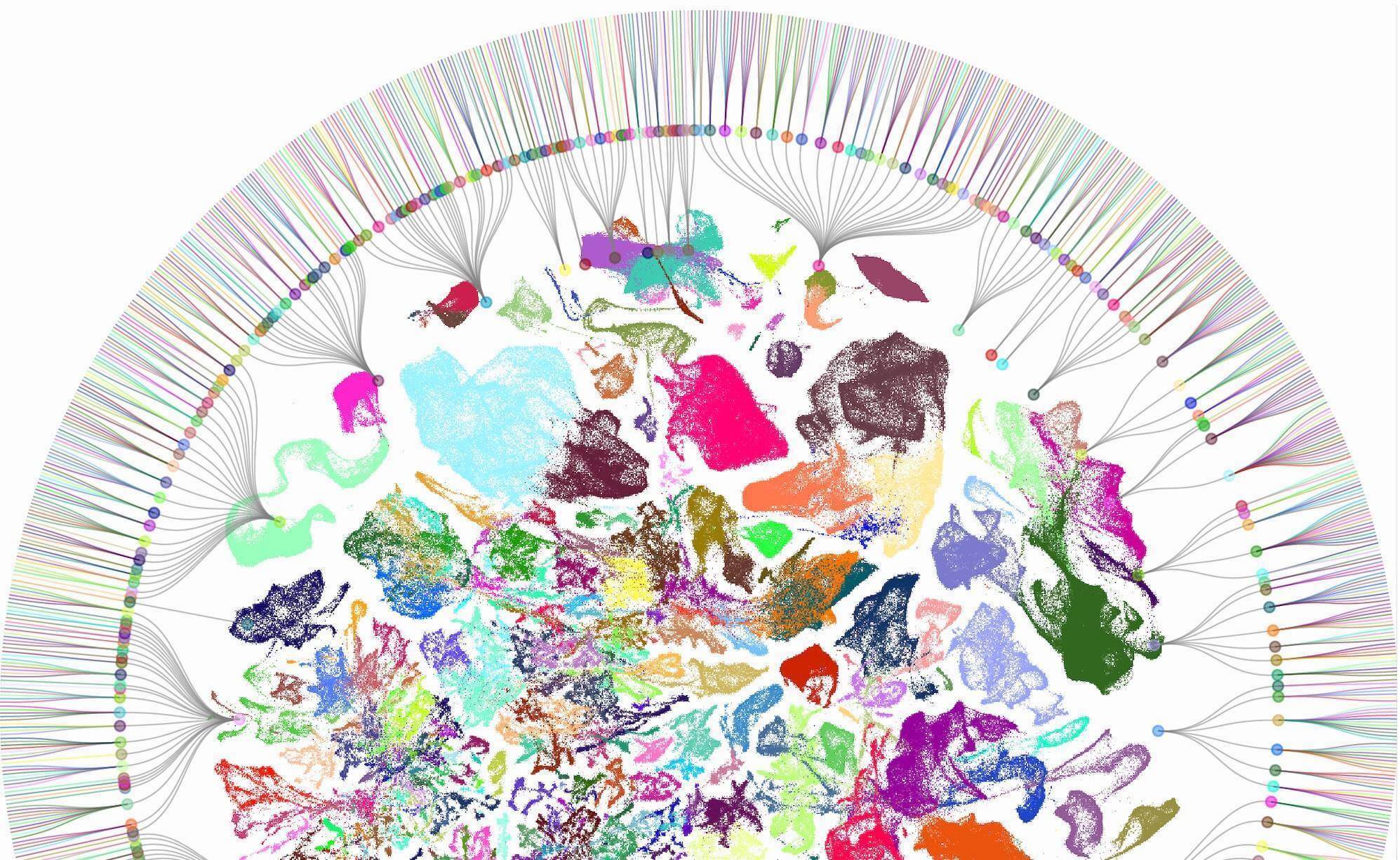
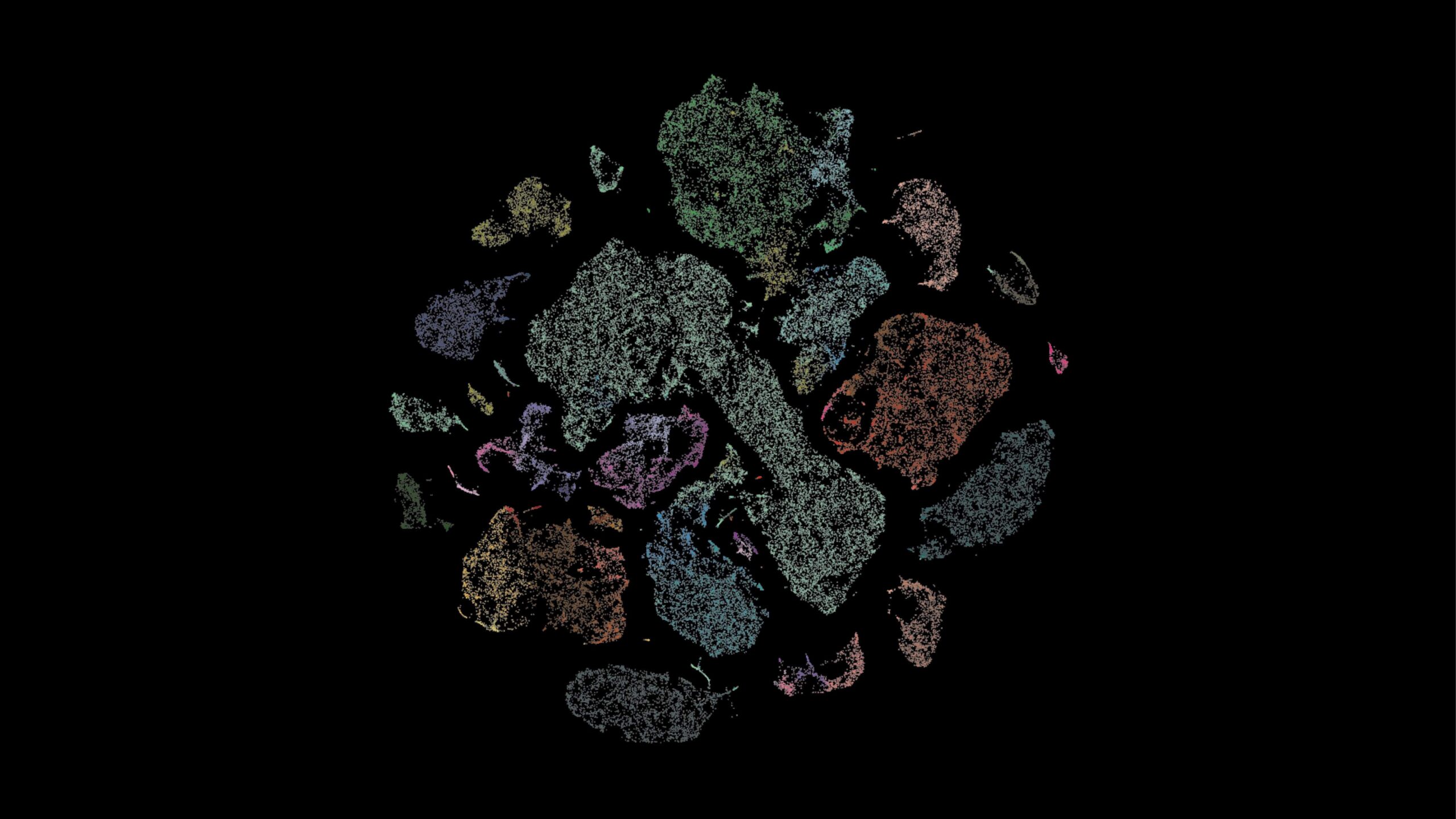
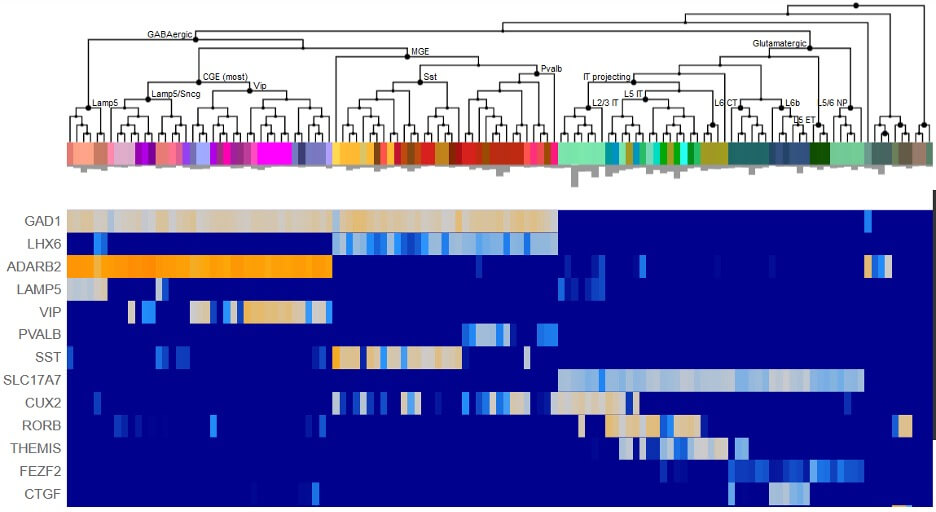
The Human Cell Types team is creating single cell transcriptomic and multiomic atlases of precisely defined anatomic structures spanning the human brain and non-human primate brain. In combination with spatial transcriptomics, these atlases define baseline gene properties and spatial locations of brain cell types that can be compared between individuals and across species, and to which additional properties (such as cell morphology or physiology) can be assigned. Much of this work is part of the multi-institute Human and Mammalian Brain Atlas (HMBA) funded as part of the BRAIN Initiative Cell Atlas Network (BICAN).

Hierarchical clustering heatmap showing gene expression patterns across multiple samples with dendrogram

evolutionary genomics

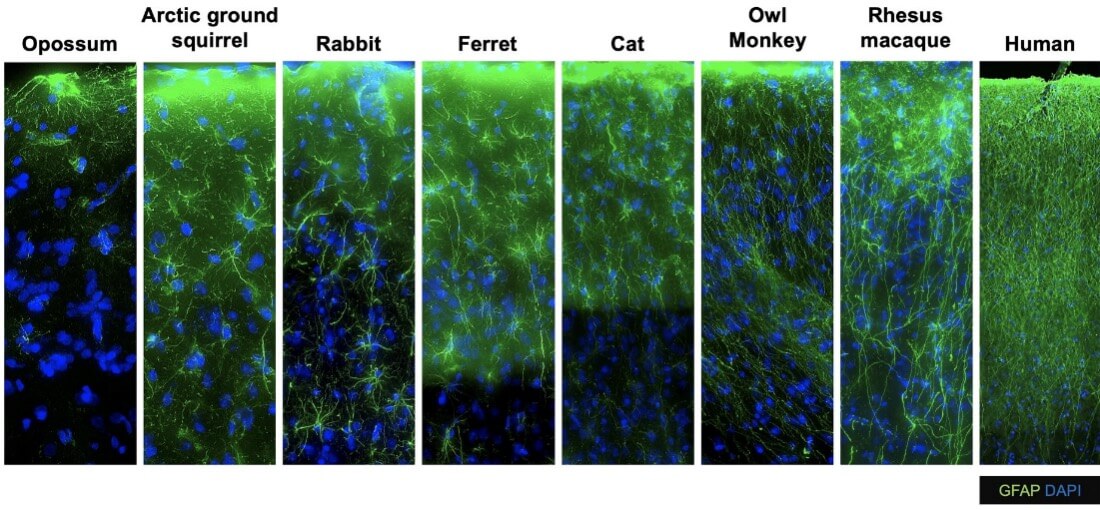
The Human Cell Types team is applying novel computational approaches to multiomic datasets from diverse mammals to characterize cellular diversity in the brain. Recent work compares cell types in motor circuits across species to find gene expression patterns that may contribute to conserved and species-specialized traits. Their goal is to use cutting-edge machine learning models to identify gene regulatory sequences that are active in specific cell types. This will enable targeting and perturbation of cell populations in the nervous system to study circuit function and to treat disease.

Fluorescence microscopy comparison of GFAP protein expression across eight species: opossum, Arctic ground squirrel, rabbit, ferret, cat, owl monkey, rhesus macaque, and human.

neuroanatomy

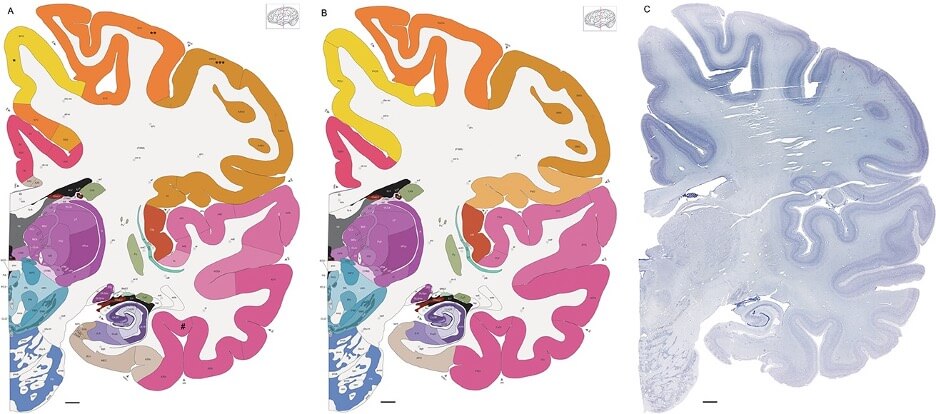
The Human Cell Types team is working to generate unified structural ontology, parcellation criteria and 2-D/3D anatomical atlases across mammalian brains to support accurate and consistent brain region sampling, anatomical mapping of cell types, and correlation and integration of multimodal data. They are using a combined approach to ensure accurate parcellation of brain structures across species, which mainly include human, non-human primates, and rodents. This approach combines anatomical topography, cytoarchitecture, molecular signature and connectional patterns as well as comparative aspects of these features. They are also applying this approach to parcellating developing and abnormal brains.

Colorful brain cross-section diagrams showing anatomical regions in orange, pink, and yellow.

Cellular anatomy and physiology

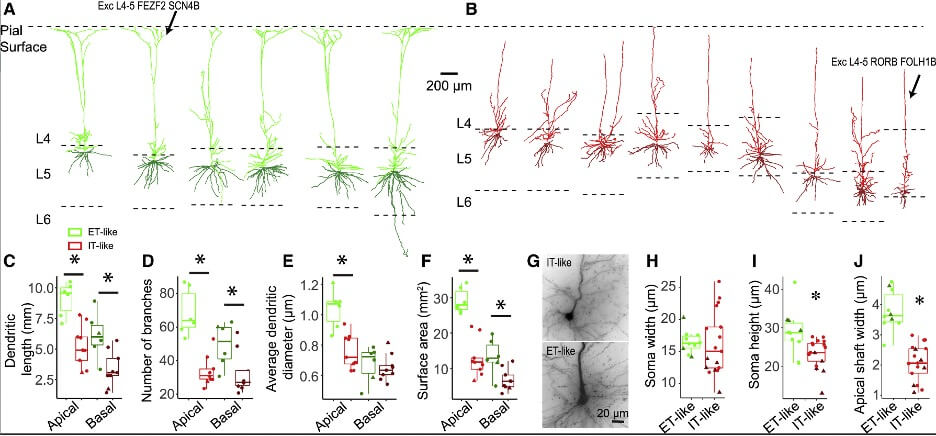
The Human Cell Types team is working to explain diversity in the shape (morphology) and electrical properties (physiology) of mammalian brain cells in terms of transcriptomic cell types/diversity. In doing so they are able to gain insights into the function of cell types and how that function differs across mammalian species including mouse, macaque, and human. To accomplish these goals, they are using a method called patch-seq, which enables morphology, physiology and transcriptomes to be assayed from the same neuron in living brain tissue. In some rare cases they can obtain human neurosurgical tissues from brain regions that contain rare or specialized cell types. For example, they have successfully obtained single neuron recordings from cell types that are not found in rodent brains such as von Economo neurons (VENs), fork cells, and Betz cells, thus providing new clues about the possible functional roles of these fascinating cell types in the human brain.

Morphological comparison of neuron dendrites in Apical versus Basal configurations

Alzheimer's disease projects

Seattle Alzheimer’s Disease Brain Cell Atlas consortium

The Human Cell Types team is seeking to understand the cellular and molecular changes that underlie Alzheimer’s disease initiation and progressive cognitive decline, with the ultimate goal of identifying targets for therapeutic intervention. To accomplish this, they are integrating single-cell profiling technologies with quantitative neuropathology and deep clinical phenotyping to create a multifaceted open data resource. This work is part of the Seattle Alzheimer’s Disease Brain Cell Atlas (SEA-AD) consortium, a collaboration with the University of Washington Alzheimer’s Disease Research Center (ADRC) and Kaiser Permanente Washington Health Research Institute (KPWHRI), that extends a previous collaboration focused on aging, dementia, and traumatic brain injury.

Fluorescent green neurons with branching dendrites against black background

genetic tools and gene therapy projects
enhancer discovery and viral genetic tool creation

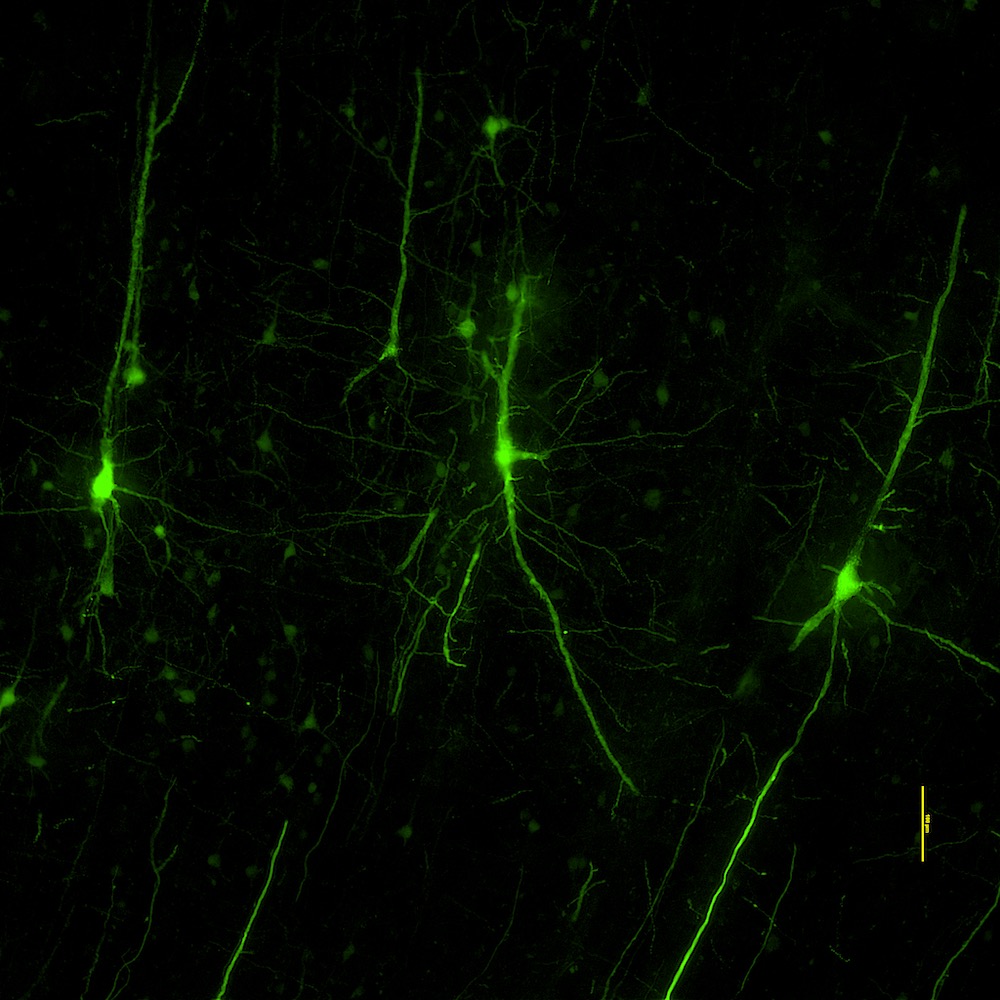
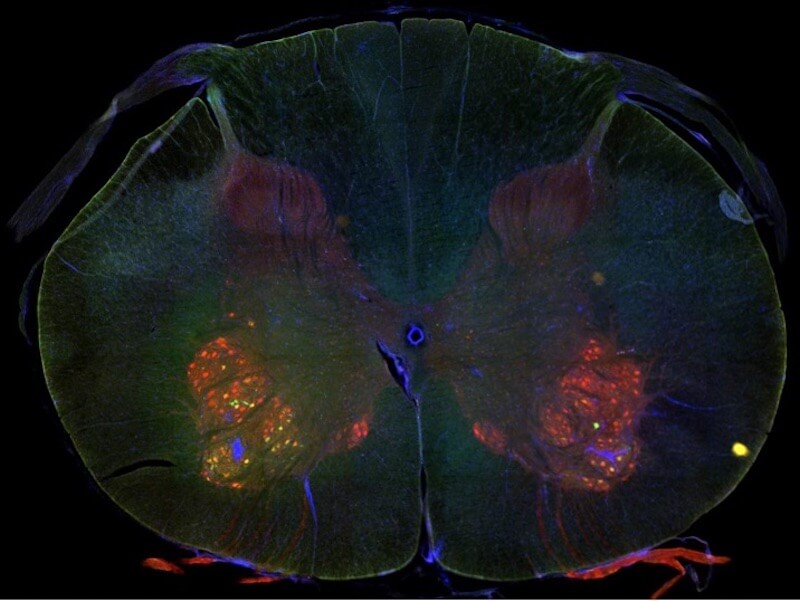
The Human Cell Types team is leveraging genomics data from mouse, macaque, and human to discover novel cell type-specific enhancers and then clone them into Adeno-associated virus (AAV) vectors that can be used to deliver transgenes of interest (e.g., fluorescent proteins, Cre recombinase, etc.) into the brain. They are optimizing these enhancer AAV tools for diverse experimental applications including functional perturbation experiments in vivo. A major advantage of viral labeling approaches is the ability to apply such tools to target genetically defined cell types across diverse mammalian species, which greatly facilitates detailed analysis of homologous cell types. These tools are characterized systematically to determine cell type specificity of labeling and ultimately widely distributed to the external scientific community to fuel neuroscience discovery efforts.

Fluorescent green neurons with branching dendrites against black background

applied gene therapy

The Applied gene therapy group seeks to apply emerging enhancer-AAV tools to develop gene therapy vectors to combat human neurological diseases. This group is devoted to characterizing the natural history of diseases in animal models, to building and optimizing AAV vectors, testing vectors for safety and efficacy, and validating routes of administration in non-human primate models. They are engaged in internal projects and partnerships with academic collaborators and commercial entities. The Applied gene therapy group is committed to leveraging single cell and spatial omics data, tools and knowledge produced by the Allen Institute to develop first-in-class precision therapeutics to address major unmet medical needs.

Cross-section of brain tissue with fluorescent staining showing neural structures and activity in different regions.

data and tools/

The Human Cell Types team has played driving roles in several public resources available on Allen Brain Map. These include:

Cell types in adult human brain

  • Single nucleus RNA-sequencing (gene expression data)
  • Morphology and electrophysiology
  • Patch-sequencing (multimodal characterization)
  • Synaptic physiology (in vitro characterization)
  • Cell Type Knowledge Explorer
  • Explore: Cell Taxonomies

Gene expression atlases

  • Adult human brain
  • Developing human brain
  • Adult and developing nonhuman primate
  • Explore: Transcriptional Landscape of the Brain

Disease atlases

  • Seattle Alzheimer’s Disease Brain Cell Atlas (SEA-AD)
  • SEA-AD: Spatial transcriptomics
  • SEA-AD: MapMyCells
  • Aging, Dementia, and TBI Study
  • IVY Glioblastoma Atlas Project

Genetic tools

  • Genetics Tools Atlas (NEW!)
  • Viral tools
  • Human stem cell lines
  • Transgenic mouse lines

Neuroanatomy

  • Neuroimaging
  • Reference atlases

Protocols

  • Single cell RNA-sequencing
  • All Allen Institute for Brain Science protocols on protocols.io

featured publications

explore more publications
No articles for the category
explore more publications

human cell types team

Trygve Bakken
Investigator, Assistant
Ananya Chowdhury
Scientist II
Charles Cobbs
Swedish Neuroscience Institute
Tanya L. Daigle
Investigator, Assistant
Song-Lin Ding
Principal Scientist
Yi Ding
Bioinformatics Analyst III
Richard Ellenbogen
UW Medicine
Manuel Ferreira
UW Medicine
Michal Fortuna
Scientist II, NHP Biodistribution Lead
Alex Fraser
Research Associate II
Yuanyuan Fu
Scientist 1
Mariano Gabitto
Investigator, Assistant
Aaron Garcia
Scientist I
Bryan Gore
Senior Scientist
Rong Guo
Scientist III
Ryder Gwinn
Swedish Neuroscience Institute
Rebecca Hodge
Investigator, Assistant
Rachel Hostetler
Scientist I
Nelson Johansen
Scientist II
Brian Kalmbach
Investigator, Assistant
Eitan S. Kaplan
Senior Scientific Project and Alliance Manager
C. Dirk Keene
UW Medicine
Andrew Ko
UW Medicine
Hsin-Yu (Jane) Lai
Scientist I - ML/AI algorithms for Alzheimer's Disease
Will Laird
Research Associate I
Ed Lein
Executive Vice President and Director of Brain Health Accelerator
Nathaly Lerma
Research Associate II
Boaz P. Levi
Associate Investigator
Jiatai (Augustus) Liu
Research Associate II
Xiao-Ping Liu
Scientist II
JT Mahoney
Research Associate III
John Mich
Senior Scientist
Jeremy Miller
Scientist, Sr.
Jeffrey Ojemann
UW Medicine and Seattle Children's Hospital
Ximena Opitz-Araya
Research Associate, Sr.
Nicholas Peña
Research Associate II
Meagan Quinlan
Scientist II
Victoria Rachleff
Matthew Schmitz
Scientist I
Nadiya Shapovalova
Research Associate Sr. Supervisor
Daniel Silbergeld
UW Medicine
Saroja Somasundaram
Bioinformatics Analyst II
Naz Taskin
Research Associate, Sr.
Jonathan Ting
Associate Investigator
Kyle Travaglini
Scientist II
Morgan Wirthlin
Scientist II

neurosurgeon collaborators

No items found.
we acceleratedevelopcatalyzeimpact

science done differently. shared with the world.

explore our accelerators

brain science

Mapping every cell, connection, and circuit in the brain—openly shared with the world.

cell science

Decoding how cells become tissues, then programming that knowledge into powerful new research tools.

neural dynamics

Revealing the brain's hidden algorithms that transform neural activity into real-world behavior.

immunology

Creating the deepest open reference for the healthy human immune system ever built.

synthetic biology

Engineering cells to record their own histories, transforming how we understand disease over time.

research

Big questions, open answers, and science built to be shared.

education

Inspiring the next generation of scientists through open science resources.

impact

Our science is empowering researchers and advancing health worldwide.
advancing science through open, collaborative research
Get the allen institute newsletter
Stay informed on the latest breakthroughs in neuroscience, bioscience, and AI-driven research.
allen institute
impactpeople & teamscareers & opportunitiesalumnihistory & founder
science resources
allencell.orgallenimmunology.orgallenneuraldynamics.orgbrain-bican.orgbrain-map.orgmicrons-explorer.org
research
brain sciencecell scienceneural dynamicsimmunologysynthetic biologypublications
education
science educationfield tripsprofessional developmenteducation resources
quick links
newseventsopen sciencepodcastscience resourceshuman brain donationvisit uscontact
follow us/

allen institute, 615 Westlake Ave North, Seattle, WA 98109 +12065487055

© 0000 allen institute. all rights reserved.
privacy policyterms of usecitation policyemployee portalpolicy & compliance