stories
news from the front lines of discovery
From scientific breakthroughs to new open‑source tools, the Allen Institute’s work is reshaping how science is done—and who it’s for. Explore the latest news, stories, and highlights from across our research, partnerships, and open science efforts.


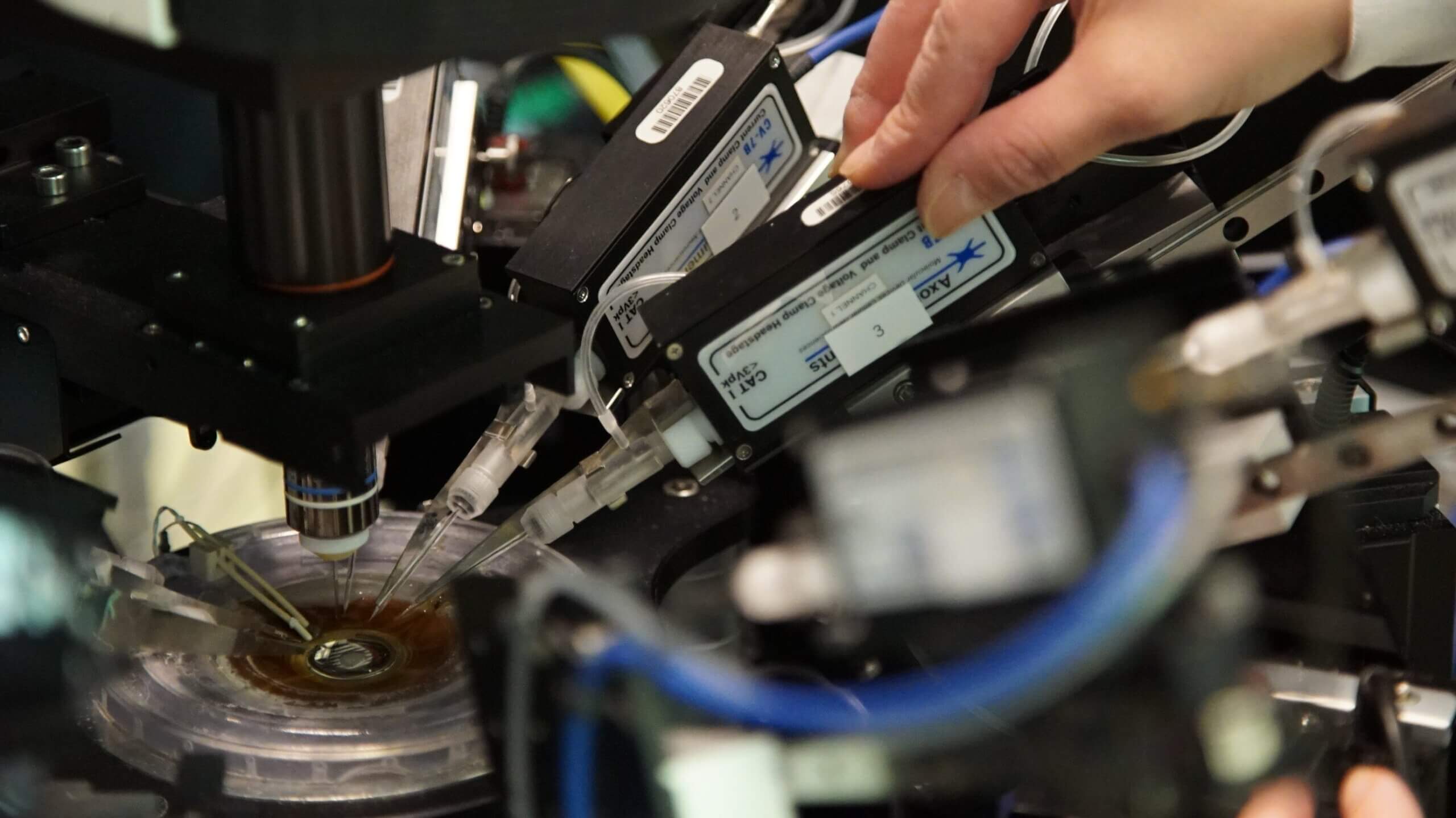
Zapping the right brain cells: The path to improved stimulation
New findings could help scientists develop better ways to treat brain disorders with electrical stimulation.
Thank you! Your submission has been received!
Oops! Something went wrong while submitting the form.
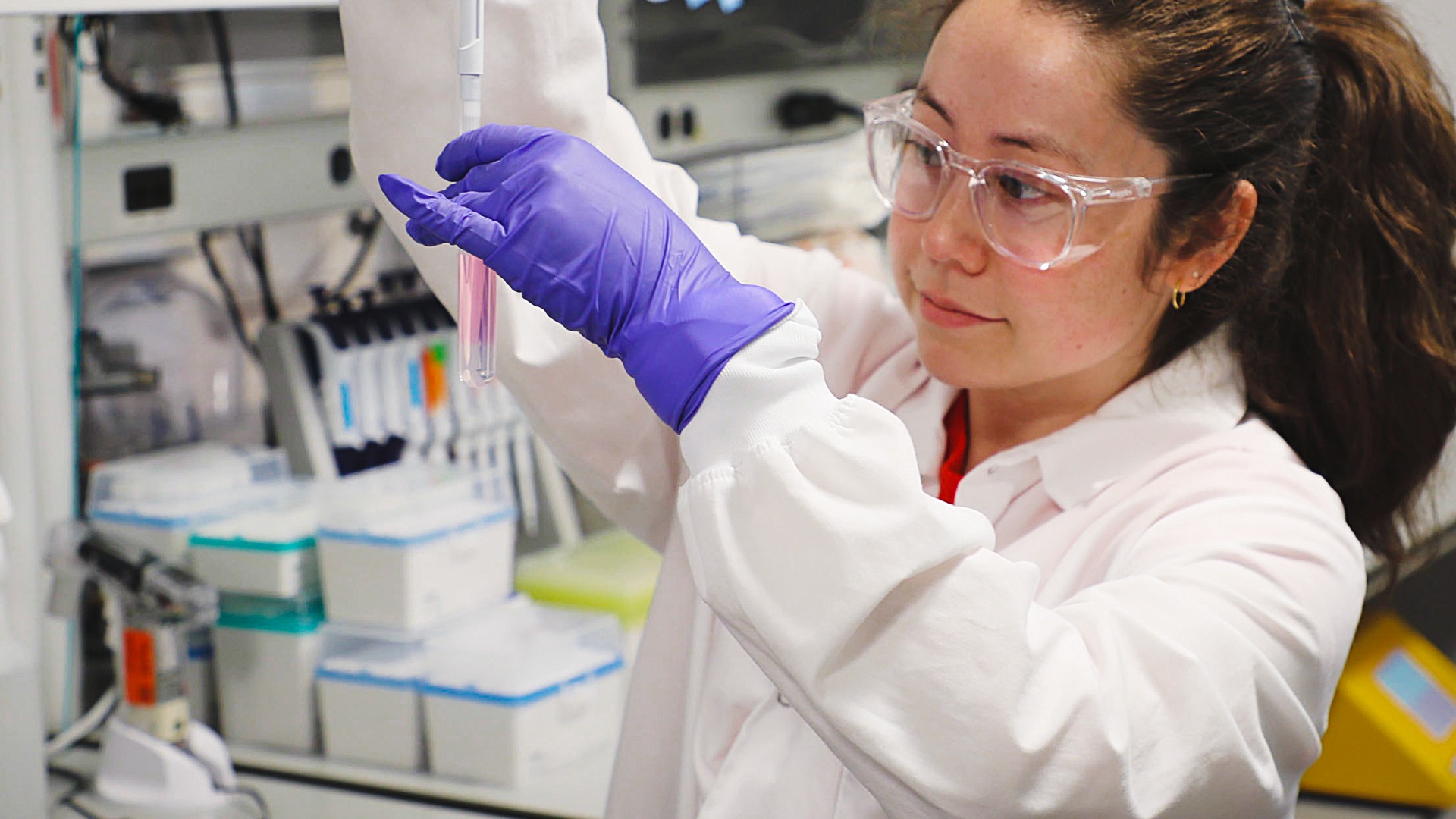

Designing better weapons to fight prostate cancer
New study unlocks key insights that could help develop next-generation immunotherapies
immunology
news
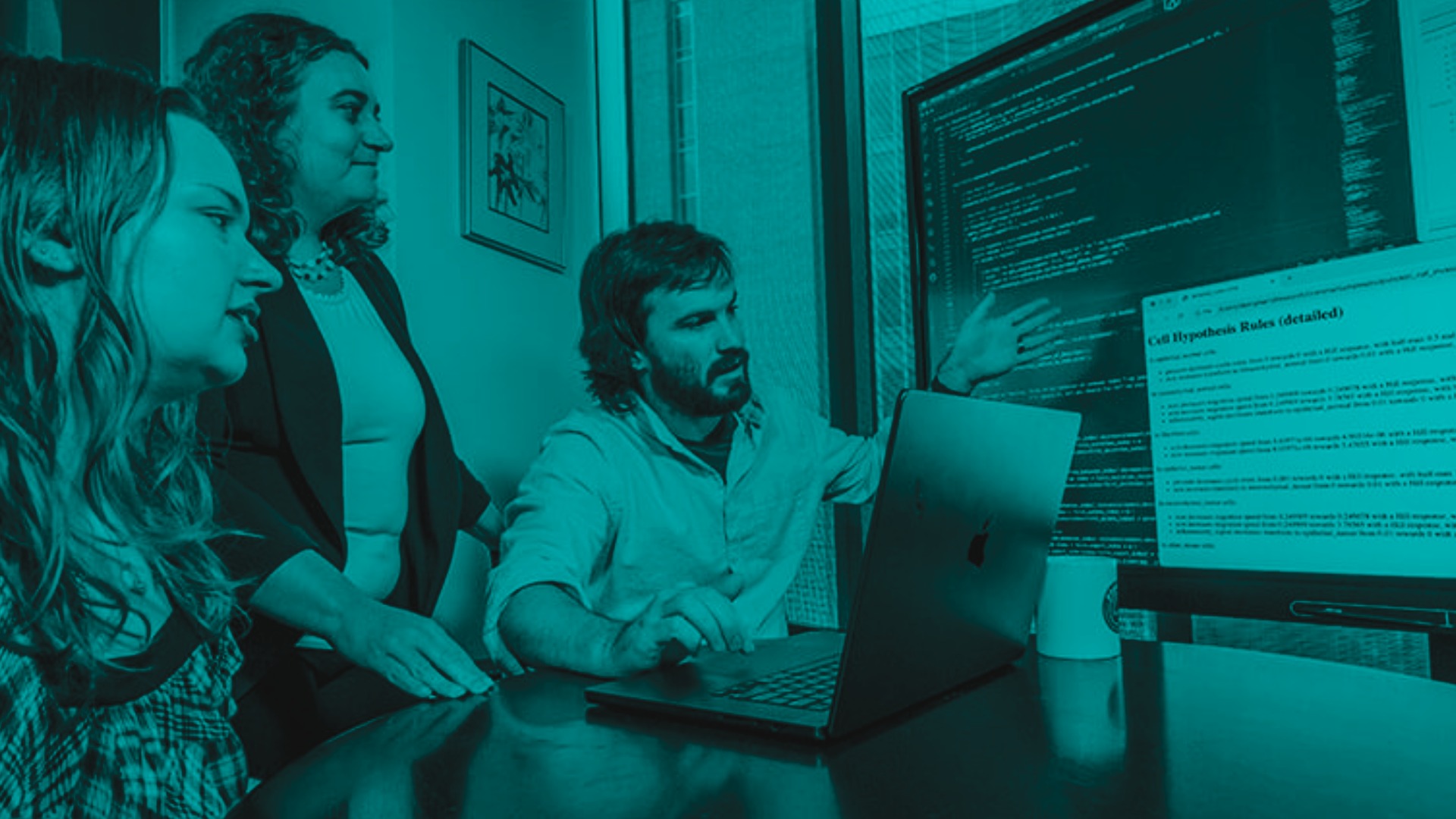
“Computational crystal ball” helps predict cell behavior
New technology could lead to better treatments for cancer by allowing scientists to perform virtual experiments
brain science
news
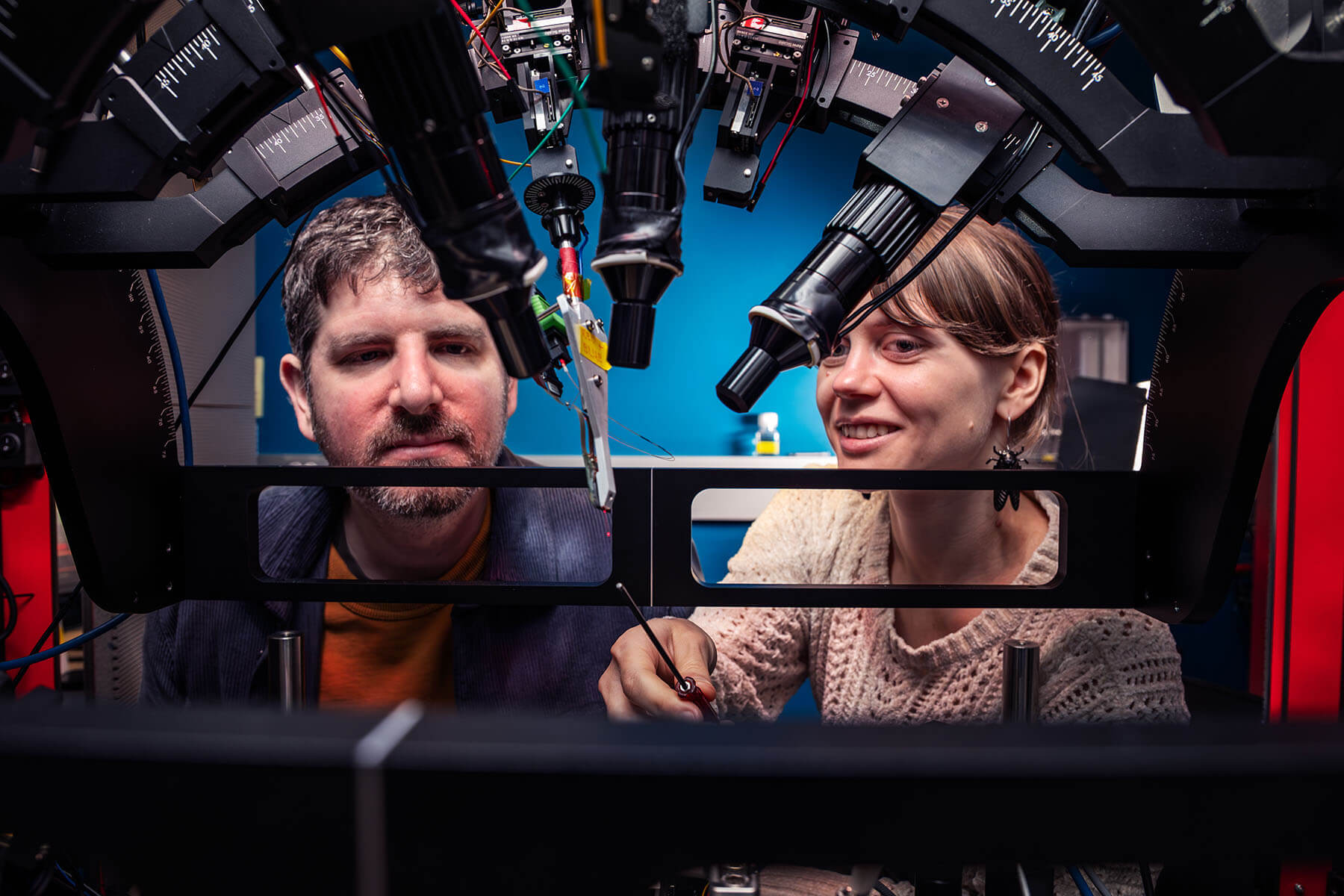
Neuropixels Opto sheds new light into deepest regions of the brain
A single tool measures and manipulates brain cell communication and democratizes advanced neuroscience
neural dynamics
news


What extreme experience can teach us about consciousness
Christof Koch speaks to a global audience about psychedelics, unresponsive patients, and the unsolved mystery of conscious experience
No items found.
video

The new lab partner: AI and future scientific discovery
Allen Institute scientists and tech experts took the international stage to explore how human-machine partnerships are pushing the boundaries of science.
No items found.
video
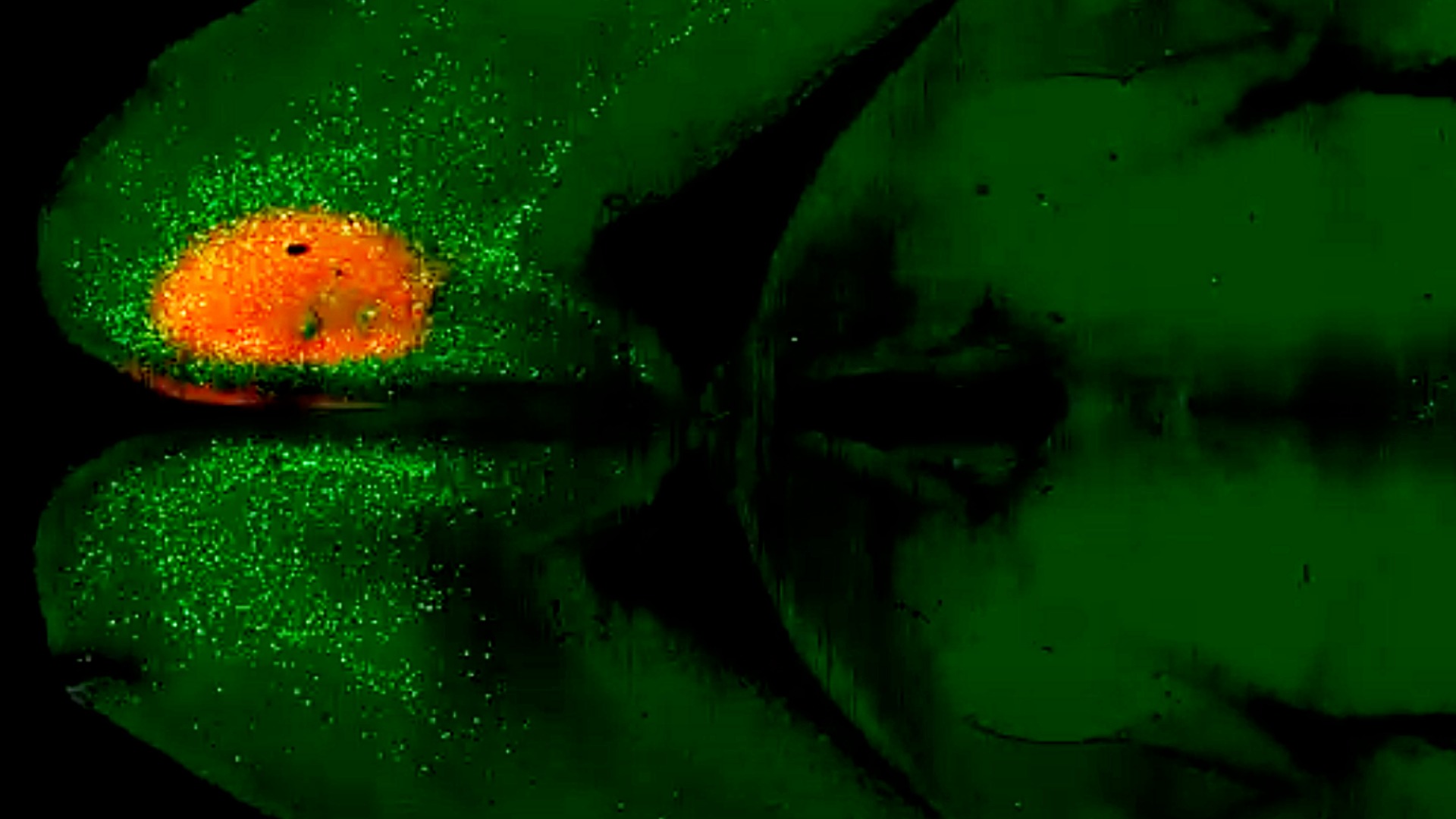
Mind trip: How psilocybin changes the brain
New research may help improve psychedelic therapy for neuropsychiatric disorders
No items found.
news
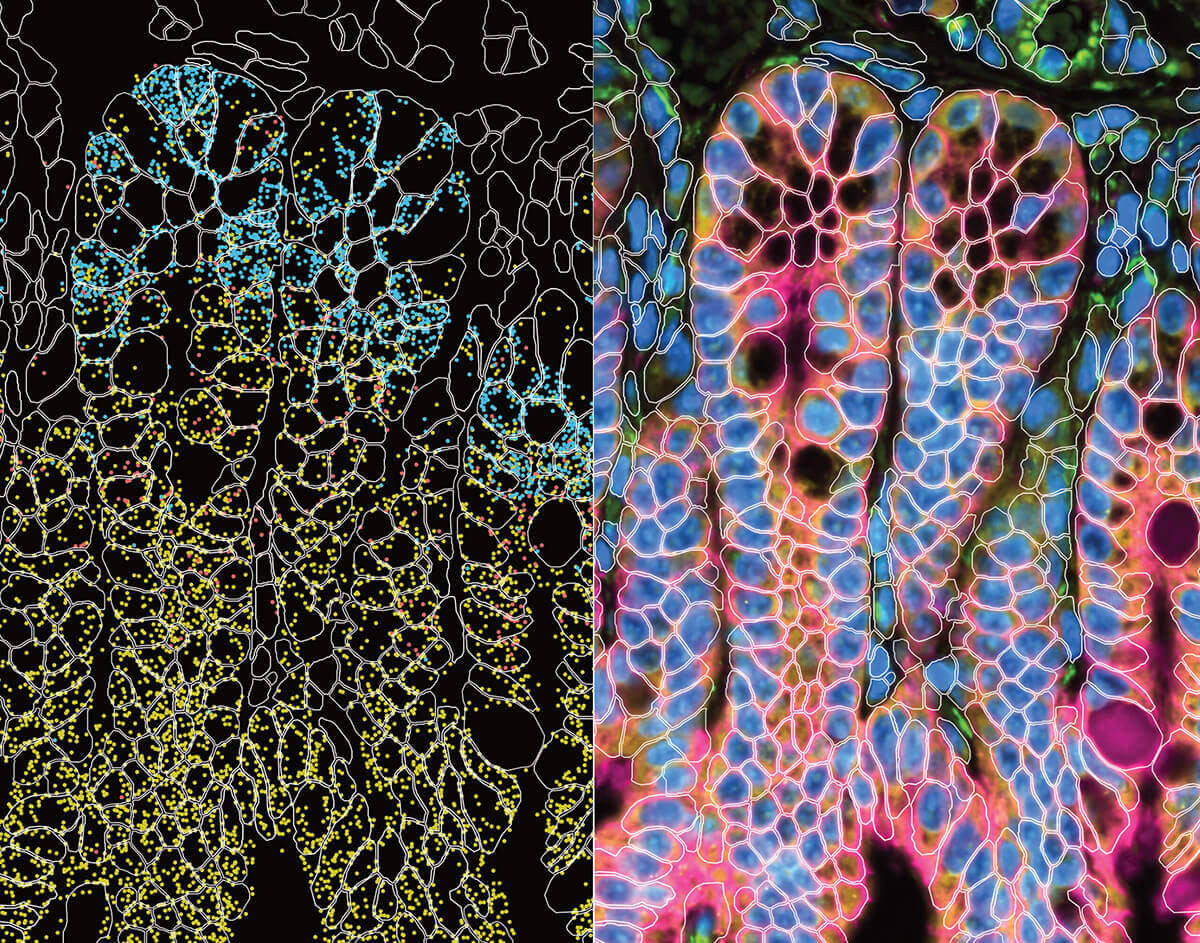
SciShots: Nervous and immune systems team up to take on parasites
Pain-sensing neurons in the intestine give marching orders to the immune system to kick off an attack against parasites
No items found.
news
Partnering with Anthropic to supercharge research and help cure disease
From months to hours, autonomous AI agents will accelerate research in the quest for cures.
No items found.
news
Computer model predicts aspects of cognitive performance
The Allen Human Brain Atlas helped researchers design a model that looked at “intrinsic neural timescales”
brain science
news
Allen Impact 2025
Technology and innovation are fueling discovery in science like never before we’re proud to be leading the way. 2025 was a year of tremendous impact...
No items found.

load more stories
1 / 36
No results found, try reducing your search parameters.
press & media contact
Get in touch for media inquiries and resources for covering science at the scale of greatest impact.
Thank you! Your submission has been received!
Oops! Something went wrong while submitting the form.



Fierce Biotech: Allen Institute's cell lines could lead to new drugs for hypertrophic cardiomyopathy
(Photo credit: Fierce Biotech) By helping scientists make generalizations about the disease by unearthing the common denominator between mutations, the cells could ultimately lead to more personalized treatment approaches.


KIRO Radio: Breakthroughs in Synthetic Biology
(Interview starts 11:35 in) Troy McDiarmid from the Seattle Center for Synthetic Biology describes the innovative research underway to create cellular recorders that will track the full life histories of human cells to better understand disease.

Puget Sound Business Journal: Seattle biotech research hub launches with big goals for growth, scientific advances
The Seattle Hub for Synthetic Biology is developing technology to monitor genomic changes in cells in real time, in turn showing cells' whole histories and the genetic causes of disease.
Inside Precision Medicine: How Single-Cell Omics is Revolutionizing Our View Of Neurobiology
(Photo credit: miakievy / Getty Images) The adult human brain is made up of billions of neurons and glial cells. Understanding the diversity of these cells and their distinctive gene-regulatory mechanisms is crucial for determining how the brain works and, in turn, for developing treatments for neurologic disorders

GeekWire: Inside the new Seattle Hub for Synthetic Biology, which uses DNA to ‘record biology over time’
(Photo credit: Charlotte Schubert) Researchers opened the doors Monday to the new Seattle Hub for Synthetic Biology, a collaboration between the Allen Institute, the Chan Zuckerberg Initiative and the University of Washington.