stories
news from the front lines of discovery
From scientific breakthroughs to new open‑source tools, the Allen Institute’s work is reshaping how science is done—and who it’s for. Explore the latest news, stories, and highlights from across our research, partnerships, and open science efforts.


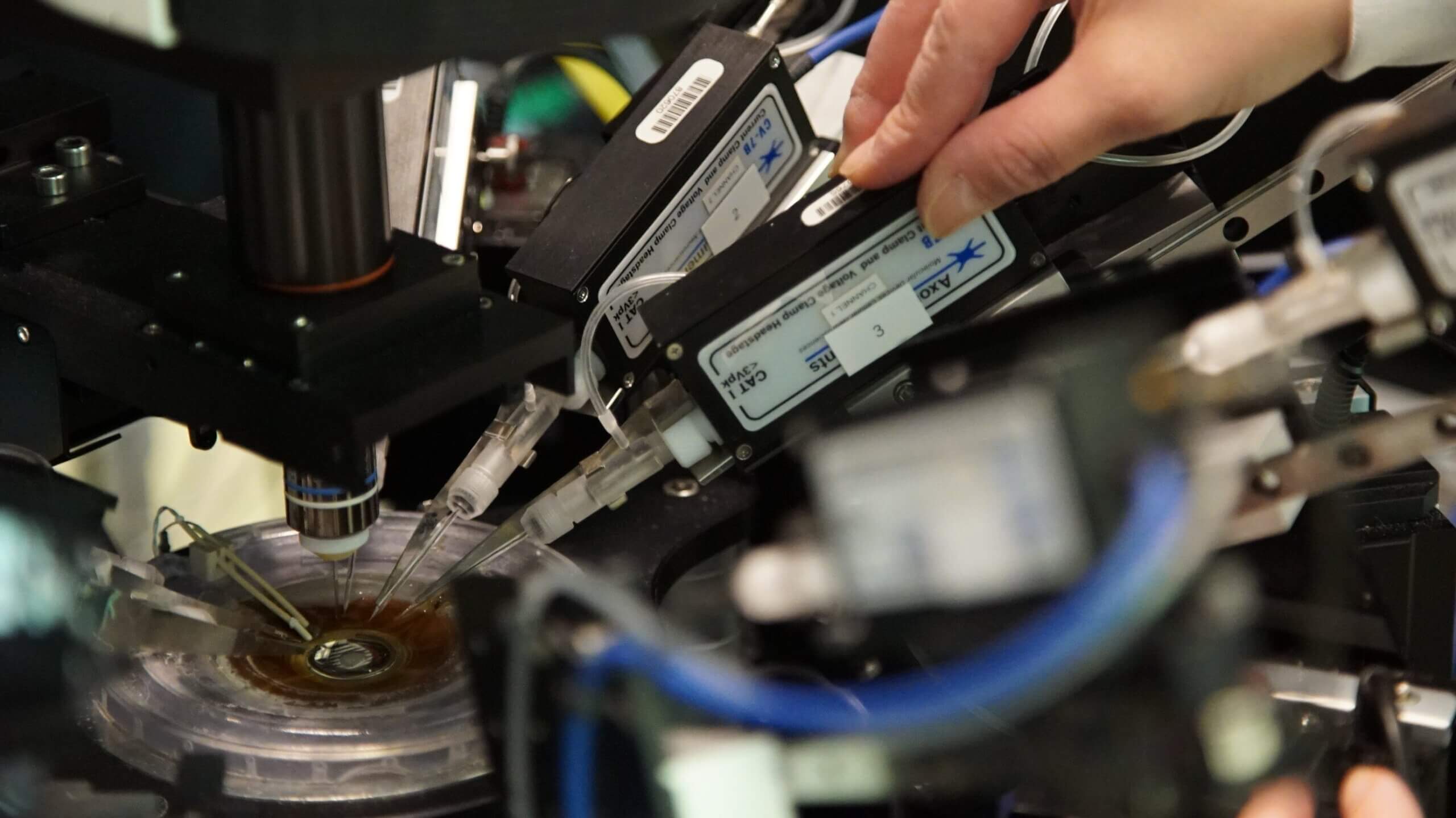
Zapping the right brain cells: The path to improved stimulation
New findings could help scientists develop better ways to treat brain disorders with electrical stimulation.
Thank you! Your submission has been received!
Oops! Something went wrong while submitting the form.
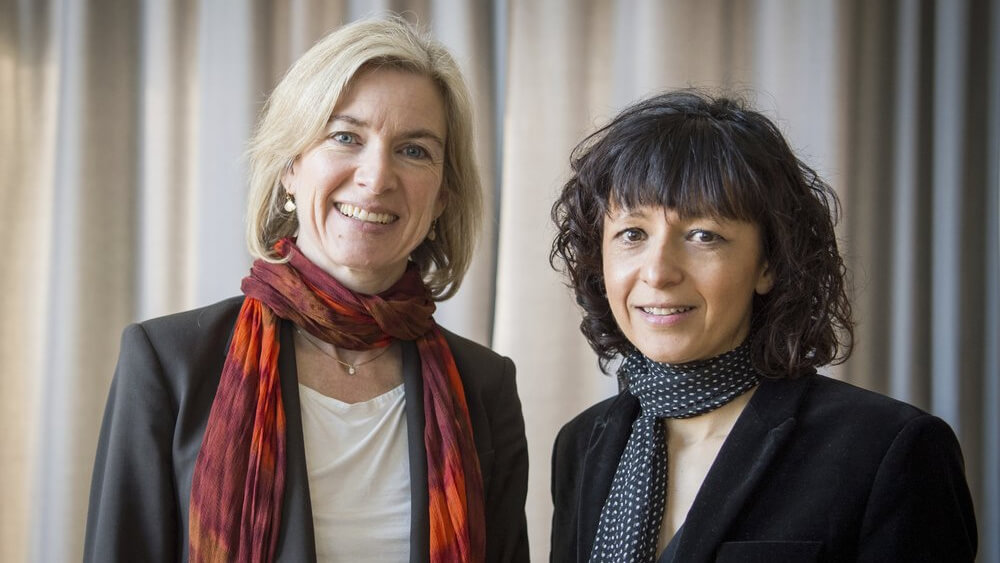

2 scientists win Nobel chemistry prize for gene-editing tool
Allen Distinguished Investigator Jennifer A. Doudna and her colleague Emmanuelle Charpentier won for developing CRISPR-cas9, a very simple technique for cutting a gene at a specific spot.
No items found.
news
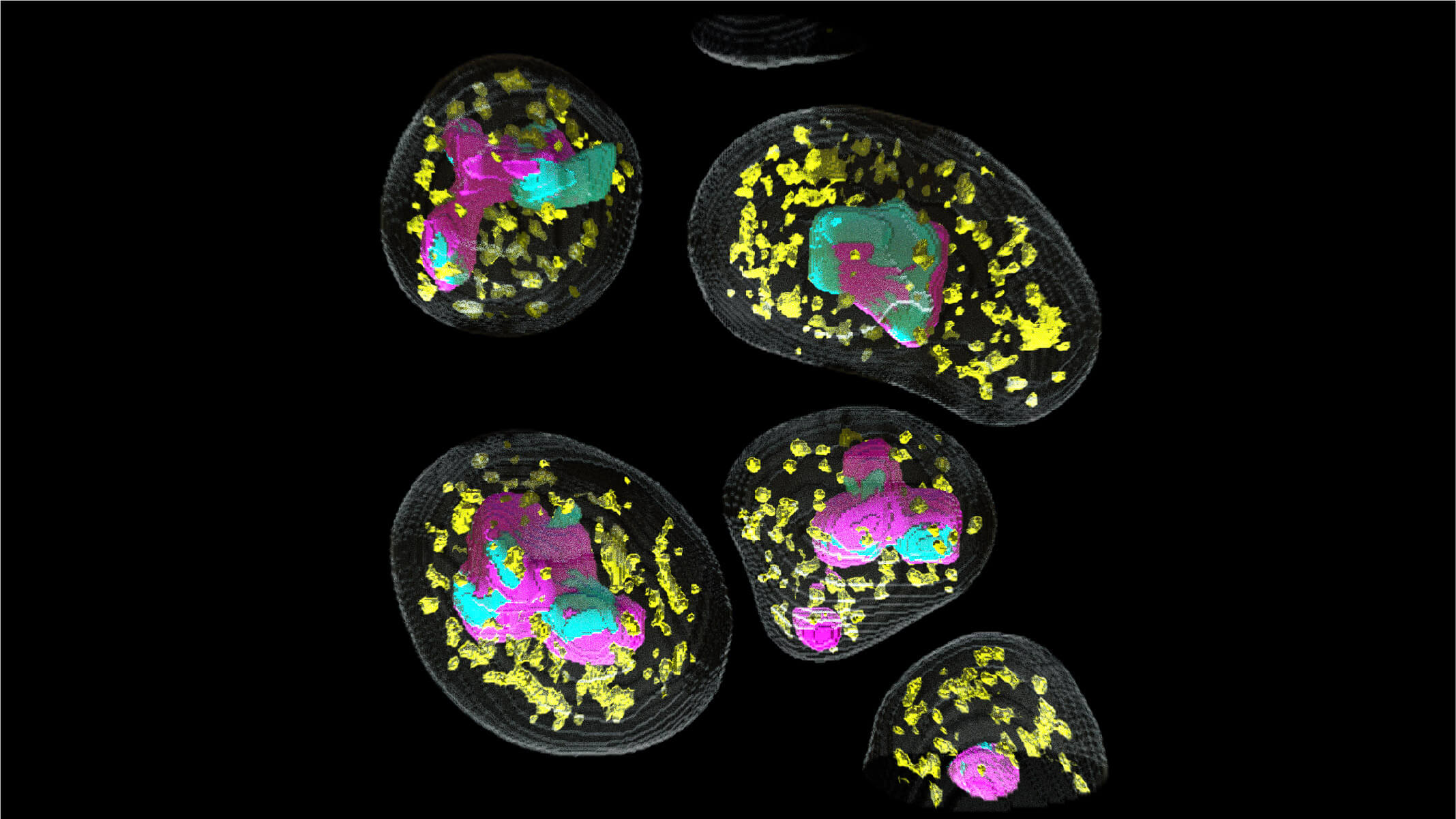
Projects launch to map the nucleus, the information center of our cells
Teams from two divisions of the Allen Institute, the Allen Institute for Cell Science and the Allen Institute for Brain Science, are participating in...
No items found.
news
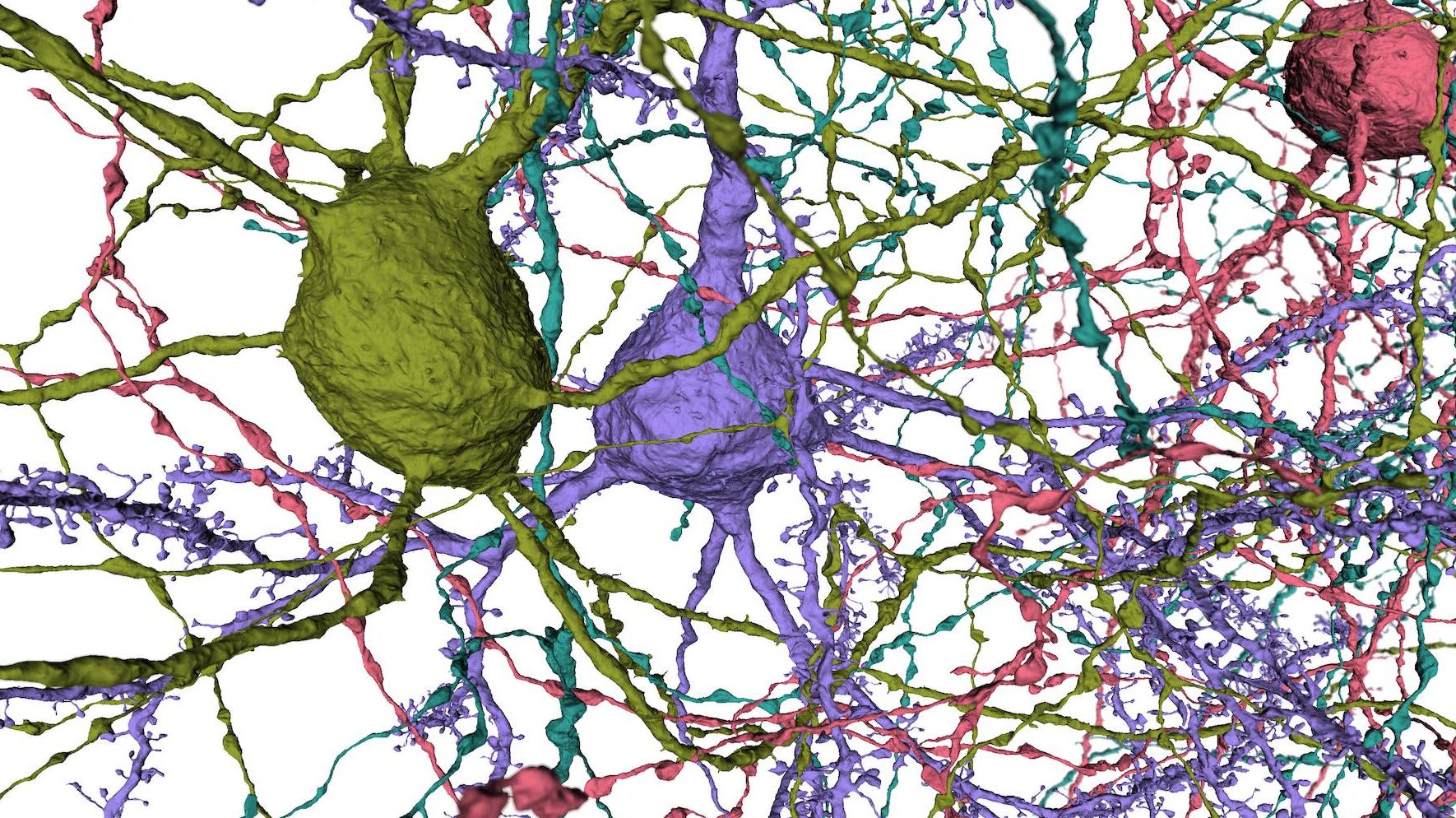
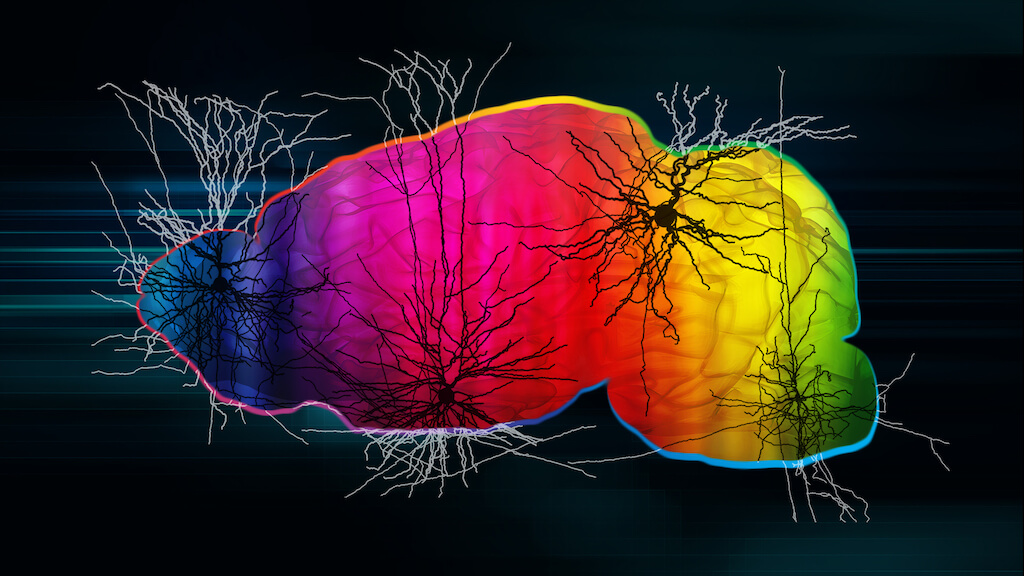
An automated pipeline for understanding how the brain is wired
To truly understand the brain, we need a roadmap of how it’s wired. The gold standard for studying the cellular architecture and the connectivity of...
brain science
news
Q&A with a bioinformatics expert on the challenges of studying human immunology
Xiaojun Li shares the career path that brought him to become Director of Bioinformatics at the Allen Institute for Immunology, and why he’s excited...
immunology
news


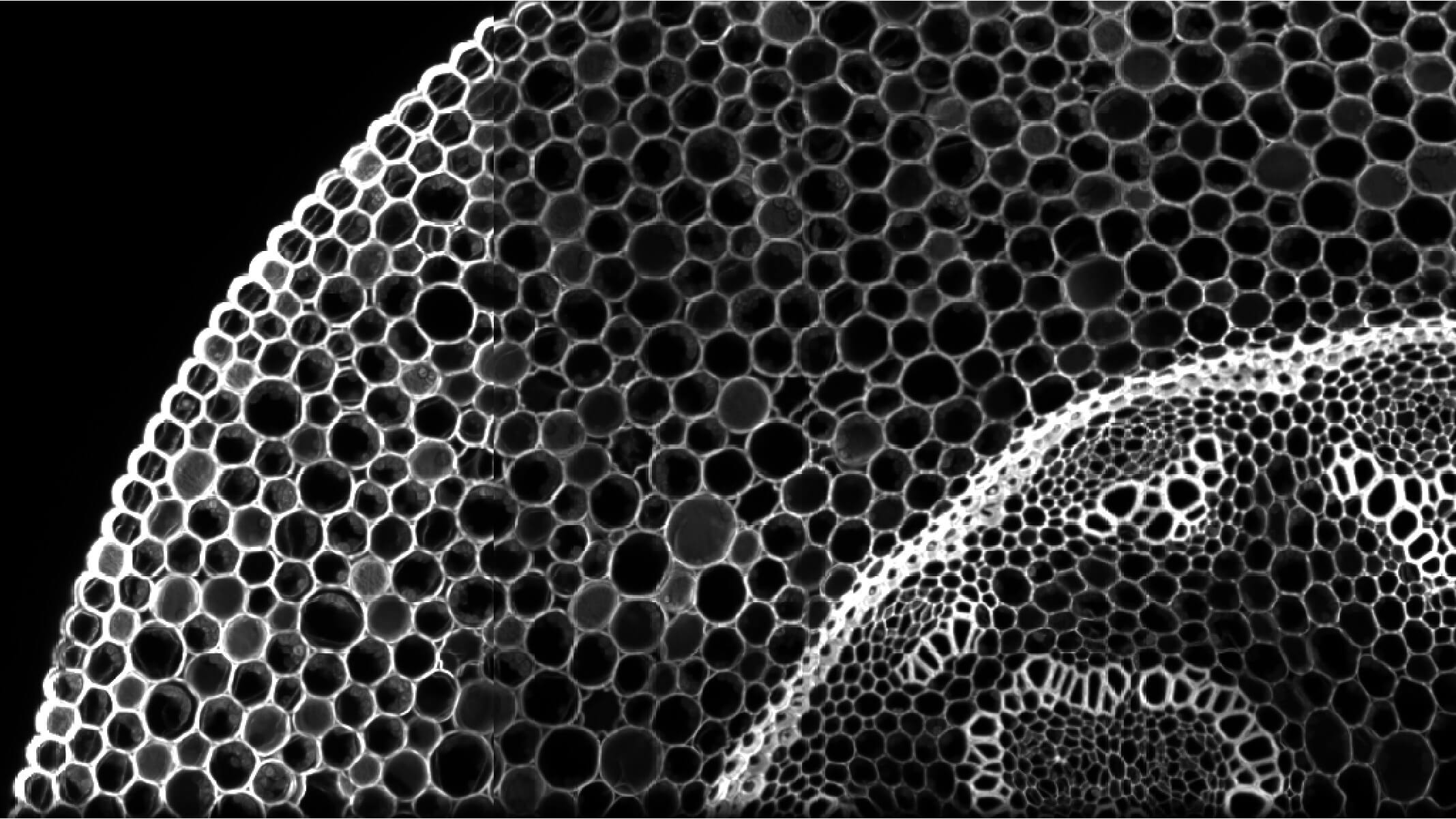
16 inspiring scientific images
The Allen Institute recently celebrated 16 years of tackling the mysteries of bioscience, from the brain to human stem cells to the immune system,...
No items found.
science images

Open Science Week | Michael Stryker, Ph.D.
Science has the maximum benefit to society when results & discoveries are made as quickly as possible. Our Board member Michael Stryker explains...
No items found.
video
Open Science Week | Denise Cai, Ph.D.
"The Allen Institute has been a leader in spearheading the open science movement," explains Next Generation Leader Denise Cai, Ph.D. This movement is...
No items found.
video
Open Science Week | Neville Sanjana, Ph.D.
Equal access to scientific resources is enabled by open science. Next Generation Leader Neville Sanjana, Ph.D., describes how this is especially...
No items found.
video
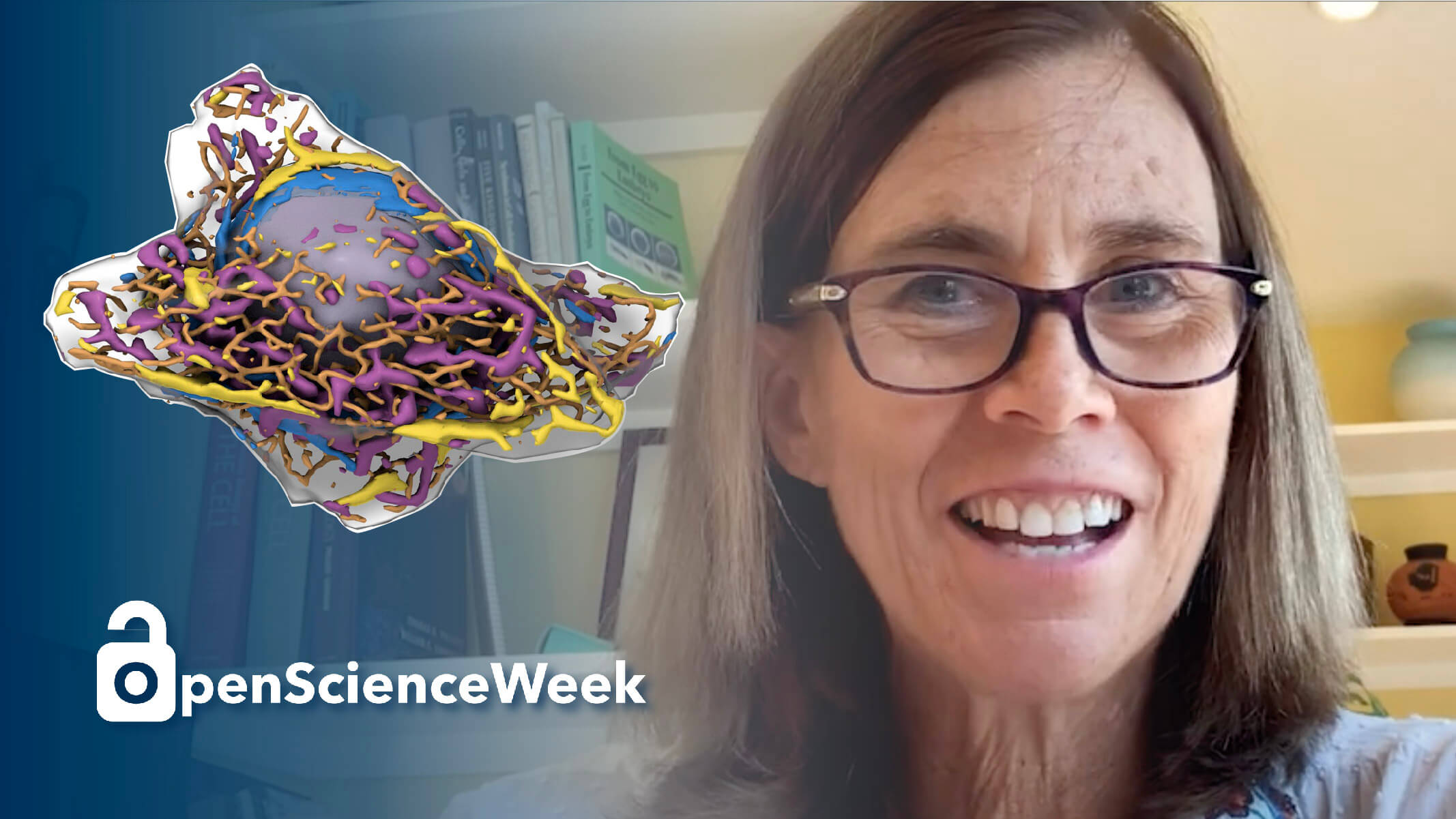
Open Science Week | Jennifer Lippincott-Schwartz, Ph.D.
Saving scientists valuable time and resources - our commitment to open science is filling an important niche in the cell biology community...
No items found.
video
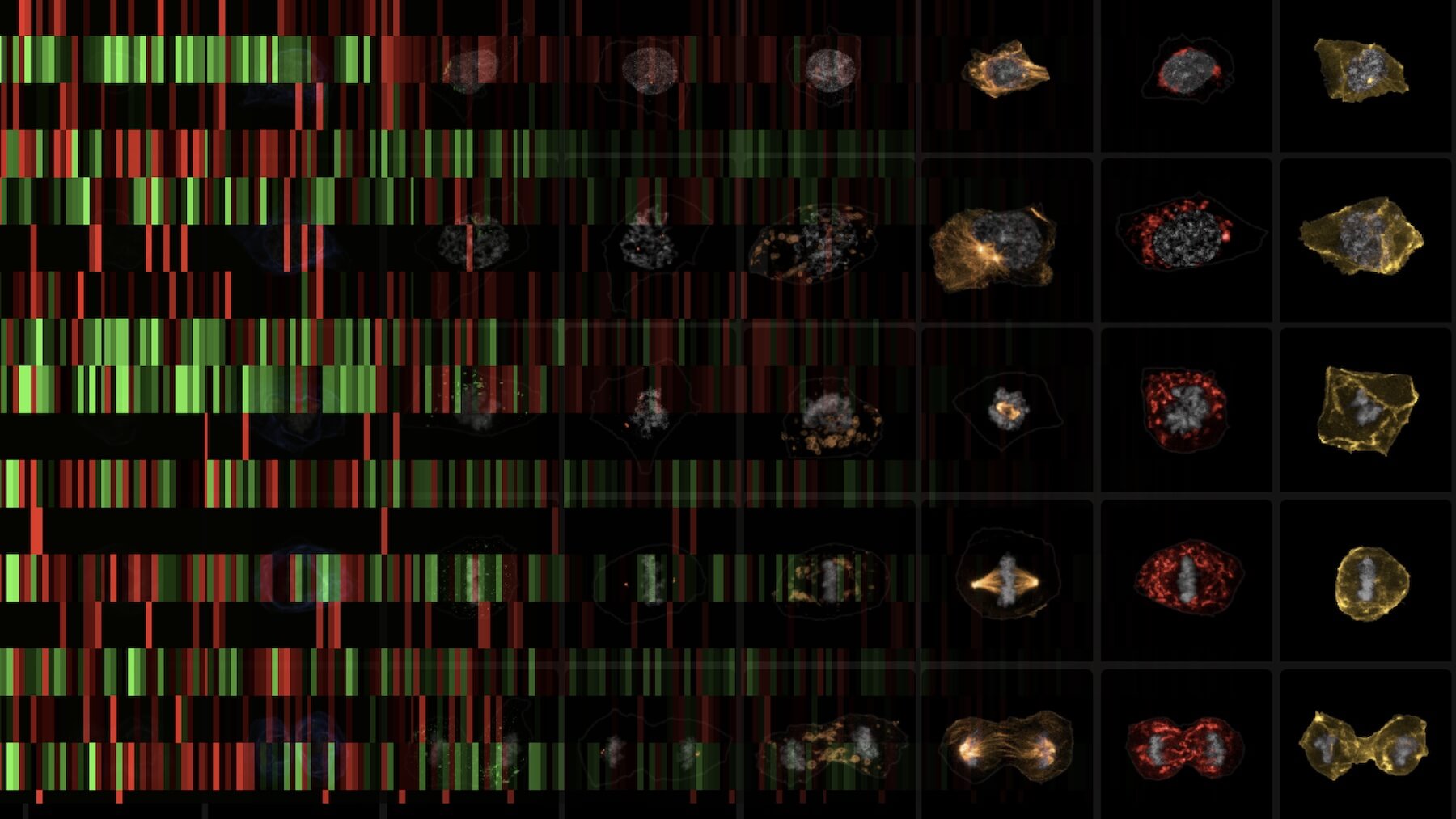
Open datasets can support virtual science education
As science classes move online, some teachers are turning to the Allen Institute’s public resources to build virtual experiments and prepare students for real-world research.
No items found.
news

No results found, try reducing your search parameters.
press & media contact
Get in touch for media inquiries and resources for covering science at the scale of greatest impact.
Thank you! Your submission has been received!
Oops! Something went wrong while submitting the form.



Fierce Biotech: Allen Institute's cell lines could lead to new drugs for hypertrophic cardiomyopathy
(Photo credit: Fierce Biotech) By helping scientists make generalizations about the disease by unearthing the common denominator between mutations, the cells could ultimately lead to more personalized treatment approaches.


KIRO Radio: Breakthroughs in Synthetic Biology
(Interview starts 11:35 in) Troy McDiarmid from the Seattle Center for Synthetic Biology describes the innovative research underway to create cellular recorders that will track the full life histories of human cells to better understand disease.

Puget Sound Business Journal: Seattle biotech research hub launches with big goals for growth, scientific advances
The Seattle Hub for Synthetic Biology is developing technology to monitor genomic changes in cells in real time, in turn showing cells' whole histories and the genetic causes of disease.
Inside Precision Medicine: How Single-Cell Omics is Revolutionizing Our View Of Neurobiology
(Photo credit: miakievy / Getty Images) The adult human brain is made up of billions of neurons and glial cells. Understanding the diversity of these cells and their distinctive gene-regulatory mechanisms is crucial for determining how the brain works and, in turn, for developing treatments for neurologic disorders

GeekWire: Inside the new Seattle Hub for Synthetic Biology, which uses DNA to ‘record biology over time’
(Photo credit: Charlotte Schubert) Researchers opened the doors Monday to the new Seattle Hub for Synthetic Biology, a collaboration between the Allen Institute, the Chan Zuckerberg Initiative and the University of Washington.