in this article
Using technology originally designed for defect detection in electronics manufacturing, the newly built “ExA-SPIM” microscope is showing scientists the mouse brain as it’s never been seen before.
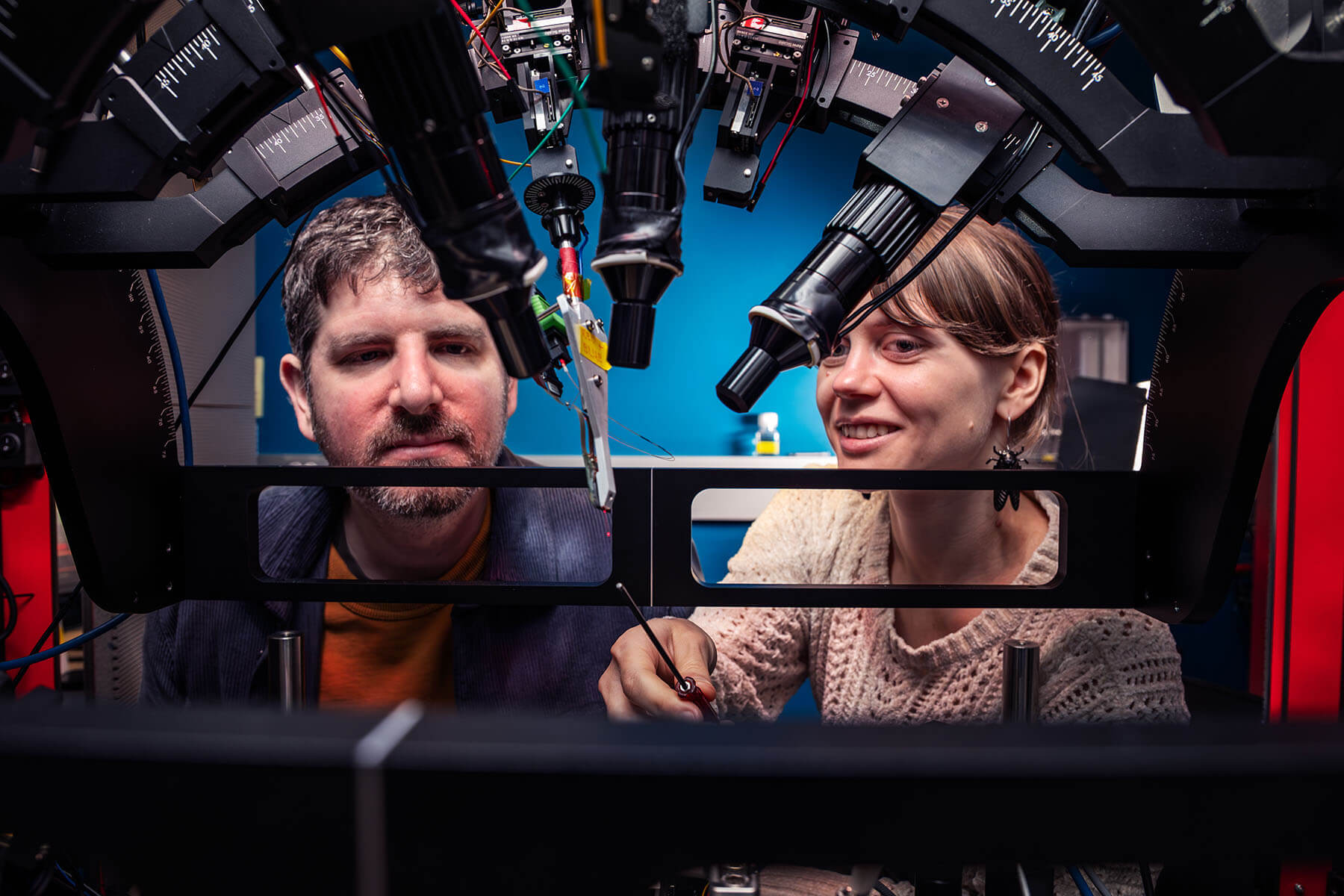
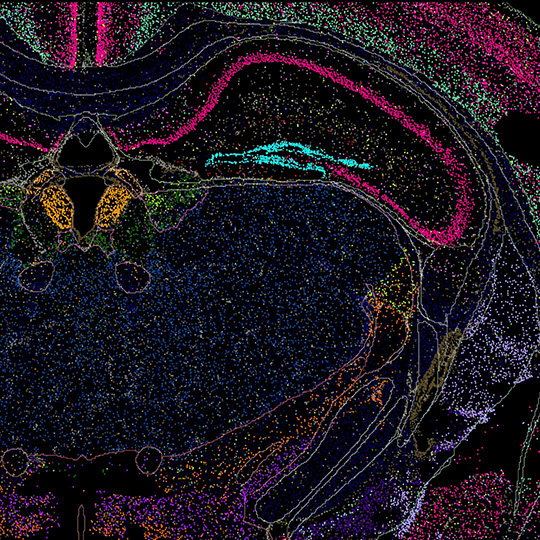
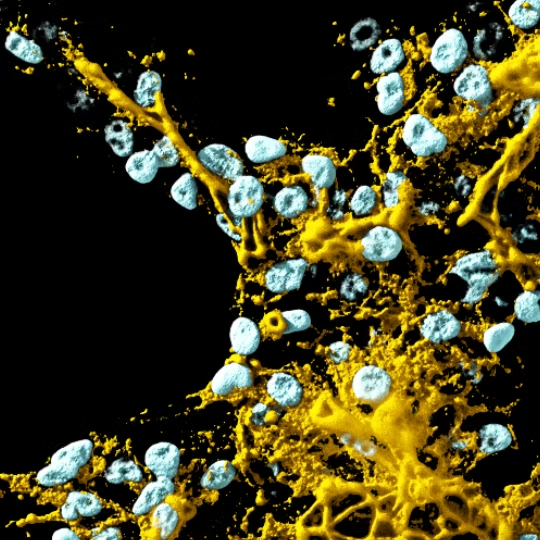
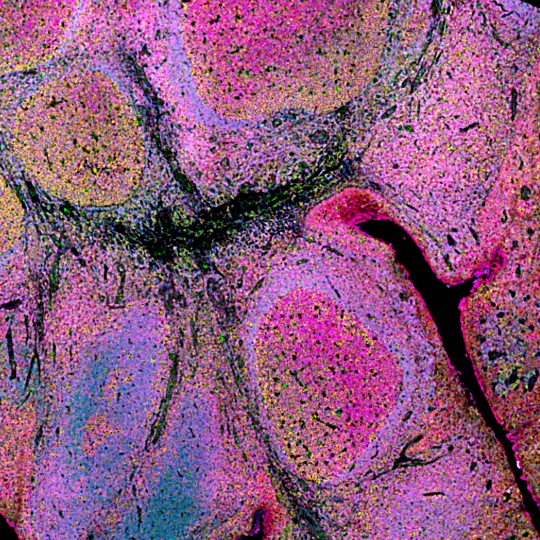
ExA-SPIM, developed by a team at the Allen Institute for Neural Dynamics, a division of the Allen Institute, is a one-of-a-kind microscope built for capturing images of the entire mouse brain at incredible resolution. The images coming off the scope allow the scientists to view individual neurons and their wiring in the context of the entire mouse brain, a jellybean-sized organ that houses nearly 80 million individual neurons. The researchers use special fluorescent tags to make certain neurons glow under the microscope — and the resulting images from the new technology are stunning in their clarity and definition.
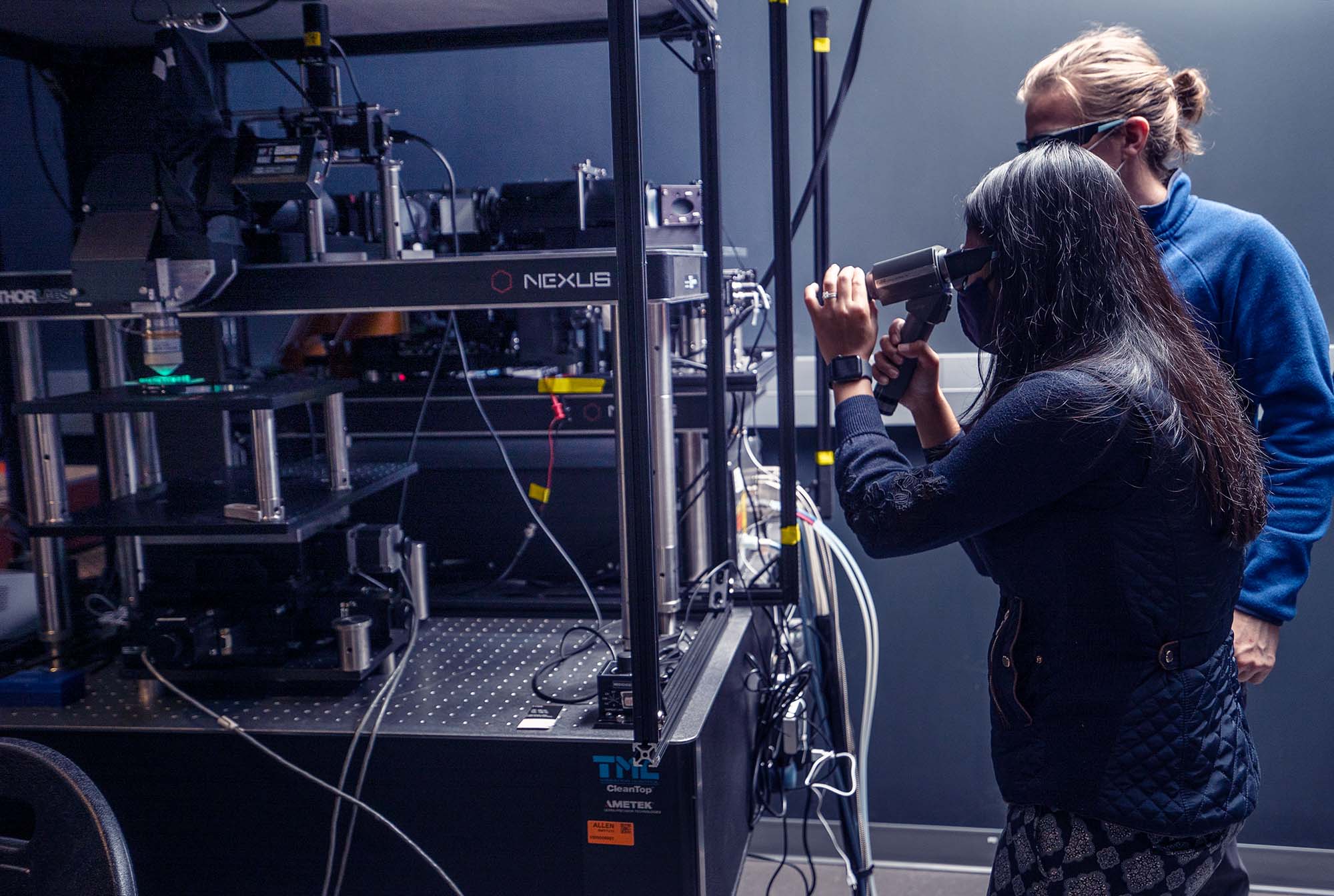
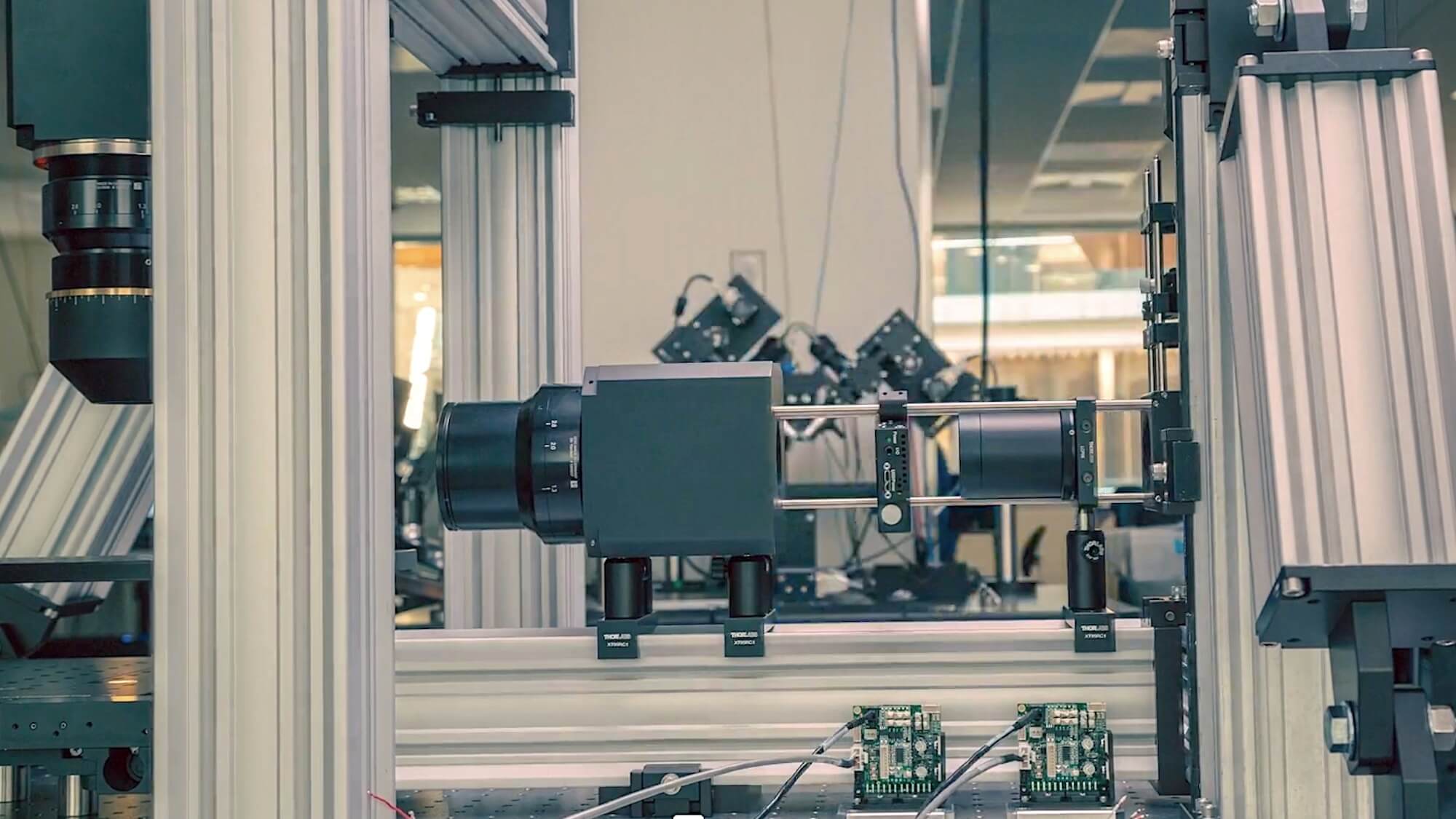
The new machine is a kind of light-sheet microscope, an emerging technology that uses 2D planes of light to illuminate tissues or cells with high definition; the 2D images are then stitched together to create a 3D view of entire mouse brains, in the case of ExA-SPIM. This new microscope also adds technology from the electronics manufacturing industry: “defect detection” cameras originally created to automatically detect minute imperfections in LED chips on conveyer belts in electronics factories. This camera technology enables both high resolution and speed in imaging.
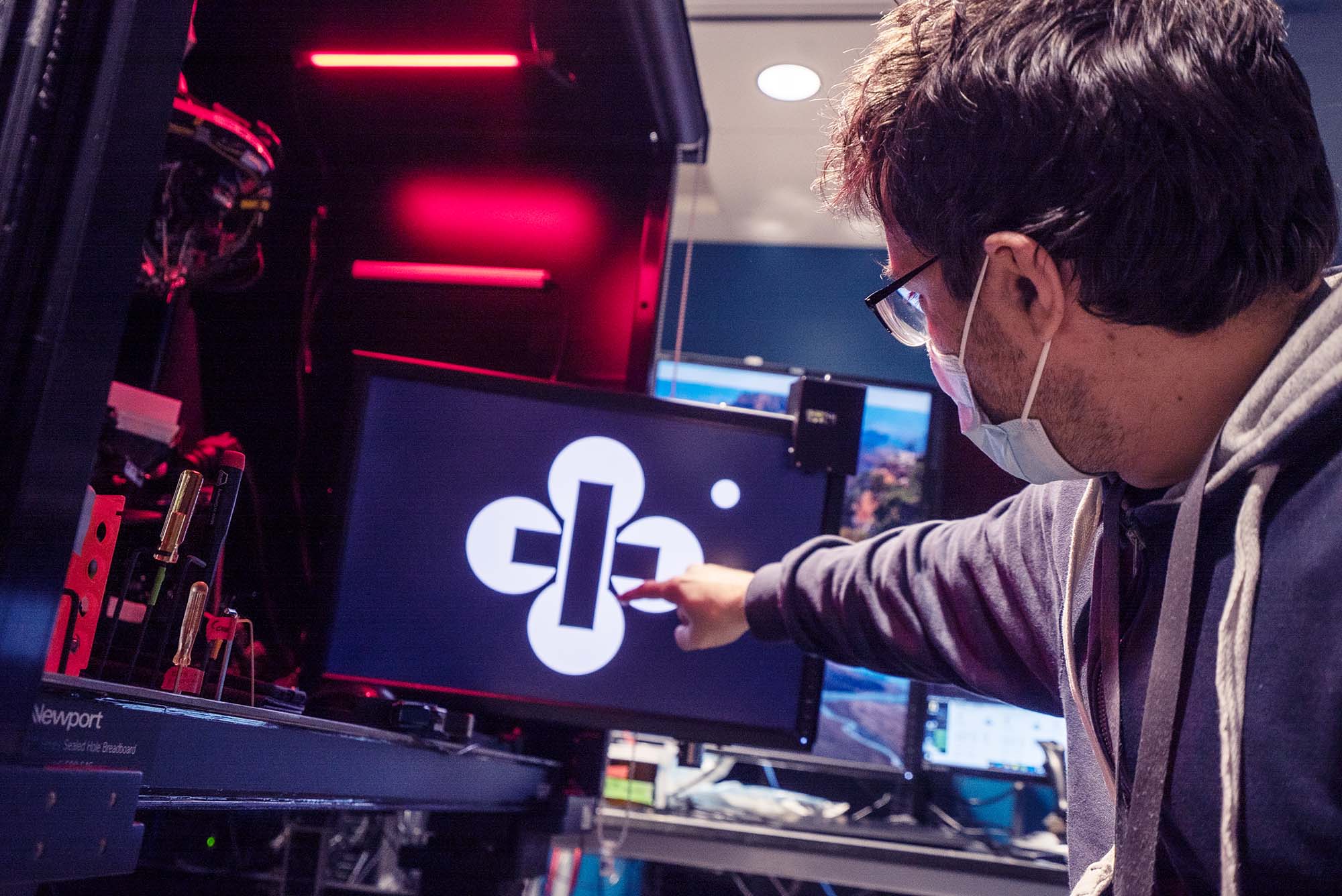
Watch scientist Adam Glaser, Ph.D., and his colleagues put together the world’s first ExA-SPIM microscope in this time-lapse video. The researchers also recently published a pre-print publication how-to for building the equipment.
Citations
about the allen institute
The Allen Institute is an independent, 501(c)(3) nonprofit research organization founded by philanthropist and visionary, the late Paul G. Allen. The Allen Institute is dedicated to answering some of the biggest questions in bioscience and accelerating research worldwide. The Institute is a recognized leader in large-scale research with a commitment to an open science model. For more information, visit alleninstitute.org.